Creation Wines


World's 50 Best #7 · Falstaff Winery - Listed
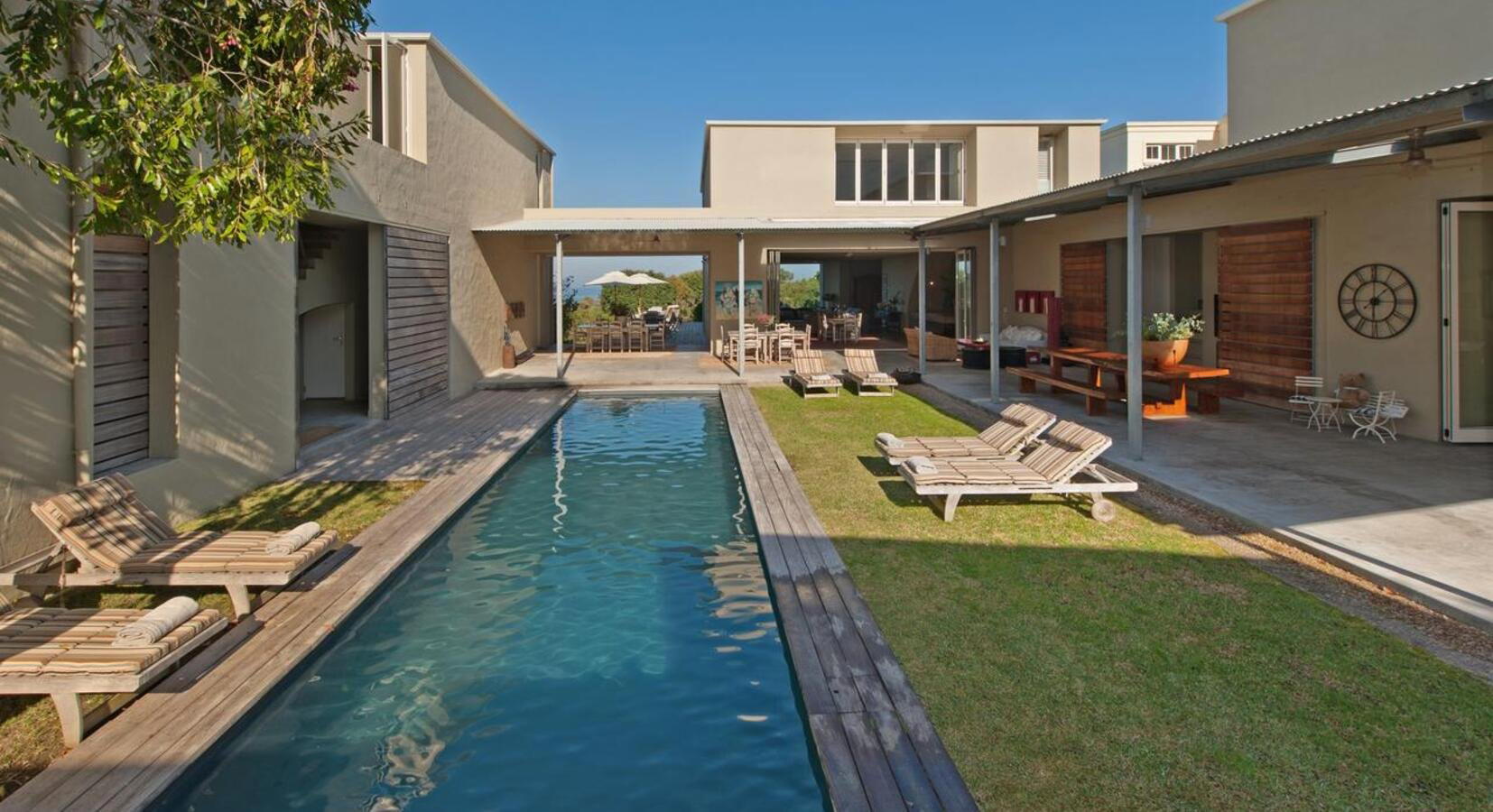
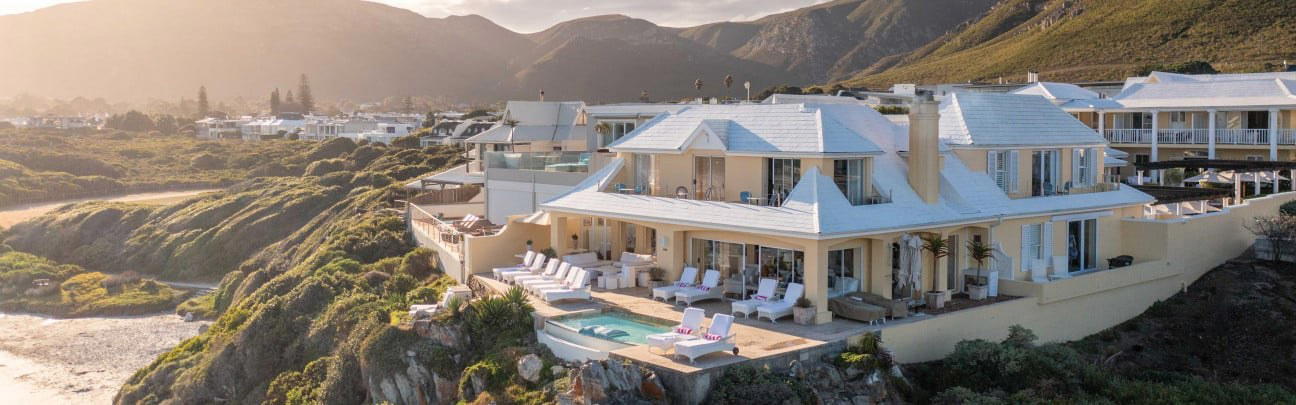
Creation Wines puts the Hemel-en-Aarde conversation in plain view: cool-climate South African wine, ecological intent, and a setting whose name translates as “heaven and earth.” The point here is terroir rather than spectacle, with Hermanus acting as the gateway to a wine region defined by maritime influence, high ridges, and a quieter premium register than the Cape's grander estates.

Pearl is the En Primeur Club membership app — saves, bookings, and concierge access live there. Same editors, same standards.
- Address
- Hemel & Aarde Rd R320, Hermanus, 7200
- Phone
- +27 28 212 1107
- Website
- creationwines.com
- Directions
- Get directions
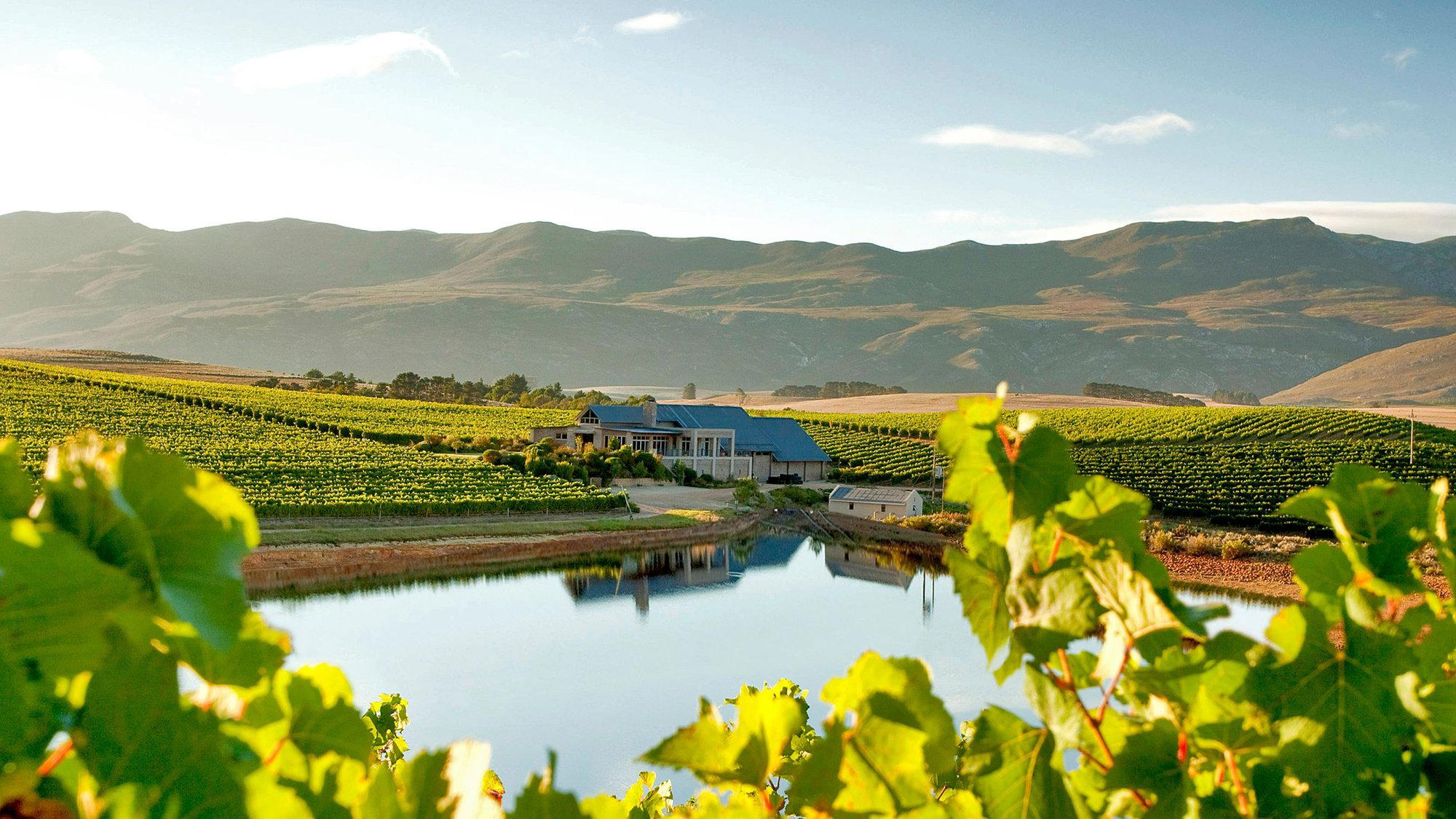
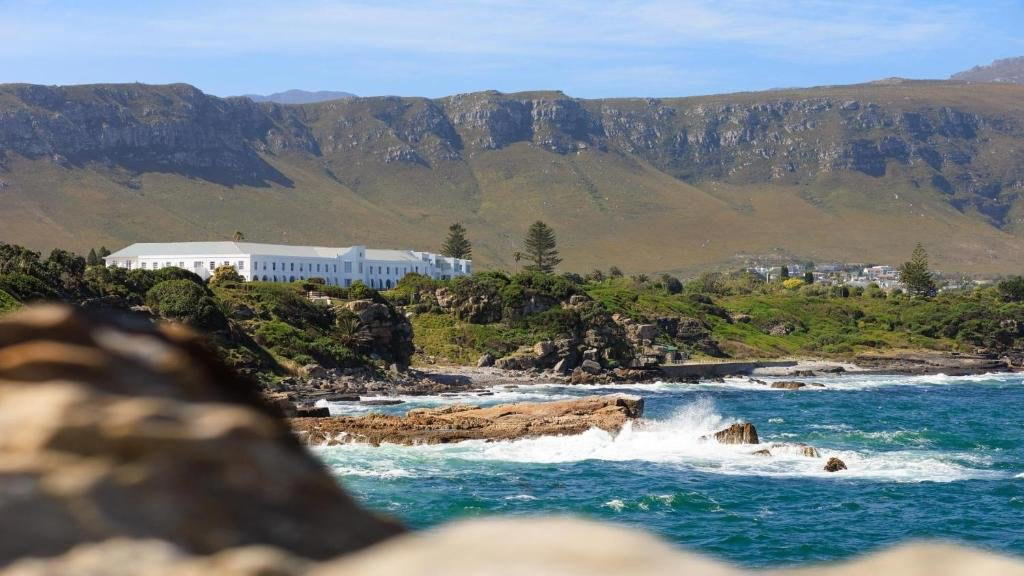
The approach to Creation Wines runs through the Hemel-en-Aarde corridor, where Hermanus shifts from whale-watching coast to vineyard country. The name of the valley translates as “heaven and earth,” but the useful reading is less poetic and more geological: slope, wind, exposure, and distance from the ocean all matter here. South Africa's Cape wine regions are often discussed through historic estates and cellar-door scale; Hemel-en-Aarde works on a tighter register, with cool-climate ambition and a strong case for wines that speak through site rather than power.
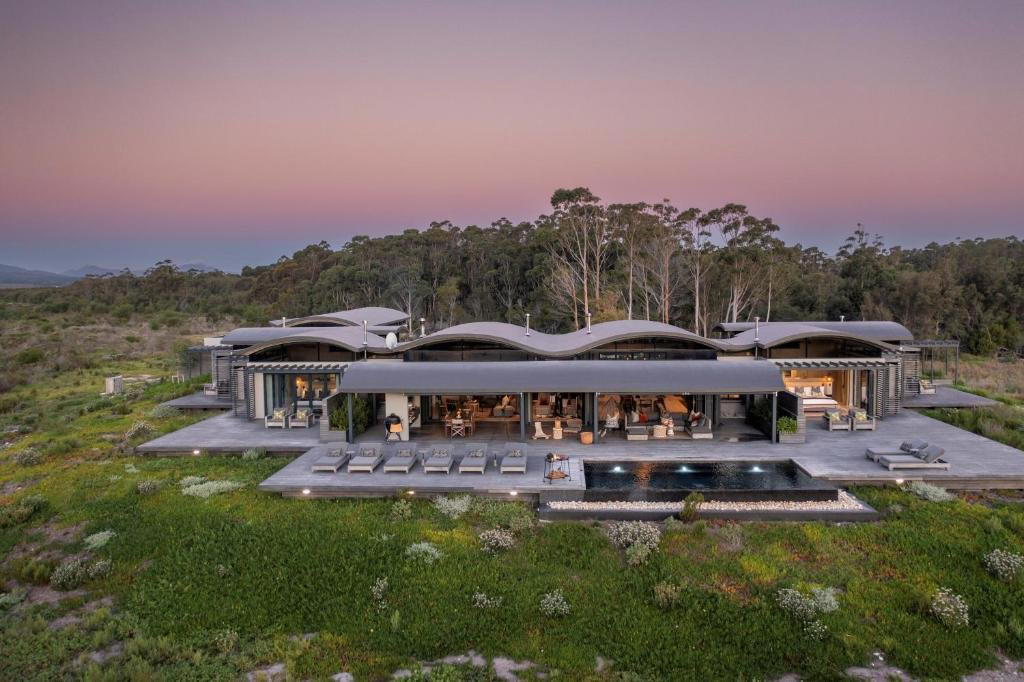
Creation Wines sits inside that conversation as an ecologically minded winery, and that matters because sustainability in this part of the Cape is not a decorative claim. The region's premium identity depends on climatic tension, careful farming, and the ability to read small variations in aspect. In practical terms, the experience is less about trophy architecture than about understanding why this valley has become one of South Africa's serious cool-climate addresses.
Hemel-en-Aarde makes the argument before the first glass
Hermanus is often treated as a coastal stop, but its wine identity is strongest inland along the R320, where Hemel-en-Aarde has built a reputation around restraint, acidity, and site expression. Creation Wines belongs to that inland grammar. The valley's appeal lies in contrast: maritime proximity without a beach-resort mood, rural quiet without isolation, and a premium cellar-door culture that feels smaller and more focused than the larger Cape Winelands circuit.
That context explains why the most useful comparisons are local rather than national. Ataraxia Wines, Bouchard Finlayson, Hamilton Russell Vineyards, and Newton Johnson Vineyards form the immediate frame: a cluster of Hermanus producers where vineyard position carries as much weight as cellar polish. In that company, Creation Wines is read through land use, cool-climate discipline, and the way the valley's physical conditions translate into the glass.
The broader South African comparison is instructive. Stellenbosch, Franschhoek, Paarl, and Cape Town each project a different model of Cape wine tourism: heritage Cabernet country, grand-estate hospitality, historic farming routes, and urban-edge vineyards. Readers building a wider Cape itinerary can place Hermanus alongside Alto Wine Estate in Stellenbosch, Anthonij Rupert Wyne (L'Ormarins) in Franschhoek, Backsberg in Paarl, and Beau Constantia in Cape Town. The contrast is useful: Hemel-en-Aarde tends to reward travellers who care about climatic nuance rather than estate theatre.
Terroir, ecology, and the modern Cape cellar-door
The defining idea at Creation Wines is the link between ecological intent and terroir expression. That does not require inflated language. It means that the agricultural choices, the valley's exposure, and the cool-climate setting are part of the experience rather than background scenery. For travellers used to older Cape estates, the tone feels younger and more contemporary: less inheritance, more interpretation.
This is also where Hermanus differs from many global wine regions. The cellar-door experience is not only a tasting counter; it is a way of reading place. The valley's name may invite easy romance, but the stronger argument is empirical. The site sits in a corridor where coastal influence and inland elevation create the conditions that made Hemel-en-Aarde a reference point for South African cool-climate wine. Creation Wines uses that setting as its main credential.
Internationally, it belongs to the same reader conversation as producers where farming method, microclimate, and allocation culture matter more than grand-hotel polish. A traveller comparing Cape wine routes with Oregon or Central Europe might look outward to 00 Wines in Carlton or even a specialist producer such as 1310 Spirit of the Country Distillery in Sierning, not because the categories are identical, but because the decision is similar: choose places where agricultural identity does the heavy lifting.
How to place it in a Hermanus itinerary
Creation Wines works strongest as part of a Hemel-en-Aarde-focused day rather than as an isolated tick on a Cape route. The valley rewards pacing. Pairing it with nearby producers gives the clearest sense of how small changes in site and house style affect the final impression. The city's wider hospitality scene then fills in the edges: Our full Hermanus restaurants guide covers where to eat around the wine route, while Our full Hermanus hotels guide is useful for deciding whether to stay near the coast or treat Hermanus as a base for vineyard days.
The practical rhythm is simple: keep the wine portion of the day concentrated, avoid overloading the route, and let the valley's geography explain itself. For travellers staying longer, Our full Hermanus bars guide, Our full Hermanus wineries guide, and Our full Hermanus experiences guide round out the city beyond the tasting room. The strongest reason to come is not a single label or a staged cellar-door moment. It is the chance to understand why this stretch of Hermanus has become one of the Cape's clearest arguments for terroir-led wine.
Quick Comparison
Comparable venues by cuisine and price in the same metro.
| Venue | Cuisine | Price | Awards |
|---|---|---|---|
| Creation WinesThis venue — the venue you are viewing | Stay in the self-catering, solar-p; A young and ecologically minded winery in a location that fittingly translates as “heaven and earth”, not far from Cape Town. Stay in the self-catering, solar-p; A young and ecologically minded winery in a location that fittingly translates as “heaven and earth”, not far from Cape Town. Stay in the self-catering, solar-p; A young and ecologically minded winery in a location that fittingly translates as “heaven and earth”, not far from Cape Town. Stay in the self-catering, solar-p; A young and ecologically minded winery in a location that fittingly translates as “heaven and earth”, not far from Cape Town. Stay in the self-catering, solar-p; A young and ecologically minded winery in a location that fittingly translates as “heaven and earth”, not far from Cape Town. Stay in the self-catering, solar-p | $50–100 | World's 50 Best #7 · Falstaff Winery - Listed |
| Ataraxia Wines | Not listed | Not listed | Falstaff Winery - Listed |
| Newton Johnson Vineyards | Not listed | $20–30 | Falstaff Winery - Listed |
| Bouchard Finlayson | Not listed | Not listed | Falstaff Winery - Listed |
| Hamilton Russell Vineyards | Not listed | Not listed | World's 50 Best #99 · Falstaff Winery - Listed |
Recognition history
Dated appearances from independent guides and award organizations, with the underlying list record or original source where available.
World's 50 Best Vineyards #7
World's 50 Best
Falstaff Winery - Listed
Falstaff
Full recognition history (7 entries)
World's 50 Best Vineyards #3
World's 50 Best
World's 50 Best Vineyards #4
World's 50 Best
World's 50 Best Vineyards #38
World's 50 Best
World's 50 Best Vineyards #10
World's 50 Best
World's 50 Best Vineyards #45
World's 50 Best
Continue exploring
More in Hermanus
Wineries in Hermanus
Browse all →
Bars in Hermanus
Browse all →
Restaurants in Hermanus
Browse all →
Details
- Romantic
- Scenic
- Elegant
- Rustic
- Romantic Getaway
- Celebration
- Wine Education
- Vineyard Tour
- Estate Grounds
- Terrace
- Panoramic View
- Sustainable
- Mountain
- Vineyard
- Pinot Noir
- Chardonnay
- Sauvignon Blanc
- Still White
- Still Red
- Wine And Food Pairing
- Private Tasting
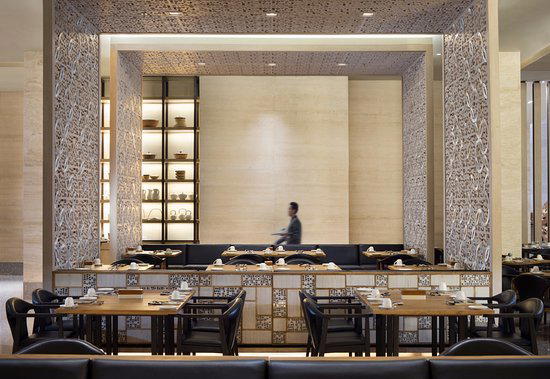
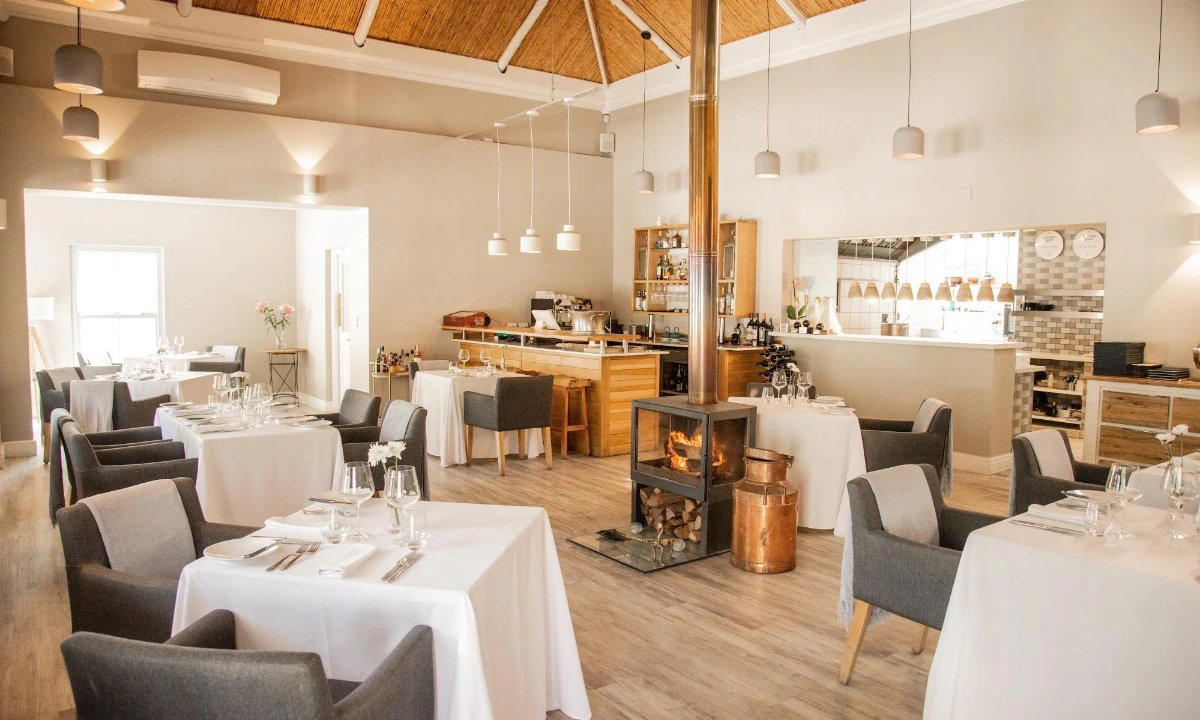
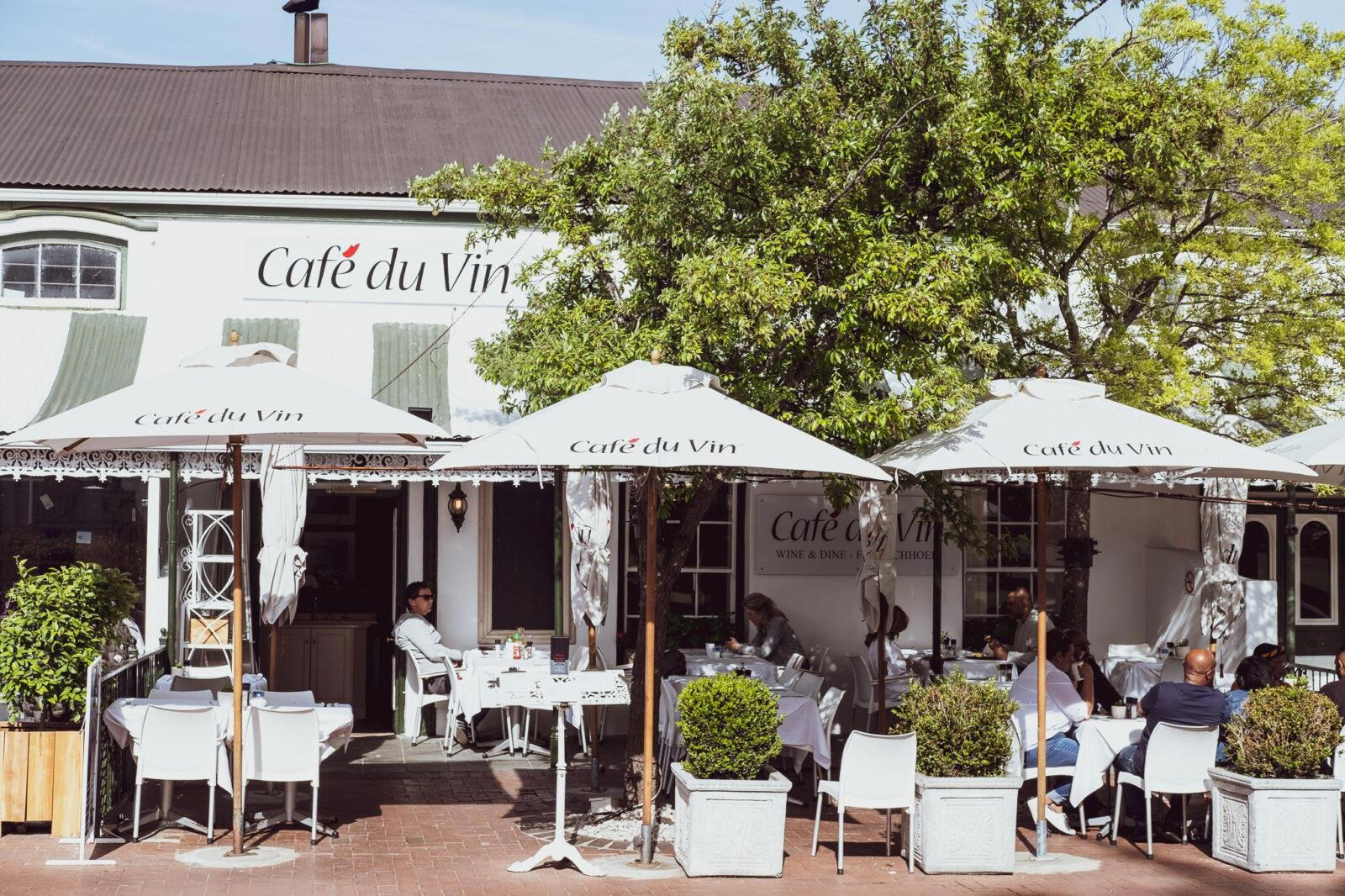
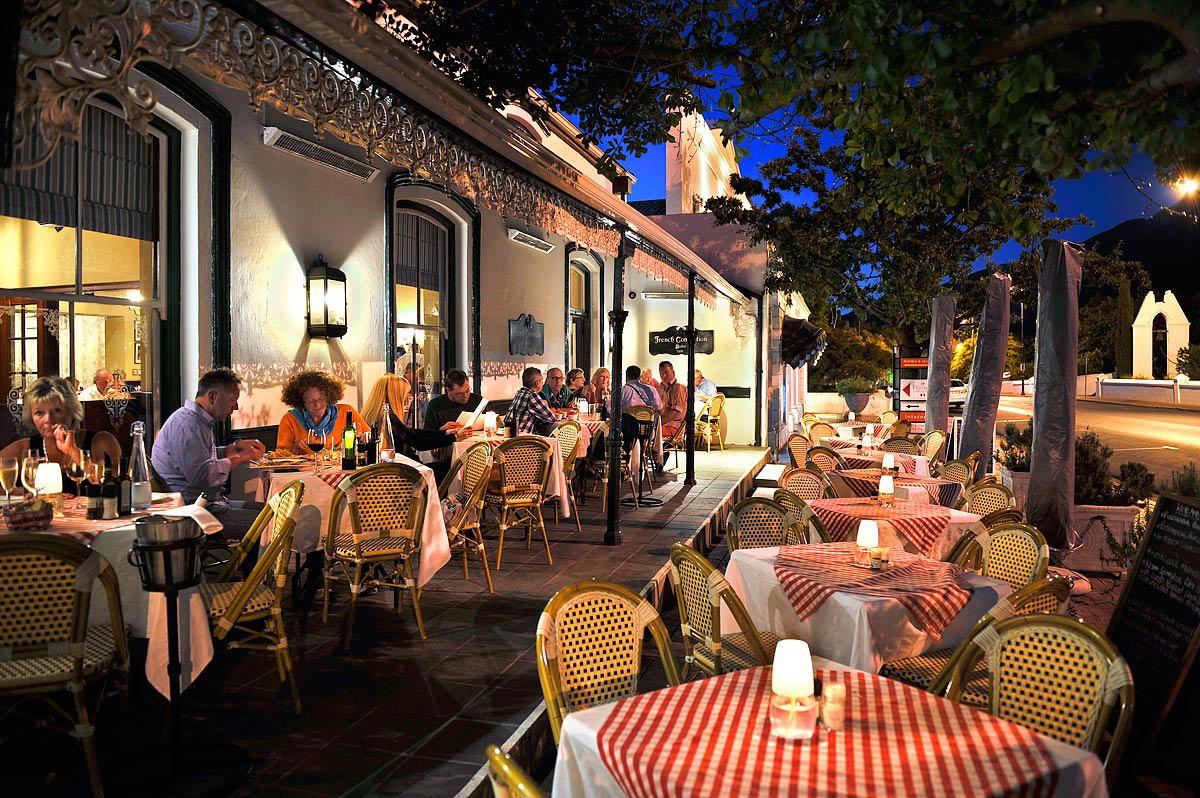
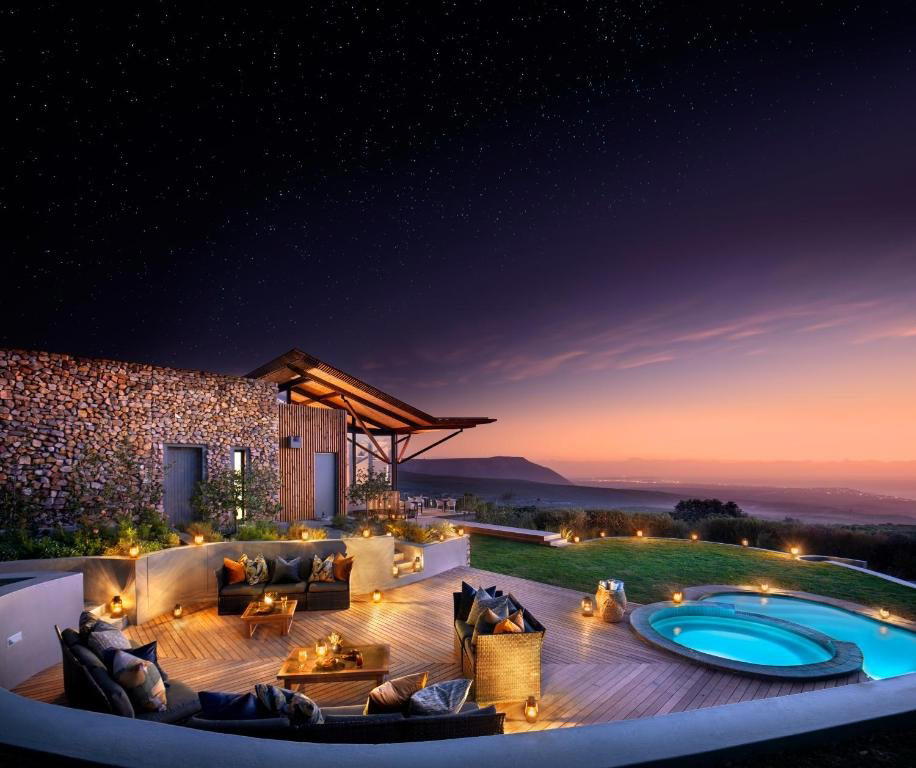
Romantic country wine farm atmosphere with upmarket elegant touches, scenic views, and a warm welcoming vibe.