
On the western edge of Jutland, Stauning Whisky has put Danish whisky on the map through a production model rooted in local rye and a climate that defies traditional whisky geography. Awarded Pearl 3 Star Prestige in 2025, the distillery sits in Skjern and represents the most compelling argument that Scandinavian terroir can produce whisky worth serious attention. For EP Club members travelling through western Denmark, it warrants a dedicated detour.
Pearl is the En Primeur Club membership app — saves, bookings, and concierge access live there. Same editors, same standards.
- Address
- Stauningvej 38, 6900 Skjern
- Phone
- +45 88 44 21 22
- Website
- stauningwhisky.com
 Saves & bookings on Pearl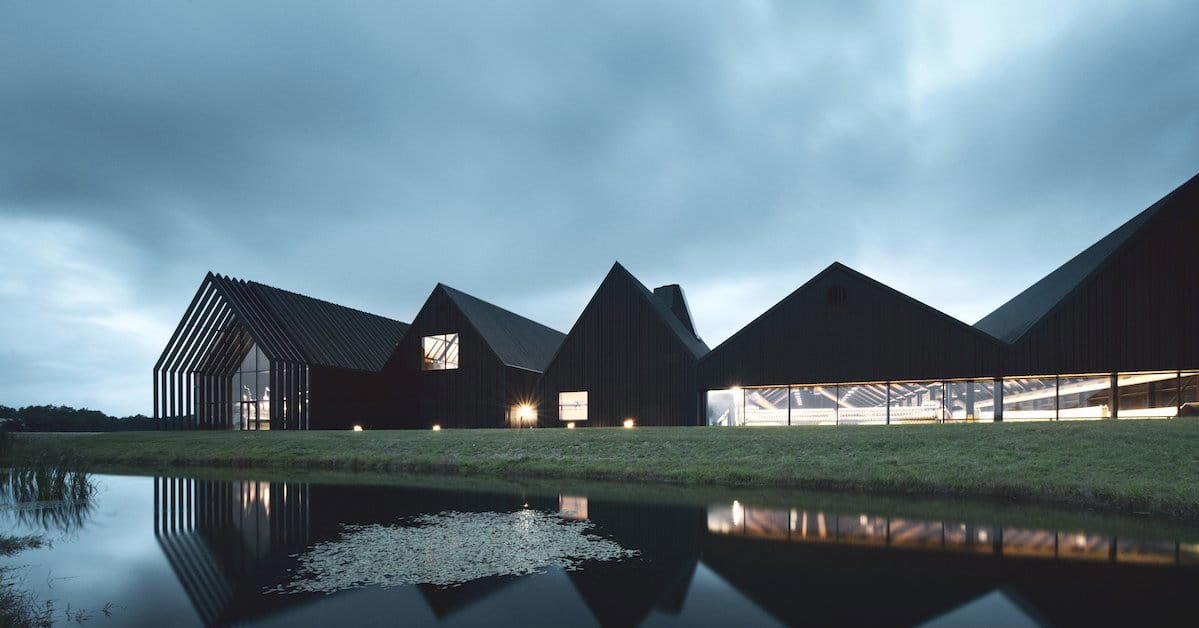
The approach to Stauning tells you something before you arrive. Western Jutland is flat, wind-scoured agricultural land, the kind of terrain that produces rye at scale and offers weather that no Scottish or Kentucky distiller would recognise as hospitable. The Skjern River valley cuts through the region, and the town of Skjern sits at its edge, a working agricultural community rather than a postcard destination. The distillery at Stauningvej 38 reads as a production site first and a visitor destination second, which tends to be a reliable indicator of where a producer's priorities lie. Reservations are recommended, and the dress code is casual.
Terroir in an Unexpected Register
The conversation about whisky terroir has largely been conducted in Scottish or Japanese terms, with Bourbon country occasionally pulling up a chair. Denmark entering that conversation is a relatively recent development, and Stauning is the primary reason it has happened at all. The conditions in Jutland are not an obvious fit for whisky production by any traditional standard, but they generate a specific set of raw material characteristics. The rye grown in the region is a field grain adapted to short growing seasons and sandy soils, and that agricultural specificity feeds directly into distillate character in ways that parallel the grain-to-glass arguments made by the most serious producers in other categories.
Whisky production that draws on locally grown grain is rarer than the category rhetoric suggests. More commonly, distilleries source barley or rye at commodity scale from wherever it is cheapest or most available. The argument that a Danish rye whisky reflects a Danish place is only credible when the grain connection is genuine, and the production approach here is built around that premise. For producers elsewhere operating in a similar vein, the comparison is instructive: Aberlour in Aberlour sits in a Speyside tradition where place-name and production character have been intertwined for over a century; Stauning is making the same argument from scratch, without inherited geography to borrow from.
What the 2025 Pearl 3 Star Prestige Award Signals
EP Club's Pearl 3 Star Prestige award for 2025 places Stauning in a tier that requires consistent production quality at a level peers in the category do not reliably achieve. In a whisky context, Prestige recognition at three stars implies a producer whose work holds up against international competition rather than benefiting from novelty premiums that early-category producers often receive. The Danish whisky category is still young enough that reputation effects from being an early mover are real, and the three-star Prestige designation suggests the liquid has moved beyond that cushion.
That matters for how to read Stauning in a broader spirits context. Distilleries that attract serious attention during a category's formative period often face a reckoning once more producers enter the market and critical standards tighten. The 2025 award suggests Stauning is holding its position as the category matures rather than coasting on historical goodwill. For other producers working in emerging geographic categories, the analogy is relevant: Amrut in Bengaluru navigated a comparable trajectory as Indian single malt moved from curiosity to serious critical consideration, and the producers that survived that shift did so through consistent quality rather than marketing narrative.
Skjern as a Production Location
Western Jutland is not on most premium spirits itineraries, and that absence is worth examining rather than simply noting. The region lacks the accumulated hospitality infrastructure of, say, Speyside or Kentucky's Bourbon Trail, both of which have built visitor economies around distillery tourism over decades. Skjern is a small town without a significant international travel draw beyond Stauning itself, which means visitors who arrive do so with specific intent rather than as part of a broader regional sweep.
That configuration tends to produce a more focused visit experience. Distilleries in heavily touristed regions frequently adjust their visitor programming toward volume, with larger groups, more abbreviated tours, and retail operations sized for throughput. Skjern's relative remoteness inverts that logic, and the distillery at Stauningvej 38 operates in a context where the visit is the reason to travel rather than one stop among many. For members planning a trip, the practical framing is worth absorbing: Stauning is a destination visit from any of Denmark's larger cities. The drive from Esbjerg runs roughly 45 minutes northeast through flat agricultural Jutland, passing through terrain that contextualises the production story before you arrive.
For broader context on what the Skjern region offers beyond the distillery, see our full Skjern restaurants guide.
Positioning Against the International Craft Whisky Field
The craft distillery expansion of the last fifteen years has created a crowded field where differentiation is harder to establish and easier to fake. Producers from Taiwan to Tasmania to Iceland have made geographic novelty arguments, with variable results. The producers that have built durable reputations share certain characteristics: genuine grain provenance, production methods that carry actual costs rather than marketing costs, and enough time in operation to demonstrate consistency across releases rather than a single exceptional expression.
Stauning fits that profile more convincingly than most new-geography producers. The rye-forward approach connects to a Danish agricultural tradition rather than an imported production template, and the Jutland climate imposes maturation conditions that are genuinely different from the standard references in the category. For comparison across production cultures operating in specific geographic registers, Adelaida Vineyards in Paso Robles and Alban Vineyards in Arroyo Grande represent how producers in relatively underrecognised appellations build credibility through long-term consistency rather than category positioning alone. The parallel is not perfect across categories, but the underlying logic of place-based production earning recognition over time applies.
Other producers in distinct terroir-driven categories worth cross-referencing include Albert Boxler in Niedermorschwihr, Aldo Conterno in Monforte d'Alba, Accendo Cellars in St. Helena, Adelsheim Vineyard in Newberg, Achaia Clauss in Patras, Alexander Valley Vineyards in Geyserville, All Saints Estate in Rutherglen, Alpha Omega Winery in Rutherford, Andrew Murray Vineyards in Los Olivos, and Angove Family Winemakers in Renmark. Each operates in a different category and geography, but the shared thread is production that takes its place seriously as a contributing variable rather than a brand story layered over generic product.
Planning the Visit
Because specific hours, booking channels, and pricing are subject to change and are not confirmed in the current database record, members should verify current visitor programme details directly with the distillery before travelling. The address is Stauningvej 38, 6900 Skjern, Denmark. Given the distance from major Danish transport hubs, building the visit into a wider western Jutland itinerary makes practical sense; the region around the Skjern River estuary has its own landscape character worth the drive time if the distillery is the anchor point.
Stauning's Pearl 3 Star Prestige status in 2025 positions it as a notable stop in western Jutland for spirits-focused travellers, and the production story is coherent enough that a visit carries more editorial weight than most distillery experiences in emerging whisky geographies.
Continue exploring
More in Skjern
At a Glance
- Rustic
- Industrial
- Cozy
- Group Outing
- Wine Education
- Barrel Room
- Sustainable
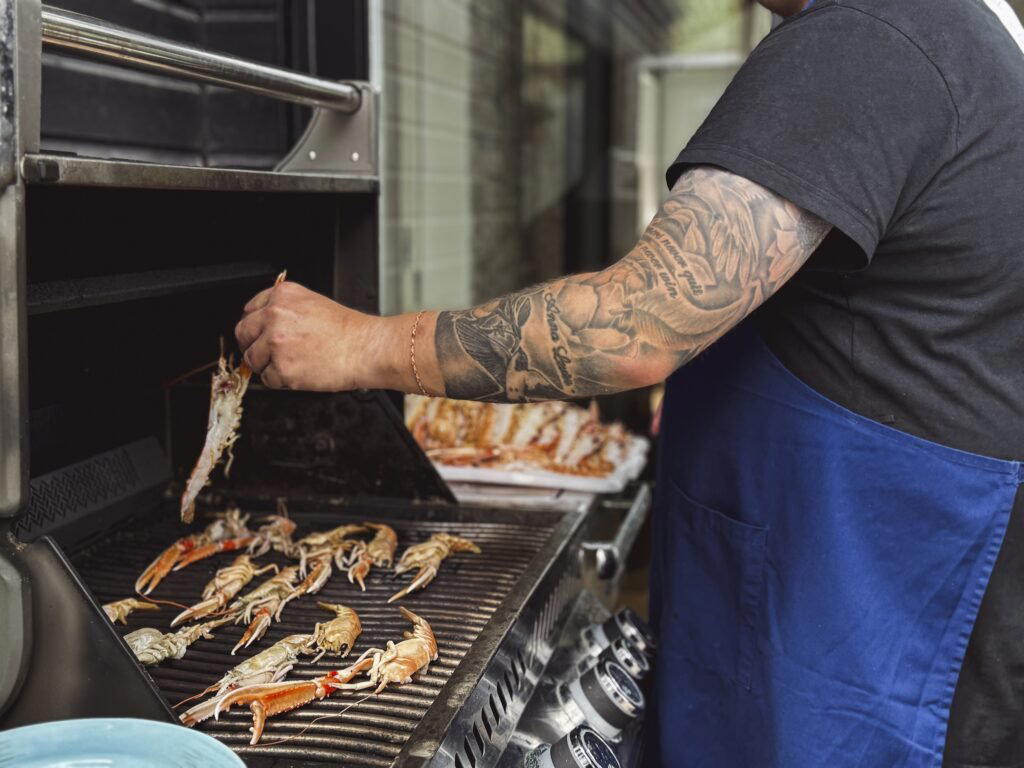
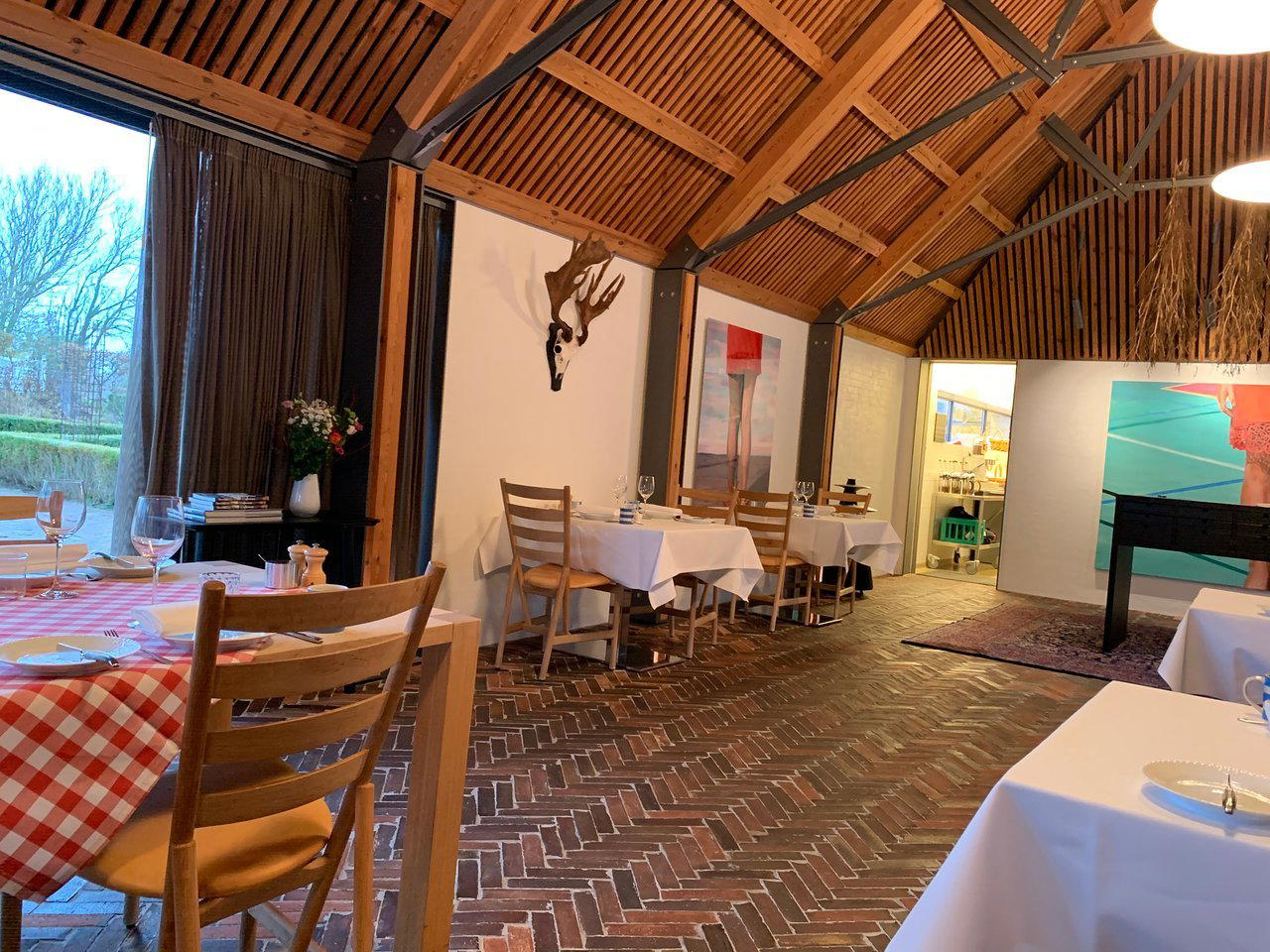
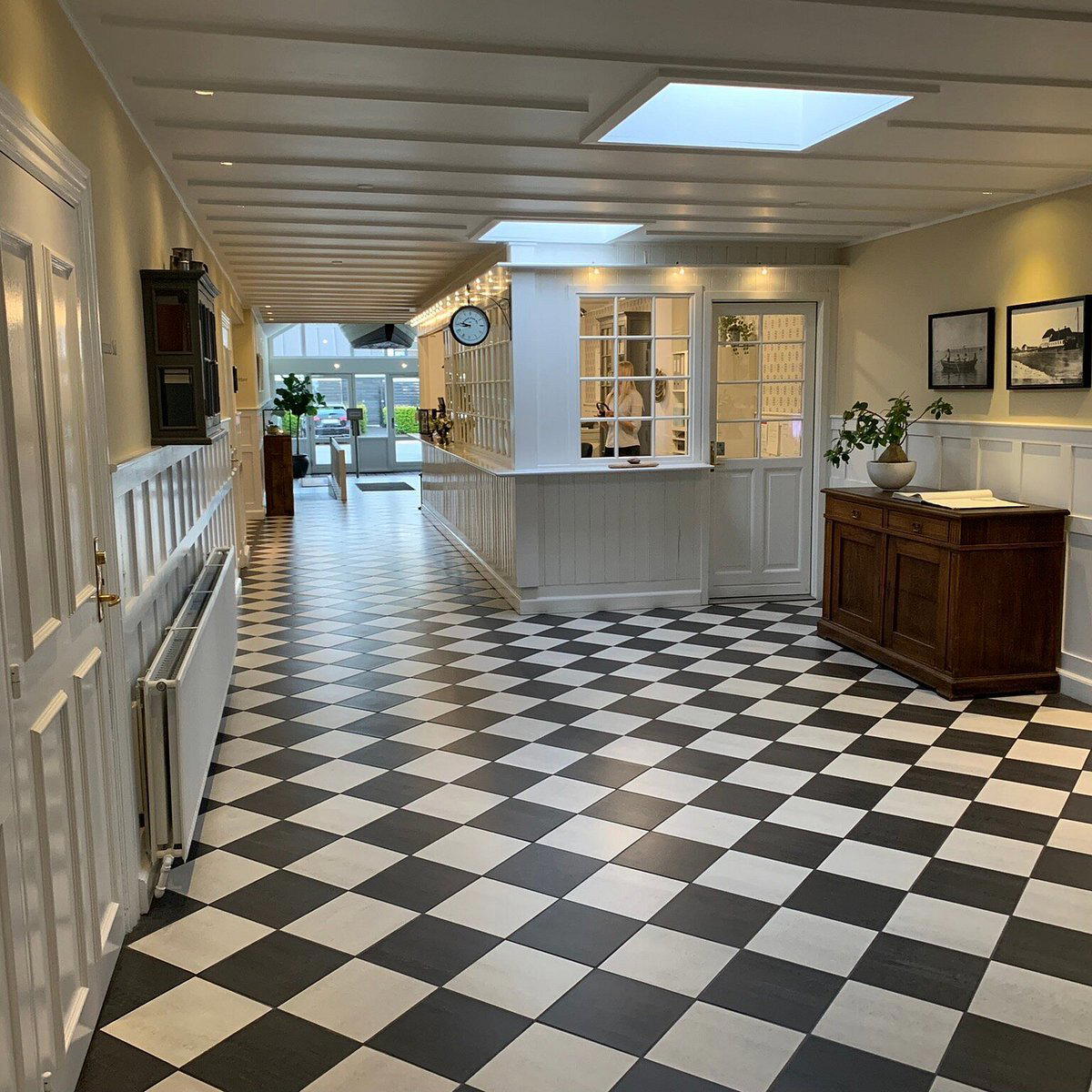
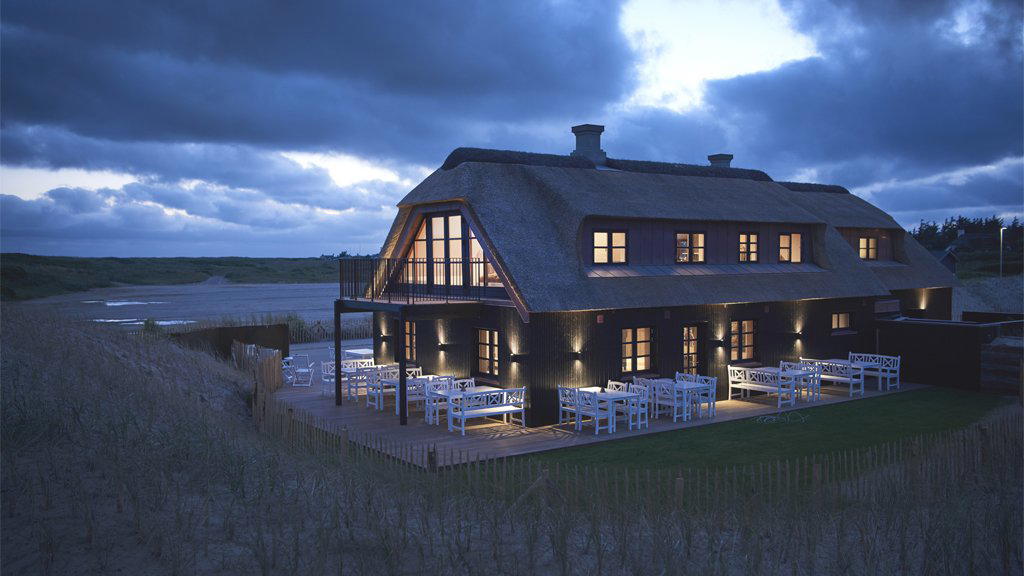
Cozy and welcoming atmosphere in a former butcher's shop turned modern distillery on Denmark's windswept west coast, with friendly staff providing warm shelter and tastings amid fields, moors, and heathland.