Springbank

Springbank distillery sits at the quieter end of Campbeltown's Kintyre peninsula, operating as one of Scotland's few remaining vertically integrated whisky producers. Holding a Pearl 4 Star Prestige rating for 2025, it represents a regional tradition of production that pre-dates most modern whisky categories. For serious malt drinkers, a visit here reads more like an archival exercise than a tasting room afternoon.
 Discover on Pearl
Pearl is the En Primeur Club membership app — saves, bookings, and concierge access live there. Same editors, same standards.
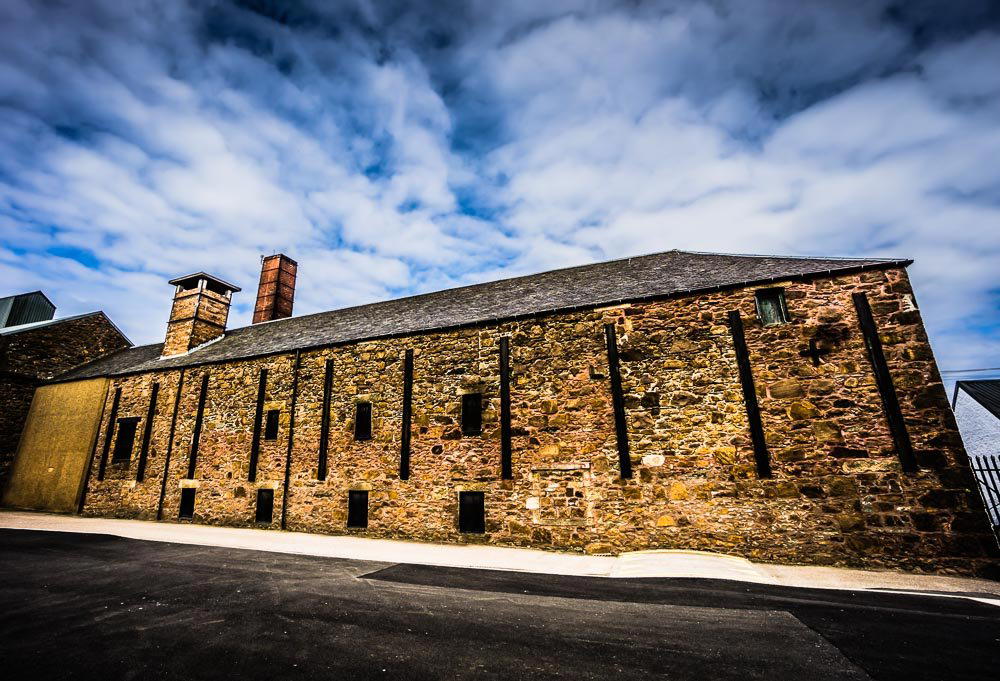
Where Campbeltown's Whisky History Meets a Working Distillery
Arriving in Campbeltown by road, the journey down the Kintyre peninsula functions as its own form of orientation. The town sits at the tip of a long arm of land pointing south into the North Channel, removed from the central Highlands and the well-trafficked distillery routes that connect Speyside and Islay. By the time you reach the distillery on the main street, the remoteness has already made the argument for why this production survives here at all: isolation, in Campbeltown's case, has proved protective rather than limiting. At one point in the nineteenth century, more than thirty distilleries operated in this town. Three remain. Springbank is the oldest, and the only one that still malts its own barley, distills, matures, and bottles on a single site.
That vertical integration is not a talking point — it is the structural fact that separates Campbeltown's surviving production from almost every other Scottish whisky category. Most distilleries in Scotland source malted barley from industrial maltings, bottle at facilities elsewhere, and warehouse at contracted sites. Springbank does none of that. The floor maltings, the stills, the warehouses, and the bottling line occupy a compact block in the center of town. What that means for a visitor is that the tasting room experience here draws on production that happened within walking distance of where you are standing.
The Campbeltown Region and Its Competitive Position
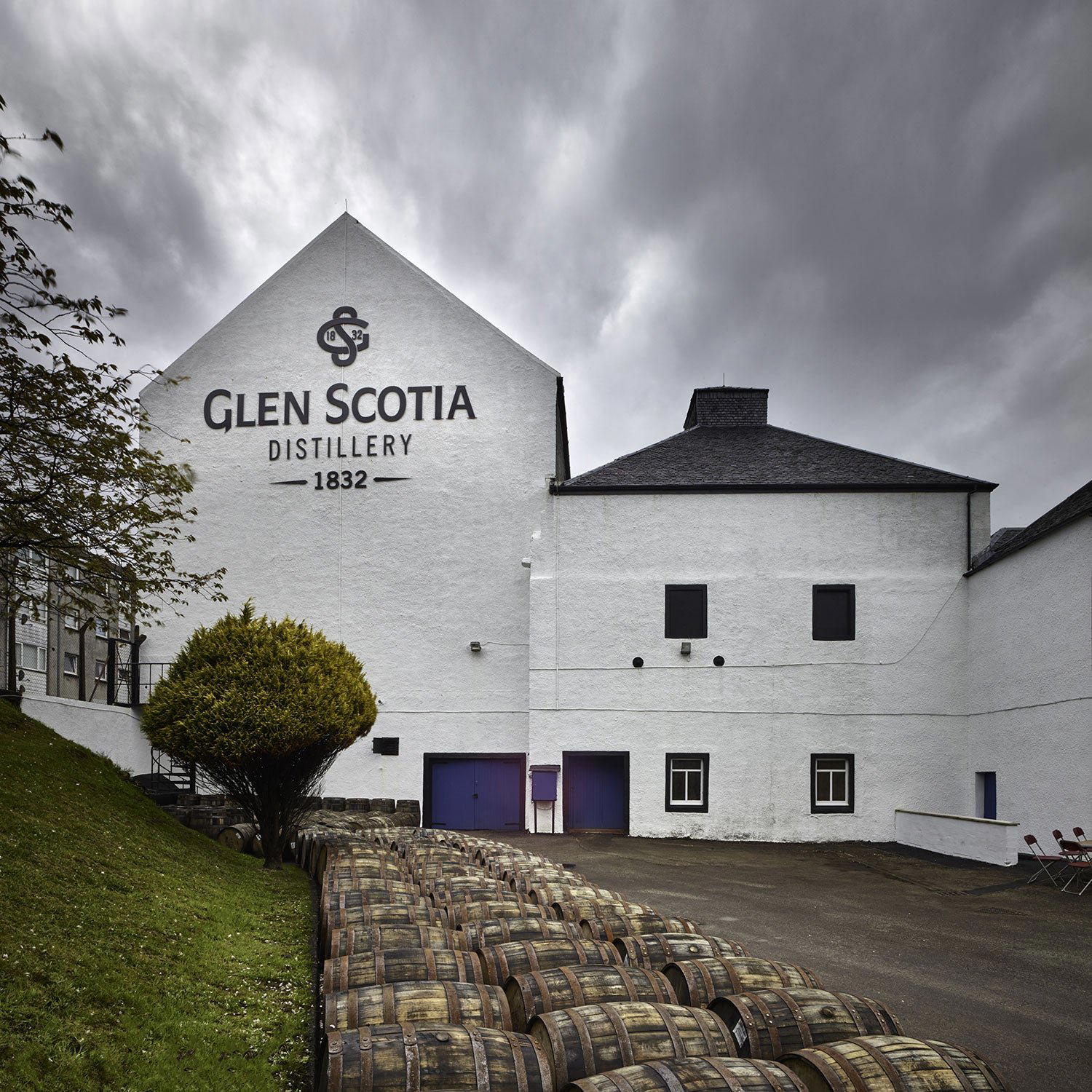
Scotland's whisky regions carry different market weights. Speyside commands the largest volume and the broadest name recognition internationally. Islay has captured a premium positioning around heavily peated single malts. Campbeltown is formally recognised as a distinct region by the Scotch Whisky Association, but it operates with only three active distilleries: Springbank, Glen Scotia, and Glengyle (Kilkerran). That scarcity gives the region a collector's logic rather than a volume-led one. Bottles from all three distilleries tend to be allocated rather than freely available, and the secondary market for aged Springbank expressions reflects demand that the production scale cannot easily satisfy.
Within its own peer set, Springbank produces under three different labels from the same site: Springbank itself, Longrow (heavily peated, double-distilled), and Hazelburn (triple-distilled, unpeated). Each label uses a different distillation regime, which means the site effectively runs three distinct production approaches simultaneously. That is unusual by any standard in Scottish whisky, and it gives tasting visits a comparative dimension that single-expression distilleries cannot offer. For context on how this compares across Scotland's producing regions, distilleries such as Aberlour in Aberlour, Ardnahoe in Port Askaig, and Clynelish Distillery in Brora each occupy a distinct regional identity, but none maintains the same breadth of in-house production and labelling as Springbank's Campbeltown operation.
The Tasting Room Format and What a Visit Delivers
Distillery visits in Scotland have broadly split between two formats over the past decade. The first is the heritage-centre model, where large producers have invested in interpretive exhibitions, branded experiences, and hospitality infrastructure designed to process significant visitor volumes. The second is the working-distillery model, where access is more constrained, the emphasis falls on production rather than performance, and the visitor's role is closer to observer than guest. Springbank belongs firmly to the second category. The distillery shop and visitor access are organised around a small-capacity operation, and tour availability reflects the production calendar rather than tourism demand.
Tours here move through active production spaces rather than preserved or reconstructed ones. The floor maltings, where barley is still turned by hand during the malting season, is among the few such working examples left in Scotland. Seeing it in operation provides a different kind of reference point than viewing display panels about the practice elsewhere. Visitors who have previously toured distilleries with modern purpose-built visitor centres often describe Springbank as a corrective experience: the production logic becomes legible in a way it rarely does behind glass.
The tasting component of a Springbank visit is structured around the three labels rather than a single house style. This format demands more engagement from the visitor than a standard single-malt flight, because the differences between the expressions are structural rather than cosmetic. Longrow and Springbank are both double-distilled but peat levels diverge significantly. Hazelburn's triple distillation produces a lighter spirit. Tasting across all three in sequence gives a clearer view of how distillation choices shape character than most distillery programs allow. For those building broader context around Scottish production styles, comparisons to distilleries such as Auchentoshan Distillery in Clydebank (which is Scotland's only triple-distilled malt on a commercial scale outside Campbeltown) or Balblair Distillery in Edderton and Bladnoch Distillery in Bladnoch help map the range of Lowland and Northern styles against what Campbeltown produces.
Production Credentials and the 2025 Rating
Springbank holds a Pearl 4 Star Prestige rating for 2025, placing it within the upper tier of EP Club's assessed distilleries. That rating reflects both production provenance and the distillery's position within a small but serious category of independent, vertically integrated Scottish producers. Comparable distilleries rated by EP Club at this level include operations that have demonstrated long production continuity and maintained manual processes at commercial scale, criteria that the Campbeltown site meets without qualification.
The distillery's reputation among collectors rests heavily on limited annual releases, particularly the 10-year-old core expression and the periodic aged releases at older statements. Bottles are allocated through the distillery's mailing list system first, with secondary availability through specialist retailers. Those planning visits specifically to purchase should factor that shop stock varies by season and production volume, and that allocation expressions frequently sell through before general visitors arrive. Other distilleries operating within allocation-led models, such as Dornoch Distillery in Dornoch and Dunphail Distillery in Dunphail, follow comparable distribution logic, though neither shares Springbank's production scope or regional context.
Planning Your Visit
Campbeltown sits approximately a three-hour drive from Glasgow via the A83. There is no rail connection to the town, and the road journey down the Kintyre peninsula, while direct, requires planning if you are combining a Springbank visit with other distilleries. The Campbeltown cluster of three distilleries — Springbank, Glen Scotia, and Glengyle (Kilkerran) , sits within walking distance in the town center, making a full-day dedicated to the region practical without a car between venues. Tour booking is handled directly through the distillery. Given the constrained capacity, advance booking is advisable, particularly in summer months when the Scottish distillery tourism calendar is at its most active. See our full Campbeltown restaurants and venues guide for broader context on what the town offers around a distillery-focused visit.
For those mapping a wider Scottish whisky itinerary that extends beyond Campbeltown, distilleries including Cardhu in Knockando, Deanston in Deanston, and Clynelish Distillery in Brora offer different regional reference points that help frame where Campbeltown sits within Scotland's broader production map. For international context on how independent, location-specific producers maintain a comparable approach in other categories, Accendo Cellars in St. Helena and Achaia Clauss in Patras share the same principle of place-defined production, even if the category is entirely different.
Style and Standing
A fast peer set for context, pulled from similar venues in our database.
| Venue | Cuisine | Awards | Notes |
|---|---|---|---|
| Springbank | This venue | ||
| Terre Rouge and Easton Wines | |||
| Glen Scotia | |||
| Glengyle (Kilkerran) | |||
| Aberlour | |||
| Ardnahoe |
Continue exploring
More in Campbeltown
Wineries in Campbeltown
Browse all →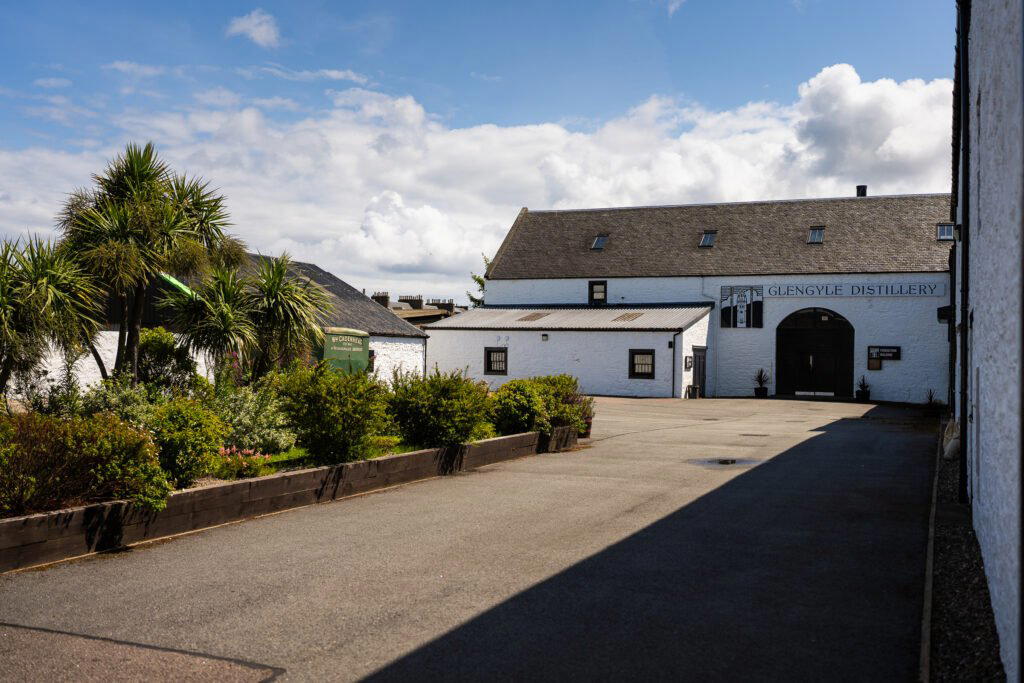
At a Glance
- Classic
- Rustic
- Historic
- Iconic
- Wine Education
- Solo Exploration
- Historic Building
- Barrel Room
Traditional working distillery atmosphere with a hands-on, authentic feel described as a living museum by visitors.