
Falstaff Winery - Listed
Rotem & Mounir Saouma brings a Burgundian élevage mind to Rhône fruit, with Châteauneuf-du-Pape seen through long lees aging, minimal cellar movement, and a serious interest in white wines. The Orange estate farms across the appellation’s five villages and reads less like a conventional tasting stop than a study in patience, vessel choice, and terroir translation.

Pearl is the En Primeur Club membership app, where members save venues, book tables and use the concierge.

The mood around Rotem & Mounir Saouma is quiet rather than performative: cellar, vineyard, vessel, time. In a Rhône region often understood through sun, ripeness, Grenache power, and generous release rhythms, this Orange estate asks a different question: what happens when Châteauneuf-du-Pape is treated with a Burgundian patience for élevage and a near-scholastic attention to texture?
That question matters because the southern Rhône has long carried two parallel identities. One is broad and immediate, built for drinkability and appellation familiarity. The other is more exacting, tied to old vines, parcel selection, white-wine seriousness, and cellar decisions that delay easy pleasure in favor of structure. Rotem & Mounir Saouma belongs firmly to the second camp. The estate opened in 2009, farms within Châteauneuf-du-Pape AOC, and works with Grenache, Mourvèdre, Roussanne, Marsanne, Clairette, and Bourboulenc. Its tone is not plush hospitality; it is wine as a long argument with land and time.
A Rhône estate shaped by Burgundian élevage
The Saoumas’ Rhône project is inseparable from their Burgundy background at Lucien Le Moine, but the important point is not biography. It is method. Burgundy’s influence appears here through the handling of young wine after fermentation: long lees contact, restraint with intervention, and a belief that maturation can reveal structure rather than simply polish it. In Châteauneuf-du-Pape, where cellar choices often determine whether warmth becomes breadth or heaviness, that approach gives the wines their intellectual charge.
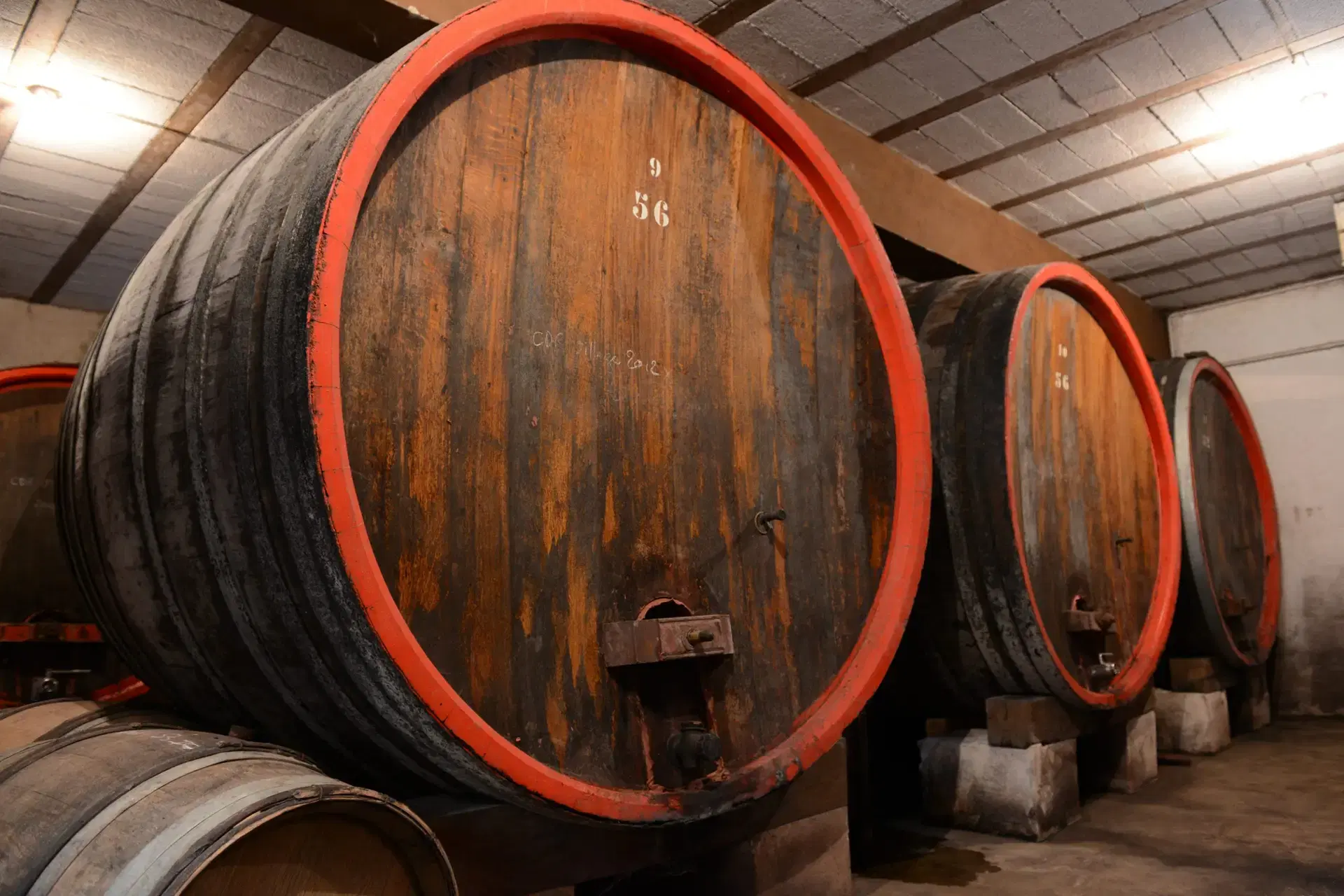
The estate works across vineyards in the five villages of the appellation, including Orange, Châteauneuf-du-Pape, Bédarrides, Sorgues, and Courthézon. That multi-village footprint prevents the wines from reading as a single-site manifesto. They are closer to a mosaic: old Grenache, limestone-influenced white parcels, and a range of vessels used to hold different shapes of fruit. Barrels, foudres, cement, eggs, and amphora appear not as cellar theatre but as tools for managing texture and oxygen.
Technical choices are unusually severe by regional standards. Wines may age 24 to 36 months, with extended lees contact and minimal movement. The cellar avoids punch-downs and racking, with sulfur held back until late in the process. For white wines, the estate’s interest is particularly pointed: firm pressing, oxidative handling of juice, and slow aging treat white Châteauneuf not as a side category but as one of the appellation’s serious languages. That position alone separates the estate from the Rhône mainstream, where reds usually dominate the conversation.
Parcels, old vines, and the case for white Châteauneuf
Portfolio gives the clearest view of the estate’s terroir logic. Omnia functions as the broad appellation statement, drawing from vineyards across the five Châteauneuf communes and aging in foudre, cement, and 500-liter barrels. It is not framed around a single parcel; it is an attempt to make the appellation speak in composite form, with cellar architecture matching vineyard range.
Arioso moves in the opposite direction. It comes from the original Pignan parcel, made from 100% Grenache planted in the 1930s, with yields around 1 ton per acre. Those figures matter: old vines and low yields are not decorative claims in Châteauneuf-du-Pape, where vine age can affect concentration, balance, and the way Grenache holds alcohol and tannin. The parcel’s proximity to notable Pignan land adds further context, but the more useful reading is practical: this is the estate’s old-vine, site-specific red argument.
Magis gives the white wines equal seriousness. Sourced from the limestone Pierredon vineyard in Bédarrides, it sits within a smaller and often under-discussed part of Châteauneuf-du-Pape. White wines represent a limited share of the appellation’s output, and serious examples tend to depend on texture as much as aroma. The Saouma method, long aging, lees presence, controlled oxidation, makes sense in that frame. It asks white Rhône varieties to carry depth without leaning on obvious freshness alone.
Inopia extends the philosophy beyond the flagship appellation. The name comes from the Latin for “made from nothing,” tied to a barren Orange parcel purchased in 2011. The point is not romance; it is reclamation. Soil work, drainage, organic manures, and low yields turn marginal ground into a wine identity. In a region where land reputation can dominate perception, that origin story is a reminder that farming choices can redraw value over time.
How to read the estate in an Orange wine itinerary
For travelers building a wine-focused route around Orange, this is a producer to treat as an educational stop rather than a casual pour. The estate’s format is appointment-led, with tastings oriented toward the cellar and vineyard logic behind the wines. Expect the central conversation to sit around élevage, vessel choice, old vines, white Châteauneuf, and the difference between minimal intervention as slogan and minimal intervention as a disciplined technical system.
Orange has enough wine gravity to reward a focused itinerary, especially for readers comparing Châteauneuf-du-Pape producers with different ideas of tradition. For nearby winery context, EP Club also covers Château Maucoil, Domaine de Ferrand, Domaine de la Vieille Julienne, Domaine de Marcoux, and Domaine de Villeneuve. Broader city planning sits in Our full Orange wineries guide, with separate coverage for Our full Orange restaurants guide, Our full Orange hotels guide, Our full Orange bars guide, and Our full Orange experiences guide.
The wider EP Club winery map is useful for readers tracing how small producers express place through different regional rules. Champagne appears through A. Margaine in Villers-Marmery, Languedoc through Abbaye de Fontfroide in Narbonne and Abbotts & Delaunay in Marseillette, Austria through »der Steiner« Hans Steiner in Podersdorf am See, and Germany through & Handwein in Mannheim. Against that wider field, the Saouma estate reads as a particularly Rhône answer to a Burgundian question: how much of a wine’s identity is born in the vineyard, and how much is revealed by refusing to hurry it?
Recognition history
Dated appearances from independent guides and award organizations, with the underlying list record or original source where available.
Falstaff Winery - Listed
Falstaff
Continue exploring
More in Orange
Wineries in Orange
All wineries in Orange →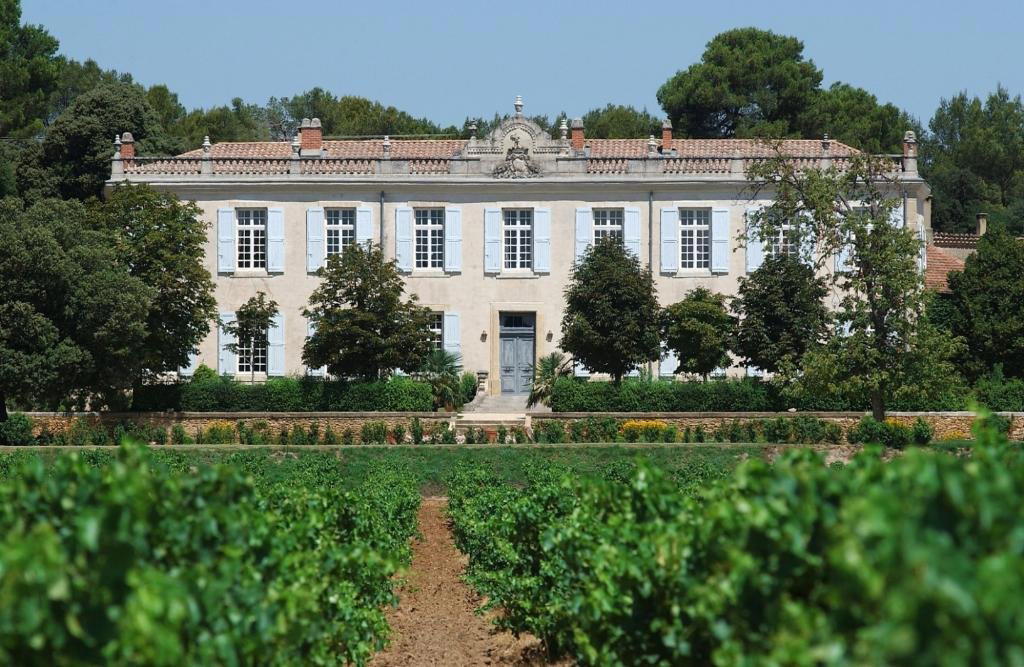
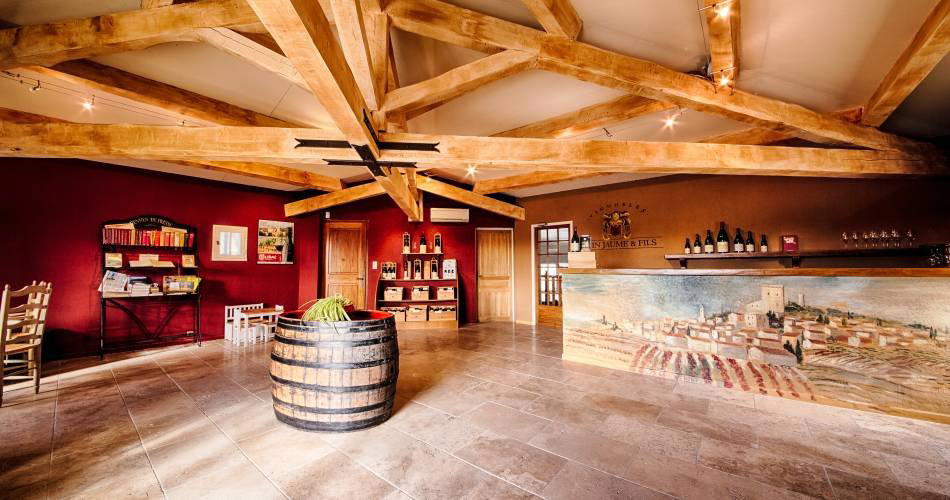
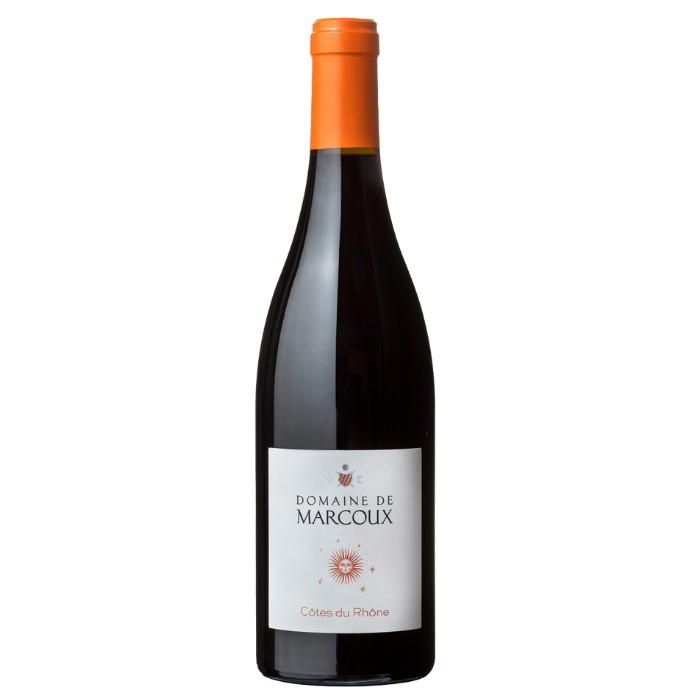
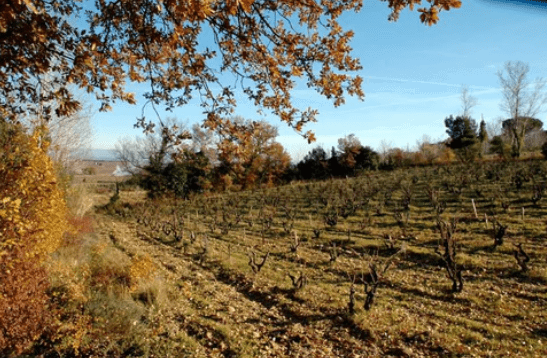
Bars in Orange
Browse all →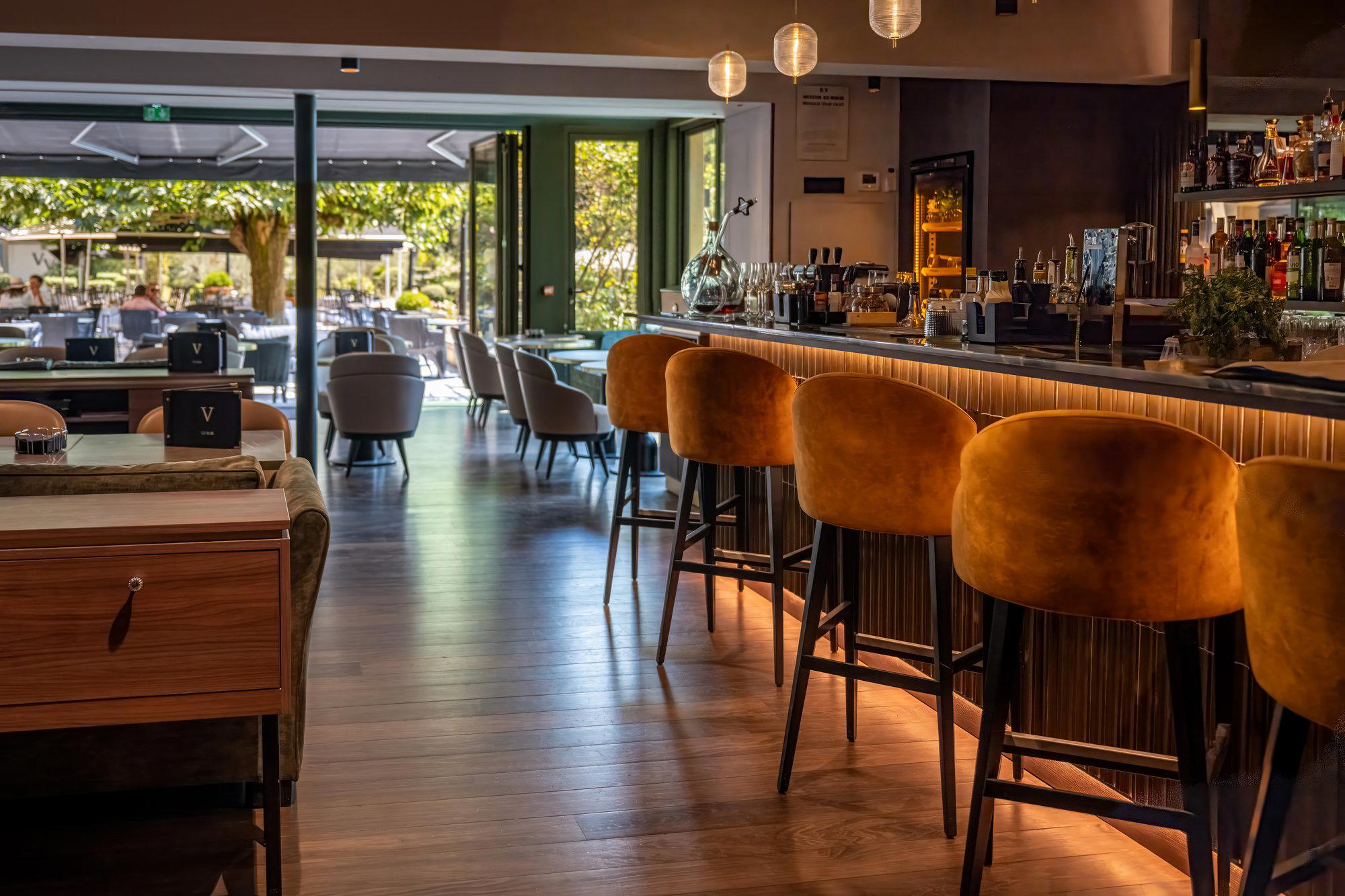
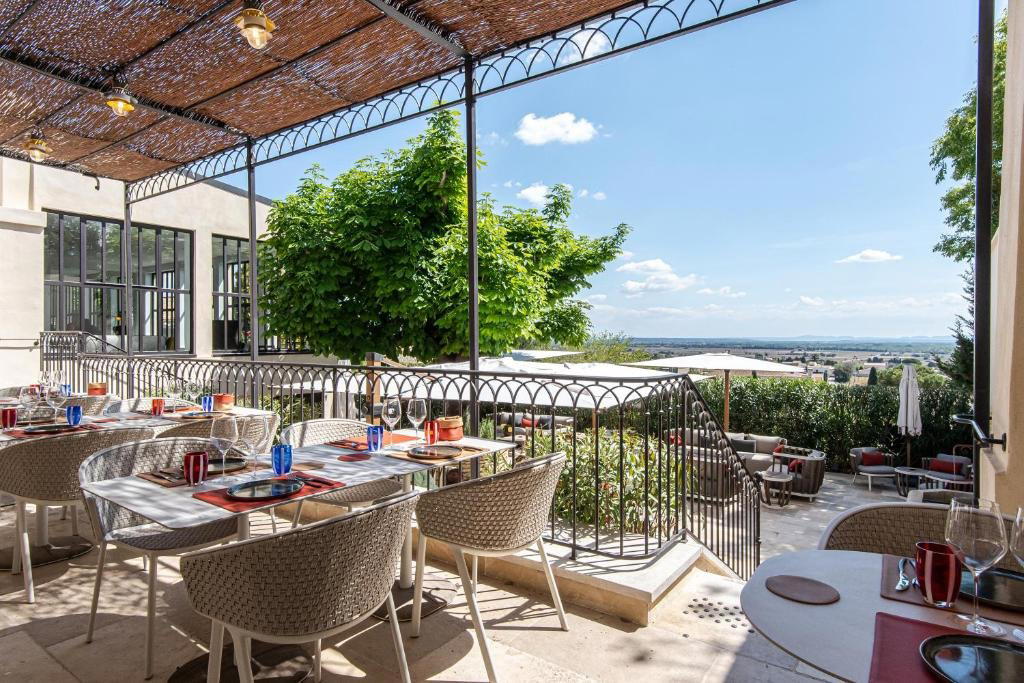
Details
- Quiet
- Sophisticated
- Rustic
- Intimate
- Wine Education
- Solo Exploration
- Special Occasion
- Estate Grounds
- Vineyard Tour
- Private Tasting
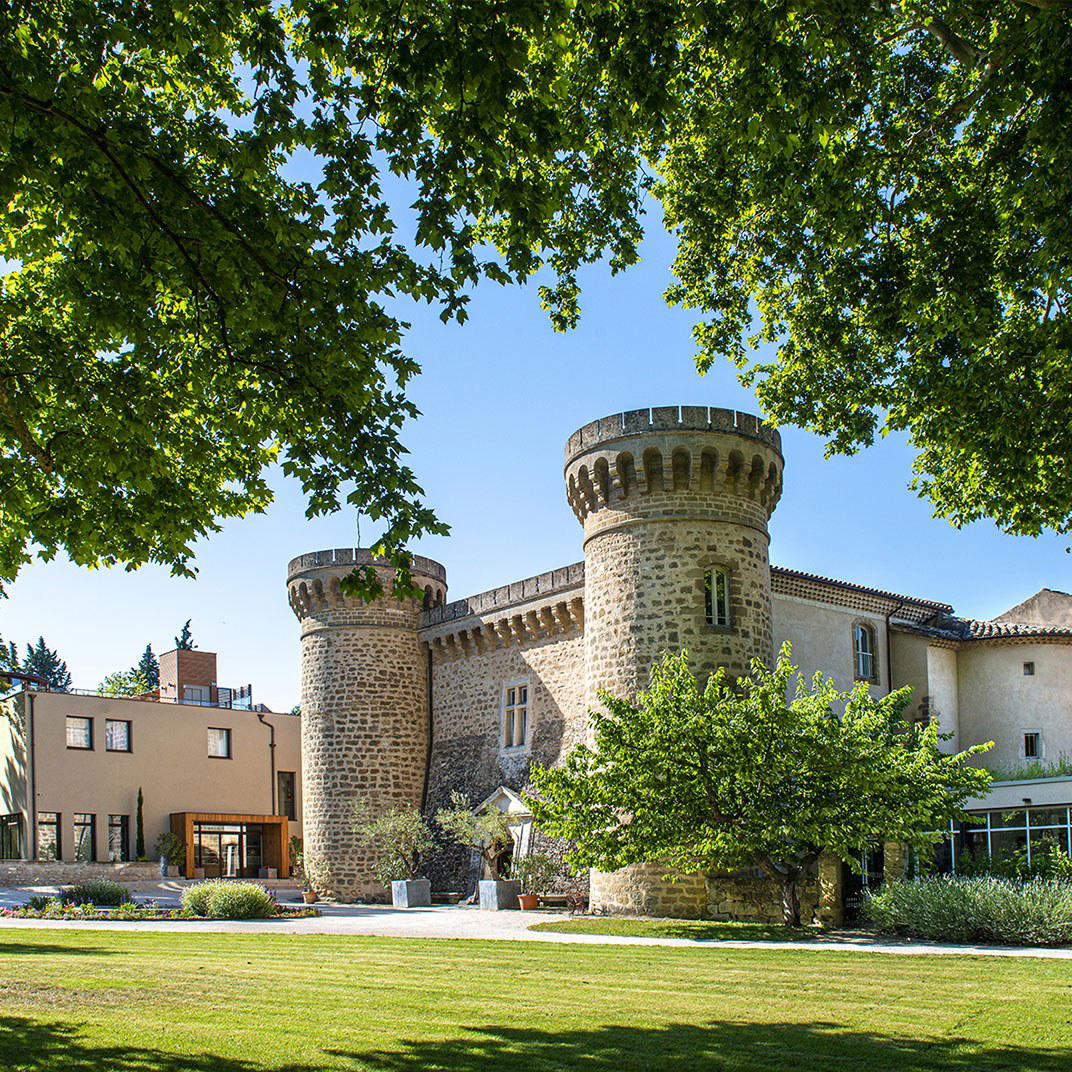
- Historic Building
- Organic
- Dry Farmed
- Vineyard
- Grenache
- Mourvèdre
- Roussanne
- Marsanne
- Clairette
- Bourboulenc
- Still Red
- Still White
- Amphora
- Appointment Tasting
- Estate Tasting
- French
- English
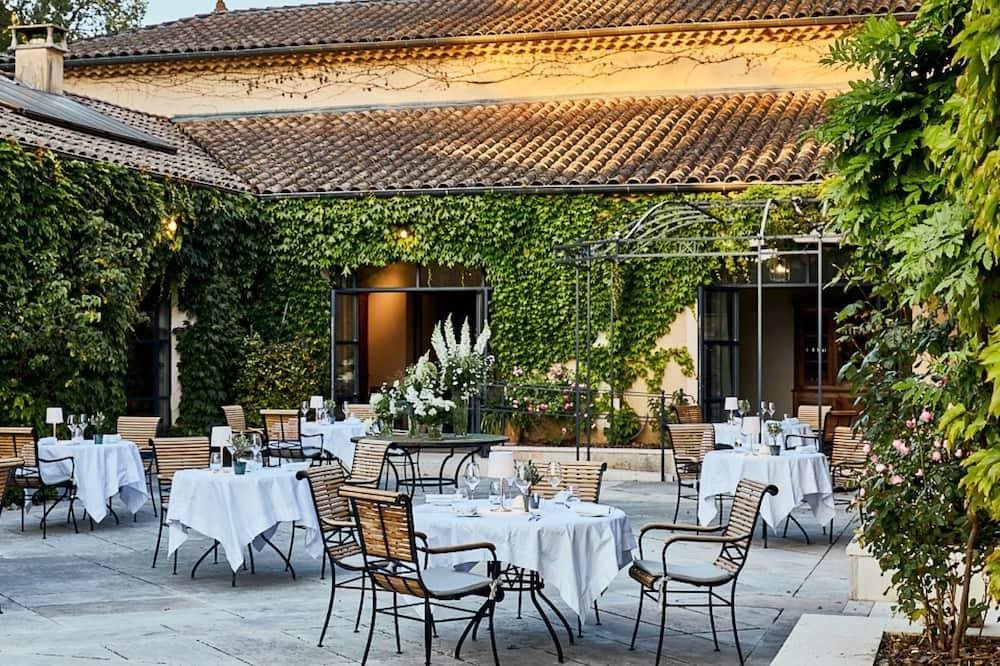
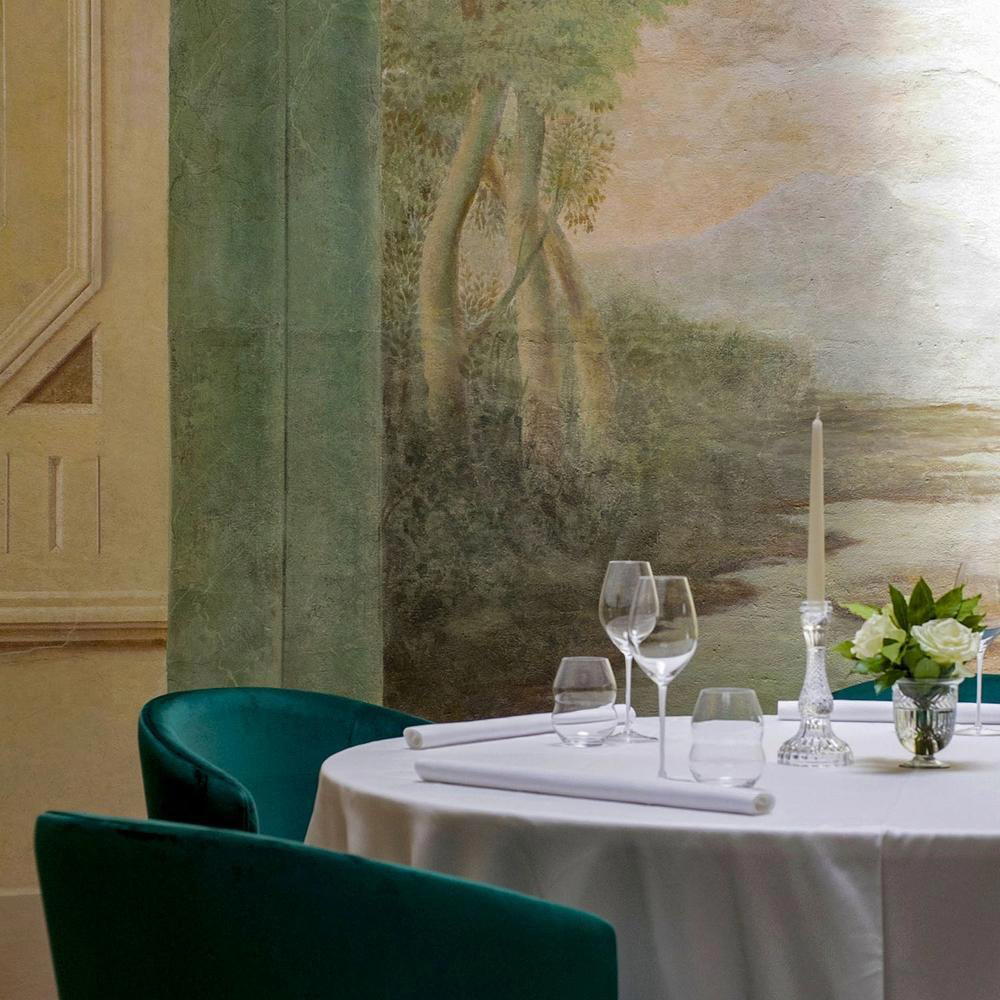
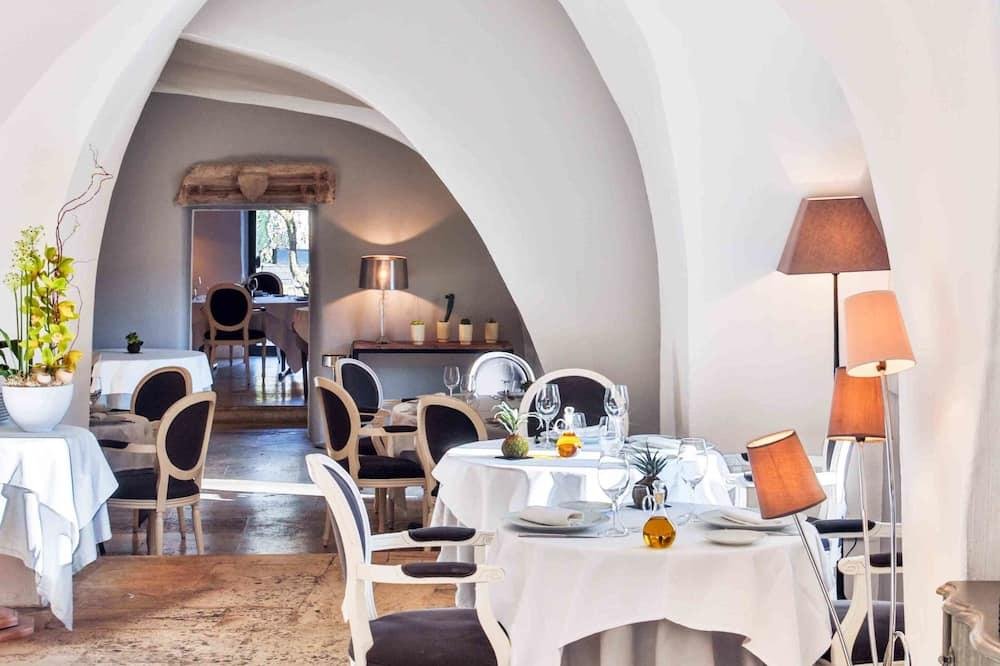
Highly distinctive and intellectually driven, with a restrained, cellar-focused atmosphere shaped by long lees aging, minimal intervention, and a deep respect for tradition; the overall feel is more serious and contemplative than plush.