Querciabella

Falstaff Winery - 5 Stars
Querciabella is a Chianti Classico estate in Greve in Chianti with a serious collector-facing identity: biodynamic viticulture, a Gran Selezione focus, and Camartina as its prestige white. The experience reads less like casual cellar-door tourism and more like a structured look at how the Ruffoli hills translate into Sangiovese-led reds and ambitious Tuscan whites.

Pearl is the En Primeur Club membership app, where members save venues, book tables and use the concierge.

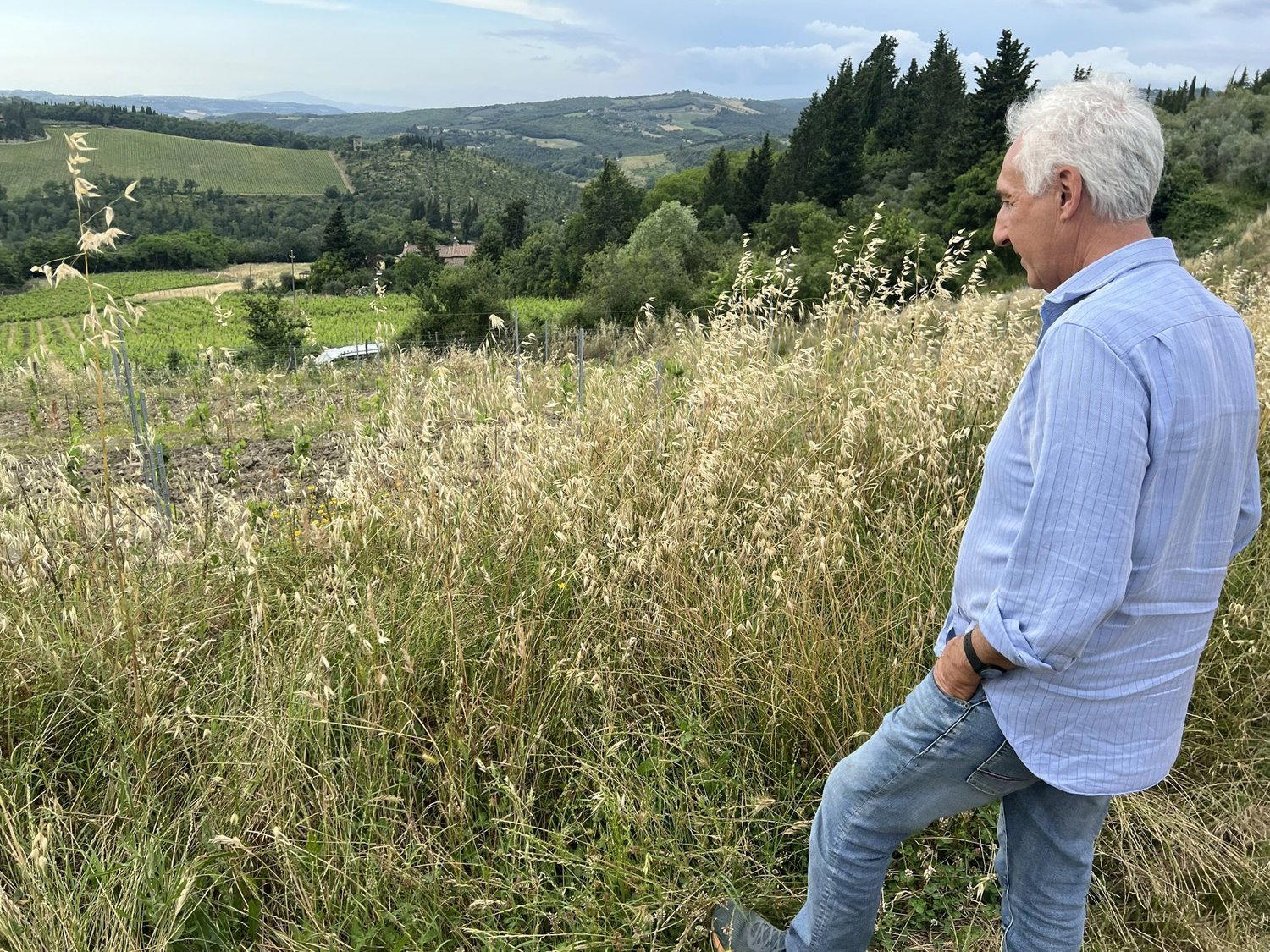
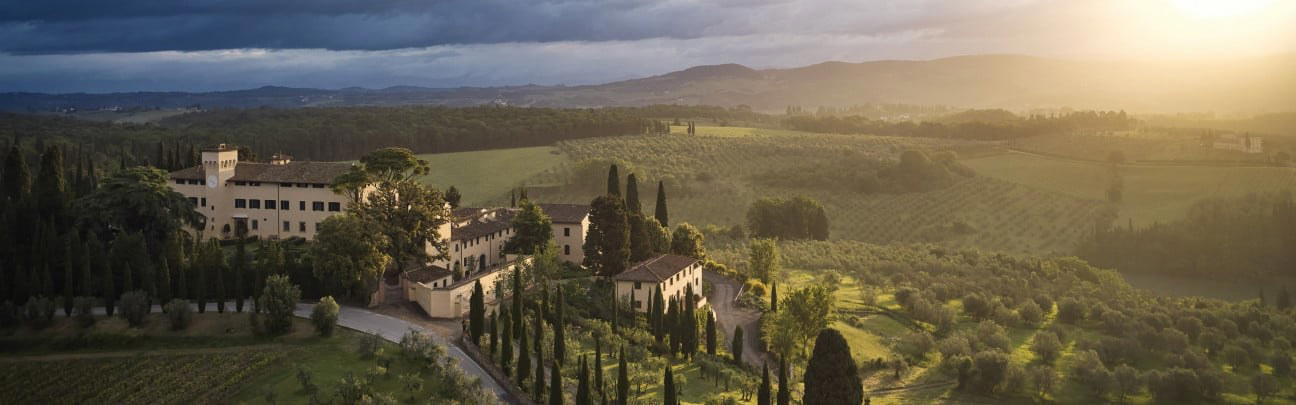
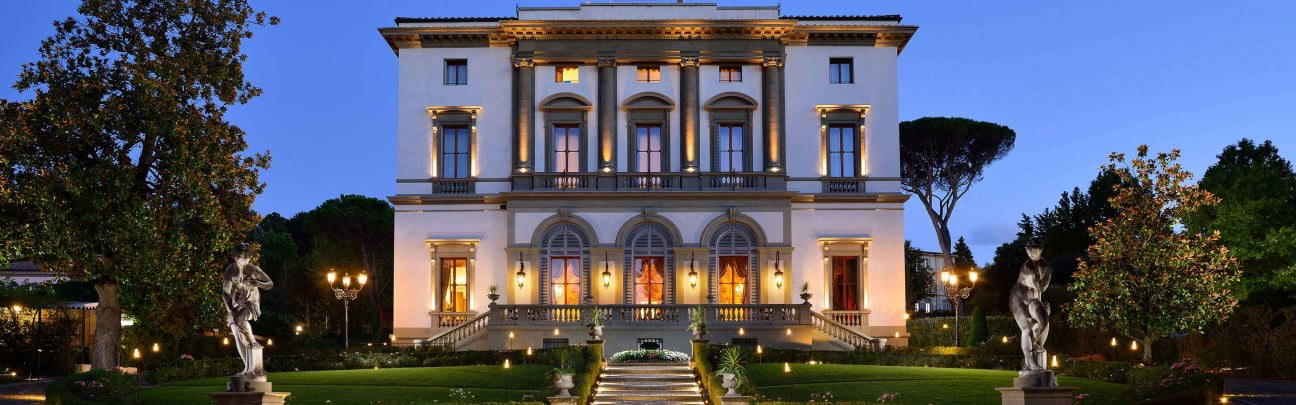
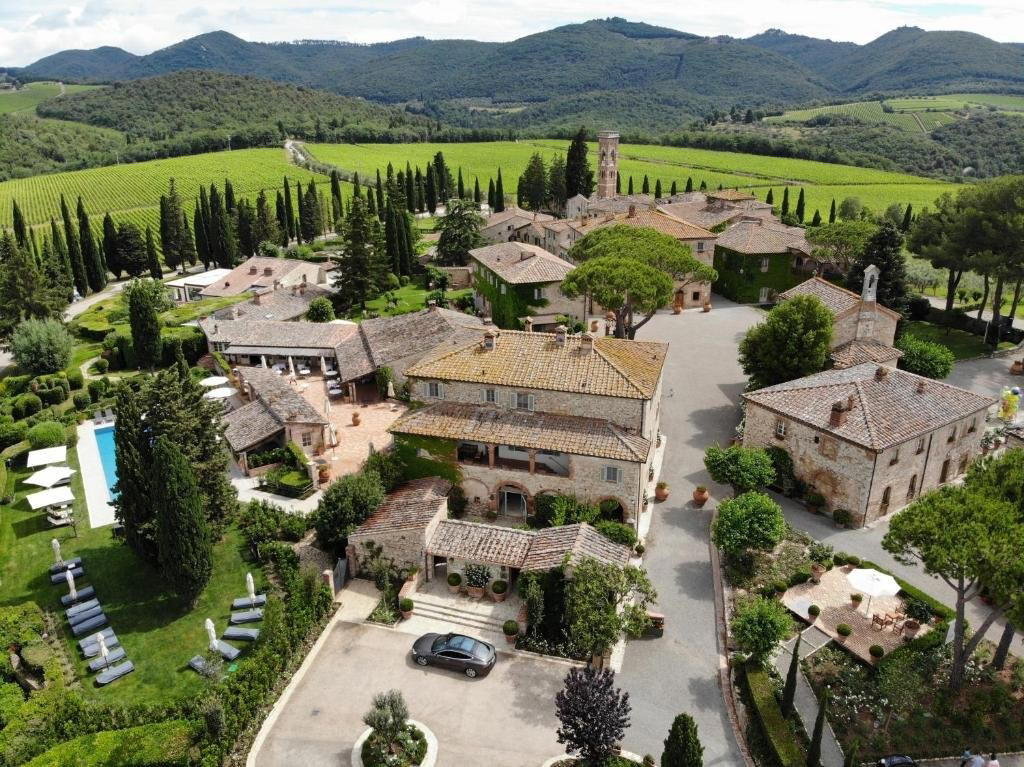
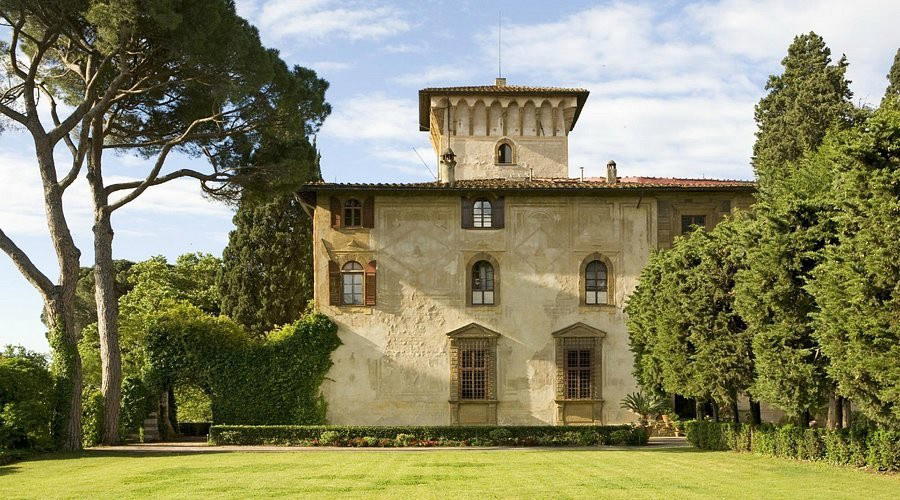
The approach to Querciabella belongs to the hill-country grammar of Chianti Classico: vineyards, garden edges, mountain views, and the quiet of a working estate rather than a hospitality machine. In the Ruffoli hills above Greve in Chianti, the point is not spectacle. The point is to understand why this part of Tuscany still commands serious attention from drinkers who care about site, classification, and the difference between a pleasant tasting and a cellar conversation.
Chianti Classico has spent years sharpening its premium language around Gran Selezione, a category that asks producers to argue for place with more precision than the broad regional label alone. Querciabella sits squarely inside that discussion. Its portfolio is anchored in Chianti Classico DOCG, but the estate’s public identity gives particular weight to Gran Selezione and to vertical tasting as a format. That matters: verticals are not hospitality decoration. They are a way of putting vintage, structure, aging, and site discipline under pressure in the glass.
Ruffoli fruit, biodynamic farming, and a Chianti Classico argument
The estate’s Ruffoli setting gives the visit its first frame. Greve in Chianti is one of the central names in the Chianti Classico zone, and the surrounding hills are built for wines where Sangiovese has to carry both freshness and structure. Querciabella’s stated farming identity is biodynamic, organic, sustainable, and fully vegan, which places it in the more exacting wing of contemporary Tuscan production. The grape list is broader than the shorthand version of Chianti allows: Sangiovese, Merlot, Chardonnay, Pinot Bianco, Cabernet Franc, and Cabernet Sauvignon all appear in the estate’s orbit.
That range is editorially important because it prevents the estate from being read only through a rustic Tuscan lens. Chianti Classico provides the regional spine, but Camartina gives the portfolio another signal. The 2019 vintage has been highlighted in a Top 100 World Wines 2023 context, and Tom Harrow of the Financial Times has described Camartina as “Tuscany’s most complex and ambitious white wine.” For a region still popularly understood through red wine, that kind of external critical language changes the conversation. Querciabella’s reputation is not built only on Sangiovese orthodoxy; it also leans into a white wine with enough stature to complicate expectations.
Production scale adds another layer. This is not a tiny hobby cellar, but a medium-to-large family-owned Tuscan estate, with around 70 to 80 hectares in Chianti Classico, another 30 to 40 hectares in Maremma, and annual production reported around 300,000 to 400,000 bottles. That scale makes consistency and identity harder, not easier. The interest here is how a producer of meaningful size uses biodynamic practice, classification language, and prestige bottlings to hold a coherent position in a crowded appellation.
The tasting format is built for education rather than casual sampling
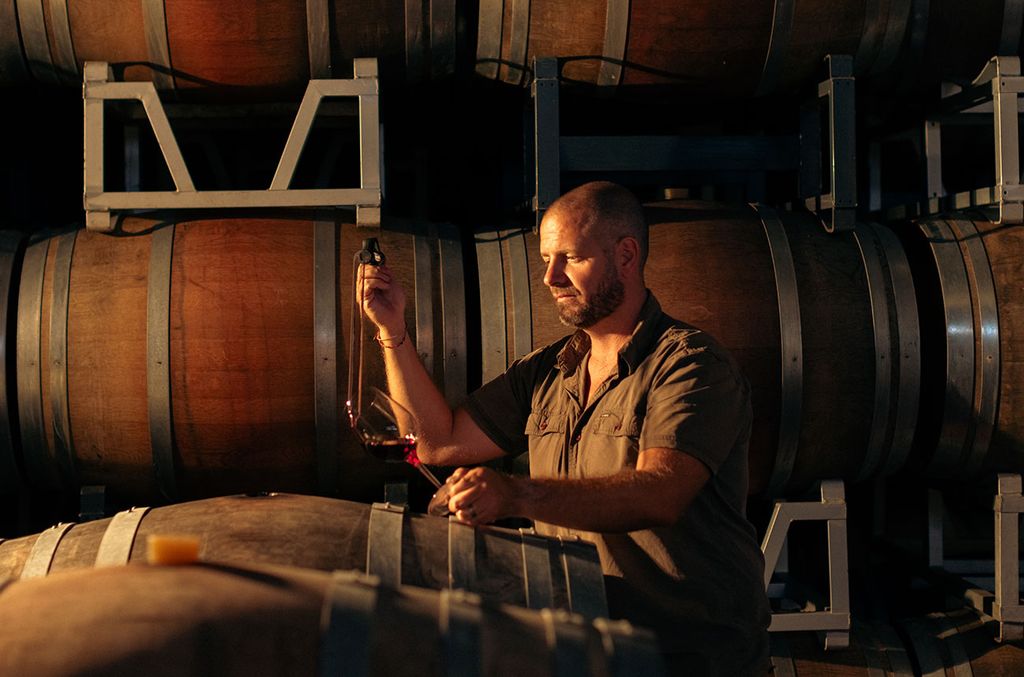
The estate experience is quiet, seated, private in tone, and geared toward guided explanation. Tastings can include vineyard touring and estate grounds, with English and Italian among the tasting languages. The usual duration of 60 to 90 minutes gives enough room for context without turning the visit into a half-day production. It is a format that suits drinkers who want to connect farming method, grape choice, appellation hierarchy, and bottle style, rather than tick off another Tuscan stop between lunch and dinner.
Gran Selezione is the hinge. When a winery foregrounds vertical tasting around that category, it is asking visitors to think comparatively: how a warm year differs from a cooler one, how structure develops, how Sangiovese behaves when the estate wants more than immediate charm. Decanter recognition for Querciabella Gran Selezione reinforces that this is not merely an internal talking point. It is part of the producer’s external critical identity.
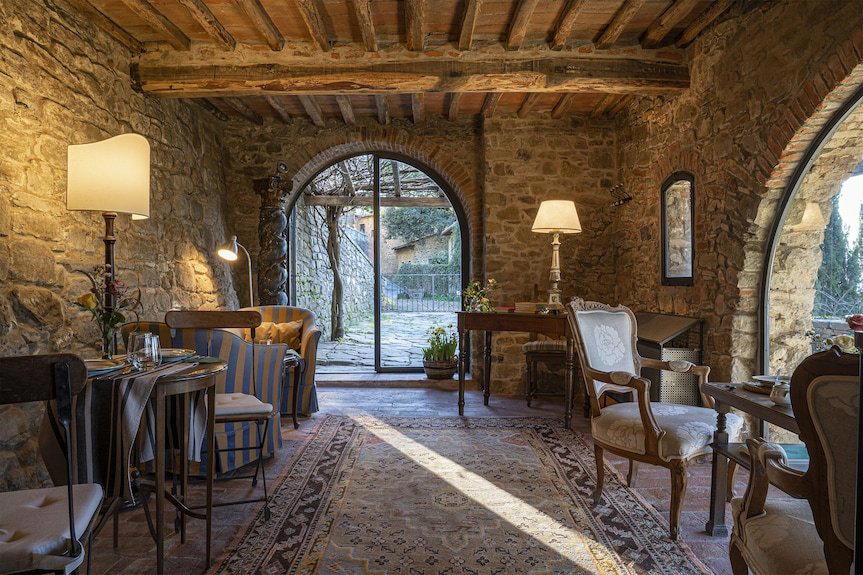
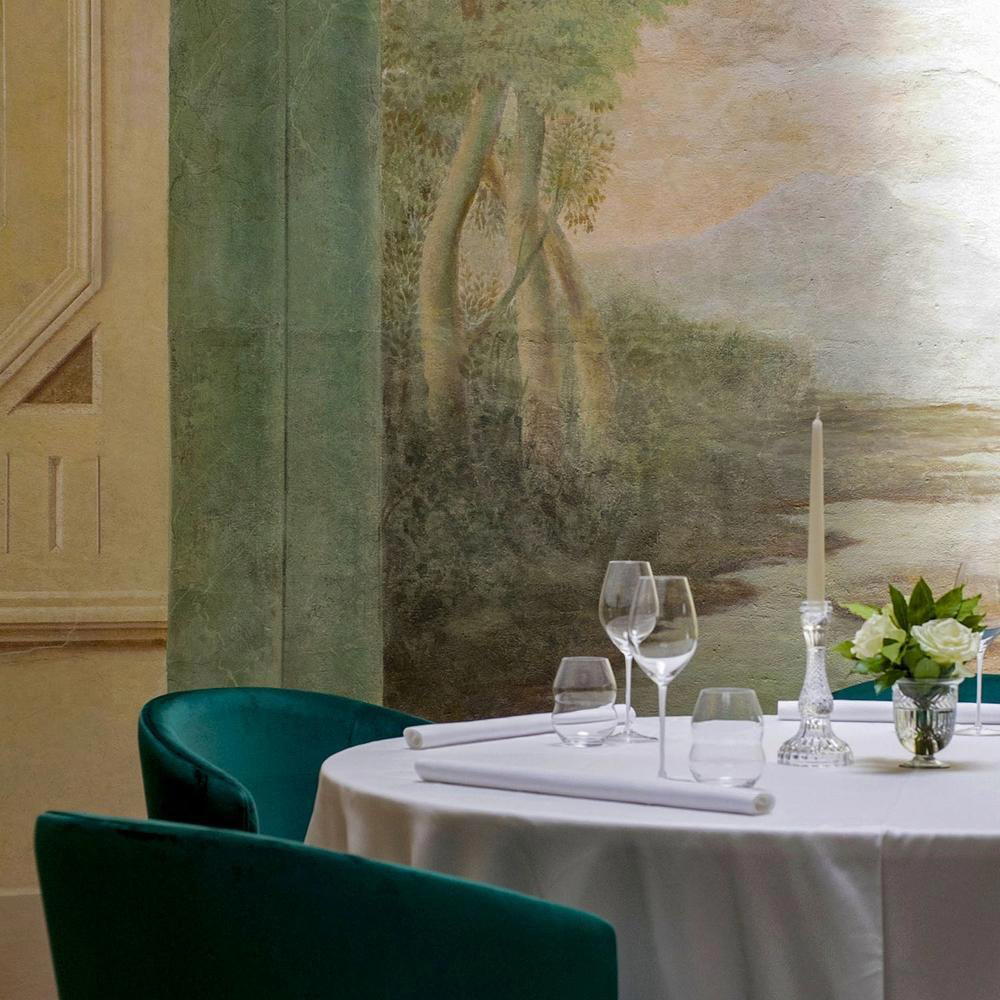
The atmosphere matches that seriousness. The estate reads as refined but relaxed: scenic, rustic, and polished without resort theatrics. There is on-site parking, accessible parking, credit-card payment, shipping availability, a wine club, and a small-capacity feel. Food pairing is not the reason to come, and children and dogs are not the natural audience. The stronger fit is a couple, a small group, a solo wine student, or a corporate group that wants the Tuscan countryside without reducing it to a backdrop.
How to place Querciabella in a Greve in Chianti itinerary
Greve in Chianti rewards travelers who separate wine days from sightseeing days. The town and its hills can absorb a full itinerary, especially when the plan includes producers with different levels of scale, farming language, and visitor format. For nearby winery context, EP Club readers can cross-reference Ambrogio e Giovanni Folonari Tenute, Antico Borgo di Sugame, Azienda Agricola La Torraccia di Presura, Basilica Cafaggio, and Cafaggio.
The broader planning question is whether the day should be wine-led or town-led. For a wine-led day, keep the schedule disciplined and leave space between appointments; guided tastings in the hills lose their value when they are compressed. For meals, lodging, evening drinks, and non-wine programming around the city, use Our full Greve in Chianti restaurants guide, Our full Greve in Chianti hotels guide, Our full Greve in Chianti bars guide, Our full Greve in Chianti wineries guide, and Our full Greve in Chianti experiences guide.
For readers building a wider European wine map, contrast the Tuscan estate model with producers in other regions: 3GP SRL in Treviso, 47 Anno Domini in Trebaseleghe, A Mano Wine in Noci, »der Steiner« Hans Steiner in Podersdorf am See, and & Handwein in Mannheim. Querciabella’s value is clearest when seen in that larger context: a serious Chianti Classico address where the land, farming method, and classification tier are the substance of the visit.
Recognition history
Dated appearances from independent guides and award organizations, with the underlying list record or original source where available.
Falstaff Winery - 5 Stars
Falstaff
Querciabella
Featured Guides
Continue exploring
More in Greve in Chianti
Wineries in Greve in Chianti
All wineries in Greve in Chianti →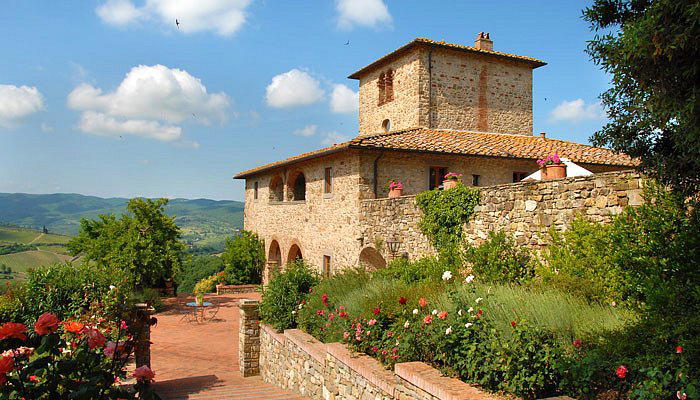
Bars in Greve in Chianti
All bars in Greve in Chianti →
Restaurants in Greve in Chianti
All restaurants in Greve in Chianti →
Details
- Scenic
- Elegant
- Rustic
- Romantic
- Sophisticated
- Wine Education
- Group Outing
- Romantic Getaway
- Special Occasion
- Solo Exploration
- Corporate Event
- Vineyard Tour
- Estate Grounds
- Panoramic View
- Private Tasting
- Organic
- Biodynamic
- Sustainable
- Vineyard
- Mountain
- Garden
- Sangiovese
- Merlot
- Chardonnay
- Pinot Bianco
- Cabernet Franc
- Cabernet Sauvignon
- Still Red
- Still White
- Seated Tasting
- Private Tasting
- Educational Tasting
- Guided Tour With Tasting
- English
- Italian
Refined yet relaxed working estate atmosphere in the scenic Ruffoli hills above Greve in Chianti, combining modern, high-level winemaking with an intimate, educational tasting setting focused on organic and biodynamic practices.