Poggio al Vento

Falstaff Winery - Listed
Poggio al Vento reads as Val d’Orcia agriculture first and wine tourism second: an organic agriturismo where Sangiovese, olive trees, woodland and hill views shape the visit. The estate works 9.5 hectares of vineyard, produces about 25,000 bottles a year, and folds Orcia DOC reds, olive oil and countryside hospitality into a compact rural format.

Pearl is the En Primeur Club membership app, where members save venues, book tables and use the concierge.

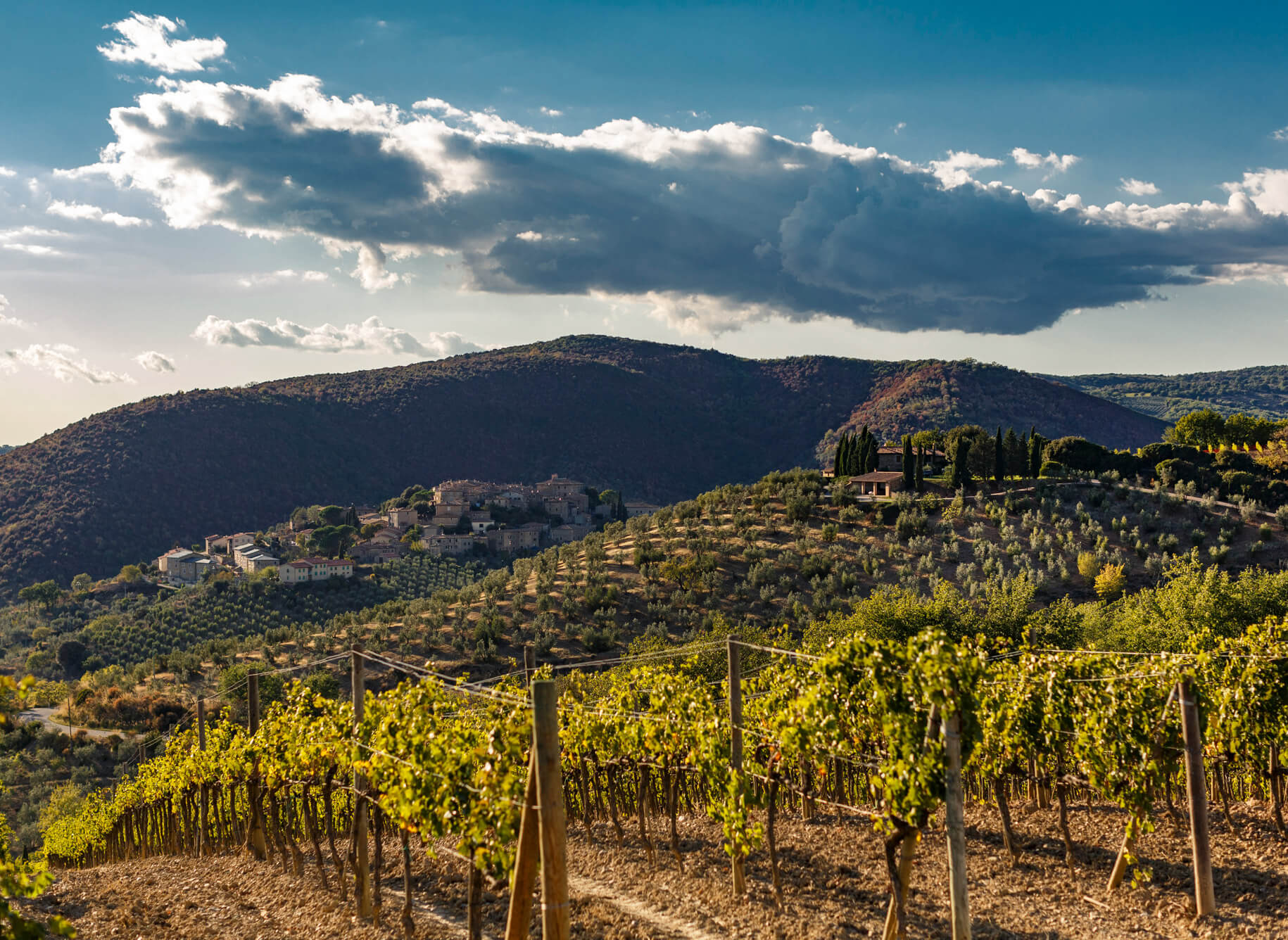
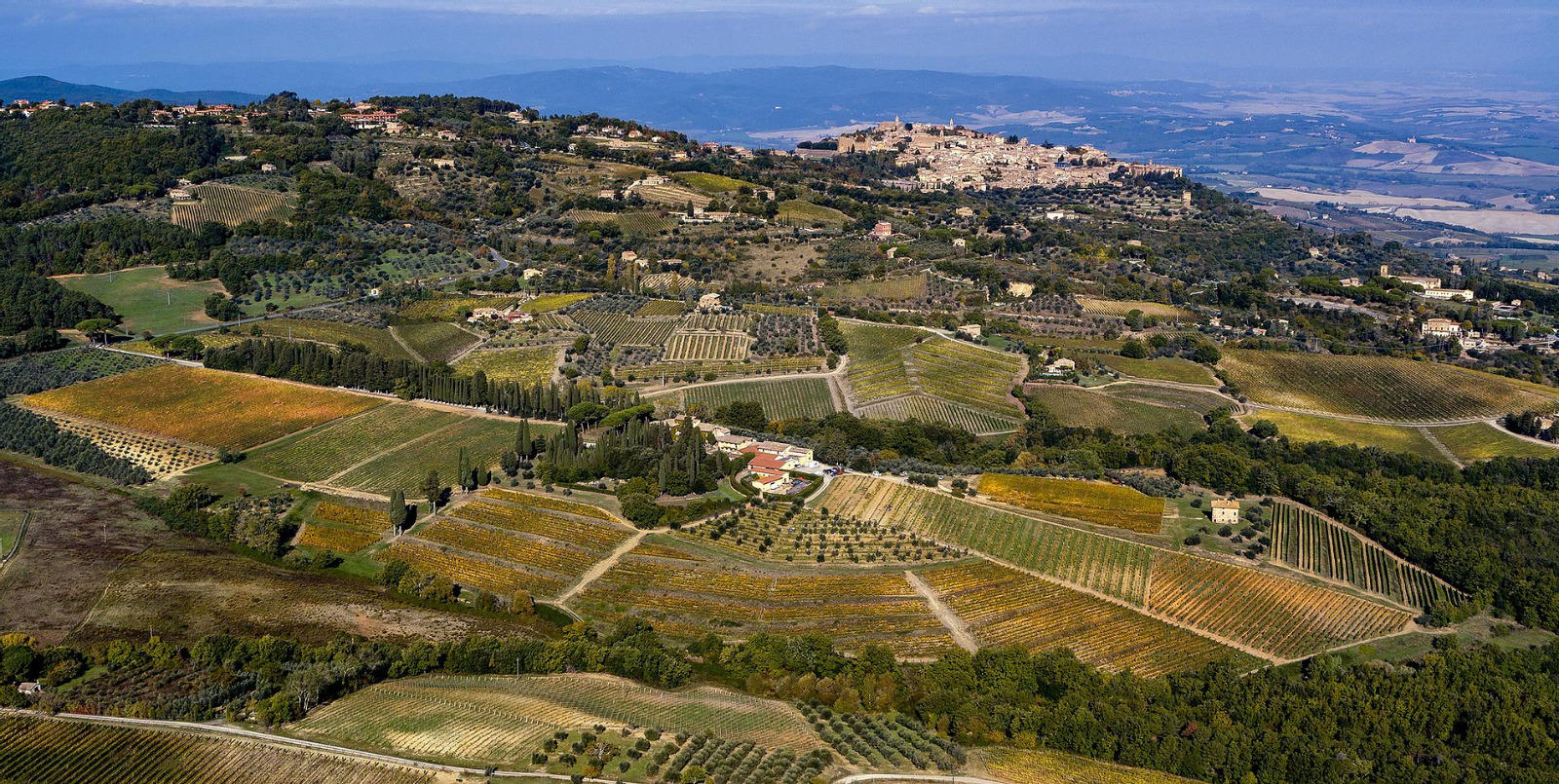
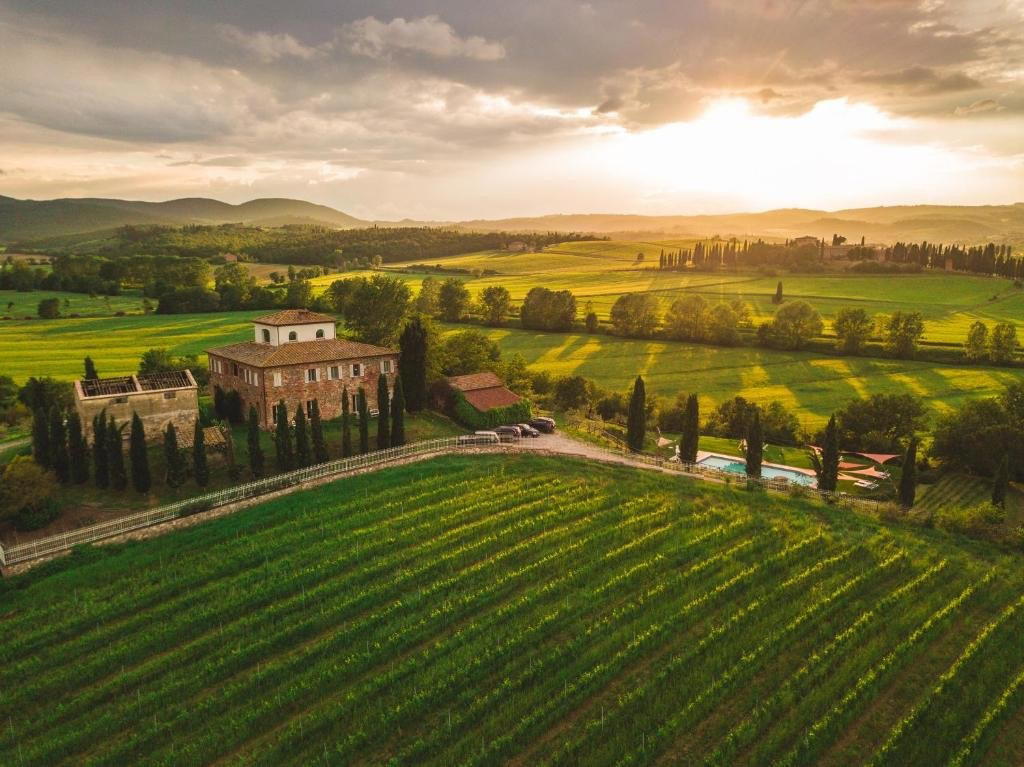
Approaching wine in the Val d’Orcia means accepting that the vineyard is only part of the argument. The hills, cypress lines, olive groves, farm tracks and long views toward Monte Amiata all press themselves into the glass before any cellar language begins. Poggio al Vento fits that Tuscan pattern: not a polished urban tasting room transplanted into the countryside, but an organic agriturismo and working farm where the stay, the tasting and the surrounding land are part of the same proposition.
This matters in Castiglione d’Orcia because the area sits inside one of Italy’s culturally protected rural zones, where wine tourism is tied as much to landscape literacy as to producer prestige. The region’s strength is not spectacle. It is the slow accumulation of agricultural detail: Sangiovese in the vineyard, olive trees around the farm, woods behind the cultivated land, and historic hill towns marking the horizon. In that context, a small estate with lodging, estate tastings, walking and biking routes offers a more coherent Val d’Orcia experience than a quick pour-and-go format.
Orcia DOC reds through a farm lens
The estate’s wine identity is narrow in a useful way. Sangiovese leads the range, supported by Merlot, Cabernet Sauvignon and Foglia Tonda, with Orcia DOC anchoring the local appellation story. That grape mix places the wines inside a familiar Tuscan conversation: Sangiovese as the regional spine, international varieties used for structure and breadth, and Foglia Tonda adding a more local accent where it appears.
The portfolio includes four named reds. Giallo is an IGT Toscana blend of 70% Sangiovese, 15% Cabernet Sauvignon and 15% Merlot. Arcere, under Orcia DOC, shifts the emphasis to 90% Sangiovese with 10% Foglia Tonda. Sangiovese 01 and Carro Stellato are both 100% Sangiovese under the Orcia designation. That line-up avoids breadth for its own sake; it lets the estate work variations on a regional theme rather than pretending to cover every Tuscan style.
Production scale reinforces that reading. Around 25,000 bottles come from 9.5 hectares of vineyard, a size that keeps the estate in the small-producer category rather than the broad distribution lane. Organic farming is central to the agricultural message, and the same approach extends beyond grapes into olive cultivation. For travelers, that creates a clearer editorial signal than medals or celebrity technique would: this is a place to understand how a modest Tuscan estate turns land, vines and olives into hospitality.
Olive trees, apartments and the full agriturismo rhythm
Wine tourism in Tuscany often splits into two modes: cellar-led visits for collectors and agriturismo stays where the farm sets the pace. Poggio al Vento belongs to the second group. Its estate is surrounded by vineyard, 2,700 olive trees, old oaks and mixed woodland, so the agricultural setting is not decorative. It determines the tempo of the visit.
The olive-oil program gives the experience useful depth. Perla Verde and Perla d’Oro place olive oil beside wine rather than beneath it, which is exactly how rural Tuscany often makes sense at the table. A tasting here is better understood as an agricultural tasting, not only a wine flight. The estate’s food-pairing and tour format points in the same direction, joining cellar, vineyard and produce into one countryside circuit.
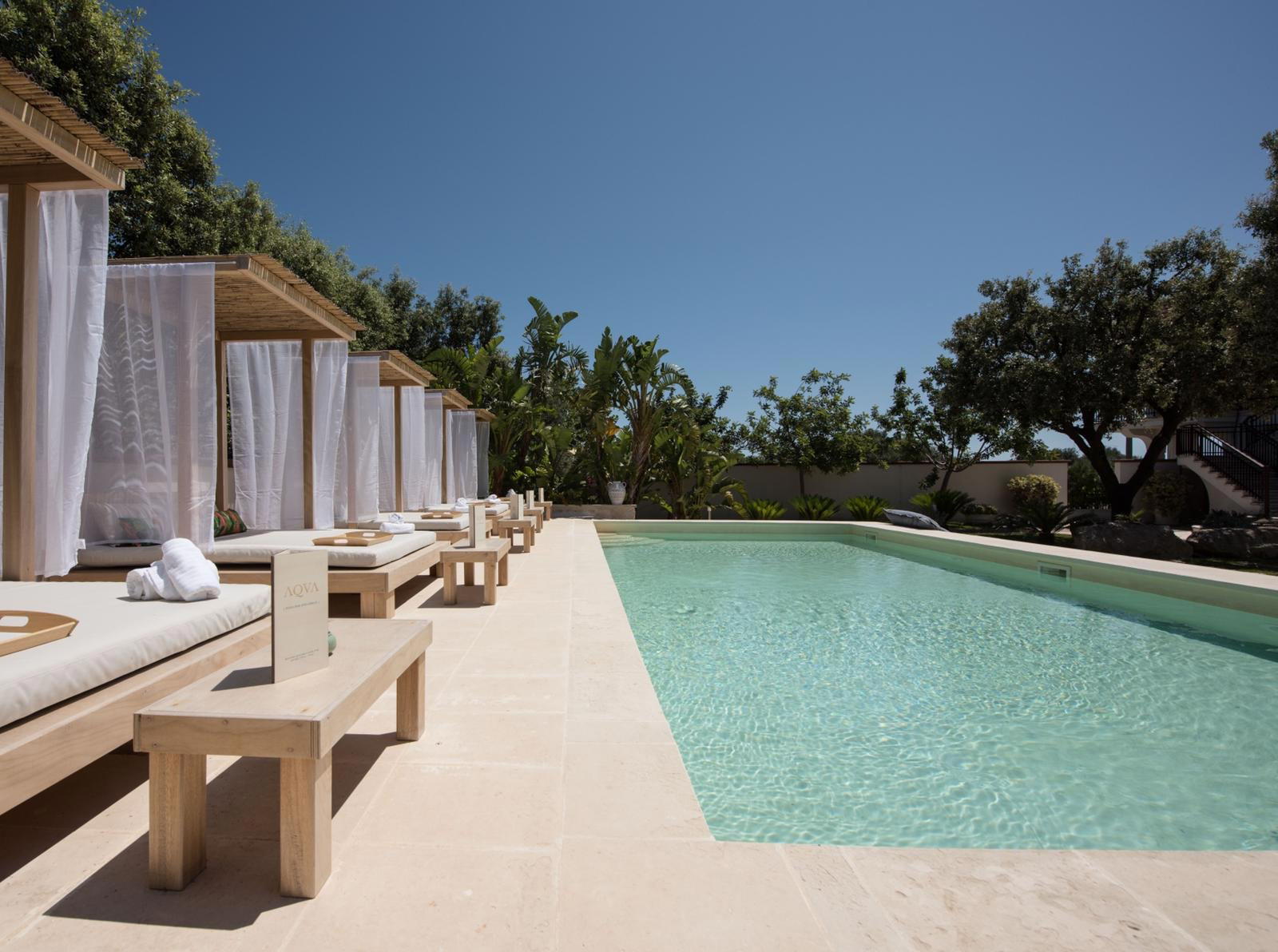
The lodging component also changes the stakes. Five apartments, named Geranio, Giglio, Mimosa, Oleandro and Tulipano, make the property feel closer to a rural base than a single-stop winery appointment. That format suits travelers who want Castiglione d’Orcia to unfold through mornings, routes and changing light rather than through a checklist of addresses. Outdoor space, vineyard views and a quiet noise profile support the same idea: the draw is immersion in the working countryside, not theatrical hospitality.
Winemaker Roberto Mascelloni gives the wine program a named technical anchor, but the stronger story remains territorial. In this part of Tuscany, credibility often comes from whether the estate’s activities align with its place. Here, the vineyard, olive grove, cellar tour, food pairing and agriturismo stay point in the same direction.
How to read Poggio al Vento within Castiglione d'Orcia
The practical question is not whether this is a trophy winery. The sharper question is whether the format matches the reason for being in the Val d’Orcia. For travelers chasing high-gloss tasting rooms, this will feel deliberately rural. For those interested in Orcia DOC, organic farming and the agriturismo tradition, the estate gives the region a legible shape: small-scale production, Sangiovese-led reds, olive oil, outdoor routes and a farm stay that keeps the landscape in view.
Castiglione d’Orcia rewards this slower reading. The area’s wine culture sits near more famous Tuscan denominations, but its appeal is different: less about headline labels, more about farms that connect agriculture, hospitalityless tourism and hill-country geography. Poggio al Vento’s value lies in that integration. It shows how a small organic estate can turn a protected cultural landscape into a tasting experience without separating wine from the rest of rural life.
For wider context in the area, EP Club’s Castiglione d’Orcia coverage includes Il Poderuccio, La Nascosta and Podere Forte, along with Our full Castiglione D Orcia wineries guide. The city guides for restaurants, hotels, bars and experiences help place the winery visit inside a broader stay.
Readers mapping Italian and European wine travel more broadly can also cross-reference 3GP SRL in Treviso, 47 Anno Domini in Trebaseleghe, A Mano Wine in Noci, a6mani in Fragagnano, Abbadia Ardenga in Torrenieri, »der Steiner« Hans Steiner in Podersdorf am See and & Handwein in Mannheim.
Recognition history
Dated appearances from independent guides and award organizations, with the underlying list record or original source where available.
Falstaff Winery - Listed
Falstaff
Continue exploring
More in Castiglione D Orcia
Wineries in Castiglione D Orcia
All wineries in Castiglione D Orcia →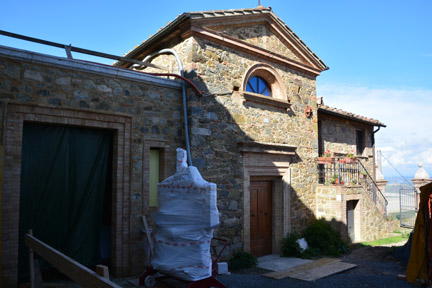
Bars in Castiglione D Orcia
Browse all →

Restaurants in Castiglione D Orcia
Browse all →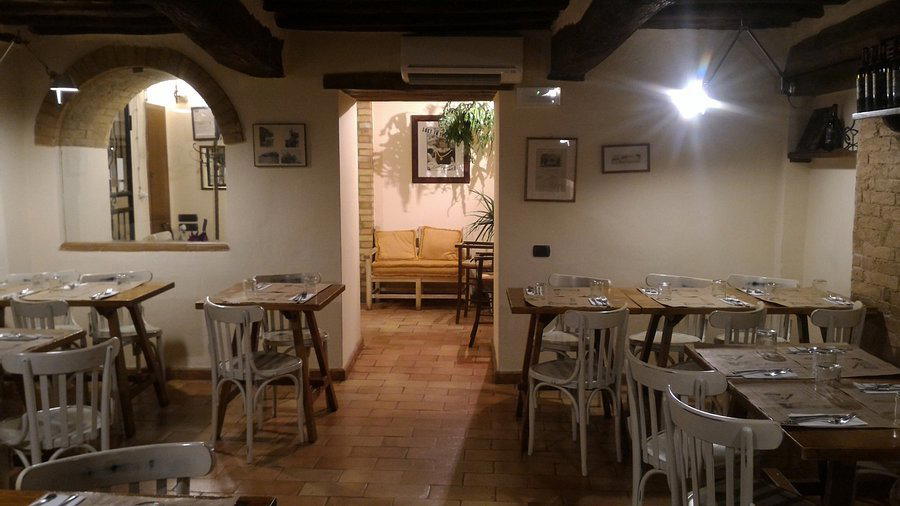

Details
- Scenic
- Rustic
- Cozy
- Romantic
- Intimate
- Romantic Getaway
- Group Outing
- Family
- Wine Education
- Special Occasion
- Estate Grounds
- Vineyard Tour
- Panoramic View
- Terrace
- Organic
- Sustainable
- Vineyard
- Mountain
- Garden
- Sangiovese
- Merlot
- Cabernet Sauvignon
- Foglia Tonda
- Still Red
- Estate Tasting
- Vineyard & Cellar Tour
- Food Pairing
- Italian
- English
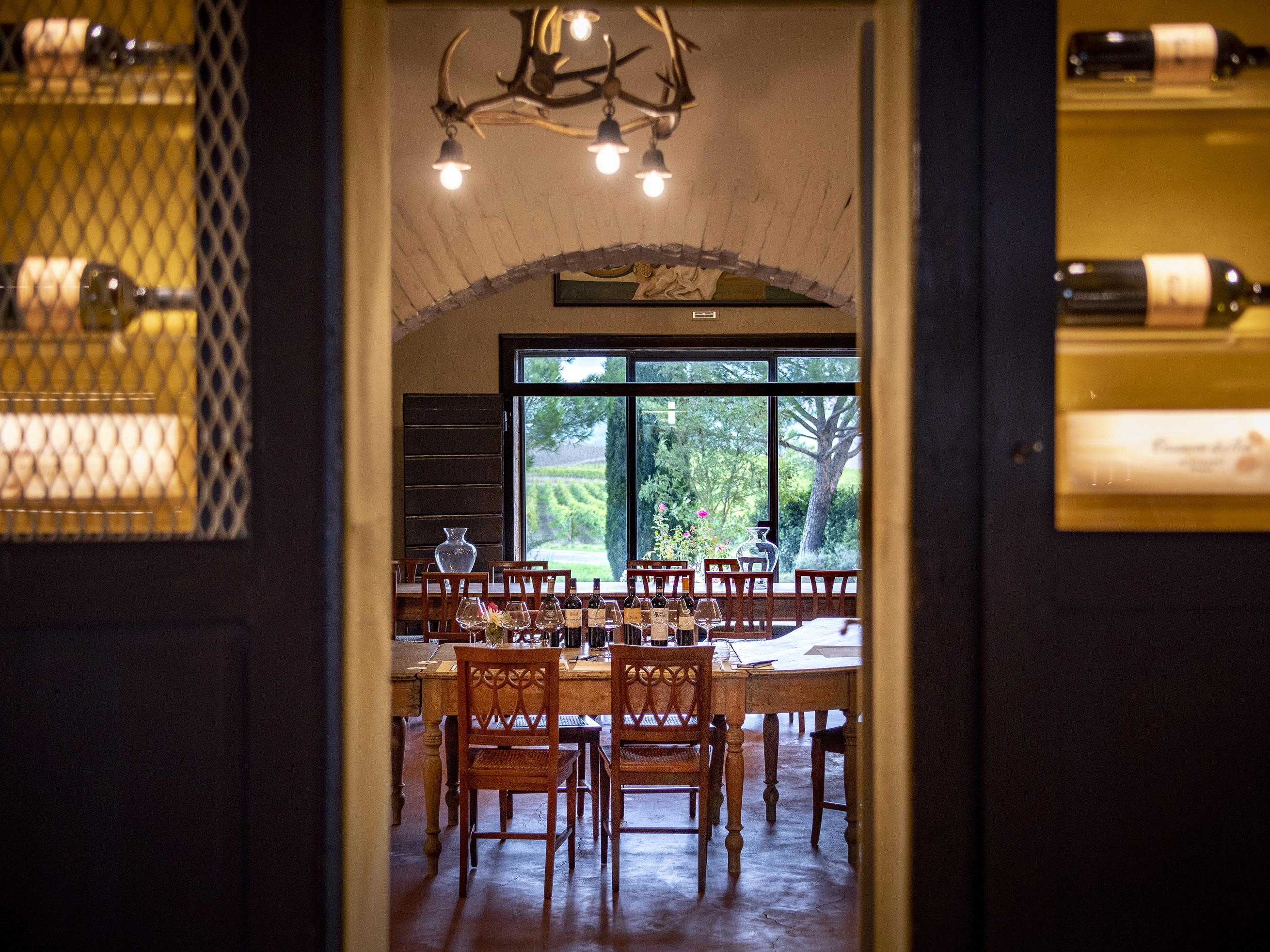
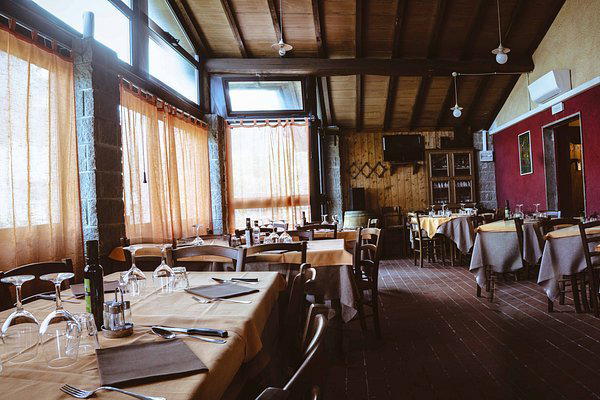
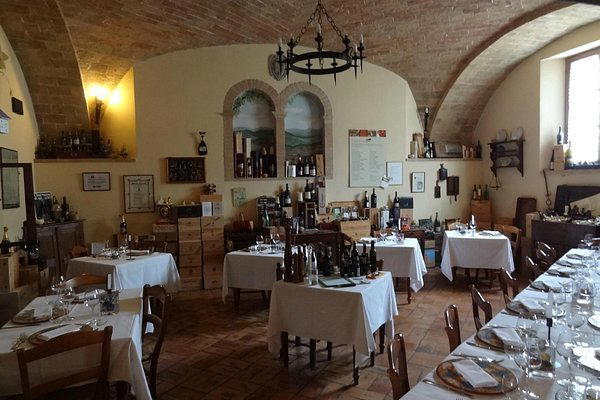
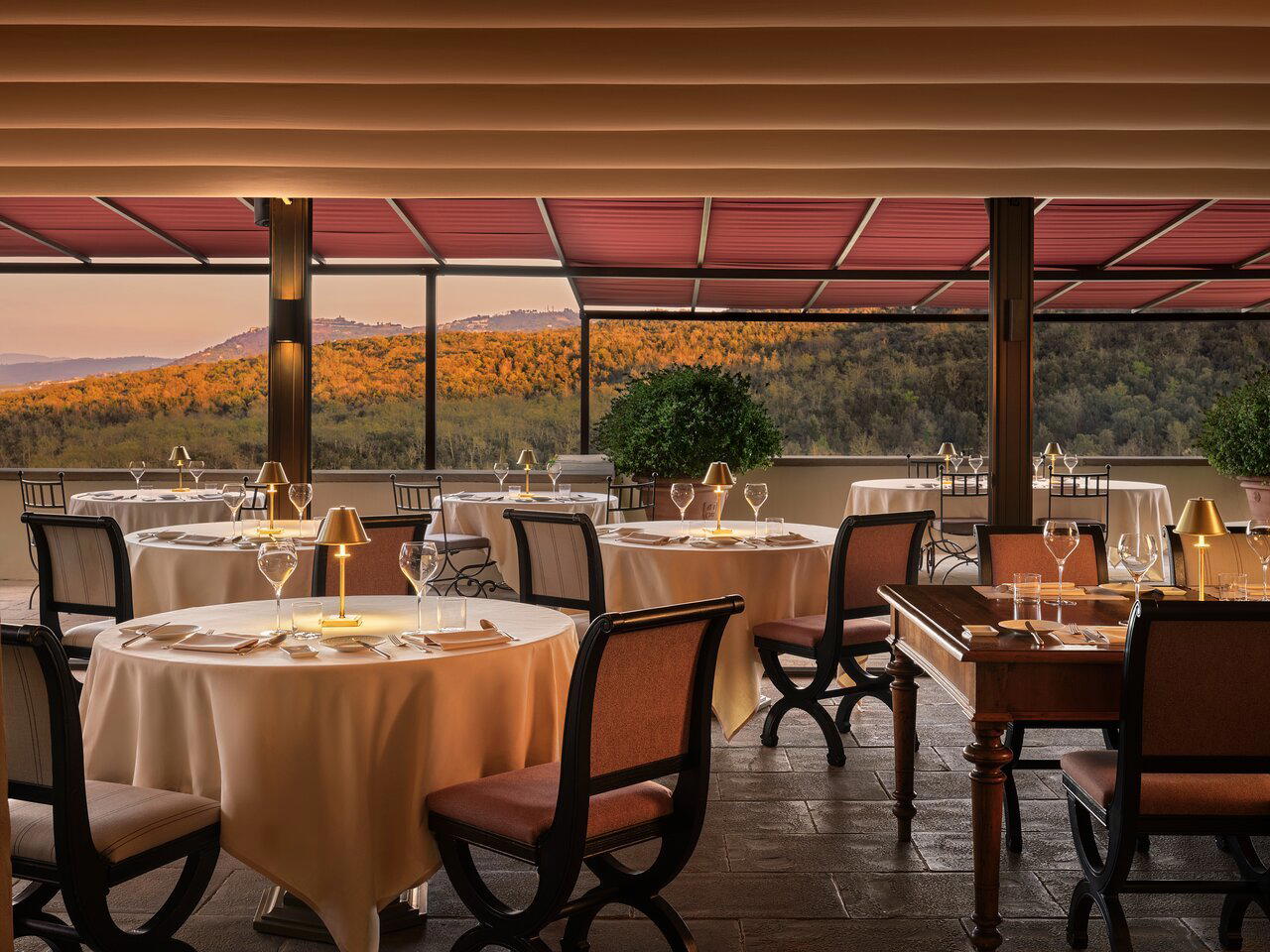
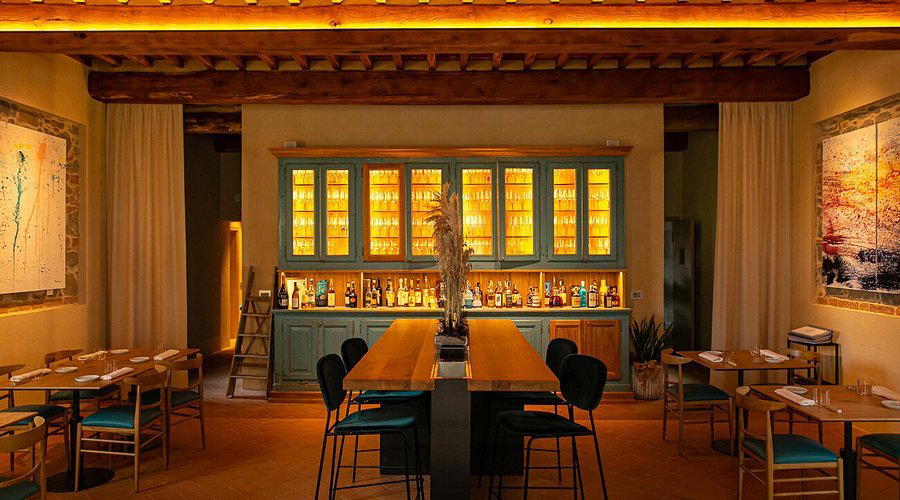
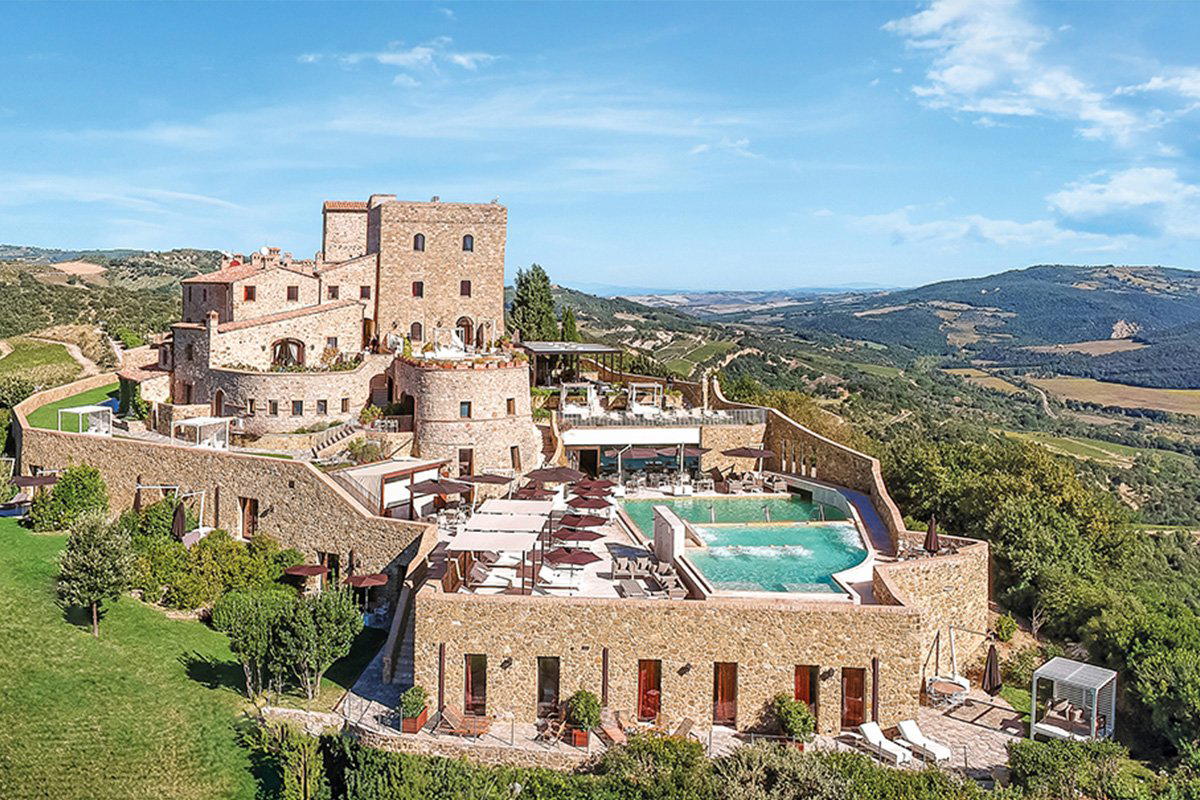
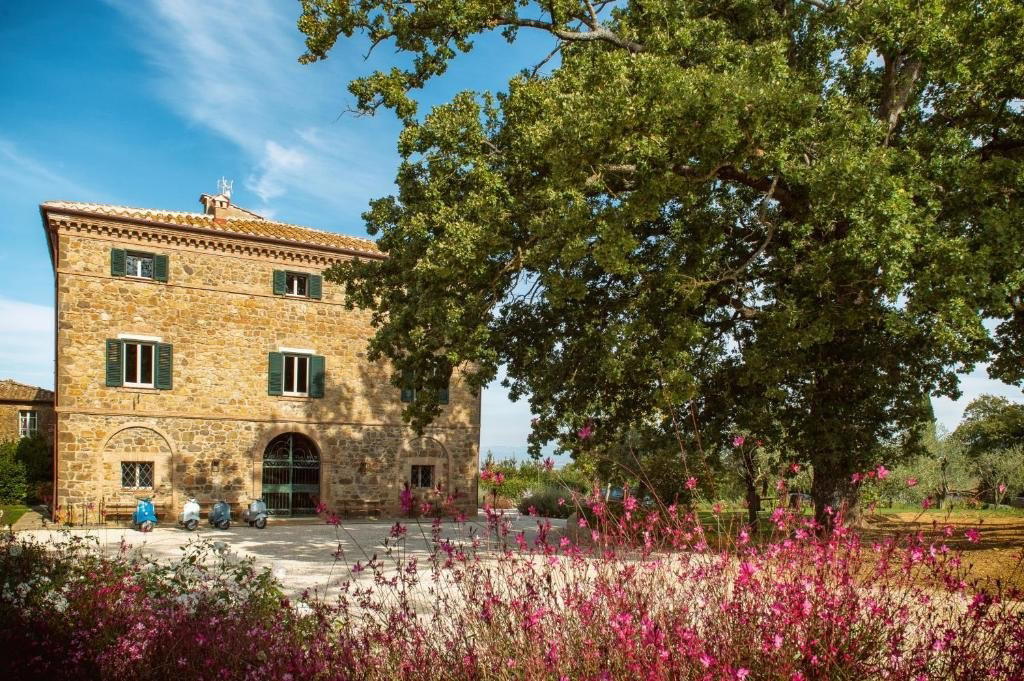
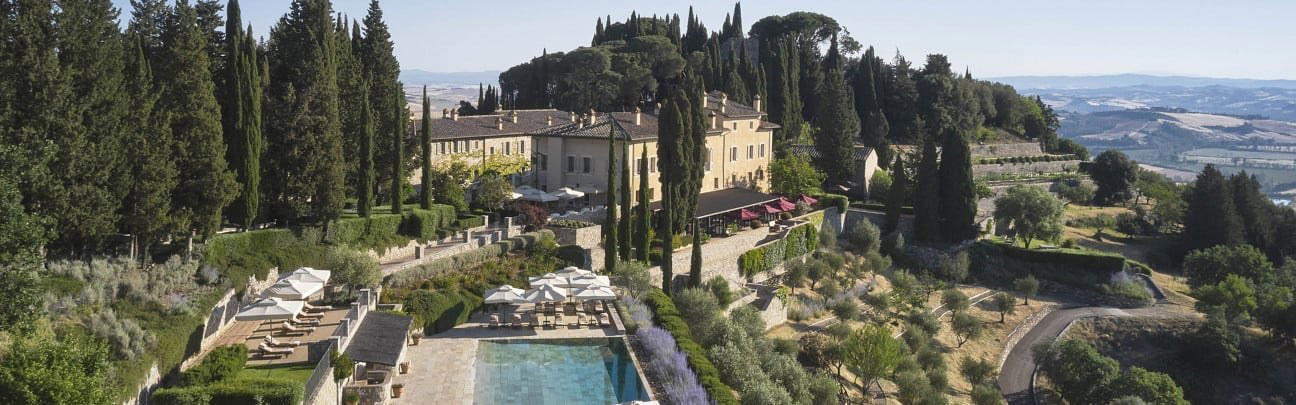
Rustic agriturismo atmosphere immersed in the Val d’Orcia countryside, with quiet surroundings, vineyard and olive groves views, and a warm family-run feel focused on relaxation and well‑being.