Podere La Vigna

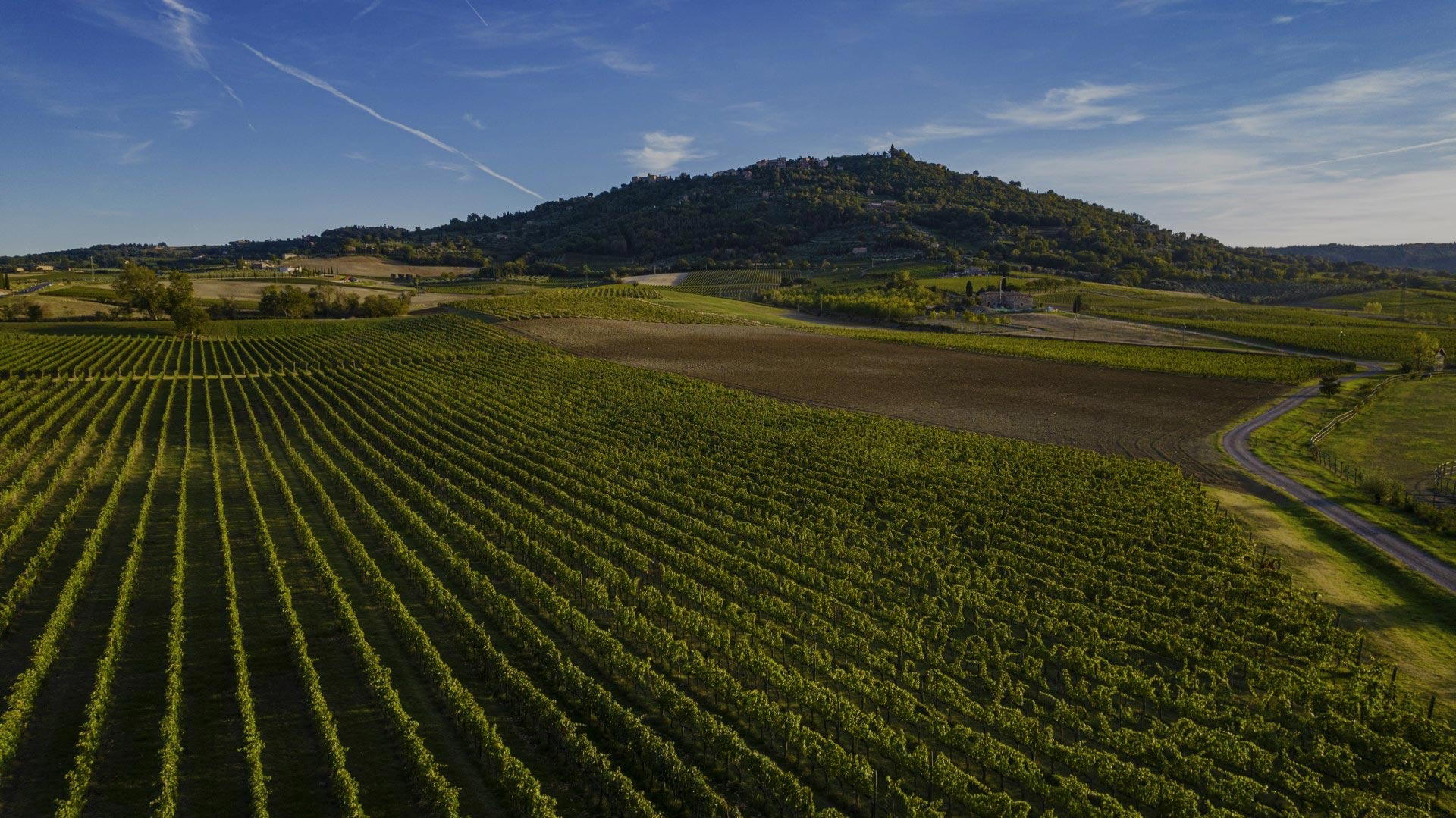
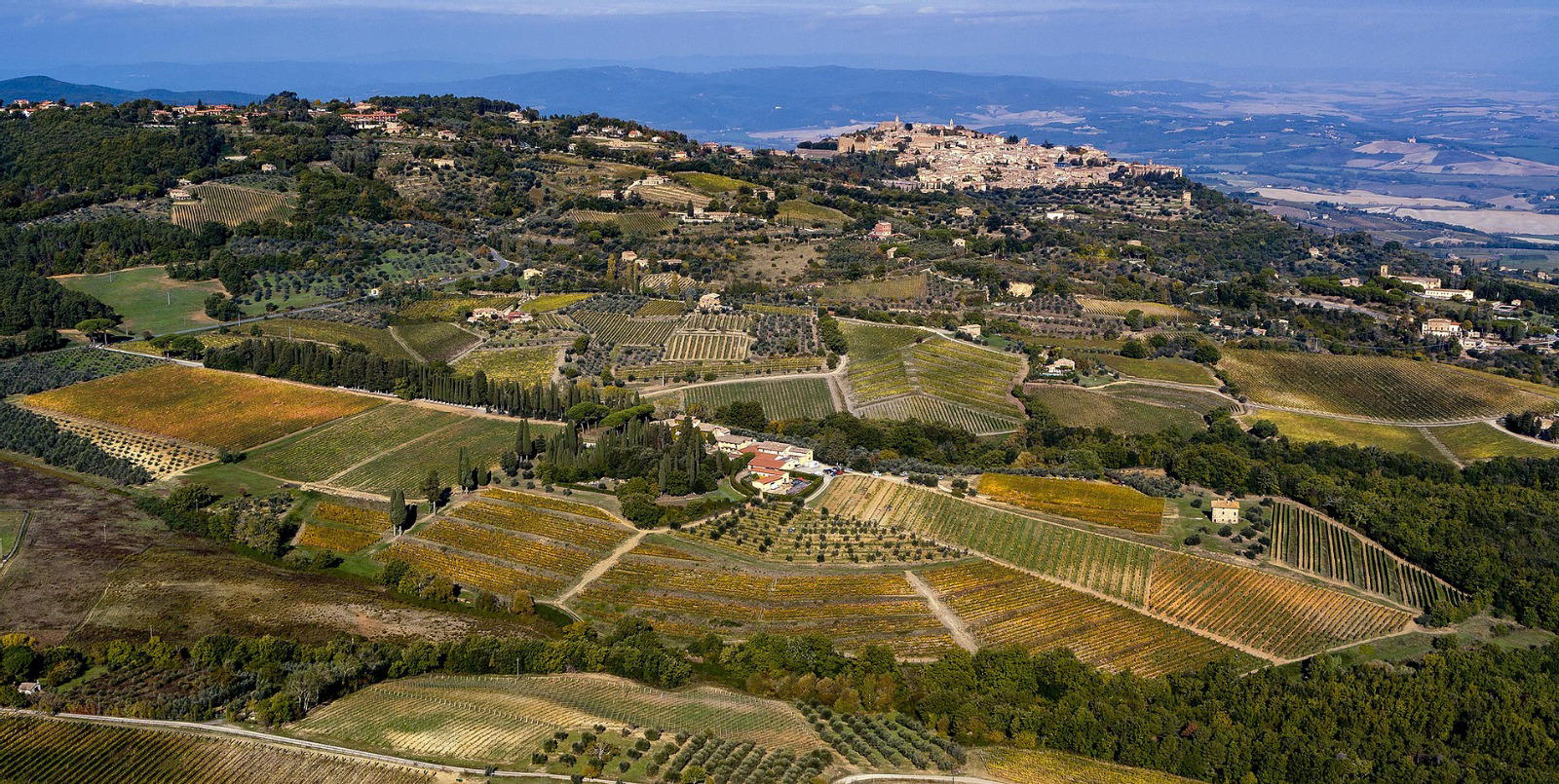
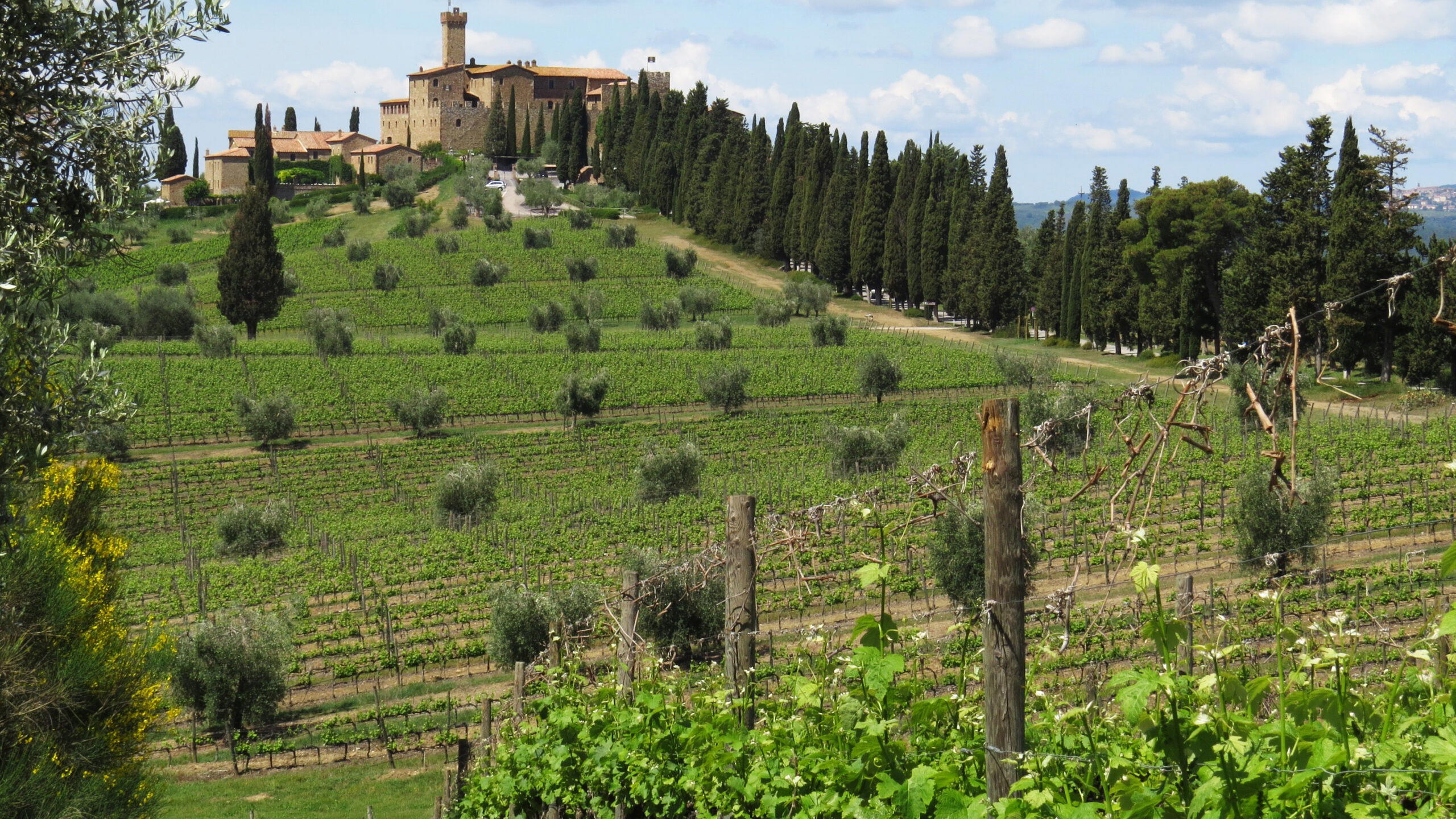
Podere La Vigna belongs to the quieter, production-led side of Brunello country: a small family-run estate in Torrenieri, rooted in vineyard work that began in 1973. Its appeal is terroir rather than spectacle, with Sangiovese Grosso, Brunello di Montalcino DOCG, biodynamic farming signals, and a hillside setting northeast of Montalcino shaping the case for a focused visit.
Pearl is the En Primeur Club membership app — saves, bookings, and concierge access live there. Same editors, same standards.
- Address
- Torrenieri, Tuscany, Italien
- Directions
- Get directions
 Saves & bookings on Pearl
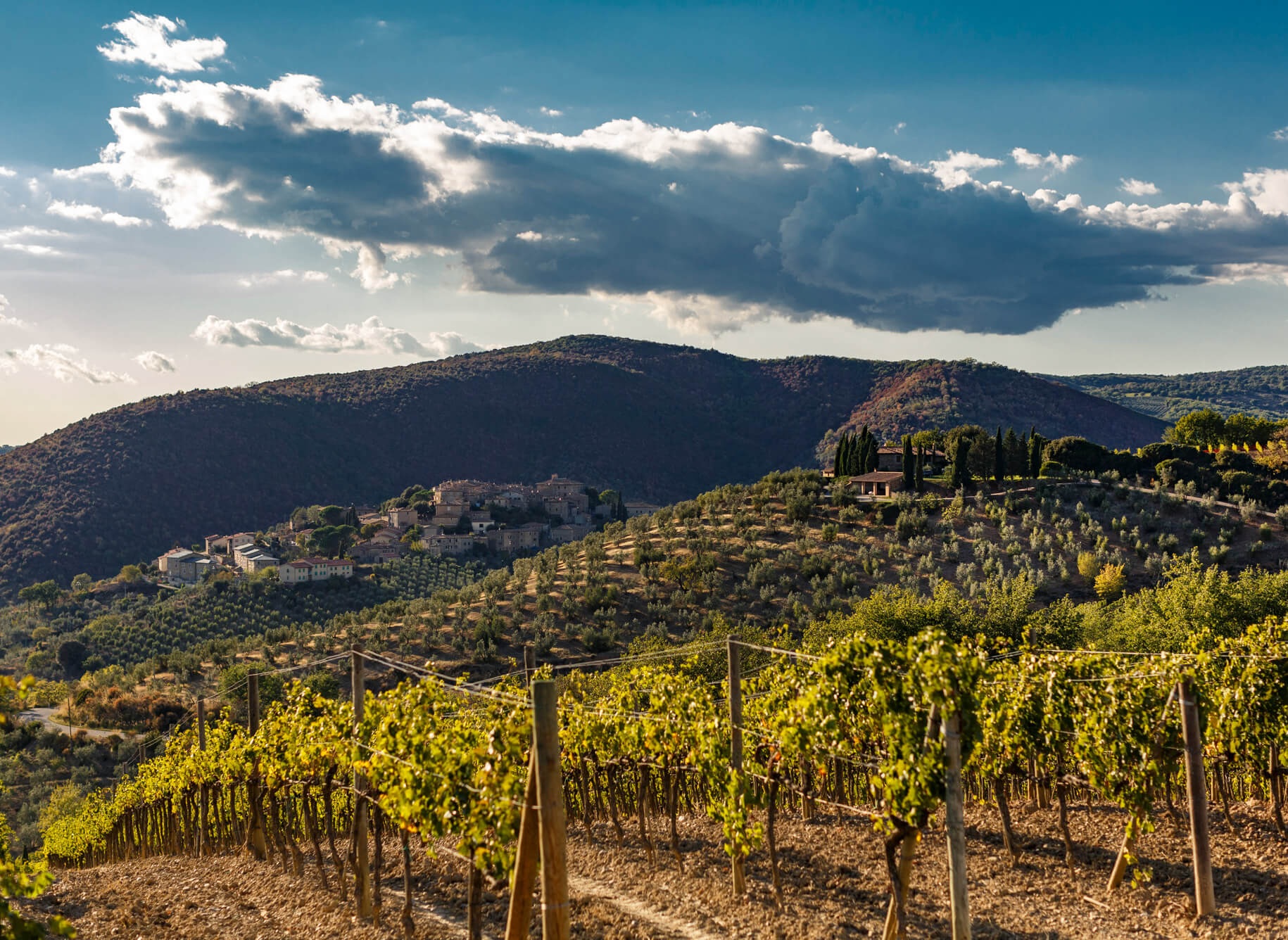
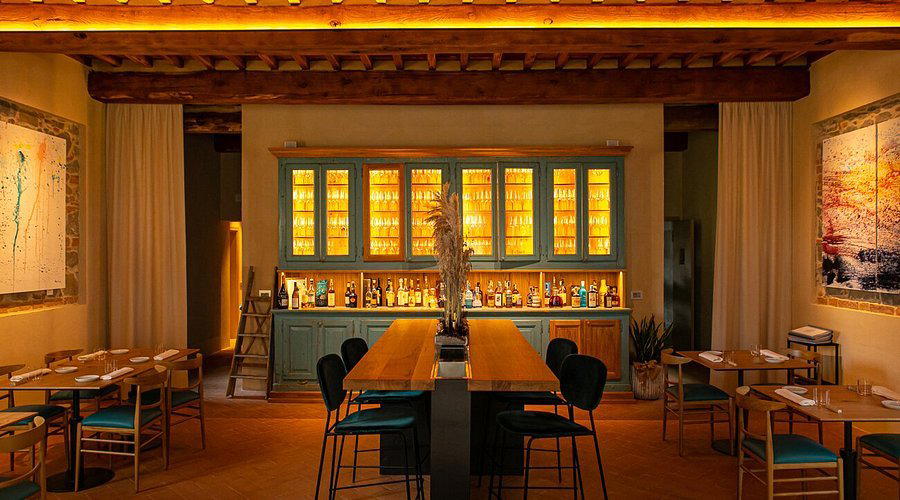
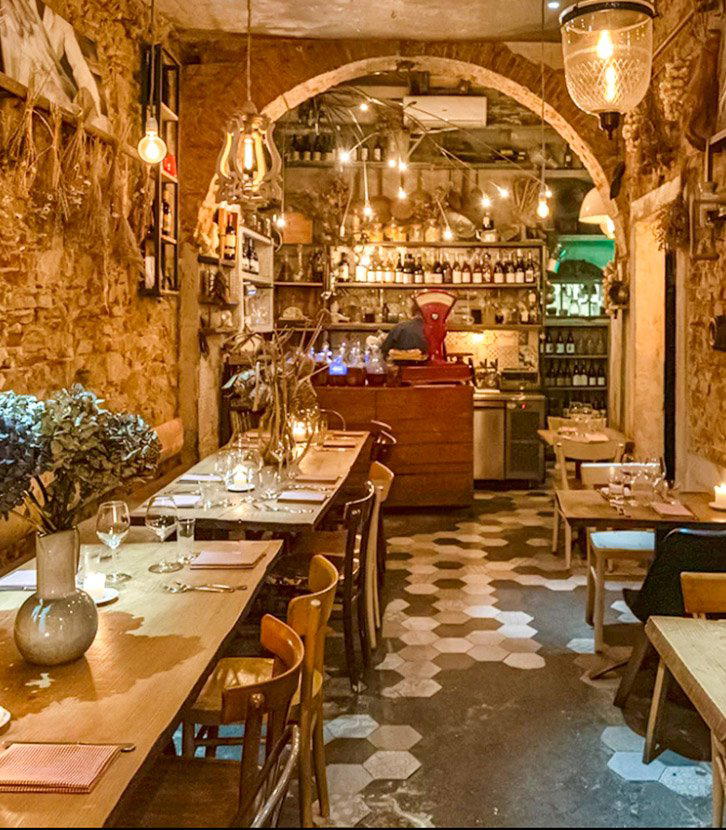
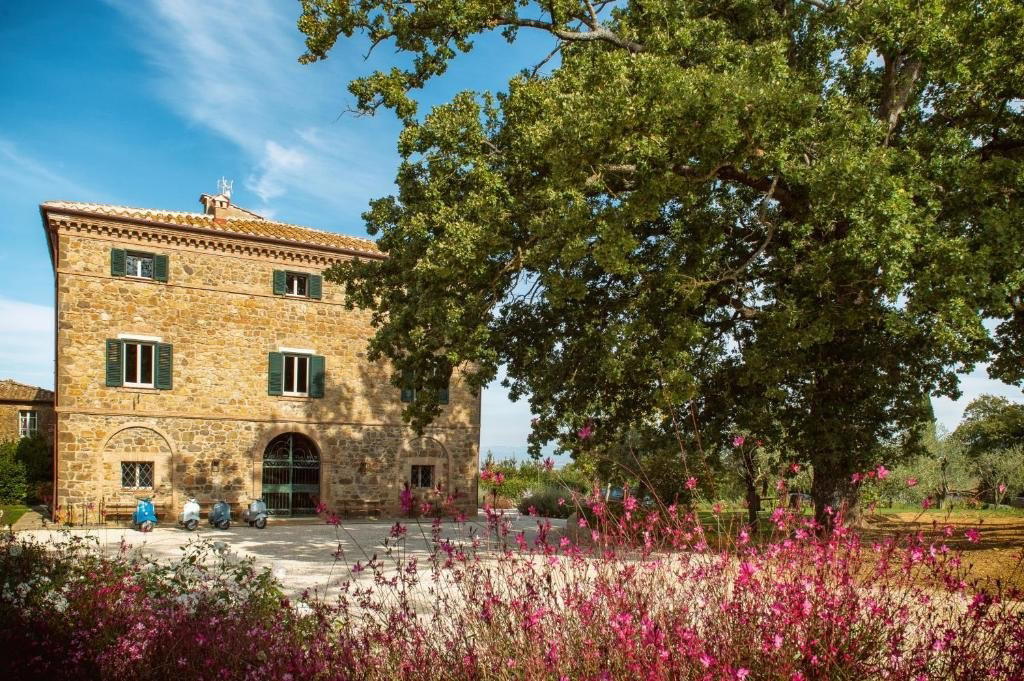
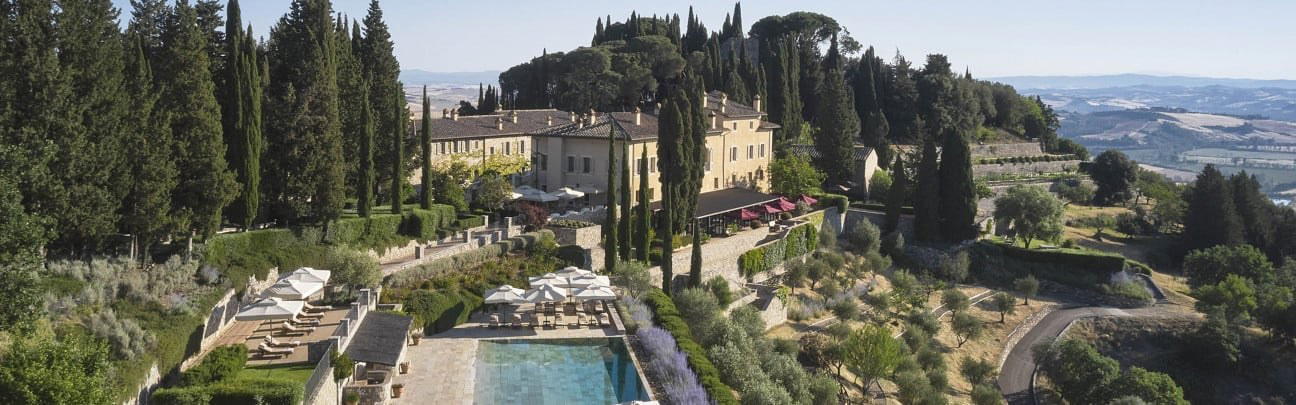
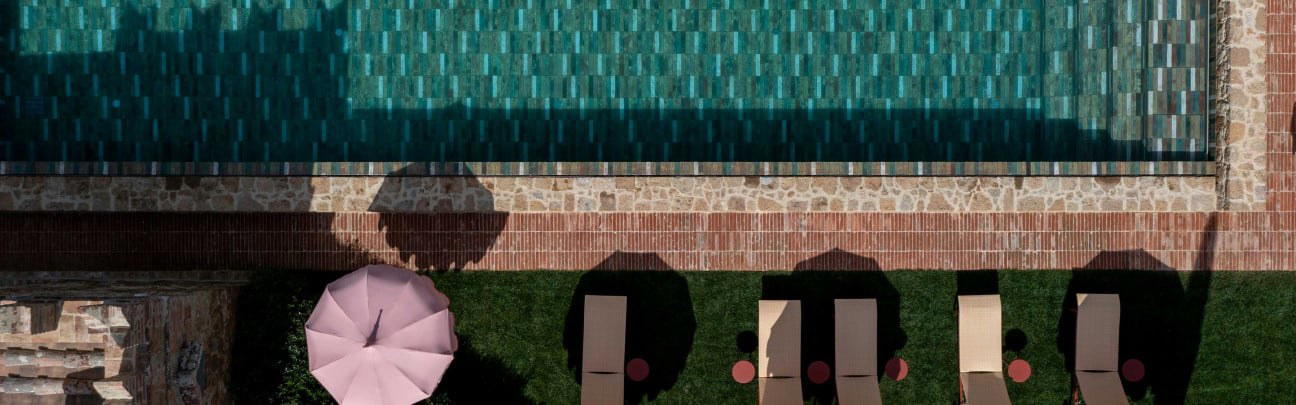
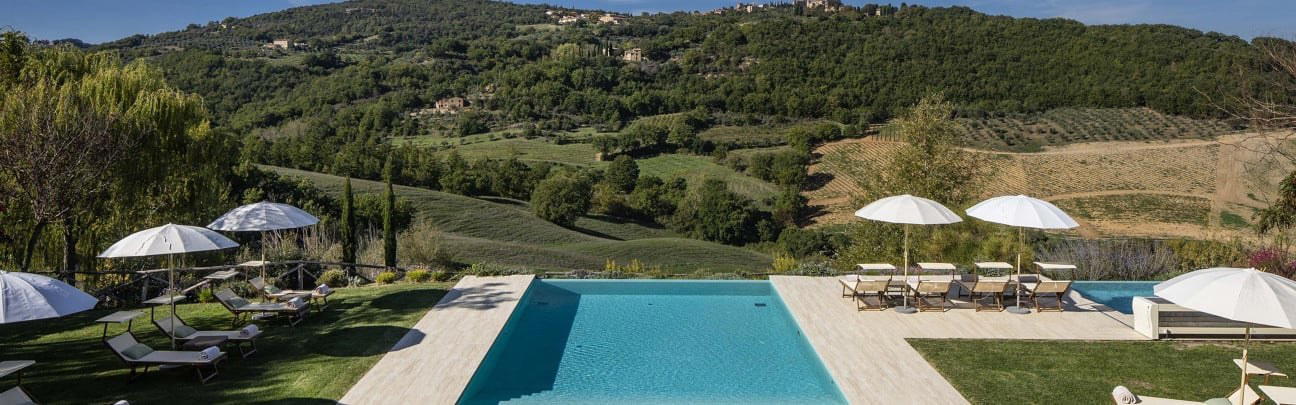
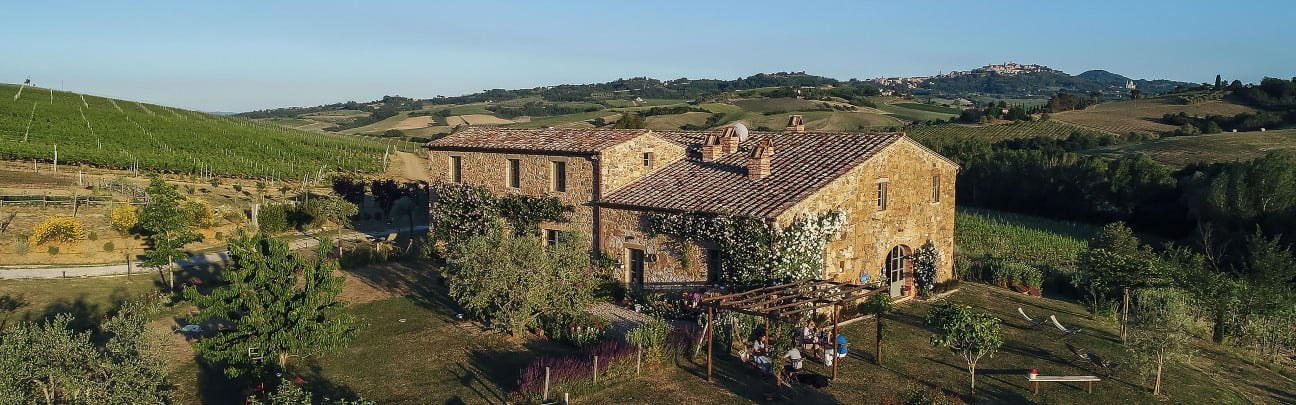
Podere La Vigna in Torrenieri is best understood as a quiet, traditional Tuscan estate winery rather than a high-gloss destination. The picture is deliberately modest: a small, family-run setting with a classic rural feel, scenic surroundings, and an emphasis on careful vineyard work and long-aged Brunello. For travelers looking for a hidden-gem atmosphere, its appeal lies in that restraint. Nothing about one reliable description suggests a place that needs to be framed through spectacle or polish. Instead, the draw is the sense of a working estate whose identity is tied to its landscape, its family-run scale, and the patient character associated with Brunello. That makes it especially appealing for visitors who value understatement, rural texture, and a more grounded way of encountering Tuscan wine country.
Torrenieri gives the estate its frame
Podere La Vigna sits in Torrenieri, within a Brunello-focused context. A reliable way to frame the estate is not through production figures, awards, or technical claims, but through its stated identity: a traditional rural Tuscan winery focused on meticulous vineyard work and long-aged Brunello. That context matters because it keeps the emphasis on place and style rather than on a list of claims. Torrenieri provides the broader wine-country frame, while Podere La Vigna reads as a more personal, restrained expression within it.
That makes the estate feel more intimate than expansive. The intimacy is not simply a question of size; it is also a question of tone. The language that best fits the estate is quiet, rustic, and classic, with the surrounding countryside and the long Brunello focus doing more of the work than any elaborate visitor-facing presentation.
For travelers comparing winery experiences, this is the kind of place to consider when the priority is atmosphere and Brunello context rather than a heavily produced luxury format. Its price level is $$$, and its tone is rustic, scenic, classic, intimate, and understated. In practical terms, that means it should be approached as a place where the value is in the traditional estate character and the Tuscan setting, not in expecting a large-scale or highly choreographed destination experience. The appeal is subtler: a quiet rural mood, a family-run impression, and a connection to Brunello that feels rooted rather than performative.
A small-estate Brunello setting, not a resort-style circuit
The profile of the winery points to a small, traditional estate winery with a quiet feel. It should not be described through specific tasting formats, tour lengths, language availability, booking rules, or visitor services unless those details are confirmed directly before a visit. That caution is important because the estate’s strongest public identity does not depend on those operational specifics. Overdefining the visit would risk turning a restrained, rural winery into something more packaged than the available description supports.
What can be said with confidence is that the estate’s appeal is rooted in its rural Tuscan character and its focus on long-aged Brunello. The setting is better described as classic and intimate than as a resort-style wine destination. The language of the place points toward patience, tradition, and vineyard attention, rather than speed, volume, or a broad hospitality circuit. For visitors who are drawn to smaller estates, that distinction is part of the appeal: the winery reads as a winery whose personality comes from its setting and its Brunello orientation, not from an expansive list of amenities.
The grounded reason to seek out the winery is the estate’s small, family-run feel and its connection to Brunello in Torrenieri. That is also the fairest way to set expectations. It is a place to think of in terms of atmosphere, landscape, and traditional wine-country character. Travelers who want the impression of a quieter Tuscan estate, with less emphasis on gloss and more emphasis on the classic rural frame, will understand why it is distinctive. The strength of the estate is not that it tries to be everything; it is that its identity remains narrow, coherent, and understated.
How to place it in a Torrenieri itinerary
Torrenieri rewards a slower pace. The winery fits an itinerary built around rural scenery, classic Tuscan estate character, and Brunello rather than a checklist of large venues. It is strongest for travelers who prefer quiet, intimate places with a traditional feel. In that kind of day, the estate works well as part of a more measured rhythm, where the point is not to rush between as many stops as possible but to spend time with the landscape and the Brunello context that define the area.
For broader planning around the area, use Torrenieri dining, lodging, bar, and experience research generically to shape the rest of the day. The winery itself is the relevant named winery comparison here, and other local options should be checked on their own current details before making plans. That approach keeps the planning accurate and avoids assuming details that may change or may not apply. It also preserves the right expectation for the winery: a traditional estate to consider for its setting and character, rather than a venue whose role should be inflated beyond what is known.
The clearest way to understand the winery is as a small, family-run Tuscan estate winery in Torrenieri: rustic, scenic, classic, and centered on long-aged Brunello rather than spectacle. Its appeal is quiet but clear. For the right traveler, that quietness is exactly the point: a restrained Brunello-focused estate with a rural Tuscan feel, best appreciated through its atmosphere, its sense of place, and its refusal to present itself as something larger or shinier than it is.
Recognition history
Dated appearances from independent guides and award organizations, with the underlying list record or original source where available.
Falstaff Winery - Listed
Falstaff
Continue exploring
More in Torrenieri
Wineries in Torrenieri
Browse all →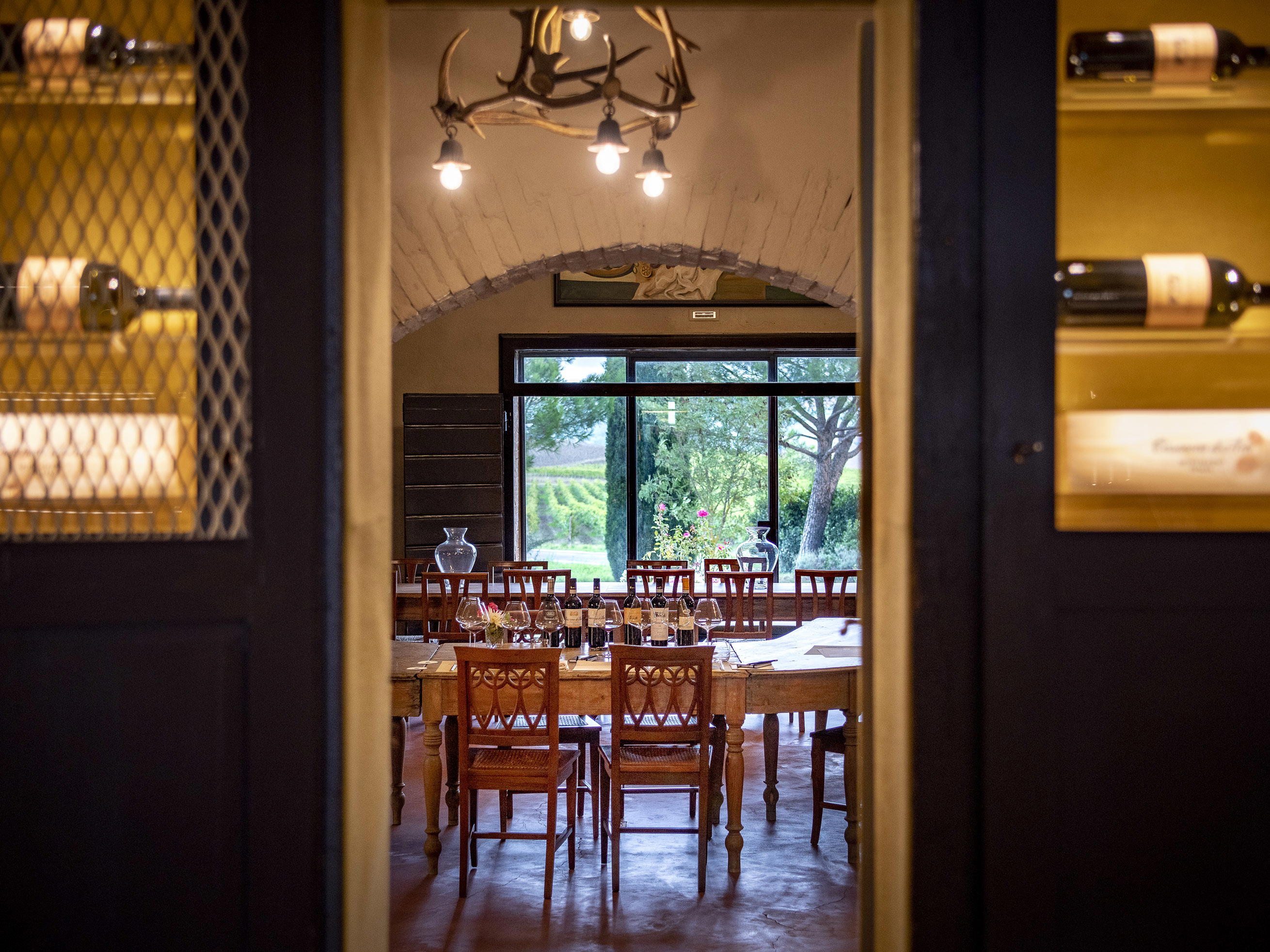
Bars in Torrenieri
Browse all →
Restaurants in Torrenieri
Browse all →
At a Glance
- Rustic
- Scenic
- Classic
- Intimate
- Romantic Getaway
- Group Outing
- Wine Education
- Special Occasion
- Solo Exploration
- Estate Grounds
- Vineyard Tour
- Private Tasting
- Panoramic View
- Biodynamic
- Dry Farmed
- Vineyard
- Mountain
- Brunello Di Montalcino DOCG
- Sangiovese Grosso
- Sangiovese
- Canaiolo
- Still Red
- Seated Tasting
- Guided Tasting
- Vineyard Tour
Traditional, rural Tuscan estate winery with a quiet, classic feel, emphasizing meticulous vineyard work and long-aged Brunello in a small, family-run setting.