The Plomari Ouzo Museum sits at the heart of Greece's most concentrated ouzo-producing region, tracing the craft and culture of anise spirit distillation on Lesvos..
Pearl is the En Primeur Club membership app — saves, bookings, and concierge access live there. Same editors, same standards.
- Address
- Θέση Κάμπος Πλαγιάς, Plomari 812 00
- Phone
- +30 2252 031450
- Website
- theworldofouzo.gr
- Directions
- Get directions
 Saves & bookings on Pearl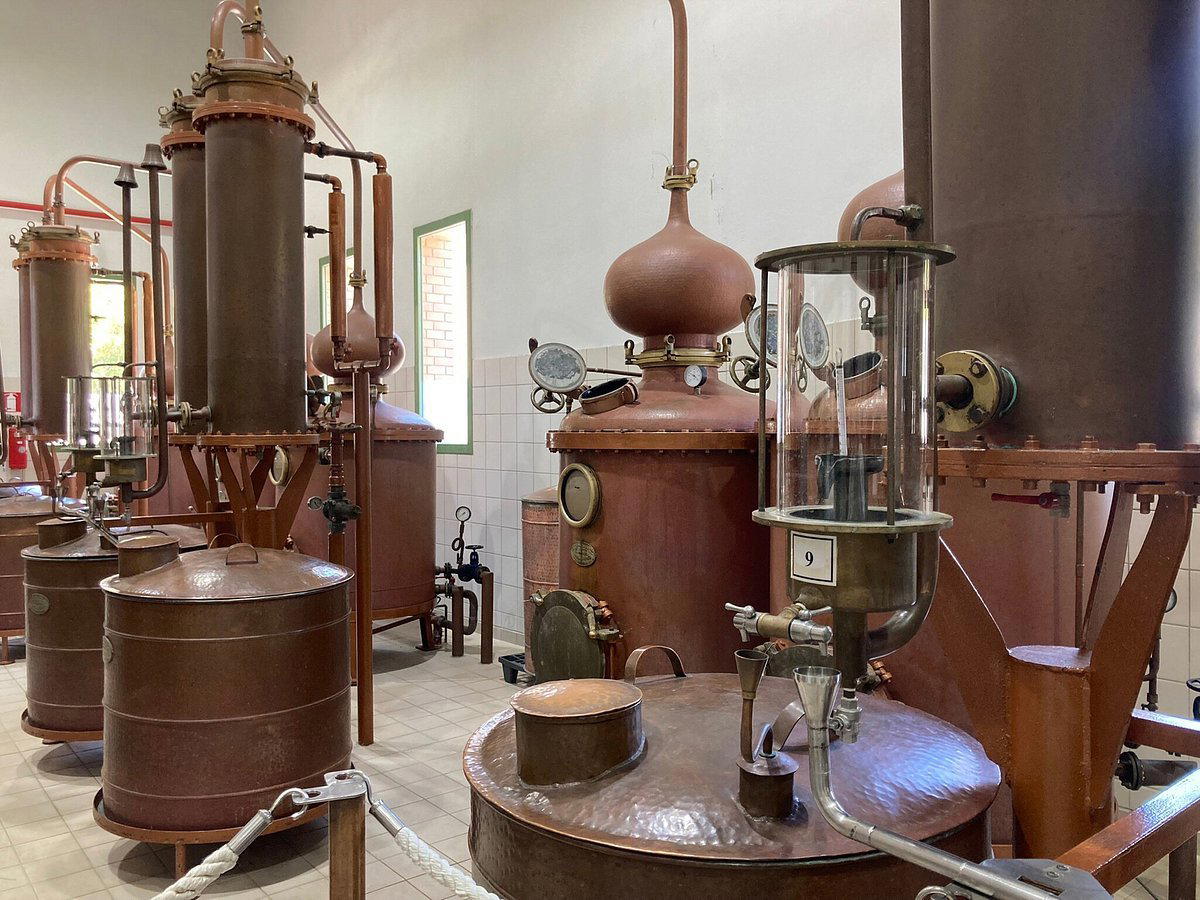
Lesvos and the Geography of Ouzo
Greece produces ouzo across multiple regions, but Lesvos accounts for a disproportionate share of the spirit's cultural identity. The island's southern coast, anchored by the small port town of Plomari, has been associated with ouzo distillation since the nineteenth century. The concentration of distilleries in this area is not incidental: local water sources, anise cultivation traditions, and a coastal trading economy that favoured spirit exports all shaped the industry's geography. Today, Plomari occupies roughly the same position in ouzo history that Cognac holds in French brandy, a place whose name has become shorthand for the category itself, at least among those who follow the spirit closely.
The Plomari Ouzo Museum, situated at the Kambos Plagias site outside the town, sits directly within this tradition.
The Ouzo Distillation Tradition: What the Museum Interprets
Greek ouzo production is governed by protected designation rules that restrict full distillation rights to Greece, and to a handful of defined methods. Authentic ouzo must be produced from a neutral spirit base redistilled with anise and other botanicals, fennel, star anise, cardamom, and coriander appear commonly across recipes, though the precise blend is proprietary to each house. The cloudiness that appears when water is added, known as louche, is a function of anethole, the primary aromatic compound in anise, becoming insoluble at lower alcohol concentrations. This is not a visual trick but a direct marker of distillation method and botanical intensity.
The Lesvos tradition differs from mainland Greek ouzo production in a few measurable ways. Island distilleries historically favoured pot still redistillation over column methods, which concentrates aromatic complexity at the cost of volume. The Plomari cluster of producers represents that heritage, and a museum at this location necessarily engages with production method, not just commercial history. Visitors who arrive expecting a marketing exercise will find the subject more technical than anticipated. That density is the point: ouzo from this region carries a craft narrative backed by generations of documented distillery practice, and the museum's role is to make that legible.
For comparison with other Greek spirit and wine producers operating in a similar heritage-documentation mode, Achaia Clauss in Patras offers an instructive parallel, a nineteenth-century producer whose facility has become as much an interpretive site as an active winery.
Where the Museum Sits in Greece's Cultural Experience Tier
Greece's premium cultural experiences have increasingly split into two formats. One favours large visitor volumes and broad accessibility; the other prioritises depth, curatorial specificity, and a narrower audience willing to commit time and prior knowledge. That recognition, awarded at prestige level, signals that the experience has been assessed against criteria beyond basic hospitality: format discipline, educational integrity, and alignment between the subject and the way it is presented.
Within Greece specifically, the award positions the museum alongside a small number of producer-anchored cultural sites that have invested in genuine interpretive infrastructure rather than surface-level tourism amenity. The difference in practice is the difference between a visit that leaves you with a working understanding of a production tradition and one that leaves you with a branded souvenir.
Greece's distillery and winery visitor experience sector has expanded considerably over the past decade. Producers across the country, from Alpha Estate in Amyntaio to Artemis Karamolegos in Santorini, have built structured visitor programmes that sit closer to wine tourism than casual cellar door visits. The Plomari Ouzo Museum operates in a related register, producer-affiliated, technically grounded, and calibrated for visitors who arrive with genuine curiosity rather than a half-day filler slot.
The Craft Distillation Context Across Greece
Greek spirit production beyond ouzo has attracted international attention in recent years, with distilleries across the country investing in artisan methods and regional botanical identity. This broader craft movement has raised the general standard of producer-facing experiences. Facilities that previously offered informal tours now operate structured programmes with tasting components, historical archives, and equipment demonstrations. The Plomari Ouzo Museum reflects this maturation at the genre level: it treats ouzo as a subject deserving serious interpretive infrastructure, not simply a regional product requiring a gift shop.
Lesvos in particular hosts multiple distillery operations within a compact area, making it possible to build a coherent spirits itinerary around the Plomari site. Filippou Distillery, also on Lesvos, represents the kind of active producer context that pairs usefully with a museum visit, where the museum supplies historical and technical framing, an active distillery demonstrates current practice. Together they bracket the tradition rather than duplicating it.
For those extending a Greek spirits itinerary to the mainland, Apostolakis Distillery in Volos offers a different regional tradition worth comparing, while wine-focused visitors might cross-reference against Abraam's Vineyards in Komninades or Acra Winery in Nemea for the broader Greek producer experience landscape. Aiolos Winery in Palaio Faliro, Akrathos Newlands Winery in Panagia, Anatolikos Vineyards in Xanthi, and Aoton Winery in Peania each offer regional perspectives on how Greek producers are packaging their heritage for a serious visitor audience.
Planning a Visit: Practical Considerations
The museum is located at Kambos Plagias, outside Plomari town itself. Plomari is accessible from Mytilene, Lesvos's capital, by road, a journey that takes visitors through the island's southern interior, which is notably different in character from the tourist-facing north coast. Lesvos is served by Mytilene International Airport, with seasonal connections from several European cities and year-round links via Athens. Visitors combining the museum with a broader Lesvos itinerary should account for the island's scale: it is the third-largest Greek island by area, and distances between areas are longer than they appear on a map.
For those with an interest in premium distillery and winery experiences in other parts of the world, Aberlour in Speyside and Accendo Cellars in St. Helena represent comparable commitments to craft heritage and structured visitor access in their respective categories. Artisans Vignerons de Naoussa in Stenimachos offers another Greek reference point for producer-anchored cultural experiences built on documented regional tradition.
Budget Reality Check
Comparable venues nearby, for context on price, style, and recognition.
| Venue | Cuisine | Price |
|---|---|---|
| Plomari Ouzo MuseumThis venue — the venue you are viewing | Plomari, Plomari Ouzo | $ |
| Filippou Distillery | Winery | Not listed |
| Varsamis Distillery | Winery | Not listed |
| Roumpou Ouzo Distillery | Winery | Not listed |
| Isidoros Arvanitis Distillery | Plomari, Winery | $ |
| Pitsiladi Distillery | Plomari, Plomari PGI | $$ |
Continue exploring
More in Lesvos
Bars in Lesvos
Browse all →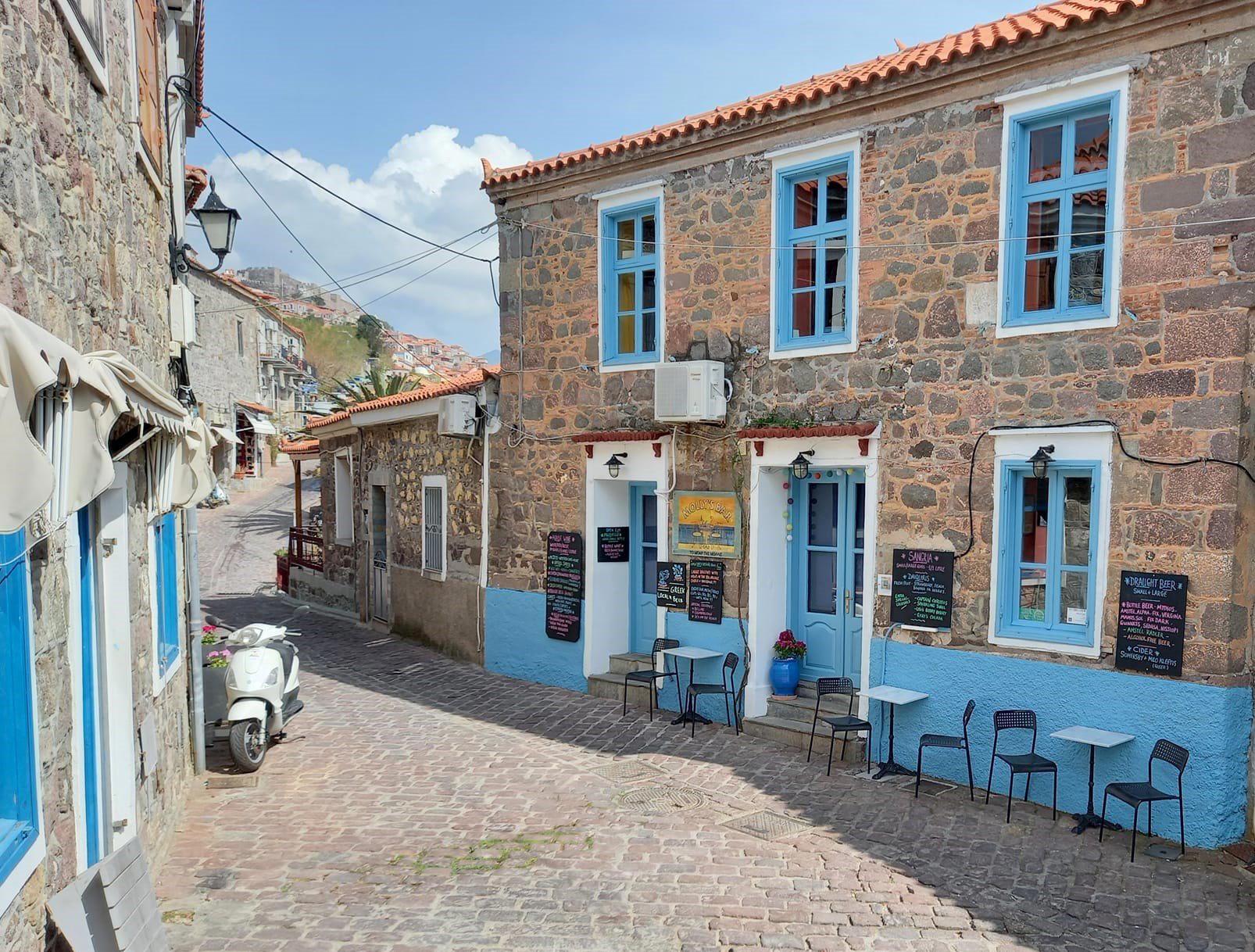
Restaurants in Lesvos
Browse all →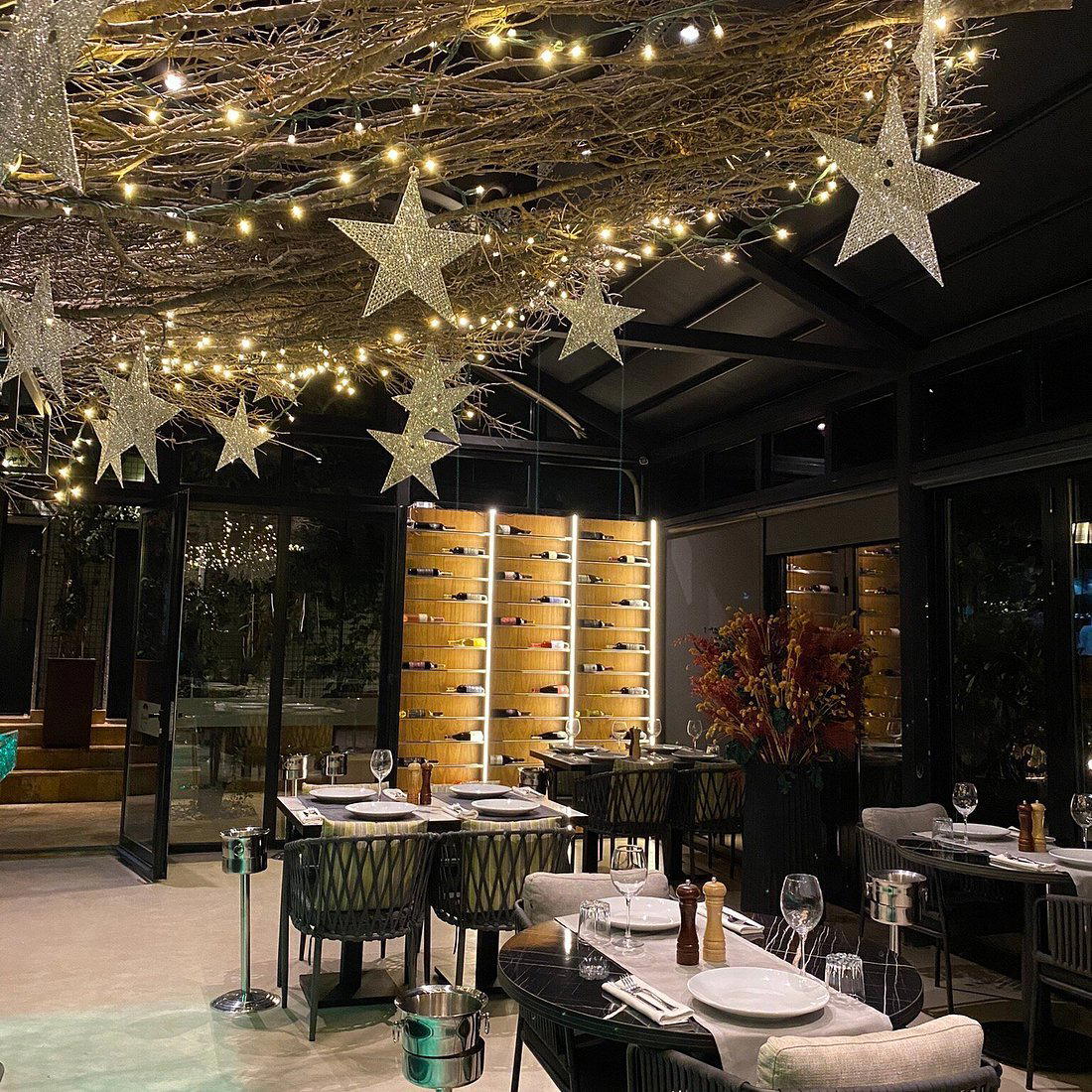
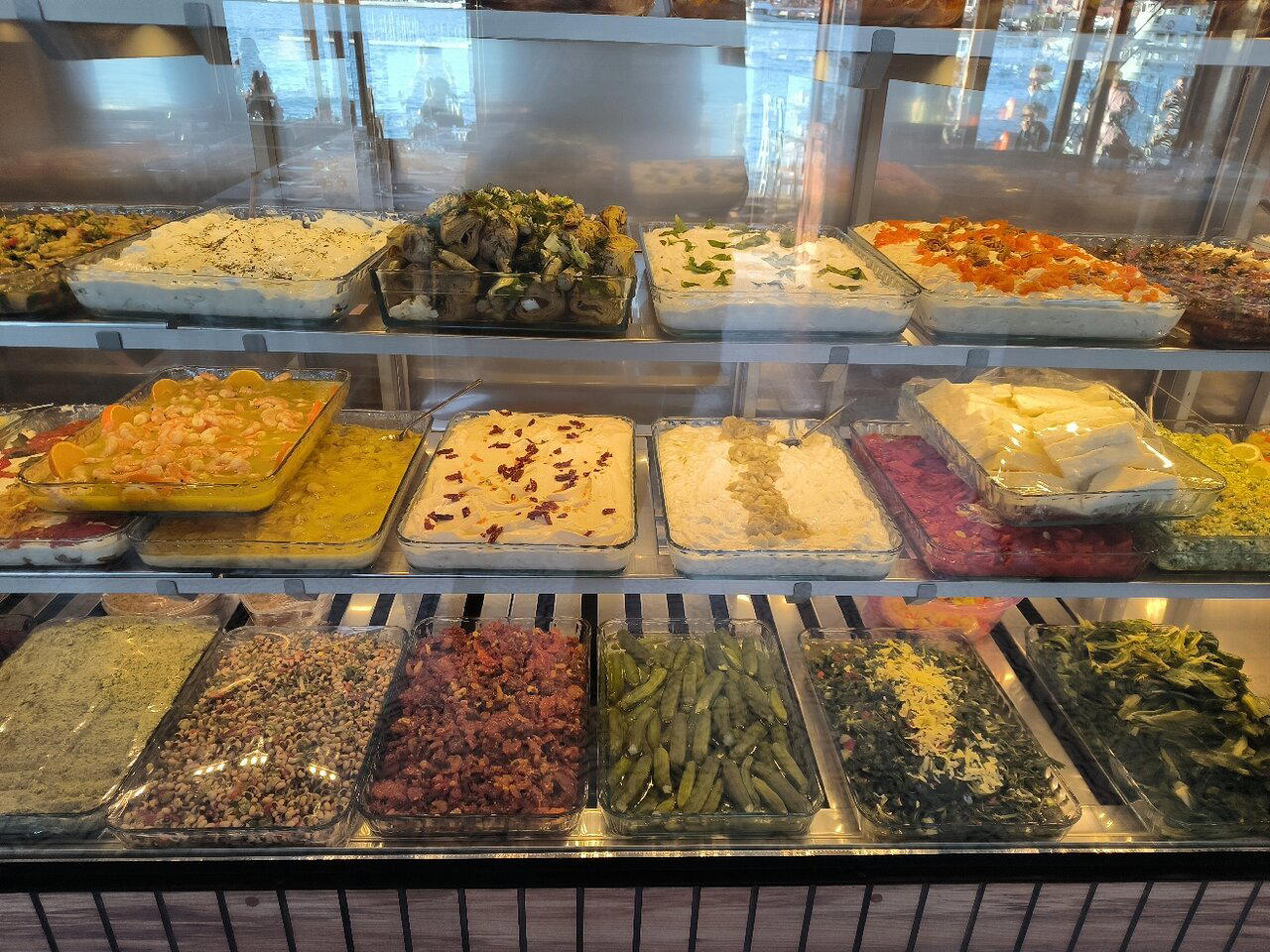
Hotels in Lesvos
Browse all →
At a Glance
- Classic
- Rustic
- Historic
- Wine Education
- Solo Exploration
- Historic Building
- Plomari Ouzo
- Fortified
- Ouzo Tasting
Historic and traditional atmosphere blending technology with preserved distillation heritage.