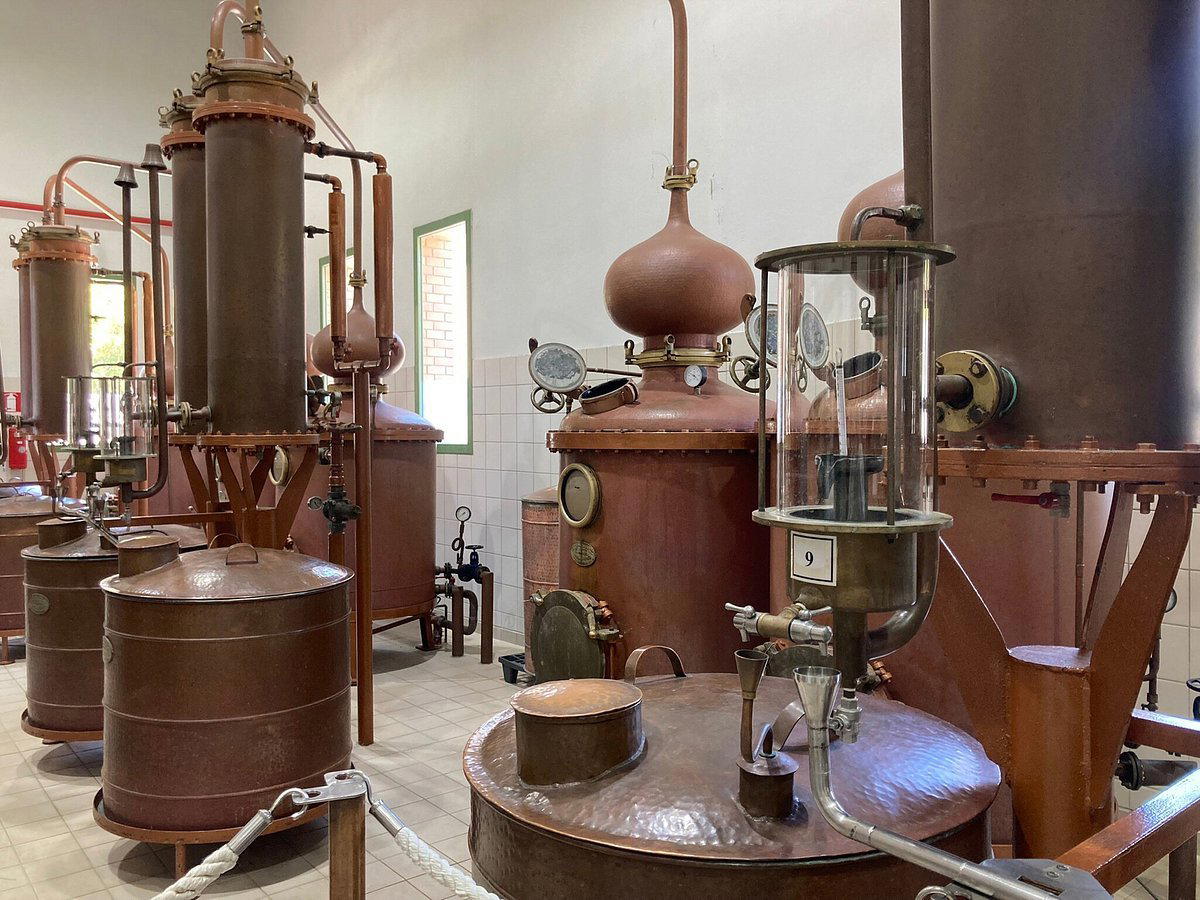
Filippou Distillery holds a Pearl 1 Star Prestige (2025), placing it among the recognized producers operating out of Lesvos, an Aegean island with a centuries-old tradition in anise spirits. As one of the more decorated operations on an island where distillation is embedded in the agricultural and social fabric, it represents the local craft at a level of distinction that few producers on the island reach.
 Discover on Pearl
Pearl is the En Primeur Club membership app — saves, bookings, and concierge access live there. Same editors, same standards.
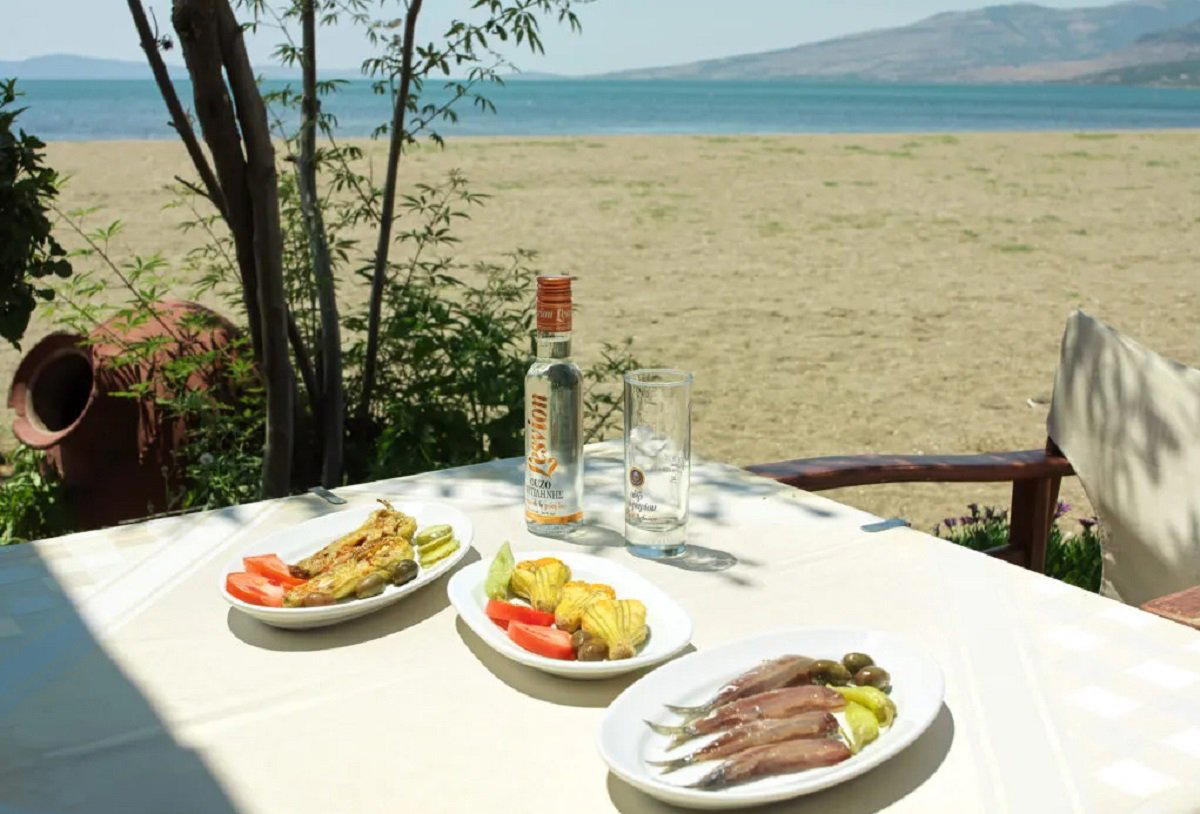
Lesvos and the Spirits It Produces
Lesvos occupies a particular position in Greek spirits culture that has no close parallel elsewhere in the country. The island's climate, its particular combination of sun intensity and Aegean humidity, and its long-established ouzo production tradition have created conditions where distillation is not an artisanal sideline but a genuine pillar of local identity. The Plomari Ouzo Museum in the island's south documents just how deep that history runs, with production lineages stretching back well into the nineteenth century. What that history produces today is a tiered market of producers: the large export-facing operations, the cooperative bottlers, and a smaller group of distilleries that operate at a quality level where recognition programs and specialist attention start to apply. Filippou Distillery sits in that third tier.
Filippou Distillery has received a Pearl 1 Star Prestige award in 2025. That kind of placement matters more in a regional market than it might seem from the outside. On an island where the category has genuine depth, distinction within the category signals something specific about process, ingredients, or character. For context, Greek spirit production has been undergoing a period of credentialing over the past decade, with programs and critics paying closer attention to smaller regional distilleries that were previously invisible to international attention. Filippou's recognition is part of that broader shift.
The terroir argument for spirits is different from the terroir argument for wine, but it is not without substance. In the case of Lesvos, the relevant factors are the anise source material, the water, and the distillation environment. The island grows star anise and uses local anise varieties that carry flavour profiles shaped by specific soil conditions and growing altitudes. These botanical inputs, when processed through distillation, carry trace characteristics that differ from mainland or industrial anise sources. This is not a claim unique to Filippou, it is the foundation argument for why Lesvos ouzo as a category commands a designation of geographic origin, and why producers on the island point to local sourcing as meaningful rather than merely traditional.
Aegean climate also conditions how spirits behave in cask or tank during resting periods, and how distillate develops after cut. Temperature swings between day and night during the production season, the mineral character of local water used in dilution, and the influence of sea air on open-air operations, these are verifiable inputs, not romantic language. The editorial claim is simply this: Lesvos-produced ouzo, at its more considered end, carries a regional signature that a Greek mainland product or a Thrace-based distillery would not replicate in the same way. Filippou operates within that geographic and environmental context.
For readers interested in how Greek distillation compares across different geographic settings, Apostolakis Distillery in Volos offers a mainland counterpoint, different inputs, different character, different regional tradition.
Greek spirits production is more geographically varied than its international reputation suggests. The wine-producing regions that have received most attention from critics, Nemea, Amyntaio, Santorini, Naoussa, are documented elsewhere in EP Club's Greek coverage, through producers like Acra Winery in Nemea, Alpha Estate in Amyntaio, Artemis Karamolegos Winery in Santorini, and Artisans Vignerons de Naoussa. But spirit distillation in Greece runs on a parallel track, with Lesvos as its most documented geographic anchor.
That said, Greek distillation is not monolithic. Achaia Clauss in Patras works within a different tradition entirely, with a wine-and-spirits estate history that stretches back to the nineteenth century and operates in Peloponnesian rather than Aegean conditions. Abraam's Vineyards in Komninades and Anatolikos Vineyards in Xanthi represent the northern Aegean wine belt, where viticulture and some distillation overlap in climate conditions not entirely unlike Lesvos. Each of these represents a different regional expression of Greek production culture. Filippou is a Lesvos expression specifically, which is a meaningful geographic distinction in this category.
For coverage of other producers working across different Greek regions, Aiolos Winery in Palaio Faliro, Akrathos Newlands Winery in Panagia, and Aoton Winery in Peania offer further reference points across the mainland and island spectrum.
Lesvos is accessible by ferry from Piraeus and by direct flight from Athens and select European cities, with frequency increasing significantly between May and September. Visiting Filippou Distillery directly is best arranged in advance. The island's distillery circuit is most approachable in spring and early autumn, when the heat is manageable and the tourist density at its most navigable for specialist visits.
The island has a working food and drink culture that operates independently of the summer resort economy, and distillery visits here sit within that productive, less performative register. Filippou sits within Lesvos's production culture and is recognized for its quality.
Continue exploring