
Pitsiladi Distillery sits in Plomari, the southeastern Lesvos town that has shaped Greek ouzo production for over a century. Holder of a Pearl 2 Star Prestige award in 2025, it occupies the upper tier of a local distilling tradition that runs deep through the island's identity. For visitors tracing ouzo from source to glass, Plomari is the logical starting point, and Pitsiladi is one of its recognized names.
 Discover on Pearl
Pearl is the En Primeur Club membership app — saves, bookings, and concierge access live there. Same editors, same standards.
- Address
- Plomari, Lesvos 81200, Greece
- Phone
- +302252032306
- Website
- pitsiladi.gr

Plomari and the Geography of Greek Ouzo
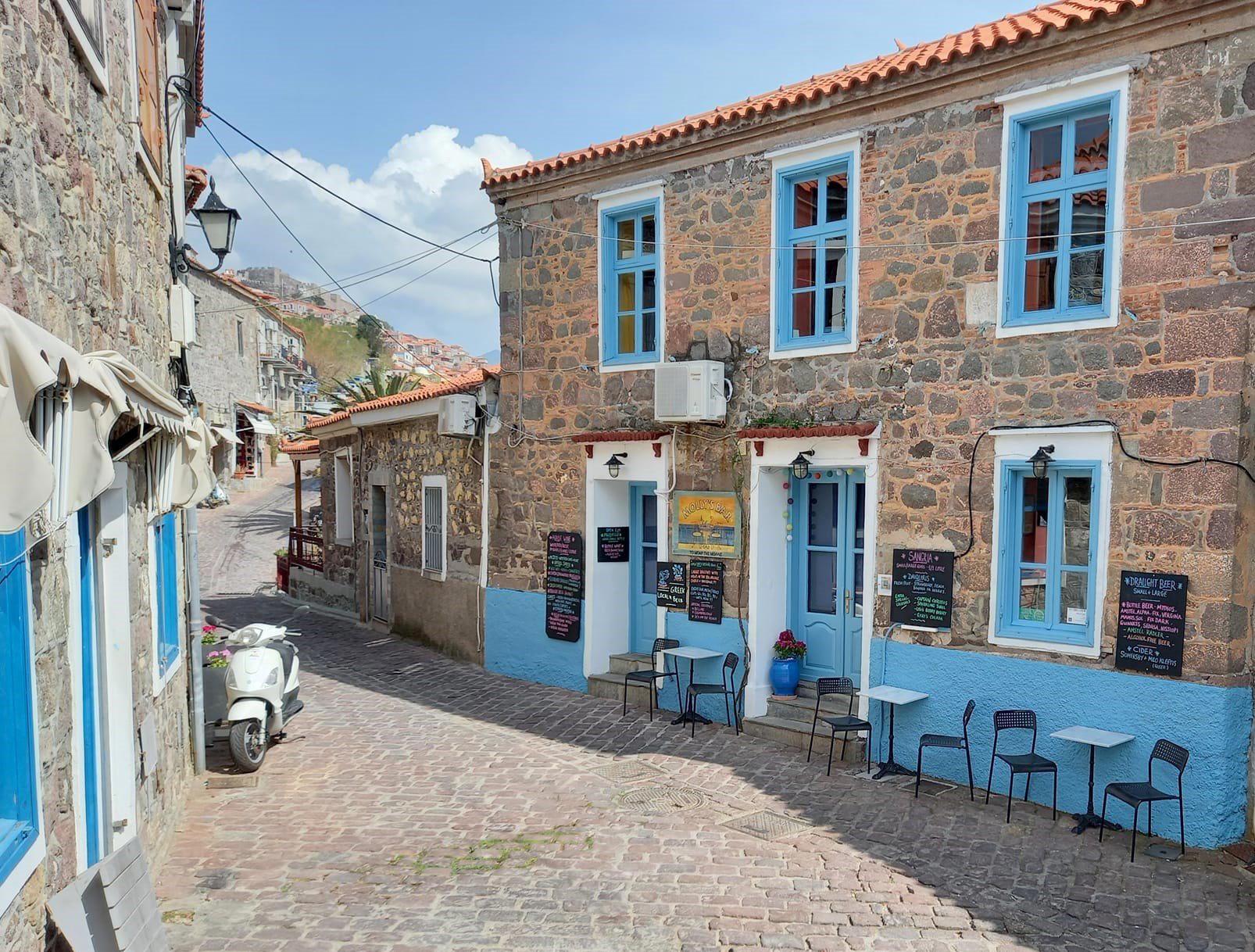
Pitsiladi Distillery is a winery in Plomari, Lesvos, Greece, with a casual dress code and walk-in-friendly visits. The road from Mytilene drops through olive groves and dry stone walls before opening onto Plomari, a harbour town of whitewashed buildings whose economic history is inseparable from the distilling trade. This is where Greek ouzo production concentrated over the course of the nineteenth and twentieth centuries, not in Athens, not in the northern mainland, but here, in a small Aegean town with access to anise, mountain water, and a tradition of copper pot distillation that passed through families across generations. Pitsiladi Distillery holds a physical address in this town: Plomari, Lesvos 81200. That location is not incidental. It places the operation inside the gravitational centre of a protected designation of origin that defines what authentic ouzo production looks like.
The Distilling Quarter and What It Produces
Plomari functions as a loose cluster of production houses, each with its own lineage, house style, and position in the market. The town's reputation rests on the collective output of operations that include EVA Distillery, Lesvos Distilling Company (EPOM), Ouzo Veto Distillery, and Agathangelou Distillery, all operating within the same compact geography. Pitsiladi sits inside this peer group, and its 2025 Pearl 2 Star Prestige recognition places it in the upper bracket of that set. Awards at this tier are not distributed automatically; they reflect a consistent standard of production quality, provenance integrity, and positioning within a defined category. For context, the Pearl 2 Star designation at EP Club signals a venue that goes beyond functional competence into something that warrants deliberate attention from a serious visitor.
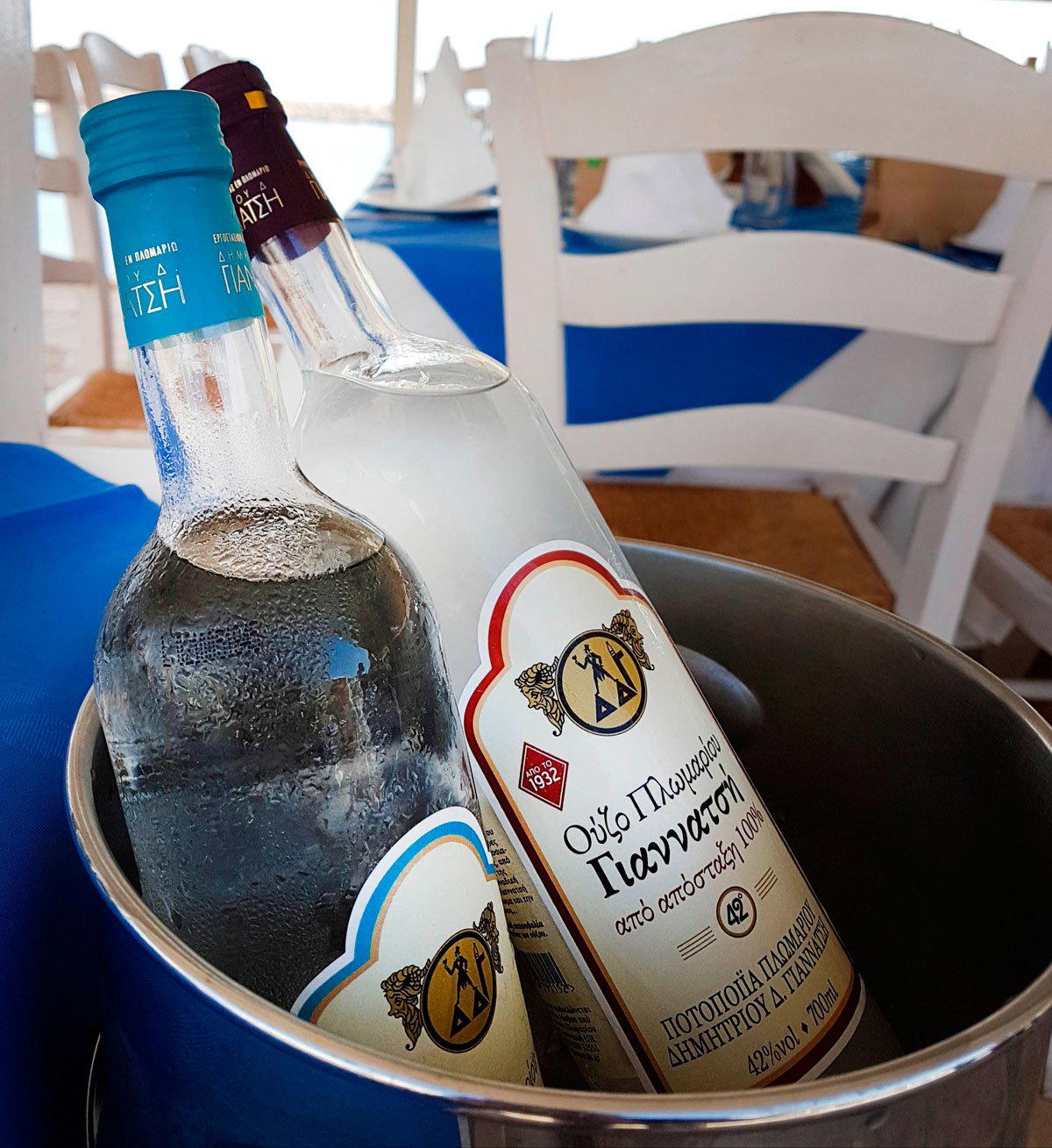
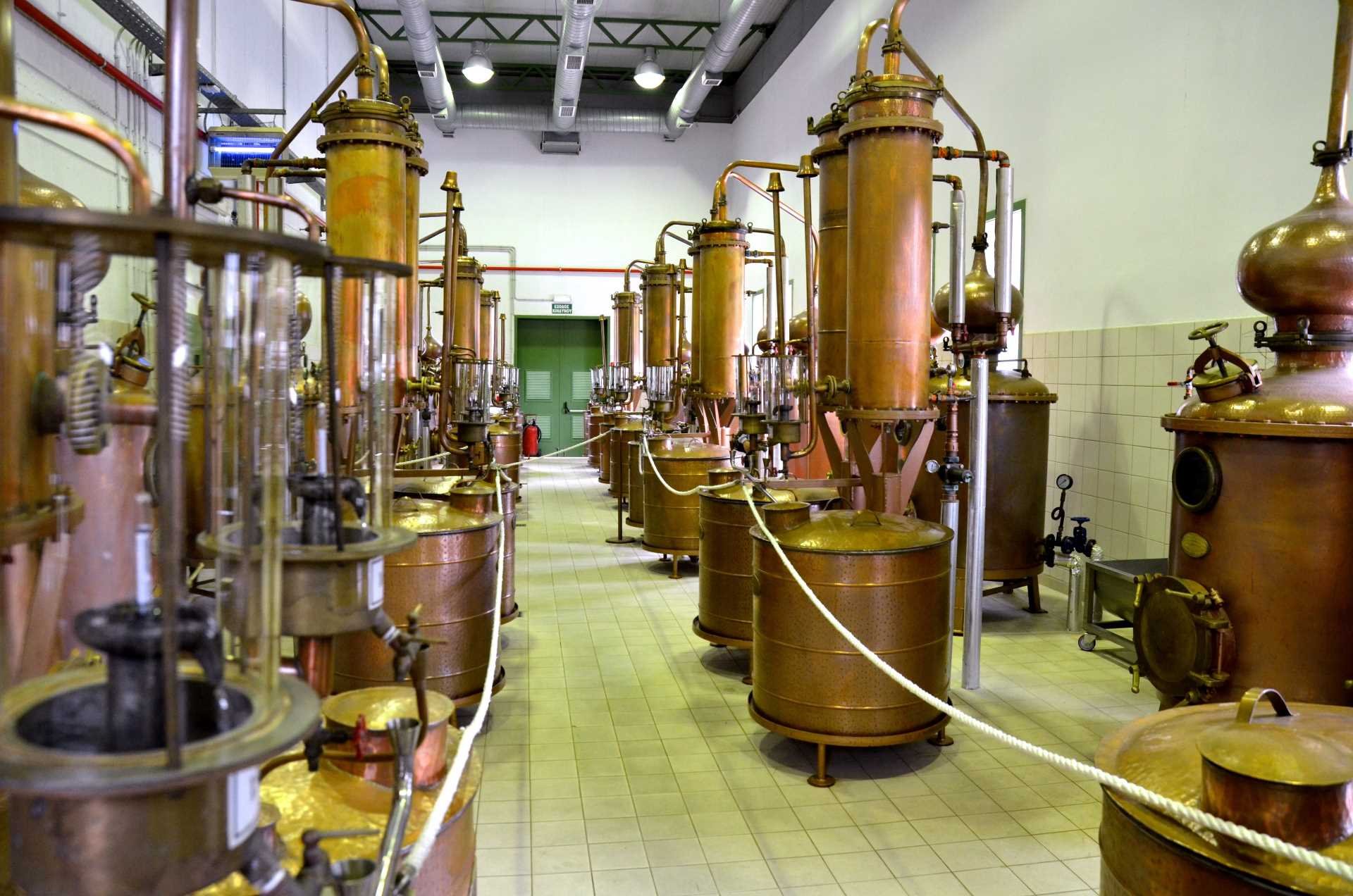
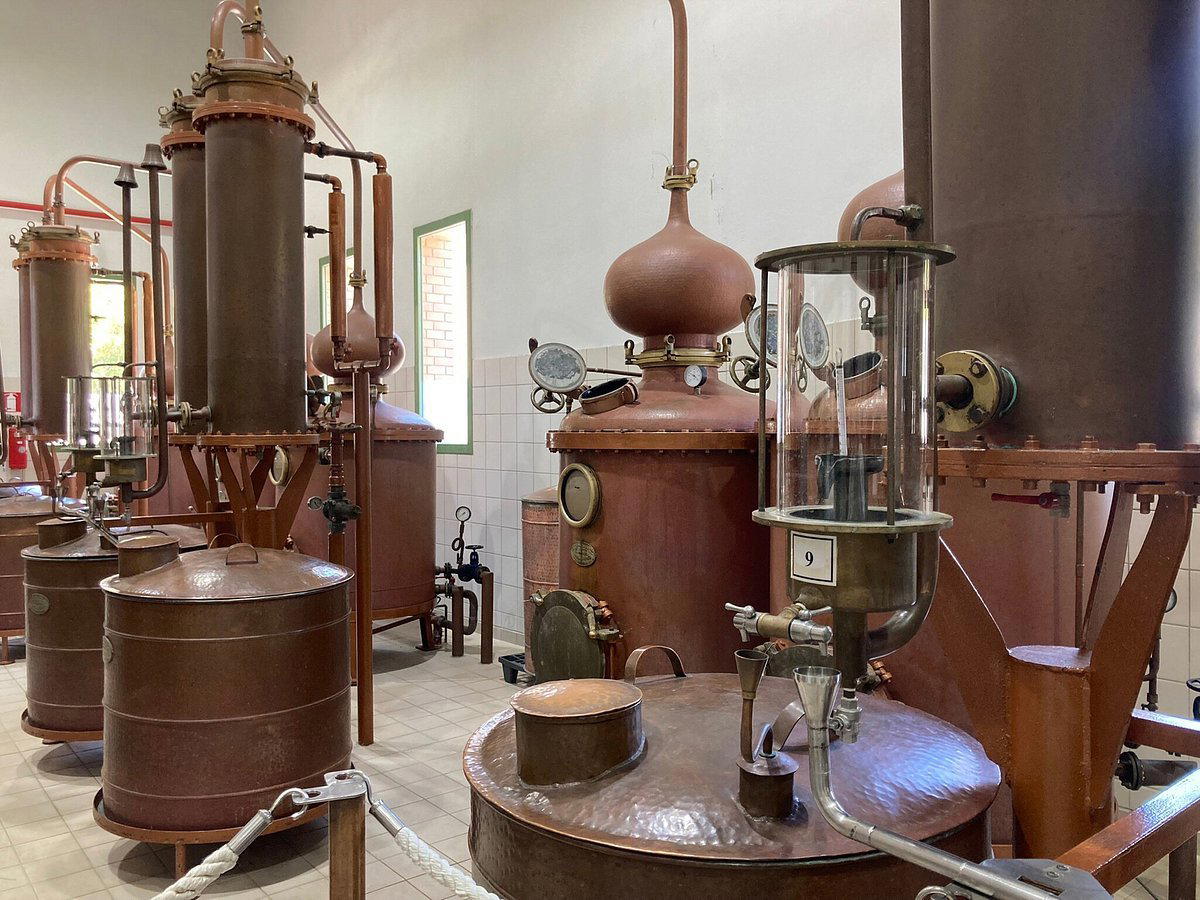
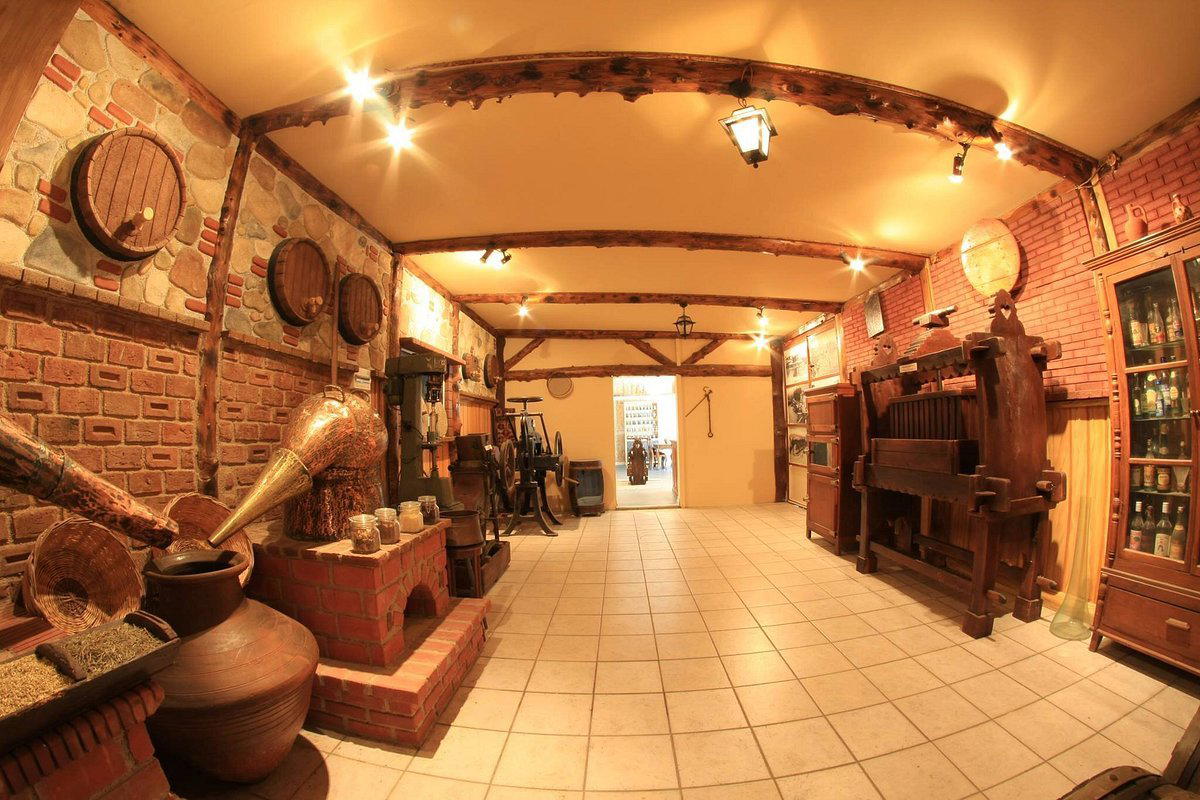
Greek ouzo production follows rules that distinguish it from other anise spirits. The spirit must be produced in Greece, must use copper pot stills, and must derive its characteristic flavour from star anise or green anise, with other botanicals permitted as supporting elements. Within that framework, individual houses differentiate through botanical blend, still size, water source, and dilution decisions. Plomari producers have historically been associated with a drier, more direct anise expression compared to some of the sweeter commercial styles that dominate export markets. How Pitsiladi sits within that spectrum is leading assessed on-site, where the production context gives the tasting an analytical anchor.
Arriving in Plomari
Getting to Plomari from Mytilene town takes roughly forty-five minutes by road, following a route that is scenic rather than convenient. There is no direct ferry service to Plomari from the main port, so private transport or a hired car is the practical option for most visitors. The town itself is walkable once you arrive, and the distilleries are not concentrated in a formal district but distributed through the town's streets in a way that makes a half-day visit the appropriate unit of planning. Visiting multiple producers in a single session is physically possible, and the town's scale encourages that kind of comparative approach. Those who treat the visit as a dedicated itinerary rather than a side trip from a beach afternoon will extract considerably more from the experience.
Sense of Place at the Source
The angle that applies to Pitsiladi, and to Plomari more broadly, is one of landscape and origin rather than spectacle. This is not a destination that offers manicured tasting terraces or architectural theatre. The appeal is more austere: the actual relationship between geography and production, made visible through the presence of working distilleries in a working town. The Aegean light that defines the island's visual character is present at every turn, as is the smell of anise that permeates the air near active production facilities during the distilling season. Greece has other significant production regions for spirits and wine, including heritage operations like Achaia Clauss in Patras, but Plomari's concentration of ouzo producers in a compact physical area gives it a distinct character as a place to understand a single tradition in depth. The comparison with wine-focused regions is instructive: just as Amyntaio in northern Greece anchors the identity of Xinomavro production through its altitude and volcanic soils, Plomari anchors Greek ouzo through its concentration of craft knowledge and designated geography.
The Broader Greek Spirits and Wine Context
Lesvos sits within a Greek production landscape that has expanded considerably over the past two decades. Across the mainland and islands, operations at different scales and with different orientations have raised the bar for what visitors can encounter at source. Abraam's Vineyards in Komninades, Acra Winery in Nemea, Alpha Estate in Amyntaio, and Anatolikos Vineyards in Xanthi represent a spread of regional ambition in wine that parallels what the ouzo producers of Lesvos represent in spirits. Operations like Aiolos Winery in Palaio Faliro, Akrathos Newlands Winery in Panagia, and Aoton Winery in Peania extend that picture further. What connects these producers is a shared orientation toward Greek terroir as a serious subject rather than a marketing footnote. Pitsiladi's 2025 award recognition places it within this broader movement of Greek production gaining formal acknowledgment from critical bodies.
For those who follow spirits production internationally, the craft distilling traditions of Scotland offer an instructive parallel. Operations such as Aberlour in Aberlour demonstrate how geography and local water sources become embedded in the identity of a spirit category over generations, a dynamic that applies equally to Plomari ouzo. In California, the precision-focused approach visible at producers like Accendo Cellars in St. Helena reflects a different tradition entirely, but the underlying principle of place-specificity as a quality marker translates across categories.
Planning the Visit
Practical information for Pitsiladi Distillery includes walk-in-friendly visits and opening hours on Wednesday, Thursday, and Friday from 10 AM to 2 PM. This is not unusual for smaller Lesvos producers, several of whom operate on schedules tied to production cycles and local tourism patterns rather than year-round retail hours. The appropriate approach is to contact local tourism offices in Mytilene or to coordinate through accommodation providers who have established relationships with Plomari producers. Visiting during the spring and early summer, before peak Aegean holiday season concentrates ferry traffic and accommodation demand on the island, gives a more relaxed experience of the town and a better chance of direct engagement with production staff. The summer months see more visitors in Plomari, which increases the likelihood of formal tasting access but also compresses the unhurried quality that makes these visits worthwhile. Given the Pearl 2 Star Prestige recognition, Pitsiladi merits inclusion in an itinerary focused on Greek spirits production, alongside its Plomari peers.
At a Glance
- Rustic
- Classic
- Intimate
- Solo Exploration
- Historic Building
Old-fashioned atmosphere with a nostalgic, timeless feel evoking mid-20th century charm.