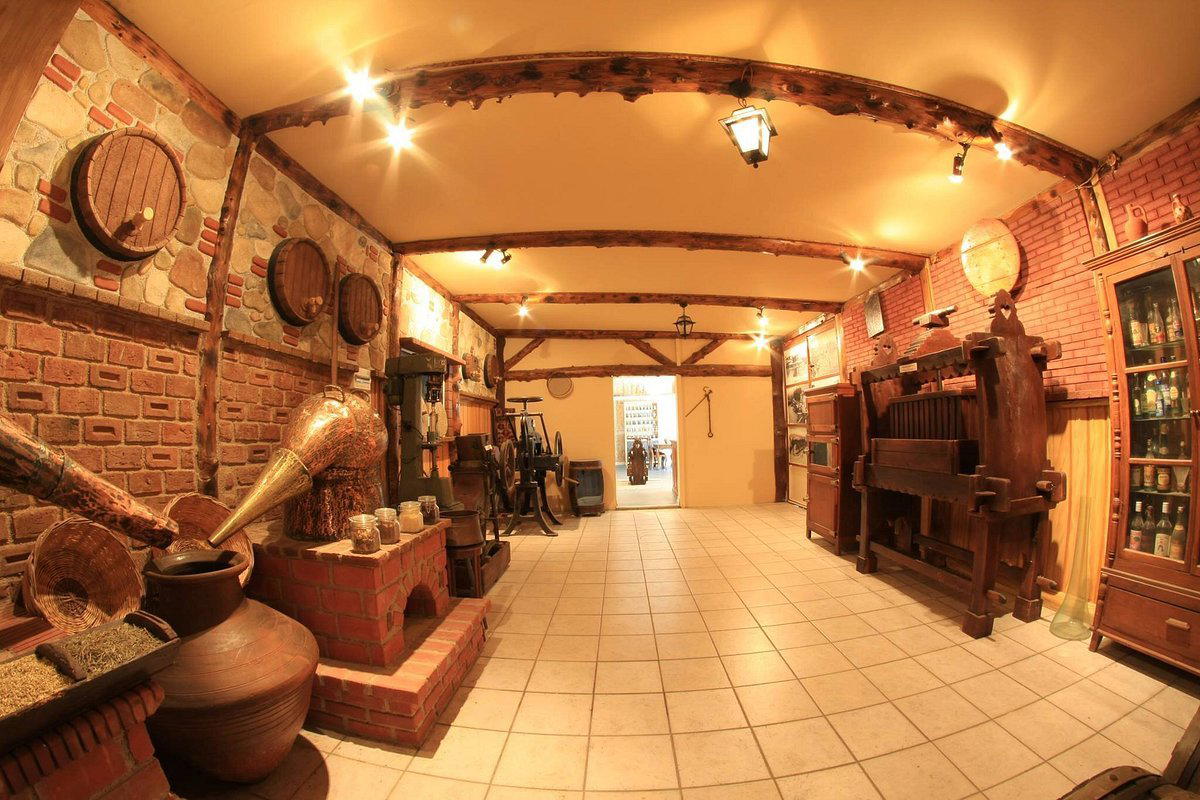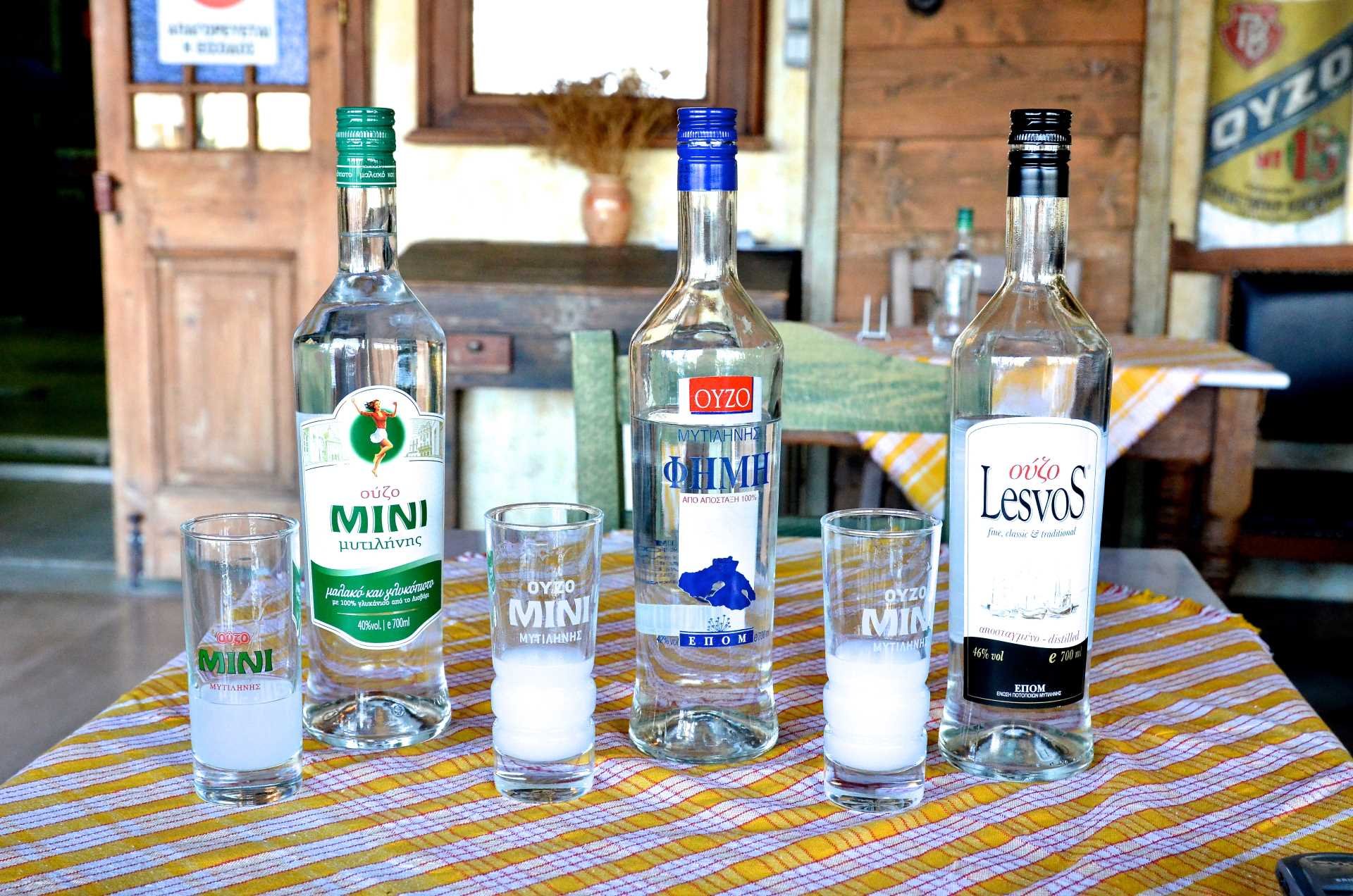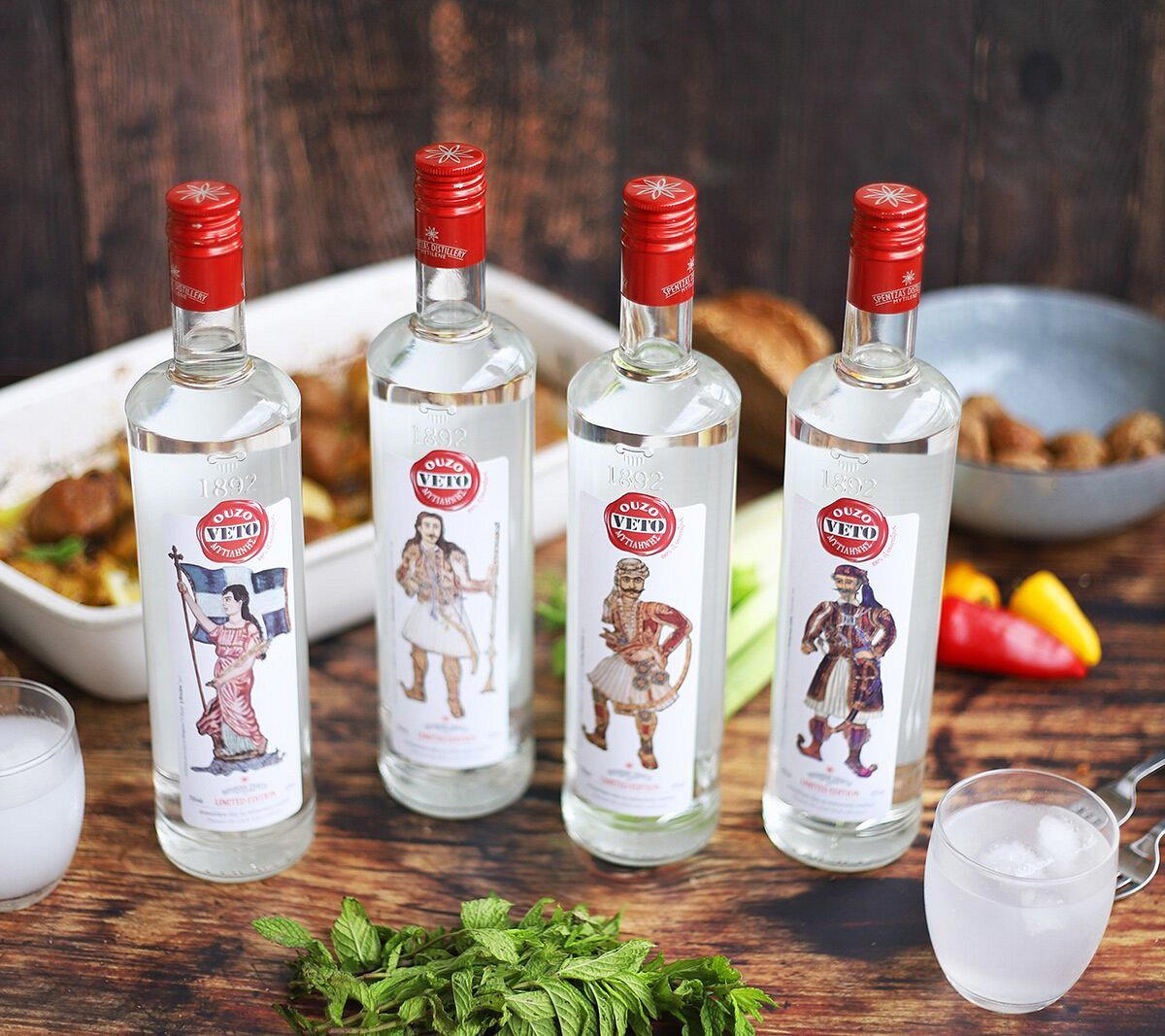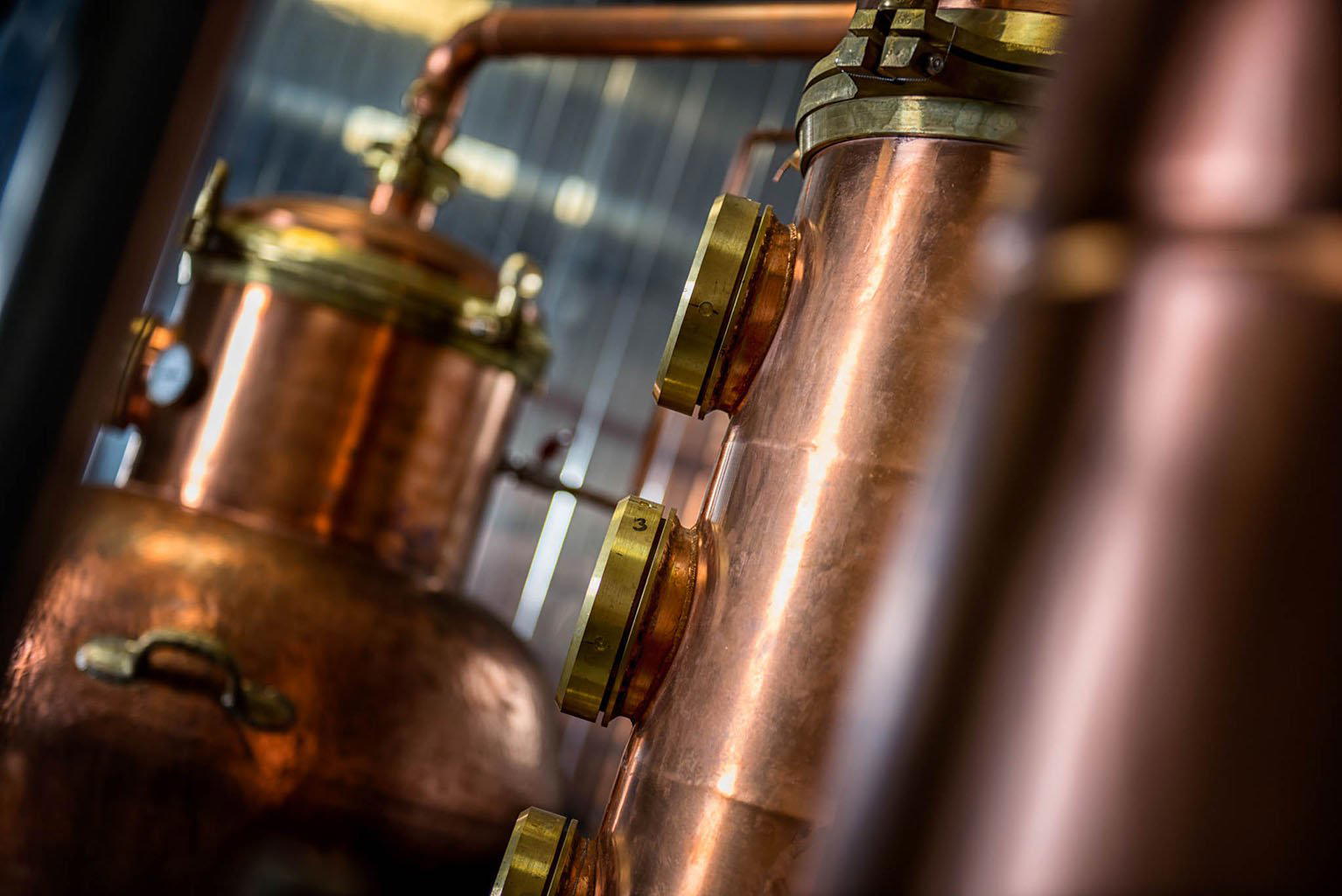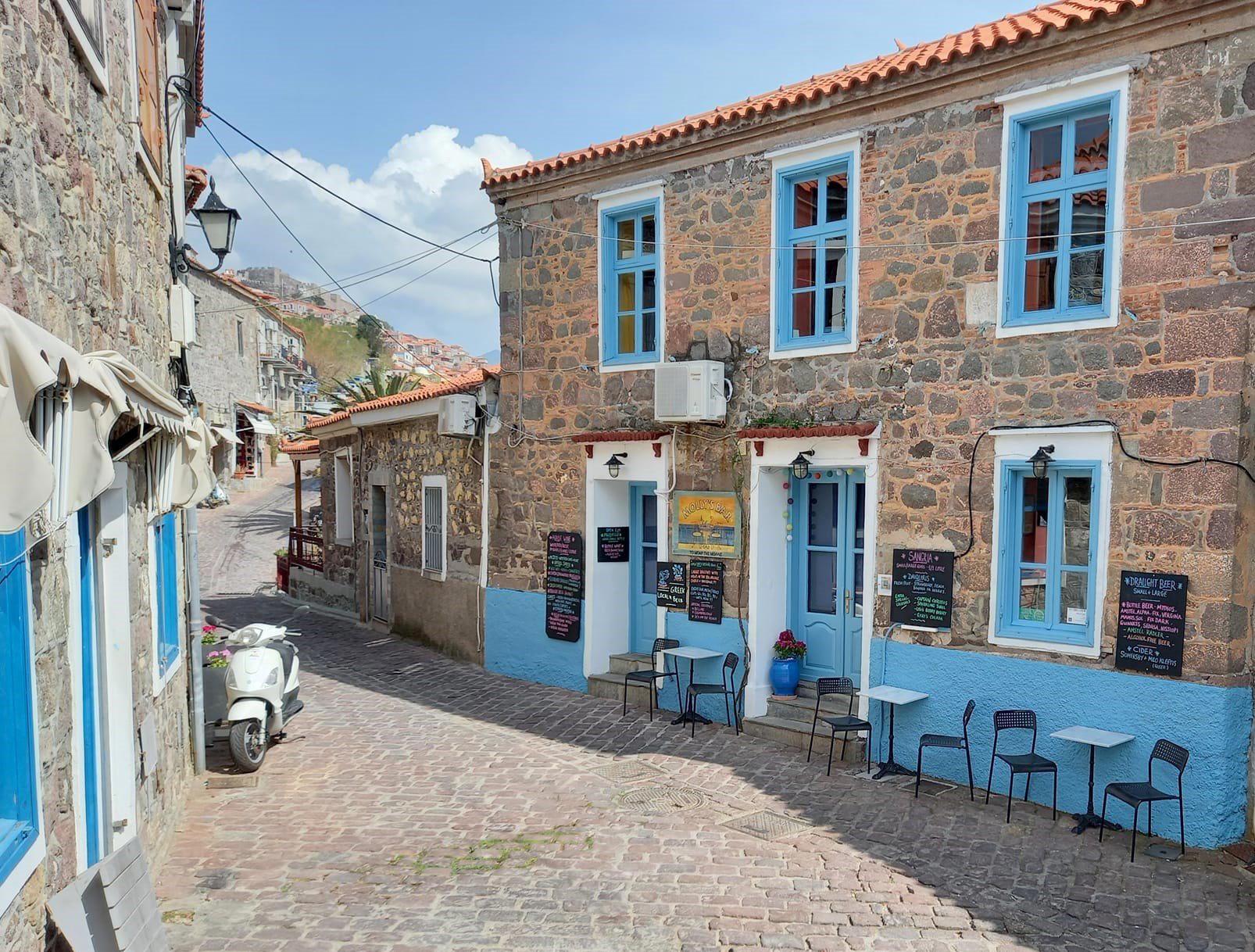
Agathangelou Distillery operates within Mytilene's long tradition of ouzo and spirit production, earning a Pearl 1 Star Prestige award in 2025. Lesvos has historically produced more ouzo than any other Greek island, and Agathangelou sits inside that concentrated producer community, where craft heritage and island-grown botanicals define the output.
 Discover on Pearl
Pearl is the En Primeur Club membership app — saves, bookings, and concierge access live there. Same editors, same standards.
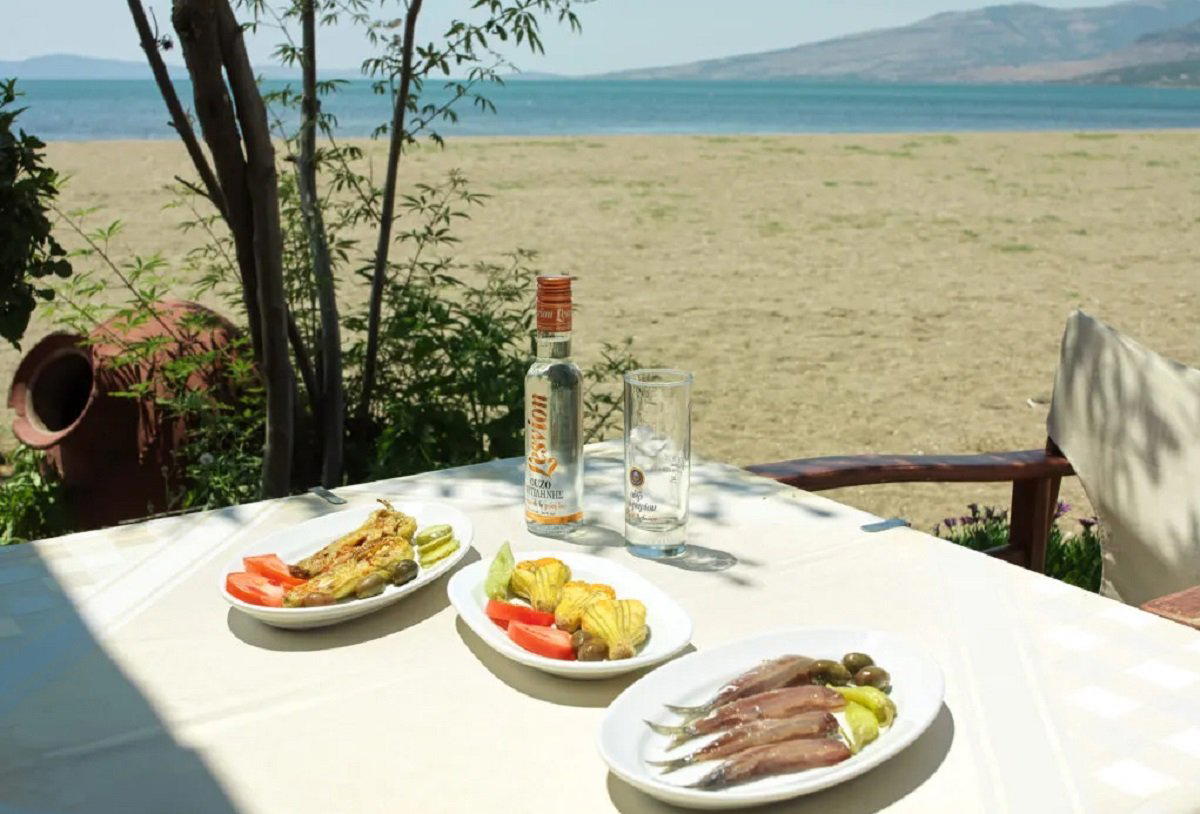
Lesvos and the Spirit That Built It
There are few places in the world where a single category of spirit has so thoroughly shaped the commercial, cultural, and agricultural identity of a place. Lesvos is one of them. The island accounts for a significant share of Greece's total ouzo production, with a cluster of distilleries operating in and around Mytilene that gives the capital a relationship with its native spirit unlike almost anywhere else in the Mediterranean. Walking the port area or through the older commercial streets, the distillery presence is not incidental, it is structural, built into the city's economic history over more than a century of trade and export.
Agathangelou Distillery is one of the producers operating within that tradition, and in 2025 it received a Pearl 1 Star Prestige award. The award functions as an external calibration point in a category where producer reputations are often built through local loyalty and export reach rather than formal critical attention.
Ouzo and Terroir: What the Island Contributes
The terroir argument for spirits is more contested than it is for wine, but in the case of Lesvos ouzo, the island's physical characteristics genuinely bear on the product. The island's olive groves, among the densest in the Aegean, covering large portions of the interior, have long shaped what local agriculture produces and how botanical sourcing works for distillers. Star anise, the primary botanical driver of ouzo's flavour profile, is sourced from cultivation and trade networks that differ by producer, but the island's climate, hot, dry summers with mineral-edged soils in many zones, provides a consistent environment for herb cultivation and for the slow maturation that shapes spirit character after distillation.
Greek ouzo production operates under a protected designation: the spirit must be produced in Greece, must reach a minimum alcohol level, and the dominant flavour must derive from anise. Within those parameters, producers on Lesvos have historically leaned toward copper pot stills for at least part of their distillation, a method that preserves more aromatic complexity than continuous column distillation. The resulting spirits tend to carry more botanical definition and a fuller mouthfeel than industrially produced ouzo, and it is this end of the production spectrum that attracts the kind of formal recognition Agathangelou received in 2025.
For comparison within the island's distillery scene, EVA Distillery and Lesvos Distilling Company (EPOM) represent different points on the production scale, while Ouzo Veto Distillery and Pitsiladi Distillery round out the cluster of producers maintaining Mytilene's position as the geographic heart of Greek ouzo. Each operates with its own botanical ratios and distillation approach, and tasting across the group reveals how much variation the category contains within a shared regulatory framework.
The Prestige Tier in Greek Spirits
Greek spirits production has undergone significant reappraisal in the past decade, driven partly by the same forces reshaping craft production globally and partly by renewed domestic interest in traditional categories. Ouzo, along with tsipouro and mastiha-based liqueurs, now attracts a more analytical critical framework than it did when the category was evaluated primarily by export volume and brand recognition. The Pearl 1 Star Prestige designation that Agathangelou earned in 2025 reflects this shift: formal awards programmes are now applying to Greek spirits the kind of structured assessment long common in wine, whisky, and brandy evaluation.
This matters because it creates a reference point that operates independently of local reputation. A Mytilene producer known within the island's close community of distillers and regular visitors now carries a credential readable to buyers and drinkers who have no existing relationship with the brand. In a category where distribution has historically been dominated by a handful of large national producers, formal recognition at the prestige tier opens access to different retail and hospitality channels, both domestically and in export markets where Greek spirits are gaining ground.
For context on how Greek producers at different scales and in different categories approach that same question of quality signalling, producers like Alpha Estate in Amyntaio in northern Greek wine and Abraam's Vineyards in Komninades illustrate how formal credentials travel across different production traditions. Beyond Greece, the parallel with craft distilleries operating in defined terroir contexts, such as Aberlour in Aberlour in Speyside, shows how place-specific production and formal recognition reinforce each other in spirits categories where geography has long been part of the value proposition.
Mytilene as a Spirits Destination
The concentration of distilleries in and around Mytilene makes the capital an unusually coherent destination for anyone tracing ouzo production from source to glass. Unlike wine regions where producers are dispersed across multiple villages and appellations, Mytilene's ouzo distilleries are geographically compact, operating within a relatively small urban and peri-urban zone. That proximity makes it possible to visit several producers in a single day without significant travel, moving between different production scales and botanical philosophies in a way that builds a comparative picture of the category.
Greece's broader spirits and wine producer network extends well beyond Lesvos, and visitors combining a Mytilene itinerary with wider Aegean or mainland travel will find complementary stops at producers like Anatolikos Vineyards in Xanthi, Aoton Winery in Peania, and Aiolos Winery in Palaio Faliro, each operating in distinct regional traditions. For those exploring further afield, Acra Winery in Nemea, Akrathos Newlands Winery in Panagia, and Achaia Clauss in Patras represent the depth of the Greek producer landscape across different categories and appellations. On the international side, Accendo Cellars in St. Helena offers a point of comparison for precision-led craft production at a boutique scale.
Planning a Visit
Mytilene is accessible by ferry from Piraeus and by direct flights from Athens and select European cities, with seasonal frequency increasing through summer. The distillery cluster in and around the city is leading explored in spring or early autumn, when temperatures are moderate and the island's agricultural character is most visible. The 2025 Pearl 1 Star Prestige recognition provides a reliable signal that the production quality justifies the stop.