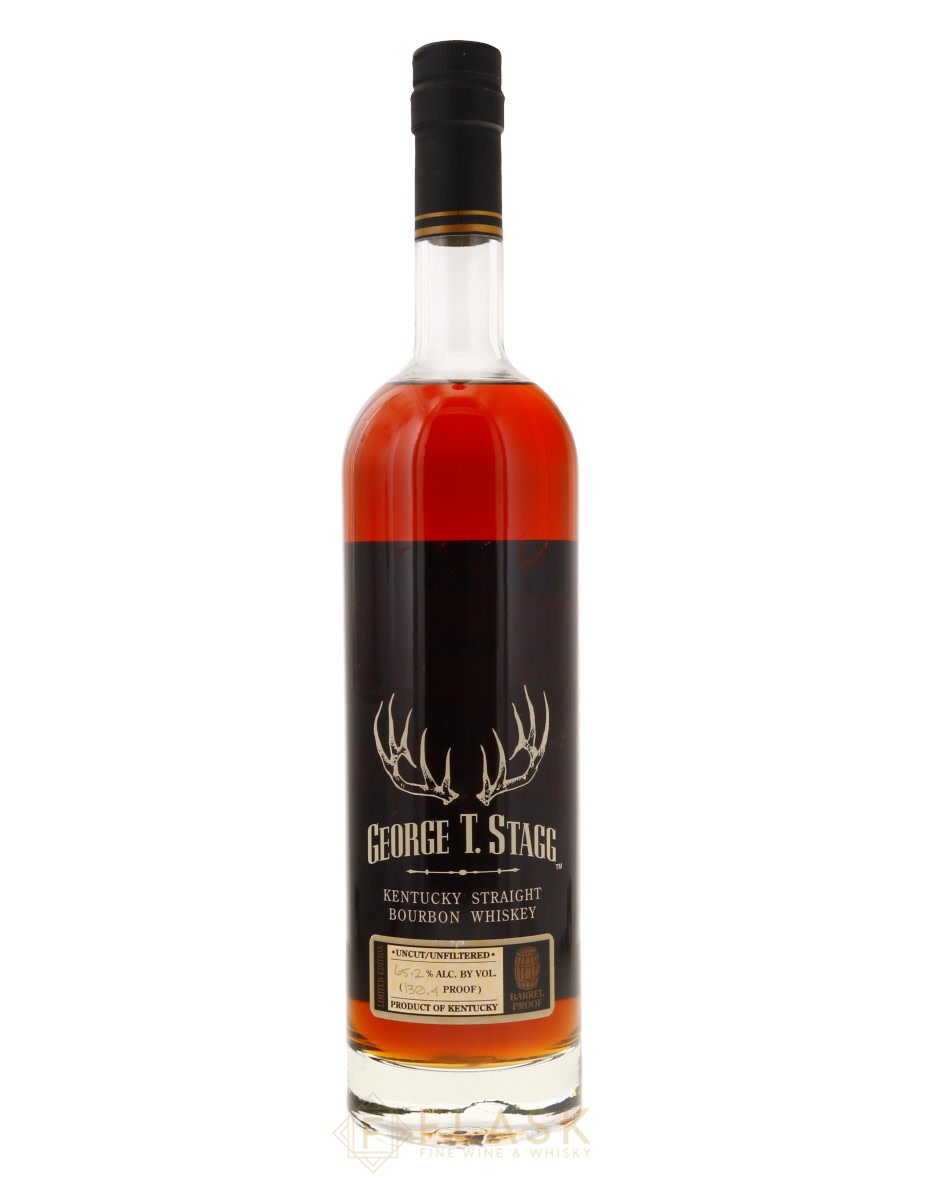
George T. Stagg
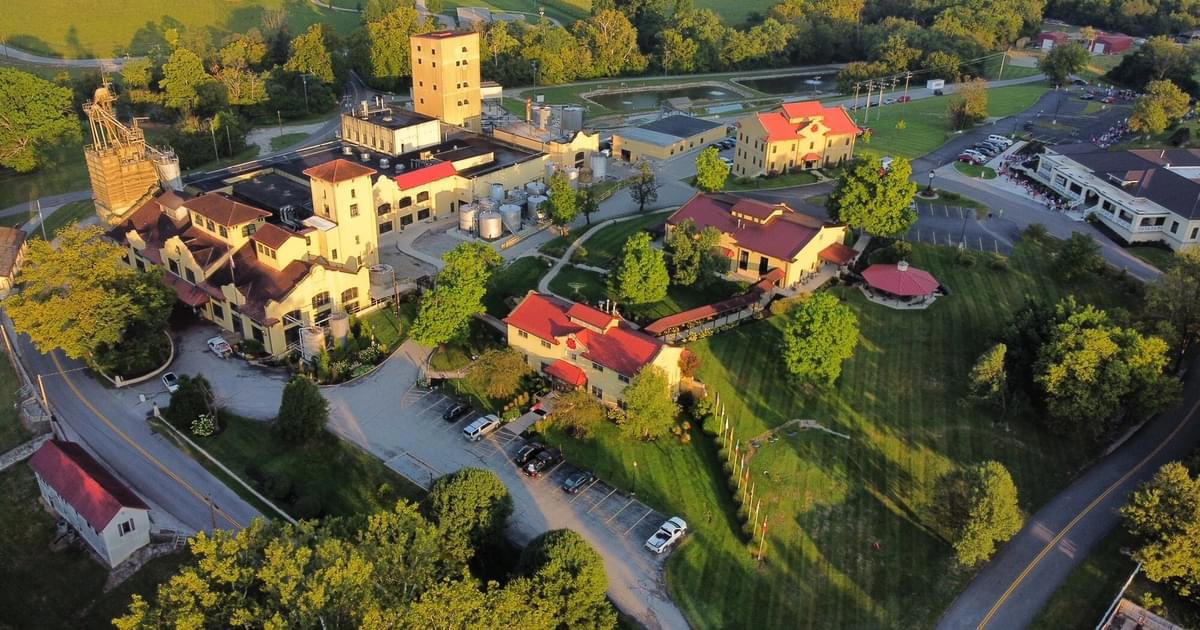
George T. Stagg sits at the upper tier of American whiskey production, operating from the Buffalo Trace Distillery complex in Frankfort, Kentucky..

Pearl is the En Primeur Club membership app — saves, bookings, and concierge access live there. Same editors, same standards.
- Address
- 113 Great Buffalo Trce, Frankfort, KY 40601
- Phone
- (866) 729-3722
- Hours
- Mon–Thu 9 AM–5 PMFri 9 AM–5:30 PMSat 9 AM–5 PMSun 11 AM–5 PM
- Website
- buffalotracedistillery.com
- Directions
- Get directions
Where Kentucky's Geology Speaks Loudest
There is a particular quality of light on the Kentucky River bluffs in early autumn, when the air turns cold enough at night to push bourbon back into the charred oak and warm enough by afternoon to draw it out again. This thermal cycling, unremarkable to anyone not paying close attention, is the central fact of American whiskey at its most serious level. George T. Stagg, produced at the Buffalo Trace Distillery complex at 113 Great Buffalo Trace in Frankfort, is among the clearest expressions of what that seasonal rhythm does to a spirit over years of contact with wood. The address itself tells part of the story: this stretch of the Kentucky River corridor has been associated with distilling since before American statehood, and the limestone shelf beneath it filters the water that enters every barrel filled on the property.
Frankfort sits at the intersection of several conditions that shaped bourbon as a category. The town is farther north than most visitors expect, close enough to the Ohio River basin that its winters carry genuine cold, and the temperature differential between January and July runs wide enough to drive meaningful extraction from the barrel. Limestone-filtered water, low in iron and high in calcium and magnesium, has been the silent variable in central Kentucky distilling for over two centuries. These are not marketing constructs but measurable geological facts that translate into the chemistry of the final spirit. George T. Stagg occupies the end of that process where time, wood, and climate have had the longest conversation. For a broader look at what Frankfort offers across food and drink, our full Frankfort restaurants guide maps the wider scene.
The Prestige Tier in American Whiskey
American whiskey, particularly allocated bourbon, has developed a two-speed market over the past fifteen years. At the accessible end, widely distributed expressions compete on consistency and price. At the allocated end, a smaller group of releases sells through lottery systems, secondary markets, and distillery relationships at prices that bear little resemblance to the suggested retail. George T. Stagg operates firmly in the second category.
The barrel proof format matters here as editorial context, not just a product specification. Most commercial whiskeys are cut with water after aging to reach a standard bottling strength, a process that smooths variation and controls the final character. Barrel proof releases forgo that dilution, meaning the whiskey arrives as the barrel produced it, with all the concentration that extended maturation in Kentucky's climate creates. Producers working in this format are, in effect, letting the terroir argument play out fully rather than editing it toward a target profile. Among American producers working at this register, comparison sets might include allocated single-barrel programs from other Kentucky houses, though few operate at the age and proof combination that defines this tier. For contrast, the wine world offers useful parallels: the allocation-driven, terroir-expressive model at operations like Accendo Cellars in St. Helena or Aubert Wines in Calistoga follows a similar logic of small production, extended development, and distribution controlled by access rather than volume.
Buffalo Trace and the Distilling Corridor
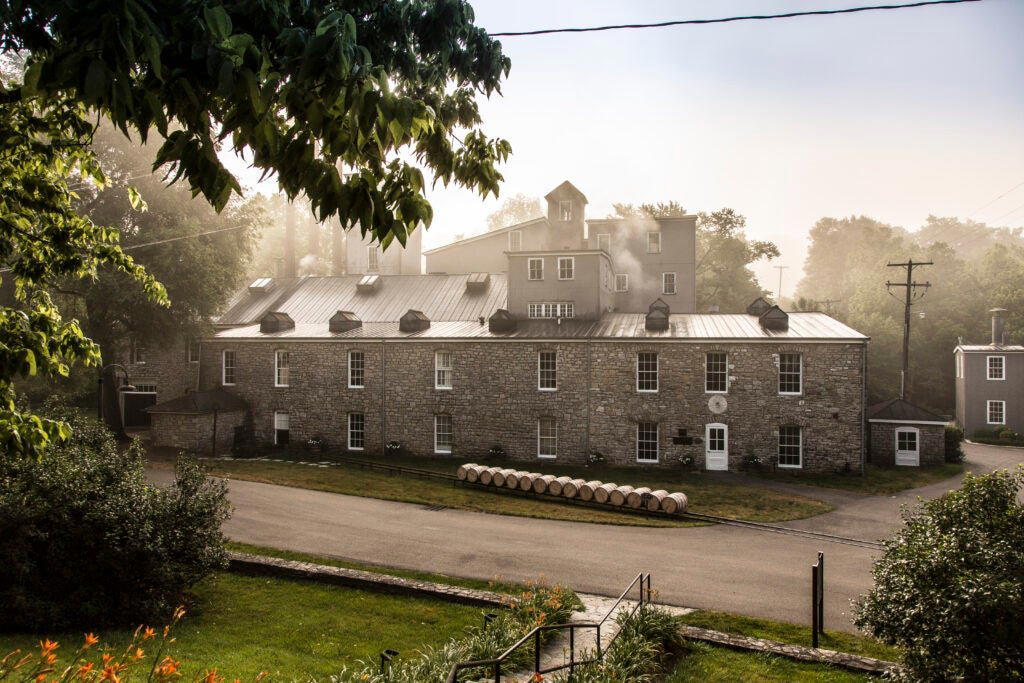
The Buffalo Trace Distillery is one of the oldest continuously operating distilling sites in the United States, a designation that carries weight beyond heritage marketing. Continuous operation means continuous refinement of process, accumulated barrel inventory, and an institutional knowledge of how specific warehouse positions and rick configurations affect aging outcomes over decades. Kentucky distilling warehouses, called rickhouses, produce different results depending on the floor level, orientation to prevailing winds, and proximity to exterior walls. Upper floors run hotter and drive faster extraction. Lower floors age more slowly. Distillers working at the allocated prestige level blend or select across these positions to achieve specific outcomes, or in the case of barrel proof expressions, select individual barrels for release on their own terms.
This is the production reality behind the terroir argument for bourbon: the land provides the water and the climate, and the rickhouse mediates both across the years of aging. George T. Stagg's position within the Buffalo Trace Antique Collection places it at the extended end of that maturation curve, where the oak influence is deep and the alcohol concentration from evaporation is highest. The so-called angel's share, the portion of whiskey lost to evaporation annually, runs higher in Kentucky's climate than in Scottish or Irish warehousing conditions, which means that barrels selected for this release have survived a significant attrition process. What remains is a more concentrated expression of the original distillate.
Frankfort as a distilling location also benefits from proximity to other serious producers, which creates a regional context rather than an isolated curiosity. Pappy Van Winkle, whose bottles occupy the same rarefied allocation tier, operates within the same regional whiskey culture. These are not competitors in the conventional sense but evidence of a concentration of serious production knowledge within a relatively compact geography, comparable to how Paso Robles houses like Adelaida Vineyards or Willamette Valley producers such as Adelsheim Vineyard in Newberg represent a regional competency that elevates individual producers by association.
Visiting Frankfort and the Distillery
The Buffalo Trace complex operates as a working distillery with a visitor program, though the experience sits closer to an industrial site tour than a curated tasting room. Frankfort is accessible from Louisville in under an hour by road, and from Lexington in roughly forty minutes. The city is small enough that the distillery occupies a meaningful footprint within it, and the surrounding area along the Kentucky River corridor rewards a broader visit, particularly in the fall when the thermal cycle that defines aging is most visible in the turning of the landscape. Visitors should check current tour availability and booking requirements directly with the distillery, as programming has shifted in recent years and allocated bottle purchases are not guaranteed through the visitor experience.
For those approaching American whiskey with the same framework applied to serious wine, the parallels are instructive. The terroir-expressive model pursued at California producers like Alban Vineyards in Arroyo Grande or Alexander Valley Vineyards in Geyserville rests on similar arguments about geology, climate, and the primacy of place over intervention. Bourbon at this level makes the same case through different means: water chemistry, barrel wood origin, rickhouse position, and the particular thermal calendar of central Kentucky substituting for soil type, aspect, and vine age.
For readers accustomed to European spirits traditions, comparisons to Scotch single malt distillers like Aberlour in Aberlour or to classical wine estates like Achaia Clauss in Patras offer useful anchoring points for how place, time, and institutional continuity compound into a recognizable house character. The American version of that equation runs through limestone, oak, and the four-season extremity of the Kentucky basin, and George T. Stagg is among the most direct expressions of it currently receiving formal recognition.
Planning a Visit
Frankfort sits in central Kentucky, accessible via Interstate 64 from both Louisville to the west and Lexington to the east. The Buffalo Trace Distillery offers tours and a gift shop, though bottle availability for allocated releases like George T. Stagg is subject to annual production schedules and is best confirmed through official distillery channels before planning a trip specifically around acquisition. The broader Frankfort area, including the Kentucky River Gorge and the state capitol complex, offers enough to occupy a full day alongside a distillery visit. For those building a Kentucky spirits itinerary, pairing this stop with other Frankfort producers creates a coherent regional picture of what the central Kentucky distilling corridor produces at its most serious level.
A Quick Peer Check
Comparable venues nearby, for context on price, style, and recognition.
| Venue | Cuisine | Price | Notes |
|---|---|---|---|
| George T. StaggThis venue — the venue you are viewing | corn, rye | Not listed | Not listed |
| Pappy Van Winkle | Winery | Not listed | Frankfort |
| Michter's | Kentucky | Not listed | Whiskey Row |
| Angel's Envy | Kentucky | $30–50 | downtown |
| Four Roses | Kentucky | Not listed | Lawrenceburg |
| New Riff Distilling | corn, rye | Not listed | Newport |
Continue exploring
More in Frankfort
Wineries in Frankfort
Browse all →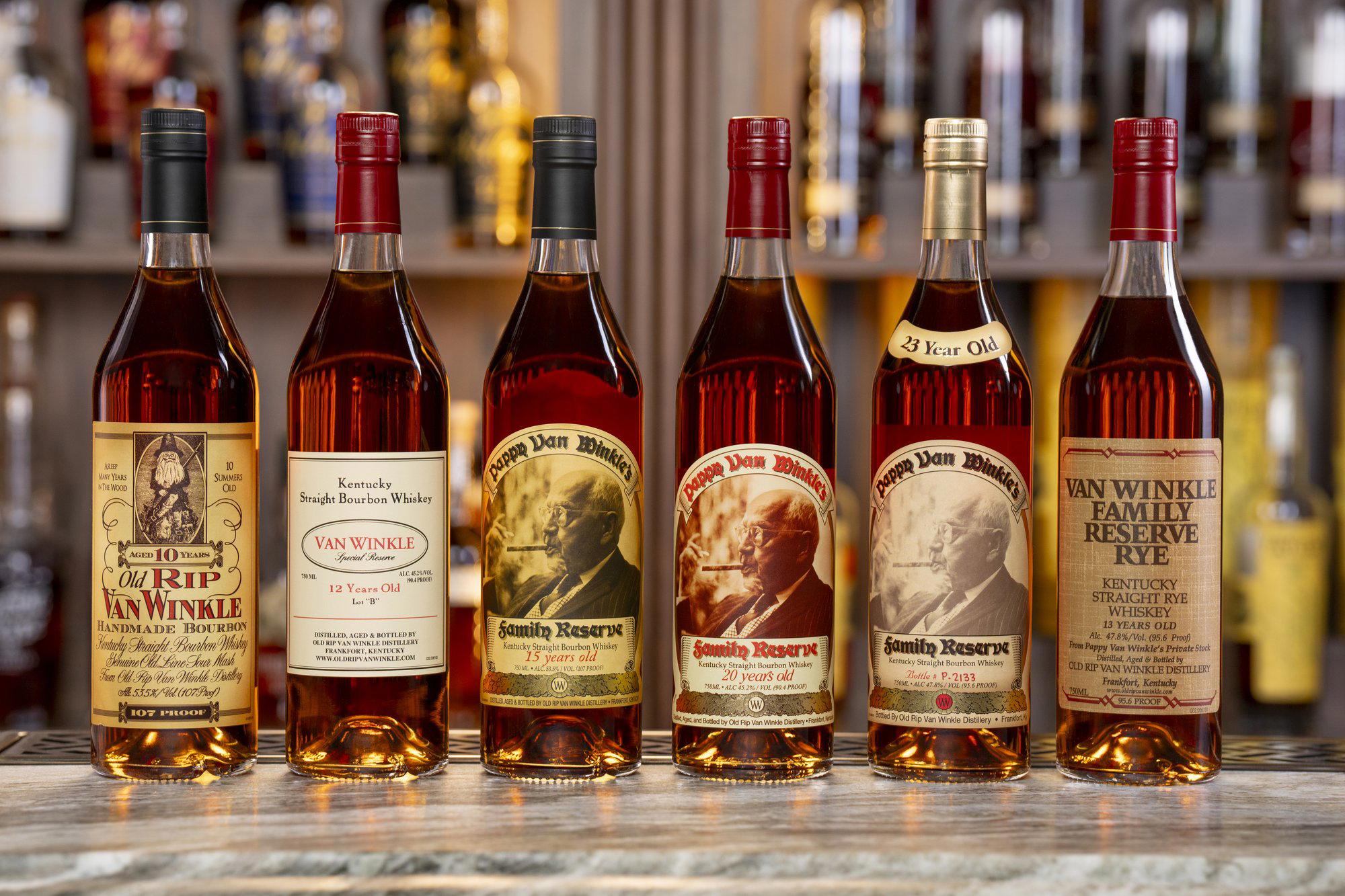
Bars in Frankfort
Browse all →
Restaurants in Frankfort
Browse all →
Details
- Historic
- Well Known
- Rustic
- Wine Education
- Special Occasion
- Historic Building
- Barrel Room
- Corn
- Rye
- Barley
- Barrel Proof
- English
Current opening hours
- Monday
- 9 AM–5 PM
- Tuesday
- 9 AM–5 PM
- Wednesday
- 9 AM–5 PM
- Thursday
- 9 AM–5 PM
- Friday
- 9 AM–5:30 PM
- Saturday
- 9 AM–5 PM
- Sunday
- 11 AM–5 PM
Hours can change for holidays and private events. Last verified .
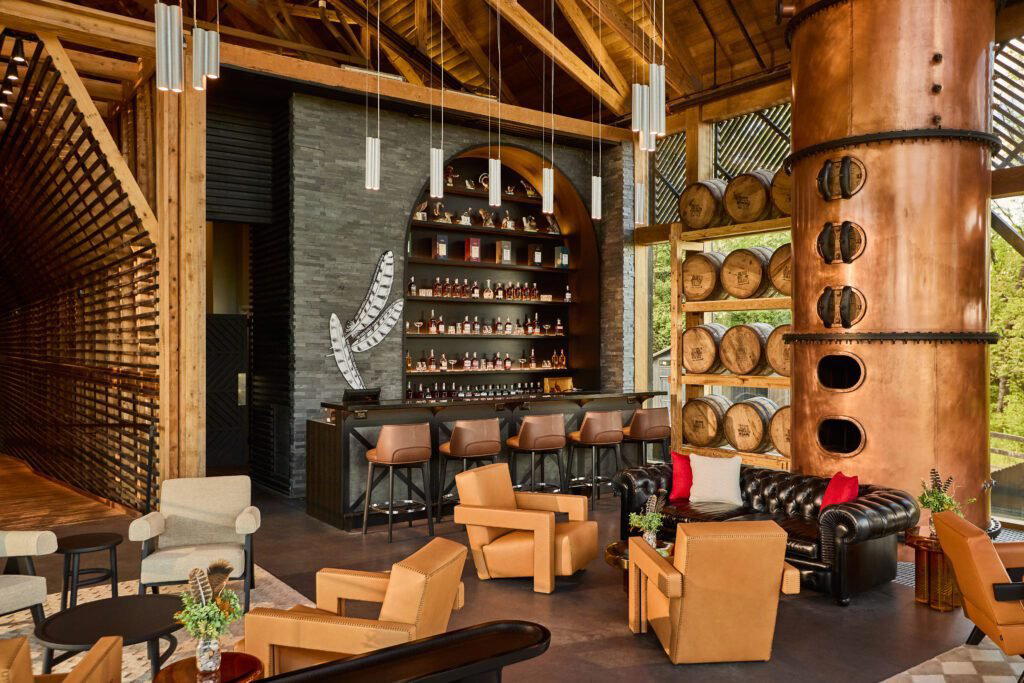
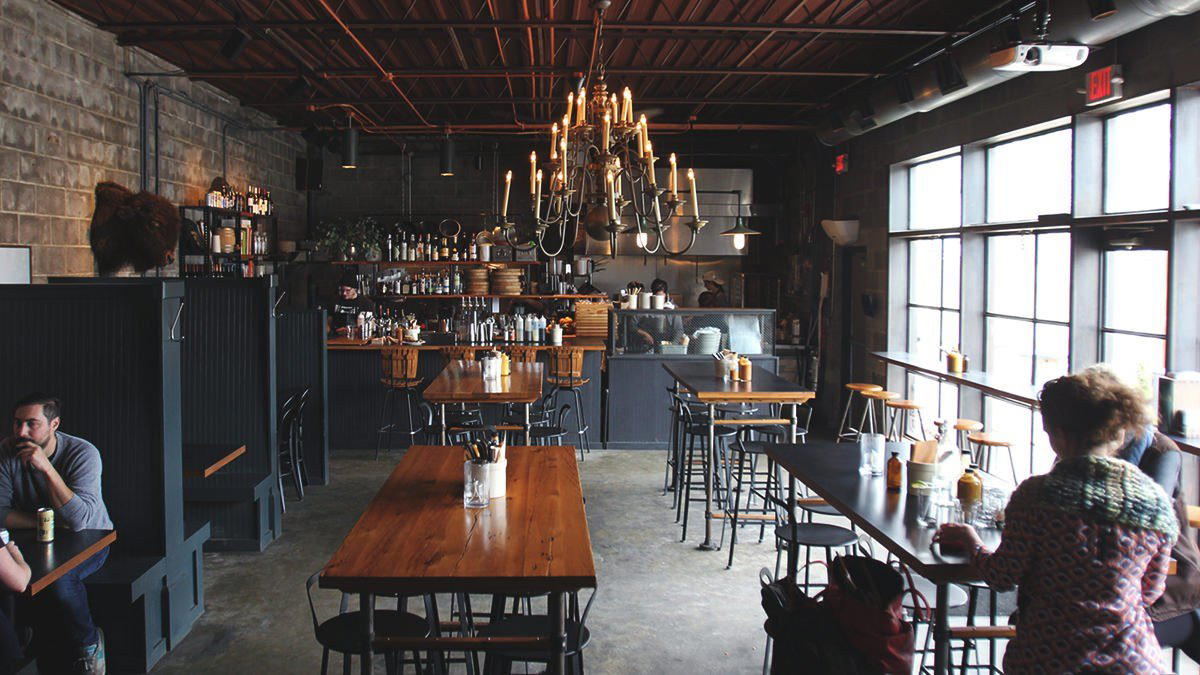
Historic distillery atmosphere reminiscent of old rickhouses with earthen floors and stacked oak barrels.