Papagiannakos Winery

Papagiannakos Winery operates from Markopoulo in the Mesogaia plain of Attica, a zone whose continental growing conditions and ancient Savatiano plantings form the backbone of the estate's output.
Pearl is the En Primeur Club membership app — saves, bookings, and concierge access live there. Same editors, same standards.
- Address
- Pithagora, Markopoulo Mesogeas 190 03
- Phone
- +30 2299 025206
- Website
- papagiannakos.gr
- Directions
- Get directions
 Saves & bookings on Pearl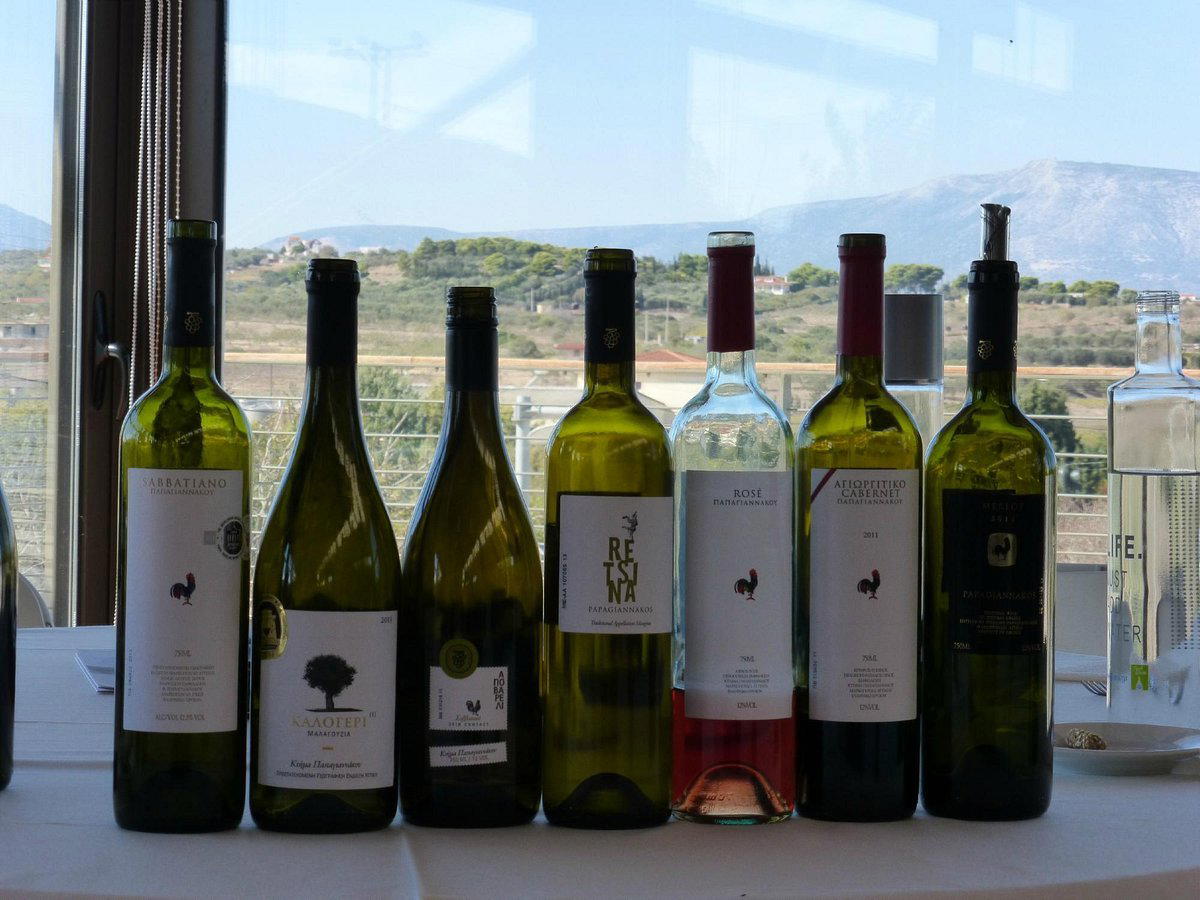
Attica's Interior and the Conditions That Shape It
The Mesogaia plain east of Athens is not where most wine travellers think to go first. Santorini draws the heritage pilgrims; Naoussa and Nemea absorb the red wine serious crowd. Attica's interior, by contrast, tends to register as an afterthought, a flat, sun-baked corridor between the capital and the Aegean coast. That reading misses something. The limestone-heavy soils of the Markopoulo area, the pronounced diurnal temperature variation that the plain experiences despite its low elevation, and the age of the Savatiano vines planted across it constitute a genuinely distinct growing environment, one whose character is only now being articulated with the precision it deserves.
Markopoulo itself sits roughly 30 kilometres southeast of Athens, close enough to the city that a visit fits naturally into a broader Attica itinerary. The surrounding terrain is agricultural and open, with the kind of horizontal light that arrives late in the afternoon and makes vineyard visits at that hour considerably more atmospheric than a midday arrival. Visitors coming from Athens should factor in traffic on the Leoforos Lavriou corridor, particularly on summer weekends, and plan accordingly.
Savatiano and the Logic of Old Vines in Warm Limestone
Greece's indigenous grape portfolio runs deep, Assyrtiko, Xinomavro, Agiorgitiko, Moschofilero, and each has its advocates and its canonical terroir. Savatiano occupies a more complicated position. For decades it functioned primarily as the base grape for Retsina, a role that shaped how the variety was perceived: high-yielding, neutral, workmanlike. The revisionist argument, which a number of Attica producers have been pressing for some time, is that old-vine Savatiano on appropriate soils behaves entirely differently. Low yields concentrate what the variety does naturally, moderate aromatic intensity, good acidity relative to the heat of the Attic plain, and a textural weight in the mid-palate that distinguishes it clearly from the thin, high-production versions that established its reputation.
The limestone subsoils around Markopoulo contribute drainage and mineral exchange that the vine responds to over decades. In warmer vintages, that drainage prevents the waterlogging stress that would otherwise push the variety toward coarseness; in cooler years, the retained warmth of the stone moderates what could otherwise be an overcorrection toward greenness. The result, across multiple growing conditions, is a consistency of character that would be difficult to replicate on heavier clay profiles. For comparison points on how Greek wine producers across different regions approach native varieties, the work at Artemis Karamolegos Winery in Santorini with Assyrtiko, or Alpha Estate in Amyntaio with Xinomavro, offers a useful frame for understanding how variety-specific seriousness expresses itself differently across Greek growing zones.
Where Papagiannakos Sits in the Attica Producer Field
Attica's wine identity is in transition. The region never lost its vineyard area, it remained one of Greece's most planted zones even through periods when its output attracted little critical attention, but the quality conversation lagged behind other Greek appellations. The producers now driving a reassessment tend to share certain characteristics: older vine material, a commitment to lower intervention in the cellar to let the plain's particular character read clearly in the glass, and a willingness to enter their wines in contexts where they are compared against international benchmarks rather than evaluated in isolation.
Other Attica-adjacent producers worth tracking for context include Aoton Winery in Peania and Aiolos Winery in Palaio Faliro, both operating in the broader Athens metropolitan wine zone with distinct approaches to local varieties. Across the wider Greek spectrum, Avantis Estate in Chalkida and Acra Winery in Nemea illustrate how different appellations are framing their own indigenous-variety arguments. Further afield, Achaia Clauss in Patras represents the historical anchor of Greek estate wine production, providing a generational counterpoint to the current wave of terroir-focused producers. For a sense of scale in more international contexts, Accendo Cellars in St. Helena and Aberlour in Aberlour sit in entirely different premium tiers but share the same underlying logic: place-specific character as the primary value proposition.
Additional Greek producers building regional reputations through native varieties include Abraam's Vineyards in Komninades, Akrathos Newlands Winery in Panagia, Anatolikos Vineyards in Xanthi, and Artisans Vignerons de Naoussa in Stenimachos, each operating in distinctly different growing zones with their own variety arguments. Apostolakis Distillery in Volos extends the conversation into spirits, a reminder that Greek producers increasingly compete across categories for the attention of premium drinks travellers.
Planning a Visit to Markopoulo
The practical shape of a Papagiannakos visit is worth thinking through in advance. Markopoulo is accessible from central Athens in under an hour by car, and the surrounding Mesogaia area warrants more than a single-winery stop; the plain holds enough agricultural character to reward a half-day circuit. Timing a visit outside peak summer heat, late spring or early autumn, allows a more measured engagement with the vineyards themselves, and the light conditions in September and October are particularly suited to understanding what the limestone terrain looks like at the end of a growing season.
Quick Comparison
Comparable venues nearby, for context on price, style, and recognition.
| Venue | Cuisine | Price | Notes |
|---|---|---|---|
| Papagiannakos WineryThis venue — the venue you are viewing | Savatiano, Malagouzia | $$ | Not listed |
| Tsiperoglou Distillery | Winery | Not listed | Athens |
| Campari Ouzo Distillery | Winery | Not listed | Volos |
| Brettos Distillery | Winery | $$ | Plaka |
| Filippou Distillery | Winery | Not listed | Lesvos |
| Helion Distillery | Winery | Not listed | Athens |
Recognition history
Dated appearances from independent guides and award organizations, with the underlying list record or original source where available.
Falstaff Winery - Listed
Falstaff
Continue exploring
More in Markopoulo
Wineries in Markopoulo
Browse all →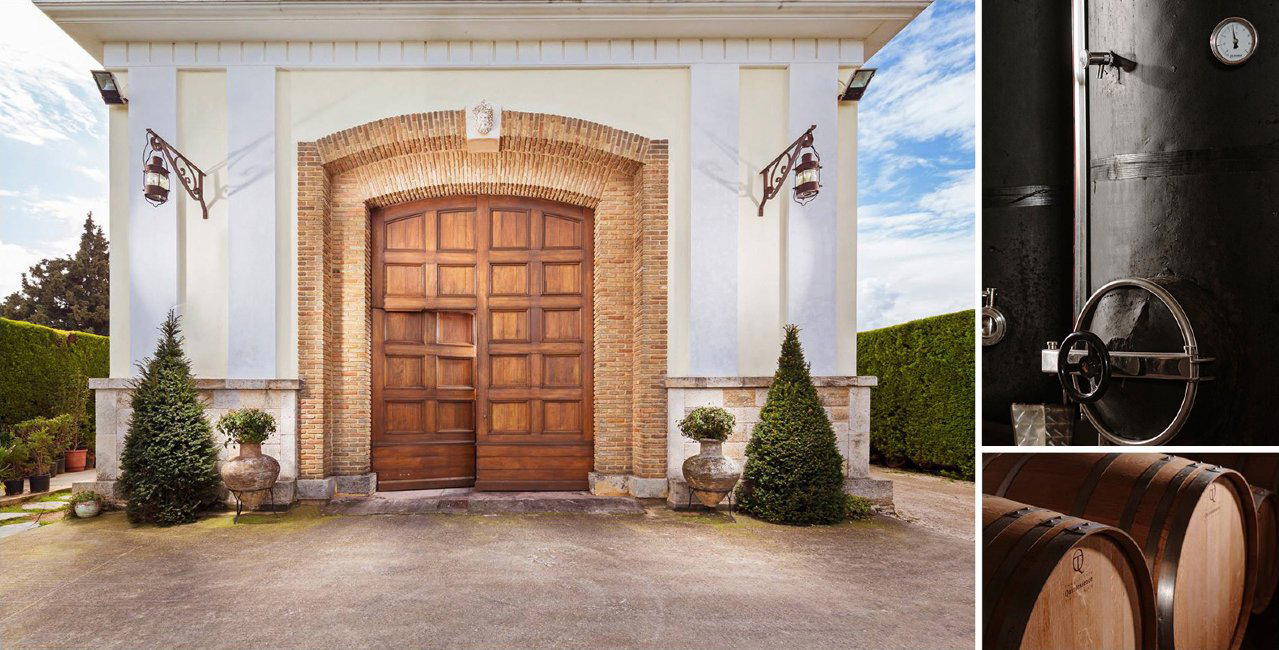

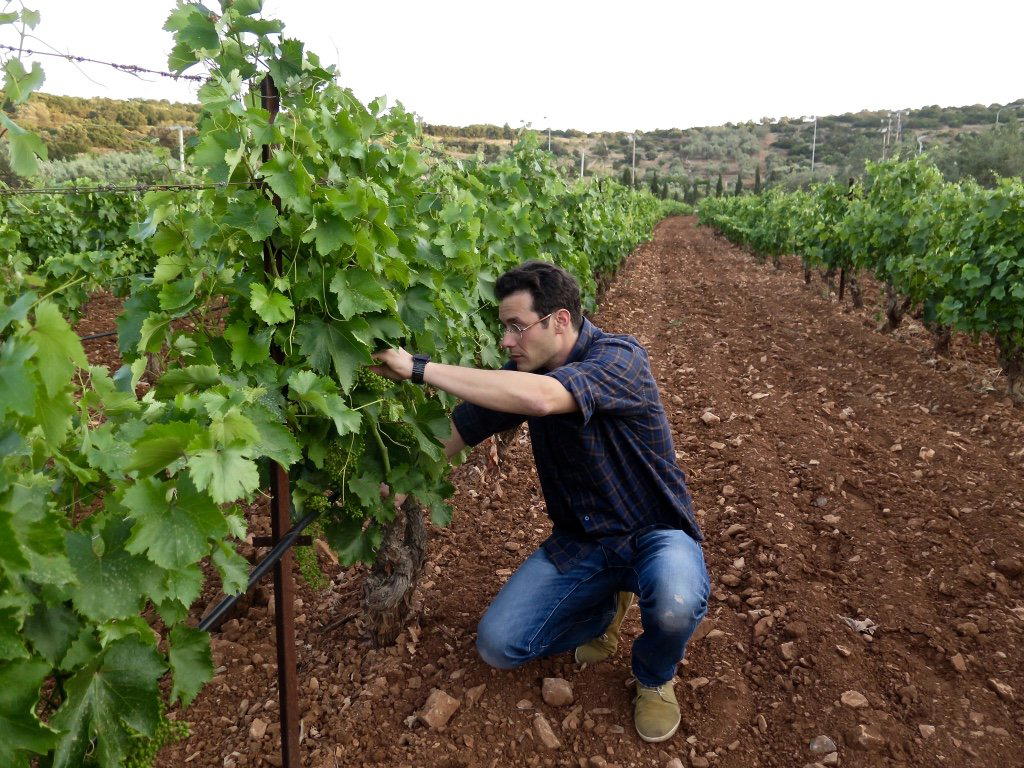
Bars in Markopoulo
Browse all →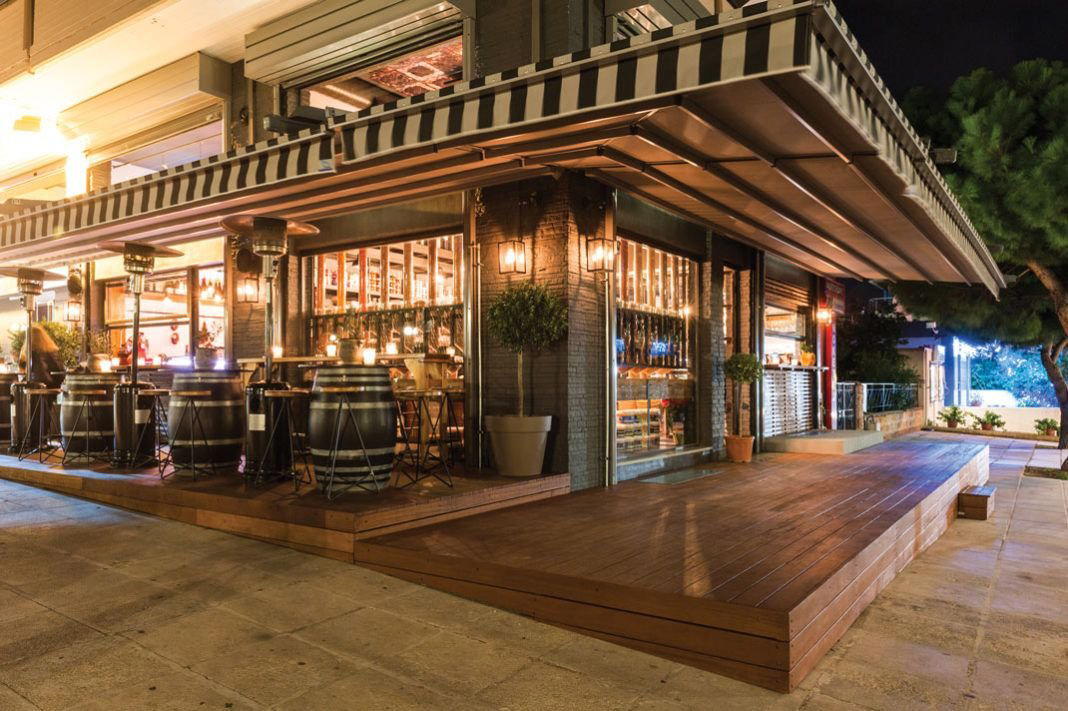
Restaurants in Markopoulo
Browse all →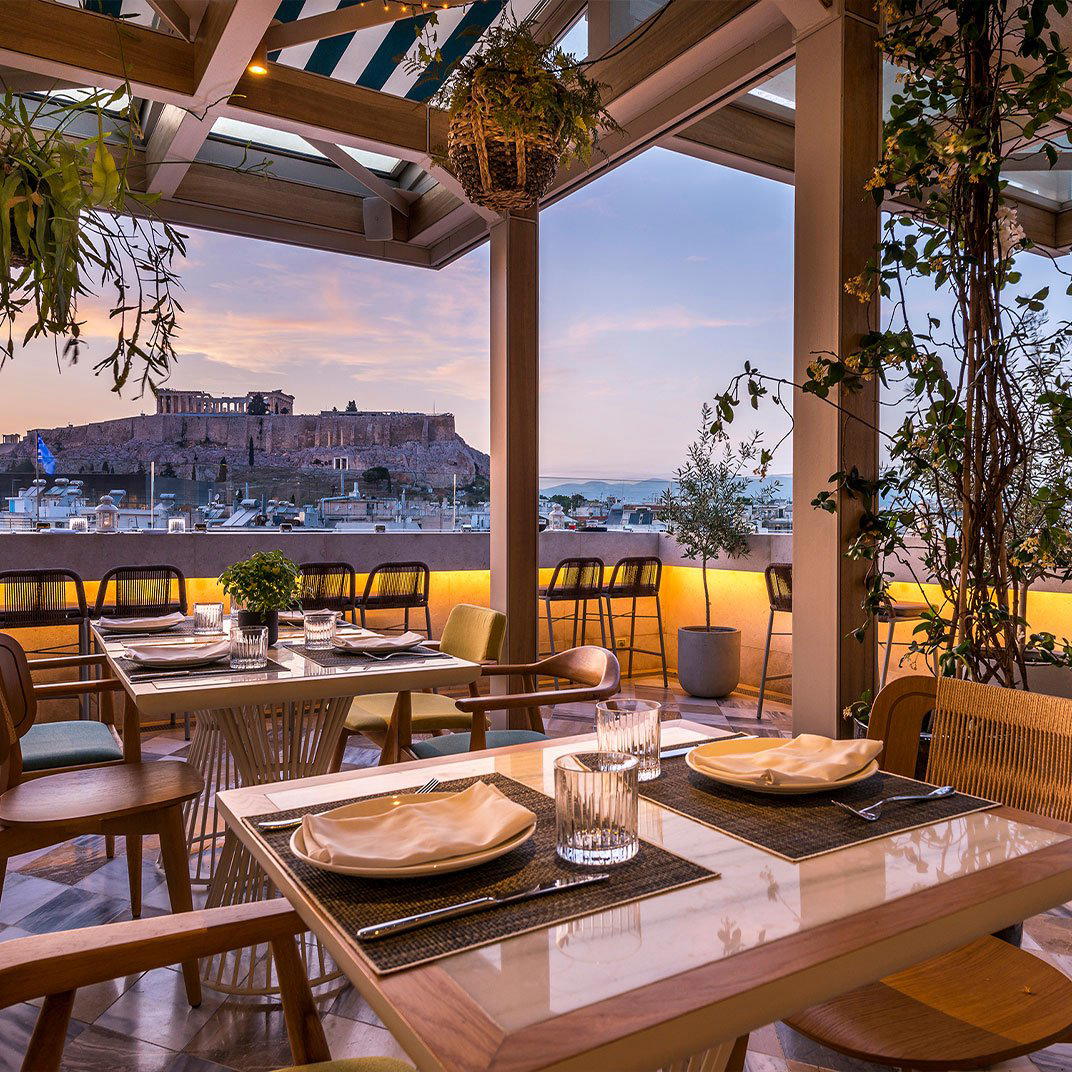
At a Glance
- Rustic
- Scenic
- Elegant
- Wine Education
- Group Outing
- Vineyard Tour
- Estate Grounds
- Sustainable
- Vineyard
- Garden
- Attica
- Savatiano
- Malagouzia
- Assyrtiko
- Agiorgitiko
- Still White
- Guided Tasting
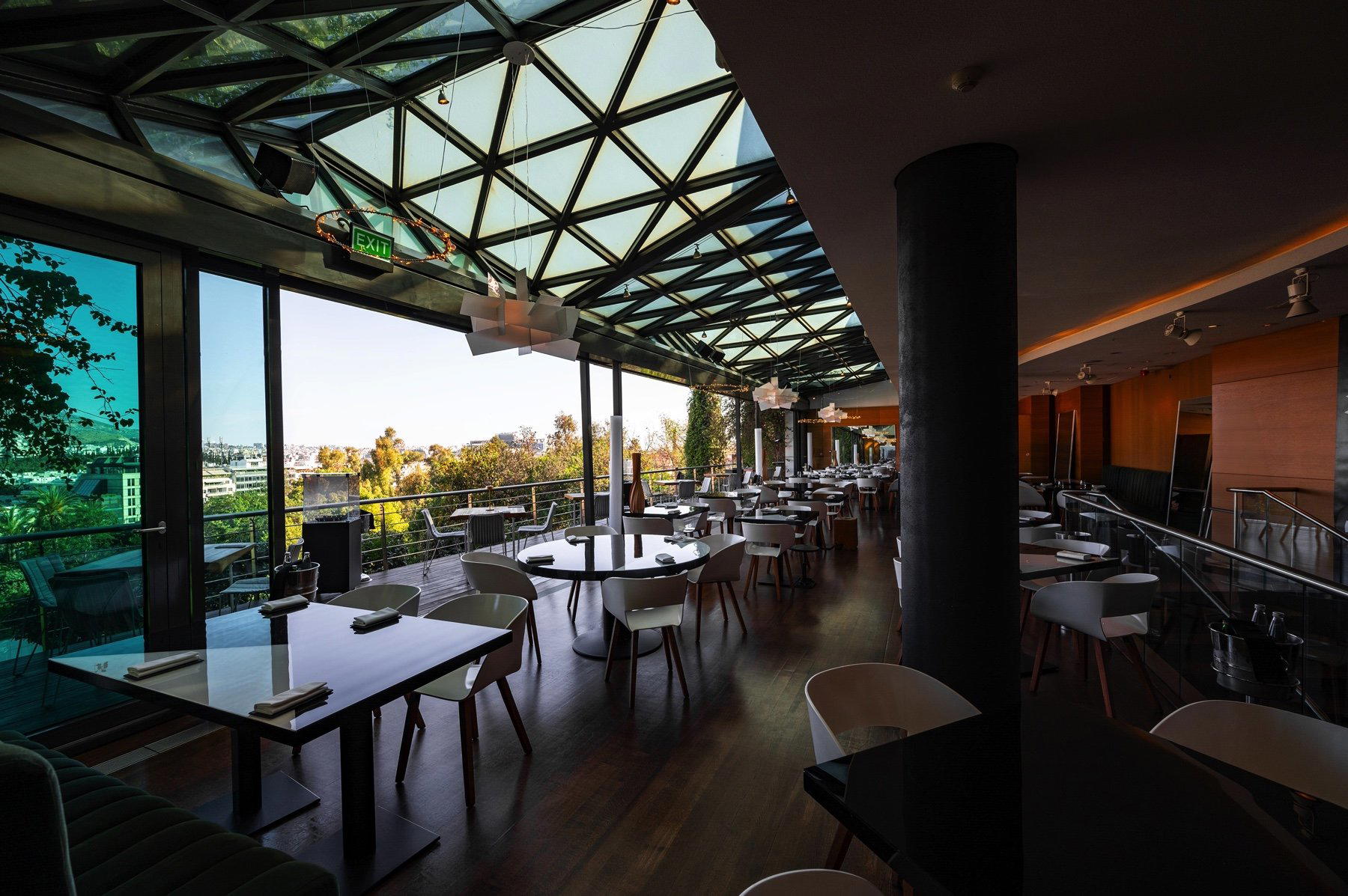
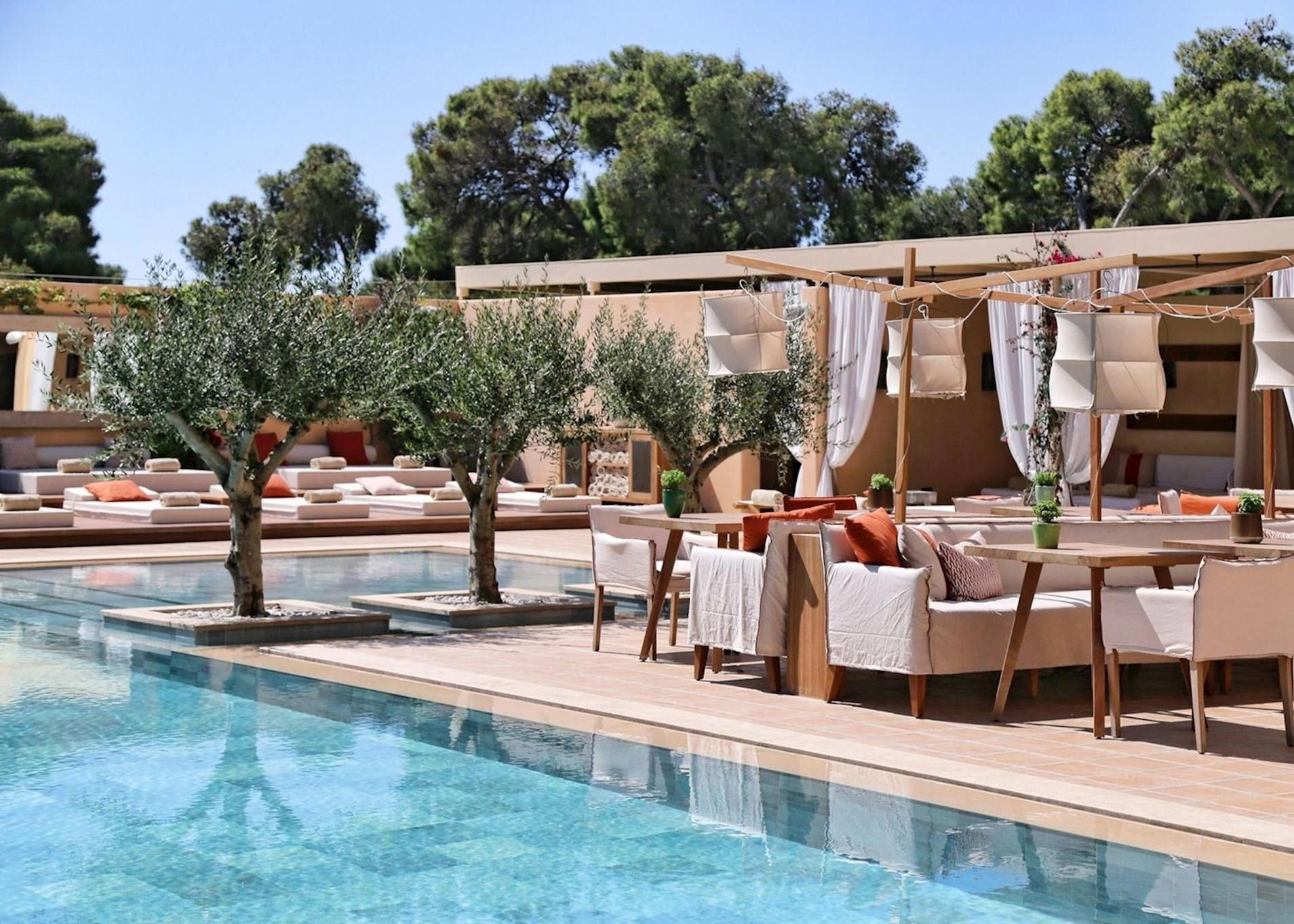
Warm, welcoming family atmosphere with natural stone and wood interiors, offering peaceful vineyard views and personalized hospitality.