Palazzo Montanari

Palazzo Montanari frames Valpolicella Classica through a historic villa rather than a conventional cellar-door model. The draw is the meeting of dry-stone vineyard terraces, Corvina-led reds, restored Renaissance frescoes and a family-run tasting format on the Bure hill in San Pietro In Cariano.
Pearl is the En Primeur Club membership app — saves, bookings, and concierge access live there. Same editors, same standards.
- Address
- San Pietro in Cariano, Veneto, Italien
- Directions
- Get directions
 Saves & bookings on Pearl
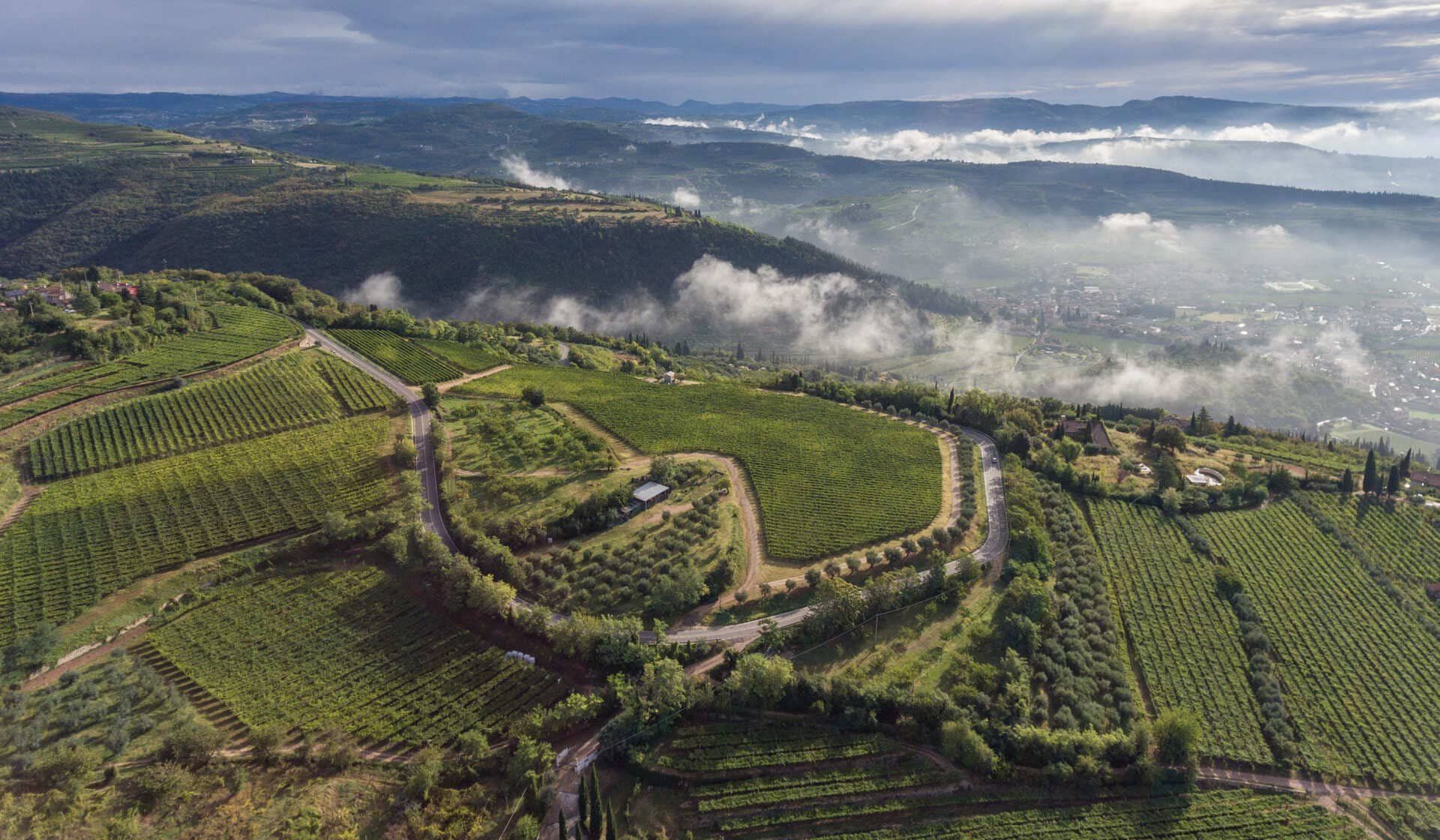
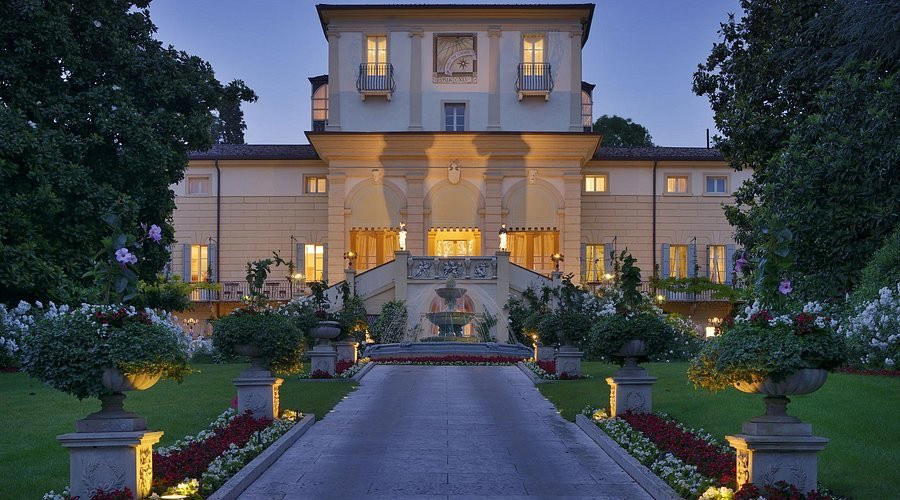
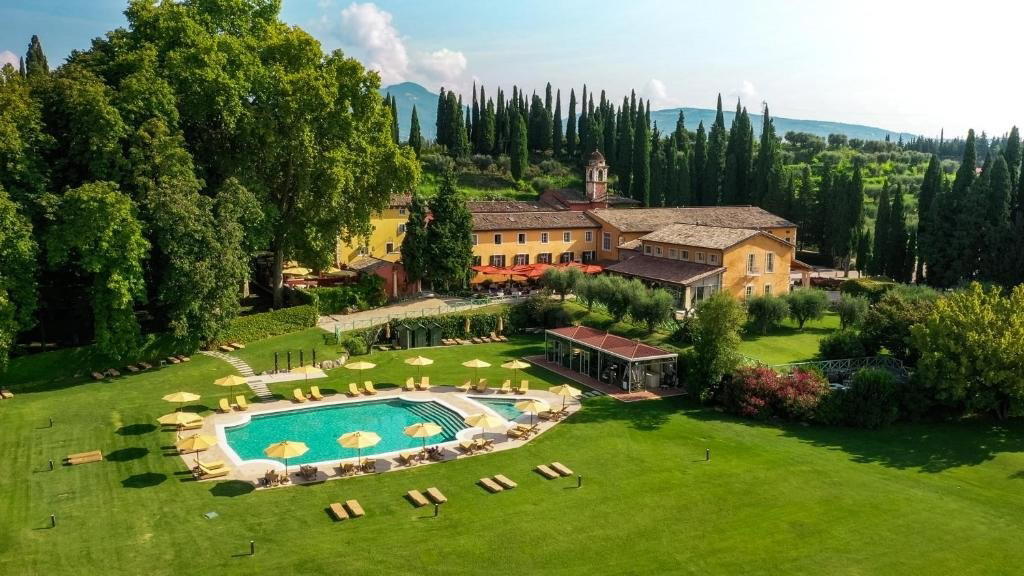
Approach in Valpolicella Classica and the logic of the place is visible before the first glass: vine rows held by dry-stone terraces, olive trees in the brolo, a Venetian villa above the valley, and a 14th-century dovecote tower fixing the estate in a landscape shaped by agriculture as much as architecture. This is not the polished anonymity of a contemporary tasting room. It belongs to the older Veneto idea of wine as part of a working house, where frescoed rooms, vineyard slopes and family stewardship sit in the same frame.
That matters because Valpolicella can be misunderstood when reduced to labels alone. The region’s grammar is built on native varieties, especially Corvina, Rondinella and Molinara, and on a hierarchy of styles that moves from Valpolicella through Ripasso to Amarone and Recioto. Palazzo Montanari uses that familiar sequence, but the stronger argument is spatial: the wines are presented inside the conditions that produce them, with southeast exposure, calcareous mineral soils and valley breezes forming the practical vocabulary of the visit.
Valpolicella Classica read through stone terraces, breeze and native grapes
The brolo is the useful lens here. Described as a natural amphitheater of vines and olive trees, it gives the estate a compact, legible version of Valpolicella Classica: sun, slope, limestone, airflow and stonework. In a region where Amarone often dominates the conversation, this kind of setting brings the earlier parts of the chain back into focus. Ripeness is not abstract; it is tied to exposure. Concentration is not only cellar technique; it begins with a hillside that drains, warms and breathes.
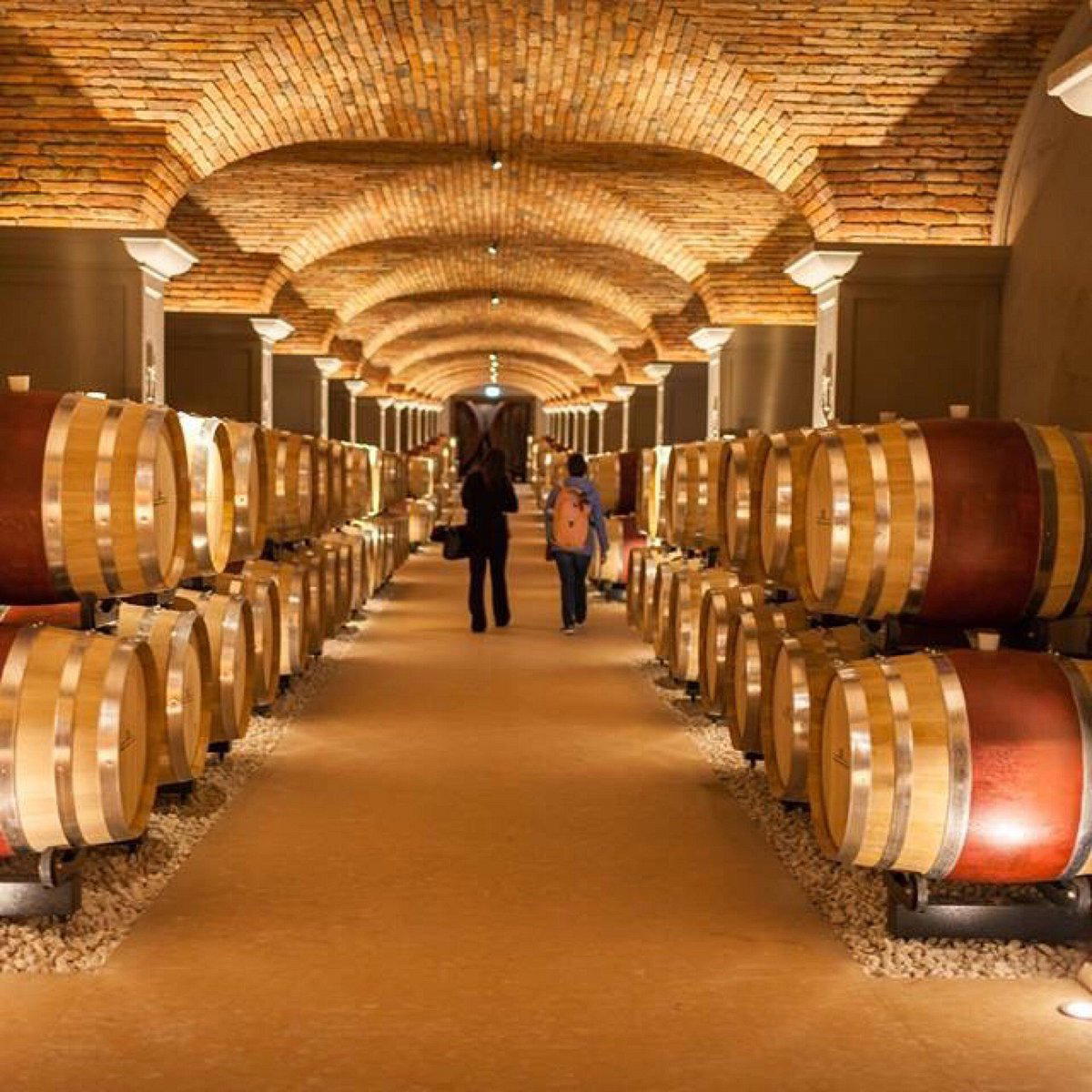
The portfolio follows the region’s established red-wine architecture: Valpolicella, Ripasso, Amarone and Recioto, with extra virgin olive oil as a parallel product of the same agricultural setting. No technical cellar detail is needed to understand the editorial position. This is an appellation-led estate rather than an experimental bottling laboratory, and the visitor experience is built around reading classic Valpolicella styles against the landscape that gives them shape.
Sustainability also sits in that land-first story. The vineyards are cultivated under the RRR sustainable protocol, with transition toward organic farming underway. In practical terms, that places the estate inside the broader Italian shift from scenic wine tourism toward stewardship claims that must be visible in the vineyard, not just stated in tasting-room language. Here, the physical maintenance of terraces, villa and cultivated slope is part of the same proposition.
A villa tasting format where art and wine carry equal weight
The house changes the tempo of the tasting. Restored Renaissance frescoes and the villa’s historic rooms make the experience less about counter service and more about interpretation: vineyard, architecture and wine are treated as connected material. Palazzo Montanari received the 2025 regional Art & Culture recognition in the Great Wine Capitals Best Of Wine Tourism awards for Verona, a useful signal because it rewards the cultural framing rather than a critic score or production scale.
Hospitality is small-format and guided in character. The estate offers seated tastings, estate tour and tasting formats, a glass-only visit and picnic-style experiences, with tours generally running from 60 to 120 minutes. The operating personality is family-run, independent and quiet rather than theatrical. Food appears as pairing support, with local cold cuts and cheeses in the tasting context, not as a restaurant program trying to compete with a dining room.
Massimo Nicolis is the named winemaker, and the family continuity gives the estate its credibility without turning the story into biography. The stronger point is generational custody: a small family-run property of around 3 hectares, opened to visitors in 2001, using a restored villa and cultivated terraces to explain why Valpolicella Classica is a place-based category rather than only a bottle style.
How to place it in a San Pietro In Cariano wine itinerary
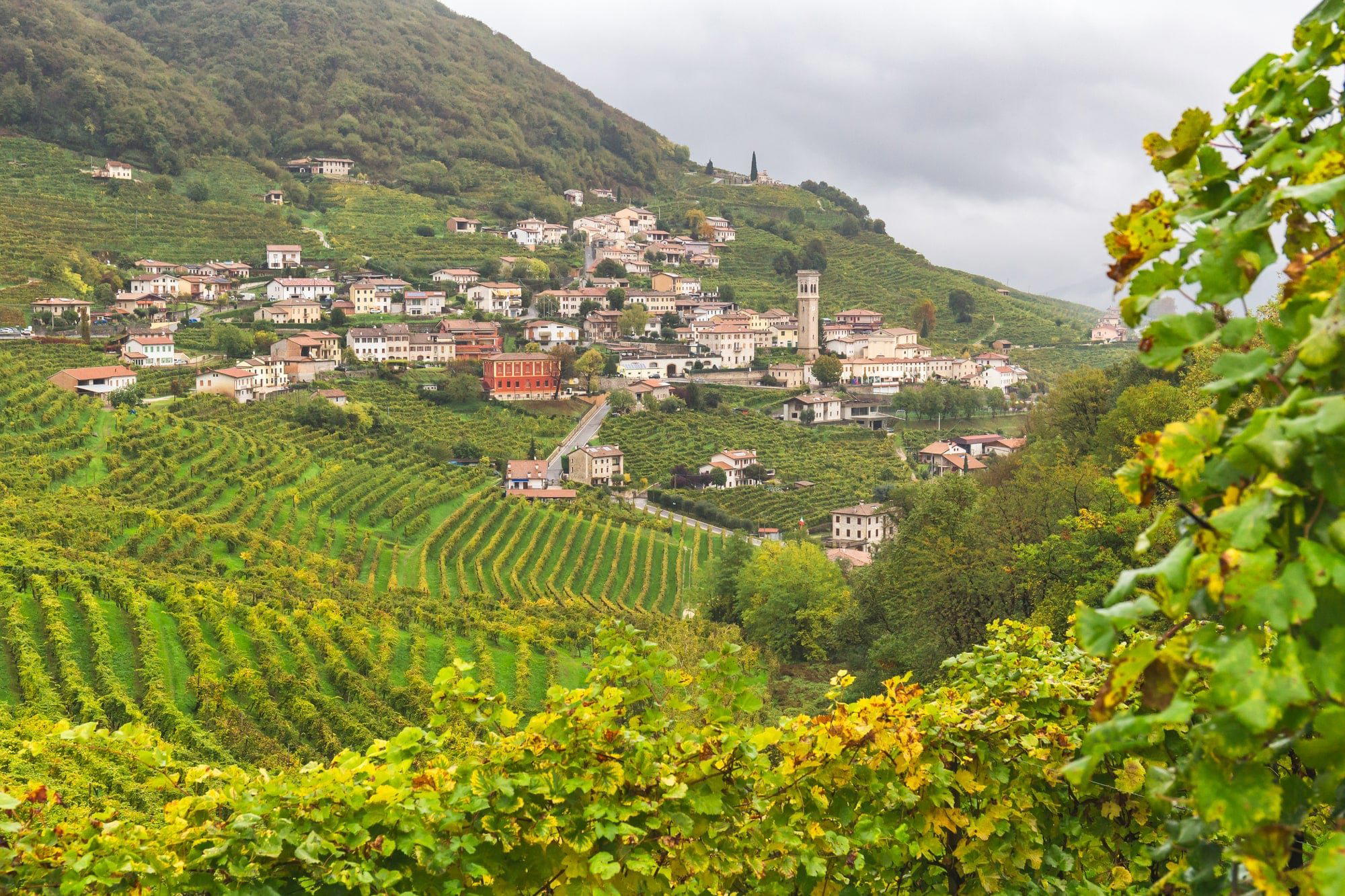
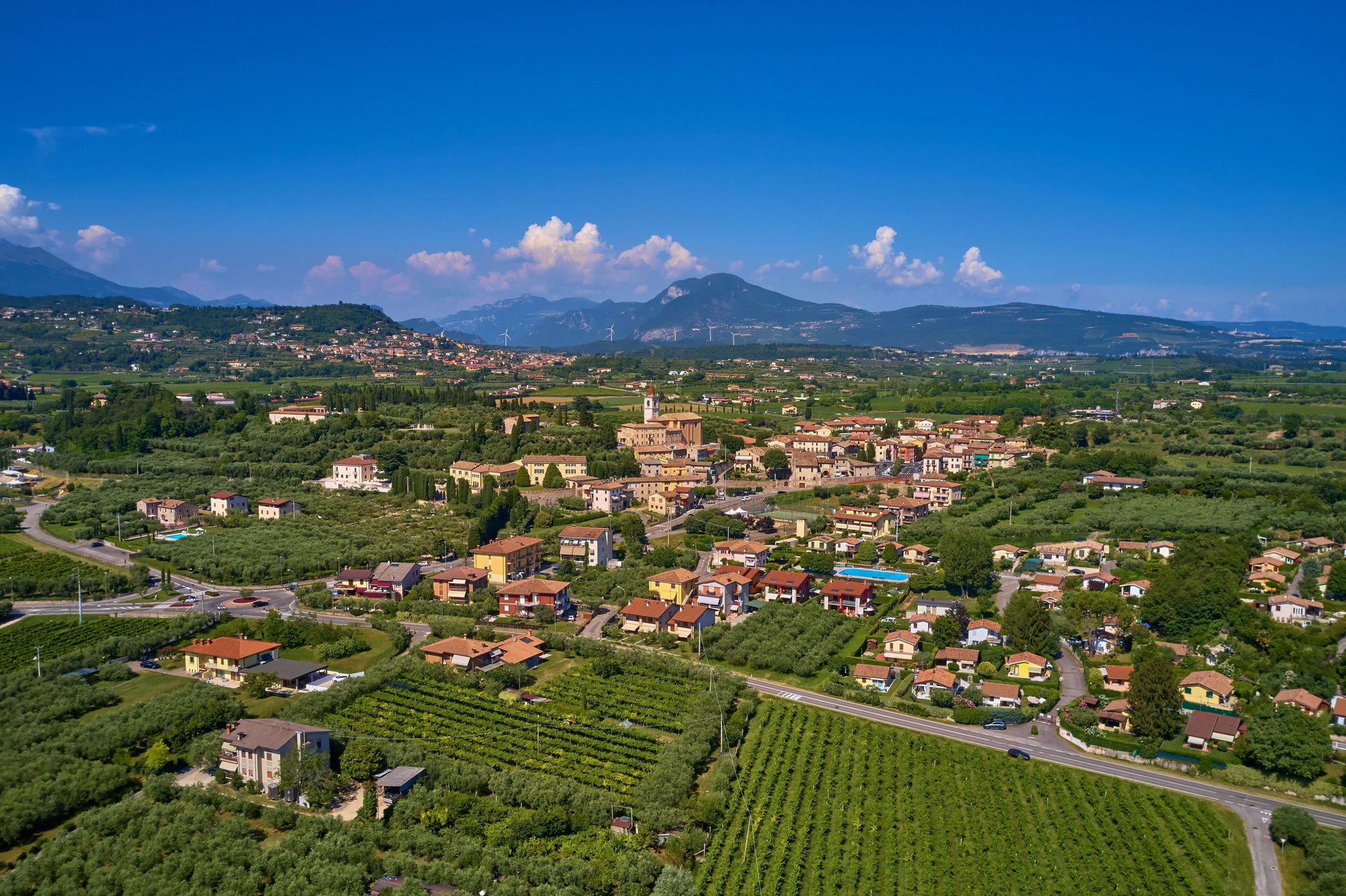
San Pietro In Cariano rewards slower wine planning because the appeal lies in contrast: villa estates, compact family cellars, historic producers and agricultural holdings sit close enough to build a focused day without turning it into a checklist. For broader local context, use Our full San Pietro In Cariano wineries guide, then compare nearby planning options such as Azienda Agricola Monte Faustino, Azienda Agricola Selùn, Begali Lorenzo, Bolla and Borghetti Giampiero.
The estate suits travelers who want Valpolicella explained through architecture and terrain rather than through a rapid tasting flight. On-site parking, outdoor seating, dog-friendly access and child-friendly positioning make it easier to fold into a countryside day, while tour languages include English, Italian, German and French. The tone is casual and the setting is quiet, so the better fit is a measured visit with time for the vineyard and villa rooms, not a rushed stop between appointments.
For trip structure beyond wine, San Pietro In Cariano works better when the categories are planned together: Our full San Pietro In Cariano restaurants guide, Our full San Pietro In Cariano hotels guide, Our full San Pietro In Cariano bars guide and Our full San Pietro In Cariano experiences guide help separate tasting time from meals, stays and cultural pacing. For a wider wine-travel map beyond Valpolicella, useful reference points include 3GP SRL in Treviso, 47 Anno Domini in Trebaseleghe, A Mano Wine in Noci, »der Steiner« Hans Steiner in Podersdorf am See and & Handwein in Mannheim.
Recognition history
Dated appearances from independent guides and award organizations, with the underlying list record or original source where available.
Falstaff Winery - Listed
Falstaff
Continue exploring
More in San Pietro In Cariano
Wineries in San Pietro In Cariano
Browse all →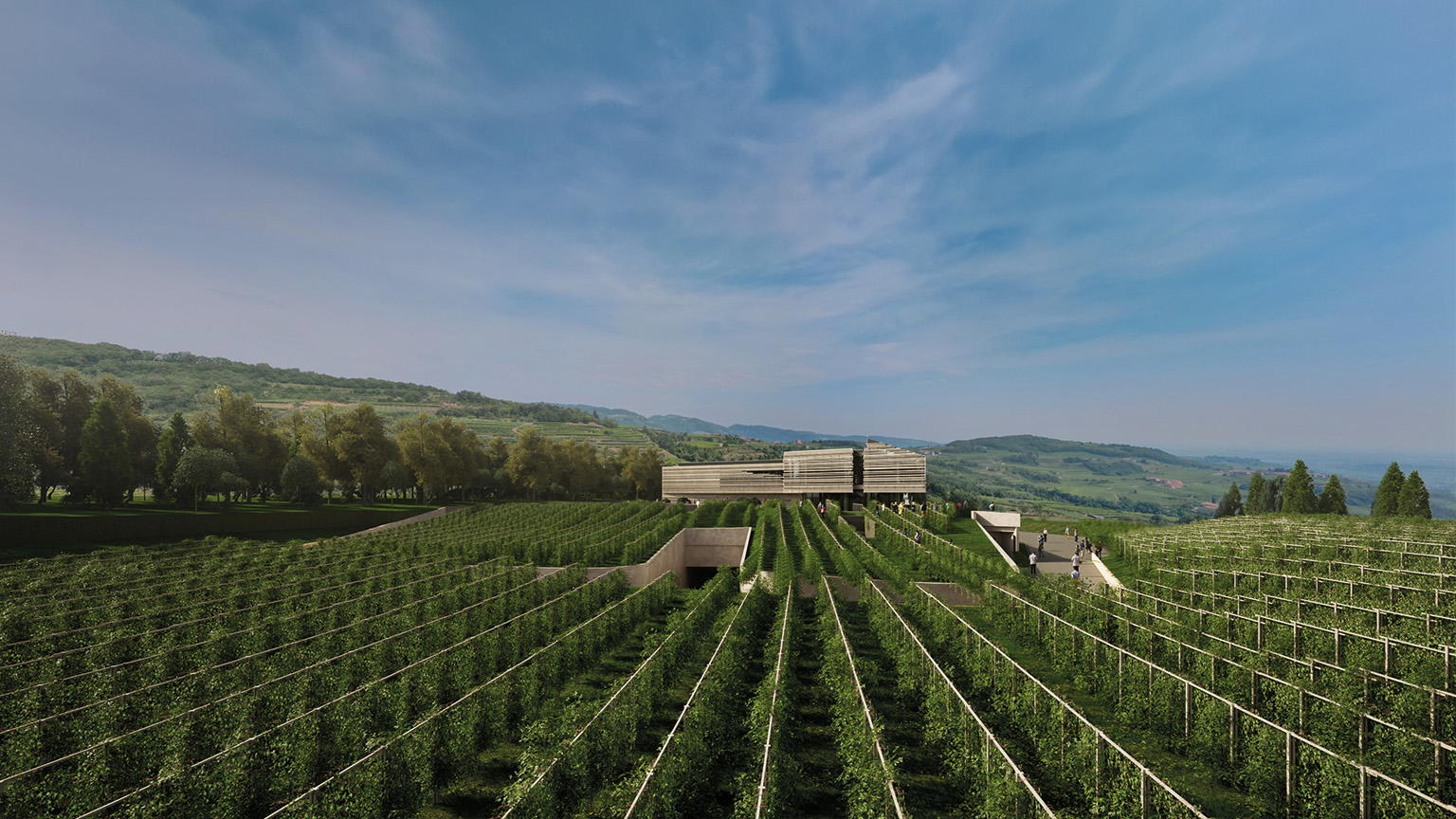

Bars in San Pietro In Cariano
Browse all →
Restaurants in San Pietro In Cariano
Browse all →
At a Glance
- Romantic
- Classic
- Scenic
- Elegant
- Intimate
- Romantic Getaway
- Group Outing
- Wine Education
- Special Occasion
- Family
- Corporate Event
- Vineyard Tour
- Estate Grounds
- Picnic Area
- Panoramic View
- Historic Building
- Private Tasting
- Sustainable
- Organic
- Vineyard
- Garden
- Mountain
- Valpolicella Classica
- Corvina
- Rondinella
- Molinara
- Still Red
- Dessert
- Seated Tasting
- Estate Tour + Tasting
- Picnic Experience
- Glass Only Tasting
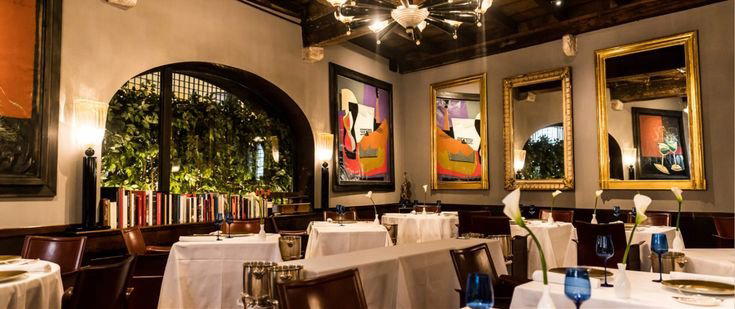
Historic Venetian villa atmosphere with restored Renaissance frescoes, poetic interiors and panoramic vineyard and valley views; quiet, scenic and elegant, with warmly hosted family-run tastings featuring local cold cuts and cheeses.