
Ouzo Mitsa Distillery in Arta, northwestern Greece, earned a Pearl 1 Star Prestige in 2025, placing it among a small tier of Greek spirits producers recognised for craft and regional character. Arta sits in Epirus, a region whose agricultural traditions run deep and whose anise-forward spirits culture predates modern Greek distilling by centuries. For visitors exploring Greek distilleries beyond the better-known Lesbos corridor, Mitsa represents a serious regional stop.
 Discover on Pearl
Pearl is the En Primeur Club membership app — saves, bookings, and concierge access live there. Same editors, same standards.
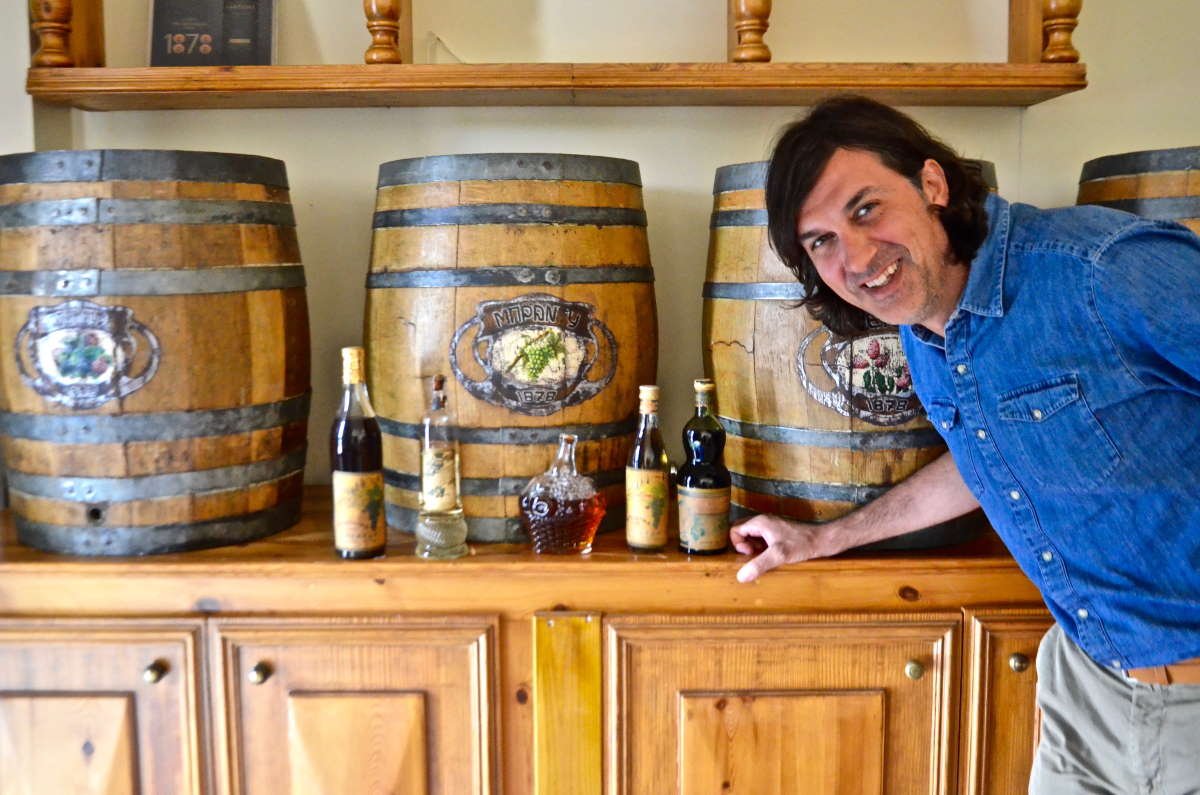
Epirus and the Spirit of Anise
Greece's ouzo geography is usually mapped around two poles: the island producers of Lesbos, where the designation carries PDO weight and the largest names in the category operate, and the mainland distilleries that have long supplied local markets with less export visibility. Arta, in the Epirus region of northwestern Greece, belongs to the second tradition. The town sits at the edge of the Ambracian Gulf, surrounded by agricultural land that has produced everything from citrus to livestock for generations. The 2025 Pearl 1 Star Prestige awarded to Ouzo Mitsa Distillery is a signal worth paying attention to.
That award places Mitsa inside a small cohort of Greek producers recognised at prestige level. For anyone following the broader movement in Greek distilling, a prestige-tier recognition in Arta reads as a meaningful data point. See our full Arta restaurants guide for broader context on where this distillery fits within the town's food and drink scene.
What Ouzo from Epirus Tastes Like
Ouzo, as a category, is defined by its anise character, but within that frame there is considerable range. The climate and water source at a given distillery shape the base spirit and the dilution profile. Epirus is a wetter, cooler region than the Aegean islands, with mountain water sources that differ substantially from the brackish island well water that feeds some Lesbos production. Water chemistry directly affects how anise oils louche when the spirit meets ice or water, and how the finish develops. Regional producers working with highland water sources tend to produce ouzo with a softer louche and longer aromatic persistence, though the specifics of Mitsa's production method are not available in the public record.
The Pearl 1 Star Prestige confirms that Mitsa's output has been assessed and found to perform at a level above standard regional production. In the Greek spirits recognition framework, that distinction matters more here than it would in a category with denser competition at the leading end. Comparing across the wider Greek spirits and wine landscape, producers like Apostolakis Distillery in Volos illustrate how smaller mainland operations build reputations beyond their immediate geography.
Arta as a Distillery Destination
Arta is worth a stop for visitors interested in its spirits culture. The town has stronger recognition for its Ottoman-era arched bridge and Byzantine churches than for distilling, and ouzo tourism infrastructure here is nothing like what exists in Plomari on Lesbos or in the organised distillery corridors of Crete. That absence cuts two ways. Visitors who come will not find polished tasting-room experiences calibrated for tour groups. What they are more likely to find is production-focused, less mediated access to the actual making process, which for a certain kind of traveller is exactly the point.
Arta's position within Epirus also gives it geographic logic as a stop on a broader northwestern Greece route. The region connects to Ioannina to the north, to the coast at Preveza, and through the mountains toward Metsovo. A spirits itinerary built around Greek regional producers, including visits to winery and distillery operations across different appellations, fits naturally into this kind of touring pattern. For context on how Greek producers build prestige reputations from regional bases, the operations at Alpha Estate in Amyntaio and Akrathos Newlands Winery in Panagia offer comparisons in how terroir-specific production earns recognition outside the main appellation corridors.
The Regional Spirits Context
Greece's distilling tradition extends well beyond ouzo into tsipouro, mastiha liqueur, and a range of regional grape-based spirits. Epirus has its own tsipouro tradition, and the distinction between an ouzo producer and a broader spirits house in this region is sometimes a matter of production emphasis rather than absolute specialisation. The distillery name signals ouzo as the primary identity.
For comparison across Greek spirits production, Achaia Clauss in Patras represents the older, larger-scale end of Greek alcoholic beverage heritage, while smaller operations like Abraam's Vineyards in Komninades and Acra Winery in Nemea show how credential-building has spread across different regions and categories. The pattern across all of these is the same: Greek producers below the export radar are earning formal recognition that repositions them relative to their better-known domestic and international peers. Aiolos Winery in Palaio Faliro, Anatolikos Vineyards in Xanthi, and Aoton Winery in Peania each illustrate this across the wine side of the same broader movement.
For visitors building a Greek spirits and wine itinerary that spans categories, the comparison set should also include Artemis Karamolegos Winery in Santorini, Artisans Vignerons de Naoussa in Stenimachos, and Avantis Estate in Chalkida, all of which demonstrate how Greek producers at different scales and in different regions have built recognition through consistent craft. Outside Greece entirely, the contrasting models of Aberlour in Aberlour and Accendo Cellars in St. Helena show how prestige-tier recognition operates in mature spirits and wine markets where the credentialing infrastructure is older and denser.
Planning a Visit
Direct contact through local Arta tourism offices or arrival in town with flexibility built into the itinerary is the practical approach. Greek regional distilleries at this production scale rarely operate on the kind of timed-visit model that wine tourism regions like Nemea or Santorini have developed. Visits are typically arranged informally, and the most reliable approach is to treat the distillery as a discovery stop within a wider Epirus itinerary rather than a headline destination requiring advance booking infrastructure.
Comparison Snapshot
Comparable venues nearby, for context on price, style, and recognition.
| Venue | Cuisine | Price | Awards | Notes |
|---|---|---|---|---|
| Ouzo Mitsa DistilleryThis venue — the venue you are viewing | Winery | , | 1 recognition | |
| Psychis Distillery | Chios PGI | , | 1 recognition | Ververato |
| Varsamis Distillery | Winery | , | 1 recognition | Tinos |
| Filippou Distillery | Winery | , | 1 recognition | Lesvos |
| Laoutari Distillery | Winery | , | 1 recognition | Thessaloniki |
| Chatzimichalis Distillery | Winery | , | 1 recognition | Kesariani |