Orin Swift Cellars

Falstaff Winery - Listed
St. Helena's Main Street and the Winery Corridor St. Helena's Main Street functions as one of California wine country's more concentrated tasting corridors, where producers ranging from historic family estates to newer high-allocation labels occupy storefronts within walking distance of each other. The address at 1321 Main Street places Orin Swift Cellars inside that corridor, which means visitors can combine it with neighbouring stops without the vineyard-to-vineyard driving that defines tasting days elsewhere in the valley. That urban proximity changes the rhythm of a visit: the focus shifts to what is poured and how it is presented rather than to scenic approach roads. For producers on this stretch, the tasting room becomes the primary argument, the bottle has to hold up to close, unhurried inspection. See our full St. Helena restaurants guide for broader context on the town's dining and tasting circuit. That band is commercially important. Comparable St. Helena producers at this level include Dana Estates and Chappellet Winery, both of which operate in adjacent prestige brackets. Charles Krug, one of the valley's oldest operations, occupies a different reference point, historical weight rather than modern allocation cachet, which helps define what makes the newer cohort of St. Helena producers distinct. Napa's Pearl-tier producers tend to attract visitors who have already covered the valley's more accessible introductory stops and are looking for greater specificity, whether in grape sourcing, cellar methodology, or blending philosophy. Accendo Cellars and Brand Napa Valley occupy similar positioning, where wine tourism becomes less about spectacle and more about the conversation at the counter. After Harvest: The Cellar Logic Behind Bold Red Programmes In Napa, the decisions that shape a wine's final character are made almost entirely after the fruit arrives at the winery. Barrel selection, aging duration, blending ratios, and the timing of bottling carry more weight in the finished wine than most visitors consider when they focus solely on vineyard appellations. This is especially true for producers working with blended red formats, where the winemaker's palette is the multiple-lot cellar rather than a single designated block. The broad model at houses like Orin Swift, where the wine programme has built a following around full-bodied, textured red blends, rests on decisions made during the élevage period. French oak selection affects whether a wine reads as plush or structured; the proportion of new oak in any given vintage shapes the wood-to-fruit balance that determines how early a wine shows well. Blending trials, typically run across weeks rather than days, determine the final assembly from multiple lots. In this kind of programme, the cellar team's palate governs the house style more directly than in single-varietal, single-vineyard formats where the wine is largely expressing one place's character. Visitors who understand this framing come away with a more useful read on what they are tasting and why the wines drink the way they do. Across California, producers working with Rhône varieties, Bordeaux blends, and proprietary red formats have explored different aging philosophies. Alban Vineyards in Arroyo Grande has built its reputation around Rhône-variety aging decisions on California's Central Coast. Adelaida Vineyards in Paso Robles and Andrew Murray Vineyards in Los Olivos represent different expressions of southern California's approach to the same grape families. The comparison is useful because it isolates how much regional cellar philosophy, Napa's preference for controlled extraction and extended barrel time versus coastal producers' tendency toward earlier release, shapes the style a consumer encounters. Napa Red Blends and the Allocation Question Among California's premium red blend producers, allocation structures vary considerably. Some houses build mailing lists that run years in advance and release wines only to subscribers. Others maintain tasting room access as the primary sales channel. The distinction matters for visitors planning a trip: a tasting room visit to an allocation-heavy house requires advance membership in a way that a Pearl-tier producer with broader retail presence does not. Alpha Omega Winery in Rutherford and Artesa Vineyards and Winery in Napa illustrate the range of tasting access models within the valley's mid-to-premium band. Alexander Valley Vineyards in Geyserville offers a Sonoma-side comparison for visitors wanting to calibrate Napa prices against a different appellation context. Oregon provides a further calibration point: Adelsheim Vineyard in Newberg demonstrates how the allocation and aging conversation looks in a Pinot Noir-dominant programme, where the cellar decisions are built around very different structural requirements. The contrast sharpens a Napa visitor's understanding of why Cabernet and blend-heavy houses use the barrel programmes they do. Planning a Visit to Orin Swift Cellars Orin Swift Cellars is located at 1321 Main St in St. Helena, accessible by car via Highway 29 or the Silverado Trail, with Main Street parking available along the corridor. For visitors building a day around the St. Helena tasting block, the town's walkable layout makes it practical to sequence multiple stops without moving a car between each one. For international comparison, and for visitors who approach wine tourism across categories rather than just by region, Aberlour in Aberlour and Achaia Clauss in Patras illustrate how different beverage traditions build prestige around aging and cellar craft, a useful frame for thinking about what Napa's premium tier is actually selling versus its global counterparts. Helena producers can change on short notice. Frequently Asked Questions What's the main draw of Orin Swift Cellars? Its Main Street address in one of Napa Valley's most concentrated tasting corridors makes it accessible as part of a structured tasting day, and the programme's focus on full-bodied red blends draws visitors specifically interested in how Napa's cellar philosophy shapes that style. What do visitors recommend trying at Orin Swift Cellars? Orin Swift has built its following around bold, textured red blends, a style shaped as much by barrel selection and blending decisions as by the appellation of origin. Wines from Napa Valley sources carry the regional weight you would expect from a Pearl-tier producer in St. Helena. Should I book Orin Swift Cellars in advance?

Pearl is the En Primeur Club membership app, where members save venues, book tables and use the concierge.
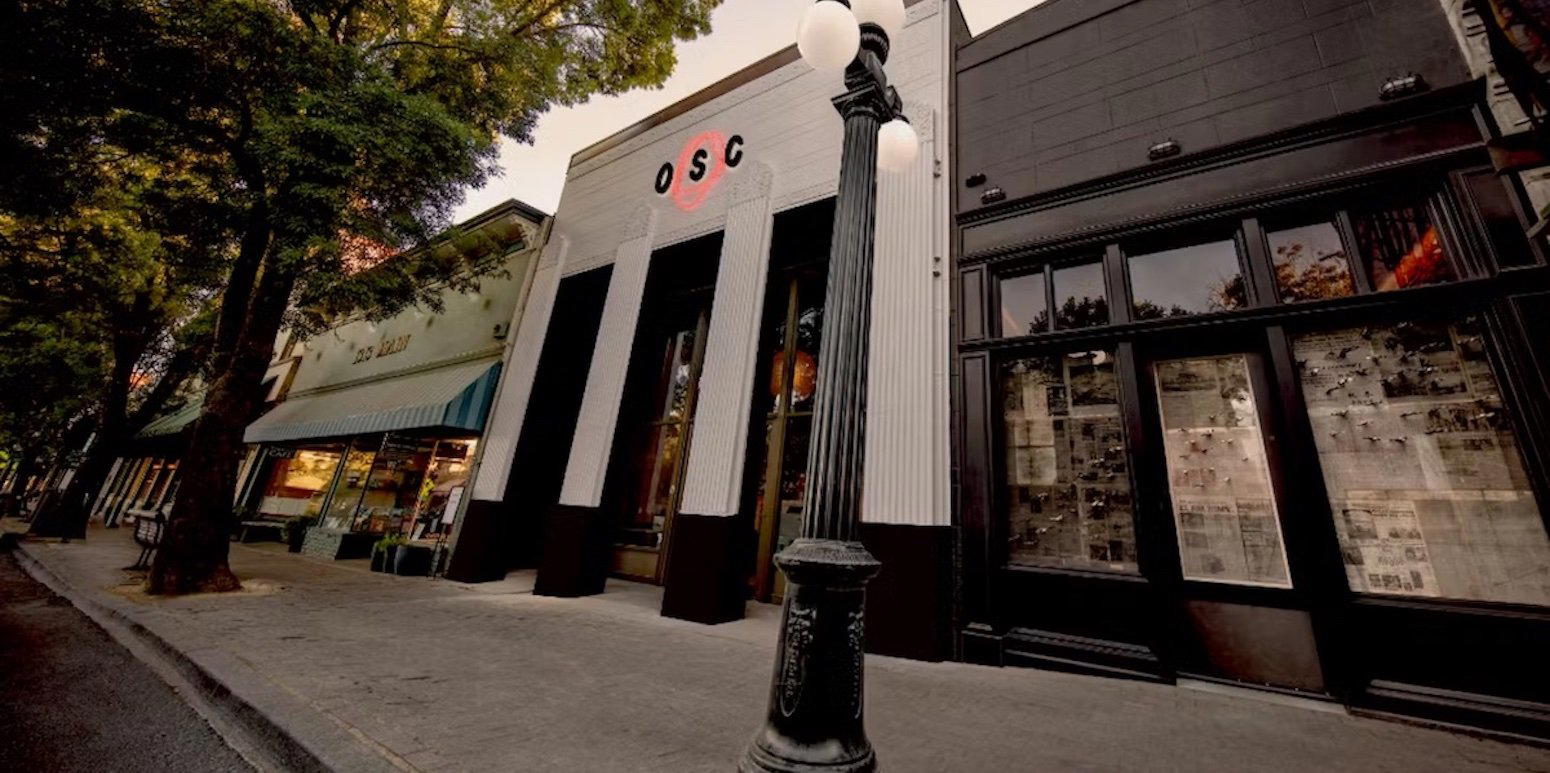
St. Helena's Main Street and the Winery Corridor
St. Helena's Main Street functions as one of California wine country's more concentrated tasting corridors, where producers ranging from historic family estates to newer high-allocation labels occupy storefronts within walking distance of each other. The address at 1321 Main Street places Orin Swift Cellars inside that corridor, which means visitors can combine it with neighbouring stops without the vineyard-to-vineyard driving that defines tasting days elsewhere in the valley. That urban proximity changes the rhythm of a visit: the focus shifts to what is poured and how it is presented rather than to scenic approach roads. For producers on this stretch, the tasting room becomes the primary argument, the bottle has to hold up to close, unhurried inspection. See our full St. Helena restaurants guide for broader context on the town's dining and tasting circuit.
That band is commercially important. Comparable St. Helena producers at this level include Dana Estates and Chappellet Winery, both of which operate in adjacent prestige brackets. Charles Krug, one of the valley's oldest operations, occupies a different reference point, historical weight rather than modern allocation cachet, which helps define what makes the newer cohort of St. Helena producers distinct.
Napa's Pearl-tier producers tend to attract visitors who have already covered the valley's more accessible introductory stops and are looking for greater specificity, whether in grape sourcing, cellar methodology, or blending philosophy. Accendo Cellars and Brand Napa Valley occupy similar positioning, where wine tourism becomes less about spectacle and more about the conversation at the counter.
After Harvest: The Cellar Logic Behind Bold Red Programmes
In Napa, the decisions that shape a wine's final character are made almost entirely after the fruit arrives at the winery. Barrel selection, aging duration, blending ratios, and the timing of bottling carry more weight in the finished wine than most visitors consider when they focus solely on vineyard appellations. This is especially true for producers working with blended red formats, where the winemaker's palette is the multiple-lot cellar rather than a single designated block.
The broad model at houses like Orin Swift, where the wine programme has built a following around full-bodied, textured red blends, rests on decisions made during the élevage period. French oak selection affects whether a wine reads as plush or structured; the proportion of new oak in any given vintage shapes the wood-to-fruit balance that determines how early a wine shows well. Blending trials, typically run across weeks rather than days, determine the final assembly from multiple lots. In this kind of programme, the cellar team's palate governs the house style more directly than in single-varietal, single-vineyard formats where the wine is largely expressing one place's character. Visitors who understand this framing come away with a more useful read on what they are tasting and why the wines drink the way they do.
Across California, producers working with Rhône varieties, Bordeaux blends, and proprietary red formats have explored different aging philosophies. Alban Vineyards in Arroyo Grande has built its reputation around Rhône-variety aging decisions on California's Central Coast. Adelaida Vineyards in Paso Robles and Andrew Murray Vineyards in Los Olivos represent different expressions of southern California's approach to the same grape families. The comparison is useful because it isolates how much regional cellar philosophy, Napa's preference for controlled extraction and extended barrel time versus coastal producers' tendency toward earlier release, shapes the style a consumer encounters.
Napa Red Blends and the Allocation Question
Among California's premium red blend producers, allocation structures vary considerably. Some houses build mailing lists that run years in advance and release wines only to subscribers. Others maintain tasting room access as the primary sales channel. The distinction matters for visitors planning a trip: a tasting room visit to an allocation-heavy house requires advance membership in a way that a Pearl-tier producer with broader retail presence does not. Alpha Omega Winery in Rutherford and Artesa Vineyards and Winery in Napa illustrate the range of tasting access models within the valley's mid-to-premium band. Alexander Valley Vineyards in Geyserville offers a Sonoma-side comparison for visitors wanting to calibrate Napa prices against a different appellation context.
Oregon provides a further calibration point: Adelsheim Vineyard in Newberg demonstrates how the allocation and aging conversation looks in a Pinot Noir-dominant programme, where the cellar decisions are built around very different structural requirements. The contrast sharpens a Napa visitor's understanding of why Cabernet and blend-heavy houses use the barrel programmes they do.
Planning a Visit to Orin Swift Cellars
Orin Swift Cellars is located at 1321 Main St in St. Helena, accessible by car via Highway 29 or the Silverado Trail, with Main Street parking available along the corridor. For visitors building a day around the St. Helena tasting block, the town's walkable layout makes it practical to sequence multiple stops without moving a car between each one.
For international comparison, and for visitors who approach wine tourism across categories rather than just by region, Aberlour in Aberlour and Achaia Clauss in Patras illustrate how different beverage traditions build prestige around aging and cellar craft, a useful frame for thinking about what Napa's premium tier is actually selling versus its global counterparts.
Helena producers can change on short notice.
Budget Reality Check
Comparable venues nearby, for context on price, style, and recognition.
| Venue | Price | Awards | Notes |
|---|---|---|---|
| Orin Swift CellarsThis venue (the venue you are viewing) | $30–50 | Falstaff Winery - Listed | Not listed |
| Beaucanon Estate | Not listed | Not listed | St. Helena, Cabernet Sauvignon, Cabernet Franc |
| Markham Vineyards | $20–30 | Not listed | St. Helena, Merlot, Cabernet Sauvignon |
| AXR Napa Valley | Not listed | Not listed | St. Helena, Cabernet Sauvignon, Chardonnay |
| Volker Eisele Family Estate | Not listed | Not listed | Chiles Valley, Cabernet Sauvignon, Cabernet Franc |
| Merryvale Vineyards | $50–100 | Falstaff Winery - Listed | St. Helena, Cabernet Sauvignon, Chardonnay |
Recognition history
Dated appearances from independent guides and award organizations, with the underlying list record or original source where available.
Falstaff Winery - Listed
Falstaff
Continue exploring
More in St. Helena
Wineries in St. Helena
All wineries in St. Helena →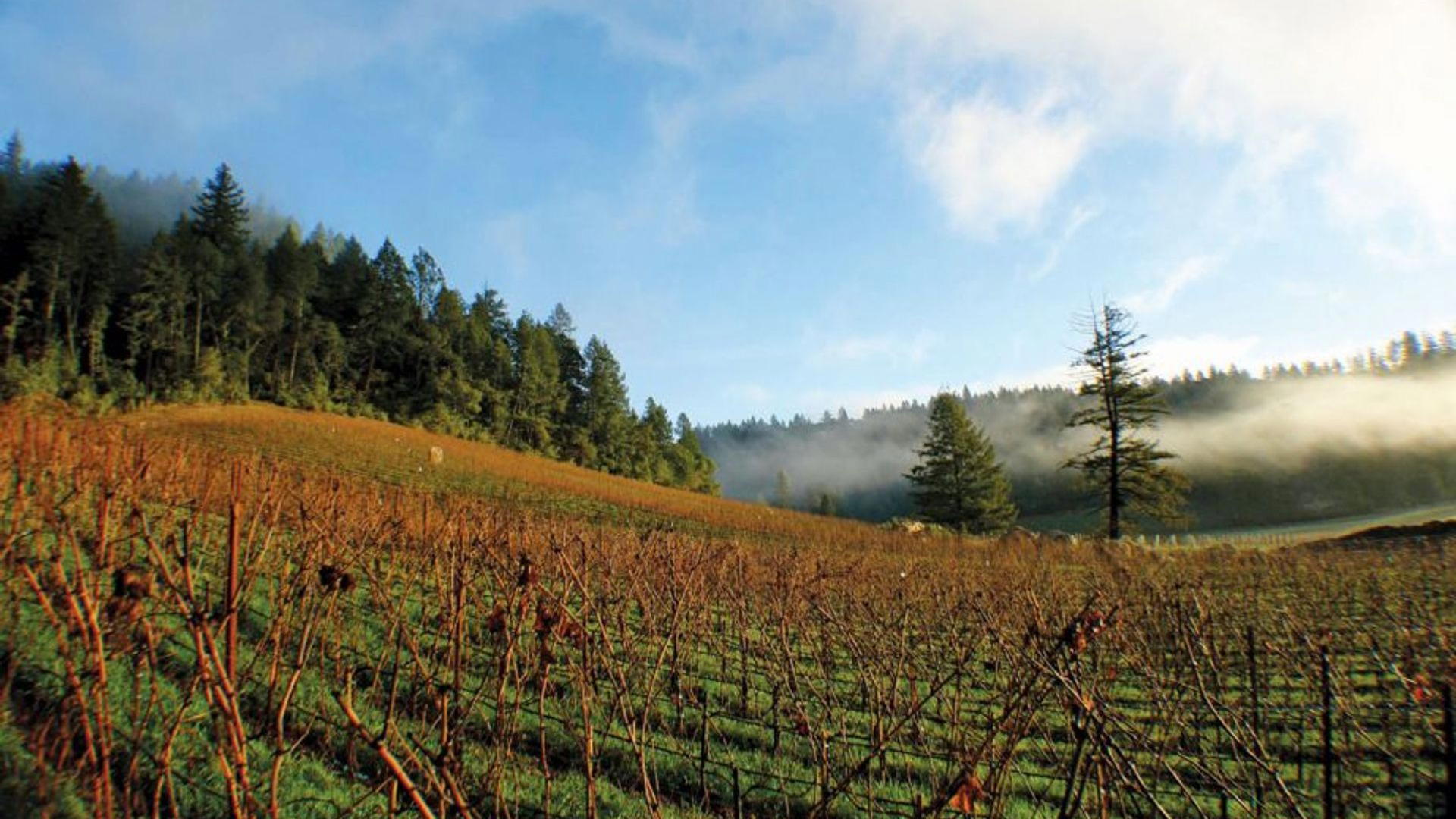
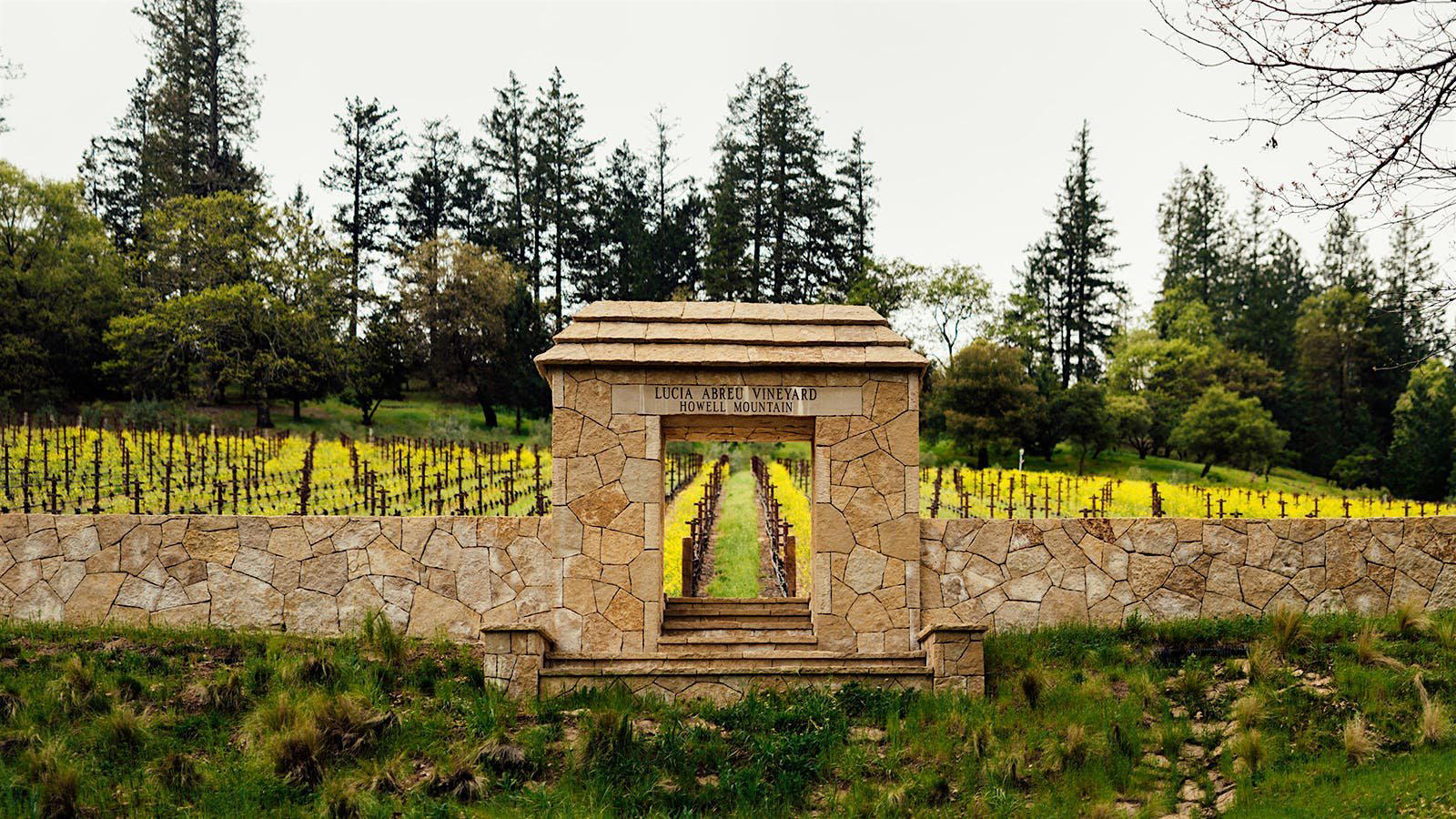
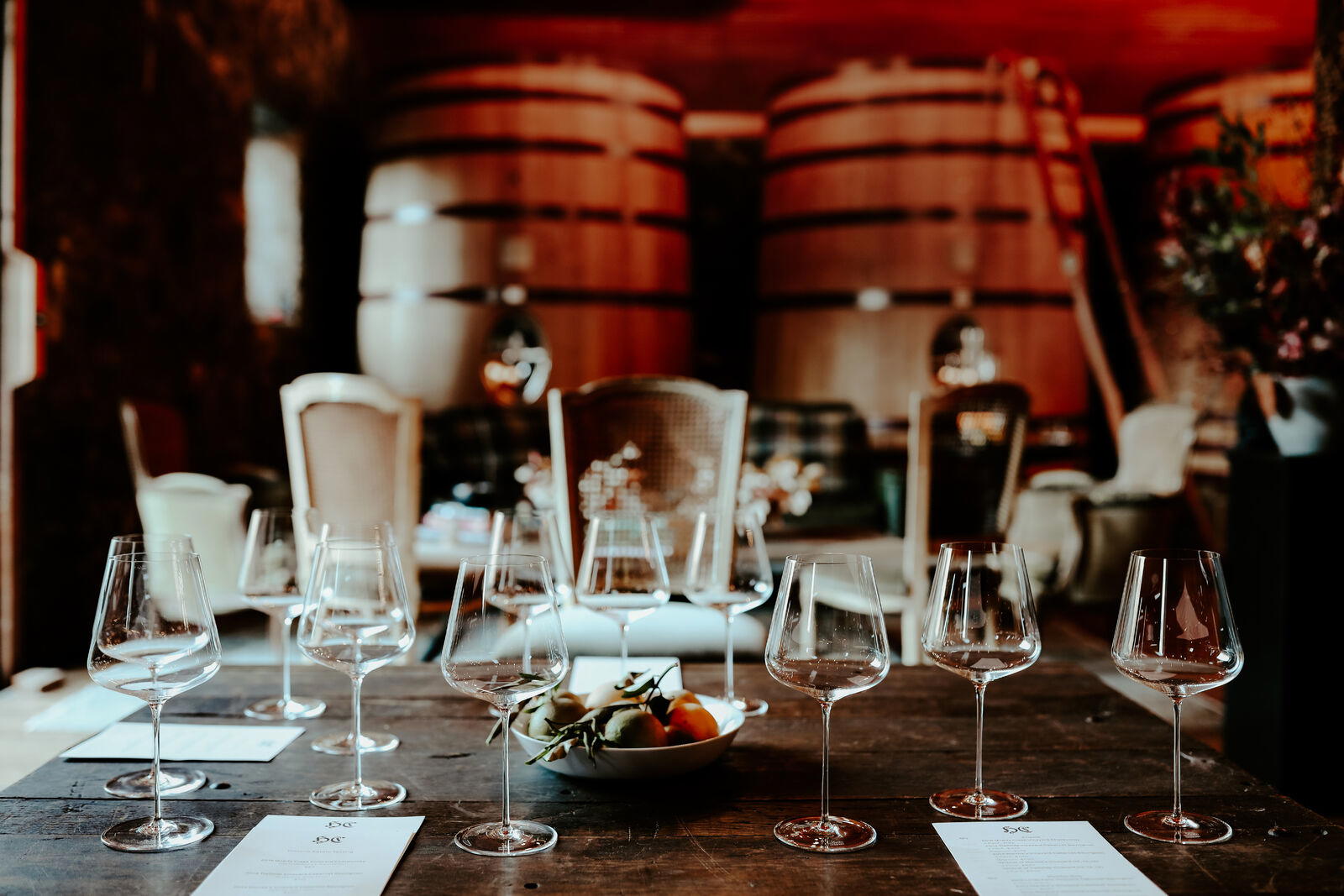
Bars in St. Helena
All bars in St. Helena →
Restaurants in St. Helena
All restaurants in St. Helena →
Details
- Modern
- Rustic
- Elegant
- Minimalist
- Wine Education
- Special Occasion
- Private Tasting
- Zinfandel
- Syrah
- Petite Sirah
- Cabernet Sauvignon
- Grenache
- Still Red
- Seated Tasting
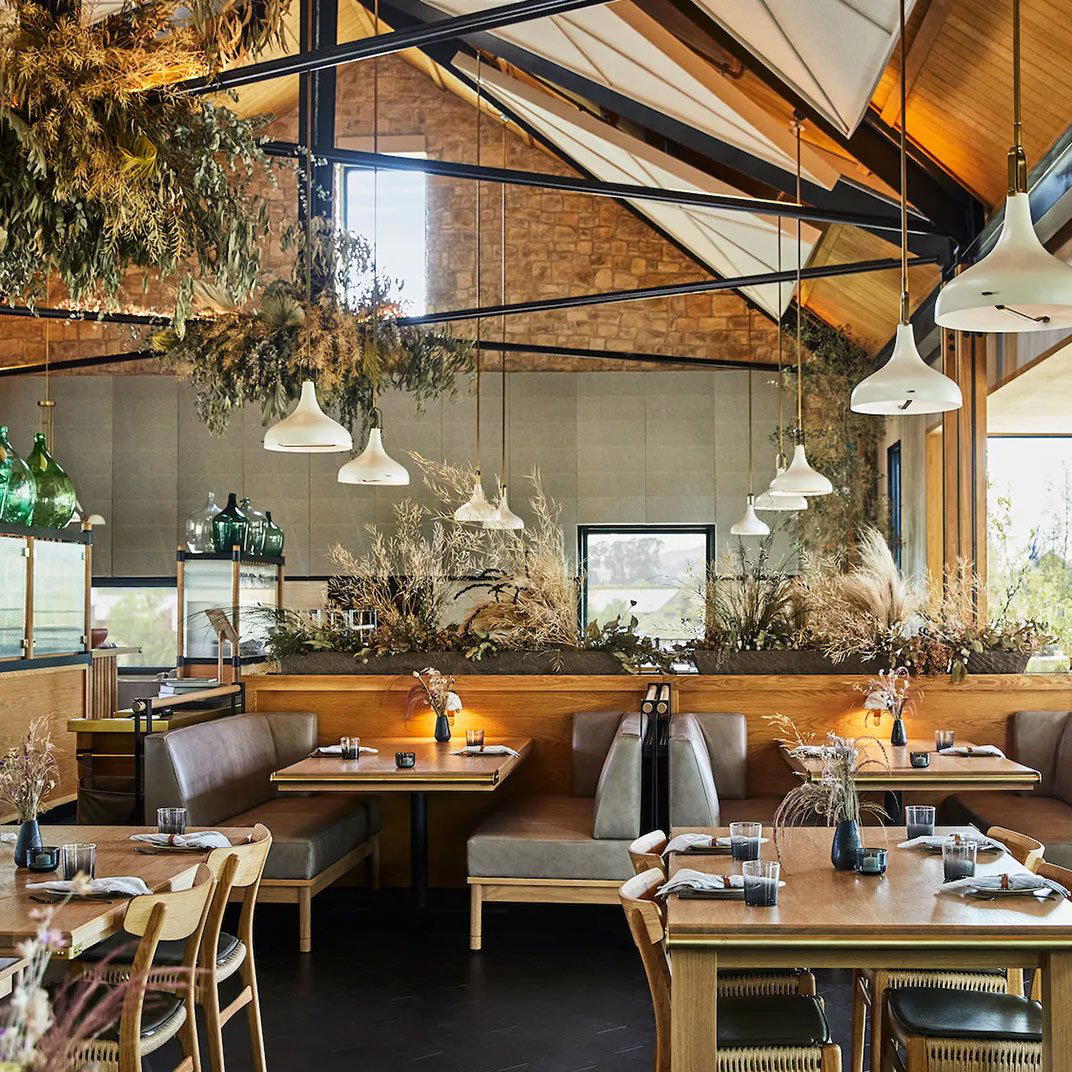
Minimalistic interior with bare walls, iron elements, and an elegant bar creating a simplistic, rustic vibe.