Opolo Vineyards
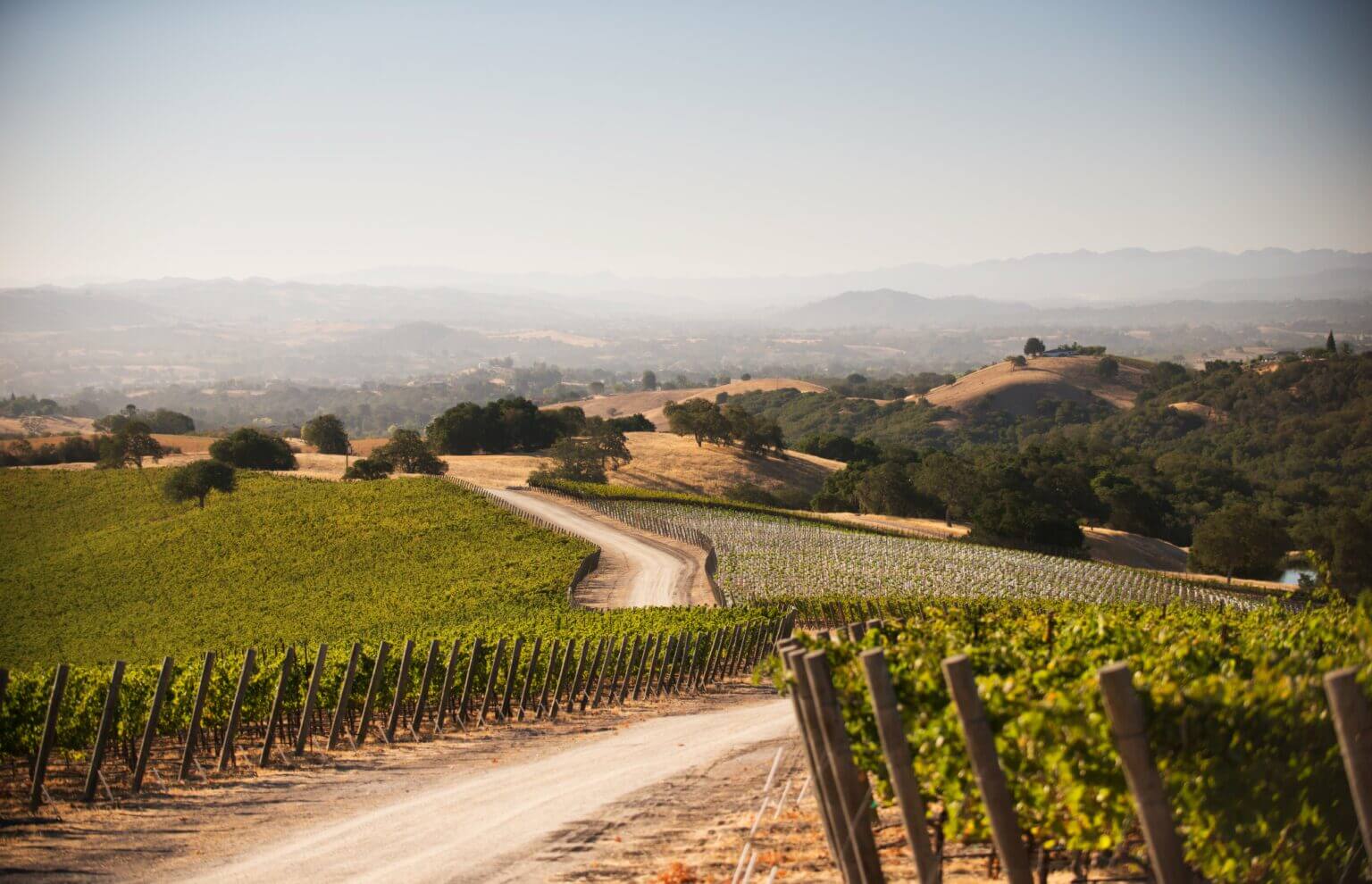
Opolo Vineyards sits on Vineyard Drive in Paso Robles's west side, where calcareous soils and a pronounced diurnal temperature swing define how grapes ripen.

Pearl is the En Primeur Club membership app — saves, bookings, and concierge access live there. Same editors, same standards.
- Address
- 7110 Vineyard Dr, Paso Robles, CA 93446
- Phone
- (805) 238-9593
- Website
- opolo.com
- Directions
- Get directions
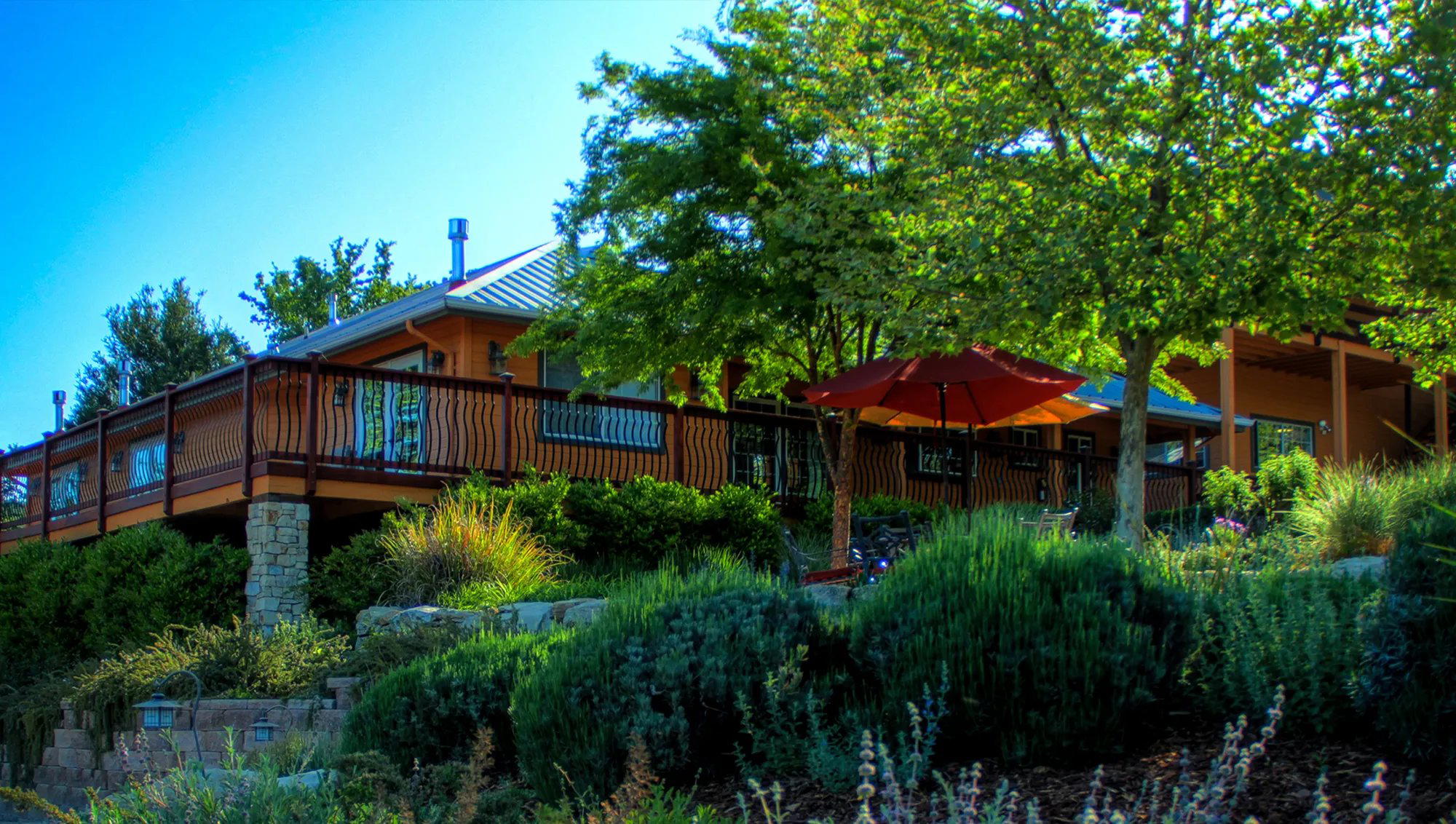
Vineyard Drive and What the Land Is Actually Saying
Paso Robles has spent the better part of two decades sorting itself out geographically, and the division that matters most sits along the Templeton Gap. On the west side, marine air funnels inland each afternoon through the Santa Lucia Range, dropping temperatures by as much as 50°F between the afternoon peak and pre-dawn lows. That diurnal swing is not incidental to what ends up in the bottle: it slows phenolic development, preserves natural acidity, and gives fruit time to accumulate complexity before sugar levels force an early harvest. Vineyard Drive, where Opolo Vineyards operates at 7110 Vineyard Drive, Paso Robles, CA 93446, runs through this cooler western corridor and has become one of the appellation's more recognised addresses for producers who take site expression as a serious editorial concern rather than a marketing footnote.
The soils along this stretch are predominantly calcareous — calcium-rich limestone and chalk-derived material that drains aggressively, stresses vine roots into deeper exploration, and contributes a mineral quality that distinguishes west-side Paso from the fruitier, warmer-climate profiles produced inland. It is the same geological logic that underpins the reputation of Adelaida Vineyards and Halter Ranch Vineyard, both operating nearby and frequently cited in discussions of how Paso's west side differs structurally from the broader appellation.
The prestige designation also functions as a guide to engagement. Producers at this level in Paso Robles typically run tasting experiences that go beyond a quick pour-and-pour format. The west-side appellation has developed a culture of deeper visitor engagement, partly because the wineries here are working with a more complex terroir story and partly because their customer base skews toward the wine-educated traveller who wants to understand what they are drinking, not simply enjoy it.
How West-Side Paso Fits the Broader California Conversation
California's premium wine geography has long been dominated by Napa's Cabernet narrative and Sonoma's Pinot and Chardonnay identity. Paso Robles occupies a different position: it is one of the state's most climatically diverse appellations, and its most ambitious producers have used that diversity to argue for recognition on their own terms rather than simply replicating Northern California's established frameworks. The Rhône varieties — Grenache, Syrah, Mourvèdre, that thrive on the west side give Paso a varietal angle that no other major California region owns as cleanly. That said, Bordeaux varieties also perform well in the western hills, and producers here increasingly work across both traditions.
Comparing Paso's west-side scene to other California regions is instructive. Alban Vineyards in Arroyo Grande made a related argument about Rhône varieties in the Central Coast decades earlier and is frequently cited as a precedent for the kind of varietal seriousness now associated with Paso's leading producers. Further north, Accendo Cellars in St. Helena and Alpha Omega Winery in Rutherford represent the Napa Cabernet tier that Paso producers are increasingly being measured against in blind tastings, with results that have surprised more than a few Northern California partisans.
Positioning Within the Paso Robles Producer Map
Paso Robles has somewhere north of 200 producers, which means the act of orientation matters before you plan a visit. The west side, broadly defined, is where the appellation's most terroir-focused conversation happens. Within that zone, producers occupy different niches: some are production-scale operations with wide distribution; others are small-lot houses that sell primarily through allocation and tasting room. Opolo's Vineyard Drive address places it in the heart of the west-side corridor, physically adjacent to the kind of producers that shape the region's premium identity.
Bianchi Winery represents a different point on the Paso spectrum, with production that covers more of the appellation's geographic range. Andrew Murray Vineyards in Los Olivos offers a useful reference from further south along the Central Coast, where the Rhône tradition has been cultivated with similar seriousness. The broader California comparison set extends to Alexander Valley Vineyards in Geyserville and Artesa Vineyards and Winery in Napa, both of which operate at a scale and recognition level that Paso's rising tier is beginning to parallel. For context on what serious Old World-influenced production looks like at the other end of the wine world, Adelsheim Vineyard in Newberg, Aberlour in Aberlour, and Achaia Clauss in Patras each illustrate how place-rooted production builds long-term identity across very different wine cultures.
Planning a Visit
Vineyard Drive is most accessible by car, which is standard for the west-side Paso corridor. The road connects naturally with a half-day circuit of the area's producers, and most visitors plan their west-side tastings as a consecutive route rather than isolated stops. Paso Robles itself is approximately 200 miles south of San Francisco and 230 miles north of Los Angeles via US-101, making it a workable weekend destination from either city without requiring air travel. Spring and autumn are the most comfortable seasons for vineyard visits: summers in Paso can be hot even on the west side, though the afternoon marine influence moderates conditions considerably compared with the appellation's eastern reaches. Harvest, which typically runs September through October in this region, is the period when the vineyards are most actively in use and when the winemaking process is most visually evident to visitors. For a fuller picture of what Paso Robles offers across dining, drinking, and accommodation, the full Paso Robles guide covers the region's broader hospitality character.
Standing Among Peers
Comparable venues nearby, for context on price, style, and recognition.
| Venue | Cuisine | Price | Notes |
|---|---|---|---|
| Opolo VineyardsThis venue — the venue you are viewing | Zinfandel, Cabernet Sauvignon | $30–50 | Not listed |
| Niner Wine Estates | Willow Creek District AVA | $30–50 | Willow Creek District |
| Le Cuvier Winery | Zinfandel | $30–50 | Adelaida District |
| Croad Vineyards | Zinfandel, Cabernet Sauvignon | $20–30 | Willow Creek District |
| Brecon Estate | Cabernet Sauvignon, Cabernet Franc | Not listed | Adelaida District |
| TOP Winery | Syrah, Grenache | Not listed | Paso Robles |
Continue exploring
More in Paso Robles
Wineries in Paso Robles
Browse all →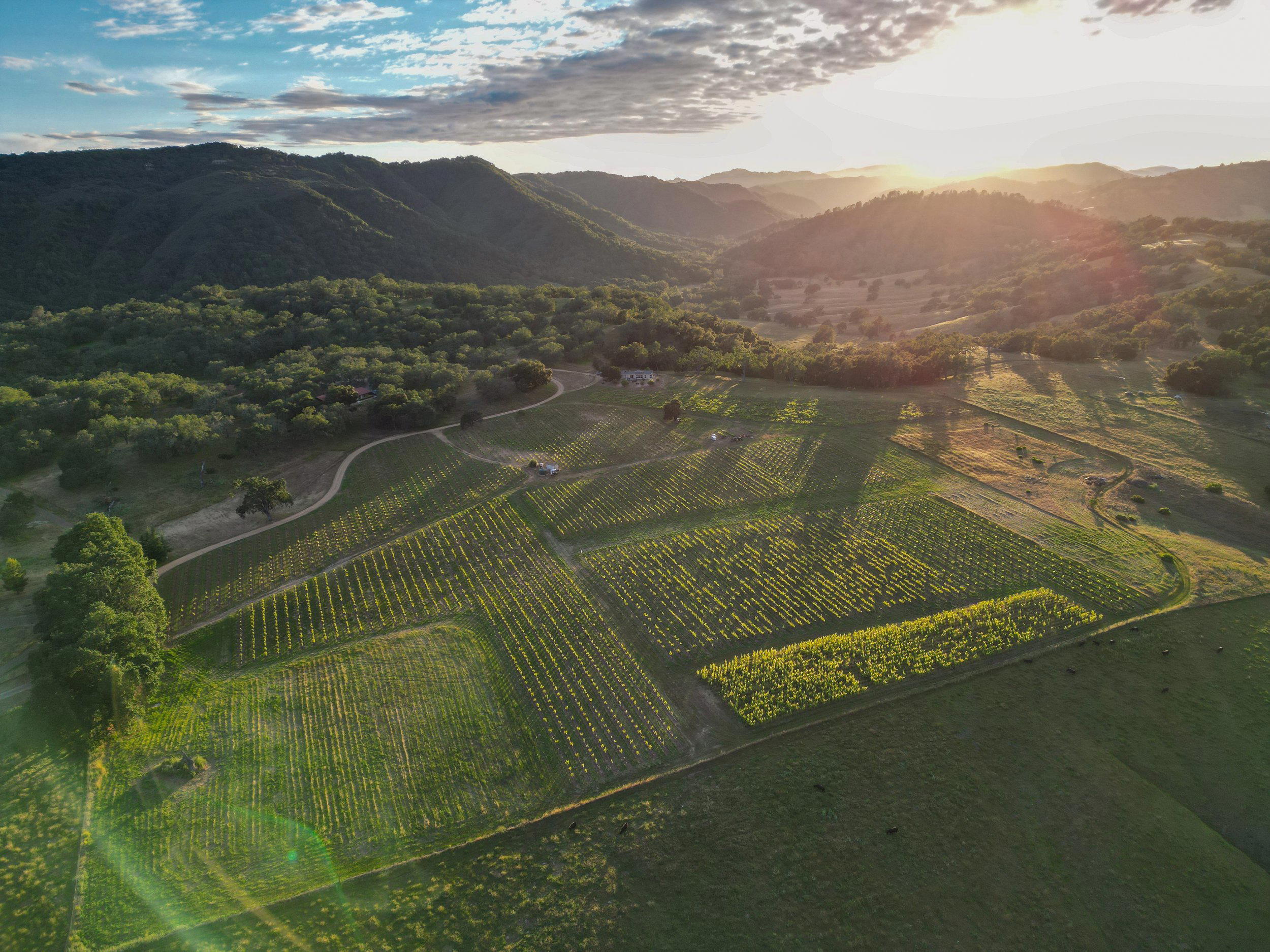
Bars in Paso Robles
Browse all →
Restaurants in Paso Robles
Browse all →
Details
- Scenic
- Rustic
- Lively
- Group Outing
- Wine Education
- Celebration
- Vineyard Tour
- Estate Grounds
- Terrace
- Panoramic View
- Sustainable
- Vineyard
- Mountain
- Zinfandel
- Cabernet Sauvignon
- Chardonnay
- Albariño
- Syrah
- Malbec
- Still Red
- Still White
- Sparkling
- Flight
- Cheese Pairings
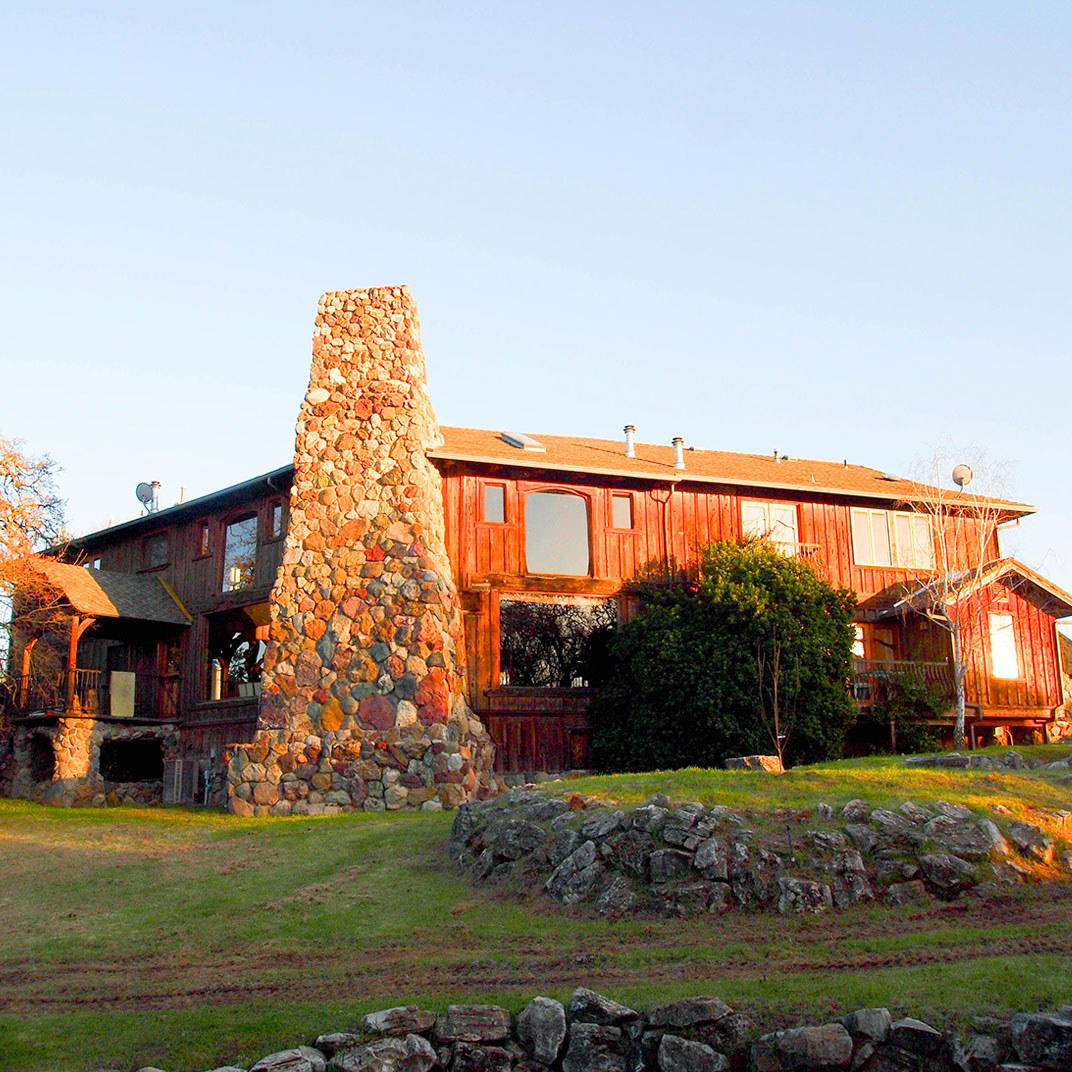
Relaxed patio seating with vineyard views, lively yet pleasant atmosphere during tastings and lunch.