TOP Winery
Based on Tuley Road in the heart of the appellation, the winery sits within a regional scene that has shifted decisively toward structured, food-compatible wines — making it a practical stop for visitors interested in pairing-focused tastings alongside the appellation's broader offerings.

Pearl is the En Primeur Club membership app — saves, bookings, and concierge access live there. Same editors, same standards.
- Address
- 2323 Tuley Rd #110, Paso Robles, CA 93446
- Phone
- (805) 975-9704
- Website
- topwinery.com
- Directions
- Get directions
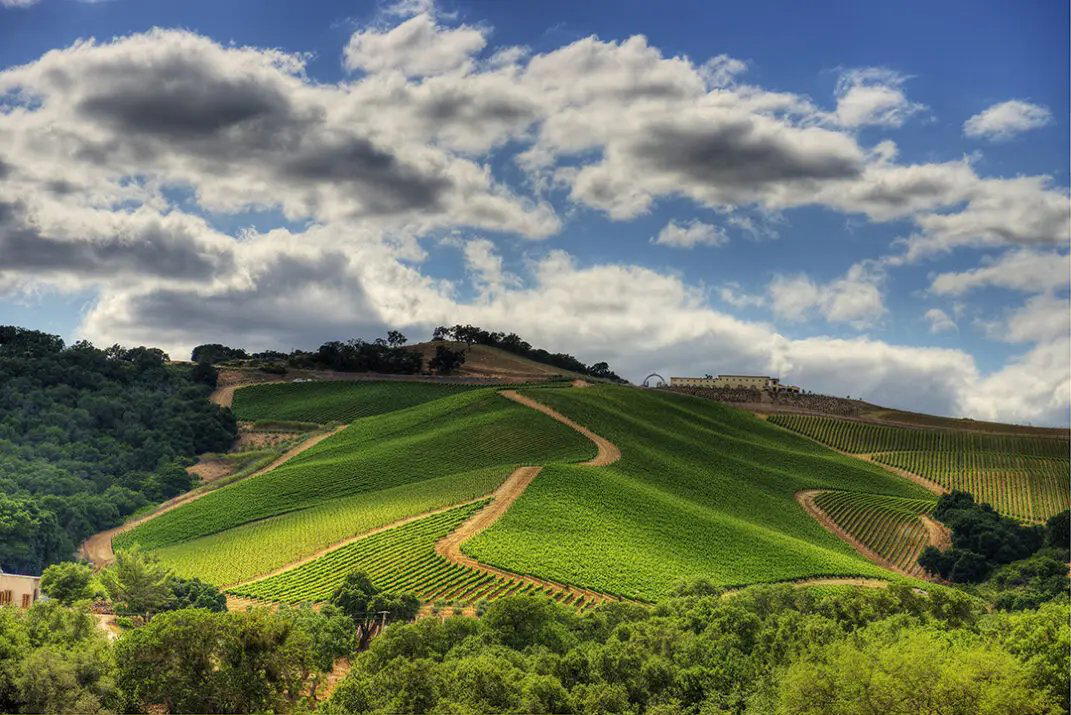
The Paso Robles appellation has spent the last decade sorting itself into tiers. At the entry level, large-volume producers work the Central Coast's warm afternoons and loose regulatory framework. A step above that, a cluster of mid-scale wineries has built reputations around single-vineyard sourcing and restrained extraction. And at the top of that pyramid, a smaller group has begun collecting external recognition serious enough to reposition Paso in conversations traditionally dominated by Napa and Sonoma.
That rating matters because of what it implies about consistency and programme depth. Prestige-tier recognition in any wine region is a signal about the producer's ability to maintain quality across vintages, not just to deliver a single impressive bottling in a favourable year. For visitors planning a Paso itinerary, understanding where a producer sits in that recognition hierarchy is more useful than reading tasting-room marketing copy. LEADING Winery's 2025 standing gives it a clear position in the Tuley Road corridor alongside other producers who have sought external validation rather than relying solely on appellation cachet.
The Paso Robles Context: Why This Appellation Rewards Closer Attention
Paso Robles covers roughly 614,000 acres across eleven recognised sub-appellations, with the Willow Creek District and the Adelaida District on the west side drawing the most critical attention for their calcareous soils and significant diurnal temperature swings. The east side, where limestone gives way to sandy loam and alluvial deposits, tends to produce rounder, more immediately accessible wines. Both sides have advocates, and the debate between them has sharpened Paso's overall identity as a region willing to argue about terroir in ways it was not doing fifteen years ago.
What that means for visitors is that a well-planned Paso tasting route functions very differently from a Napa valley floor crawl. The distances are greater, the styles more varied, and the tier separation between producers more pronounced. Wineries earning prestige-level recognition tend to offer more structured tasting formats, whether that means vertical flights, food pairing components, or appointment-only experiences that slow the pace and allow more considered engagement with the wines. That format shift is itself a marker of where the appellation is heading.
For regional comparison, Adelaida Vineyards and Halter Ranch Vineyard operate on Paso's west side with established reputations built on that calcareous terroir. DAOU Vineyards has pursued a more high-profile national positioning. Herman Story Wines sits in a different register entirely, with a cult-leaning allocation model.
Food Pairing and the Hospitality Programme
Across the prestige tier of the Paso Robles scene, the most meaningful shift in recent years has been toward structured hospitality: wineries moving away from pour-and-move formats and toward experiences where food plays a deliberate role in how the wines are presented. This is not a trend exclusive to Paso. Across California's coastal appellations, producers who have invested in recognition and allocation-model positioning have found that food pairing components lengthen visits, deepen engagement with the wine programme, and justify the appointment model that keeps tasting room numbers manageable.
LEADING Winery's Tuley Road address places it within the broader network of producers developing this kind of hospitality format. While the specific details of the pairing programme are best confirmed directly with the winery before visiting, the prestige recognition the producer has earned in 2025 is consistent with the kind of structured, detail-oriented tasting experience that has become the operational norm at this tier. Producers who earn external ratings of this kind are, in general, running experiences designed for visitors who have done some homework — who know the region, have tasted elsewhere in the appellation, and are looking for something more considered than a casual walk-in flight.
That visitor profile is worth holding in mind when building a Paso itinerary. The appellation's most recognised producers are not competing for the same casual wine-tourism traffic as the barrel-hall tasting rooms along Highway 46. They are building programmes for a narrower, more engaged audience. Bianchi Winery represents a different point on that hospitality spectrum, as does the more food-integrated programming at other west-side estates. Understanding where each producer sits on that spectrum is the practical work of planning a Paso visit worth the drive.
Placing LEADING Winery in a Wider California Context
Paso Robles exists in a California wine hierarchy where Napa sets the price ceiling and Sonoma anchors critical respect for restrained Pinot and Chardonnay. Central Coast producers have spent years establishing a third lane: wines with structural seriousness that price below Napa benchmarks while offering terroir complexity that the valley floor cannot. Prestige-rated producers in Paso operate in that lane deliberately, positioning against peers like Alban Vineyards in Arroyo Grande or Andrew Murray Vineyards in Los Olivos rather than against Napa flagships.
Further up the California premium hierarchy, producers like Accendo Cellars in St. Helena, Alpha Omega Winery in Rutherford, and Artesa Vineyards and Winery in Napa occupy the established Napa tier. Oregon contributes its own prestige benchmark through producers like Adelsheim Vineyard in Newberg. Alexander Valley Vineyards in Geyserville operates within Sonoma's established reputation framework.
For context beyond the West Coast, reference points like Aberlour in Aberlour and Achaia Clauss in Patras illustrate how prestige recognition operates across very different production traditions. The logic of external validation as a signal of programme depth holds whether the category is Scotch whisky, Greek heritage wine, or California appellation bottlings.
Planning Your Visit
Paso Robles' prestige-tier producers generally reward visitors who arrive with a plan. The Tuley Road area sits in the appellation's more concentrated wine corridor, making it logical to combine a visit to LEADING Winery with other producers in the same zone rather than treating it as a single-stop destination. Given the 2025 prestige recognition, visitor demand at this level typically runs ahead of walk-in availability, particularly through the spring and harvest-season months (April through November). Confirming an appointment before arriving is the practical approach.
For a fuller picture of what the appellation currently offers, the EP Club Paso Robles guide maps the region's producers across tiers, neighbourhoods, and styles.
Know Before You Go
- Address: 2323 Tuley Rd #110, Paso Robles, CA 93446
- Leading timing: Spring and early autumn offer the most moderate temperatures for a Tuley Road visit; harvest season (September to November) brings the most activity but also the heaviest demand
- Pairing context: Visitors planning a food-pairing visit should confirm programme details in advance, as structured pairing formats at this tier often require prior arrangement
Comparison Snapshot
Comparable venues nearby, for context on price, style, and recognition.
| Venue | Cuisine | Price | Notes |
|---|---|---|---|
| TOP WineryThis venue — the venue you are viewing | Syrah, Grenache | Not listed | Not listed |
| Asuncion Ridge Vineyards | Pinot Noir, Chardonnay | $20–30 | Paso Robles |
| Sixmilebridge Vineyards | Cabernet Sauvignon, Merlot | Not listed | Adelaida District |
| Halter Ranch Vineyard | Cabernet Sauvignon, Syrah | $50–100 | Adelaida District |
| Le Cuvier Winery | Zinfandel | $30–50 | Adelaida District |
| Cypher Winery | Zinfandel, Cabernet Sauvignon | $20–30 | Downtown Paso Robles |
Continue exploring
More in Paso Robles
Wineries in Paso Robles
Browse all →
Bars in Paso Robles
Browse all →
Restaurants in Paso Robles
Browse all →
Details
- Sophisticated
- Rustic
- Wine Education
- Solo Exploration
- Vineyard Tour
- Vineyard
- Syrah
- Grenache
- Mourvedre
- Graciano
- Roussanne
- Still Red
- Private Tasting
- English
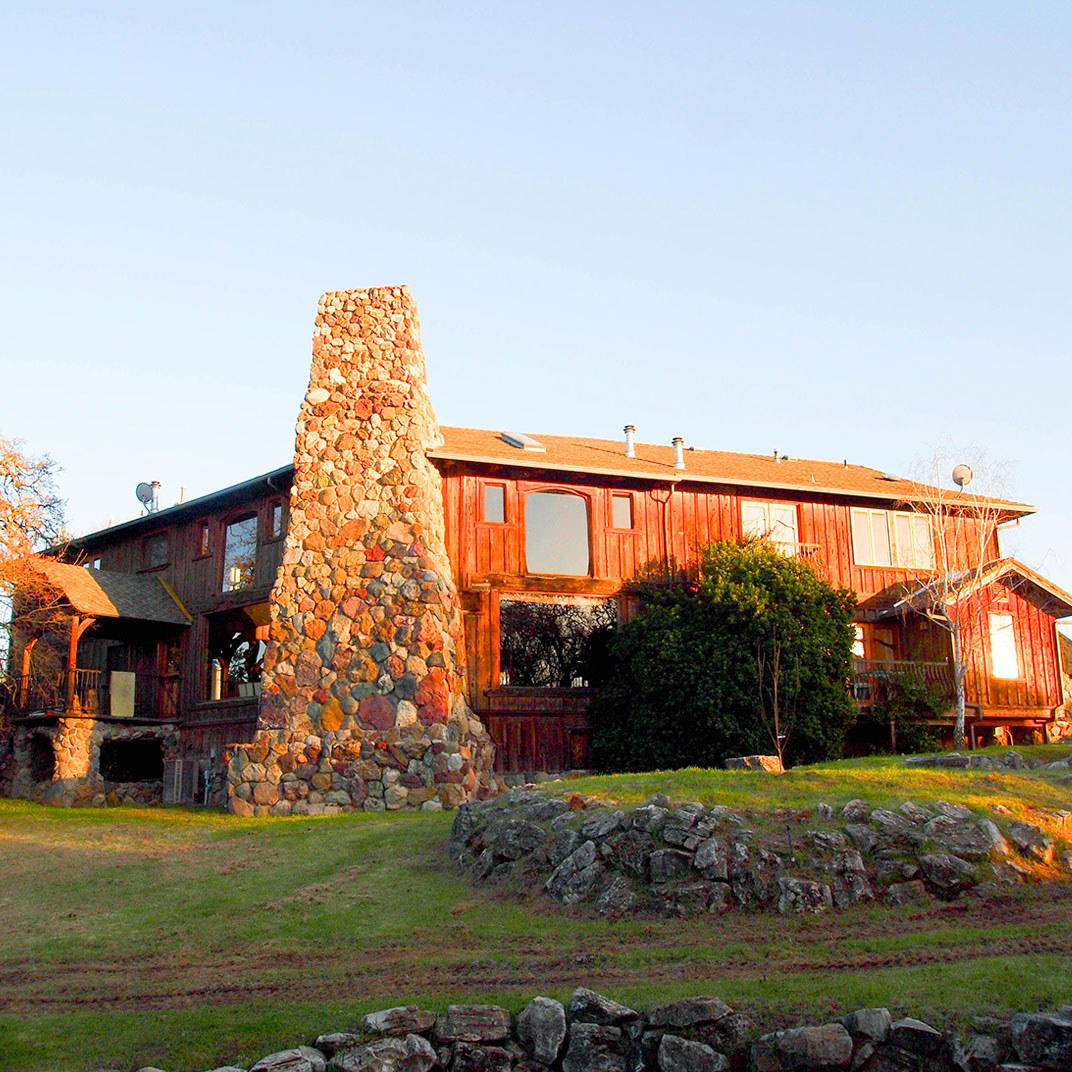
Sophisticated winery atmosphere centered on Rhône wine tasting.