Neese Vineyards
Neese Vineyards operates out of Redwood Valley, one of Mendocino County's most elevation-diverse and underappreciated growing areas, where coastal fog and afternoon heat produce wines with structural depth uncommon at this price tier. It sits at 550 Nelson Ranch Rd, Ukiah, CA 95482.

Pearl is the En Primeur Club membership app — saves, bookings, and concierge access live there. Same editors, same standards.
- Address
- 550 Nelson Ranch Rd, Ukiah, CA 95482
- Phone
- (707) 485-8458
- Directions
- Get directions
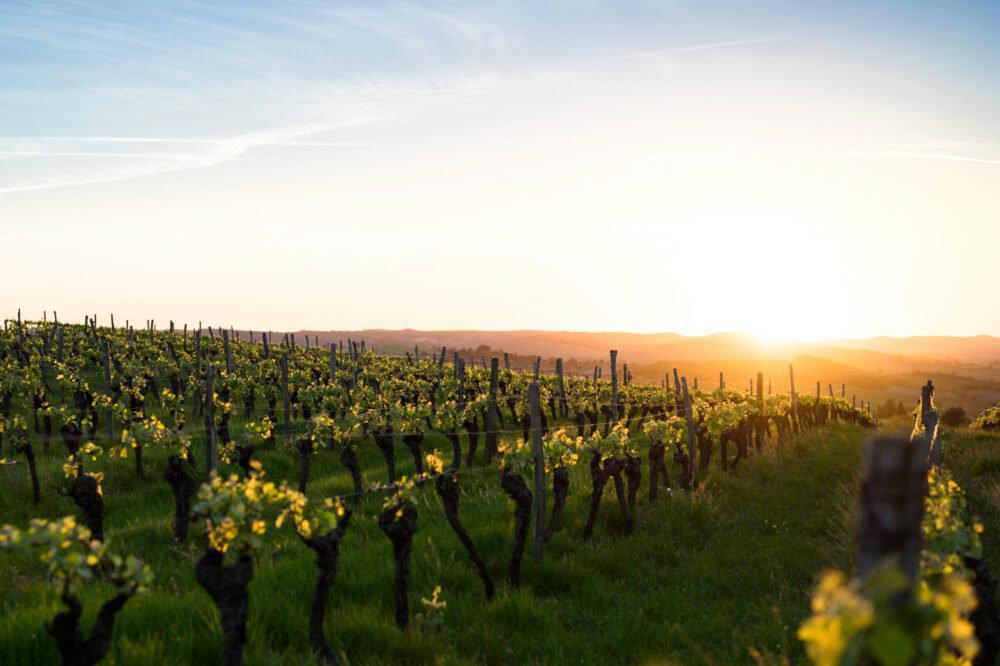
Redwood Valley and the Case for Mendocino's Northern Tier
Mendocino County's wine identity has long been defined by its southern appellations, but Redwood Valley, sitting roughly ten miles north of Ukiah at elevations that shift considerably across short distances, has been building a quieter case for serious viticulture over several decades. The valley floor here runs warmer than the Anderson Valley to the south, with afternoon temperatures that drive phenolic ripeness, while morning fog drawn inland from the Pacific keeps acids in check. That combination, warm days and cool nights compressed by elevation change, is the structural argument for why Redwood Valley produces wines that often punch above the recognition they receive.
The broader Redwood Valley appellation was granted its own AVA designation in 1996, separating it from the larger Mendocino AVA and acknowledging that its climate and soils have a distinct character. Rocky, well-drained loam soils over decomposed sandstone and schist encourage deep root systems and low yields, two conditions that tend to concentrate flavor without requiring interventionist winemaking. Producers working here have long understood that the valley rewards patience in the vineyard more than manipulation in the cellar. That philosophy runs across the community of growers and winemakers who have built reputations in the area, from certified organic estates like Frey Vineyards to multi-generational family operations like Barra of Mendocino and Girasole Vineyards.
In a region where many producers operate without wide national distribution or sustained critical coverage, formal recognition of this kind carries more weight than it might in a more media-saturated appellation. Napa's leading estates receive annual press cycles almost automatically; Redwood Valley producers earn attention through accumulation, through vintages that find their way into the right hands and generate word-of-mouth among buyers who know the region's potential.
The award also positions Neese Vineyards within a competitive set that includes other recognized Redwood Valley names such as Chance Creek Vineyards and Graziano Family of Wines. Across California more broadly, the Pearl tier connects Neese to a diverse but selective group that includes estates operating in very different stylistic and geographic contexts: Accendo Cellars in St. Helena, Alpha Omega Winery in Rutherford, and Alexander Valley Vineyards in Geyserville.
The Cultural Roots of California's Small-Appellation Winemaking
Redwood Valley's wine culture grew partly from a countercultural tradition that took root in Mendocino County during the 1970s, when small-scale farming, organic agriculture, and a rejection of industrial production methods attracted settlers who applied those values to viticulture. Frey Vineyards, which became America's first certified organic winery, traces its origins to that period, and the ethos it established influenced how subsequent producers in the valley thought about their relationship to the land. That cultural inheritance is not merely historical texture; it has practical consequences for how vines are farmed and how wines are made across the appellation. Low-intervention farming, reduced chemical inputs, and an attention to soil health are common threads that connect producers across generations in this valley.
This context matters for visitors approaching Neese Vineyards. The property at Nelson Ranch Rd sits within a landscape shaped by that agricultural philosophy, surrounded by a community of growers who have, over decades, built an appellation identity around specificity of place rather than scaled production. Comparing this approach to what has happened in other California wine regions is instructive: in areas like Paso Robles, where Adelaida Vineyards and Alban Vineyards have anchored a distinct Rhone-varietal identity, or in Oregon's Willamette Valley, where Adelsheim Vineyard helped define a generation of Pinot Noir production, the most durable reputations have been built by producers who committed to a specific agricultural and stylistic argument over time. Redwood Valley's recognized estates, Neese among them, are at various stages of making that same kind of argument.
Visiting Redwood Valley: How Neese Fits the Area
Redwood Valley is compact enough that a serious visitor can take in several producers in a single day without feeling rushed. The appellation sits close enough to Ukiah that logistics are manageable from a range of bases, and the concentration of quality producers along the valley's main corridors means that combining a visit to Neese Vineyards with stops at neighboring estates is a natural way to build a comparative tasting across different styles and farming philosophies. For a fuller picture of what the area offers, the EP Club Redwood Valley guide maps the appellation's key producers and provides context for planning an informed itinerary.
Redwood Valley producers vary considerably in their visitor policies, ranging from appointment-only estates to those with open tasting rooms on weekends, and assuming open access without checking is a common misstep in smaller appellations. The address at 550 Nelson Ranch Rd, Ukiah, CA 95482 is the confirmed point of contact for planning purposes.
For travelers building a broader California wine itinerary, Redwood Valley is a logical pairing with the Santa Barbara County producers to the south, where Andrew Murray Vineyards in Los Olivos represents a similarly committed small-appellation approach. Internationally minded visitors might also find it useful to benchmark Redwood Valley's low-intervention farming tradition against older-world producers with similar philosophies, such as Achaia Clauss in Patras or Aberlour in Aberlour, where the relationship between place and production method has been refined across a much longer time horizon.
The Essentials
Comparable venues nearby, for context on price, style, and recognition.
| Venue | Cuisine | Price | Notes |
|---|---|---|---|
| Neese VineyardsThis venue — the venue you are viewing | Not listed | Not listed | Not listed |
| Hidden Cellars Winery | Redwood Valley, Zinfandel, Carignane | Not listed | Not listed |
| Graziano Family of Wines | Redwood Valley, Zinfandel, Petite Sirah | $20–30 | Not listed |
| Cole Bailey Vineyards | Winery | Not listed | Not listed |
| Silversmith Vineyards | Not listed | Not listed | Redwood Valley, Cabernet Sauvignon, Syrah |
| Redwood Valley Cellars | Redwood Valley, Zinfandel, Carignan | Not listed | Not listed |
Continue exploring
More in Redwood Valley
Wineries in Redwood Valley
Browse all →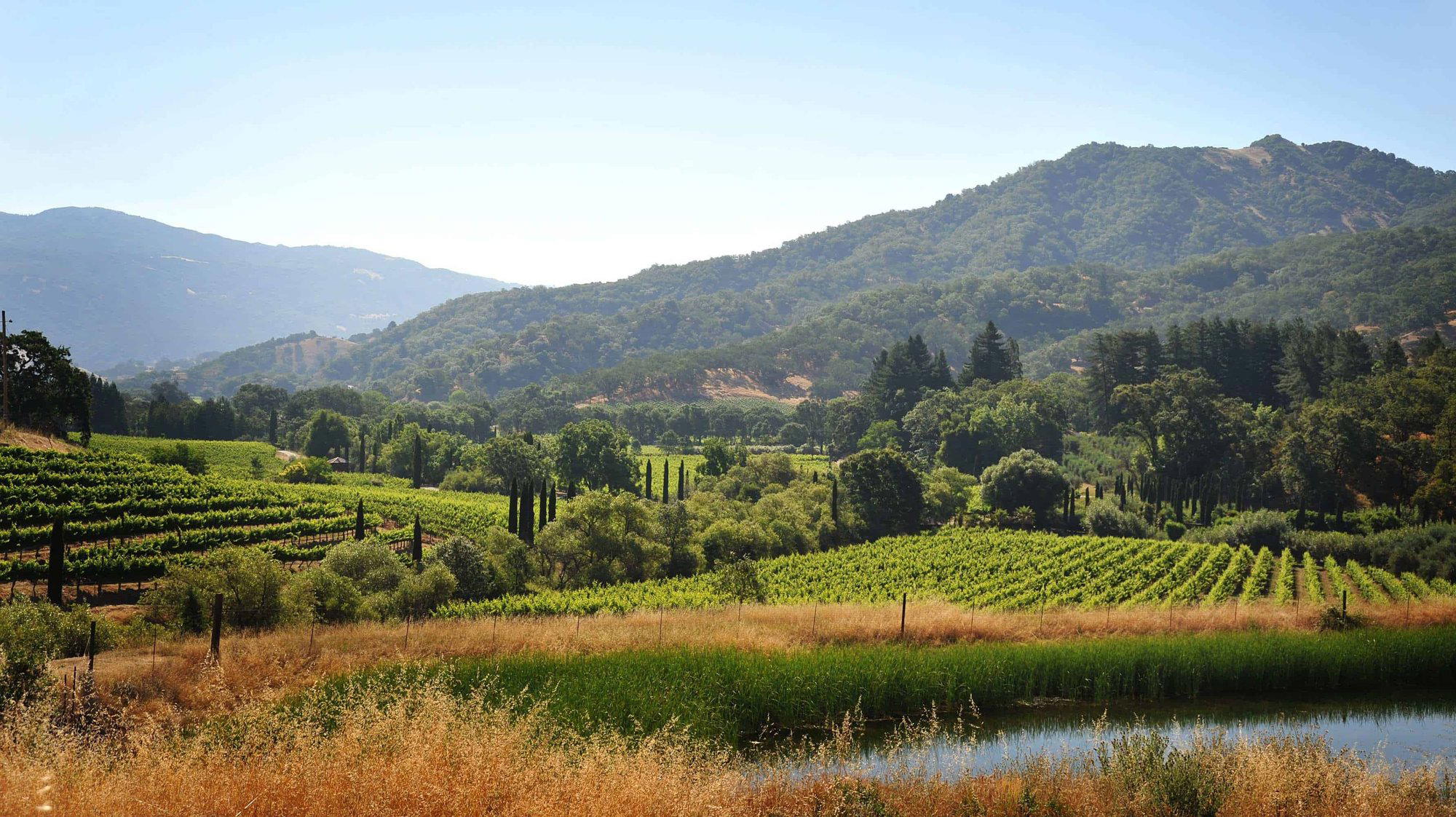
Bars in Redwood Valley
Browse all →
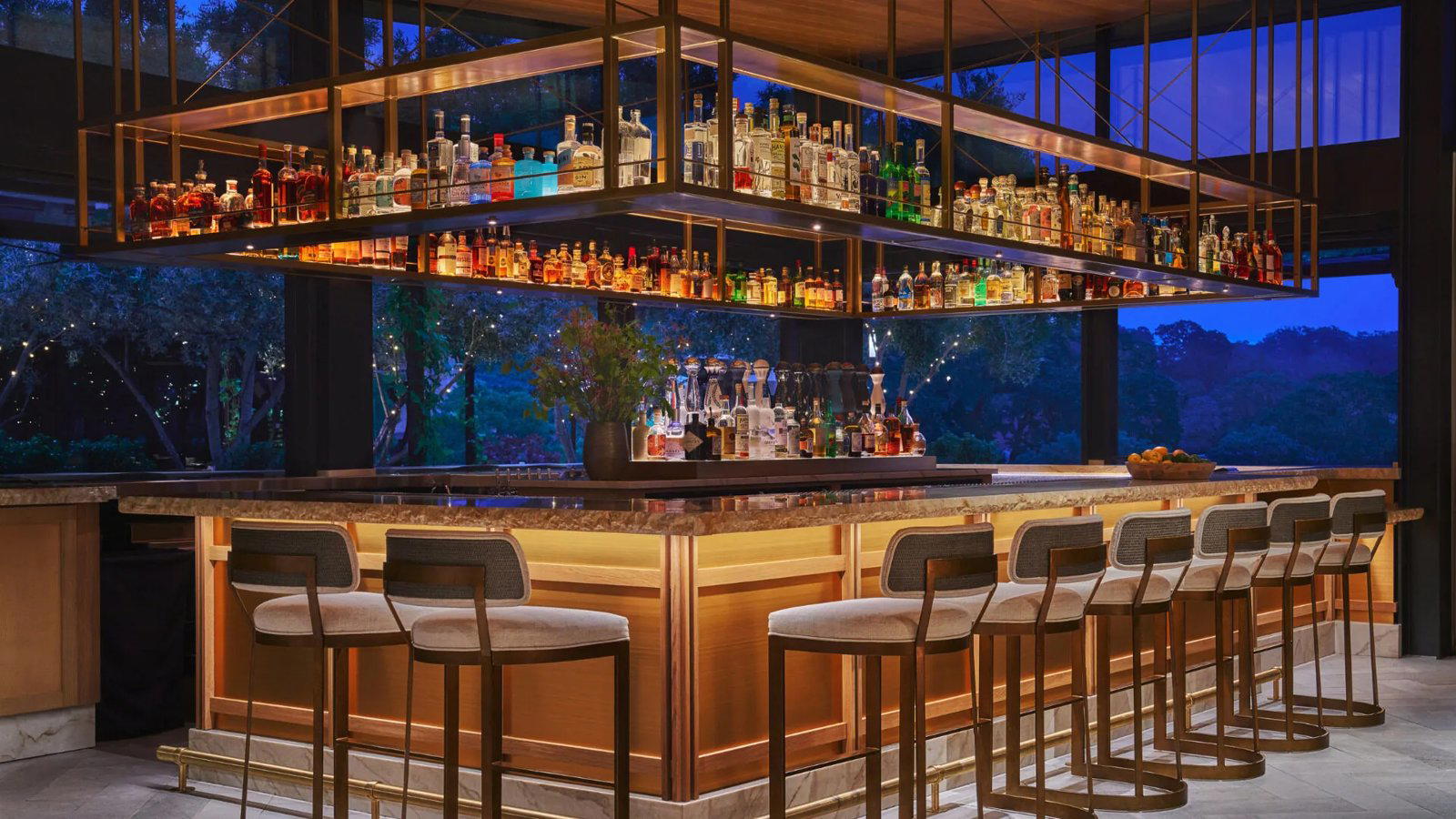
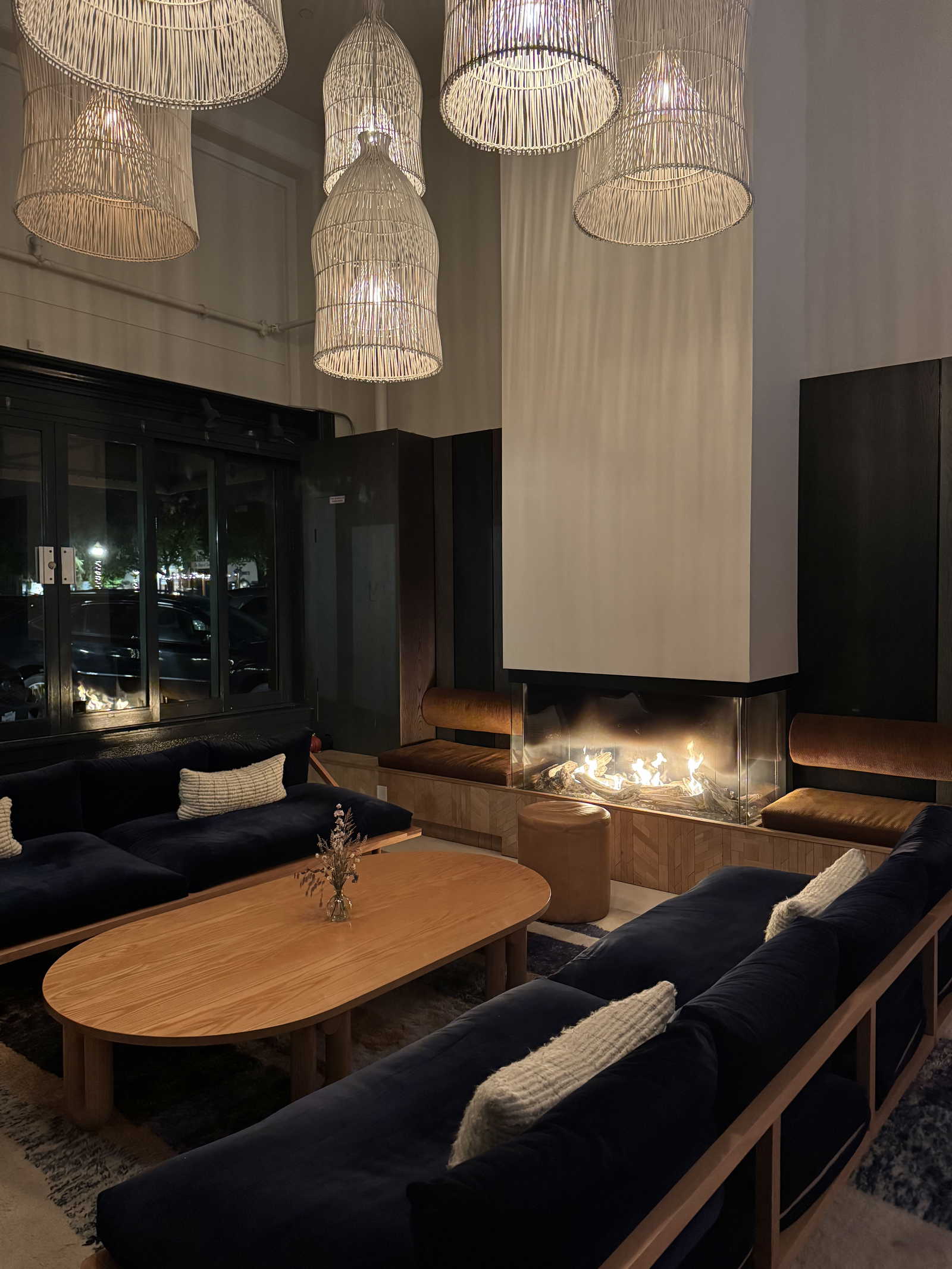
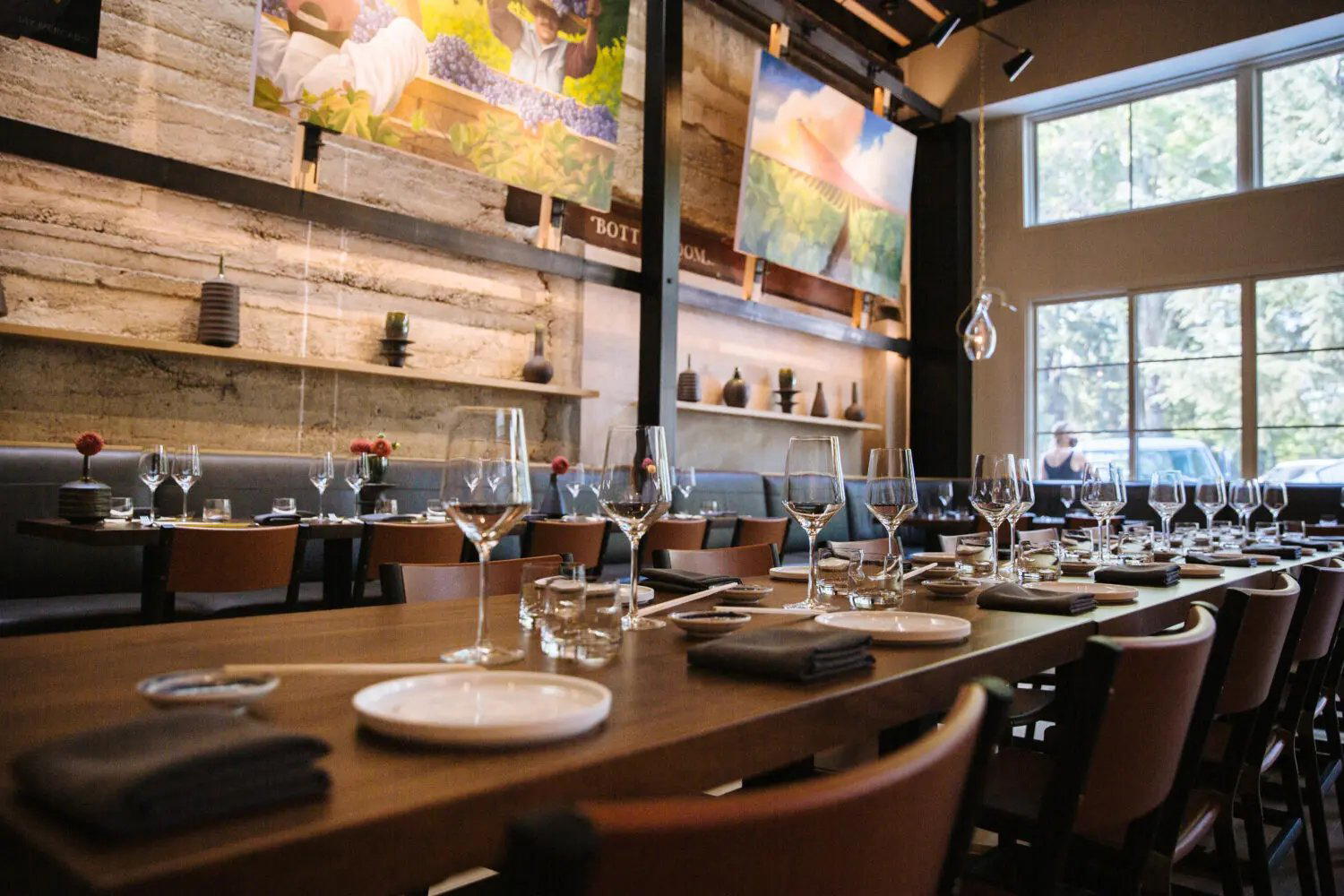
Restaurants in Redwood Valley
Browse all →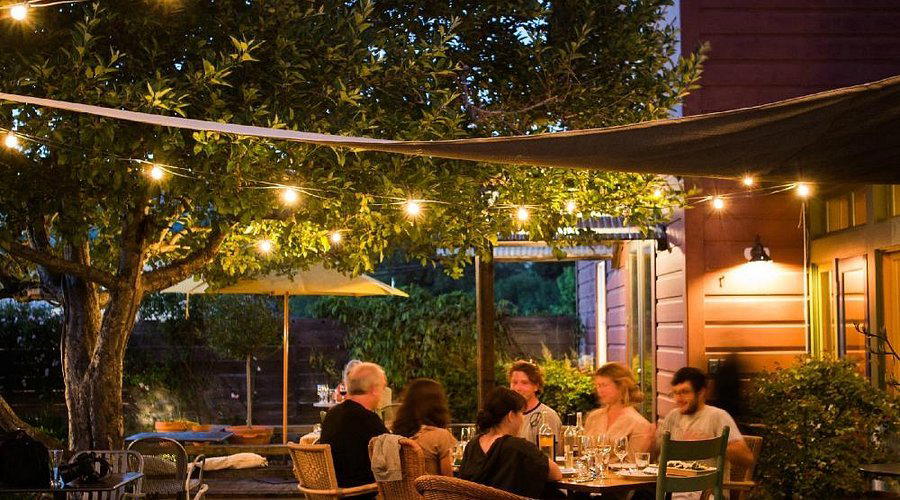
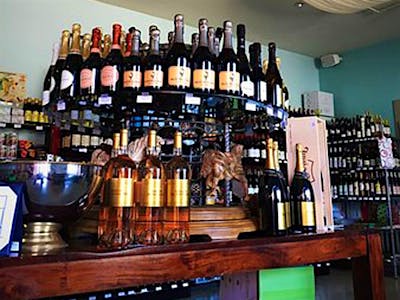
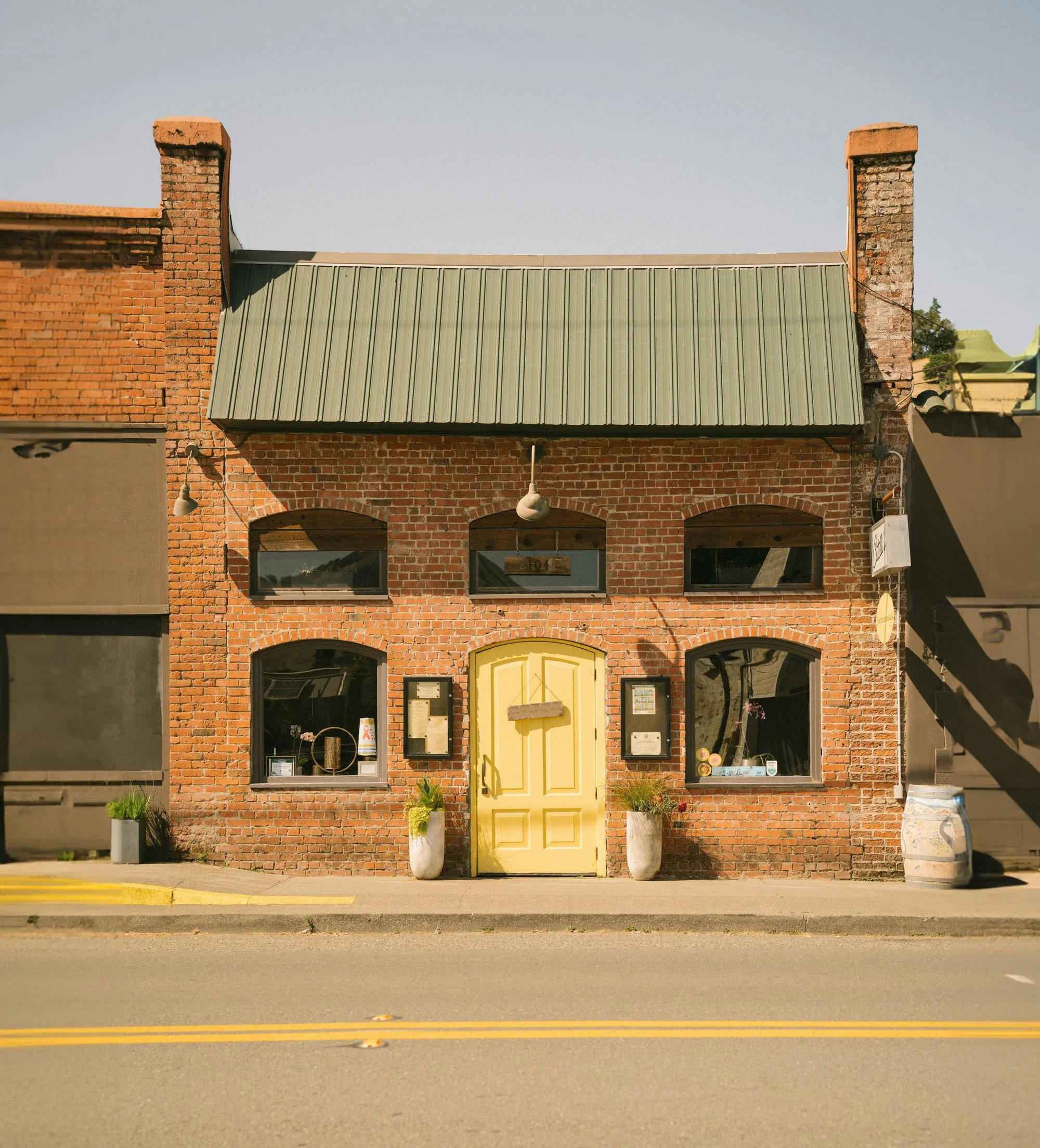
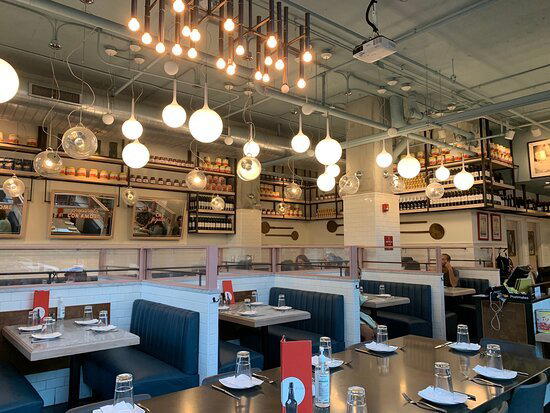
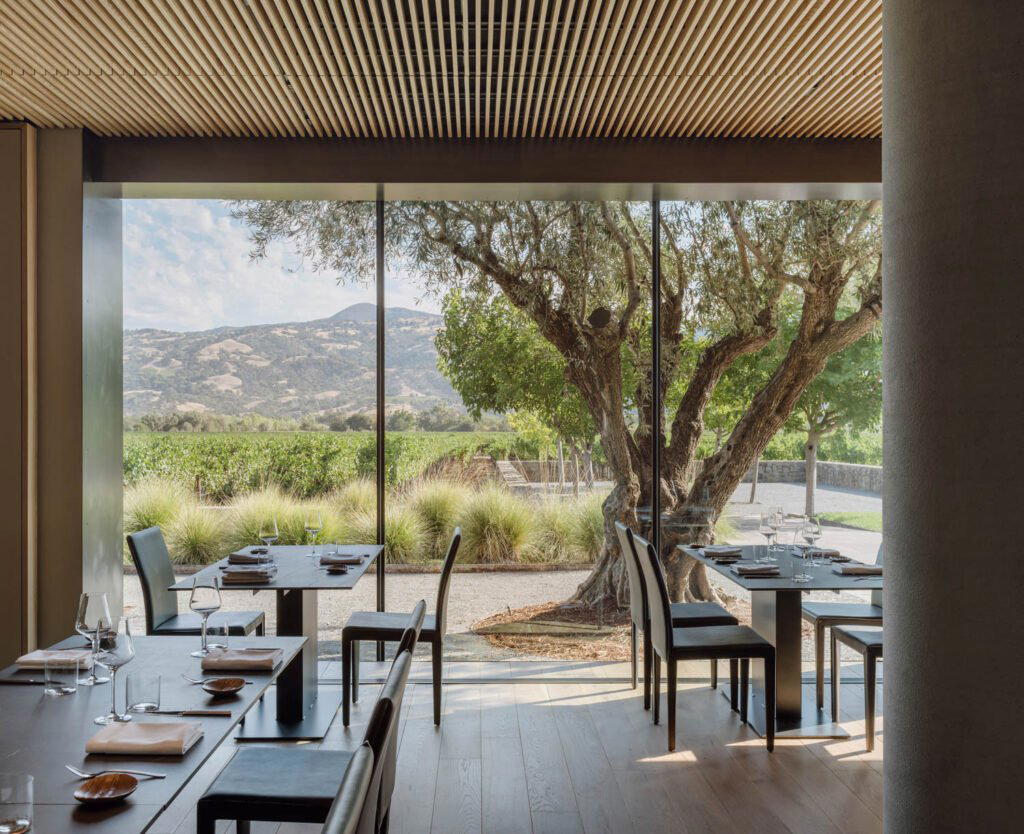
Details
- Rustic
- Scenic
- Wine Education
- Solo Exploration
- Vineyard Tour
- Estate Grounds
- Picnic Area
- Organic
- Vineyard
- Zinfandel
- Cabernet Sauvignon
- Chardonnay
- Merlot
- Still Red
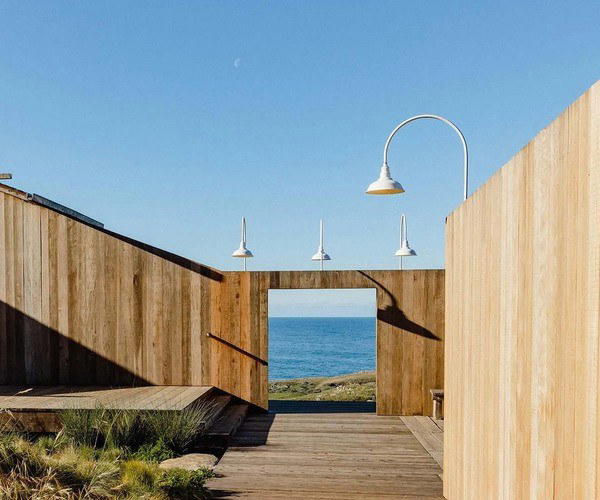
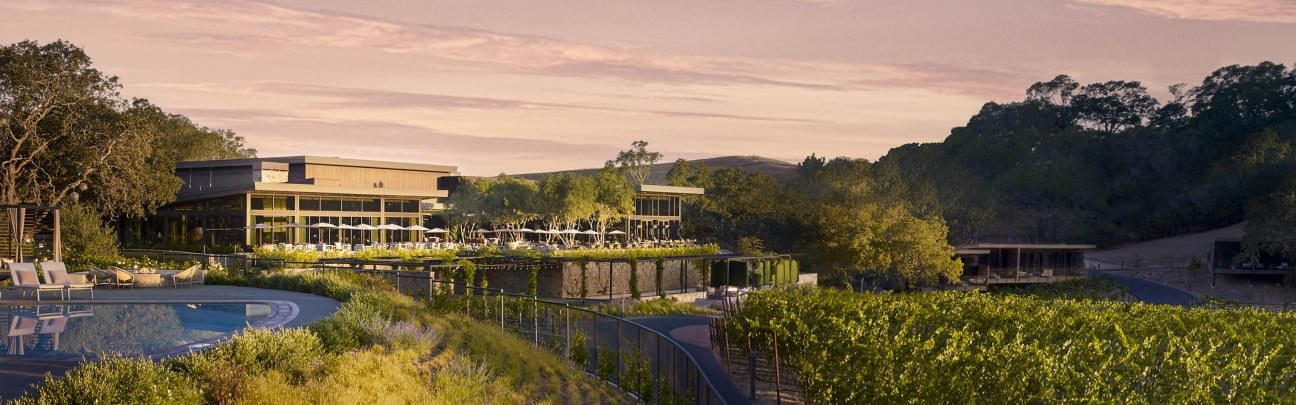
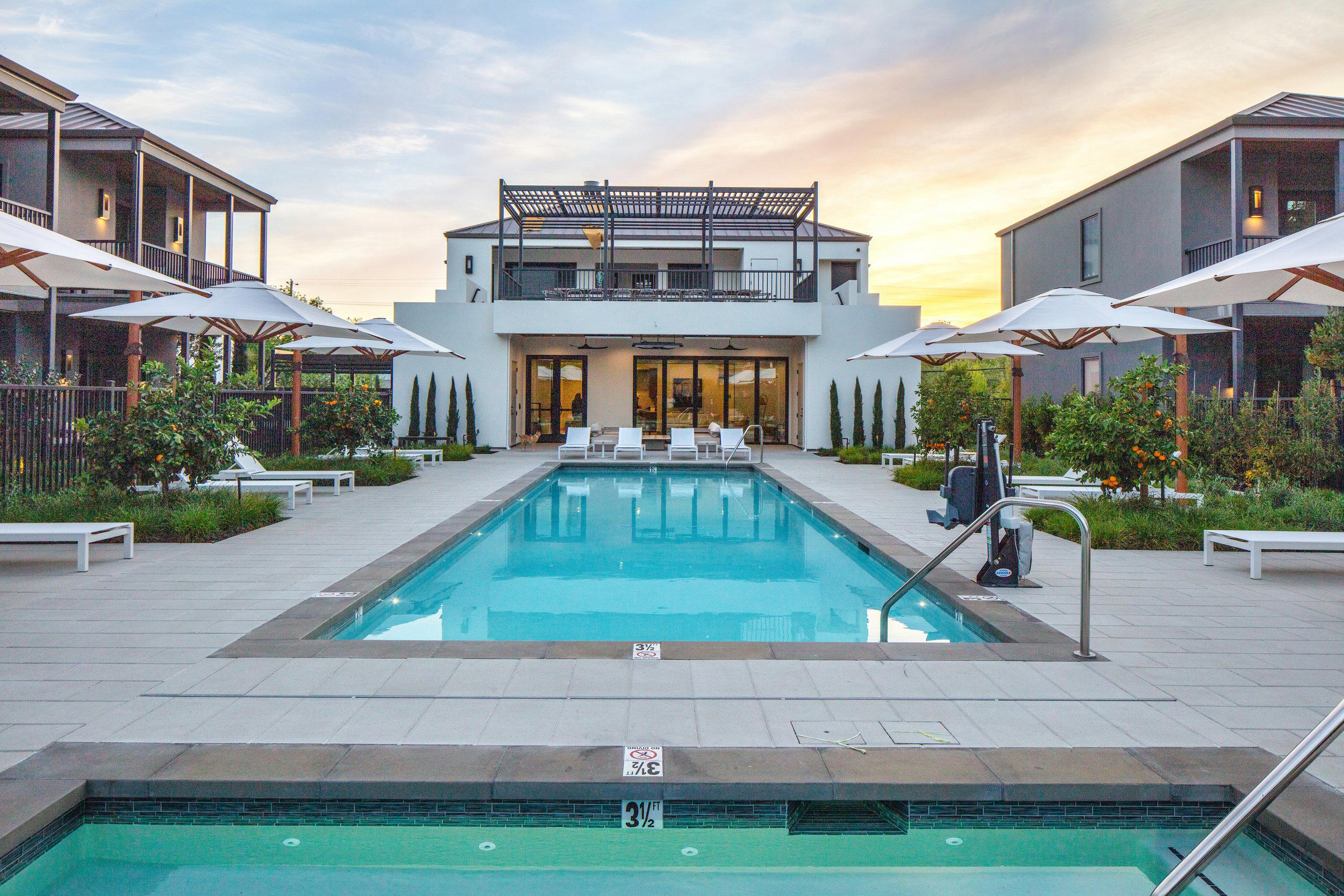
Relaxed rural vineyard atmosphere with scenic views.