Nabygelegen Private Cellar

Falstaff Winery - Listed
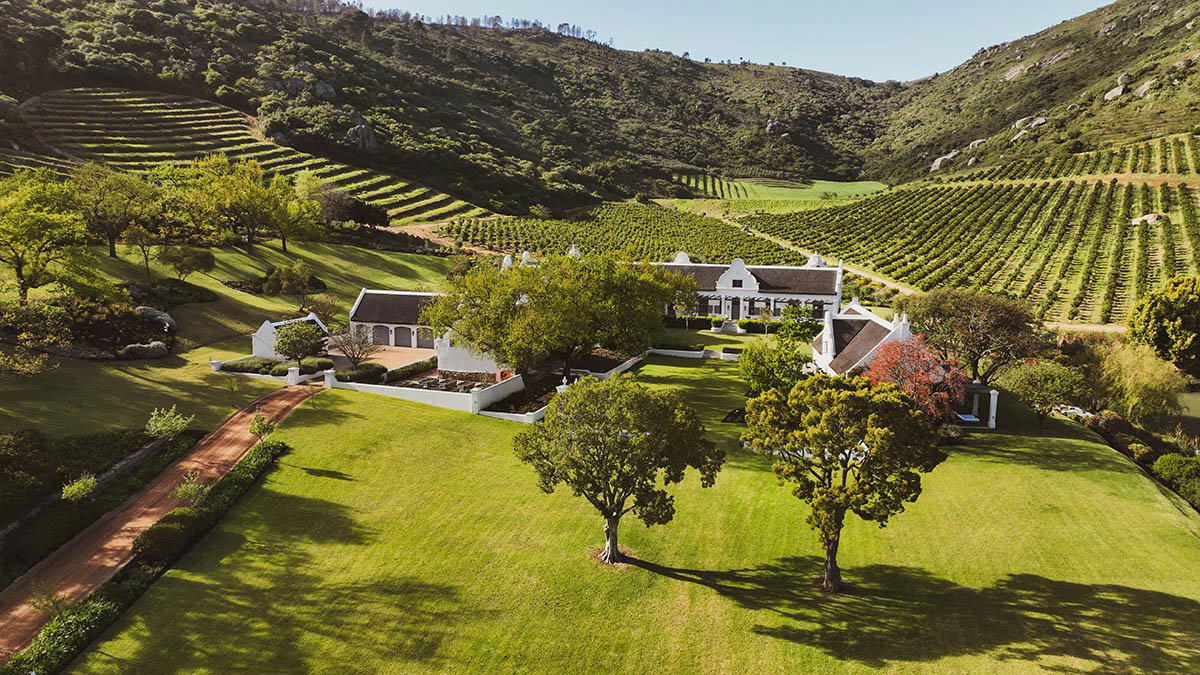
Nabygelegen Private Cellar is a small Wellington wine estate in the Bovlei valley, framed by vineyards, mountain views, and a restored cellar setting. Its strongest identity comes through old-vine Chenin Blanc, structured Bordeaux-style reds, sustainable farming language, and a compact tasting format that keeps the focus on site rather than spectacle.

Pearl is the En Primeur Club membership app — saves, bookings, and concierge access live there. Same editors, same standards.
- Address
- Wellington, Pair, Südafrika
- Directions
- Get directions
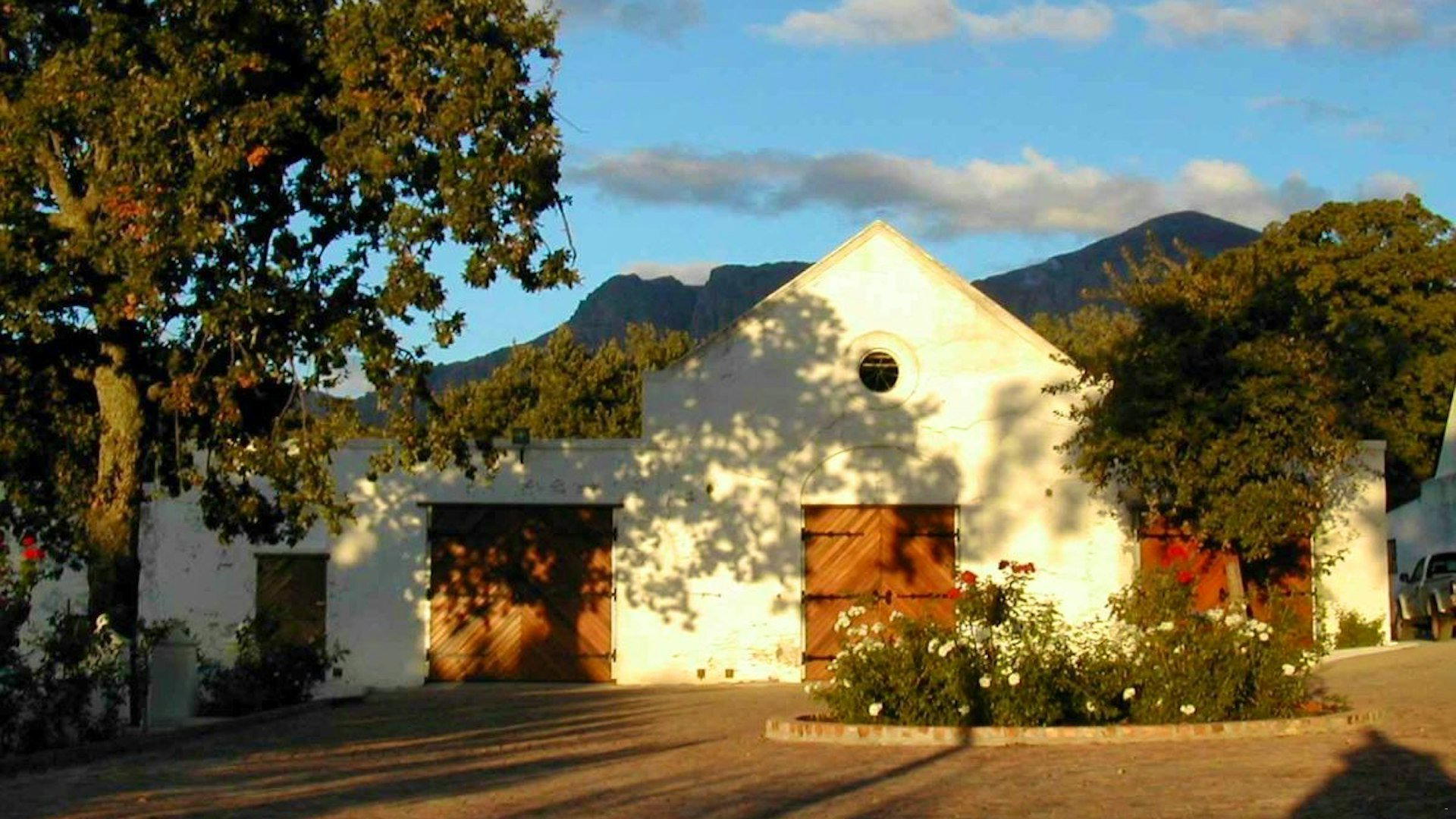
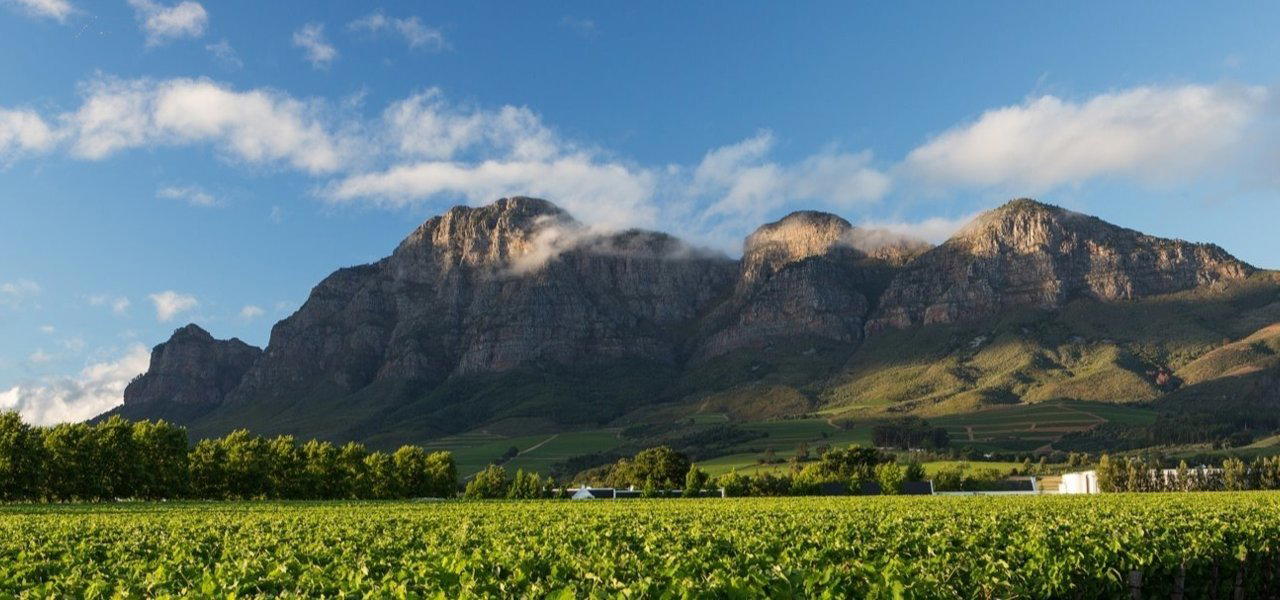
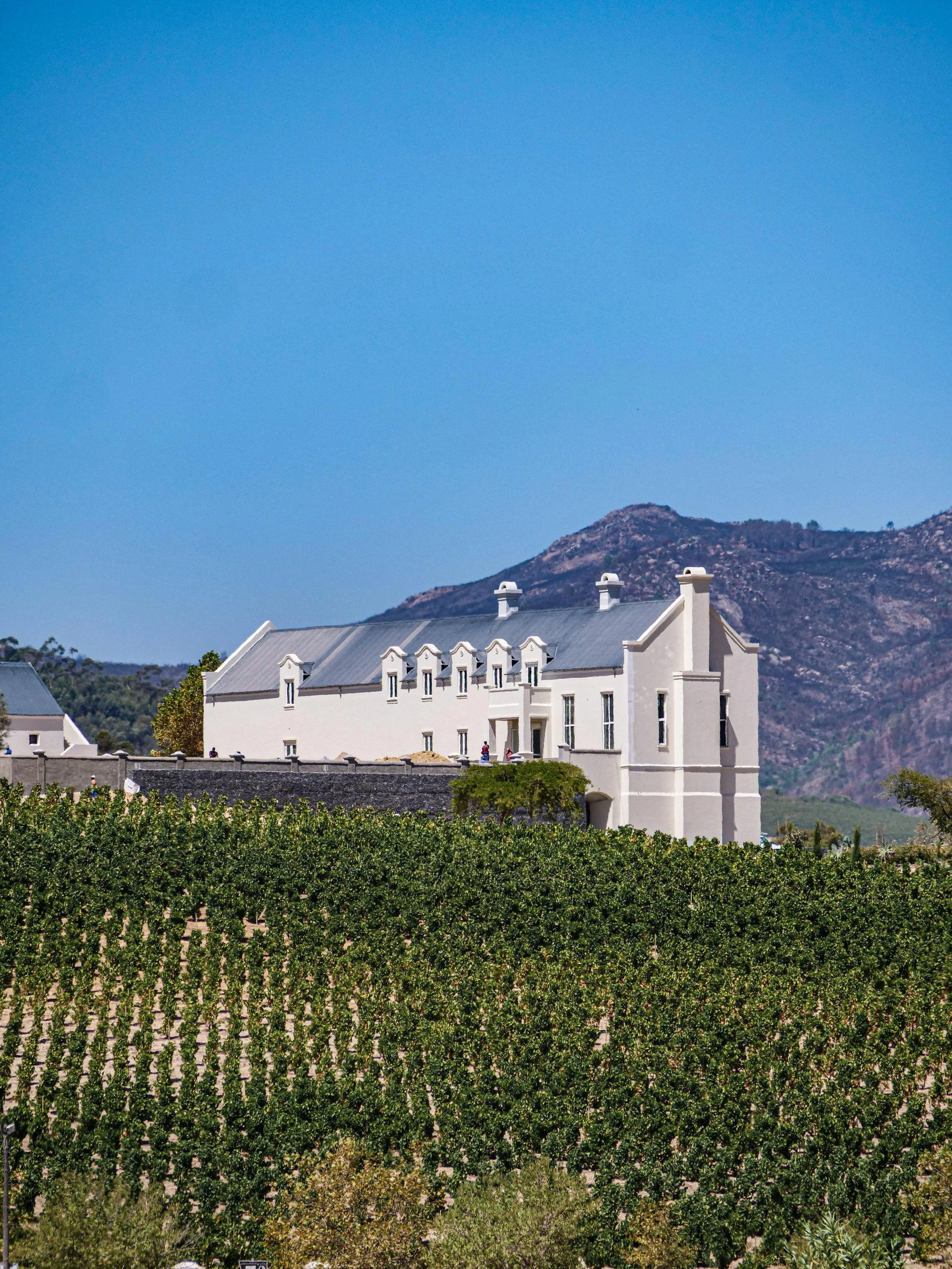
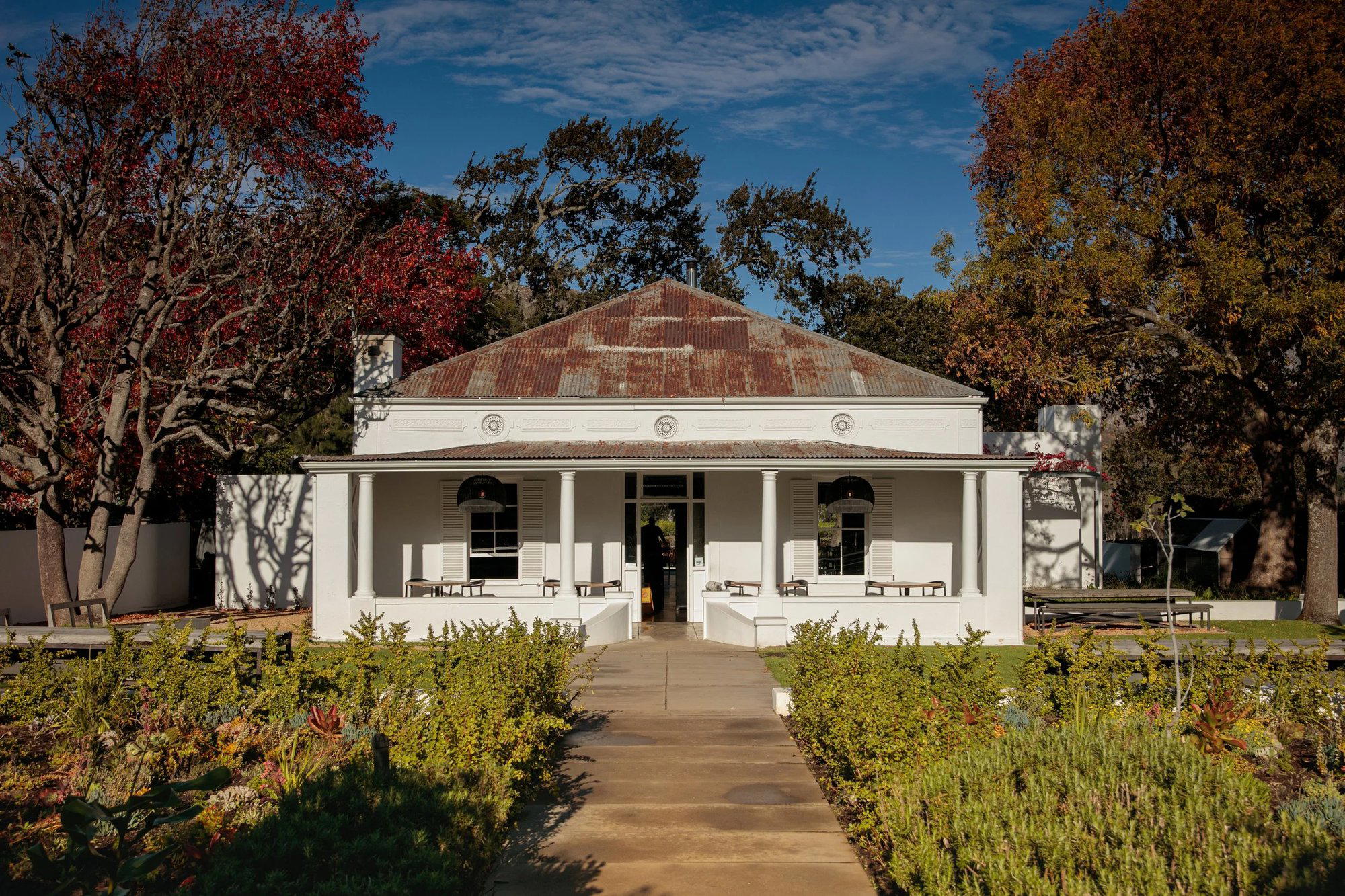
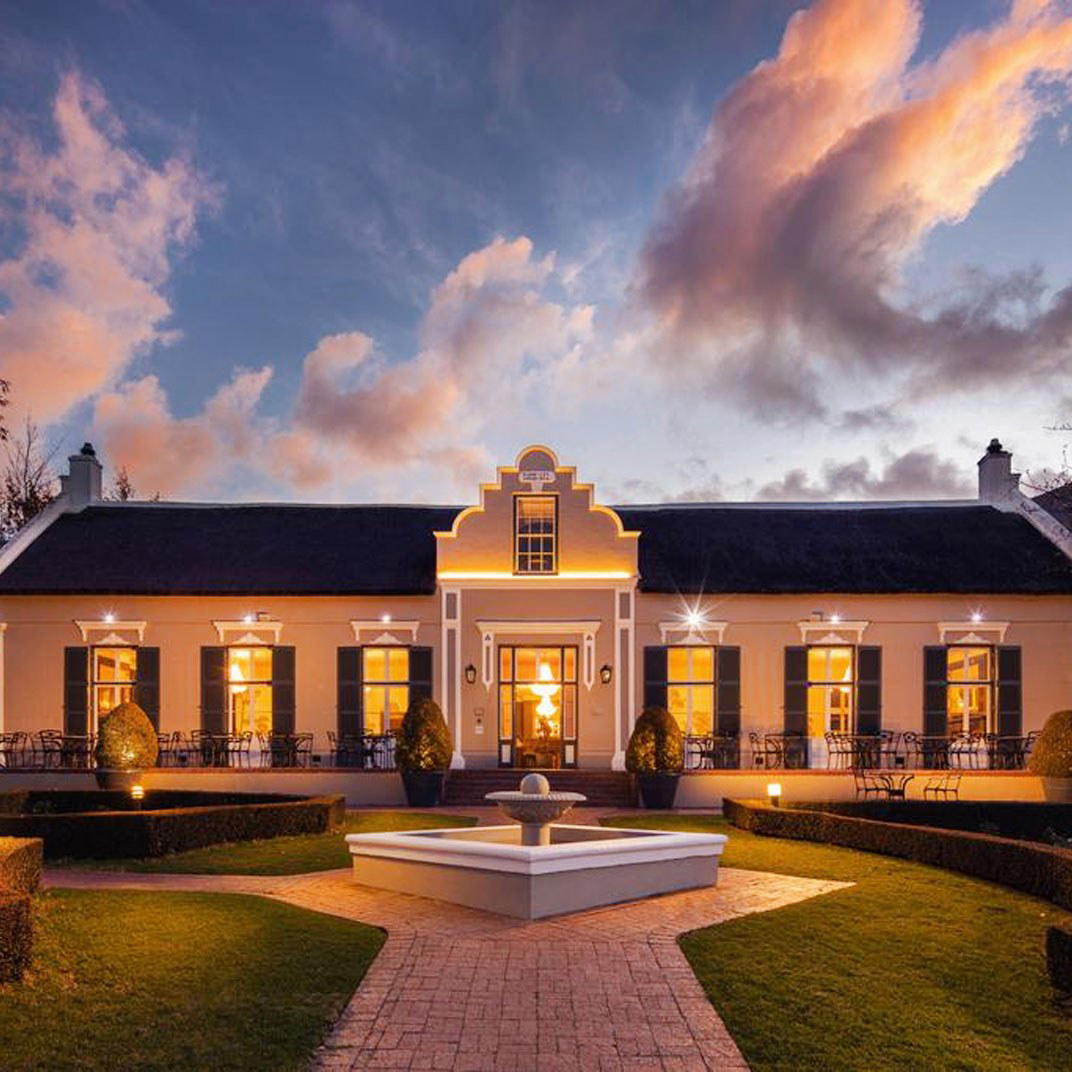
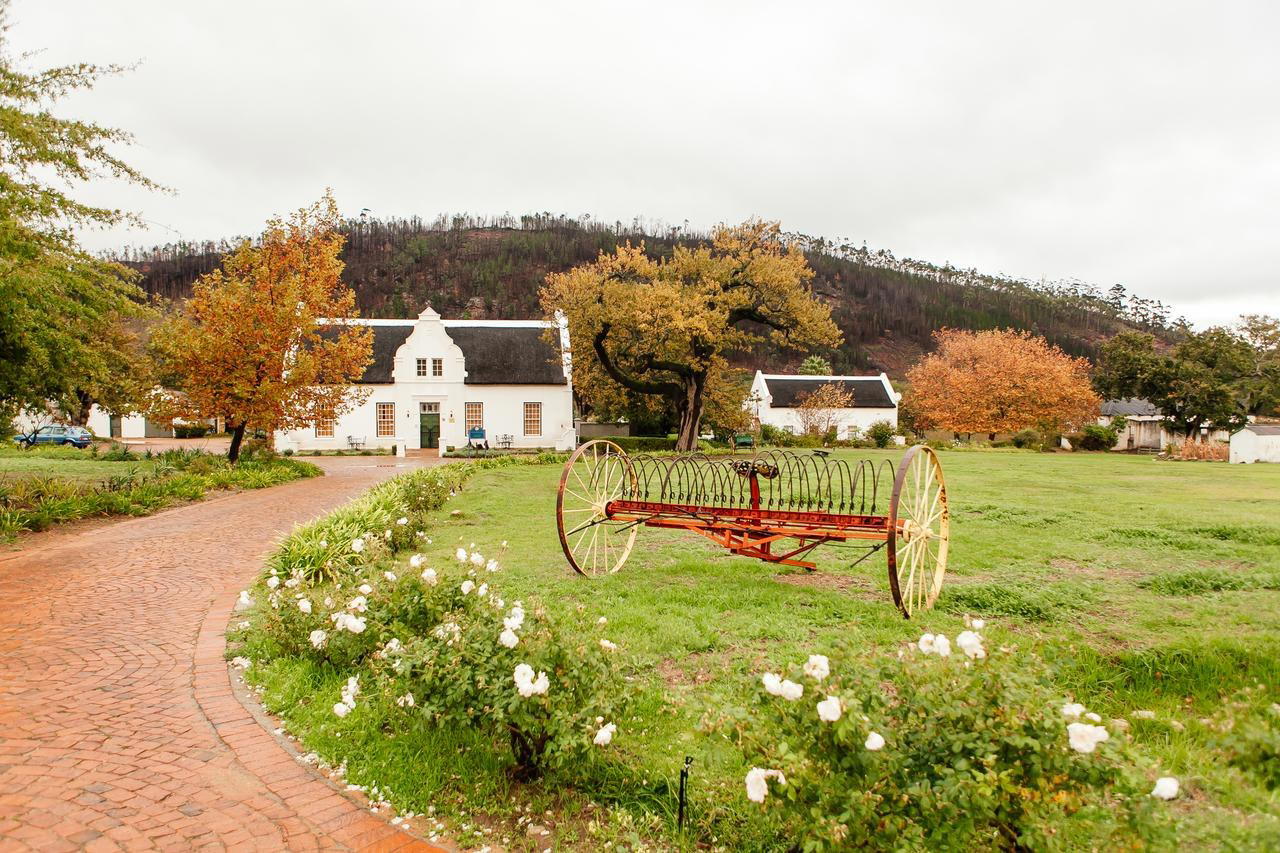
The Bovlei valley gives Wellington wine its quieter register: vineyard rows, mountain edges, garden views, and a pace that suits producers working at smaller scale. In that setting, Nabygelegen Private Cellar reads less as a wine-tourism complex than as a farm-led cellar, with Die Rageltjie providing the country tasting-room counterpoint to the restored historic cellar. The mood is relaxed and personal, but the wines point to a more serious ambition: concentration from low yields, old-vine material, and a cellar program that treats vessel choice as part of the expression of place.
Wellington has long had a different voice from the Cape’s more internationally polished wine towns. The region’s warmer conditions favour ripeness and structure, particularly in red varieties, while Chenin Blanc remains the Cape’s great translator of old vines and cellar restraint. Nabygelegen Private Cellar fits that pattern closely. The estate works from a 35-hectare farm with 22 hectares under vine and production of around 120,000 bottles a year, placing it firmly in small boutique estate territory rather than broad commercial scale.
Old-vine Chenin and warm-climate reds define the estate voice
The clearest terroir signal is Chenin Blanc. Four hectares of 70-year-old vines give the estate an asset that matters in South Africa: mature Chenin can carry ripeness, texture, and acidity without needing to imitate Loire austerity or New World gloss. Here, the cellar uses both oak and stainless steel, a sensible split for a grape that can lose precision if handled too heavily but can feel thin if treated only as a fresh white.
The red program leans into Wellington’s warmer profile. Cabernet Sauvignon comes from selected estate vineyards and spends 14 months in French oak, while Pinotage spends 13 months in French oak. Merlot is matured in 225-litre French oak barrels, and Malbec uses both French and American oak. Those details matter because they show a cellar not applying one recipe across the range. The red wines are built for density and structure, while the whites use a wider set of tools: stainless steel for freshness, oak for breadth, and concrete eggs for the Lady Anna blend of Chenin Blanc, Semillon, and Sauvignon Blanc.
Portfolio is broad enough to show intent without sprawling. Cabernet Sauvignon, Merlot, Malbec, Pinotage, Sauvignon Blanc, Chenin Blanc, Lady Anna, Scaramanga Red, and Scaramanga White give visitors a useful cross-section of Wellington’s strengths: Cape white heritage, Bordeaux varieties, South African Pinotage, and house blends with enough cellar work to feel deliberate. Scaramanga Red combines Cabernet Sauvignon, Merlot, and Tempranillo; Scaramanga White brings together Chardonnay, Chenin Blanc, and Verdelho. The house style favours ripeness, oak structure, and texture, but the presence of old-vine Chenin keeps the range anchored in something more site-specific than varietal familiarity.
A compact tasting culture, not a production-line cellar door
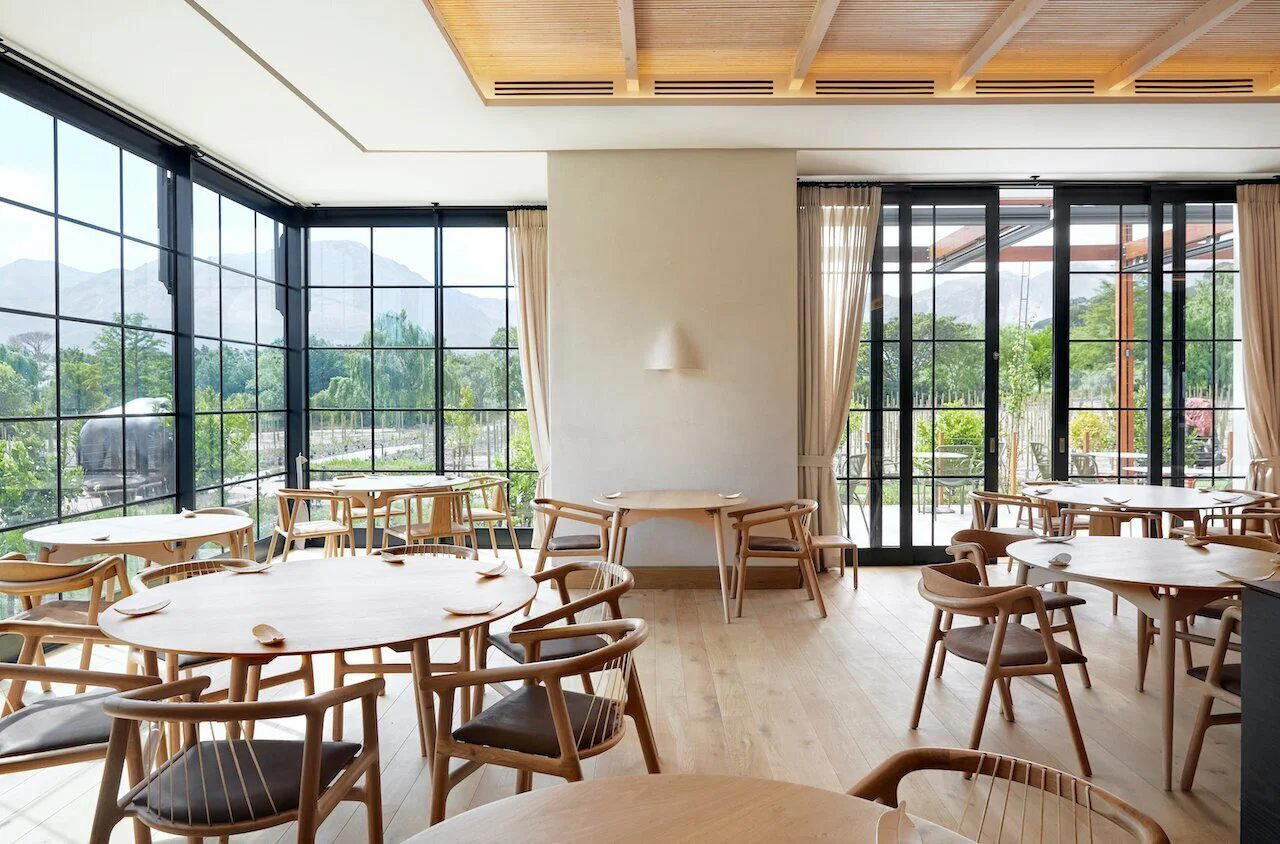
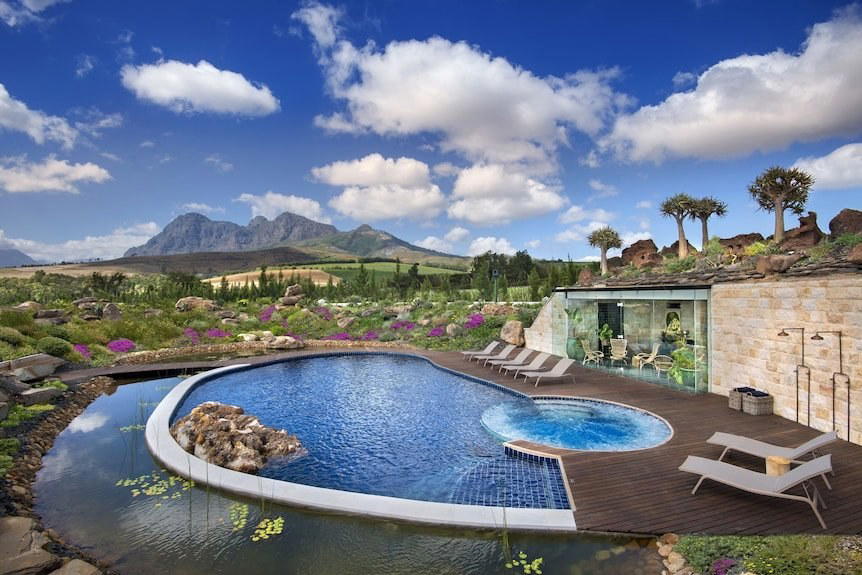
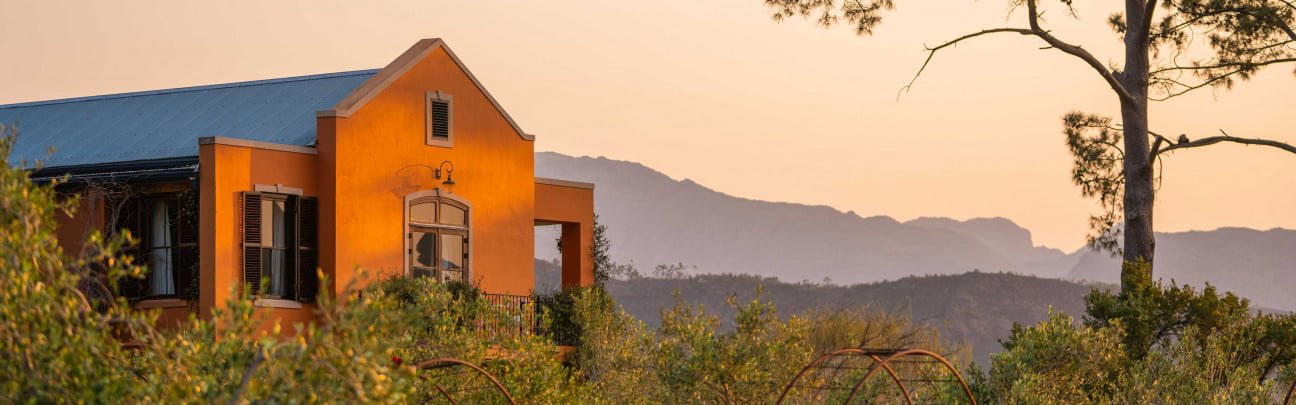
Small Cape wineries often reveal themselves in the gap between agricultural work and hospitality polish. Nabygelegen’s tasting format sits in that middle ground: intimate, quiet, and tied to the farm environment rather than staged as a high-volume destination. The setting in Bovlei valley, with vineyard, mountain, and garden views, is part of the experience because the wines are being presented in the same visual language they claim in the glass: warm-climate fruit, old vines, and a rural Wellington cadence.
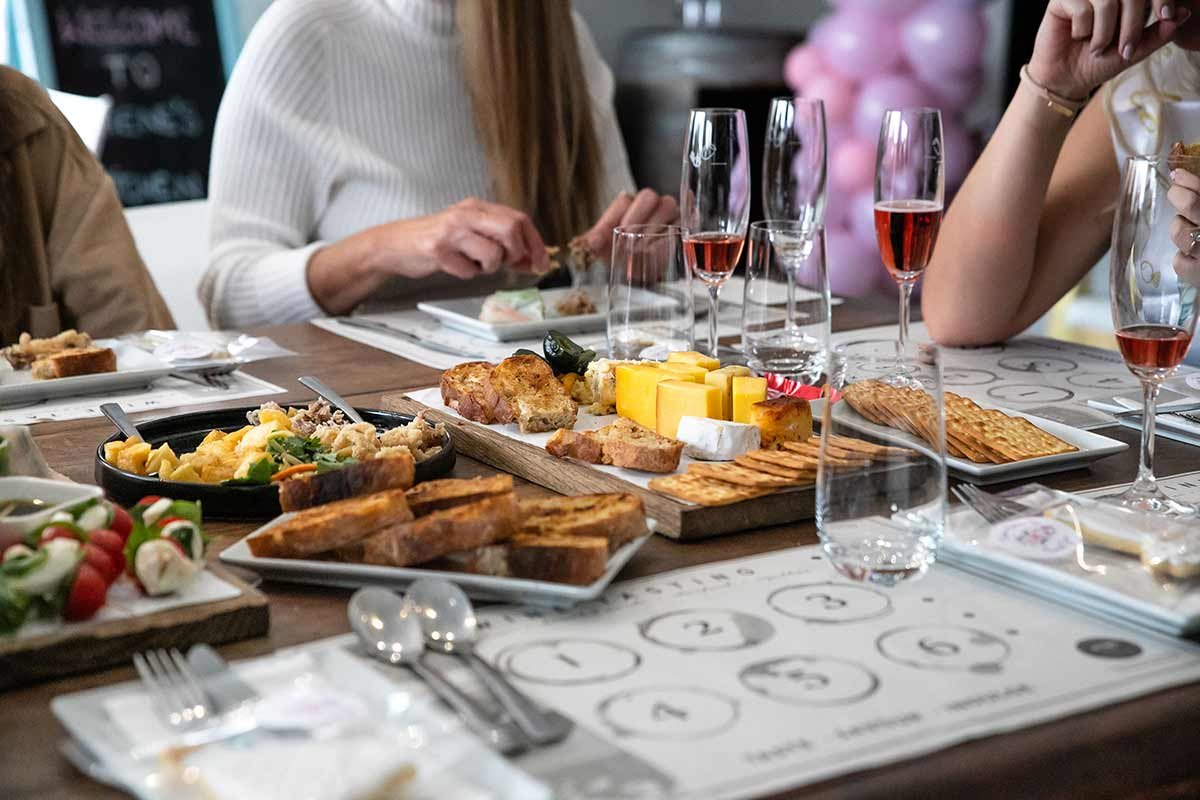
Food sits beside the wine rather than becoming a restaurant proposition. The estate’s pairing logic is practical and South African in tone: Chenin Blanc with creamy sauces or lighter meats, Malbec with grilled meat and braai, Scaramanga Red with red meat, curry, and bobotie, Sauvignon Blanc with salmon or sushi. That does not turn the cellar into a dining address, but it does make the tasting easier to read. These are wines made to sit at a table, not only in a technical lineup.
Recognition has followed more than one part of the range. Cabernet Sauvignon, Chenin Blanc, and Scaramanga Red received Gold at the Gilbert & Gaillard International Challenge 2025, while Scaramanga White received Double Gold at the same competition. Sauvignon Blanc was named Best Sauvignon Blanc at the South African National Wine Show 2023. The spread matters: it suggests the estate is not relying on a single flagship bottle to carry the reputation. Whites, reds, varietal bottlings, and blends all have external validation.
Why it matters in Wellington wine
The estate’s stated emphasis on environmentally sound techniques, ethical labour practices, and local upliftment gives the project a contemporary South African frame. Sustainability language in wine can be vague when separated from farming detail, but here it sits alongside older vines, smaller production, and selective vineyard work. In the Cape, those things are not decorative. They shape which vineyards survive, which varieties remain economically viable, and how smaller producers argue for value beyond cellar-door charm.
The better way to read Nabygelegen is through terroir expression rather than luxury cues. Its appeal is not scale, architectural drama, or chef-led hospitality. It is the combination of old-vine Chenin, warm Wellington reds, a small-farm setting, and enough award recognition to make the range credible beyond local affection. For travellers building a Wellington wine day around site, texture, and slower tasting formats, this is a cellar that rewards attention to the ground beneath the glass.
For wider planning in the area, EP Club’s Wellington coverage includes Our full Wellington wineries guide, plus city guides for Our full Wellington restaurants guide, Our full Wellington hotels guide, Our full Wellington bars guide, and Our full Wellington experiences guide. Other winery pages to keep on the radar include Bosman Family Vineyards, Diemersfontein, Diemersfontein Wine & Country Estate, Doolhof Wine Estate, Jacaranda Wine Estate, 4G Wines in Kapstadt, A. A. Badenhorst Family Wines in Paardeberg, Aaldering Estate in Stellenbosch, »der Steiner« Hans Steiner in Podersdorf am See, and & Handwein in Mannheim.
Recognition history
Dated appearances from independent guides and award organizations, with the underlying list record or original source where available.
Falstaff Winery - Listed
Falstaff
Continue exploring
More in Wellington
Wineries in Wellington
Browse all →
Bars in Wellington
Browse all →
Restaurants in Wellington
Browse all →
Details
- Rustic
- Intimate
- Scenic
- Classic
- Cozy
- Romantic Getaway
- Group Outing
- Special Occasion
- Family
- Wine Education
- Solo Exploration
- Estate Grounds
- Historic Building
- Private Tasting
- Vineyard Tour
- Picnic Area
- Panoramic View
- Sustainable
- Vineyard
- Mountain
- Garden
- Chenin Blanc
- Cabernet Sauvignon
- Merlot
- Malbec
- Tempranillo
- Sauvignon Blanc
- Still Red
- Still White
- Estate Tasting
- Private Appointment Tasting
- Food Pairing
- English
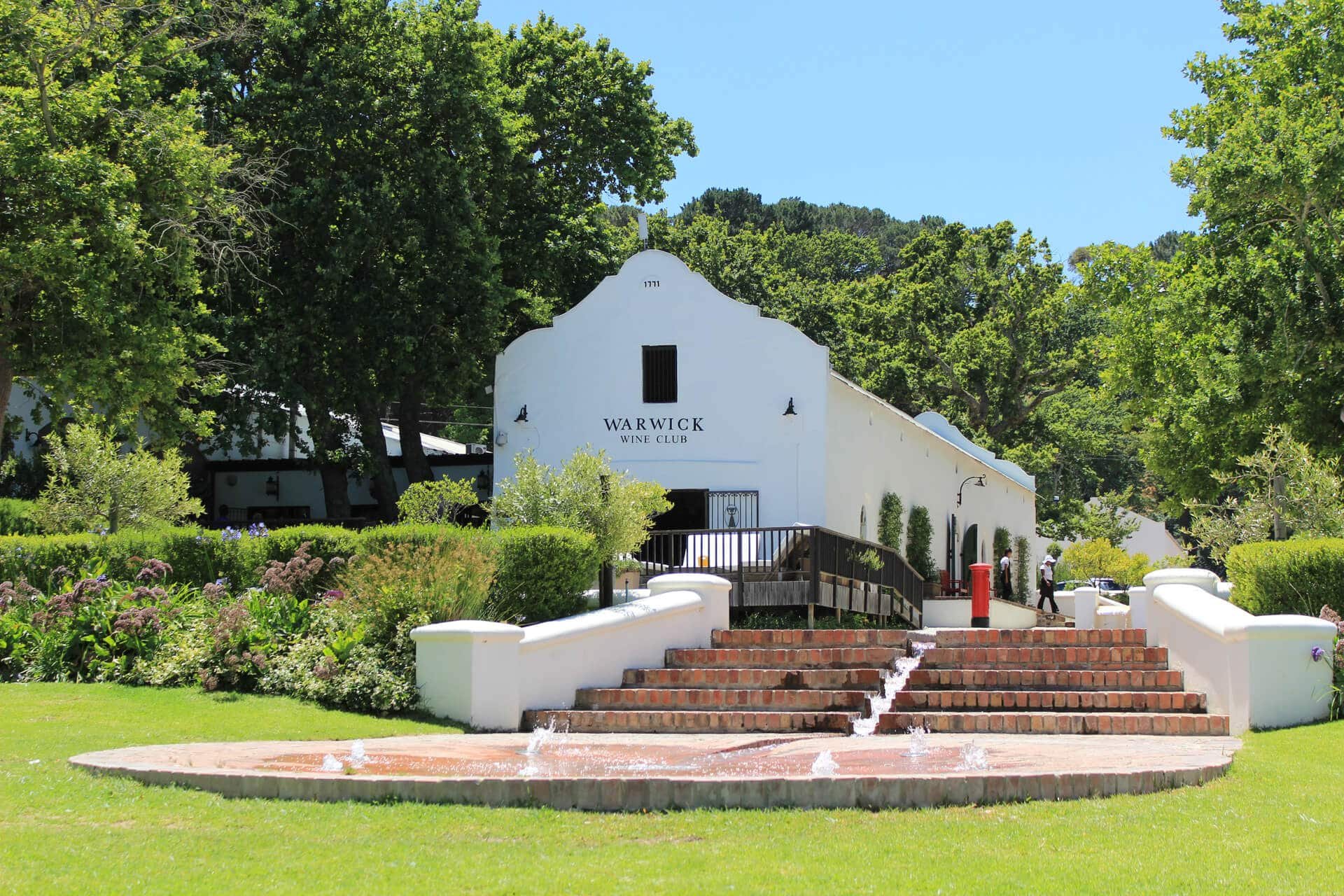
Historic boutique farm setting in the Bovlei valley with a restored cellar, intimate and relaxed tastings at Die Rageltjie, and scenic vineyard and mountain surroundings that create a quiet, personal atmosphere.