
Lucien Le Moine is a small négociant house in Beaune operating at the precision end of Burgundy's barrel-aging tradition. The operation works across a curated range of village, premier cru, and grand cru appellations, with an approach built around minimal-intervention cellaring and selective barrel sourcing. Access is by appointment; this is not a drop-in address.
Pearl is the En Primeur Club membership app — saves, bookings, and concierge access live there. Same editors, same standards.
- Address
- 1 Rle Morlot, 21200 Beaune
- Phone
- +33 3 80 24 99 98
- Website
- lucienlemoine.com
- Directions
- Get directions
 Saves & bookings on Pearl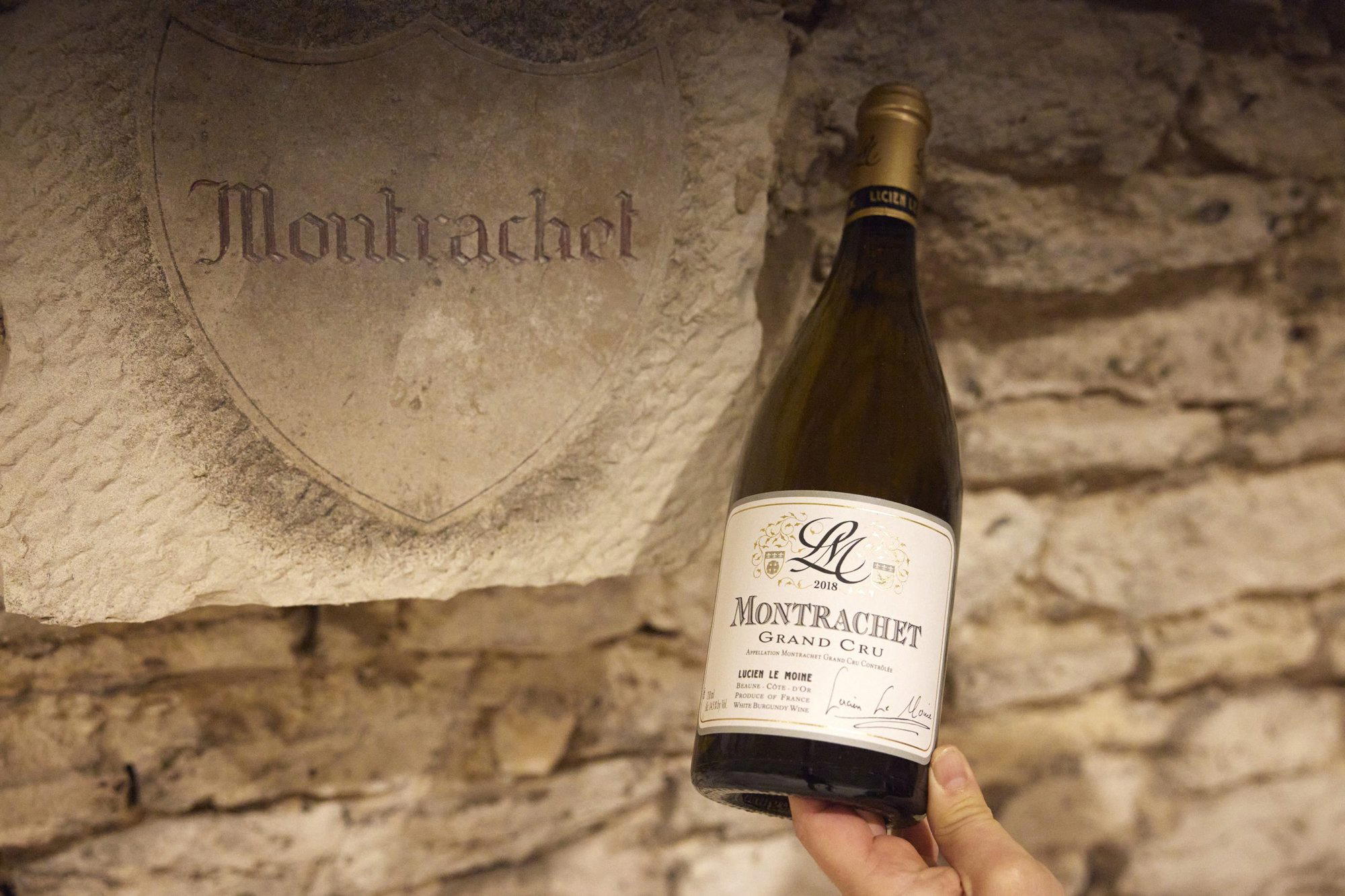
Where Beaune's Barrel Tradition Gets Stripped Back
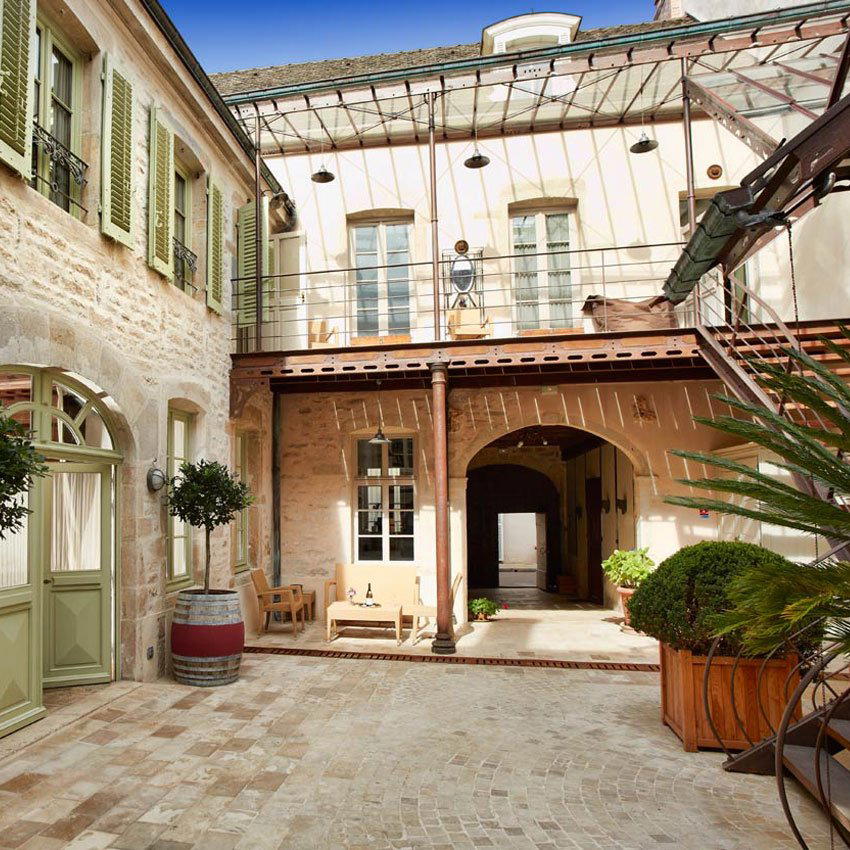
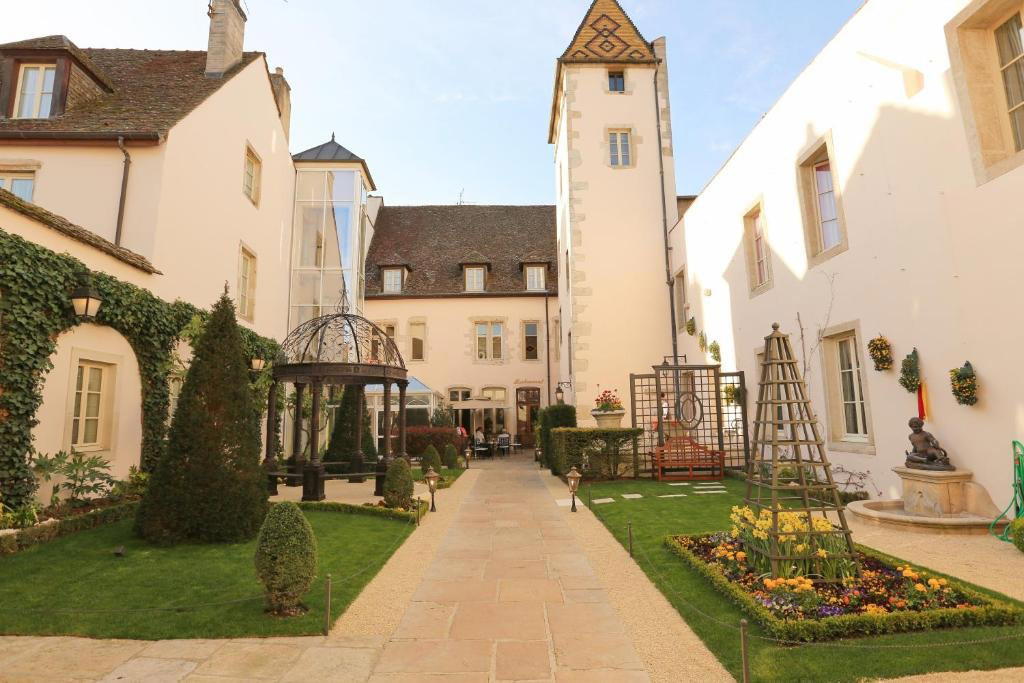
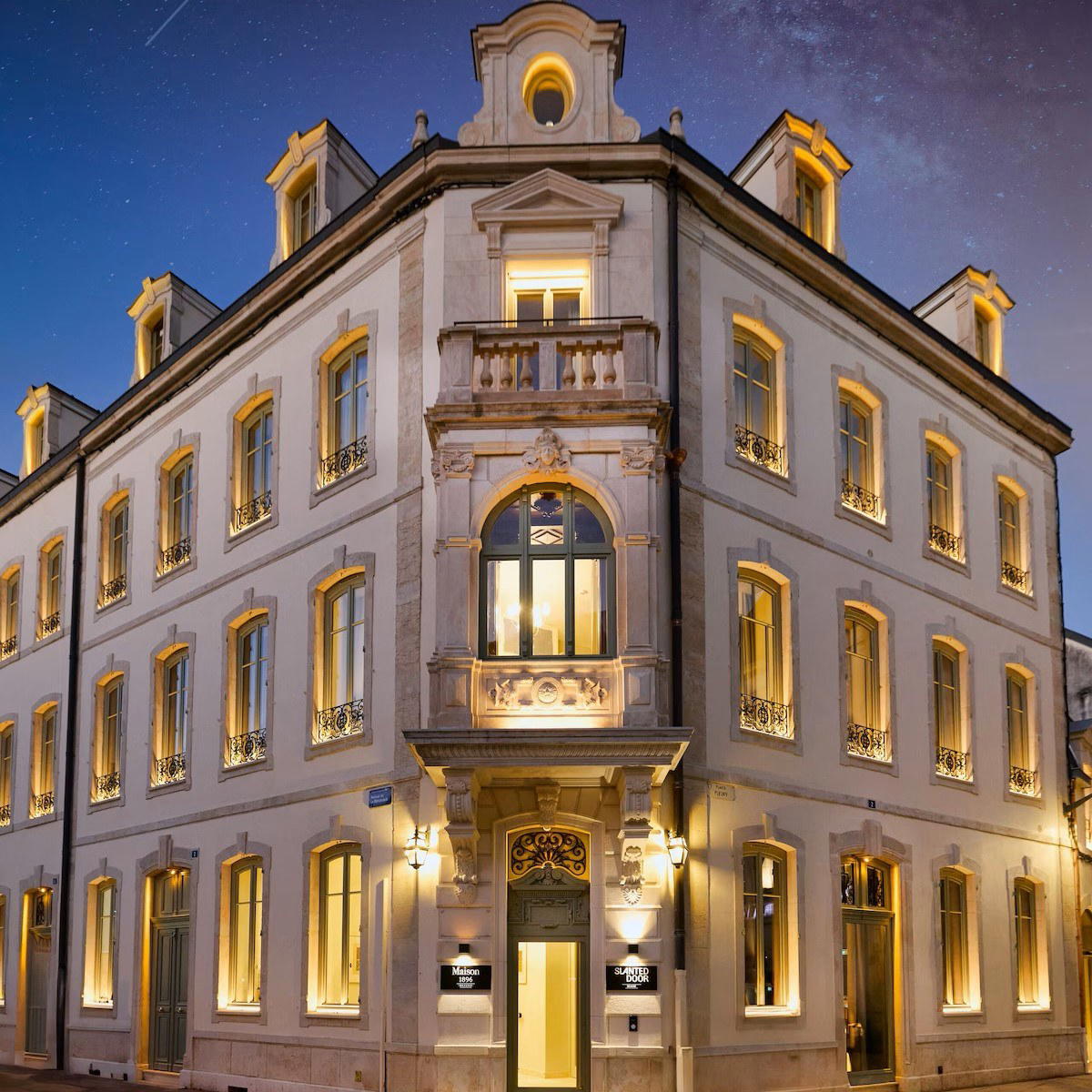
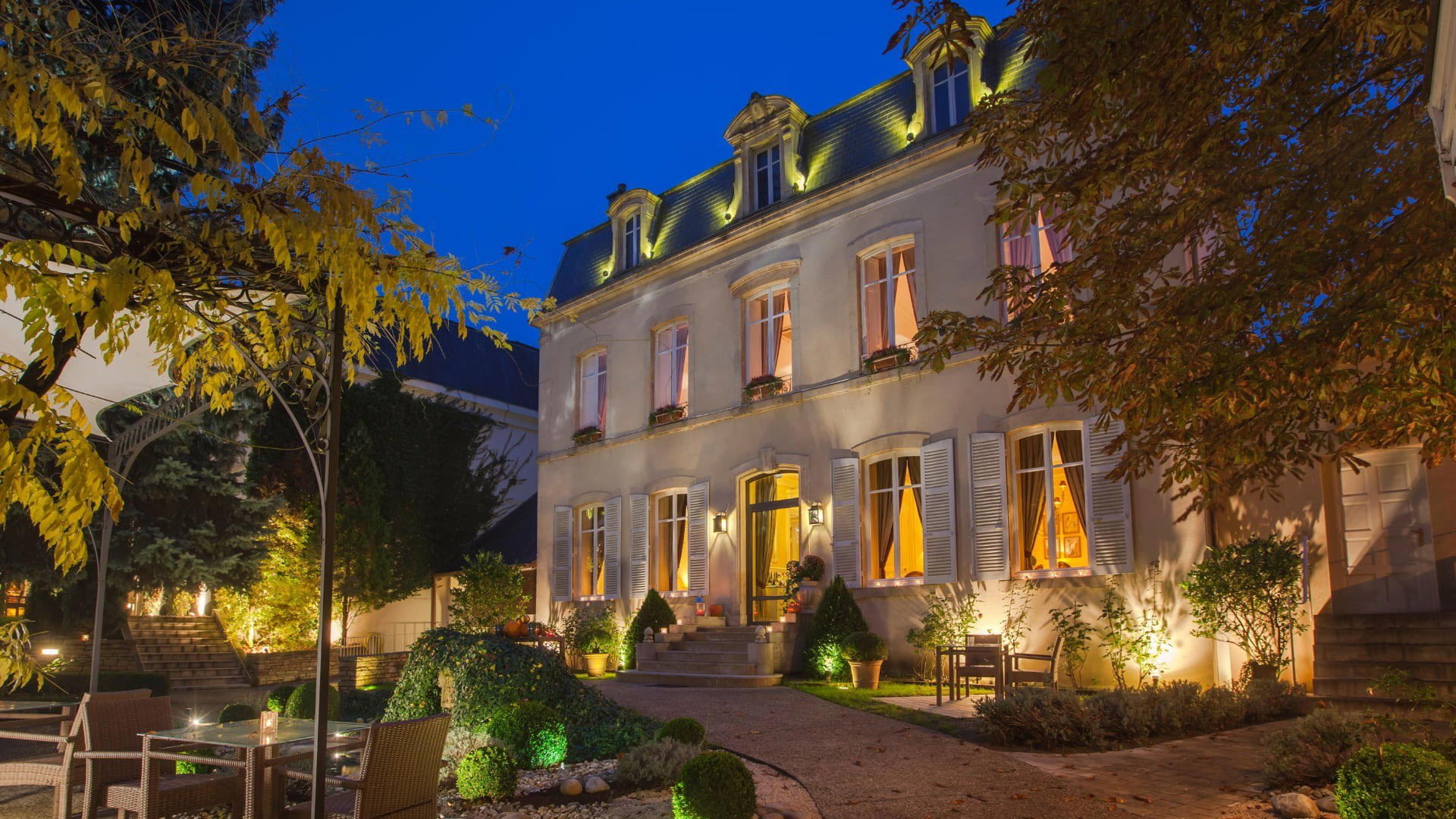
Lucien Le Moine is a Burgundy négociant cellar in Beaune, at 1 Rle Morlot, 21200 Beaune. A quiet lane off Beaune's old centre, it places Lucien Le Moine in the same compact geography that has housed Burgundy négociant cellars for centuries, where the limestone beneath the streets serves the wine as much as the address above them. This is not a property organised around visitor spectacle. The cellar is the operation, and the operation is defined almost entirely by what happens between harvest and bottling.
That framing matters in Beaune, a city whose wine identity splits sharply between the large-volume maisons, houses like Maison Joseph Drouhin and Maison Champy, carrying broad portfolios and well-established distribution footprints, and smaller, more selective négociant operations working narrower appellation ranges with correspondingly tighter production. Lucien Le Moine belongs firmly to the second category.
The Négociant Model, Reconsidered
Burgundy's négociant system has undergone significant reappraisal since the 1990s. The old critique, that négociants diluted appellations by blending across multiple growers without the terroir fidelity of domaine-bottled wines, lost force as a new generation of small buyers demonstrated that purchasing grapes or must with genuine selectivity, then applying careful cellaring discipline, could produce wines that expressed site character as clearly as any domaine. The winery sits within that revised understanding of what négociant production can mean.
The operational model concentrates on acquiring fruit from specific parcels across Burgundy's hierarchy, from village appellations through premier and grand cru designations, then aging in barrel with a hands-off philosophy that prioritises the wine's own trajectory over intervention. This is not unusual in principle among the precision tier of Burgundy producers, but the execution, barrel selection, length of aging, bottling timing, is where houses in this category differentiate themselves.
What the Cellar Work Actually Involves
The aging programme at a house like Lucien Le Moine is where its editorial identity lives. In Burgundy at this level, barrel selection decisions carry disproportionate weight. Coopers, oak origins, toast levels, and the proportion of new oak relative to older wood all shape how a wine develops across its twelve to eighteen months in barrel. Producers working with high-pedigree Pinot Noir and Chardonnay from premier and grand cru sites face a particular tension: enough new oak to support structure and complexity across a decade of bottle aging, but not so much that the barrel signature overwrites the appellation character that justifies the price.
What works for a village Chambolle is not what a grand cru Corton requires, and the better small négociants build their programs around that appellation-by-appellation sensitivity rather than applying a uniform protocol.
The Beaune Context in Late Autumn
Timing a visit to Beaune around the Hospices de Beaune auction in November, historically the third Sunday of the month, puts the winery's address in useful proximity to the widest concentration of Burgundy producers, négociants, and buyers in the annual calendar. The city tightens around wine commerce in this period: streets that are unhurried in July operate on a different register in November, when allocation conversations and cellar visits stack against the auction itself.
comparable set and Positioning
That positioning has parallels in other French appellation regions where small, precision-focused houses work above the volume tier but outside the grand château or domaine identity.
Planning a Visit
The winery's address at 1 Rue Morlot places it within walking distance of Beaune's central Place Carnot, a ten-minute walk from the Hospices de Beaune. Visits are arranged by appointment only; no walk-in access is available. Visitors without a prior relationship should expect to initiate contact well in advance of travel, particularly during the autumn auction season. Among the broader comparable set in Beaune, houses like Maison Benjamin Leroux and Domaine Nicolas Rossignol follow comparable access conventions, confirming that appointment-only contact is the standard operating model at this level of the Beaune producer tier.
Similar Picks
Comparable venues nearby, for context on price, style, and recognition.
| Venue | Cuisine | Price | Notes |
|---|---|---|---|
| Lucien Le MoineThis venue — the venue you are viewing | Pinot Noir, Chardonnay | $$$$ | Not listed |
| Maison Albert Bichot | Pinot Noir, Chardonnay | $$$ | Beaune |
| Maison Champy | Pinot Noir, Chardonnay | $$$ | Beaune |
| Domaine Nicolas Rossignol | Pinot Noir | $$$ | Volnay |
| Domaine Bouchard Père et Fils | Pinot Noir, Chardonnay | $$$ | Beaune |
| Maison Louis Jadot | Pinot Noir, Chardonnay | $$$ | Beaune |
Recognition history
Dated appearances from independent guides and award organizations, with the underlying list record or original source where available.
Falstaff Winery - Listed
Falstaff
Continue exploring
More in Beaune
Wineries in Beaune
Browse all →
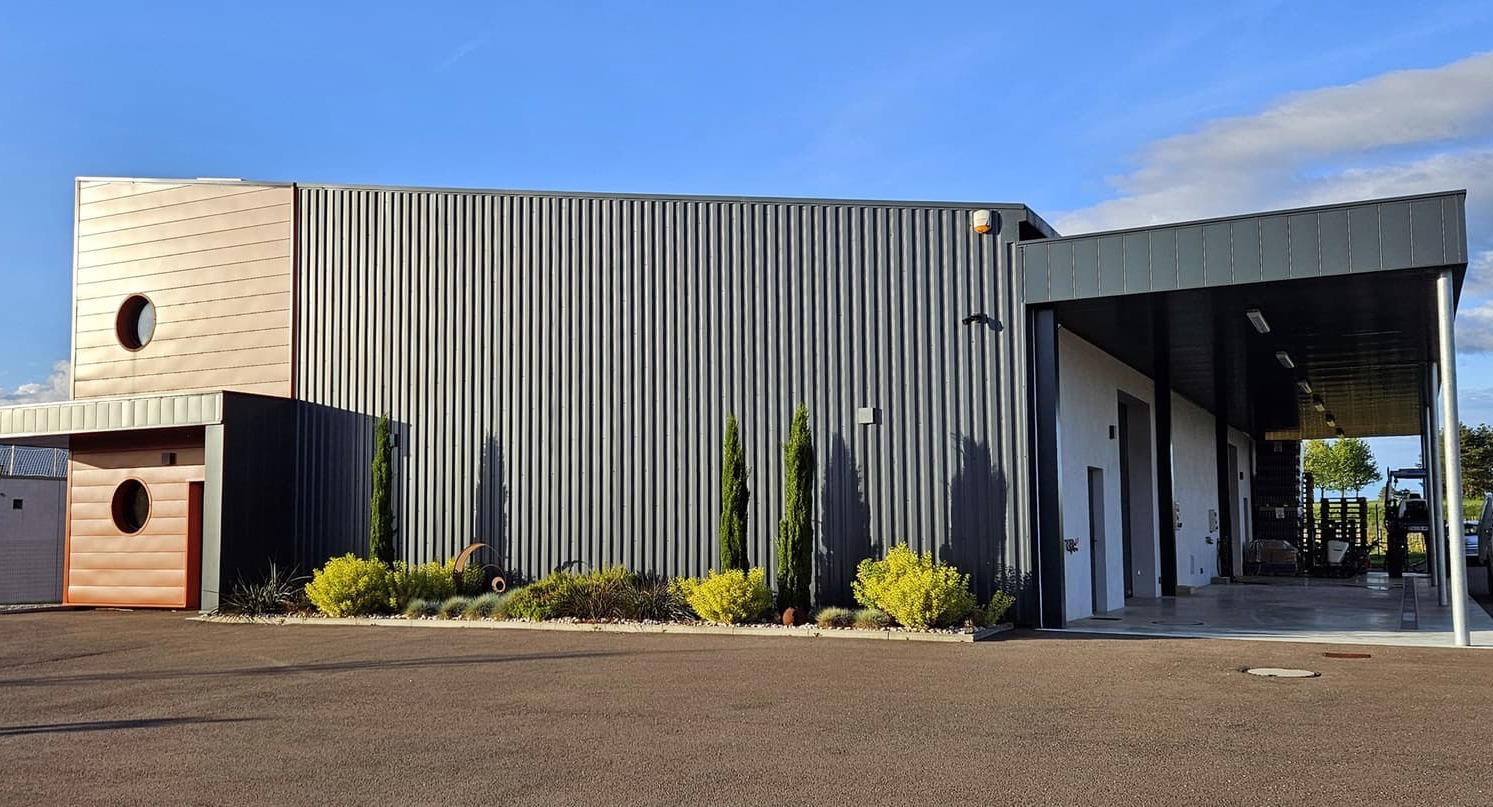
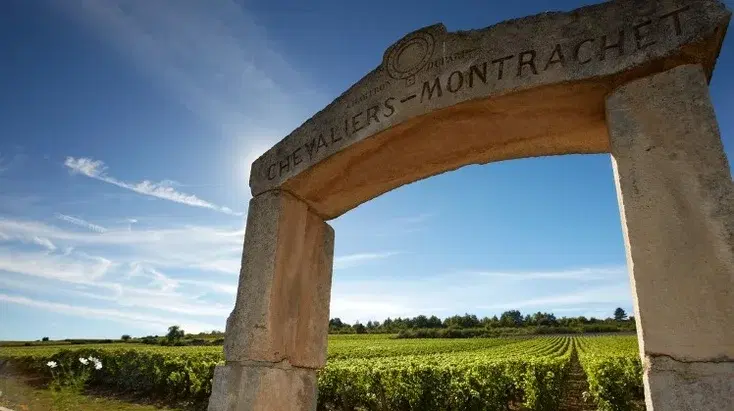
Bars in Beaune
Browse all →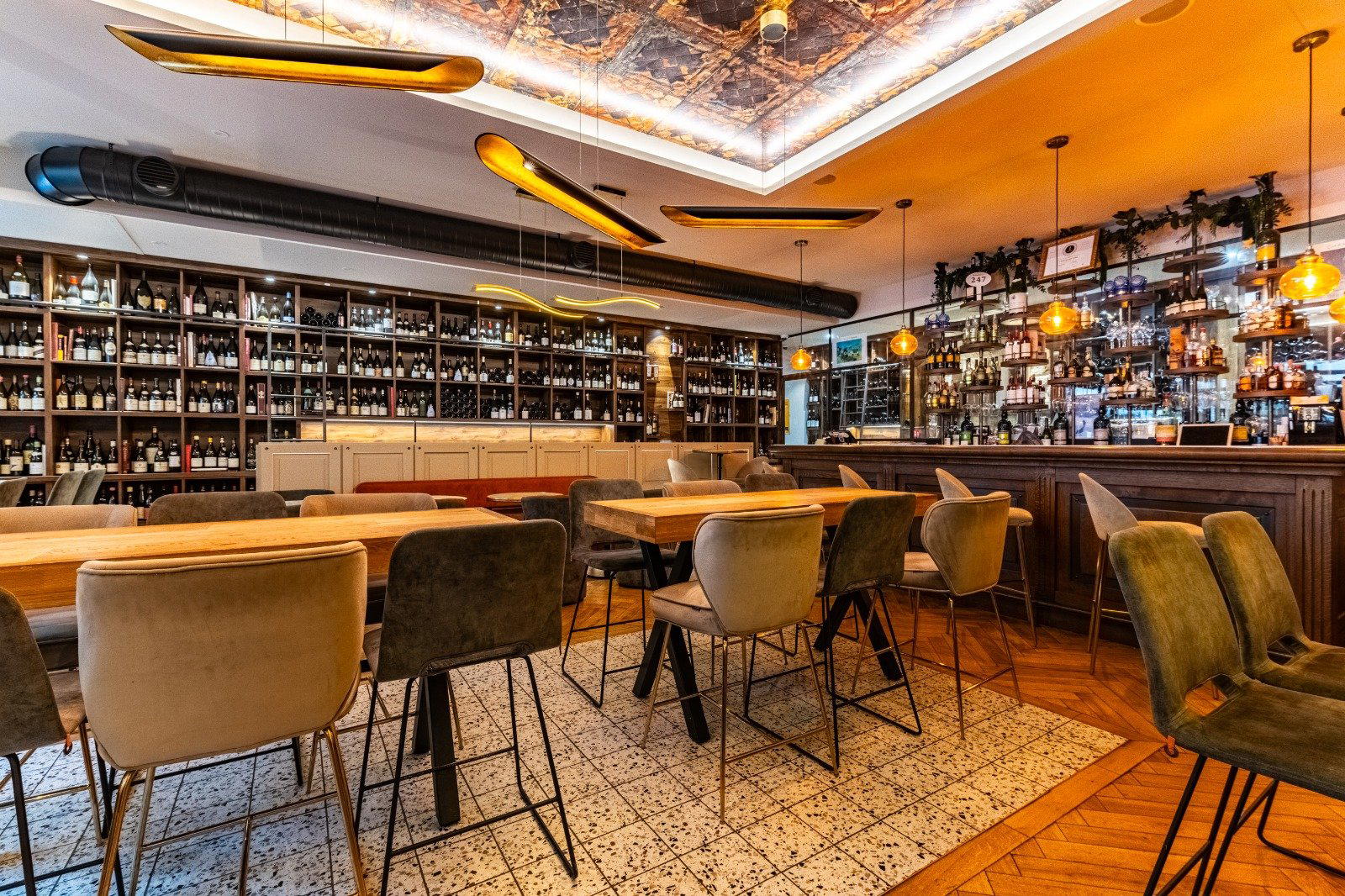
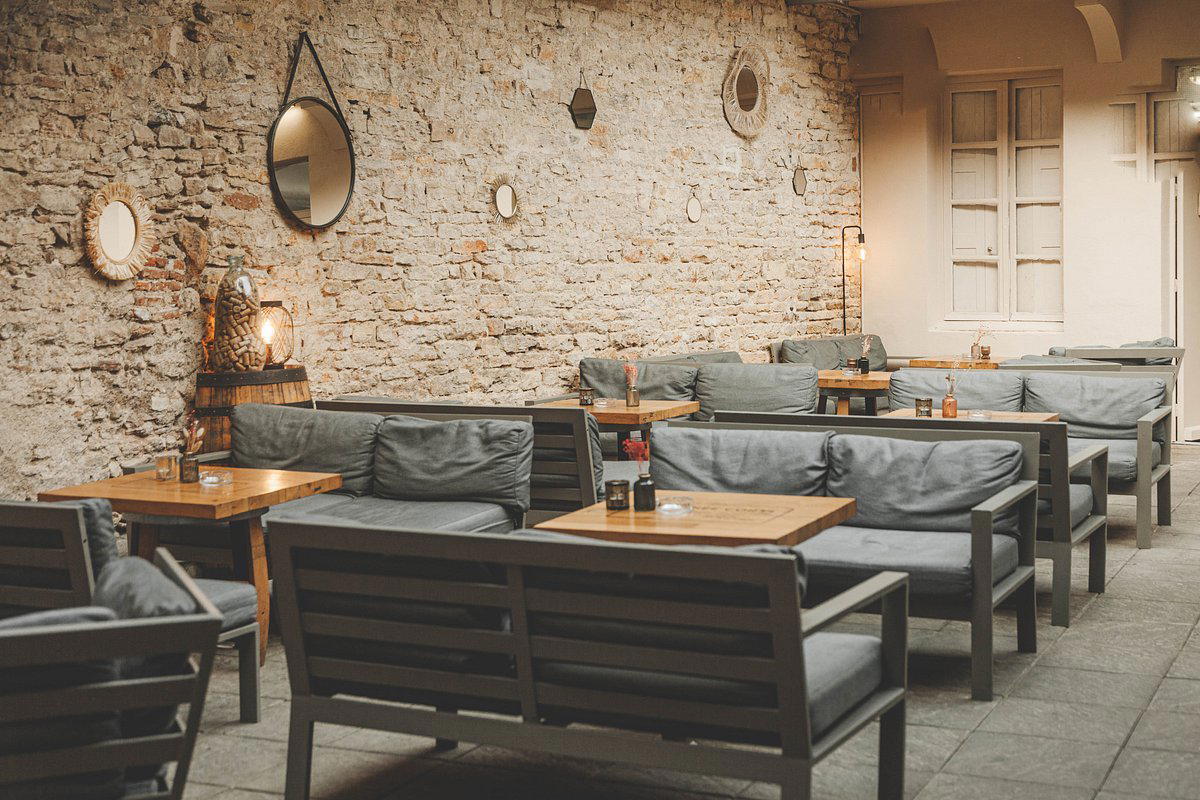
Restaurants in Beaune
Browse all →
At a Glance
- Intimate
- Elegant
- Classic
- Sophisticated
- Wine Education
- Special Occasion
- Solo Exploration
- Cave Tasting
- Private Tasting
- Côte D'or
- Pinot Noir
- Chardonnay
- Still Red
- Still White
- Private Tasting
Intimate and artisanal atmosphere in a small Beaune cellar dedicated to meticulous, hands-on winemaking.