Lost Mountain Vineyards
Rdv is a small-production winery in Delaplane, Virginia. Located at 2550 Delaplane Grade Rd in the rolling hills of Fauquier County, it operates within Virginia's most serious tier of estate wine production, where allocation-model releases and limited access define the experience as much as what ends up in the glass.

Pearl is the En Primeur Club membership app — saves, bookings, and concierge access live there. Same editors, same standards.
- Address
- 2550 Delaplane Grade Rd, Delaplane, VA 20144
- Phone
- (540) 364-0221
- Website
- lostmountainvineyards.com
- Directions
- Get directions
Within Virginia, the 2 Star Prestige classification puts Rdv in a competitive bracket more comparable to allocation-model producers in California and Oregon than to the visitor-volume tasting rooms that define much of the East Coast wine corridor. For a reader who follows producers like Accendo Cellars in St. Helena or Aubert Wines in Calistoga, properties where the rating, not the tasting room experience, drives the relationship between wine and buyer, Rdv's 2025 recognition is a meaningful signal that this is a winery to follow through the bottle, not the gift shop.
Production Philosophy in the Virginia Context
The editorial angle that matters at properties like Rdv is less about the wine list and more about what the winemaking choices imply about the producer's orientation. Virginia's serious producers have, over the past decade, split into two broad camps. One camp emphasizes hospitality infrastructure: event spaces, food pairings, estate experiences built to maximize the per-visit return from the growing wine tourism trade between Washington D.C. and the Shenandoah Valley. The other camp keeps production volumes tight, access controlled, and the focus on what ends up in bottle.
Rdv operates in the second category. The address alone, rural, un-signposted in any commercial sense, with no website listed in public records, suggests a producer that does not rely on foot traffic to move product. This is an estate built around the wine itself, a posture more common in Napa's allocation-tier producers, in Burgundy's domaine model, or in the smaller appellation producers of Paso Robles, like Adelaida Vineyards, than in the wider Virginia wine trade.
Producers who operate this way typically do so because demand is managed by existing relationships and allocation lists. Rdv shares this geography with a handful of producers who have chosen the area for its growing conditions rather than its tourism infrastructure.
Nationally, the conversation about serious East Coast red wine has expanded considerably. Producers outside California and Oregon now appear with more regularity in the allocations and cellar collections of buyers who previously confined their American wine interests to a narrow set of Western appellations. The closest parallels in orientation, small production, limited access, prestige-tier ratings, Bordeaux-variety focus, appear in producers like Alpha Omega Winery in Rutherford or Alexander Valley Vineyards in Geyserville in California, where estate commitment and appellation identity drive positioning rather than volume. On the Rhône-inflected end, producers like Alban Vineyards in Arroyo Grande and Andrew Murray Vineyards in Los Olivos demonstrate how American producers have built prestige models outside established corridors, which is precisely the path Virginia's upper tier is now tracing. The Oregon comparison is also relevant. Adelsheim Vineyard in Newberg built its reputation over decades within an appellation that was, for much of its early history, taken less seriously than its eventual quality justified. For readers interested in wider appellation comparisons, producers like Artesa Vineyards and Winery in Napa, Au Bon Climat in Santa Barbara, B.R. Cohn Winery in Glen Ellen, Aberlour, and Achaia Clauss in Patras each represent how regional producers have built prestige identity across very different wine cultures, a lens that makes the Rdv positioning in Virginia's upper tier easier to read in global terms. Visitors planning to engage with Rdv should treat this as an estate that expects contact through established channels, arriving without prior arrangement is unlikely to result in a tasting.C. via Route 66.Comparative Reference Points Across American Appellation Tiers
Budget Reality Check
Comparable venues nearby, for context on price, style, and recognition.
| Venue | Cuisine | Price | Notes |
|---|---|---|---|
| Lost Mountain VineyardsThis venue — the venue you are viewing | Delaplane, Merlot, Cabernet Sauvignon | $50–100 | Not listed |
| Barrel Oak Winery | Delaplane, Petit Verdot, Merlot | $10–20 | Not listed |
| Boxwood Estate Winery | Middleburg, Merlot, Cabernet Franc | Not listed | Not listed |
| Paradise Springs Winery | Not listed | $30–50 | Clifton, Cabernet Sauvignon, Cabernet Franc |
| Pippin Hill Farm & Vineyards | North Garden, Chardonnay, Cabernet Franc | $30–50 | Not listed |
| Potomac Point Winery & Vineyard | Stafford, Merlot, Chardonnay | Not listed | Not listed |
Continue exploring
More in Delaplane
Wineries in Delaplane
Browse all →
Bars in Delaplane
Browse all →
Restaurants in Delaplane
Browse all →
Details
- Elegant
- Scenic
- Rustic
- Sophisticated
- Romantic Getaway
- Wine Education
- Special Occasion
- Vineyard Tour
- Barrel Room
- Panoramic View
- Mountain
- Vineyard
- Merlot
- Cabernet Sauvignon
- Cabernet Franc
- Petit Verdot
- Still Red
- Private Tasting
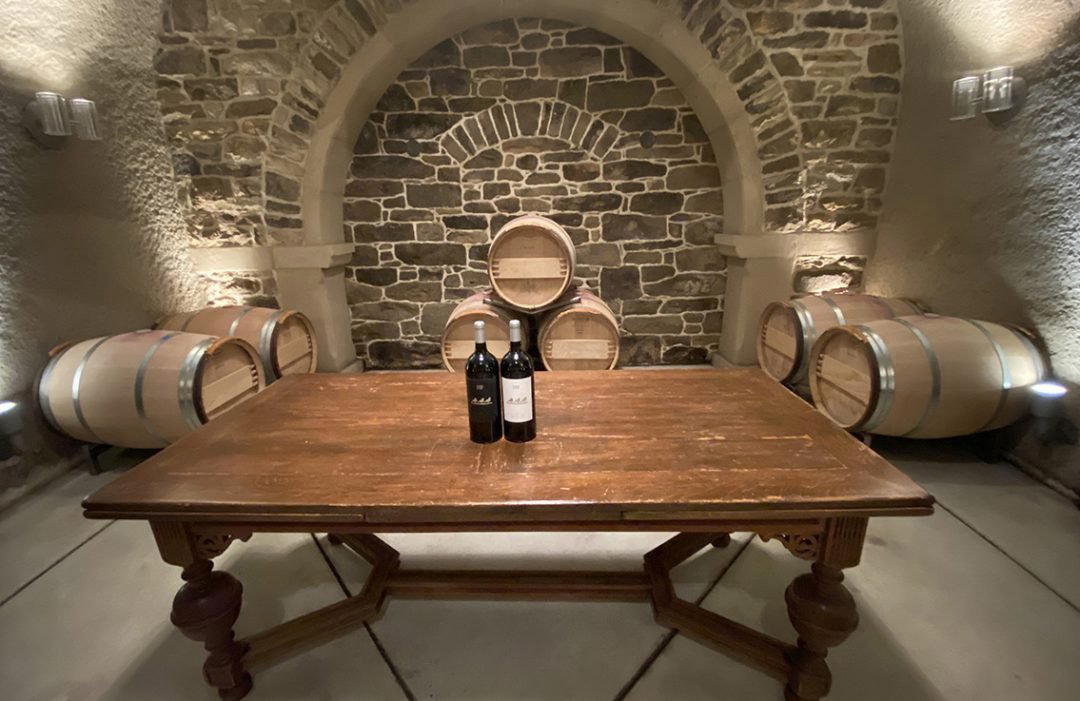
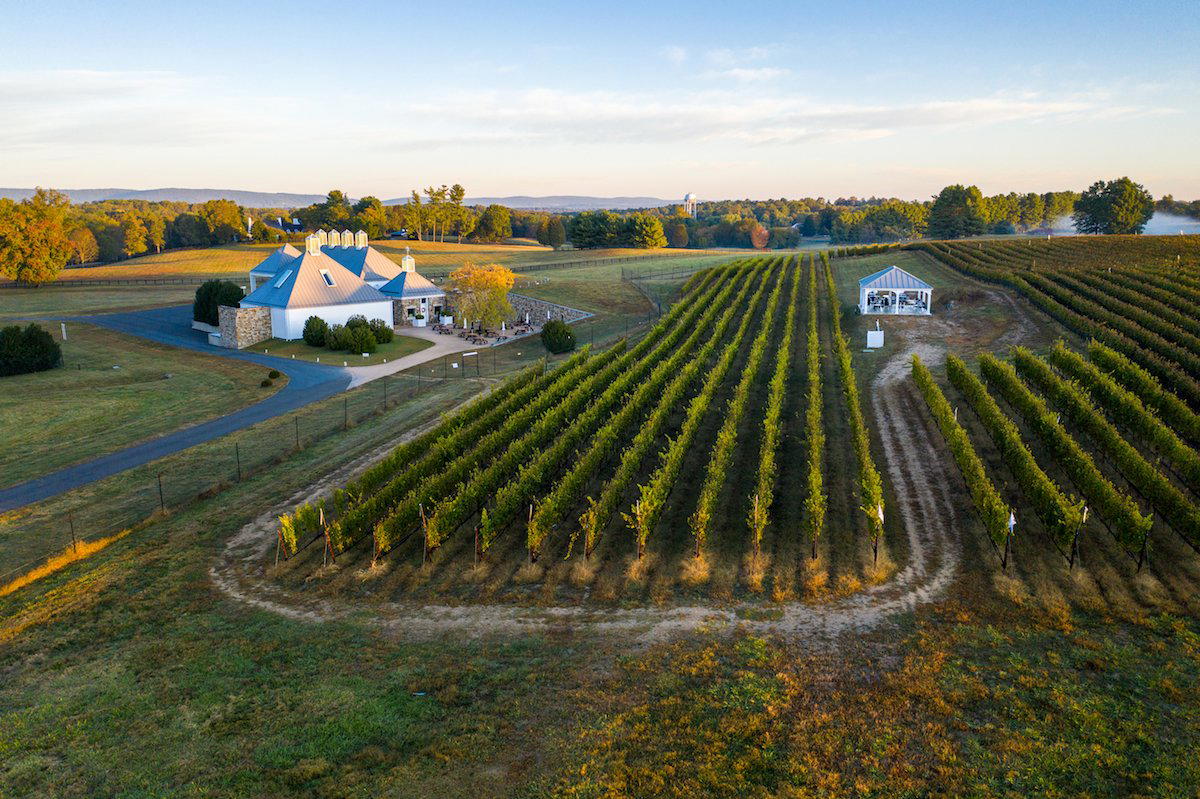
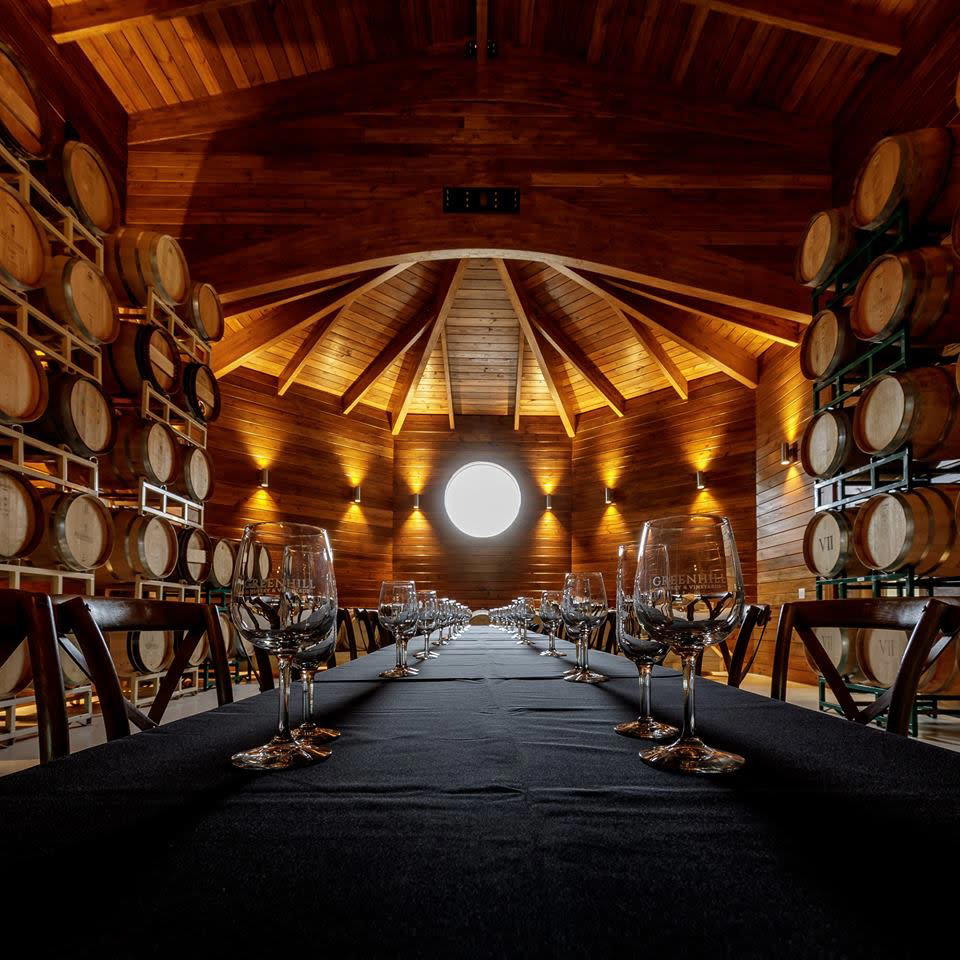
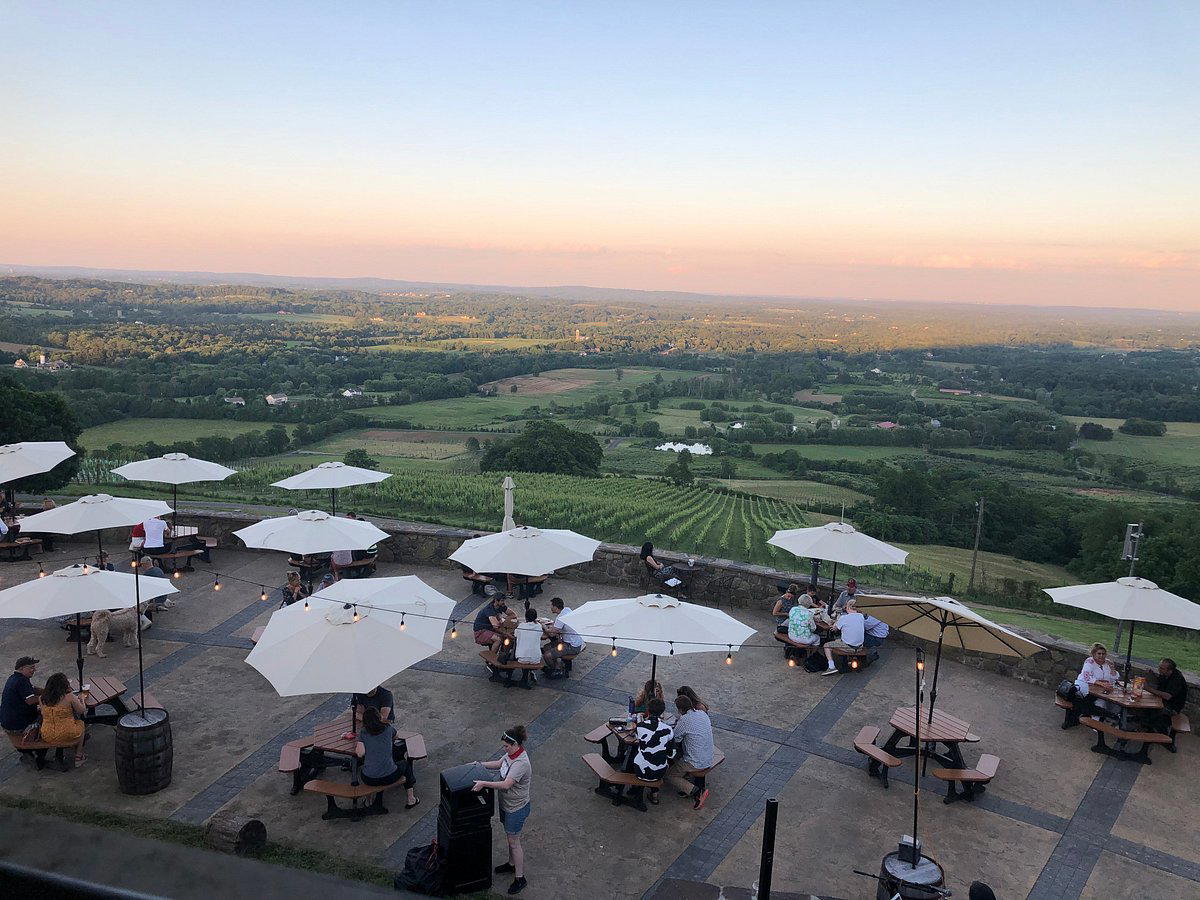
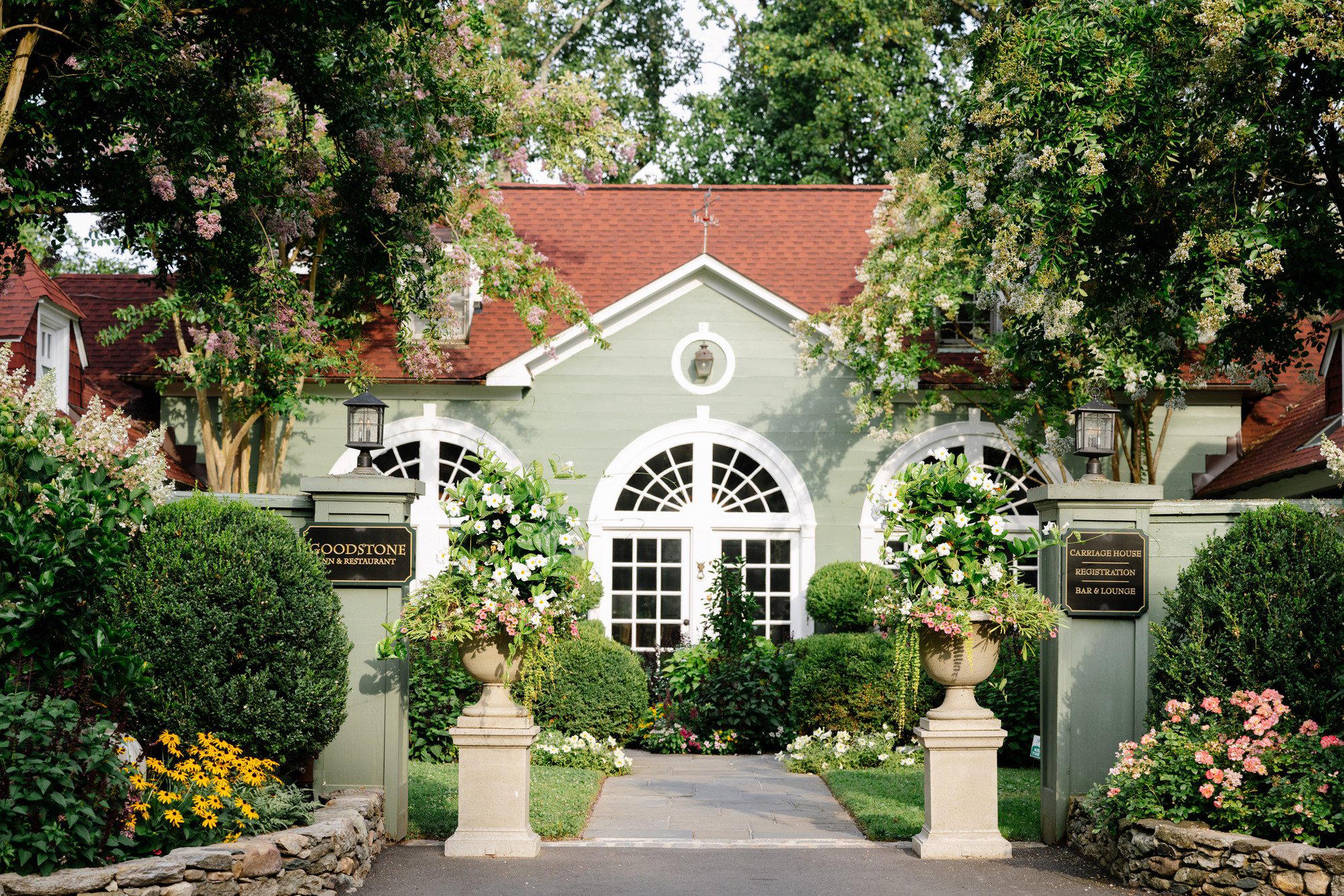
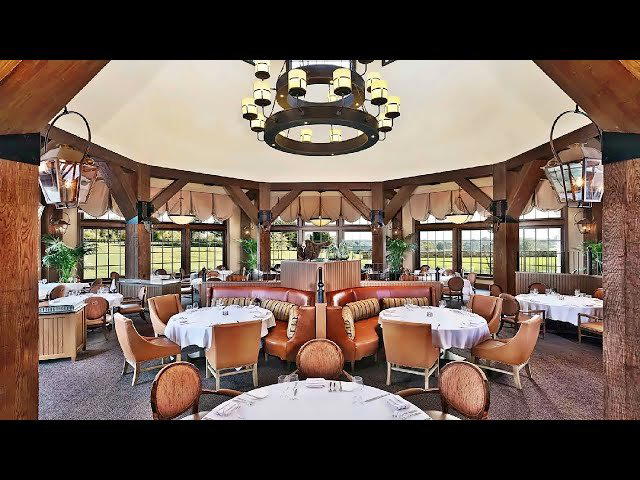
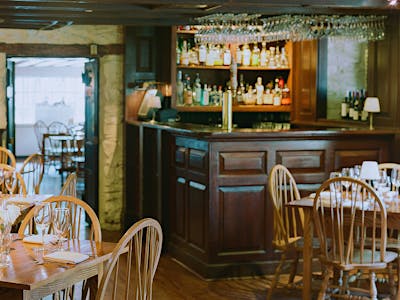
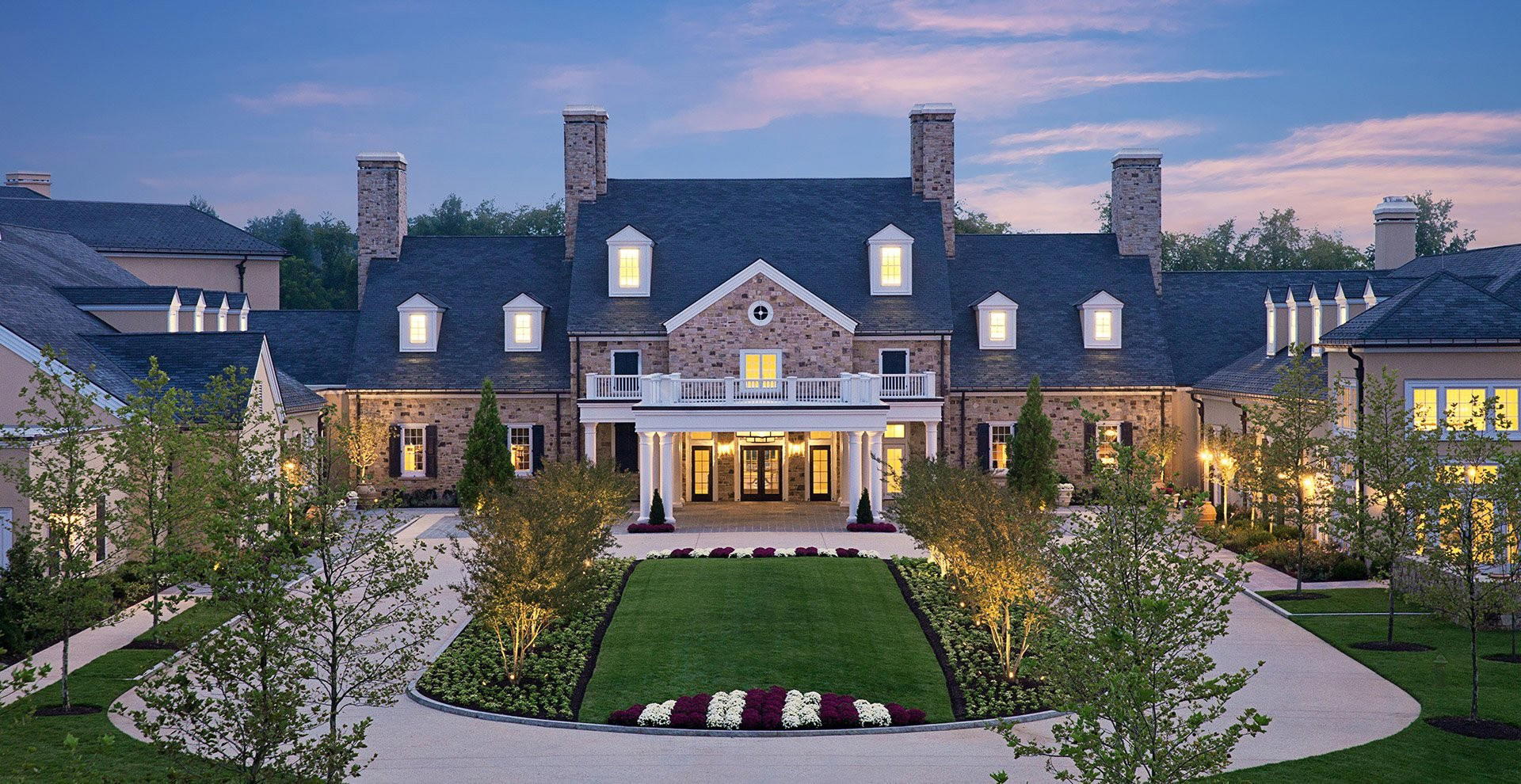
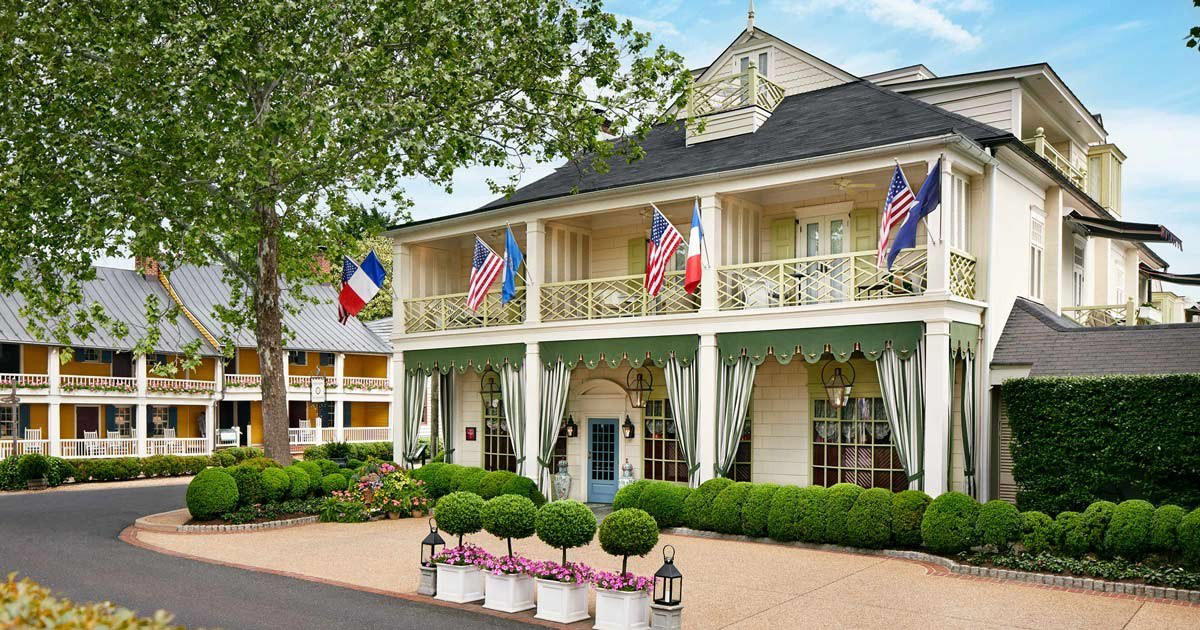
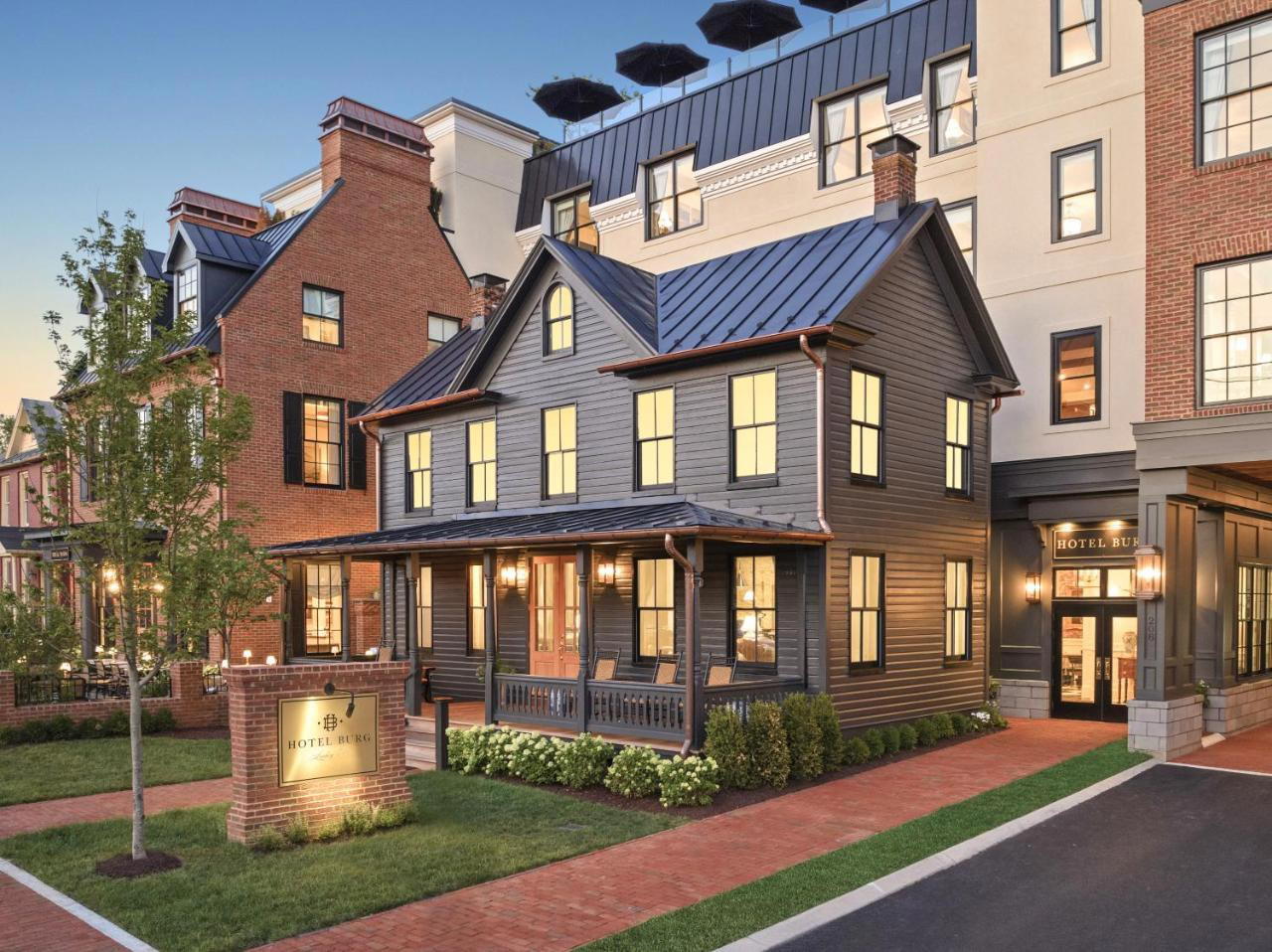
Cool, comfortable, elegant winery with musky forest-scented barrel hall, scalloped lighting spotlighting caramel-colored casks, and outdoor hillside vistas.