Lichen Estate
Located on County Road 151 outside Boonville, the estate operates in one of California's cooler, fog-influenced appellations, where Pinot Noir and Chardonnay express a distinctly nervy, acid-driven character. Serious wine travellers making the Boonville circuit should plan around it.

Pearl is the En Primeur Club membership app — saves, bookings, and concierge access live there. Same editors, same standards.
- Address
- 11001 County Rd 151, Boonville, CA 95415
- Phone
- (707) 895-7949
- Website
- lichenestate.com
- Directions
- Get directions

Where Anderson Valley's Fog Line Meets Serious Winemaking
The drive into Boonville from the coast follows Highway 128 as it winds through redwood corridors before the valley opens into a patchwork of vineyards and apple orchards. This is not Napa. The diurnal swings here can exceed 50 degrees Fahrenheit, mornings arrive wrapped in marine fog that burns off slowly, and the growing season runs long and cool. It is precisely this character that has drawn a cohort of producers more interested in tension and restraint than in extraction and alcohol weight.
Anderson Valley's reputation among California's cooler-climate appellations has been building steadily since the 1980s, when early Alsatian-variety plantings demonstrated the region's aptitude for aromatic whites and later when Burgundian transplants validated its Pinot Noir and Chardonnay credentials. The valley floor sits at roughly 1,000 feet in its upper reaches, and the Navarro River corridor acts as a channel for cold Pacific air. Producers working in this environment tend to talk about restraint not as a philosophy but as a practical consequence of the site: over-ripe fruit is the exception, not the default.
Within Boonville specifically, this aligns the estate with a small peer group operating at a level where allocation models, limited production, and appointment-based or direct-only purchasing are common signals. Producers at this tier in similarly cool-climate California appellations, from the Sonoma Coast to Santa Cruz Mountains, tend to share structural characteristics: low yields, older-vine sourcing where available, and distribution strategies that prioritise existing mailing-list customers over retail volume.
For context across California's premium wine geography, the pattern holds: Accendo Cellars in St. Helena and Alpha Omega Winery in Rutherford represent the Napa end of the prestige-tier spectrum, while Adelsheim Vineyard in Newberg and Adelaida Vineyards in Paso Robles show how differently the same tier can express depending on regional identity. Lichen Estate's position in Anderson Valley places it closest to the cool-climate, low-intervention end of that spectrum.
The Anderson Valley Winemaking Tradition
The philosophy most associated with Anderson Valley's serious producers shares a few consistent markers: whole-cluster fermentation used selectively to add spice and structure rather than fruit weight, indigenous or low-addition yeast approaches that preserve site character, neutral or large-format oak that supports rather than flavours, and early bottling windows that retain aromatics. These are not universal, but they appear often enough across the valley's upper tier to constitute a recognisable house style for the appellation as a whole.
Lichen Estate operates within this tradition. The name itself points toward the ecosystem logic of slow growth, symbiosis, and sensitivity to environmental conditions — values that map directly onto how the most considered producers in Anderson Valley approach their vineyards. Whether through dry-farmed blocks, cover-cropped rows, or the decision to pick on acid rather than sugar accumulation, the estate's 2025 prestige rating reflects outputs consistent with this approach.
Regionally, Anderson Valley Pinot Noir occupies a specific niche within California's broader Pinot map. Compared to Sonoma Coast expressions, which can run toward a more saline, windward character, Anderson Valley tends toward floral aromatics, red fruit, and a mid-palate that carries tension without austerity. Chardonnay from the appellation, at its finest, reads closer to Chablis or Macon in weight and acid profile than to the richer, more butter-forward styles common further south. Producers like Foursight Wines and Fathers and Daughters Cellars work within this same framework in Boonville.
The Boonville Producer Ecosystem
Boonville functions as the commercial and social centre of Anderson Valley wine country, though its scale remains modest: a single main street, a handful of tasting rooms, and a community that has maintained agricultural identity despite growing wine-tourism interest. The producers operating here occupy a narrower band than the broader valley appellation allows, with most focused on Burgundian varieties and, to a lesser degree, Alsatian grapes that the valley's older reputation was built on.
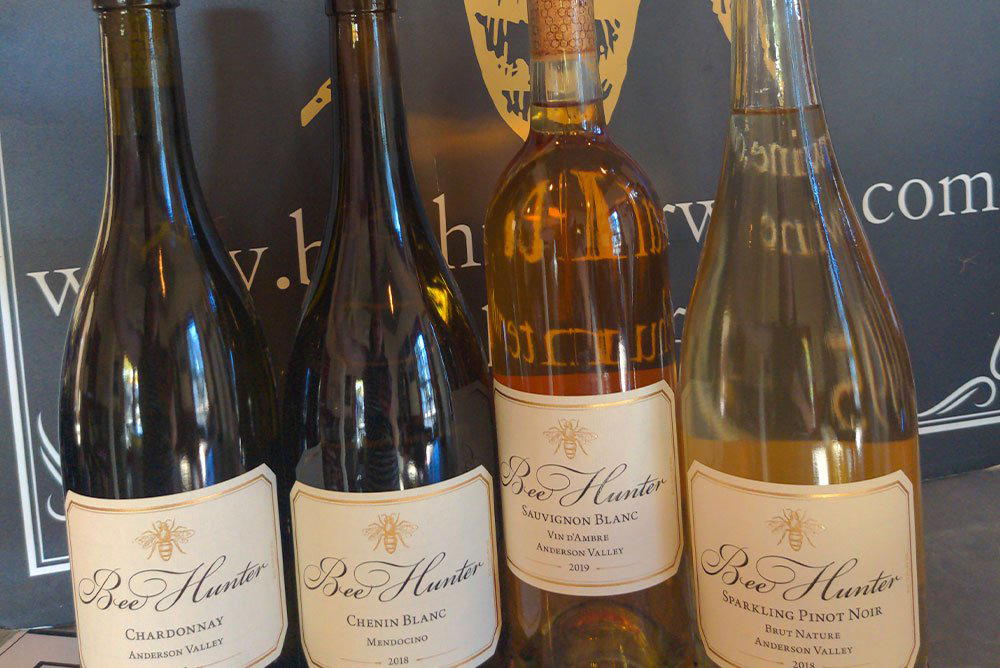
Bee Hunter Wine and Pennyroyal Farm represent other facets of the Boonville producer community, the latter combining winemaking with a working farmstead and cheesemaking operation that makes it a different kind of visit. The Boonville Distillery marks a further diversification of the valley's craft-producer scene, reflecting a broader trend in agricultural appellations where grain spirits and brandy production find a foothold alongside established wine culture.
For visitors building an Anderson Valley itinerary, the concentration of producers at or near Boonville makes it possible to cover several estates in a single day, particularly if appointments are arranged in advance. The valley's single-road geography — Highway 128 running its length, simplifies logistics but also means that timing matters: weekend traffic through the corridor increases significantly between late spring and early fall.
Visiting Lichen Estate: What to Know Before You Go
Lichen Estate is located at 11001 County Road 151, Boonville, CA 95415. At the prestige tier in Anderson Valley, visiting protocols typically involve advance contact through the estate's direct channels, as walk-in availability at smaller producers in this category is not guaranteed. Producers at this rating level in California tend to reserve tasting availability for existing customers and allocation list members, so early outreach is advisable, particularly for weekend visits during harvest season (September to November) or spring release windows.
Boonville sits approximately three hours north of San Francisco by road, accessible via US-101 north to Highway 128 west. The valley has limited accommodation, so most visitors staying overnight base themselves in Boonville proper or in Philo further up the valley. The full Boonville guide on EP Club covers the broader dining and drinking context for the area.
Each represents a distinct regional expression; Lichen Estate's position in Anderson Valley places it at the cooler, more restrained end of that California spectrum.
Budget and Context
Comparable venues nearby, for context on price, style, and recognition.
| Venue | Cuisine | Price |
|---|---|---|
| Lichen EstateThis venue — the venue you are viewing | Boonville, Pinot Noir, Pinot Gris | $10–20 |
| Pennyroyal Farm | Anderson Valley, Pinot Noir, Chardonnay | $20–30 |
| Bee Hunter Wine | Boonville, Pinot Noir, Sauvignon Blanc | Not listed |
| Foursight Wines | Boonville, Pinot Noir, Sauvignon Blanc | $30–50 |
| Fathers & Daughters Cellars | Anderson Valley, Pinot Noir, Chardonnay | Not listed |
Continue exploring
More in Boonville
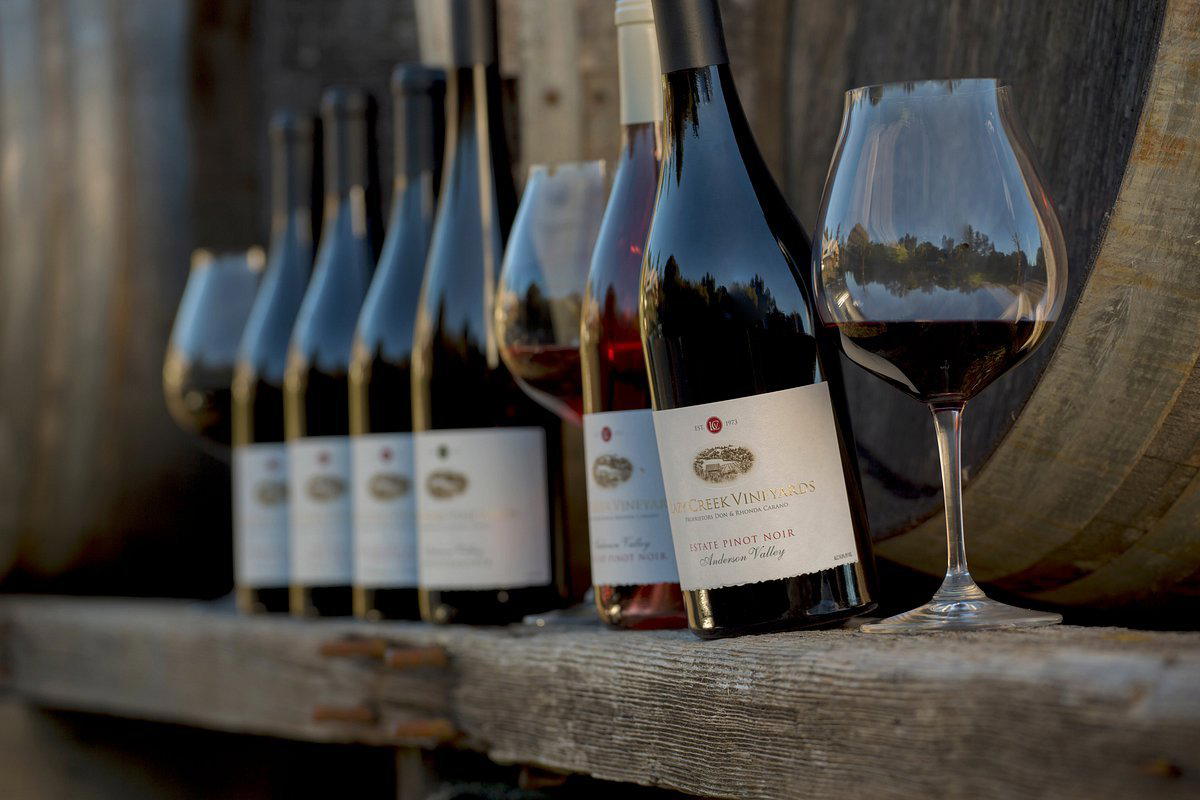
Wineries in Boonville
Browse all →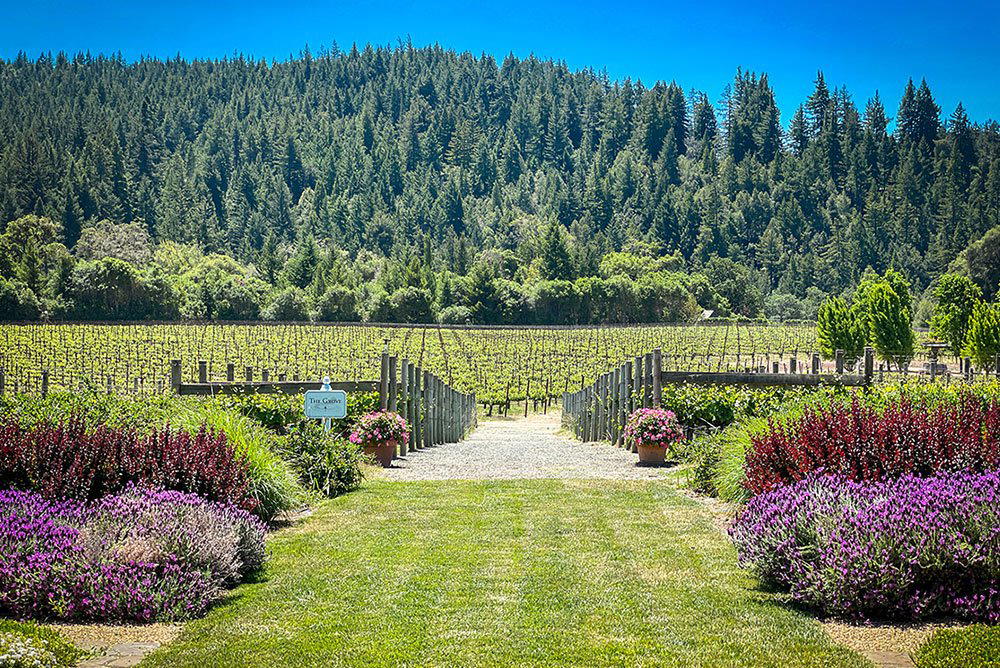
Restaurants in Boonville
Browse all →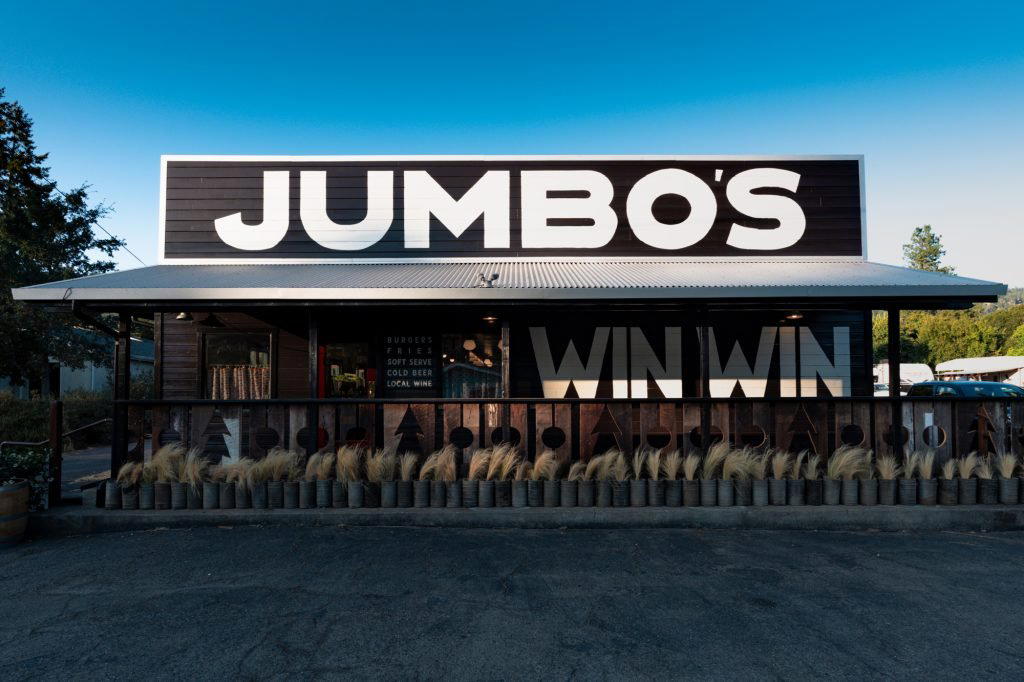

Details
- Scenic
- Elegant
- Intimate
- Rustic
- Romantic Getaway
- Wine Education
- Group Outing
- Family
- Vineyard Tour
- Estate Grounds
- Panoramic View
- Terrace
- Organic
- Vineyard
- Pinot Noir
- Pinot Gris
- Still Red
- Still White
- Sparkling
- Estate Tasting
- Sparkling Wine Tasting
- English
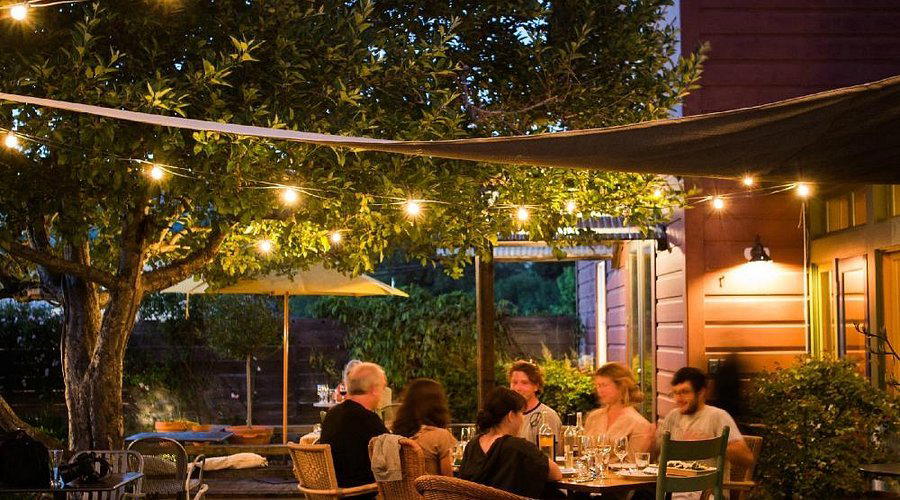
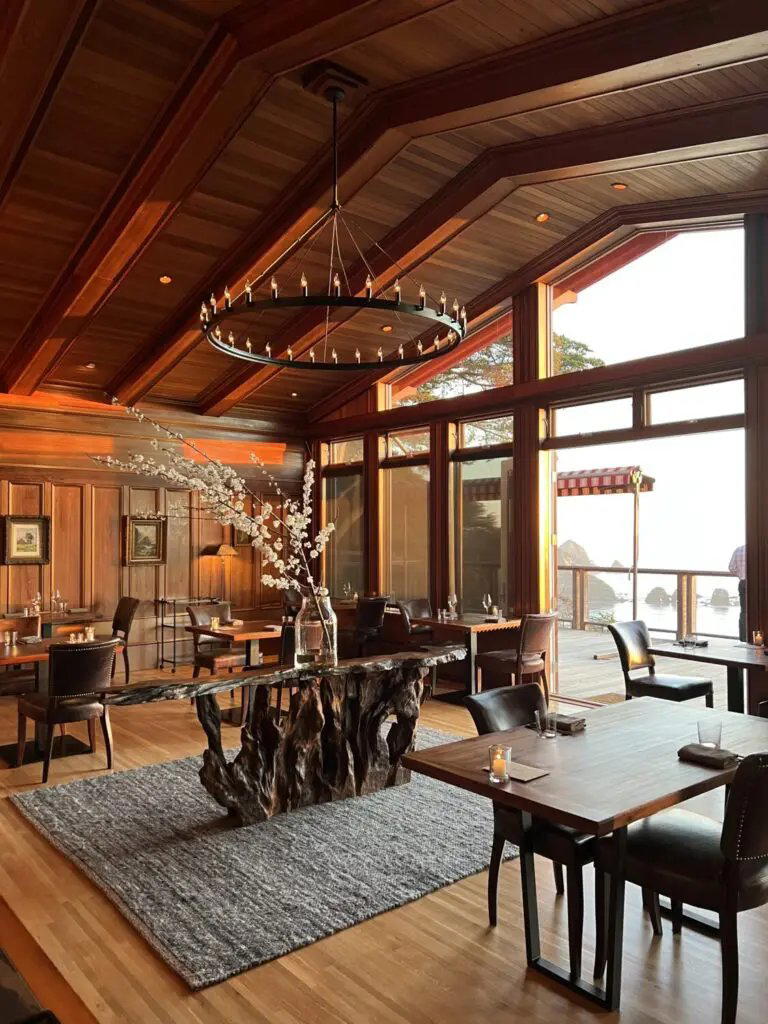
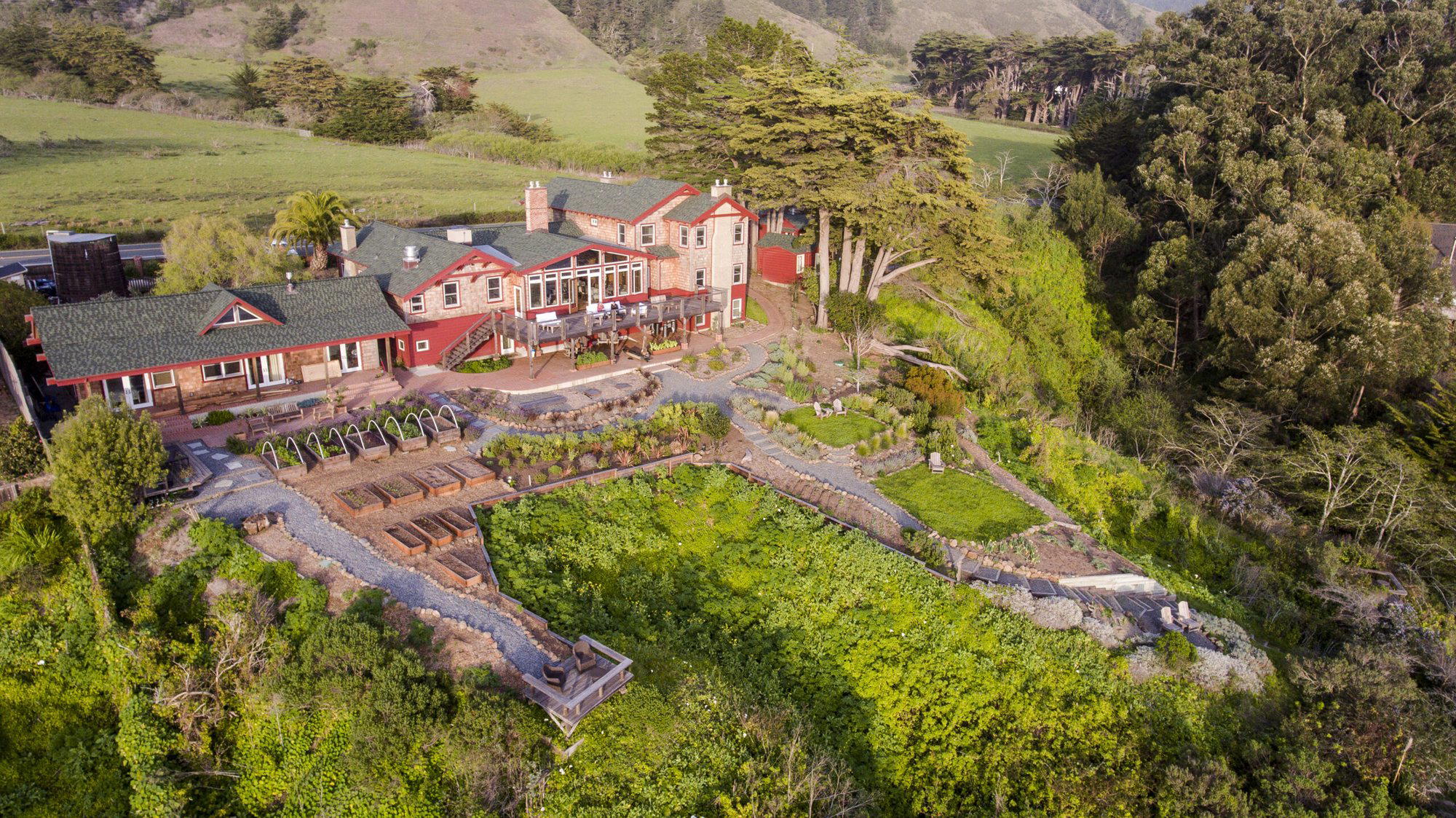
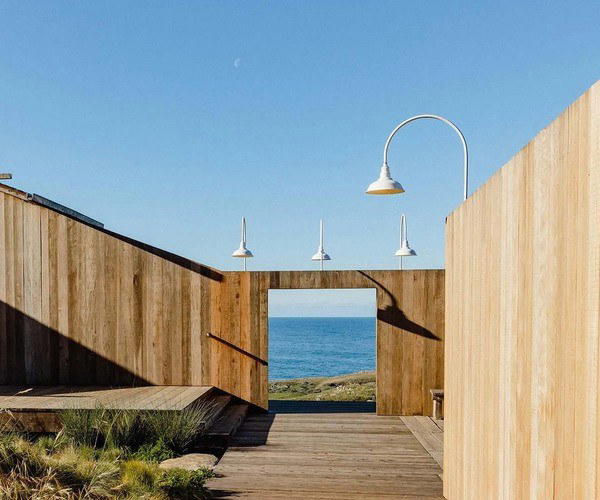
Relaxed outdoor tasting experience with Adirondack chairs scattered across the front lawn or covered patio, with views overlooking the hillside vineyard.