
Situated within Hacienda Dolores in Durango's Zona Centro, Lágrimas de Dolores holds a Pearl 2 Star Prestige rating for 2025, placing it among a small tier of recognized addresses in a city that remains largely off the international fine-dining radar. The hacienda setting frames an experience rooted in northern Mexican tradition, making it one of the more serious dining propositions in the region.
 Discover on Pearl
Pearl is the En Primeur Club membership app — saves, bookings, and concierge access live there. Same editors, same standards.
- Address
- Florida 1104A, Zona Centro, 34000 Durango, Dgo.
- Phone
- +52 618 810 4401
- Website
- lagrimasdedolores.com
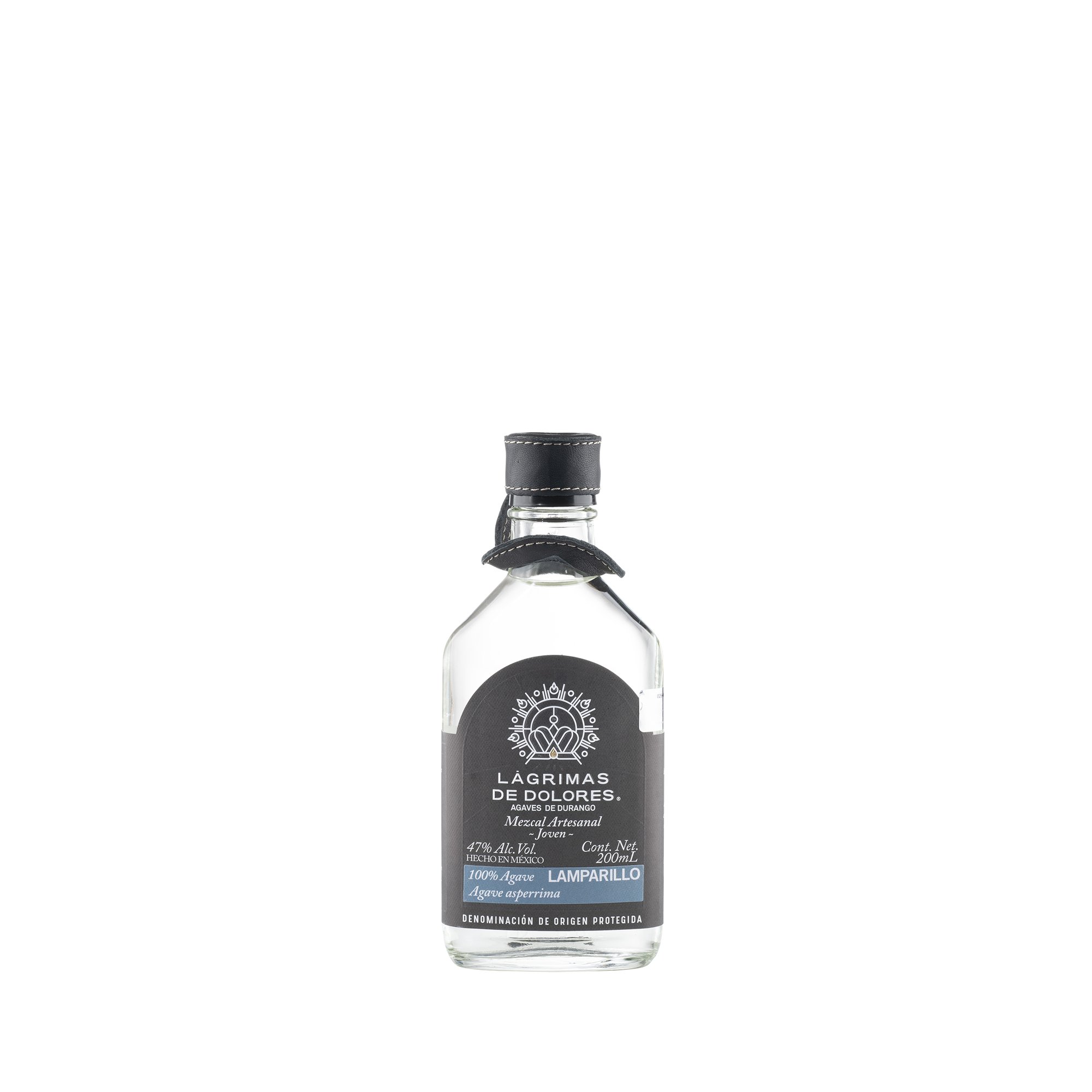
Durango's Dining Scene and Where Hacienda Dolores Fits
Durango occupies an unusual position in Mexico's culinary geography. The city sits at the edge of the Sierra Madre Occidental, where the high-altitude plateau meets some of the country's most productive agricultural land, yet it draws a fraction of the food-focused travel that flows through Oaxaca, Mexico City, or even Guadalajara. That gap between the region's raw material quality and its international profile is precisely what makes Lágrimas de Dolores, a winery in Durango at Hacienda Dolores on Florida 1104A in the Zona Centro, worth understanding in context. The 2025 Pearl 2 Star Prestige recognition places it in a tier that signals considered ambition, not just local popularity.
The Hacienda Format as Context
The hacienda dining format has a long history across northern and central Mexico, and it sets certain expectations before a guest sits down. These are properties built around colonial-era agricultural estates, where the architecture, the courtyard, and the physical weight of the building are part of the experience. Arriving at Hacienda Dolores on a street in Durango's historic center, the facade signals a different register than a modern restaurant fit-out. The stone, the spatial proportions, and the relationship between interior and exterior courtyard space are characteristic of the format. Mexico's most recognized hacienda-format hospitality operations, including Casa Herradura (Hacienda San José del Refugio) in Amatitán and Hacienda Corralejo in Pénjamo, use the built environment as a framing device for the product inside. At Lágrimas de Dolores, the same logic applies: the hacienda setting is not incidental, it is load-bearing for how the experience reads.
Northern Mexico's Terroir on the Plate
The editorial angle that matters most for Lágrimas de Dolores is terroir in the broadest sense: not just what grows in the soil, but what the land, altitude, and climate of Durango state make possible. Northern Mexican cuisine operates with different source ingredients than the south. Durango's cattle ranching tradition produces some of the country's most respected beef. The high-altitude climate of the Sierra Madre supports apple and pear orchards, chile varieties with distinctive heat profiles, and wild game that has defined regional cooking for centuries. Venado (venison), borrego (lamb from highland flocks), and asado de boda, the ceremonial red chile pork dish that is deeply embedded in Durango and Zacatecas cooking, form the backbone of what a serious kitchen in this city should be drawing from. The 2025 recognition implies a kitchen working with these ingredients with unusual seriousness.
That comparison is worth sitting with. Oaxaca's international profile is built partly on a global audience's familiarity with mezcal, mole, and a well-documented artisan food culture. Productions like Los Danzantes in Santiago Matatlán, Don Amado (Arellanes family) in Santa Catarina Minas, and El Rey de Matatlán in Tlacolula de Matamoros have benefited from that ecosystem. Durango's food traditions are no less specific, but they have not yet attracted the same layer of international documentation. That gap creates an opportunity for the venue: it is working with source material that has no obvious international comparator.
Where Lágrimas de Dolores Sits in Its comparable set
Mexico's premium spirits and agave production network provides a useful structural comparison for understanding how place-specific excellence gets recognized. Properties like Jose Cuervo (La Rojeña) in Tequila, La Primavera (Don Julio) in Atotonilco El Alto, and Cazadores Distillery in Arandas have each built reputations that depend on the specific character of their geography. The same principle applies to dining: a kitchen that takes its cues from Durango's specific terroir, rather than defaulting to generic Mexican fine-dining templates, is making a claim about place that has more long-term credibility than one that doesn't. The name Lágrimas de Dolores (Tears of Dolores) references the hacienda's own history and identity, not a pan-regional brand.
Closer to Durango itself, Origen Raíz (Vinata El Ojo) in Nombre de Dios, a municipality within Durango state, represents the kind of deep-roots production that is beginning to draw specialist attention to the region. As agave-based spirits from outside the recognized Jalisco and Oaxaca corridors gain traction among buyers and critics, Durango's broader food and drink identity is likely to become better understood. The 2025 recognition positions Lágrimas de Dolores as an anchor of that emerging narrative.
Practical Considerations for a Visit
Planning around Lágrimas de Dolores requires a few realistic acknowledgements. The address at Florida 1104A in the Zona Centro places it in Durango's historic district. The venue operates by appointment only.
Comparable Spots, Quickly
Comparable venues nearby, for context on price, style, and recognition.
| Venue | Cuisine | Price | Notes |
|---|---|---|---|
| Lágrimas de Dolores (Hacienda Dolores)This venue — the venue you are viewing | cenizo, verde | $$$ | |
| Casa Cortés – La Soledad Palenque | Espadín | $$ | La Compañía (Ejutla) |
| Mezcal Unión (bottled of origin) | Winery | , | San Baltazar Guelavila |
| Origen Raíz (Vinata El Ojo) | Cenizo durangensis, Madrecuishe | $$$ | Nombre de Dios |
| El Pandillo (G4) | Blue Weber | $$ | Jesús María |
| Sombra | Winery | , | Santiago Matatlán |
At a Glance
- Rustic
- Historic
- Intimate
- Wine Education
- Historic Building
- Estate Grounds
- Sustainable
Rustic and historic atmosphere in a traditional hacienda setting.