Leopard’s Leap

Leopard’s Leap is a hospitality-forward Franschhoek wine estate where tasting, lunch, lawns and family space sit alongside a broad Cape-focused portfolio. The strongest reason to go is the format: a modern, sociable cellar-door experience built around accessible still, sparkling and de-alcoholised wines rather than a narrow trophy-bottle narrative.
Pearl is the En Primeur Club membership app — saves, bookings, and concierge access live there. Same editors, same standards.
- Address
- Franschhoek, Franschhoek / Franschhoek Valley, Südafrika
- Directions
- Get directions
 Saves & bookings on Pearl
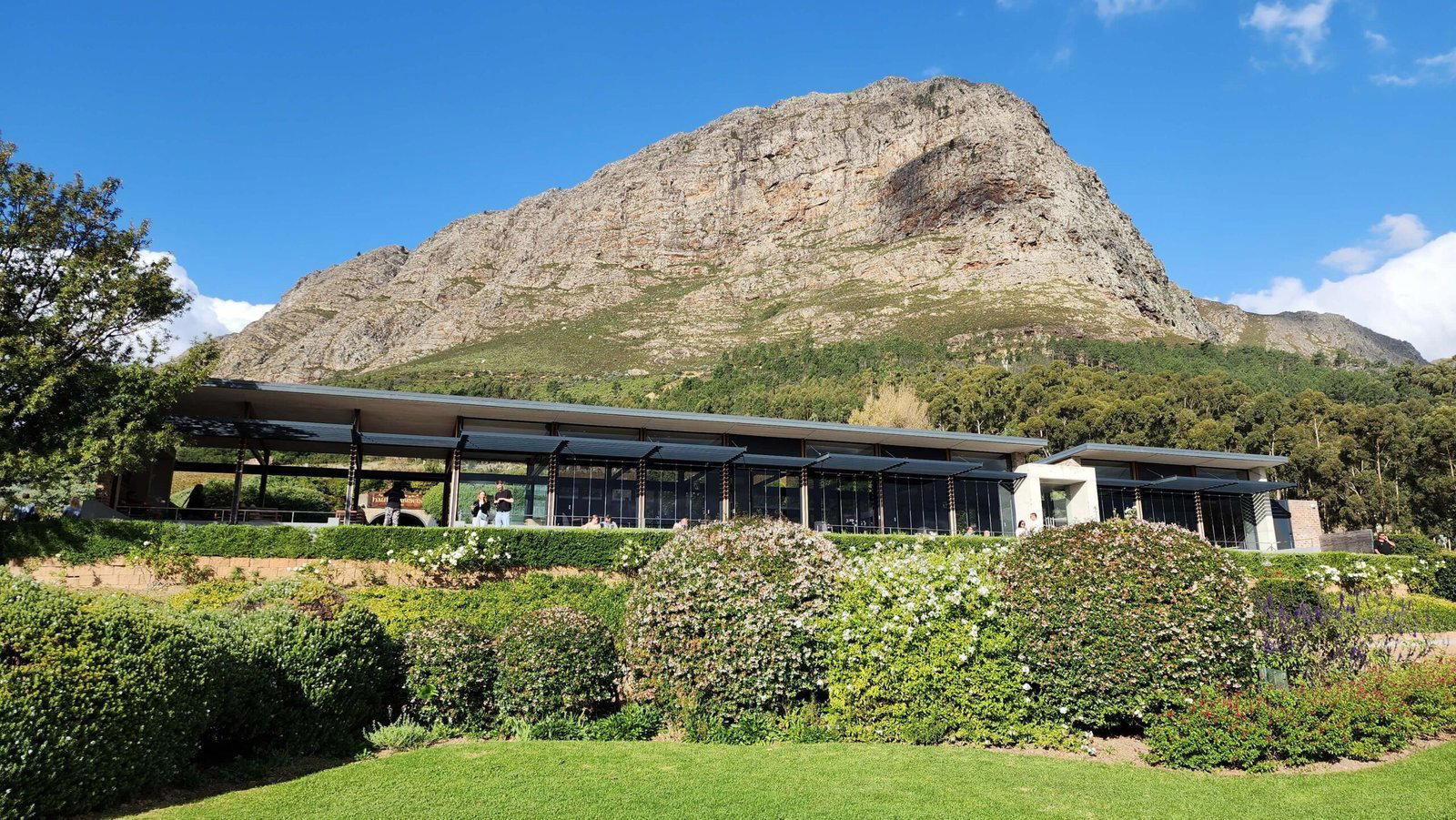
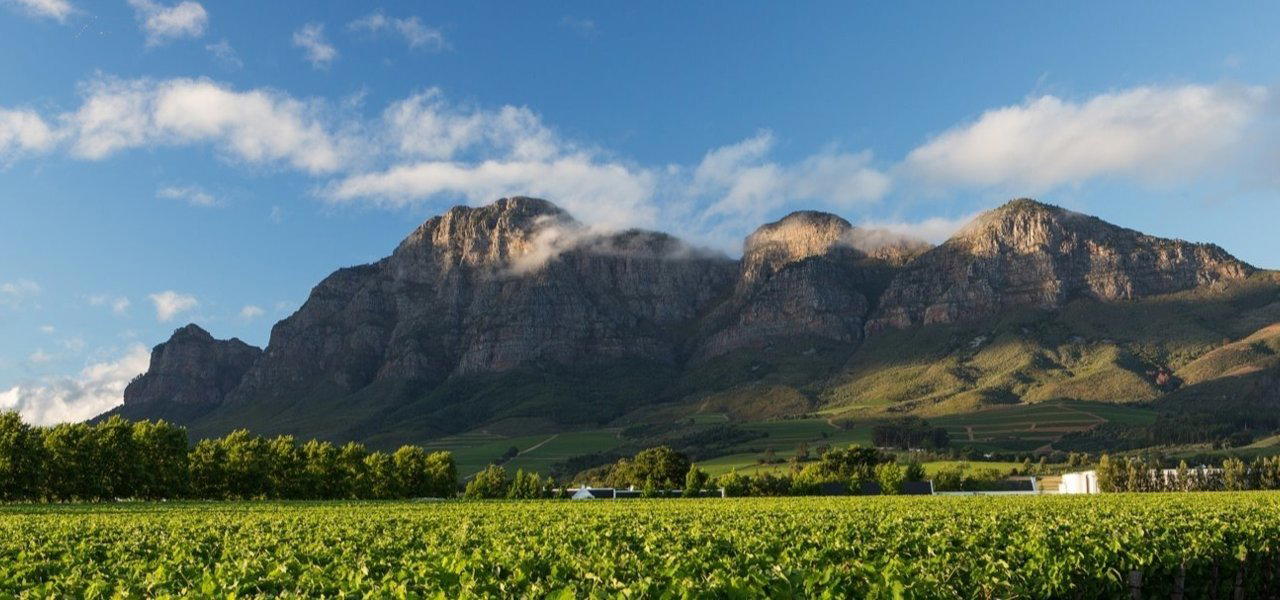
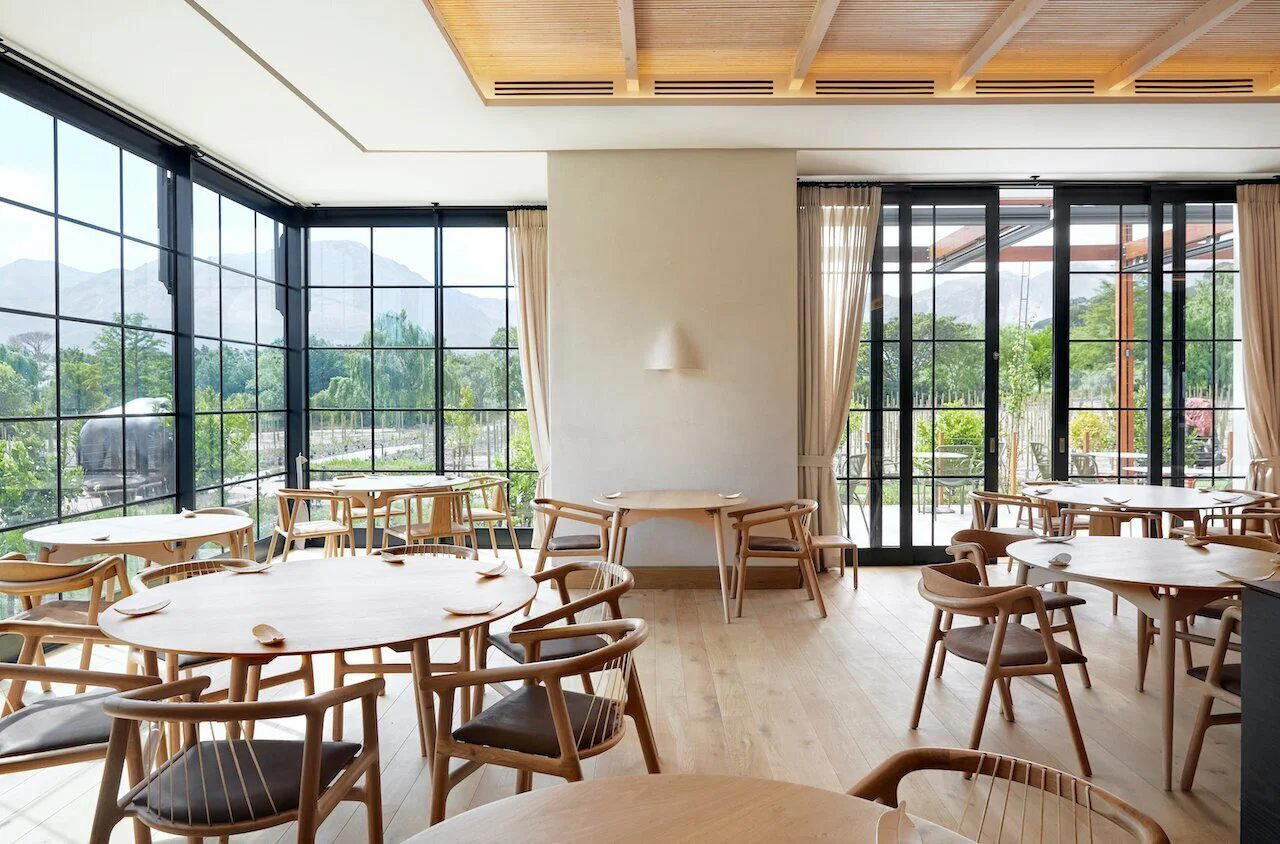
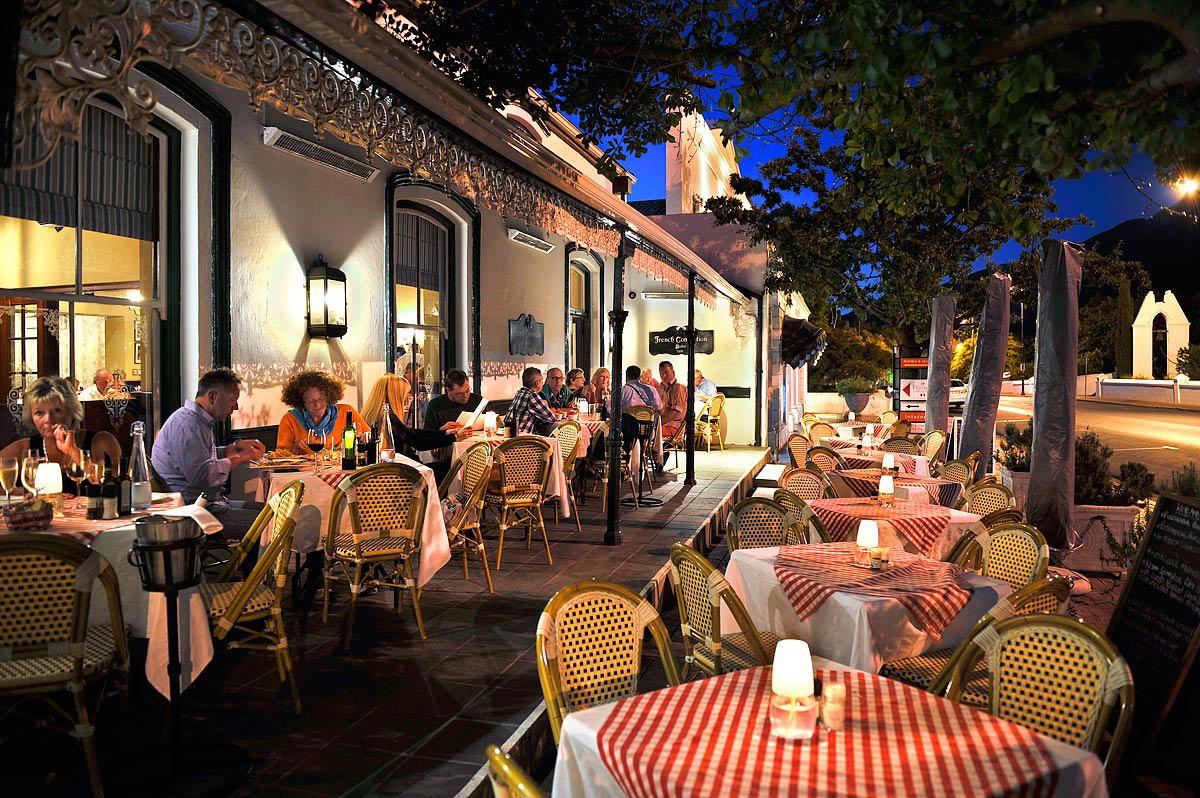
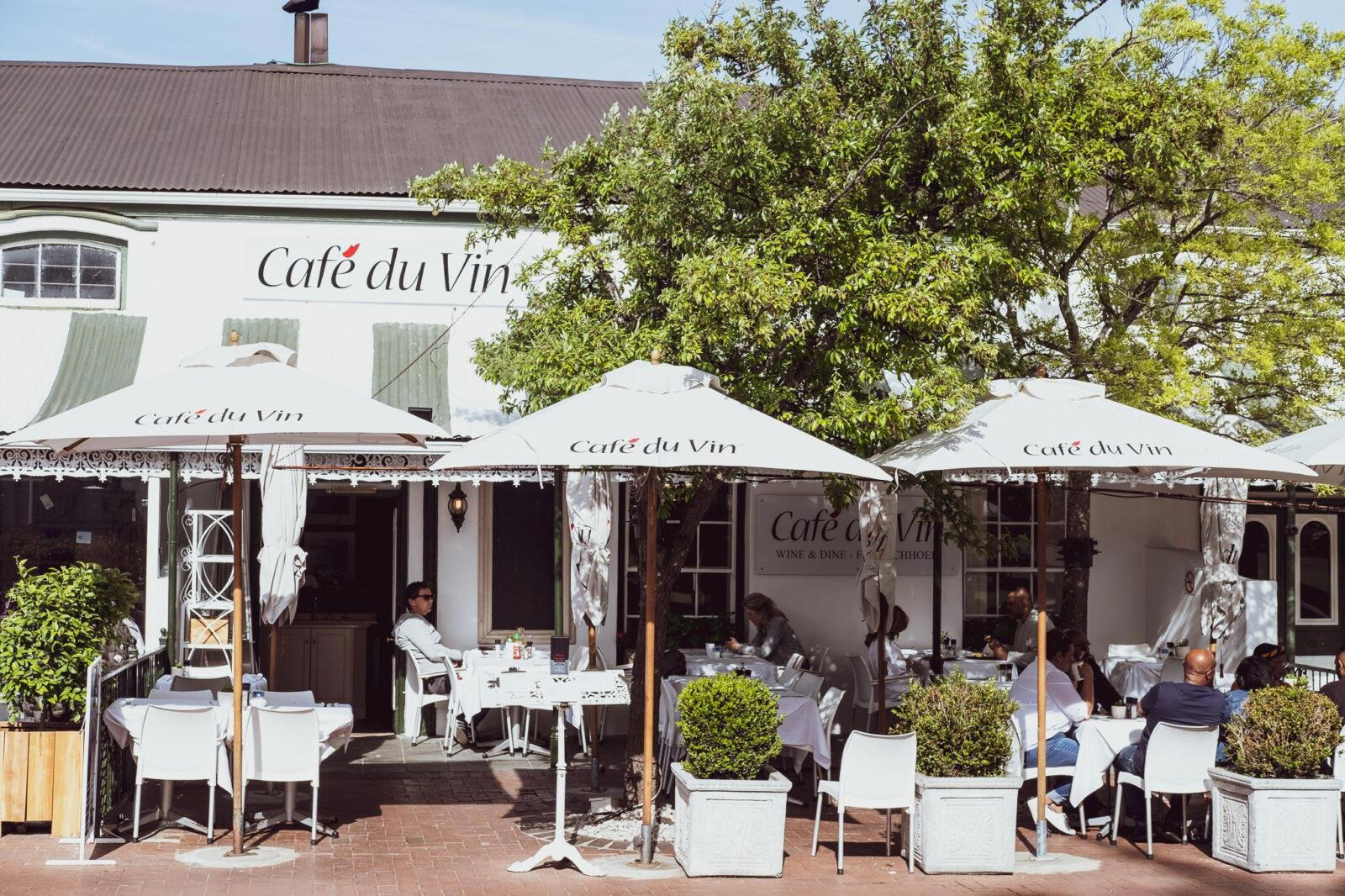
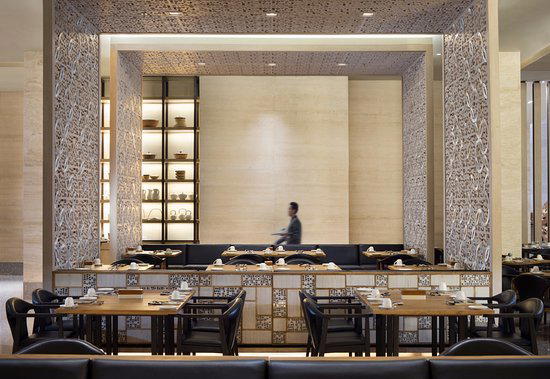
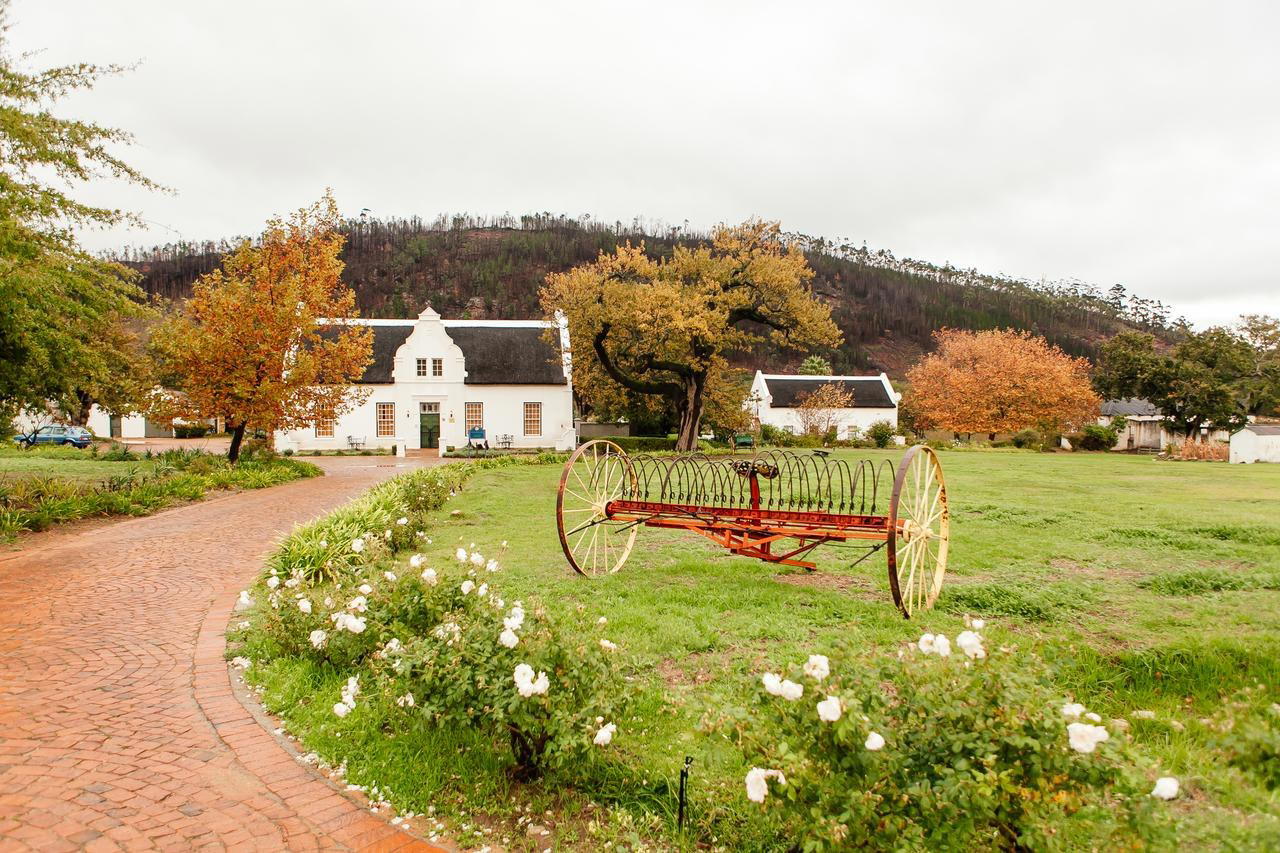
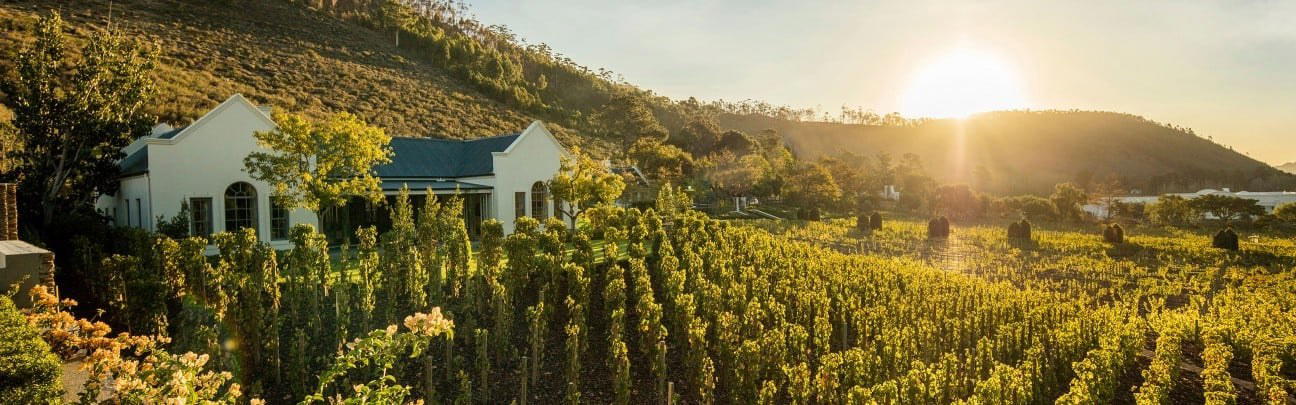
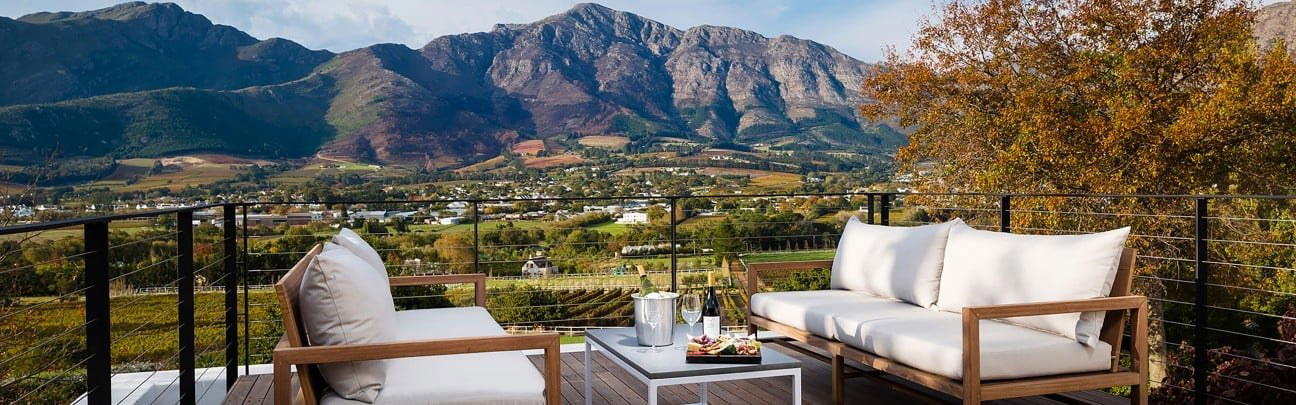
The first read here is scale and ease: a modern tasting hall, open lawns, terrace space, vineyard views and the kind of family-friendly energy that changes the usual Franschhoek cellar-door rhythm. In a valley often associated with long lunches and polished wine tourism, this is the more sociable end of the spectrum, where wine tasting, food, shopping, children’s space and events are folded into one estate visit rather than treated as separate rituals.
That matters in Franschhoek because the region sells place as much as bottle. Mountain light, vineyard rows and a lunch culture with French-Cape echoes have made the valley one of South Africa’s clearest wine-tourism propositions. Leopard’s Leap fits that pattern through hospitality first: a large contemporary room, sunny outdoor areas, a pump track and a programme that makes mixed-age groups easier to accommodate than at formal tasting counters.
Franschhoek terroir translated for a broad table
The wine story is less about a single flagship cuvée and more about range architecture. Cabernet Sauvignon, Merlot, Shiraz, Pinotage, Chenin Blanc and Sauvignon Blanc form the core signals, joined by rosé, sparkling Chardonnay Pinot Noir, Moscato, Chardonnay Pinot Noir and tiered labels including Culinaria, Family Collection, Lookout, Pardus, Special Edition and Natura de-alcoholised wines. That breadth reads as an estate built for different drinking occasions, from casual lunches to more structured food pairings.
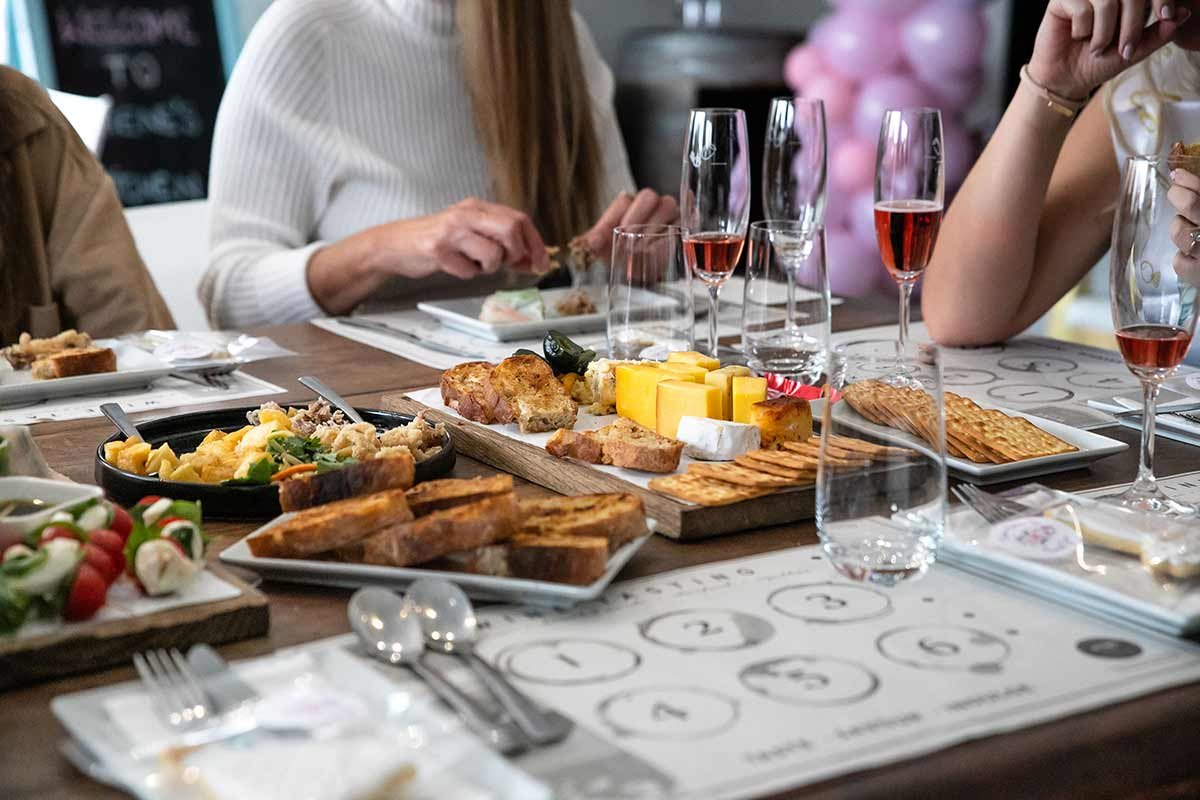
For a Franschhoek visit, the more useful lens is not scarcity but translation. The Cape’s classic mix of international varieties and South African markers appears here in accessible form, with Pinotage carrying the clearest national cue and Chenin Blanc anchoring one of the Cape’s important white-wine traditions. The estate’s own pairing language places reds beside lamb, Cape Malay curries, bobotie, grilled meats and hard cheeses, which tells the reader how the wines are meant to function: at the table, with generous food, not in silent technical isolation.
The Natura de-alcoholised line is also worth reading as part of a broader shift in wine hospitality. Premium regions increasingly need to serve drivers, parents, moderating drinkers and group members who want the ritual without the alcohol. Here, that category sits inside the portfolio rather than outside it, which makes the estate more flexible for contemporary travel patterns.
A lunch-and-lawn estate rather than a hushed cellar door
The strongest format signal is the combination of tasting, restaurant, Family Table, South African Table, shop and events. Franschhoek has many ways to spend a wine day; this one is designed for visitors who want movement, light and options. The room is described as airy and sociable, with vineyard and mountain views, while the outdoor setup gives the estate a picnic-adjacent mood even when the meal is more structured.
Food is not an afterthought in this model. The restaurant is framed around relaxed, seasonal lunch, while the South African Table gives the estate a clearer cultural register than a generic winery café. Without relying on a chef-led personality narrative, the food programme positions the wines against regional flavours and group dining, which is often the more practical measure of a wine estate’s hospitality quality.
This is not a trophy-room visit built around scores, medals or a single allocated release. Its trust signal is operational and contextual: a large, established Franschhoek estate opened in 2000, with a named winemaker, Renier van Deventer, a broad varietal range, on-site food, outdoor seating, group capacity and a cashless payment model. For travellers, those details say more about the actual visit than a line of framed certificates would.
How to place it in a Franschhoek itinerary
Leopard’s Leap works well when the day needs one address that can absorb different appetites and attention spans. Wine-focused travellers may prefer to use it as a relaxed midpoint between more appointment-driven tastings; families and groups may treat it as the anchor stop because the grounds, food and tasting formats reduce the friction that can make cellar-door days feel over-scheduled.
The estate sits within a wider Franschhoek circuit that rewards planning by mood rather than by checklist. For nearby wine-country context, see Our full Franschhoek wineries guide, then widen the day with Our full Franschhoek restaurants guide, Our full Franschhoek hotels guide, Our full Franschhoek bars guide and Our full Franschhoek experiences guide. Travellers building a broader Cape wine map can also look at Anthonij Rupert, Anthonij Rupert Wyne, Anthonij Rupert Wyne (L’Ormarins), Babylonstoren and Boekenhoutskloof.
For a wider South African and European wine comparison frame, continue with 4G Wines in Kapstadt, A. A. Badenhorst Family Wines in Paardeberg, Aaldering Estate in Stellenbosch, »der Steiner« Hans Steiner in Podersdorf am See and & Handwein in Mannheim. The useful editorial takeaway is simple: this is a Franschhoek stop for breadth, ease and sociability, not for a narrow, cellar-technical pilgrimage.
Recognition history
Dated appearances from independent guides and award organizations, with the underlying list record or original source where available.
Falstaff Winery - Listed
Falstaff
Continue exploring
More in Franschhoek
Wineries in Franschhoek
Browse all →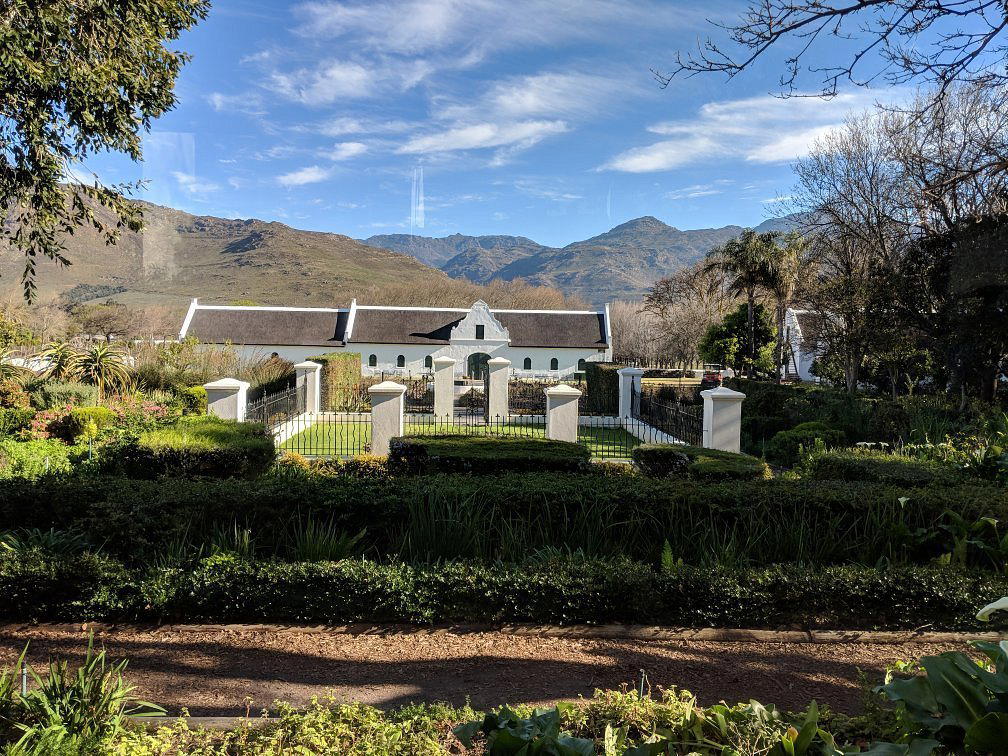
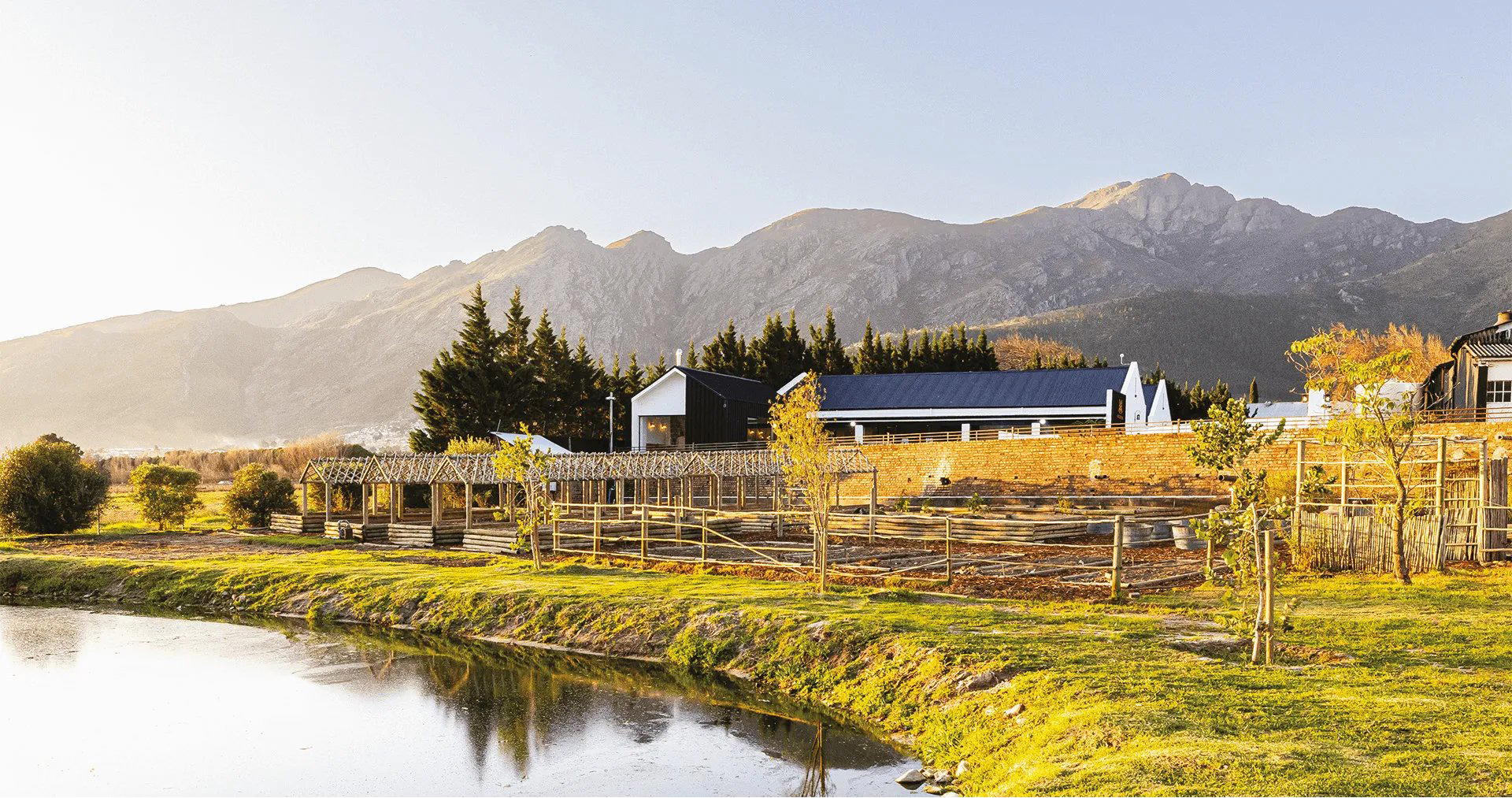
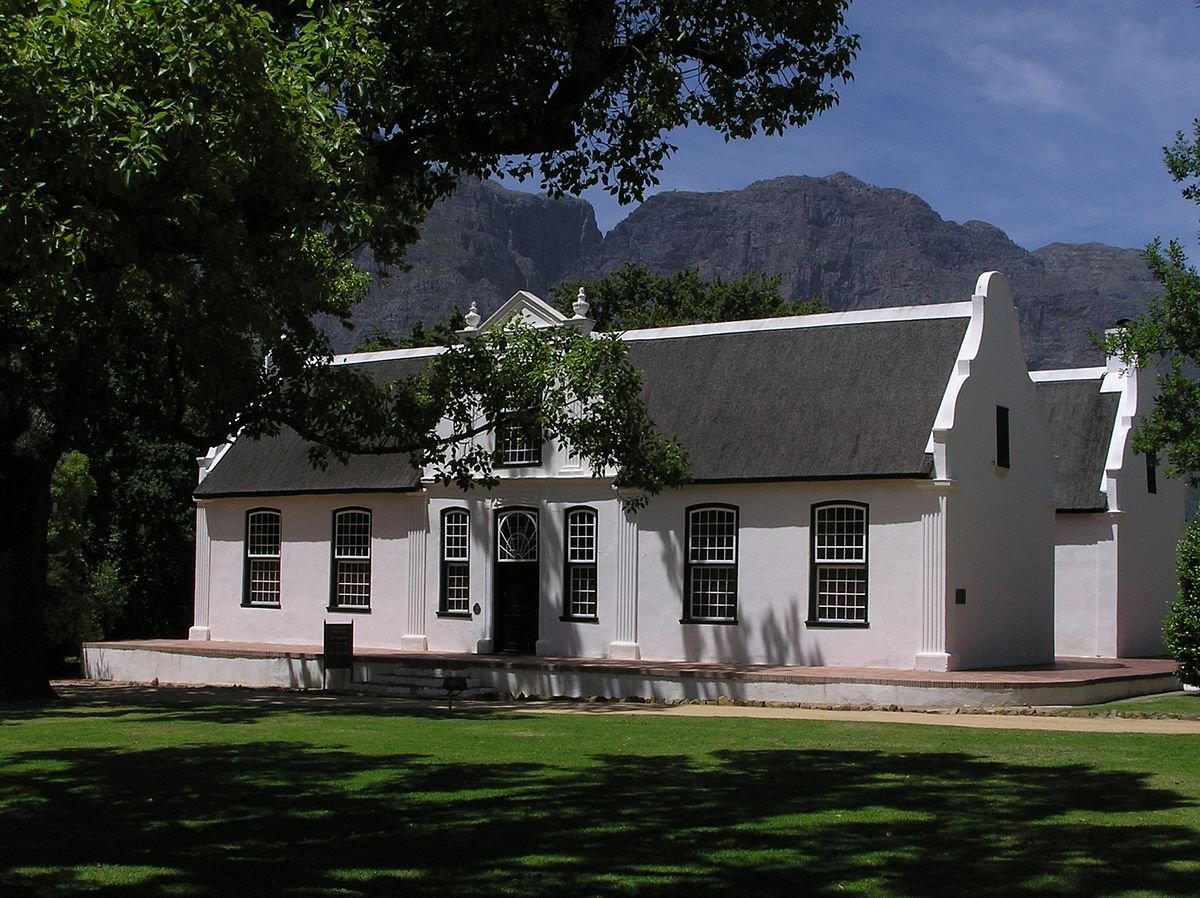
Bars in Franschhoek
Browse all →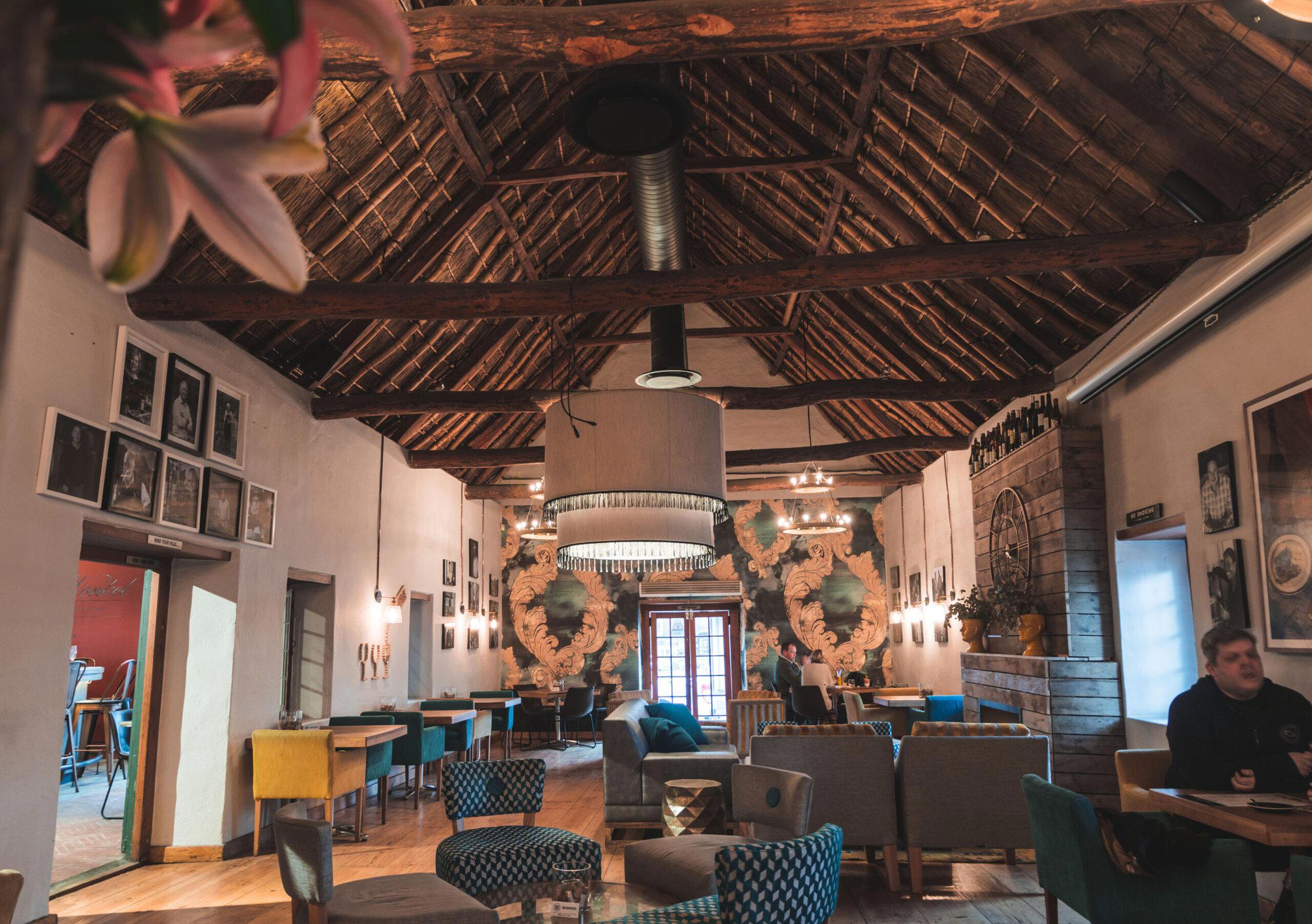
Restaurants in Franschhoek
Browse all →
At a Glance
- Scenic
- Modern
- Lively
- Trendy
- Well Known
- Family
- Group Outing
- Celebration
- Special Occasion
- Wine Education
- Romantic Getaway
- Estate Grounds
- Picnic Area
- Terrace
- Panoramic View
- Private Tasting
- Sustainable
- Mountain
- Vineyard
- Garden
- Franschhoek
- Cabernet Sauvignon
- Merlot
- Shiraz/syrah
- Pinotage
- Chenin Blanc
- Sauvignon Blanc
- Still Red
- Still White
- Still Rosé
- Sparkling
- Dessert
- Bar Tasting
- Seated Tasting
- Food Pairing
- Group Tasting
- Walk In Tasting
Modern, airy and sociable, with a large contemporary tasting hall opening onto vineyard and valley views, sunny patio spaces and wide lawns that create a relaxed, family-friendly atmosphere focused on food, conservation and informal gatherings.