
Koch Winery in Borota holds a Pearl 2 Star Prestige rating for 2025, placing it among Hungary's recognised producers outside the more heavily documented Tokaj corridor. Located in the southern Bács-Kiskun region, the winery represents a quieter thread in Hungarian viticulture — one where flat, sandy terroir shapes wines that read differently from the volcanic-slope profile most associated with the country's premium output.
 Discover on Pearl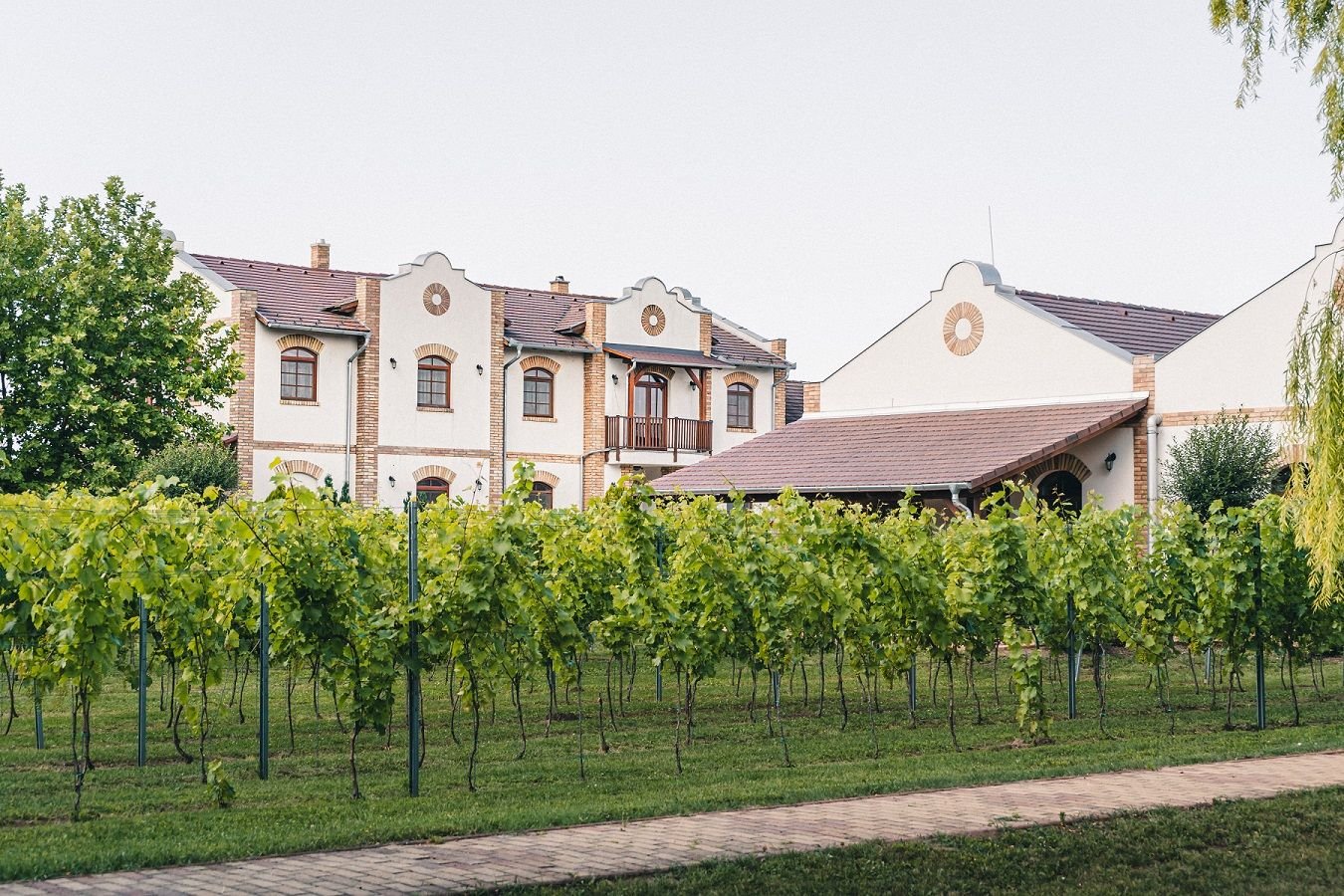
Sandy Ground, Southern Hungary: The Terroir Koch Works With
Most conversations about premium Hungarian wine gravitate north and east, toward the volcanic soils of Tokaj or the red-wine country around Villány and Eger. Borota sits in a different register entirely. The village lies within Bács-Kiskun county, on the Great Hungarian Plain, where the dominant soil type is loose, sandy loam — the kind of ground that drains fast, retains heat during the day, and cools sharply at night. That diurnal swing, combined with the region's continental climate, produces grapes with a particular tension: ripe fruit character from the warmth, preserved acidity from the cool nights.
Sandy soils in central Europe carry their own viticultural history. The same soil type that made the plains resistant to phylloxera in the late nineteenth century — the louse cannot travel through loose sand the way it does through clay , meant that some of the oldest surviving vine stock in the region grows on ground like this. That context matters when reading a winery from Borota. The terroir is not dramatic in the way volcanic tuff is dramatic, but it is specific, and it leaves a mark on whatever is grown here.
Koch Winery, addressed at Borota V. ker. 5., operates in this context. Its 2025 Pearl 2 Star Prestige recognition places it within a tier of Hungarian producers where terroir expression is taken seriously, even when the region sits outside the headline appellations. For visitors arriving from the Tokaj corridor , having perhaps spent time at Disznókő in Mezőzombor, Royal Tokaji in Mád, or Tokaj Hétszőlő in Tokaj , Borota reads as a counterpoint rather than a continuation.
What the Plain Produces: Reading the Wine Through the Land
The Great Hungarian Plain is not a single wine identity. Producers across Bács-Kiskun work with a range of varieties, from native Hungarian cultivars to international grapes that have adapted to the sandy, dry conditions over generations. The region's relatively low annual rainfall , significantly less than Tokaj's hillside microclimate , means irrigation management and vine age become central variables. Old vines on sandy ground, with deep root systems reaching down through the loose topsoil, can produce concentrated fruit even in dry years.
What this translates to in the glass, at a winery operating at the Pearl 2 Star Prestige level, is a set of wines shaped by restraint from the land rather than restraint from intervention. The sandy soil does the filtering work. Wines from this kind of terroir tend toward a lighter colour profile, particularly in reds, with aromatic precision that heavier clay soils can sometimes suppress. Whether Koch Winery leans into native varieties, international cultivars, or a mix of both, the soil signature will be present in some form , that is the nature of working with this ground.
For a broader sense of how Hungarian producers across different terroir types approach their work, the range of producers in our full Borota wineries guide gives useful regional context.
Where Koch Winery Sits in Hungary's Premium Producer Map
Hungary's wine identity abroad remains anchored by Tokaj Aszú and the furmint-led wines that come out of its classified vineyard sites. The producers at the leading of that conversation , Tokaj Oremus in Tolcsva and Árvay Winery in Rátka among them , operate in a different appellation context from Borota entirely. Villány, represented by producers such as Bock Winery, occupies a different niche again, centred on Bordeaux-variety reds from a southern, warm-climate terroir.
Koch Winery's Pearl 2 Star Prestige award in 2025 positions it outside those headline tiers without being subordinate to them. The award represents recognition at a level where technical quality and terroir coherence are both assessed, not simply volume or marketing reach. Hungarian producers at this tier, operating in lesser-publicised regions, often hold the most interesting position in the country's wine map: working with fewer inherited assumptions about what the wine must be, and with soils that reward attention.
The comparison set for Koch Winery extends beyond Hungary. Babarczi Winery in Gyor and Béres Winery in Erdőbénye both demonstrate how Hungarian producers outside the primary appellations are building recognition on their own terms. At the international level, the idea of terroir-led producers operating in regions that run counter to prevailing taste , whether Abadía Retuerta in Sardón de Duero or any number of producers working outside their region's dominant variety , offers a useful frame for how Koch Winery's positioning might be read.
Approaching the Winery: What to Expect
Borota is a small settlement in the southern plains, and arriving here is a different experience from pulling up to a hillside estate in Tokaj or a limestone-cellar operation in Eger. The agricultural flatness of Bács-Kiskun is the setting: wide sky, dry air in summer, the particular quiet of a region that does not receive high visitor volumes. The winery's address on V. ker. 5. places it within the village rather than on a highway tourism corridor, which shapes the character of any visit.
Wineries operating at this scale and in this geography tend toward a direct, production-focused experience rather than the polished visitor infrastructure of a larger estate. That is not a limitation; it is a different kind of access. For those accustomed to the more formatted tasting-room experience at well-funded Tokaj estates, Koch Winery's context will feel quieter and more closely tied to the actual work of making wine in a specific place.
Given that phone and website details are not currently listed in the EP Club database, visitors planning a trip should confirm visit arrangements directly or through local tourism contacts in Bács-Kiskun. If you are building a southern Hungary itinerary, our full Borota restaurants guide, our full Borota hotels guide, our full Borota bars guide, and our full Borota experiences guide provide the broader planning framework for the area.
Frequently Asked Questions
Peer Set Snapshot
These are the closest comparables we have in our database for quick context.
| Venue | Awards | Notes |
|---|---|---|
| Koch Winery | Pearl 2 Star Prestige | This venue |
| Disznókő | 50 Best Vineyards #63 (2025); Pearl 3 Star Prestige | |
| Szepsy | 50 Best Vineyards #43 (2024); Pearl 2 Star Prestige | |
| Tokaj Hétszőlő | 50 Best Vineyards #58 (2025); Pearl 3 Star Prestige | |
| Árvay Winery | Pearl 2 Star Prestige | |
| Babarczi Winery | Pearl 2 Star Prestige |
Access the Cellar?
Our members enjoy exclusive access to private tastings and priority allocations from the world's most sought-after producers.
Get Exclusive Access