Kendall-Jackson Wine Estate & Gardens

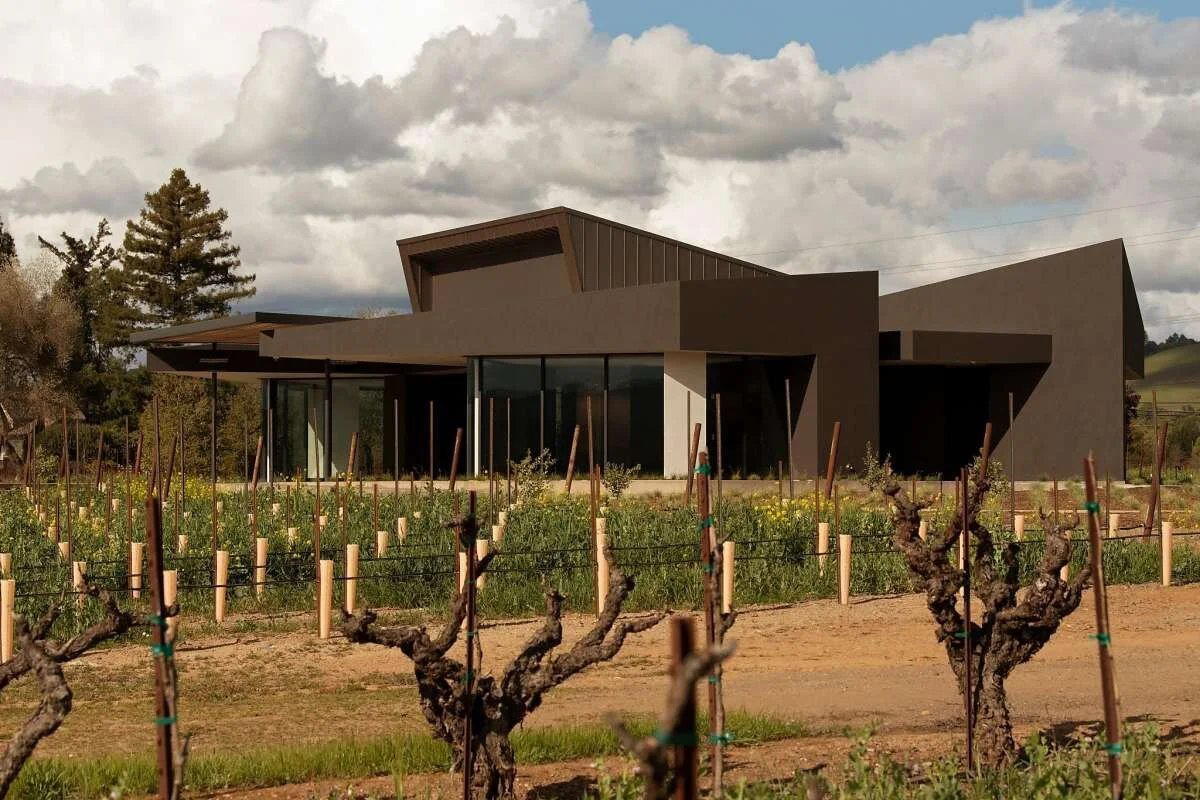
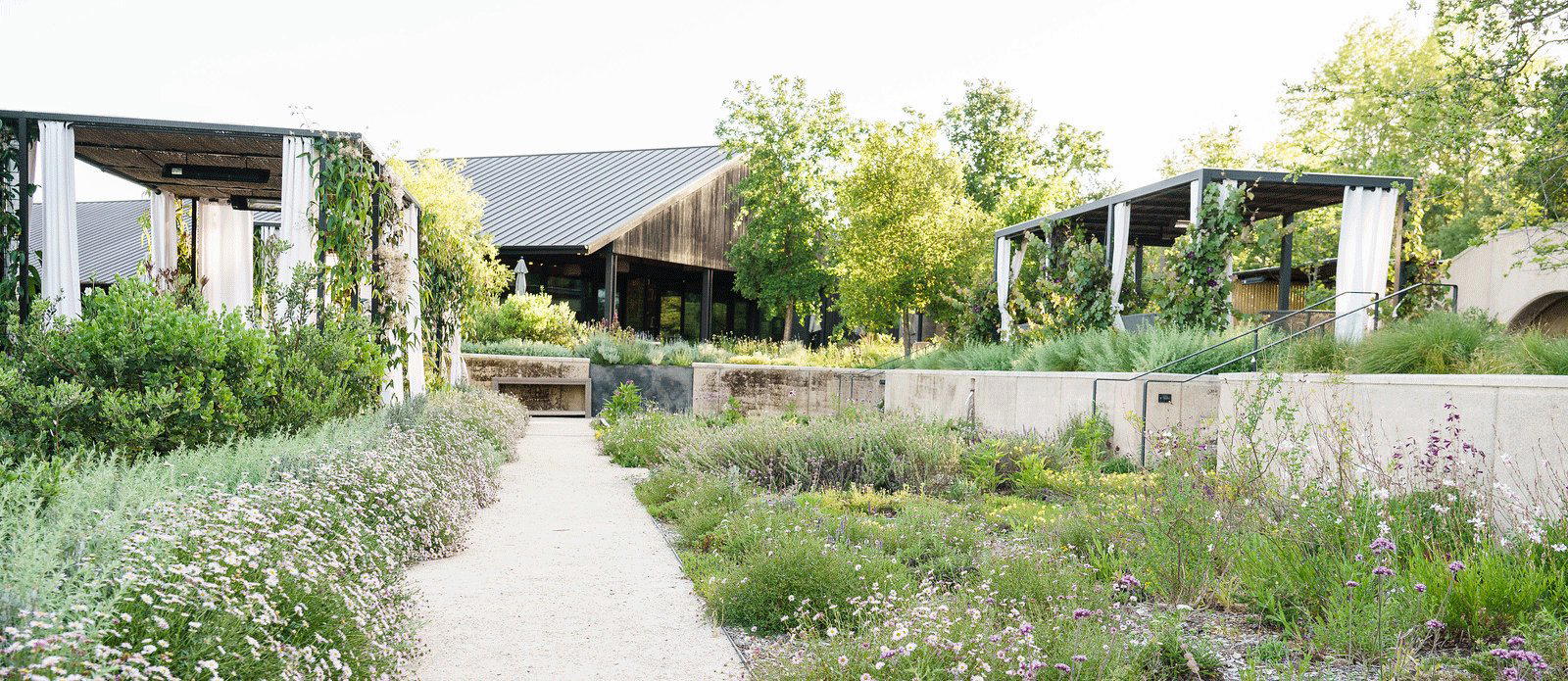
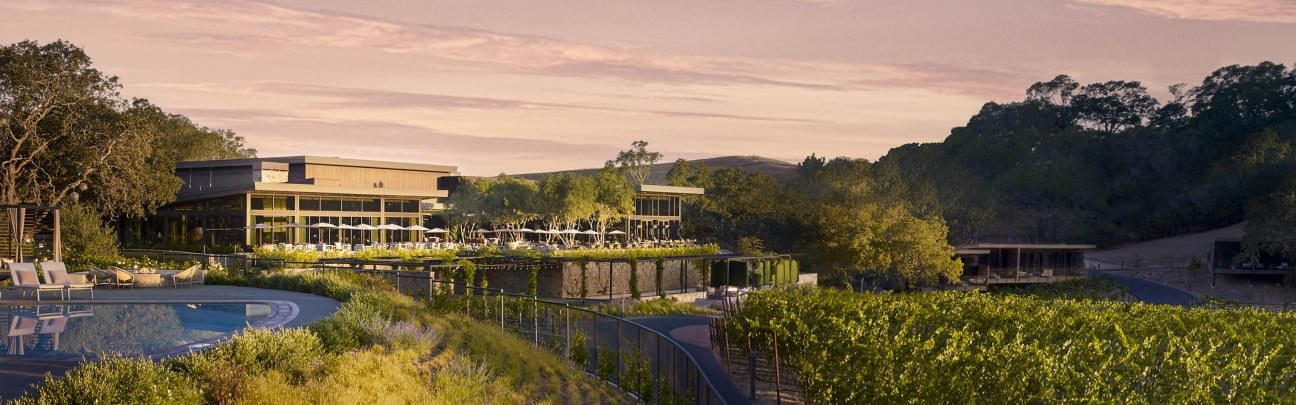
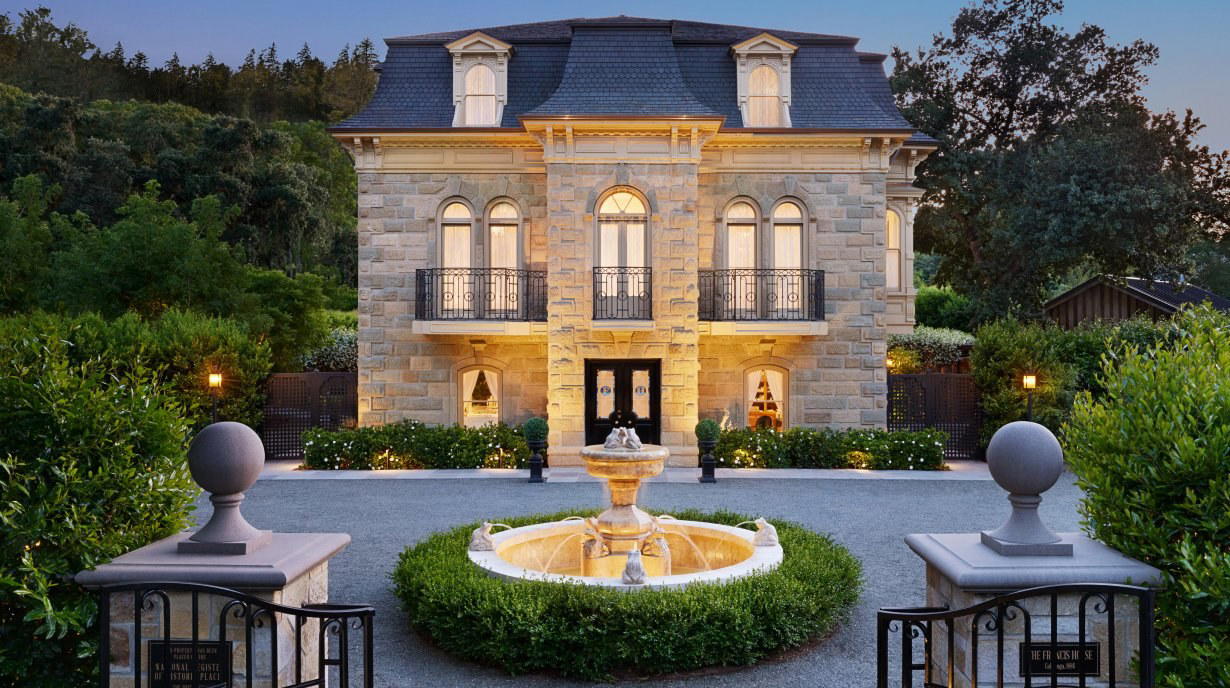
The property pairs working vineyards with formal gardens, offering a grounded sense of place that connects visitors directly to the coastal California growing conditions that define the house style.
Pearl is the En Primeur Club membership app — saves, bookings, and concierge access live there. Same editors, same standards.
- Address
- 5007 Fulton Rd, Santa Rosa, CA 95403
- Phone
- +1 800-769-3649
- Website
- kj.com
- Directions
- Get directions
 Saves & bookings on Pearl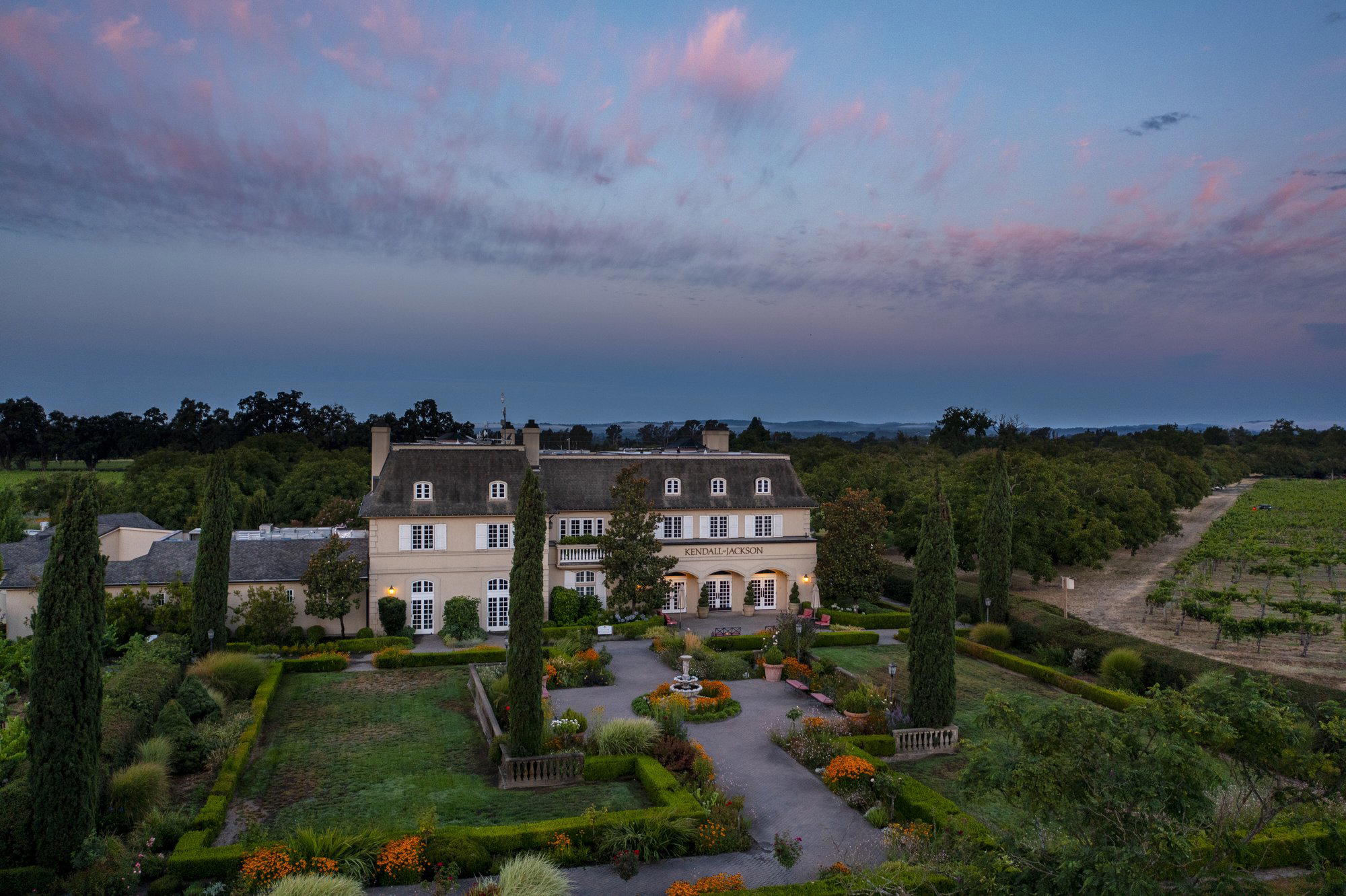
Where Sonoma's Climate Meets the Glass
The drive north through Fulton on Highway 101, peeling off into the agricultural flatlands before Sonoma County's ridgelines take over, sets the tone before you reach the property. Kendall-Jackson Wine Estate & Gardens sits on Fulton Road outside Santa Rosa, and the approach, past working vineyards and the kind of unmanicured agricultural edge that distinguishes a genuine estate from a tasting room built for Instagram, signals that the relationship between land and bottle is the point here. This is Sonoma County's cooler, fog-influenced interior, and that geography has everything to do with what ends up in your glass.
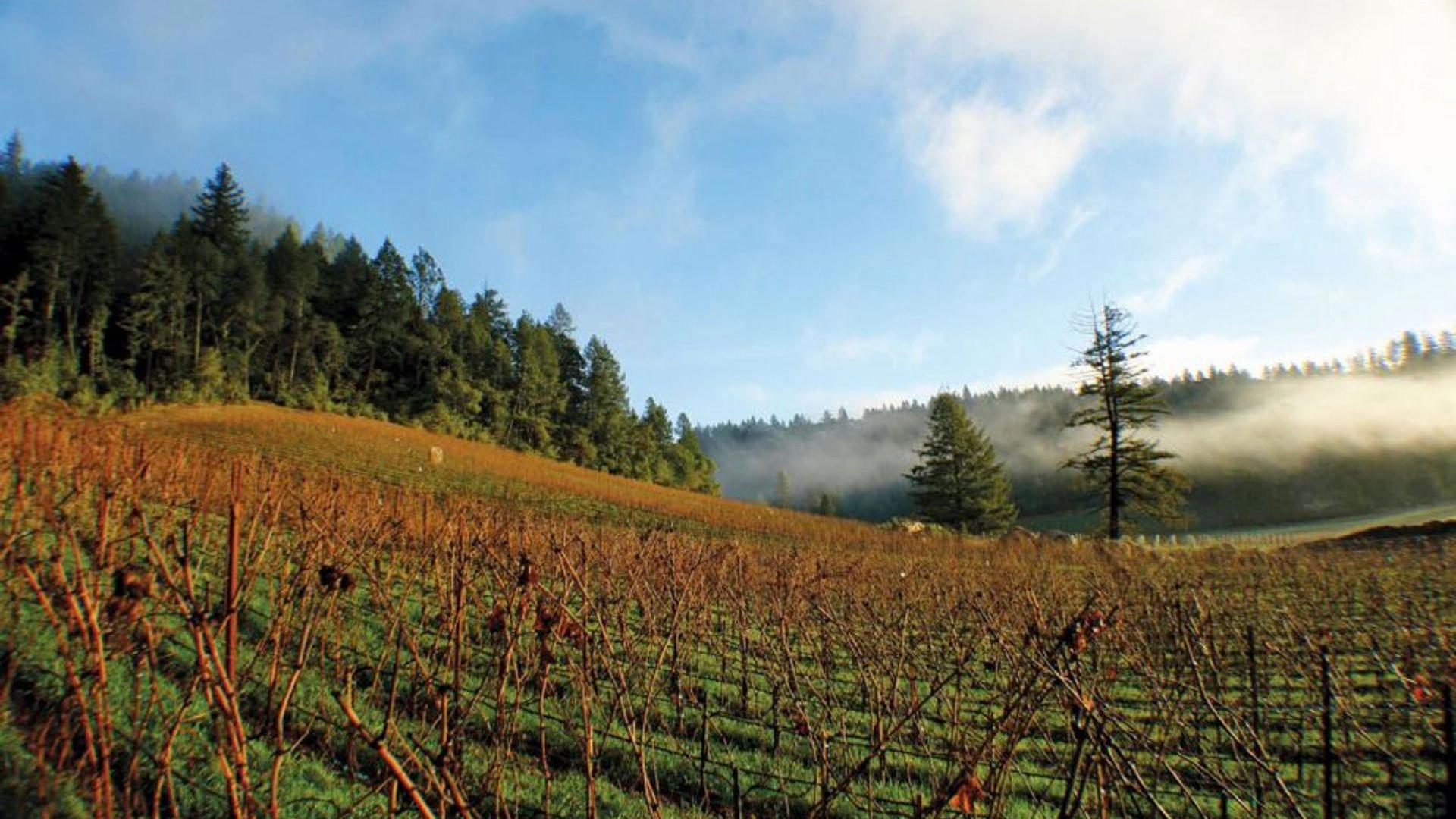
California's premium wine identity has long been shaped by the tension between climate and variety. In the warmer inland valleys, Cabernet and Zinfandel dominate. Along the Sonoma and Mendocino coasts, and in the transitional corridors where cold Pacific air funnels through river gaps, Chardonnay and Pinot Noir have their strongest arguments. The Kendall-Jackson estate occupies a stretch of this transitional zone, where growing-season temperatures are moderated by marine influence from the Pacific pushing through the Petaluma Wind Gap. That diurnal swing, warm afternoons giving way to cool evenings and morning fog, is the engine behind the house's long-established reputation for fruit that retains acidity even at full ripeness.
The Estate as a Working Expression of Terroir
Among California wine estates that have achieved genuine scale, the ones that maintain credibility in the premium tier are typically those that kept at least part of their operation visibly rooted in place. The gardens and estate grounds at Kendall-Jackson function as that visible anchor. Formal culinary and demonstration gardens map directly to the estate's food-and-wine pairing philosophy, and the vineyard blocks visible from the property connect visitors to the agricultural reality behind a label that appears on tables well beyond Sonoma County.
In the broader California winery visit category, estates that hold this kind of recognition are evaluated not just on wine quality but on the coherence between setting, hospitality, and what the property communicates about its region. By that measure, the Kendall-Jackson estate's grounds, designed to reflect the productive agricultural identity of Sonoma County rather than purely decorative ambition, make a consistent argument.
California's coastal wine counties have produced two distinct models for estate visits. The first is the appointment-only, low-capacity format that deliberately restricts access to reinforce scarcity signals, producers like Accendo Cellars in St. Helena or Aubert Wines in Calistoga operate in this register. The second is the fully realized estate that absorbs a higher visitor volume without losing editorial focus on wine and place. Kendall-Jackson sits in the latter model, where the scale of the operation is a deliberate feature rather than a compromise.
Sonoma County's Varietal Argument
Understanding what Kendall-Jackson does well requires understanding what Sonoma County's varied appellations make possible. Unlike Napa, which built its premium identity almost exclusively around Cabernet Sauvignon, Sonoma County operates across a wider varietal range. Chardonnay from the Russian River Valley and the broader Sonoma Coast appellation has demonstrated that California can produce the variety at a level competitive with Burgundy's Côte de Beaune, an argument made across multiple producers from Au Bon Climat in Santa Barbara to Adelsheim Vineyard in Newberg and further north into Oregon's Willamette Valley.
Kendall-Jackson's estate sits within reach of several of these premium growing corridors, and the property's approach to showcasing its range reflects Sonoma's inherent varietal diversity. Visitors approaching the estate with an interest in how climate translates to glass should focus on the Chardonnay program: the variety is where the coastal California argument for restraint and site specificity is most legibly made, and Kendall-Jackson's long association with the grape gives the estate particular depth in that conversation. The winery's founding reputation was built substantially on Chardonnay, which has shaped the production philosophy across decades in ways that continue to be visible in the current portfolio.
For comparison across the state's coastal range, Alban Vineyards in Arroyo Grande and Andrew Murray Vineyards in Los Olivos represent the Central Coast's different register of cool-climate expression, particularly for Rhône varieties where fog and wind create a distinct set of growing conditions. Adelaida Vineyards in Paso Robles and Alexander Valley Vineyards in Geyserville represent the warmer, more structured end of that spectrum. Mapping these producers against each other reveals how much California's wine identity is still shaped by the question of where maritime influence ends and continental heat begins.
The Estate Visit in Context
The practical case for visiting Kendall-Jackson over other Sonoma County options is partly about orientation. For visitors arriving in Santa Rosa or working through the county's wine corridor for the first time, an estate of this scope provides something that smaller, appointment-only producers cannot: the ability to read a range of wines in one setting, connect the growing environment to the glass, and spend time in gardens designed specifically to frame the relationship between food and wine production. The culinary gardens are not decorative; they function as an argument about why food-pairing is a site-specific, agricultural question rather than an abstract exercise.
Sonoma County's wine geography rewards visitors who approach it with some prior framework. Those already familiar with what California coastal viticulture produces, whether from visits to Artesa Vineyards and Winery in Napa, Alpha Omega Winery in Rutherford, or B.R. Cohn Winery in Glen Ellen, will find Kendall-Jackson's estate a useful counterpoint: a property where scale and breadth of offering sit alongside a legible commitment to the land that produced the wines. For those newer to the region, the estate's gardens and grounds make the agricultural context accessible in a way that translates directly to tasting comprehension.
The property is also within practical range of a wider Sonoma County itinerary that could include coastal appellations such as those explored by Babcock Winery & Vineyards in Lompoc to the south or, for those tracking California's range against international benchmarks, the historically significant Achaia Clauss in Patras and Aberlour in Aberlour, which provide useful reference points for how old-world estate traditions compare to California's still-relatively-young model.
Planning Your Visit
Kendall-Jackson Wine Estate & Gardens is located at 5007 Fulton Road, Santa Rosa, CA 95403, accessible from Highway 101 via the Fulton Road exit heading north from the city center. Visitors should treat the estate as a structured experience rather than a drop-in. Booking ahead, particularly for weekend visits during the Sonoma County peak season from late spring through early autumn, is advisable. The gardens are at their most productive and visually readable through the growing season, which also aligns with the period of highest visitor demand across the county's wine corridor.
Comparison Snapshot
Comparable venues nearby, for context on price, style, and recognition.
| Venue | Cuisine | Price | Notes |
|---|---|---|---|
| Kendall-Jackson Wine Estate & GardensThis venue — the venue you are viewing | Chardonnay | $$$ | Not listed |
| Chalk Hill Estate Vineyards & Winery | Chardonnay, Sauvignon Blanc | $$$ | Chalk Hill |
| Silver Oak Cellars (Alexander Valley) | Cabernet Sauvignon, Merlot | $$$ | Alexander Valley |
| Lambert Bridge Winery | Cabernet Sauvignon, Merlot | $$$ | Dry Creek Valley |
| Imagery Estate Winery | Cabernet Sauvignon, Malbec | $$$ | Glen Ellen |
| Inman Family Wines | Pinot Noir, Chardonnay | $$$ | Sebastopol Hills |
Recognition history
Dated appearances from independent guides and award organizations, with the underlying list record or original source where available.
Falstaff Winery - Listed
Falstaff
Continue exploring
More in Fulton
Wineries in Fulton
Browse all →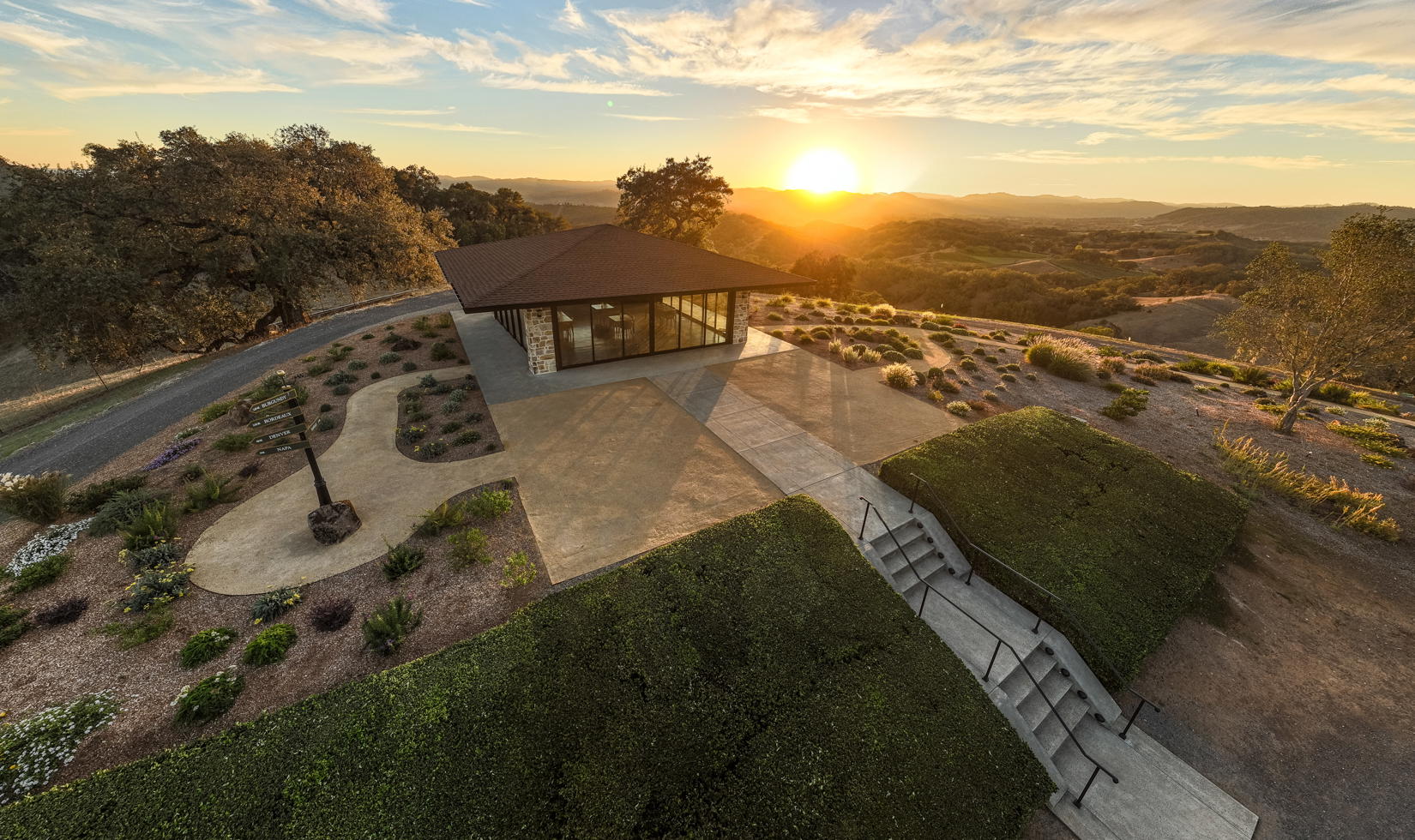
Bars in Fulton
Browse all →
Restaurants in Fulton
Browse all →
At a Glance
- Romantic
- Scenic
- Elegant
- Sophisticated
- Romantic Getaway
- Group Outing
- Celebration
- Wine Education
- Special Occasion
- Family
- Estate Grounds
- Garden
- Terrace
- Panoramic View
- Historic Building
- Private Tasting
- Picnic Area
- Sustainable
- Organic
- Vineyard
- Garden
- Sonoma County
- Chardonnay
- Still Red
- Still White
- Still Rosé
- Guided Tasting
- Food And Wine Pairing
- Five Course Menu Pairing
- Estate Wine Tasting
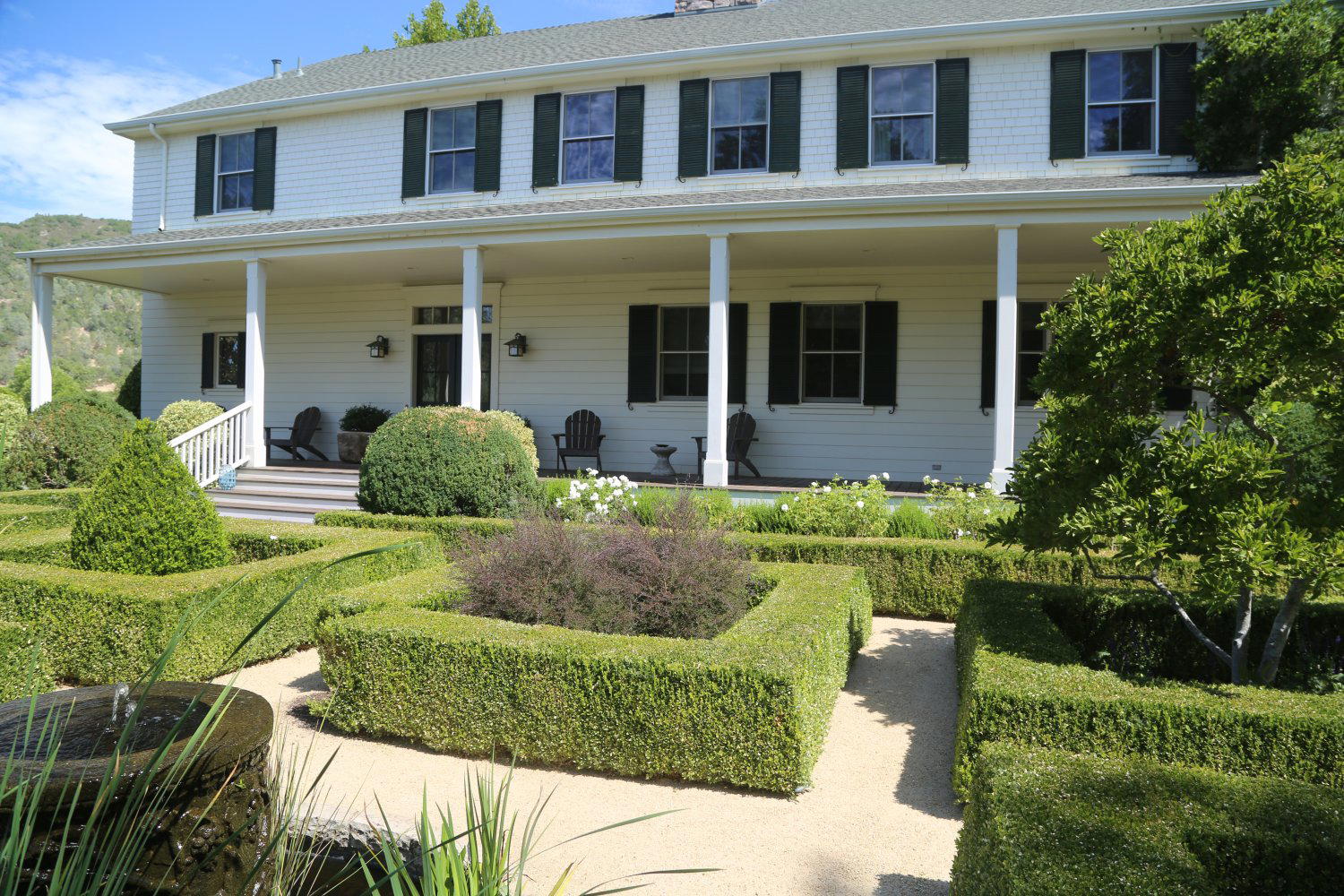
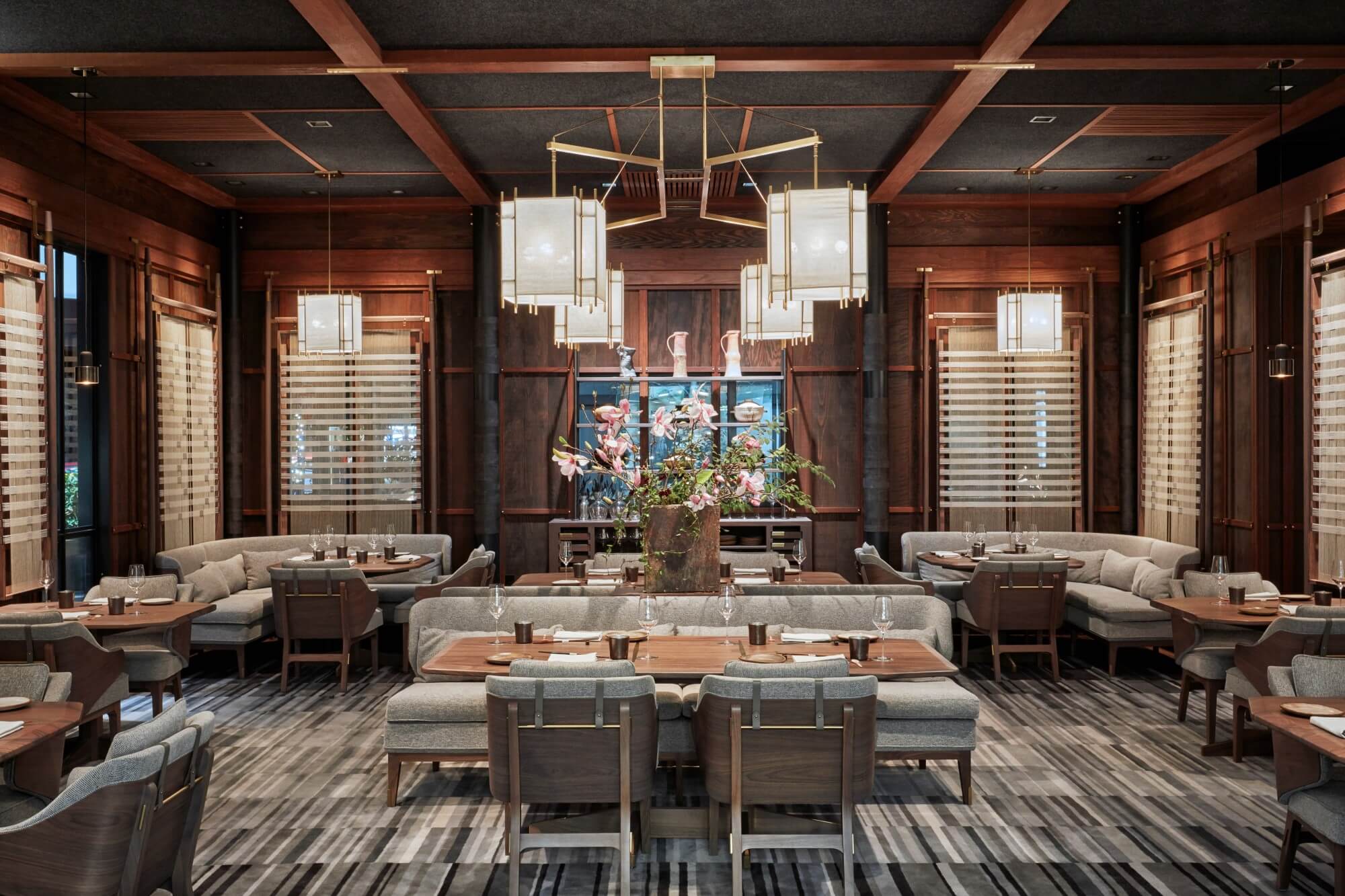
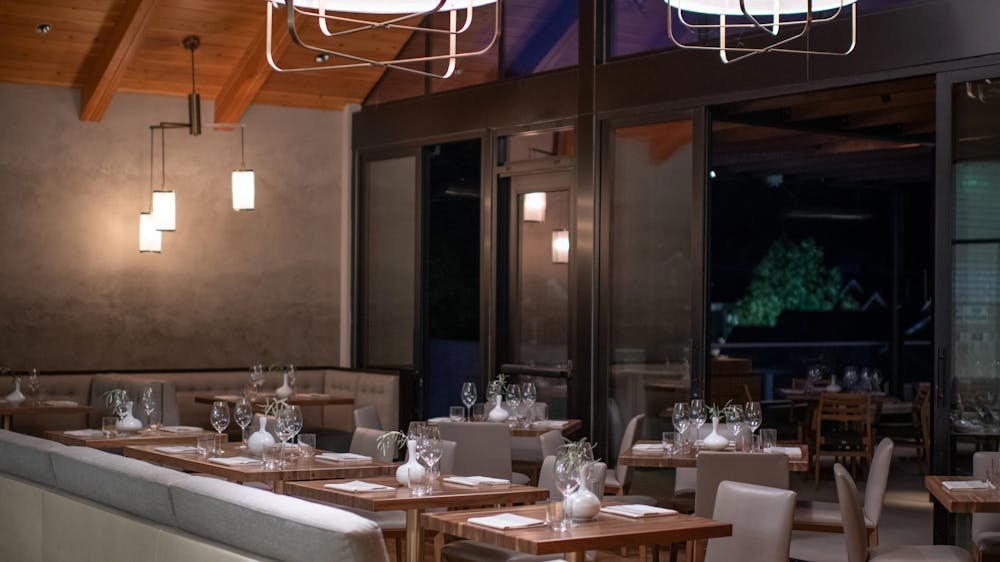
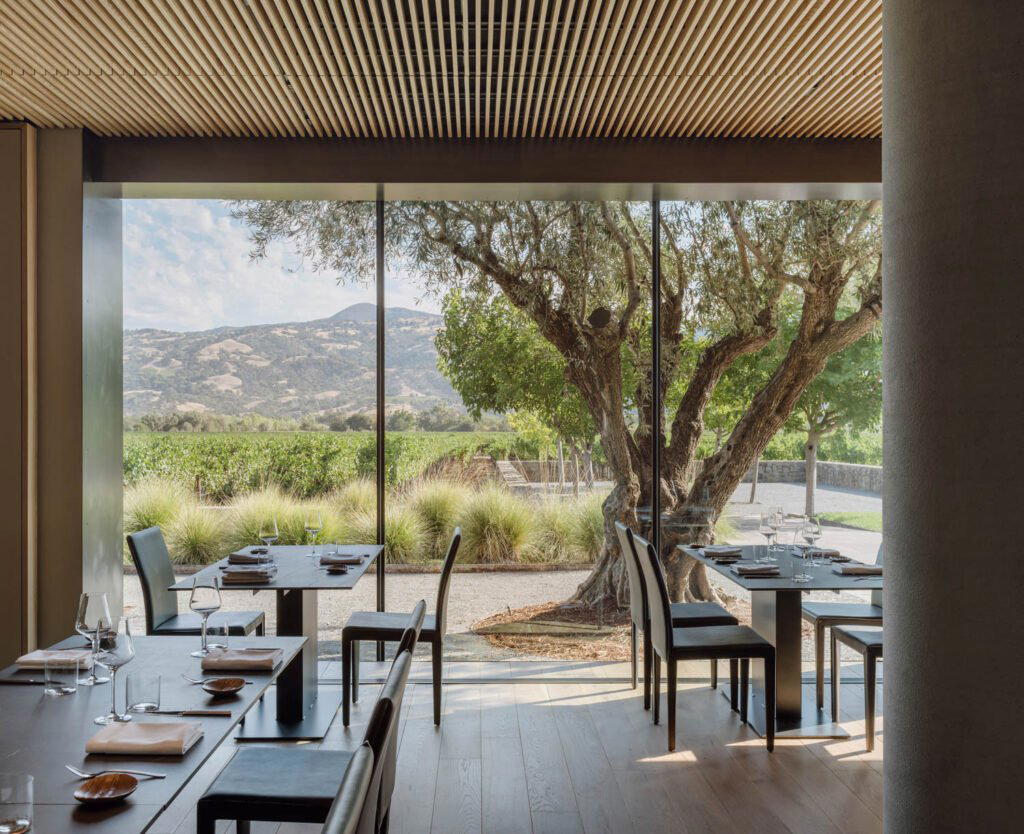
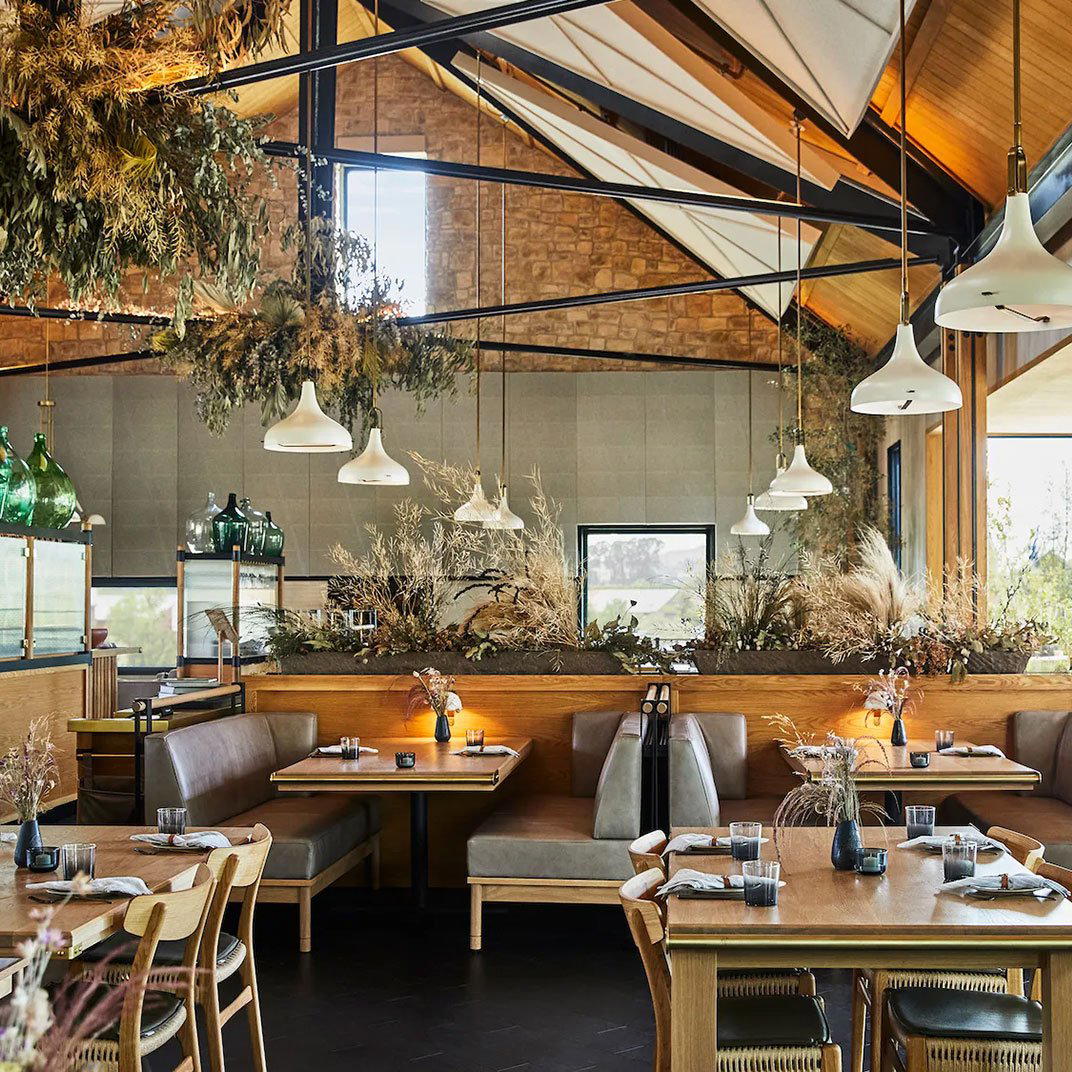
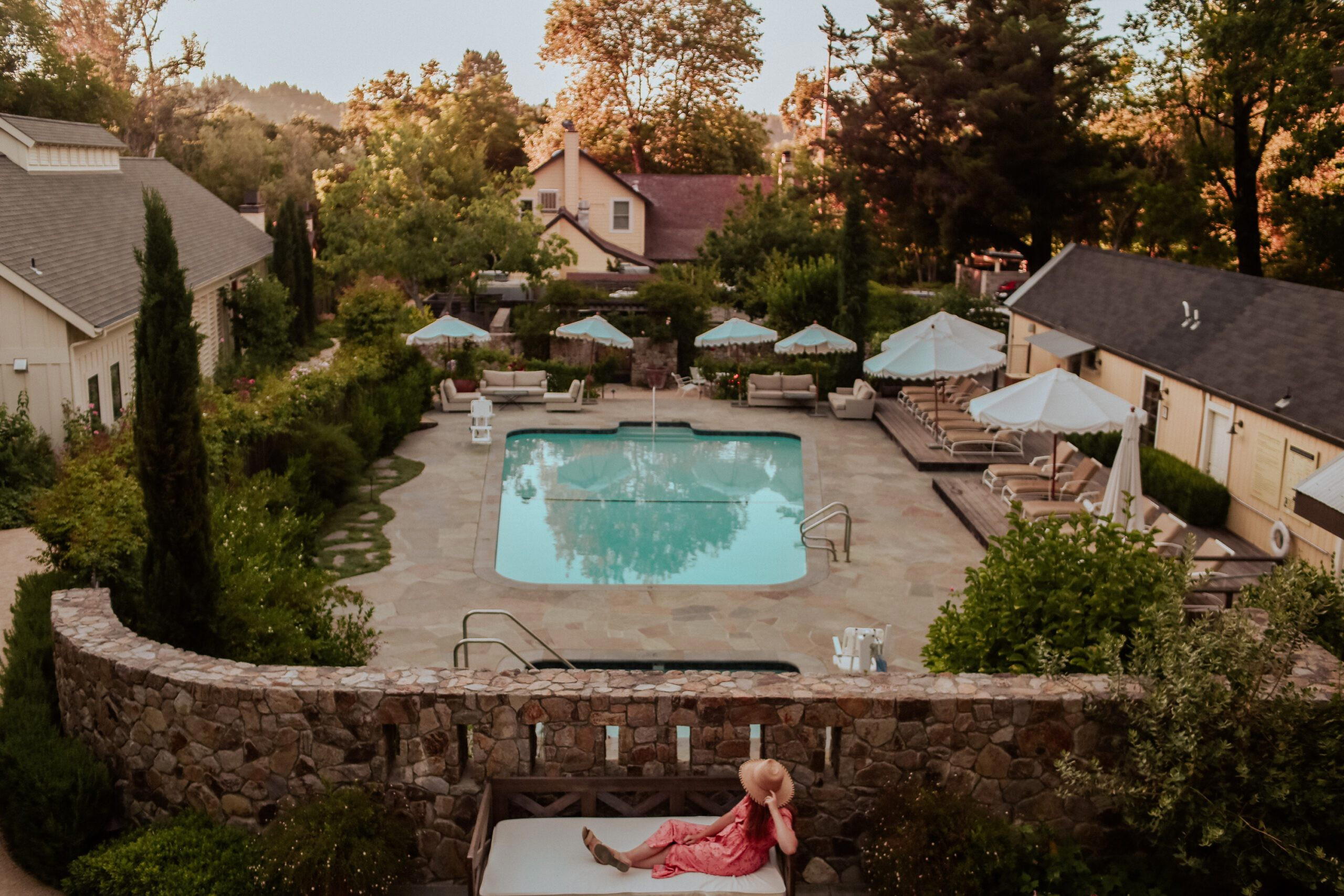
Majestic indoor tasting hall with natural light; outdoor patio seating overlooking vineyards and four-acre gardens with mature oak trees, gazebos, and abundant photo opportunities.