
Katogi Averoff sits in the mountain village of Metsovo, where Epirus's altitude and continental climate shape wines that read differently from anything produced at Greece's lower elevations. For visitors making the journey to this part of northern Greece, the winery represents the clearest single argument for Metsovan terroir.
Pearl is the En Primeur Club membership app — saves, bookings, and concierge access live there. Same editors, same standards.
- Address
- Metsovo 442 00
- Phone
- +30 2656 042505
- Website
- katogiaveroff.gr
- Directions
- Get directions
 Saves & bookings on Pearl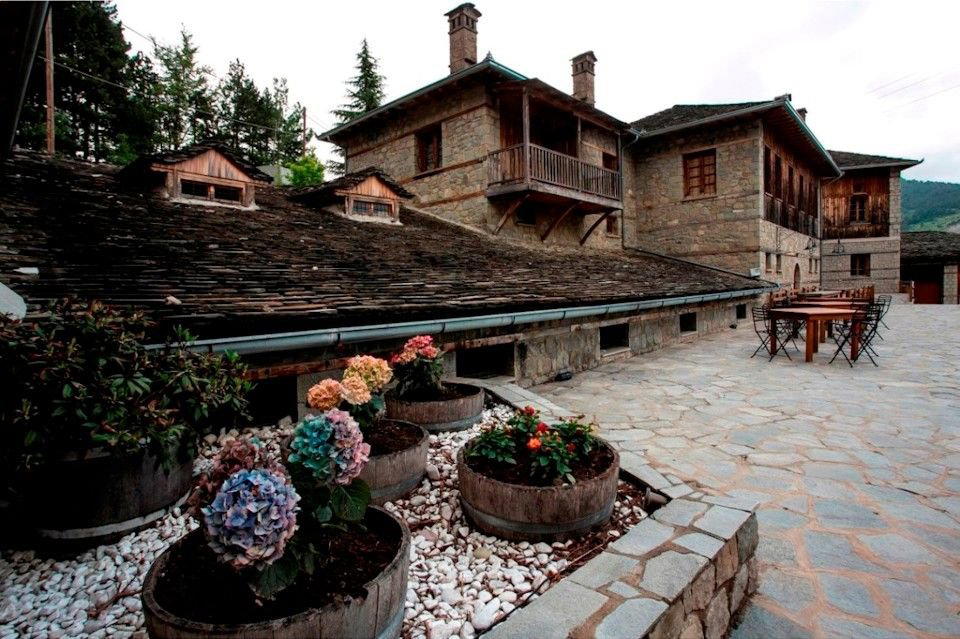
What the Mountain Does to the Wine
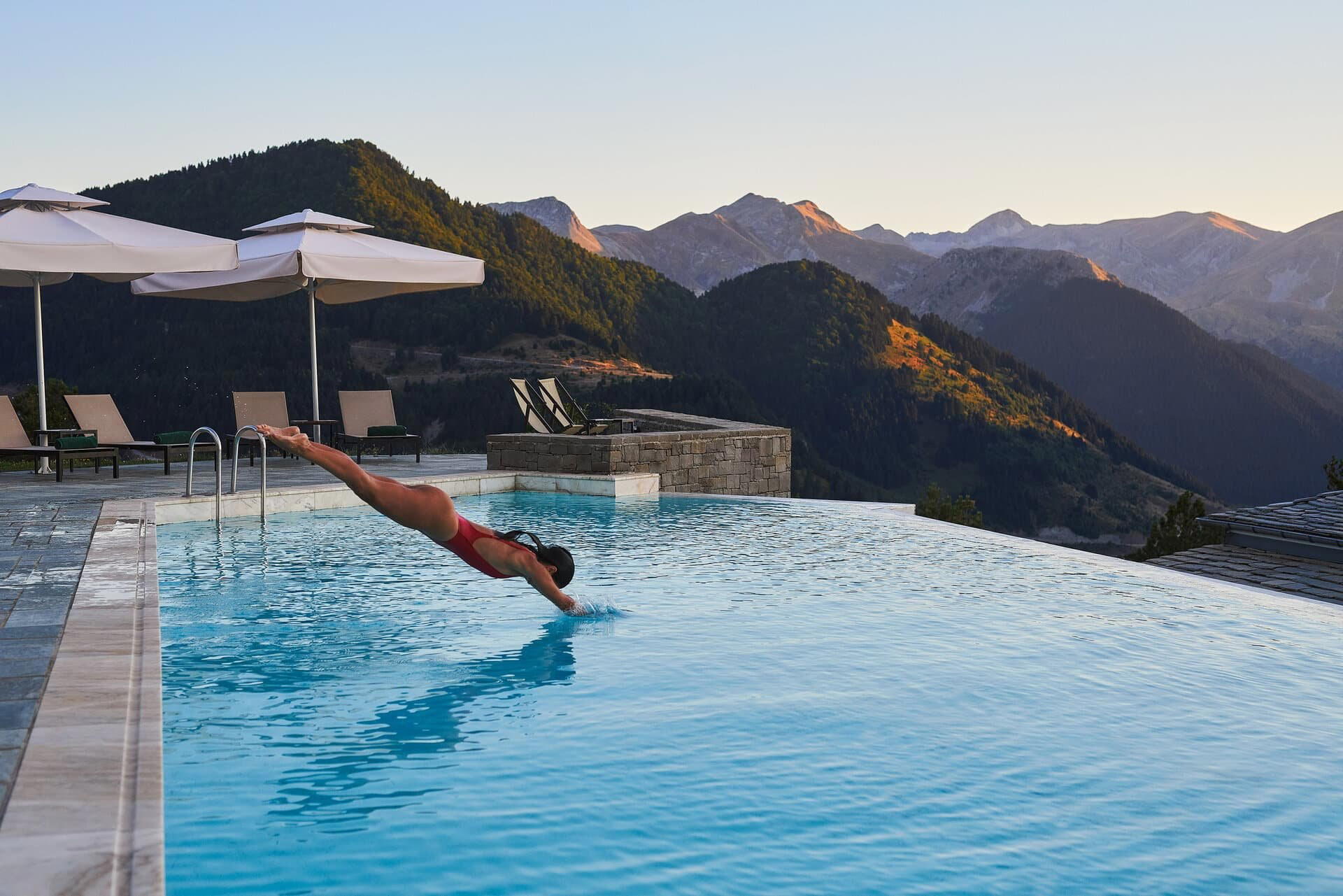
Metsovo sits at roughly 1,100 metres above sea level in the Pindus range, and that altitude is not incidental to what Katogi Averoff produces. At elevation, the growing season extends. Cooler nights slow the ripening curve, allowing grapes to accumulate phenolic complexity without losing the acidity that lower-altitude Greek vineyards frequently sacrifice to summer heat. The result is a wine profile that reads as distinctly northern Greek rather than Aegean, structured, slower to open, and oriented around tension rather than immediate fruit weight.
This is a different argument from what you encounter at most Greek wine addresses. Producers like Artemis Karamolegos Winery in Santorini or Achaia Clauss in Patras are shaped by maritime conditions: volcanic soils, sea winds, moderate coastal winters. Metsovo offers none of that. What it offers instead is continental severity, frost risk, high diurnal temperature variation, and a range of beech forest and granite that has no obvious parallel in the Greek wine canon. Katogi Averoff is, in that sense, the primary evidence for what this specific environment can do.
For a mountain winery operating outside the established Greek wine regions (Nemea, Naoussa, Santorini), this kind of recognition matters precisely because it validates an argument that Epirus belongs on the serious wine map.
Katogi Averoff's position in this tier, in a location as marginal and climate-specific as the Pindus highlands, makes the award carry particular editorial weight. Compare it to Alpha Estate in Amyntaio, another northern Greek producer operating in cool-climate conditions with a clear terroir argument.
Northern Greece's Quieter Wine Circuit
The dominant narrative in Greek wine tourism runs south and east: Santorini for Assyrtiko, Nemea for Agiorgitiko, the Peloponnese for old-vine diversity. Northern Greece gets less attention in most itineraries, which is partly geography and partly a lag between wine quality and the infrastructure that tends to follow it. But the northern circuit, from Naoussa through Halkidiki and across to the Epirus highlands, has been producing wines that challenge the southern primacy for at least two decades.
Metsovo is the furthest west of these northern outposts and among the least visited. The village itself functions primarily as a winter destination, ski tourism and traditional stone architecture draw visitors from December through March. The wine operation at the winery occupies an unusual position in that context: a serious viticulture project in a place known to most Greeks for cheese, smoked meats, and skiing rather than for wine. That combination, the agricultural specificity of an Epirus mountain village alongside a wine program operating at Pearl 2 Star level, is why the destination registers as worth the detour for anyone mapping serious Greek wine.
For context on how different Greek wine regions express their terroir at comparable quality levels, Acra Winery in Nemea and Abraam's Vineyards in Komninades represent the warm-climate southern expression. Anatolikos Vineyards in Xanthi and Aoton Winery in Peania sit closer to the Aegean influence. Metsovo's position, inland, refined, and continental, makes it genuinely distinct within that spectrum.
Planning the Visit
Metsovo is accessible from Ioannina, approximately 58 kilometres to the west via the Egnatia Odos motorway, a journey of around 45 to 50 minutes by car. The village is not served by rail, and public bus connections from Ioannina exist but are infrequent, making a private vehicle or organised transfer the practical choice for most visitors. The Egnatia Odos itself is one of the more dramatic drives in mainland Greece, crossing the Katara Pass and offering views into the Pindus that frame the terroir argument before you arrive.
Given Metsovo's mountain setting, timing matters more here than at most Greek wine addresses. The summer months (June through September) offer particularly comfortable conditions for a winery visit, the mountain climate keeps temperatures significantly cooler than the Greek lowlands, and the vineyards are at their most visually coherent through the growing season. Winter visits are possible and the village has its own appeal in snow, but logistics around winery access and hours should be confirmed directly in advance. Booking ahead is advisable regardless of season; this is a small-scale mountain operation, not a walk-in tasting room built for mass tourism.
Where Katogi Averoff Sits Among Its Peers
What separates the Metsovo operation from comparable award-holders like Aiolos Winery in Palaio Faliro or Avantis Estate in Chalkida is not quality differential but terroir specificity. Those producers are operating in conditions closer to the Greek Mediterranean norm. The winery's argument is categorically different: it is a high-altitude, continental-climate wine in a country whose international reputation rests almost entirely on island and coastal production.
That specificity is, depending on your perspective, either the limitation or the interest. Critics of mountain viticulture in Greece will point to the production scale constraints, the logistics, and the absence of an established regional appellation framework to anchor consumer expectations.
For international reference points outside Greece, the altitude and continental logic of Metsovo finds loose analogies in high-elevation Mendoza, certain Valle d'Aosta producers, or the cooler Apennine-facing zones of central Italy. None of those comparisons are exact, and Metsovo's native varieties operate by their own rules. But the structural principle holds: elevation slows ripening, acid retention is the asset, and the wines are built for the table rather than for immediate open-bottle drinking. Accendo Cellars in St. Helena and Aberlour sit at the other end of the spectrum entirely, but they illustrate how terroir-specific framing elevates a producer's identity regardless of region, the same logic applies here at altitude in Epirus.
Comparison Snapshot
Comparable venues nearby, for context on price, style, and recognition.
| Venue | Cuisine | Price | Notes |
|---|---|---|---|
| Katogi AveroffThis venue — the venue you are viewing | Cabernet Sauvignon, Merlot | $$$ | Not listed |
| Domaine Gerovassiliou | Malagousia, Assyrtiko | $$$ | Epanomi |
| Lost Lake Distillery | Winery | Not listed | Egira |
| Filippou Distillery | Winery | Not listed | Lesvos |
| Melissanidi Distillery | Winery | Not listed | Oraiokastro |
| Gatsios Distillery | Winery | Not listed | Paramythia |
Recognition history
Dated appearances from independent guides and award organizations, with the underlying list record or original source where available.
Falstaff Winery - Listed
Falstaff
Continue exploring
More in Metsovo
Wineries in Metsovo
Browse all →
Bars in Metsovo
Browse all →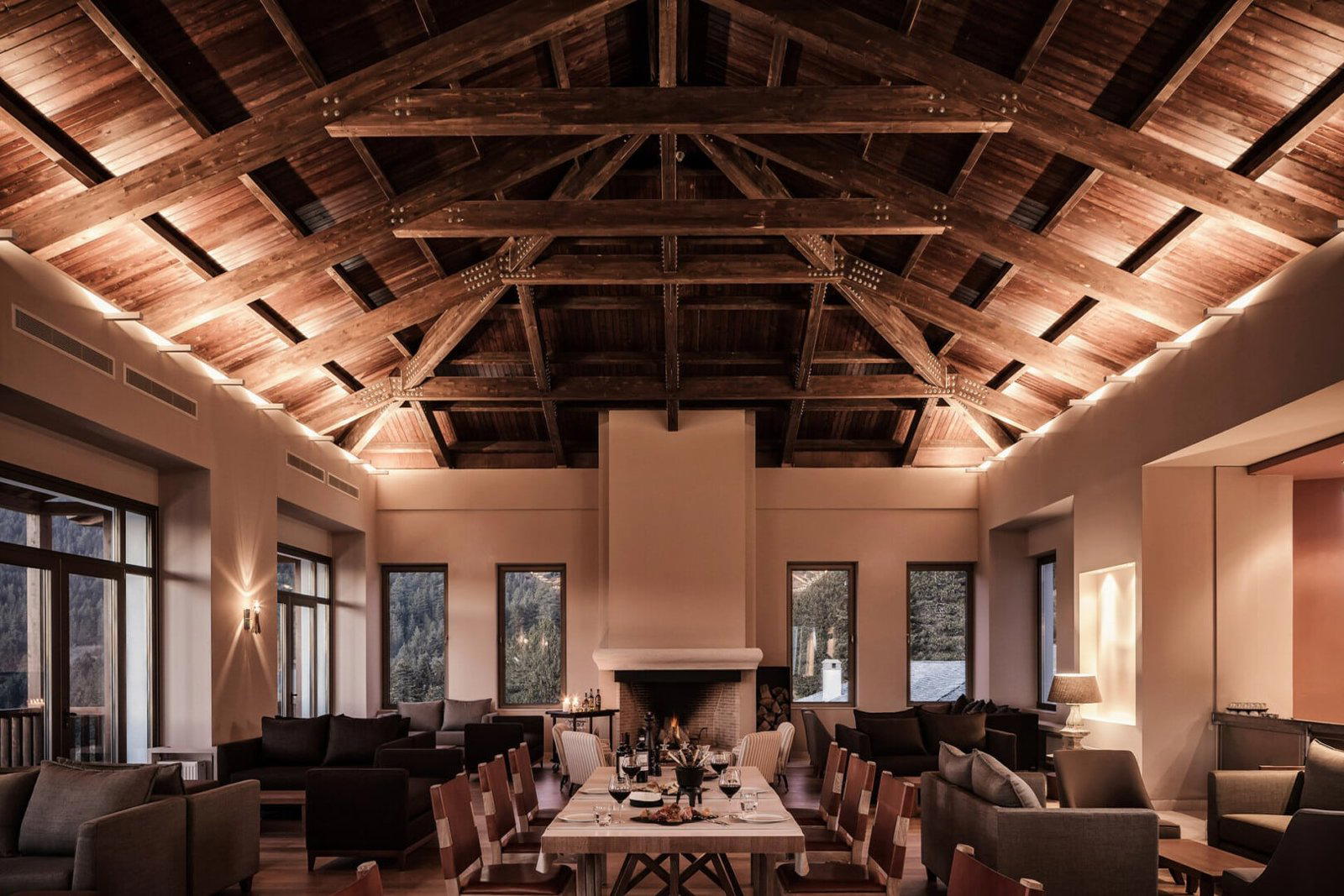
Restaurants in Metsovo
Browse all →
At a Glance
- Rustic
- Scenic
- Historic
- Elegant
- Wine Education
- Solo Exploration
- Special Occasion
- Vineyard Tour
- Barrel Room
- Historic Building
- Panoramic View
- Mountain
- Vineyard
- Metsovo
- Cabernet Sauvignon
- Merlot
- Cabernet Franc
- Pinot Noir
- Syrah
- Traminer
- Vlachiko
- Gudaba
- Pyknoasa
- Xinomavro
- Still Red
- Still White
- Still Rosé
- Wine Tasting
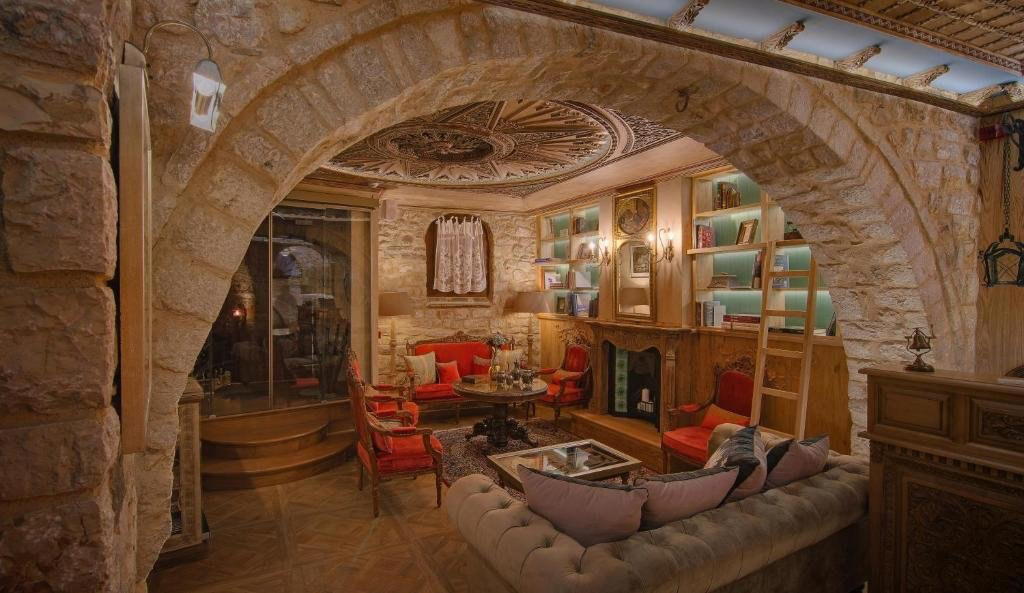
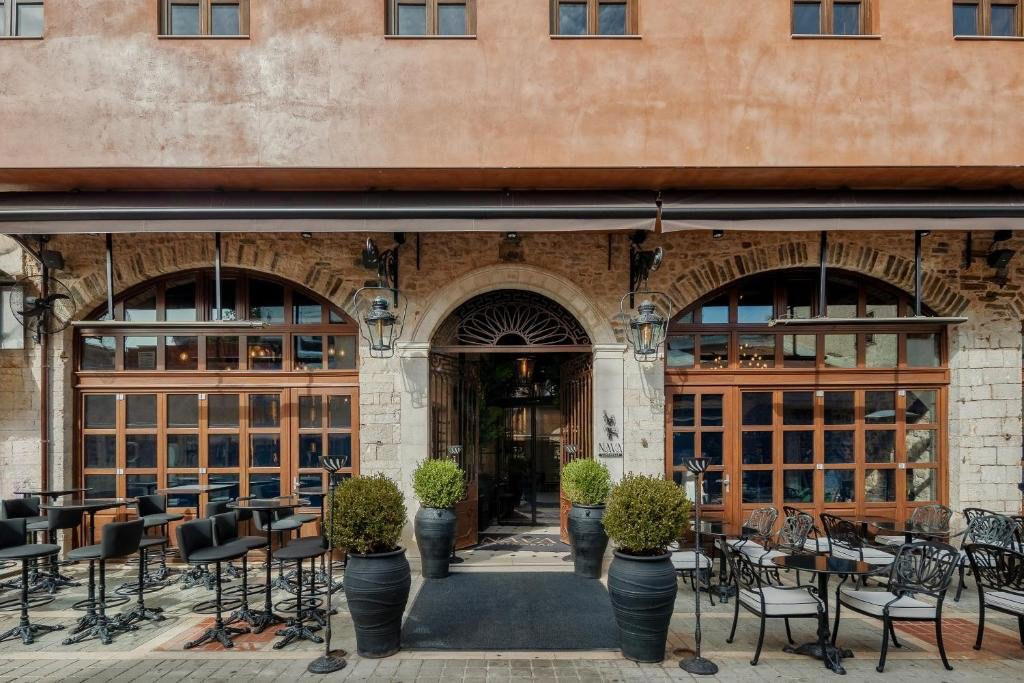
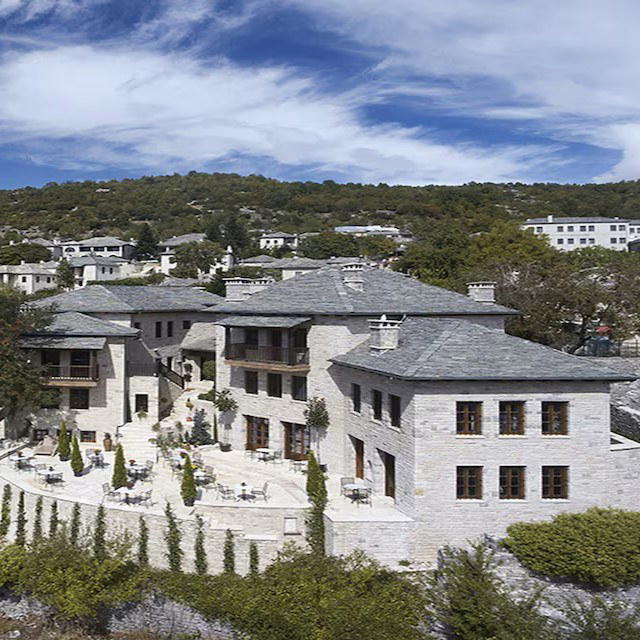
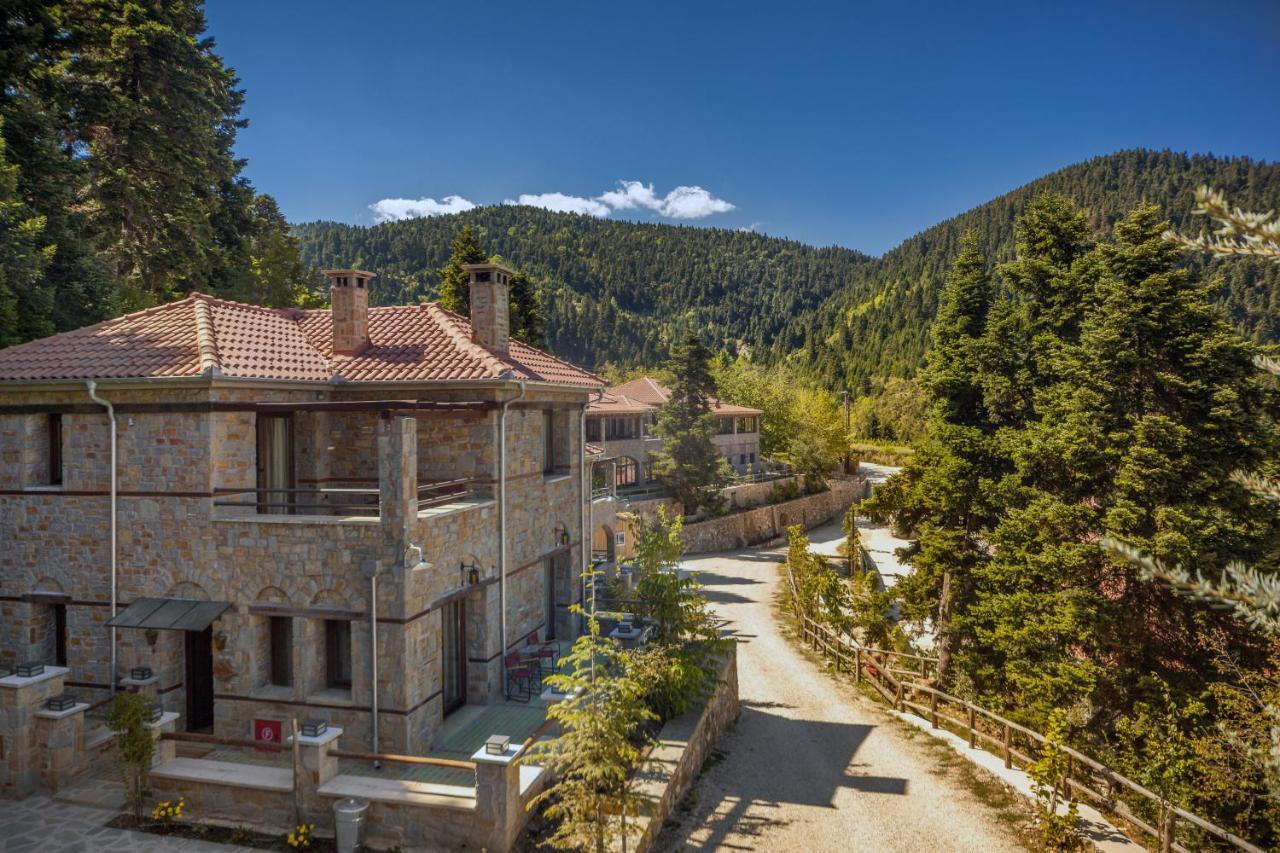
Historic winery with art, oak barrel cellars, and mountain vineyard views, offering an inspiring atmosphere of tradition, nature, and sensory delight.