
Isidoros Arvanitis Distillery operates out of Plomari, the small Lesbos town that has defined Greek ouzo production for generations. A 2025 Pearl 2 Star Prestige award places it in the upper tier of Greek spirits producers, within a local distilling tradition that includes some of the country's most recognised ouzo names. For visitors tracing the craft of Aegean spirits, it is a focused stop in one of Greece's most concentrated distilling regions.
 Discover on Pearl
Pearl is the En Primeur Club membership app — saves, bookings, and concierge access live there. Same editors, same standards.
- Address
- Kampos Plagias, Plomari 812 00
- Phone
- +30 2252 032228
- Website
- ouzoplomari.gr
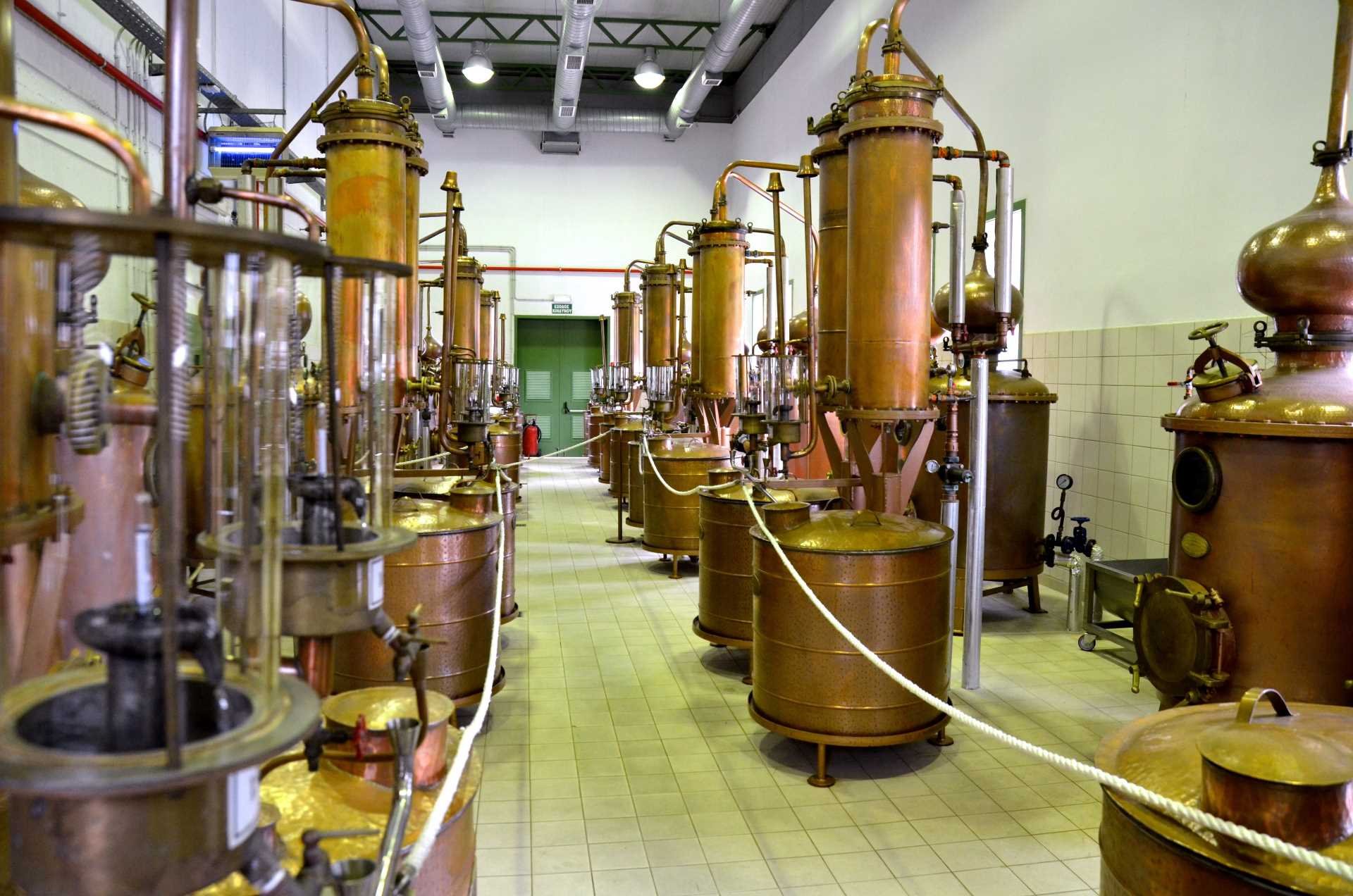
Plomari and the Weight of Greek Ouzo
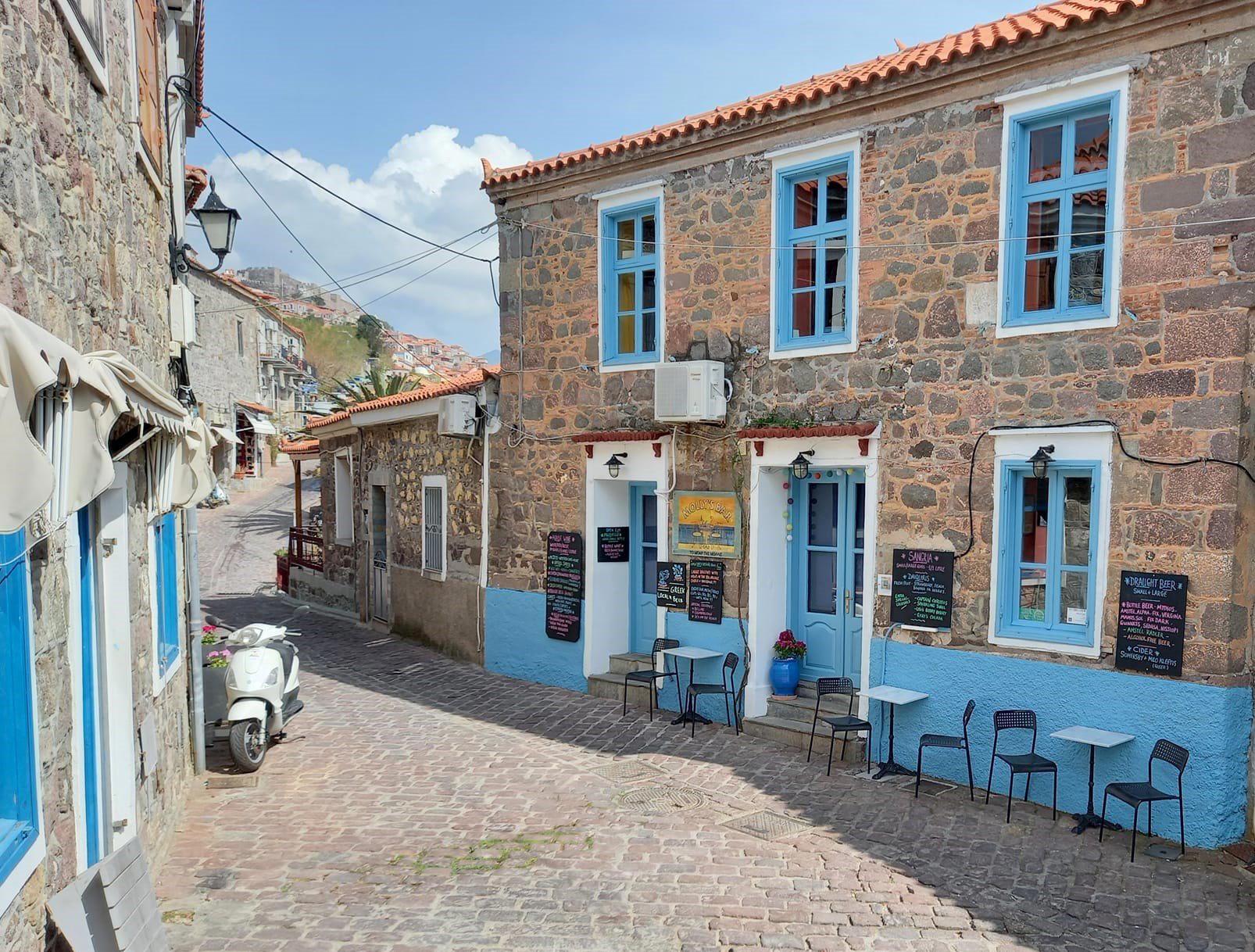
There are towns in Greece whose identity is inseparable from a single product, and Plomari, on the southern coast of Lesbos, is the clearest example. The town has been producing ouzo commercially since the nineteenth century, and its distillers collectively shaped what Greek ouzo means at the premium end of the market. Walking through Plomari today, the physical proximity of working distilleries to residential streets, to the waterfront, to the kafeneion tables spilling onto the pavement, tells you something about how embedded spirits production is here. This is not a heritage attraction. It is a functioning industry in a small place, and that compression gives visits to any of the town's distilleries a different quality to touring a purpose-built tasting room.
Within that context, the Isidoros Arvanitis Distillery operates at Kampos Plagias, one of the production sites within the wider Plomari area. The distillery holds a Pearl 2 Star Prestige rating for 2025, a recognition that places it inside the upper tier of Greek spirits producers assessed by that scheme. That credential matters not as a point of celebration but as a calibration: Plomari has multiple distilleries, from the large and internationally distributed to the smaller and more locally focused, and award signals are one of the few reliable ways to map the quality tier before you arrive. See our full Plomari restaurants and producers guide for a broader picture of what the town offers across food and drink.
The Distilling Tradition This Producer Works Within
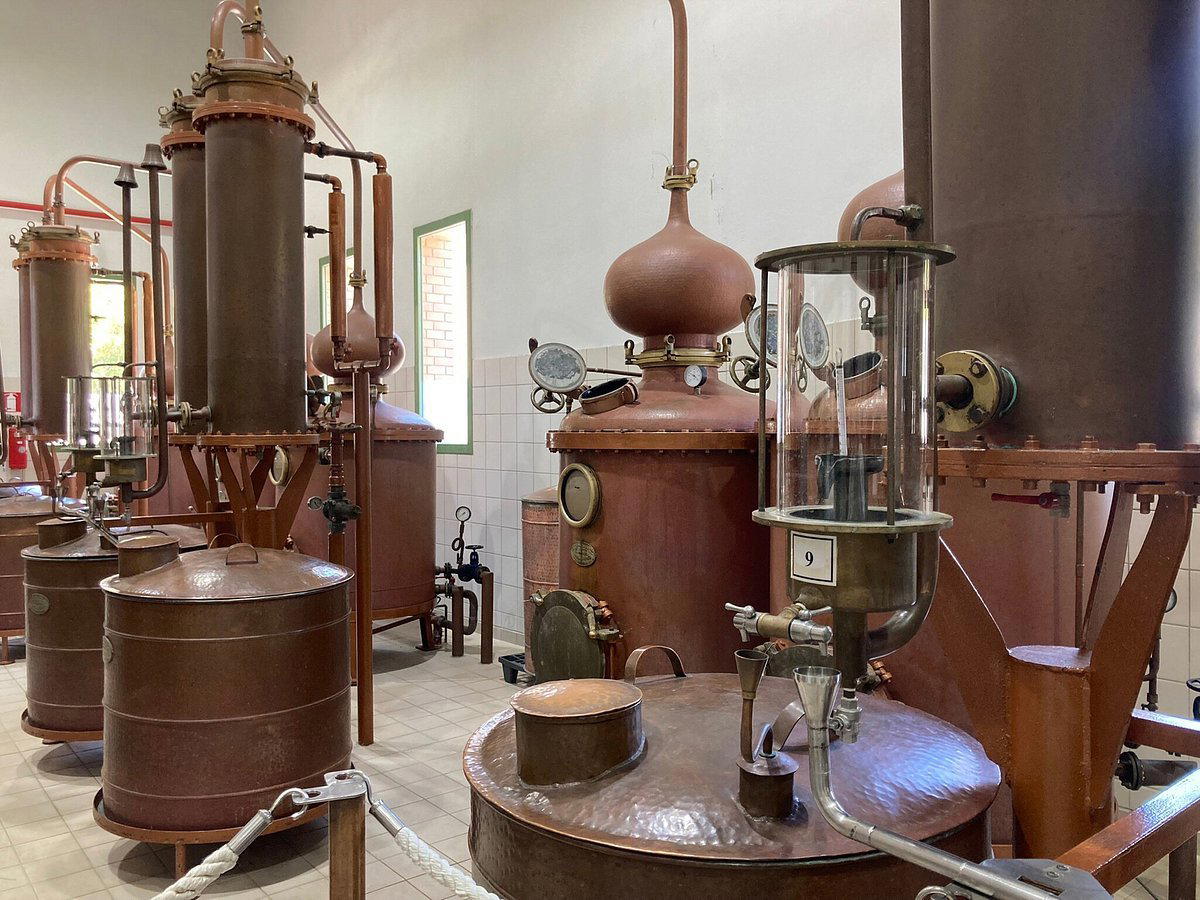
Greek ouzo is a regulated category. Production must take place in Greece, the base spirit must be grain or grape derived, and the anise flavouring must come from the distillation process rather than from post-distillation blending. Within those rules, producers differentiate through the composition of their botanical blend, the ratio of pot-distilled spirit to neutral spirit in the final blend, and the water source used for dilution. Plomari distillers have historically drawn on soft local spring water, a practical advantage that shaped the town's reputation long before formal appellation thinking entered the Greek spirits conversation.
The craft tradition in Plomari sits in tension with industrial-scale production elsewhere in Greece. The largest Lesbos producers have international distribution and volumes that require consistent replication rather than seasonal variation. Smaller operations work closer to the artisanal end of that spectrum, where individual batch decisions and botanical sourcing carry more weight. A Pearl 2 Star Prestige recognition suggests the Arvanitis distillery is producing at a level of quality that positions it clearly within the premium domestic tier, regardless of its scale relative to the town's larger names.
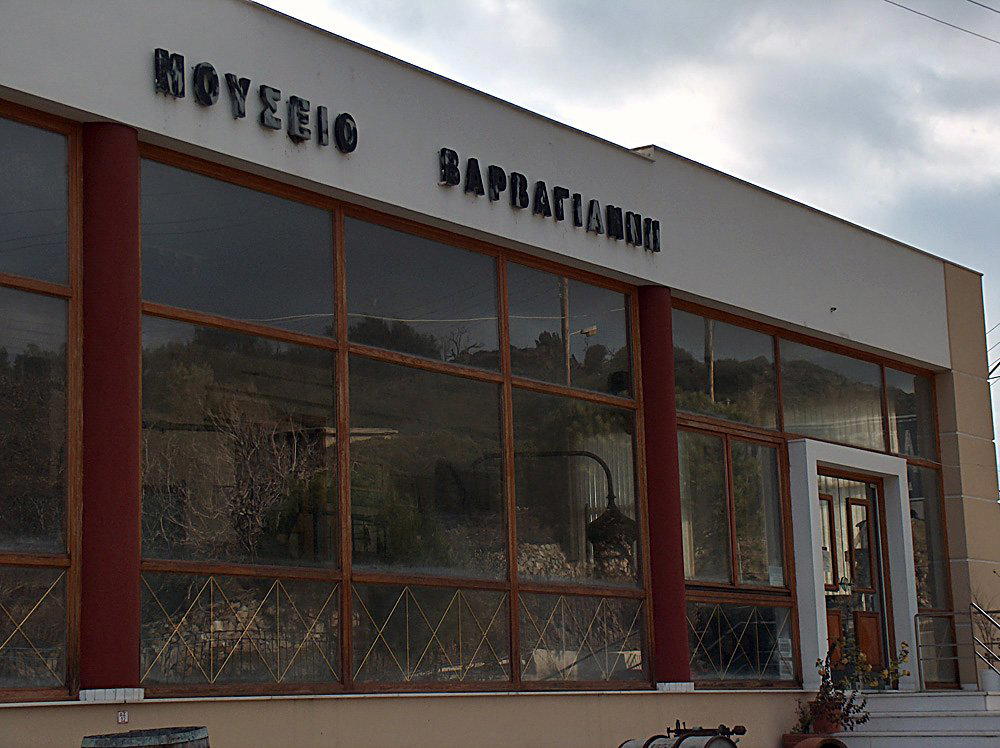
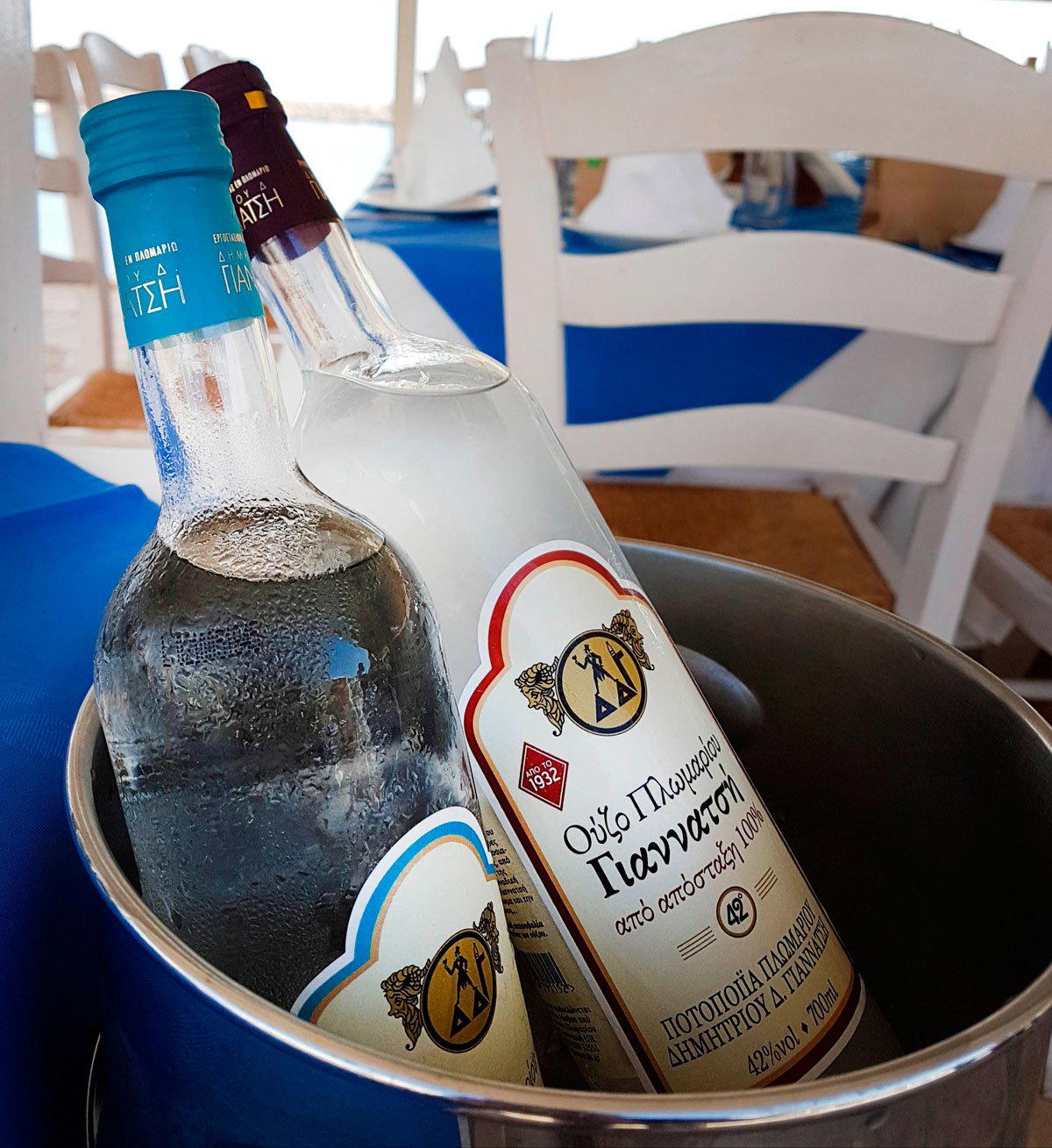
For comparison, the Barbayannis Ouzo Museum and Distillery in Plomari represents the institutional face of the town's ouzo history, with a museum component that frames the broader narrative of the industry. The Ouzo Giannatsis Distillery, also in Plomari, sits in the same local peer group. Visiting more than one of these producers in a single trip is standard practice for anyone serious about understanding the range of Plomari production styles, and the geography of the town makes that direct.
What the Pearl 2 Star Prestige Rating Signals
Award schemes applied to spirits producers function differently from restaurant guides. They are assessing consistency, quality of raw material, technical execution of distillation, and in some frameworks the sensory profile of the finished product against category benchmarks. A 2 Star Prestige rating within the Pearl system indicates a producer operating meaningfully above the baseline of category-compliant production. It does not specify what makes the Arvanitis spirits distinctive at the sensory level, but it does confirm they are being taken seriously within the formal evaluation structures of the industry.
In a town where the ouzo category has been produced for over a century, that kind of third-party validation is a useful signal. Plomari's reputation rests on collective heritage, but individual producers within it vary. The award puts Arvanitis in a specific bracket within that local competition, above producers coasting on the town's general reputation and below the very small number of Lesbos distillers with international trophy-level recognition. That is a meaningful position, and it is the most precise locator available from the verified record.
Greek Spirits in Wider Context
The premium Greek spirits category has expanded considerably over the past decade, extending beyond ouzo into tsipouro, mastiha liqueurs, and grape-based spirits that have attracted serious international attention. Within that broadening, Lesbos ouzo retains a specific gravity: it is the most geographically concentrated production zone for the spirit, and producers here carry the weight of the category's defining reputation. That is a different situation from, say, a small tsipouro producer in Thessaly working largely outside established prestige hierarchies.
For those tracking Greek spirits production across regions, the contrast with wine-focused producers elsewhere in the country is instructive. Operations like Artemis Karamolegos Winery in Santorini or Alpha Estate in Amyntaio represent the grape-to-bottle wine tradition, while Plomari's distilleries occupy a parallel prestige conversation around spirits craft. Similarly, Apostolakis Distillery in Volos offers a mainland counterpoint for anyone mapping Greek distilling traditions geographically. Further afield, Achaia Clauss in Patras represents the historic winery tradition of the Peloponnese, while producers like Abraam's Vineyards in Komninades, Acra Winery in Nemea, Aiolos Winery in Palaio Faliro, Akrathos Newlands Winery in Panagia, Anatolikos Vineyards in Xanthi, and Aoton Winery in Peania illustrate the geographic spread of serious Greek production. For international distilling reference points, Aberlour in Scotland and Accendo Cellars in St. Helena represent very different craft traditions operating at comparable prestige levels in their respective categories.
Planning a Visit to Plomari
Plomari is accessible from Mytilene, the capital of Lesbos, by road, roughly an hour's drive through the island's interior. The town is small enough that its principal distilleries are within walking distance of each other, which means a half-day structured around two or three producer visits is a realistic itinerary rather than an ambitious one. The Arvanitis distillery is located at Kampos Plagias within the Plomari 812 00 postal area; no phone number or website is currently listed in the verified record, so the most reliable approach is to visit in person during reasonable working hours or to enquire locally in Plomari for current opening arrangements. Lesbos as a whole is leading accessed by ferry from Piraeus or by direct flights from Athens, with peak visitor season running from late spring through early September.
Given the density of quality producers in a small geography, Plomari rewards the kind of slow visit that allows comparison across distilleries in a single afternoon. The town's waterfront provides a natural point of orientation, and the local ouzo-and-seafood pairing tradition means lunch can function as both a meal and an informal tasting, with local tavernas typically serving regional ouzo alongside mezedes in the manner the spirit was always intended to be drunk.

At a Glance
- Classic
- Rustic
- Scenic
- Historic
- Group Outing
- Wine Education
- Family
- Estate Grounds
- Historic Building
- Organic
- Sustainable
- Garden
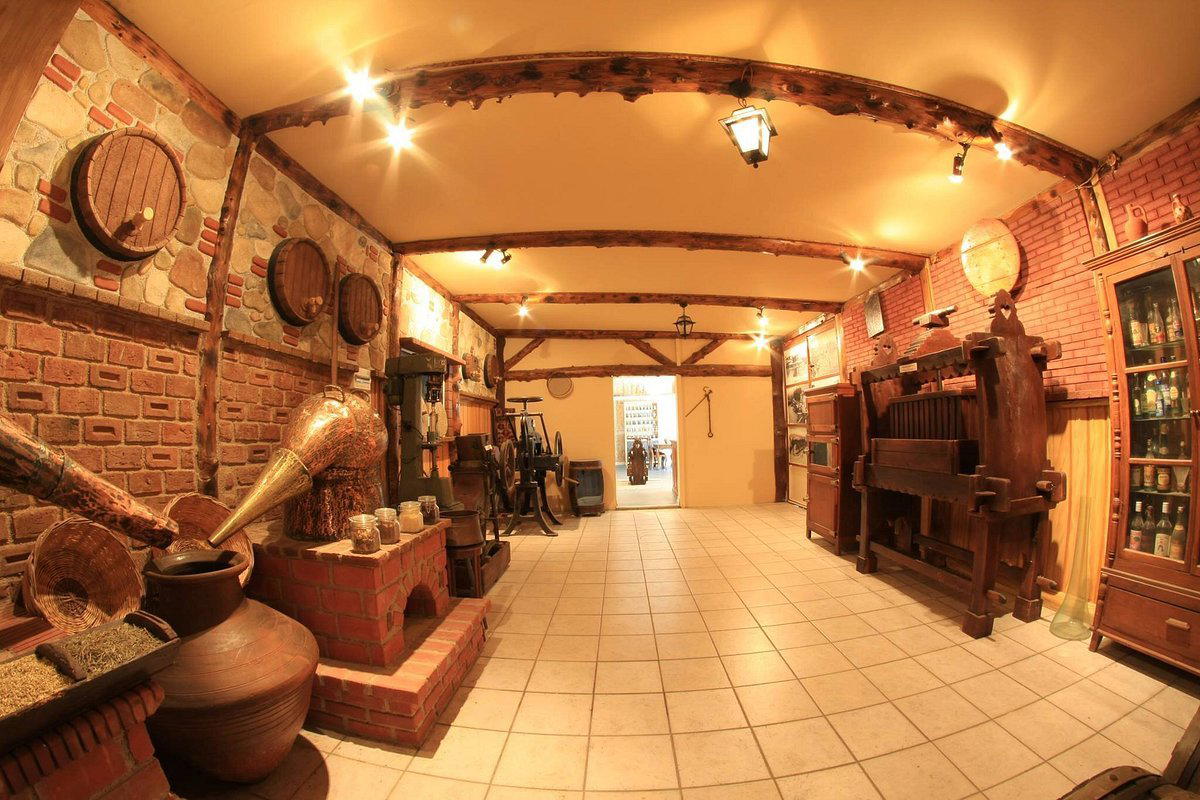
Warm and welcoming with a blend of heritage and modernity; visitors experience authentic distillery operations in a well-maintained facility with museum artifacts, complemented by knowledgeable and passionate staff.