
Plomari's most storied ouzo producer holds its operation and archive in a working distillery on Lesvos that doubles as a museum of the spirit's production history. Awarded Pearl 2 Star Prestige in 2025, Barbayannis sits at the upper tier of Greece's ouzo-focused visitor experiences, placing Plomari's centuries-old distilling tradition in direct, tangible form.
 Discover on Pearl
Pearl is the En Primeur Club membership app — saves, bookings, and concierge access live there. Same editors, same standards.
- Address
- Ag. Issidoros, Plomari, Lesvos 812 00
- Phone
- +302252032741
- Website
- barbayanni-ouzo.com
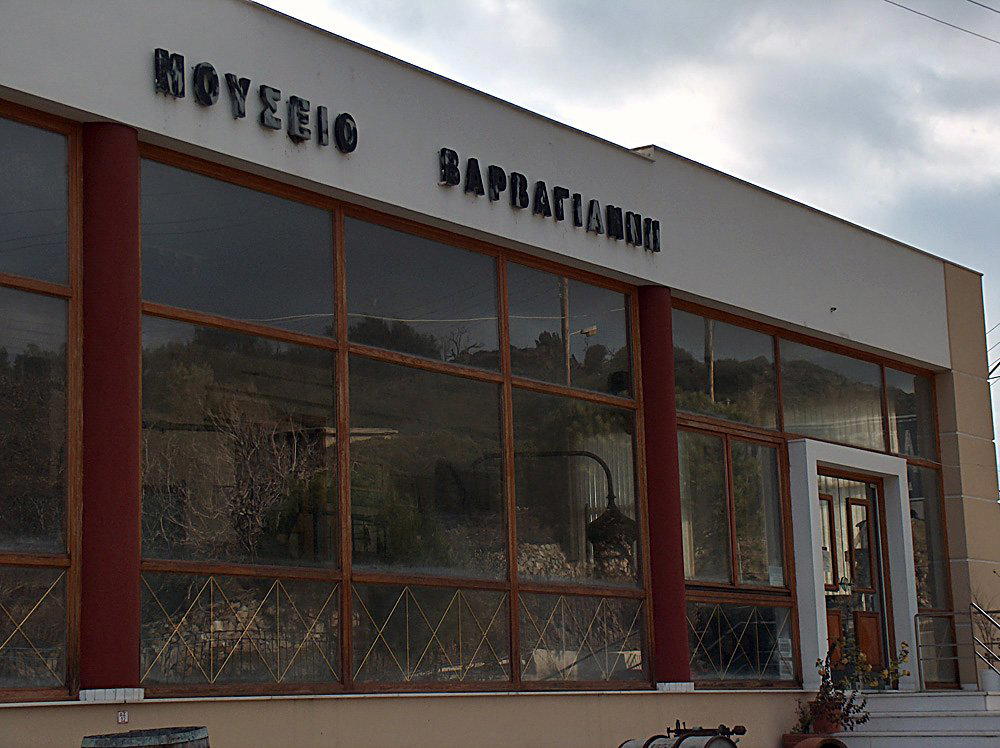
Where Lesvos Ouzo Is Made, and Why Plomari Produces It Differently
Greece distils ouzo in several regions, but Lesvos accounts for a disproportionate share of the bottles that define the spirit internationally. Within Lesvos, Plomari is the production centre, a small port town on the island's southern coast whose microclimate and water chemistry have shaped a house style that differs from the lighter, more neutral ouzo associated with Tirnavos on the mainland. The anise character in Plomari ouzo tends to run deeper, the finish longer, which is partly a function of local botanicals and partly a reflection of the copper pot still tradition that several Plomari families have maintained across multiple generations.
Barbayannis sits inside that tradition with a record that predates most of its local peers. The distillery has been operating in Plomari long enough that its archive and equipment span different eras of Greek ouzo history, from hand-operated stills to contemporary distillation practice. The museum component is not ornamental: it documents how the spirit was made, stored, and traded before refrigeration, before standardised labelling, before the PGI designation that now legally protects Lesvos ouzo. That historical depth is what separates it from a standard distillery tour, and it is what earned the venue its Pearl 2 Star Prestige recognition in 2025.
Terroir in a Glass: What Lesvos Climate Does to Anise Spirit
The concept of terroir applies awkwardly to distilled spirits by wine-world standards, but in Plomari's case the environmental argument is coherent. The anise seed sourced for Lesvos production is not generic commodity grain; producers here have historically drawn from Anatolian-influenced growing zones where the essential oil concentration in the seed is higher than in European equivalents. The result, when distilled slowly in copper, is an ouzo that carries an aromatic density that more industrialised production cannot replicate.
Water is the second variable. Plomari sits near spring sources whose mineral profile affects dilution behaviour. Ouzo is not consumed neat in standard practice; it is diluted with water, and that dilution triggers the louche, the characteristic clouding that occurs when anethole comes out of solution. The speed and texture of that louche is subtly responsive to the mineral content of the water added, which means Plomari ouzo at its source and Plomari ouzo poured elsewhere are not identical sensory experiences. The Barbayannis museum makes this point explicitly, contextualising production geography as part of the product's character rather than as background detail.
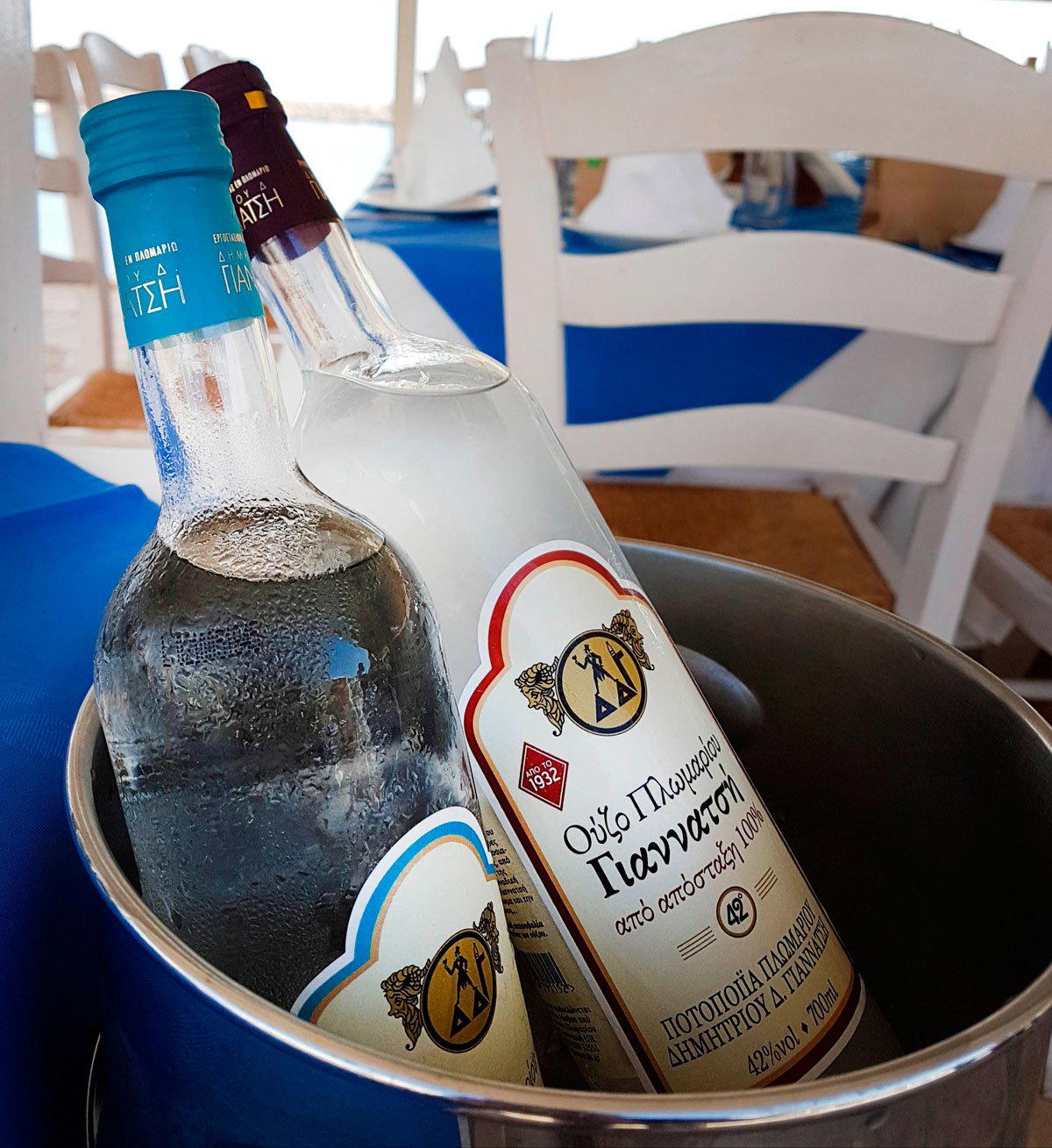
For a broader picture of how Lesvos-based distilling fits into Greek spirits geography, the Isidoros Arvanitis Distillery and Ouzo Giannatsis Distillery operate along similar principles in the same town. Visiting more than one Plomari producer in a single trip makes the house-style differences legible in a way that no single tasting can.
The Museum Format: What It Covers and Who It Is For
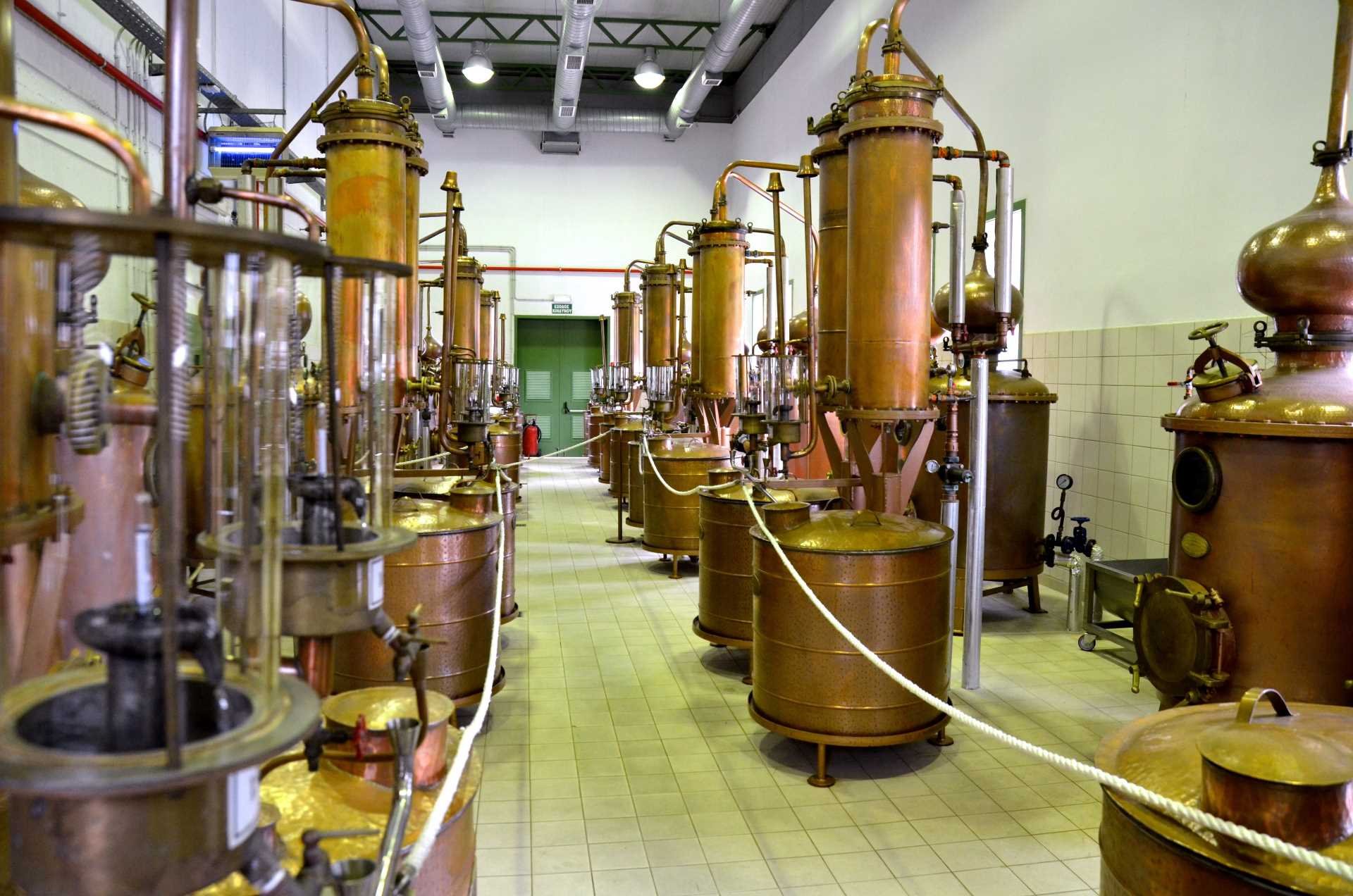
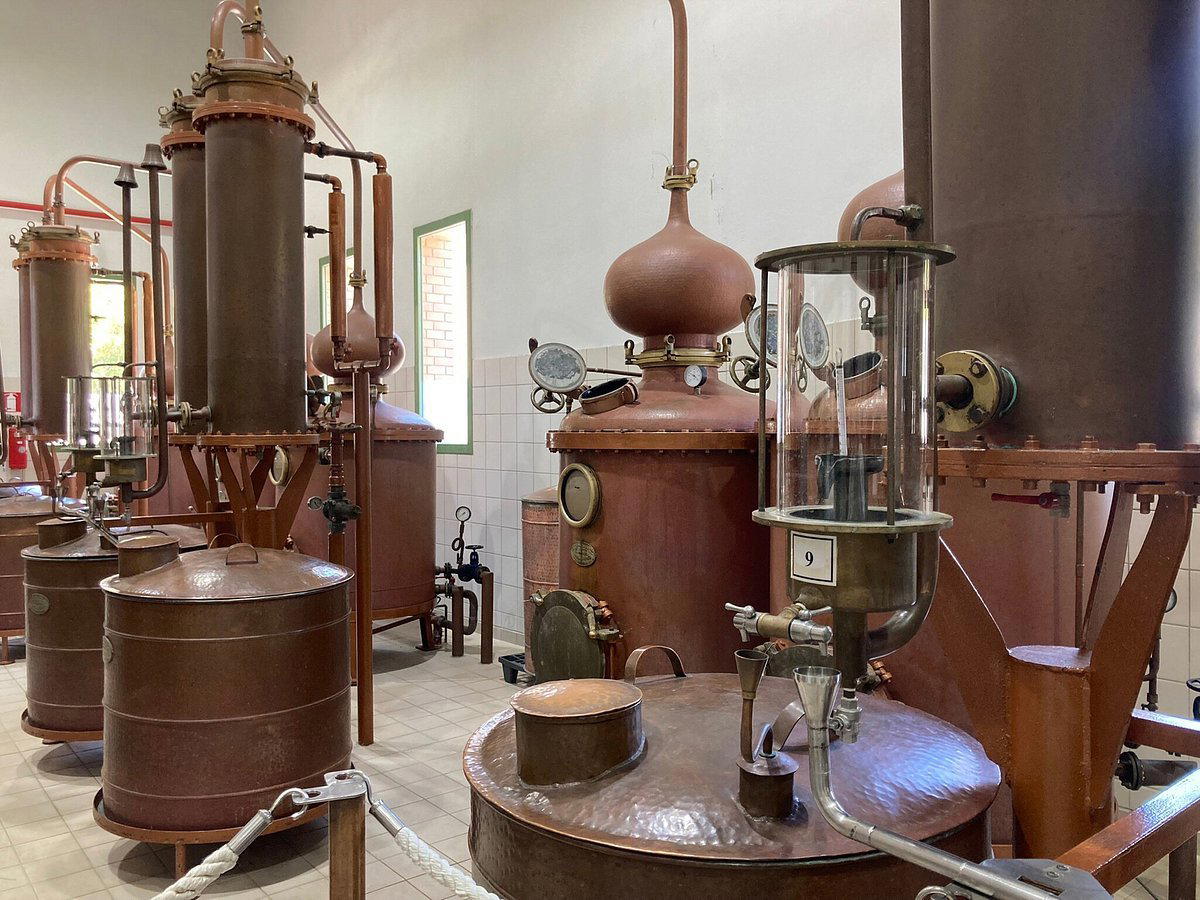
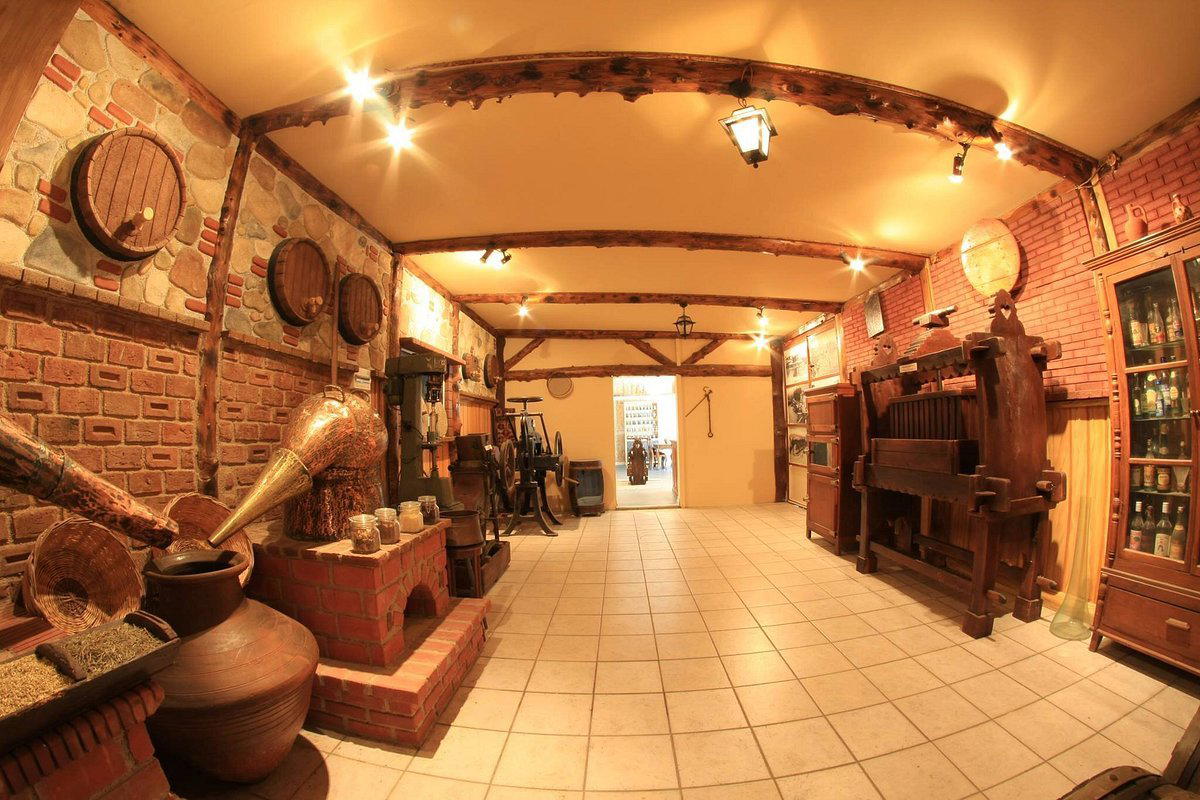
Distillery museums in Greece sit on a spectrum from marketing exercises with a still in the corner to genuinely archival operations where the equipment and records tell a production history independently of the brand story. Barbayannis occupies the more serious end of that spectrum. The working distillery is functional rather than decorative, and the museum section documents the material culture of ouzo production: the cooperage, the bottling methods, the label history, the commercial records of a family trade that predates the modern Greek state in its current form.
Visitors with an interest in spirits production history will find the site rewarding beyond the tasting component. The parallel, for context, is how a visitor to a heritage Scotch distillery can read the production evolution from pot still size to warehouse architecture without needing a guide. At Barbayannis, the object history does similar work for ouzo. For those comparing Greek spirits experiences more broadly, Apostolakis Distillery in Volos offers a mainland counterpoint with a different botanical tradition.
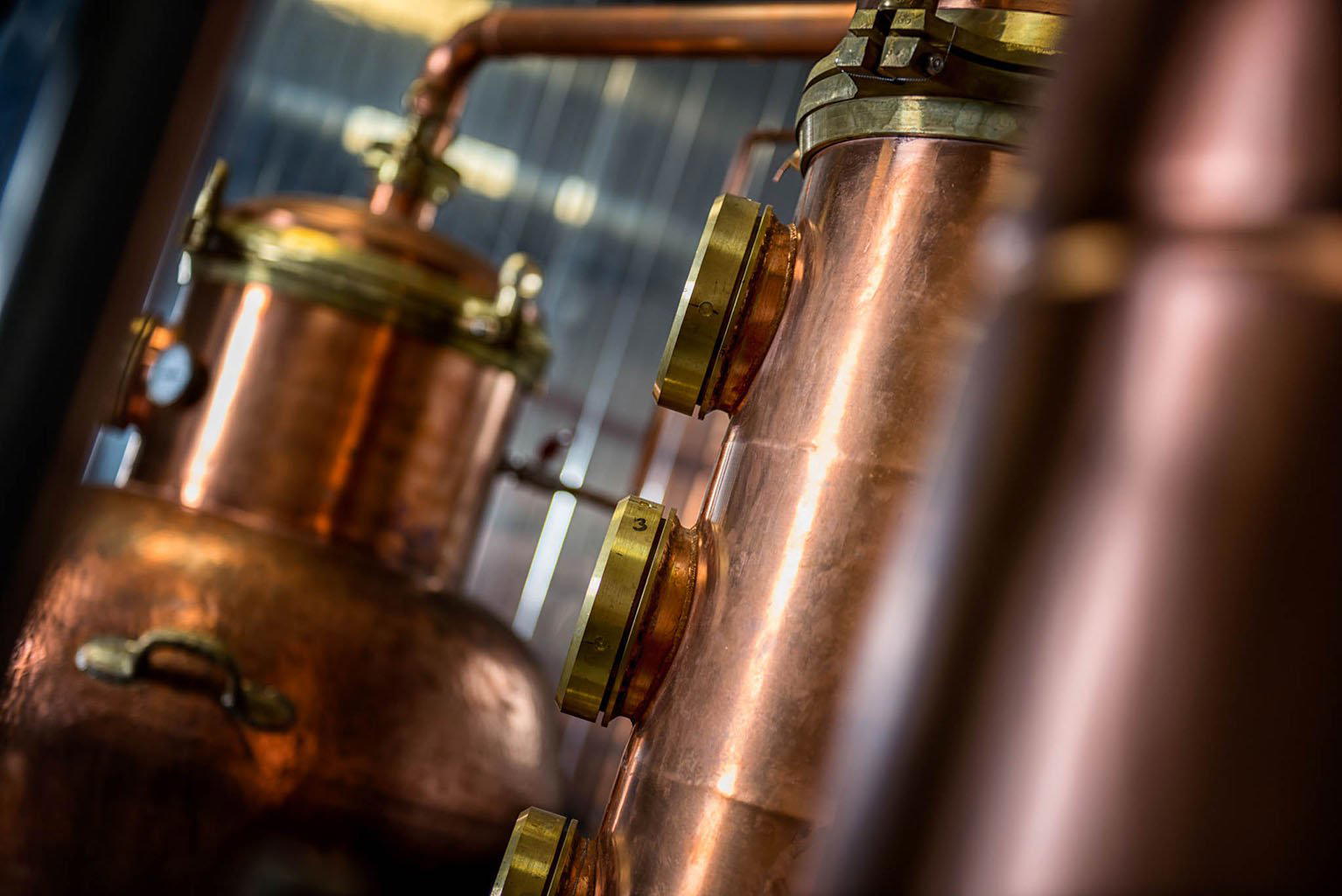
The format is visitor-focused without being a theme park. Plomari itself is a working town, not a tourism-only destination, and the distillery reflects that. There is no theatrical staging. The copper stills are used; the archives are real. That functional character is increasingly rare as Greek spirits tourism scales toward polished visitor centres modelled on Napa-style hospitality.
Plomari in Context: A Town Built Around Distilling
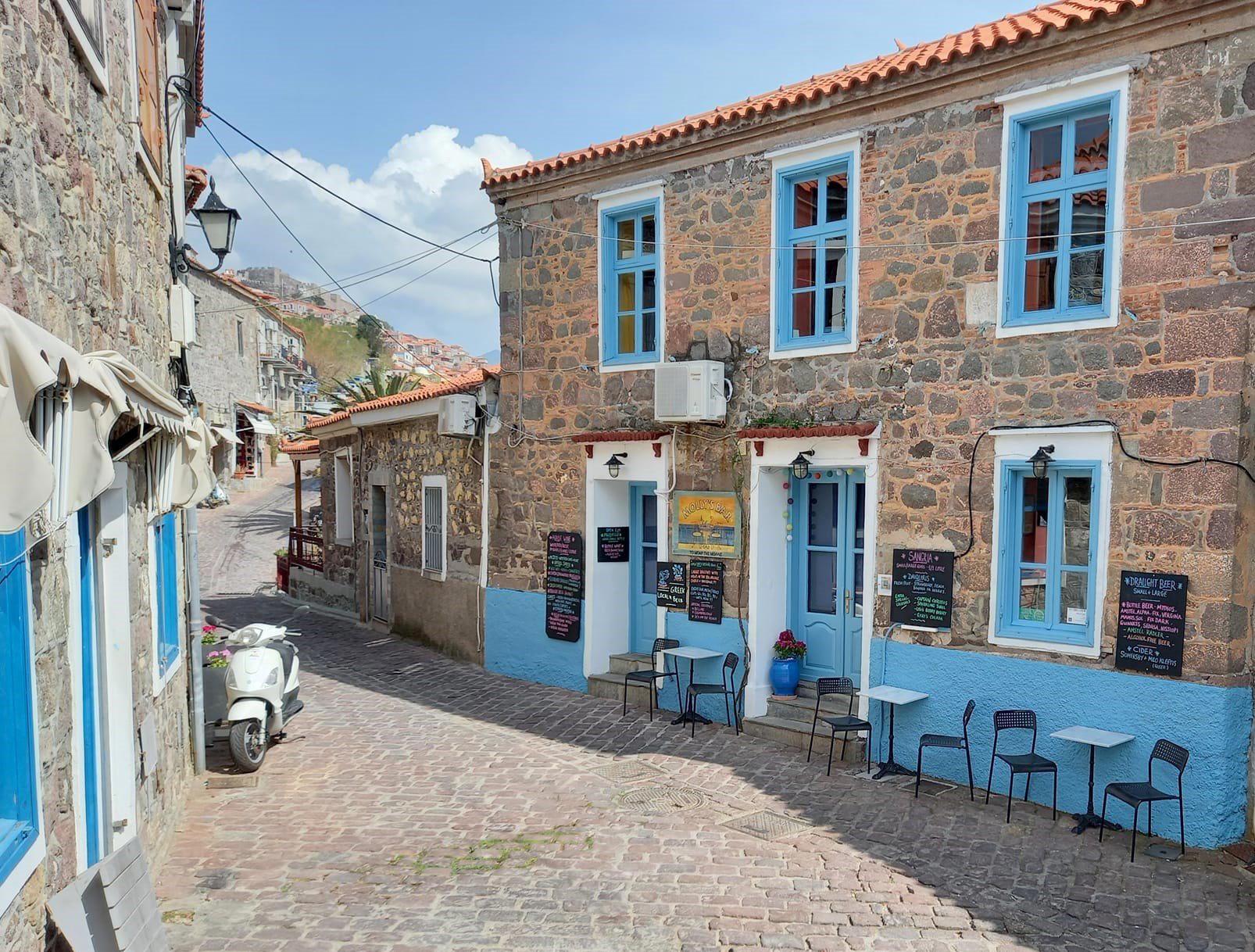
Plomari's identity as a production town is not incidental. The port town developed its ouzo industry across the 19th and 20th centuries to the point where distilling became the economic and cultural spine of the community. Several family-owned operations still run within walking distance of each other, making the town a practical base for understanding the regional spirit in depth. The full Plomari guide maps the food and drink landscape across the town's producers and restaurants.
Lesvos as an island carries separate associations: olive oil, sardines, and a culinary tradition built around the Aegean fishing economy. Ouzo is the drink that connects those food traditions, served alongside mezedes that mirror the spirit's anise-forward character with savoury, salt-cured, and fermented elements. The Barbayannis visit makes most sense as part of a half-day in Plomari that includes a meal at one of the harbour tavernas. The distillery and the table together explain the spirit in a way neither does alone.
For readers interested in mapping Greece's wider spirits and wine production geography, the country's production diversity runs from Aegean island distillers like Barbayannis to mainland wine estates. Alpha Estate in Amyntaio works with high-altitude northern Greek varietals; Artemis Karamolegos Winery in Santorini operates on volcanic Assyrtiko terroir; Achaia Clauss in Patras represents the country's older wine house tradition. These are distinct production categories, but taken together they outline a country where geography shapes product character at every scale. Abraam's Vineyards in Komninades, Acra Winery in Nemea, Aiolos Winery in Palaio Faliro, Akrathos Newlands Winery in Panagia, Anatolikos Vineyards in Xanthi, and Aoton Winery in Peania each represent further nodes in that national production map.
Planning a Visit
Barbayannis is located on Ag. Issidoros in Plomari, Lesvos 812 00. Plomari is roughly 40 kilometres from Mytilene, the island's capital and main ferry hub, accessible by road in under an hour. Lesvos has an international airport at Mytilene with summer connections to several European cities and year-round links to Athens. Visitors should confirm current hours before travelling, particularly outside the peak summer season.
The 2025 Pearl 2 Star Prestige award places Barbayannis in a recognised tier of production sites worth scheduling around rather than treating as a casual detour. That distinction also makes it the logical anchor for a Plomari spirits itinerary, with the neighbouring producers filling out a half-day or full-day programme. For international context on what heritage distillery visits can offer, Aberlour in Aberlour and production-focused visits like those at Accendo Cellars in St. Helena provide useful reference points.
At a Glance
- Historic
- Rustic
- Classic
- Solo Exploration
- Wine Education
- Historic Building
Historic and traditional atmosphere with displays of antique distillation equipment and a welcoming, educational vibe.