
Falstaff Winery - 1 Stars
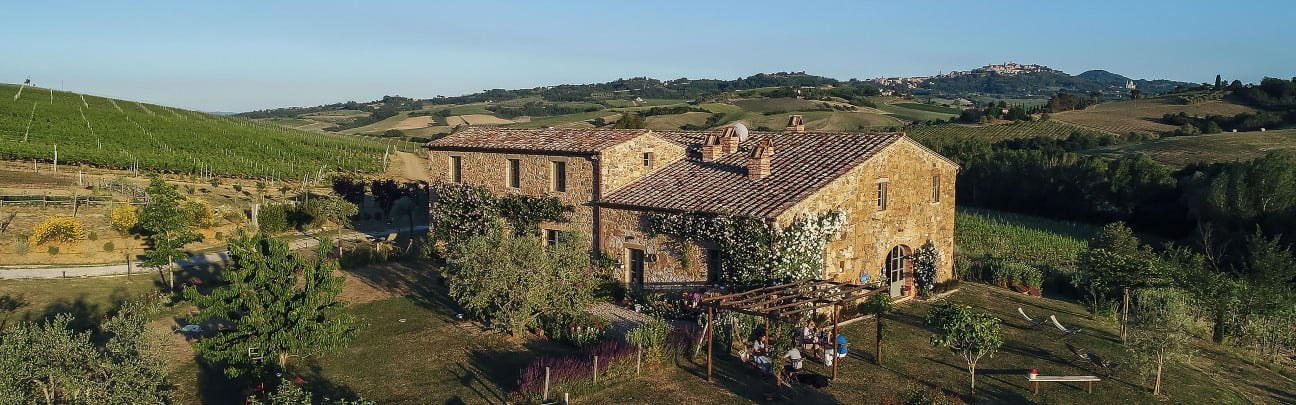
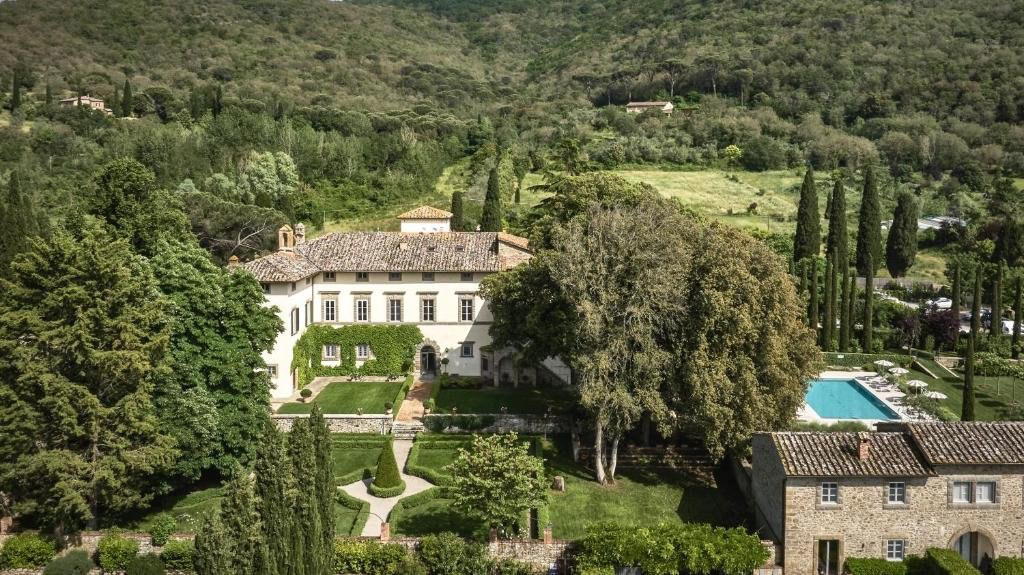
Il Sosso is a three-generation Ravaglioli family wine estate in Lucignano, set around an 18th-century Leopoldino farmhouse with vineyards and olive groves in the Chianti Arezzo area. Its appeal is the Tuscan estate format: guided tastings, vineyard context, Chianti DOCG, IGT bottlings, Vin Santo and olive oil presented as part of one agricultural setting.

Pearl is the En Primeur Club membership app, where members save venues, book tables and use the concierge.
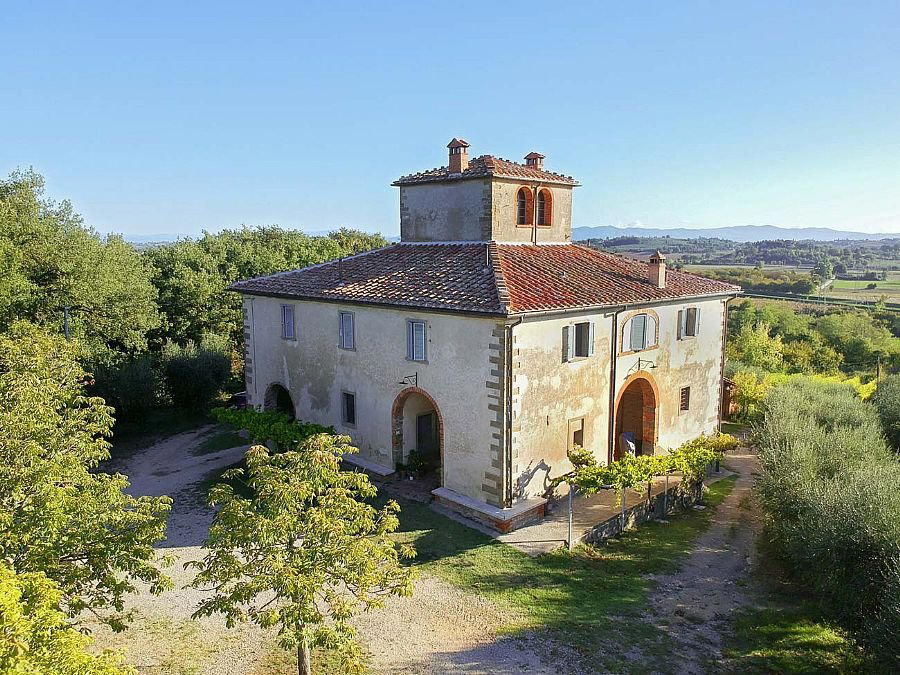
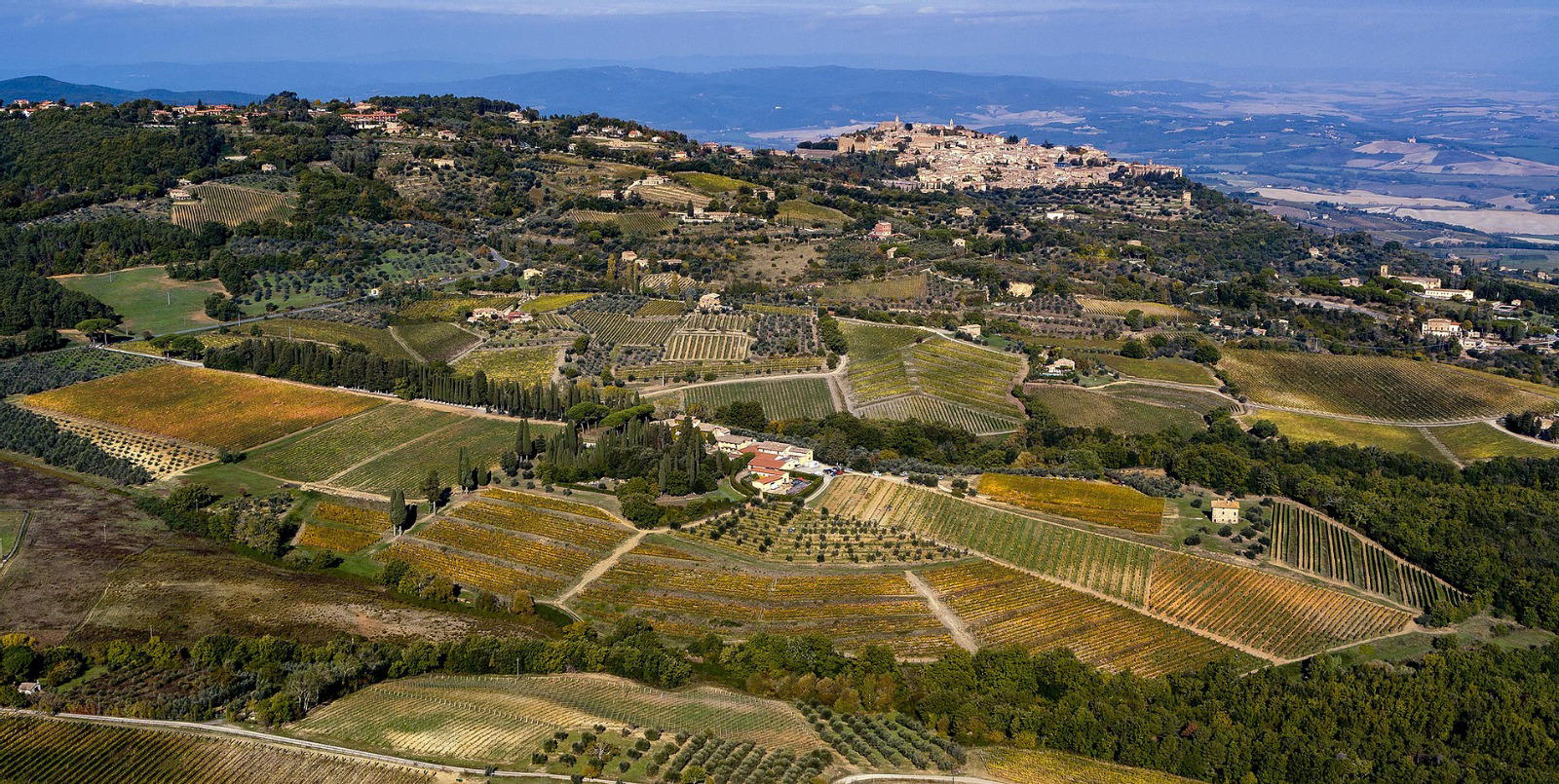
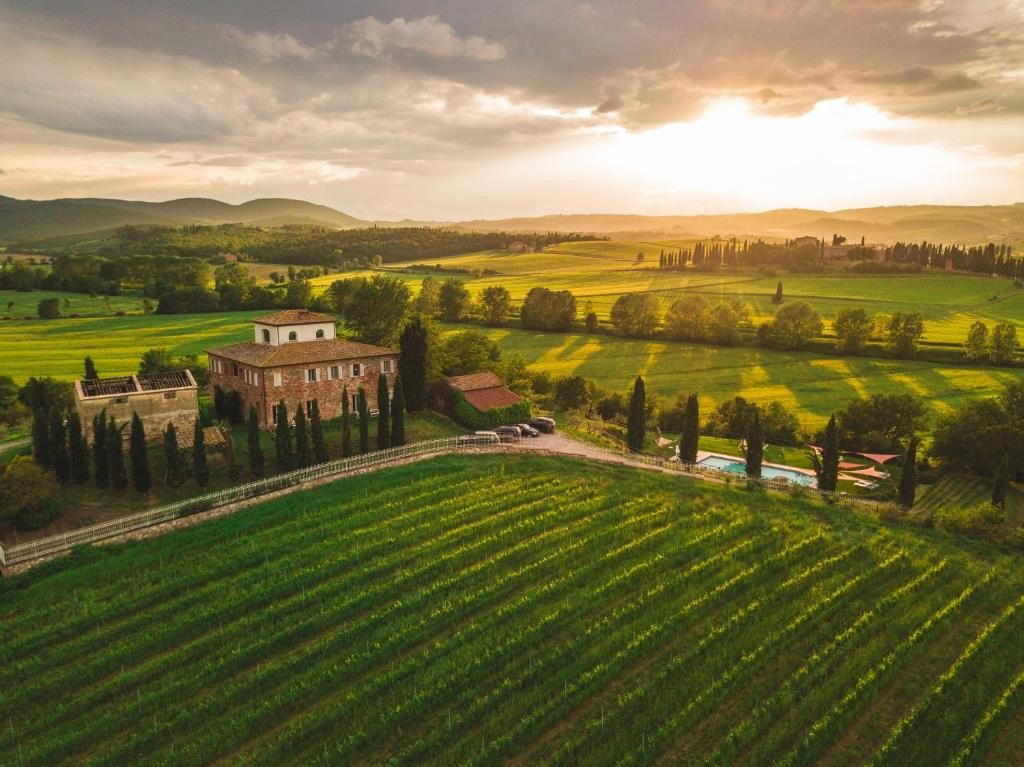
The approach to a Tuscan wine estate is often half the argument. Around Lucignano, the landscape shifts from medieval village scale to hillside agriculture: vines, olive groves, farmhouse architecture and the slower rhythm of a working property rather than a showroom. Il Sosso belongs to that tradition. The setting is not decorative background; it explains the wines, the hospitality style and the kind of traveller who will get the clearest read on the place.
In Tuscany, estate visits split broadly between brand-led cellar tourism and family-run agricultural encounters. The latter depends less on trophy language and more on whether the land, cellar and table feel connected. Here, the Ravaglioli family history matters because it gives continuity to the production model: the property has been in family hands for three generations, with roots going back to 1965, and the current management includes agronomic and oenological expertise inside the family. That is a useful credential in a region where the difference between charm and substance often comes down to who is making decisions in the vineyard.
Chianti as the spine, IGT wines as the room to move
The estate’s wine identity sits on a familiar Tuscan axis: Sangiovese and Chianti provide the regional grammar, while IGT bottlings allow broader stylistic range. The portfolio includes Chianti DOCG, Chianti Riserva DOCG, Sangiovese di Toscana IGT, Rosso di Toscana IGT, rosato, white IGT wines, Chardonnay di Toscana IGT, Vin Santo del Chianti DOC and extra virgin olive oil. That spread says more than a tasting note would. It places the estate in the practical middle ground of Tuscan production, where appellation wines carry the local identity and IGT labels give the cellar freedom.
The vineyard mix reinforces that position. Native Tuscan varieties such as Sangiovese, Colorino, Canaiolo, Malvasia and Trebbiano sit alongside Cabernet Sauvignon, Merlot, Petit Verdot, Chardonnay, Sauvignon Blanc and Viognier. In a hillside Chianti-area estate, that combination is not a contradiction. It reflects the way many Tuscan producers now work: protecting the Sangiovese-led core while using international grapes and alternative cellar choices to widen the conversation.
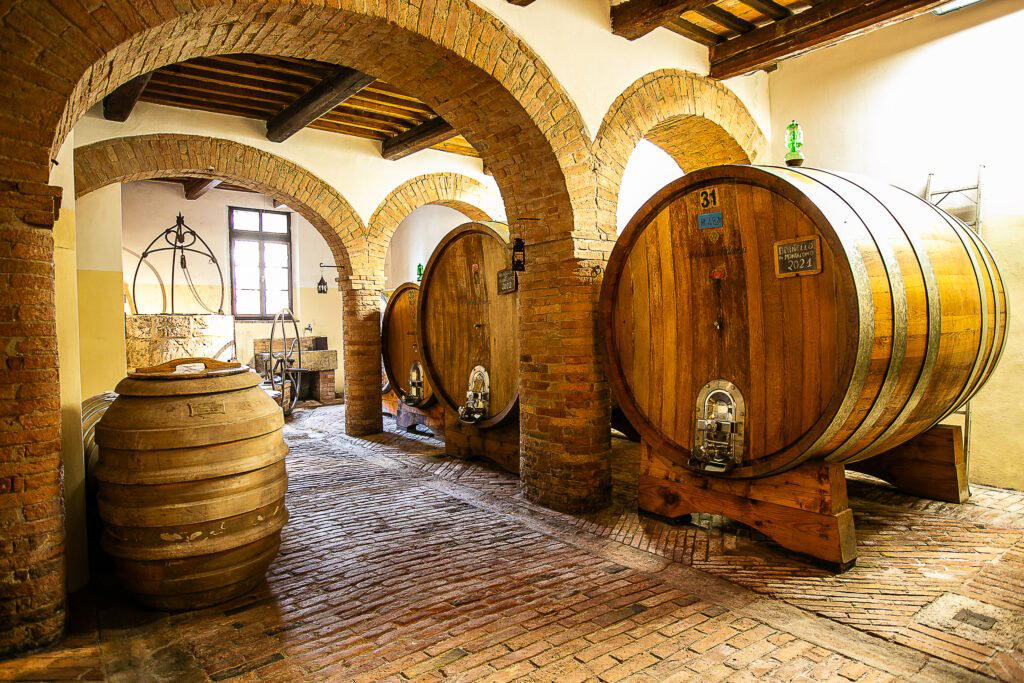
Two details sharpen the production picture. The estate covers about 45 hectares, with 27 hectares under vine, so the visitor is dealing with a working agricultural property rather than a purely symbolic vineyard. The range also includes wood-aged reds and a white vinified in amphora, a pairing of old and current Tuscan instincts: structure and reserve on one side, texture and vessel experimentation on the other. The result is a tasting context built around variety rather than a single headline bottle.
The farmhouse tasting format links wine, food and land
Rural Tuscany is at its strongest when the tasting does not separate wine from the rest of the estate. Il Sosso’s hospitality follows that logic: guided tastings, vineyard walks, cellar context and local Tuscan cuisine form the visit. The 18th-century Leopoldino farmhouse gives the experience its architectural anchor, but the more important point is format discipline. A seated or guided tasting in this setting should help visitors understand why Chianti DOCG, Chianti Riserva, IGT reds, whites, rosato, Vin Santo and olive oil belong to the same agricultural story.
This is also where Lucignano matters. The town sits in the Arezzo area, between the better-known Tuscan poles that often dominate visitor itineraries. That gives the estate a quieter frame than the more heavily trafficked wine routes. The appeal is not scarcity theatre; it is the chance to read a smaller Tuscan hillside property at the pace of an educational tasting, with vineyards and olive groves close enough to make the production story concrete.
The strongest way to approach the lineup is comparatively within the estate itself. Start with the Sangiovese and Chianti expressions to understand the regional base, then use the IGT wines to see where the cellar loosens the rules. Vin Santo and olive oil complete the Tuscan table logic. In a region crowded with labels and appellation language, that progression is more useful than chasing a single prestige cue.
Where Il Sosso fits into a Lucignano wine itinerary
For travellers building time in Lucignano, the estate works as a low-key, terroir-led counterpoint to more destination-driven Tuscan wine stops. The production scale, family continuity, vineyard setting and Chianti DOCG anchor give it enough substance for wine-focused visitors, while the farmhouse format keeps the experience accessible for mixed groups. It is better read as an agricultural visit with wine at the centre than as a luxury cellar performance.
Lucignano rewards a wider itinerary because its appeal is not only wine. Use our full Lucignano wineries guide to place the estate among local producers, and cross-check the town through our full Lucignano restaurants guide, our full Lucignano hotels guide, our full Lucignano bars guide and our full Lucignano experiences guide. Nearby winery reading starts with Tenuta Licinia, while broader Italian and European wine references include 3GP SRL in Treviso, 47 Anno Domini in Trebaseleghe, A Mano Wine in Noci, a6mani in Fragagnano, Abbadia Ardenga in Torrenieri, Abbazia di Crapolla in Neapel, Abbazia Monte Oliveto in Asciano, »der Steiner« Hans Steiner in Podersdorf am See and & Handwein in Mannheim.
Recognition history
Dated appearances from independent guides and award organizations, with the underlying list record or original source where available.
Falstaff Winery - 1 Stars
Falstaff
Continue exploring
More in Lucignano
Wineries in Lucignano
All wineries in Lucignano →
Bars in Lucignano
Browse all →
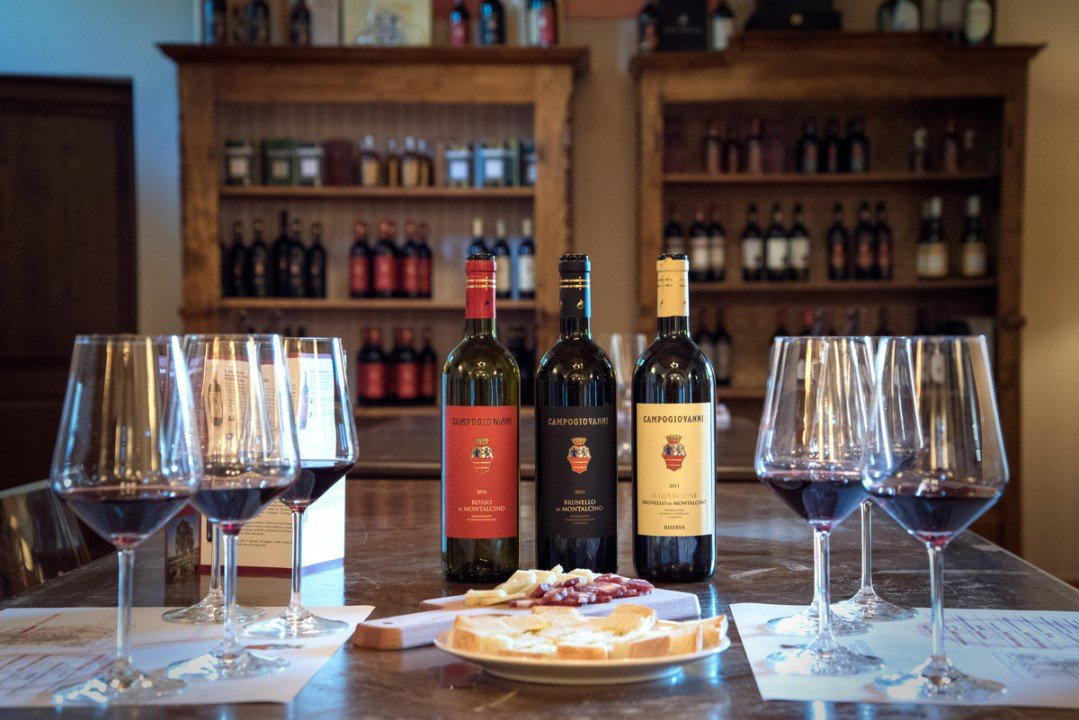
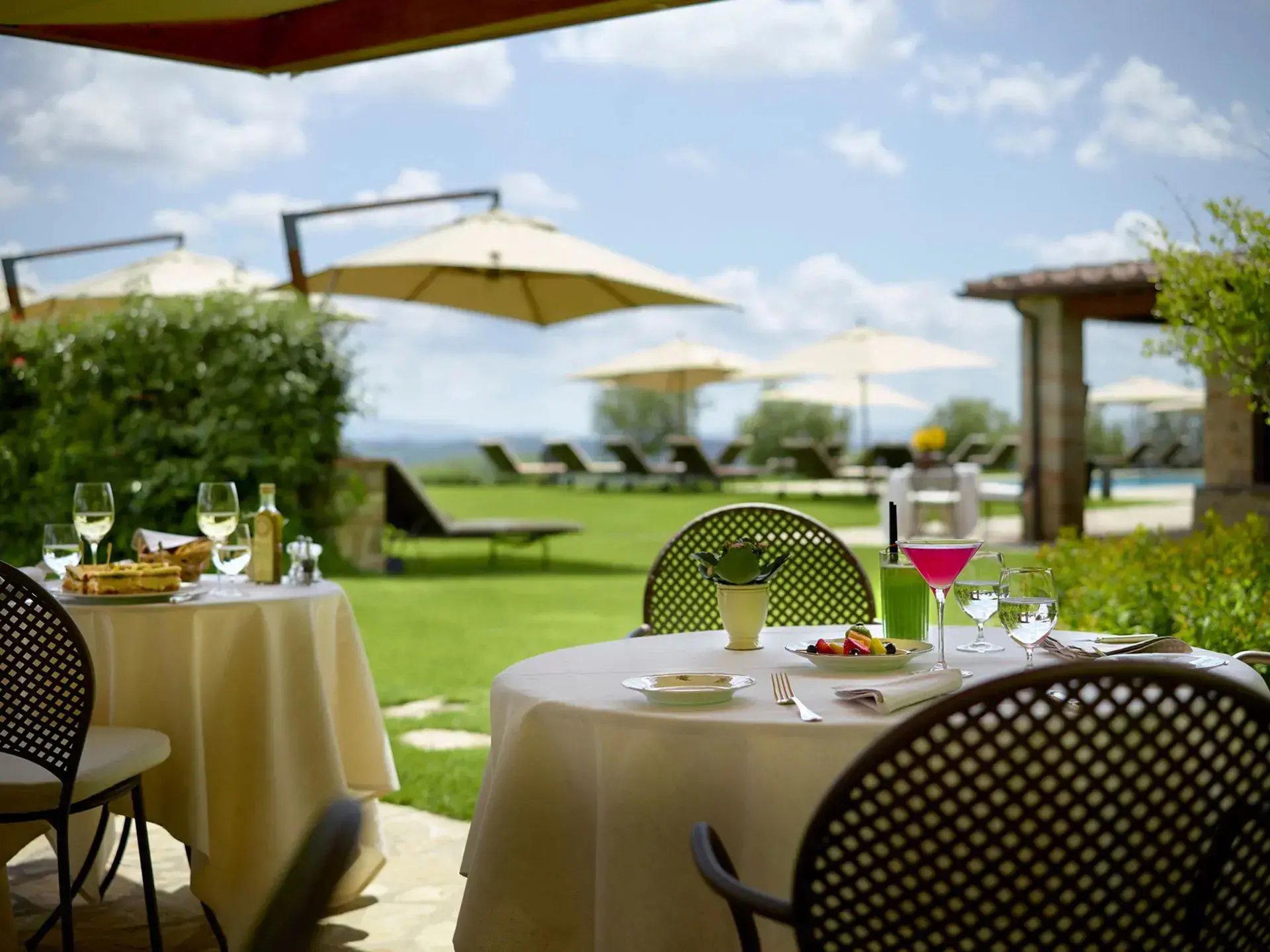
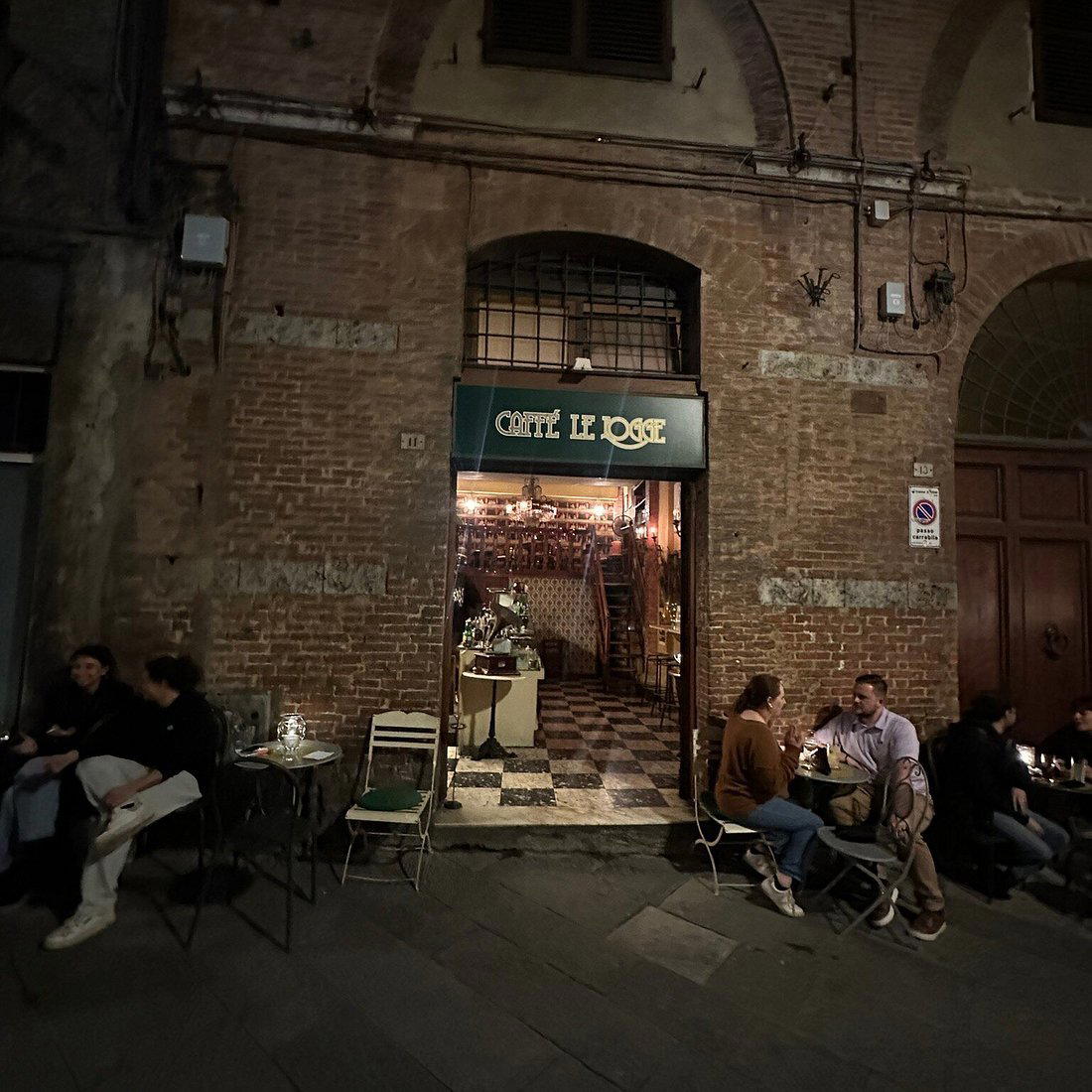
Restaurants in Lucignano
Browse all →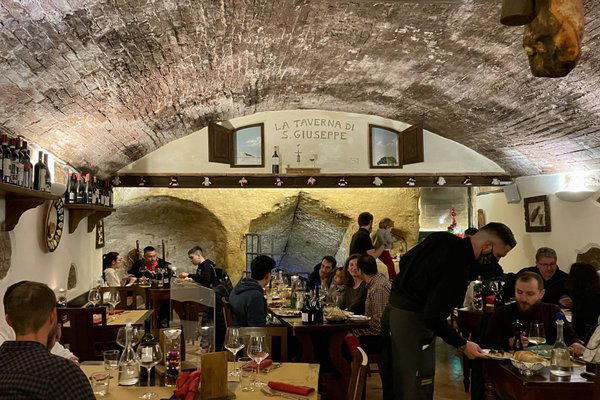
Details
- Scenic
- Rustic
- Romantic
- Classic
- Intimate
- Romantic Getaway
- Group Outing
- Wine Education
- Special Occasion
- Solo Exploration
- Vineyard Tour
- Estate Grounds
- Historic Building
- Private Tasting
- Panoramic View
- Sustainable
- Vineyard
- Garden
- Mountain
- Sangiovese
- Colorino
- Canaiolo
- Malvasia
- Trebbiano
- Cabernet Sauvignon
- Merlot
- Petit Verdot
- Chardonnay
- Sauvignon Blanc
- Viognier
- Still Red
- Still White
- Still Rosé
- Dessert
- Amphora
- Seated Tasting
- Guided Tasting
- Tour And Tasting
- Vertical/flight Tasting
- Italian
- English
- French
- Spanish
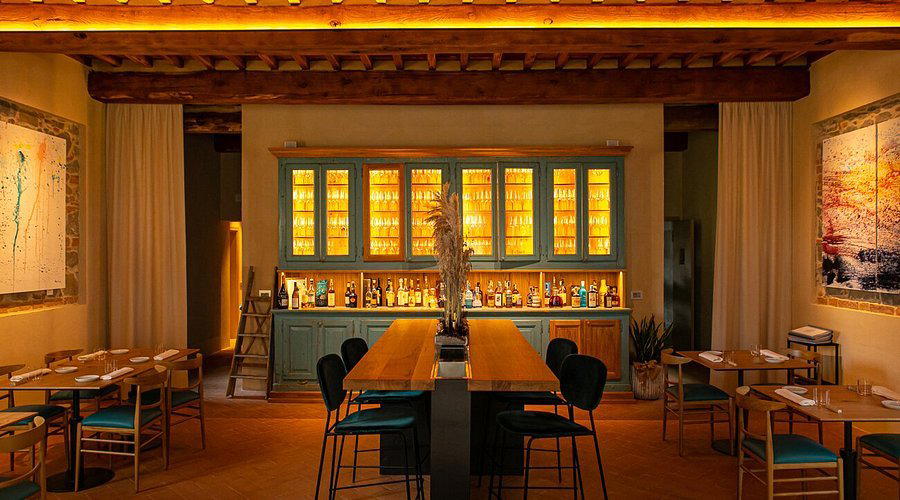
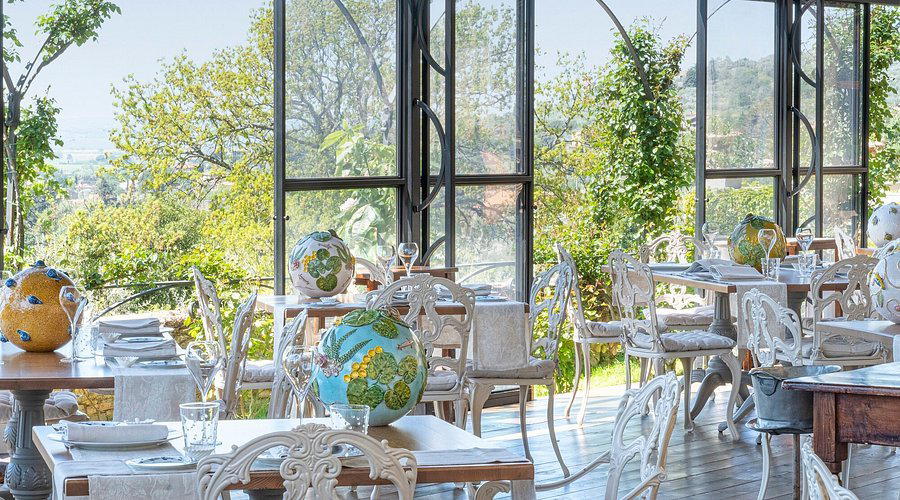
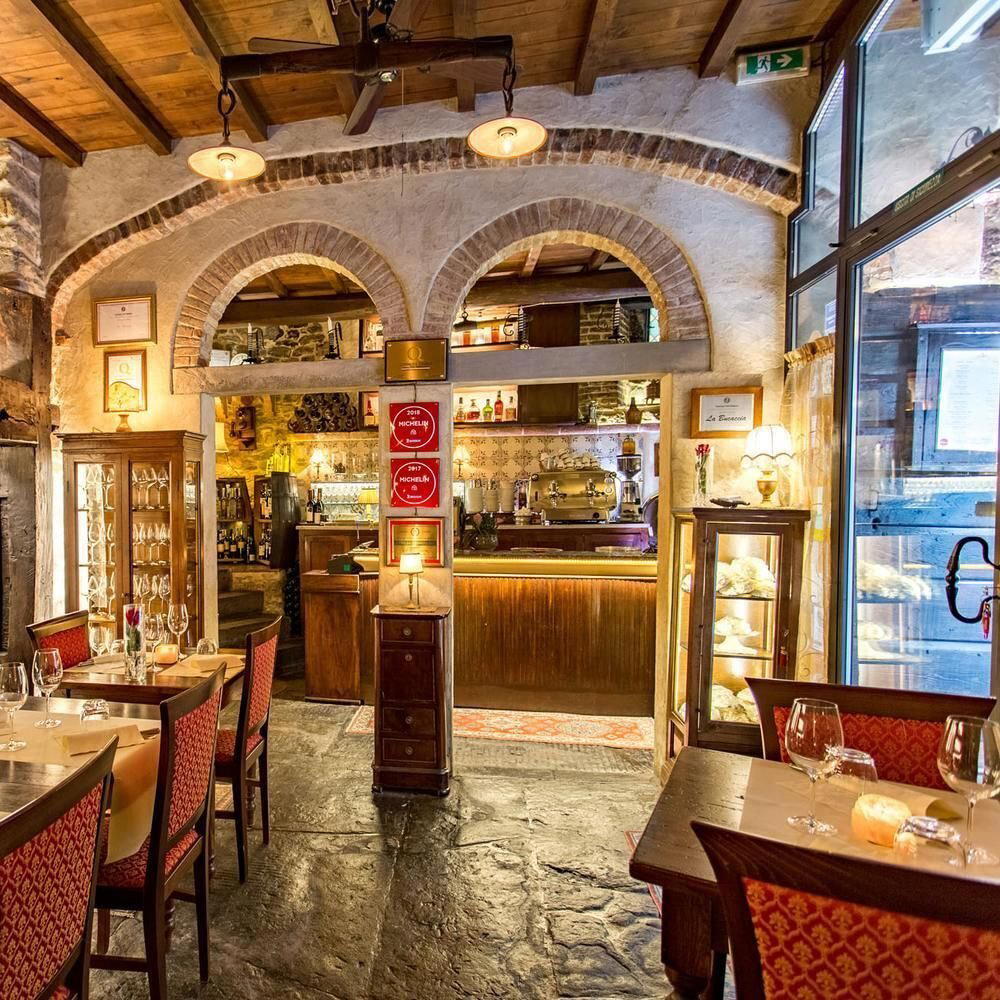
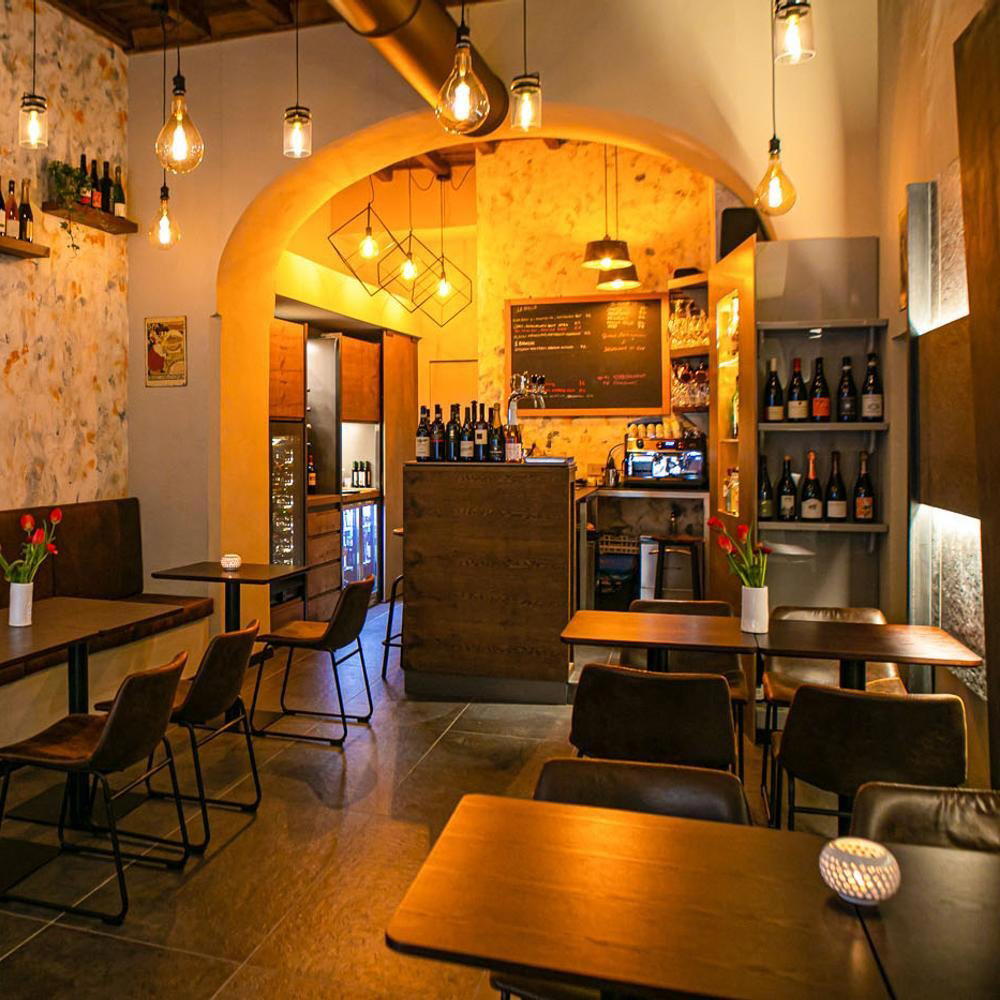
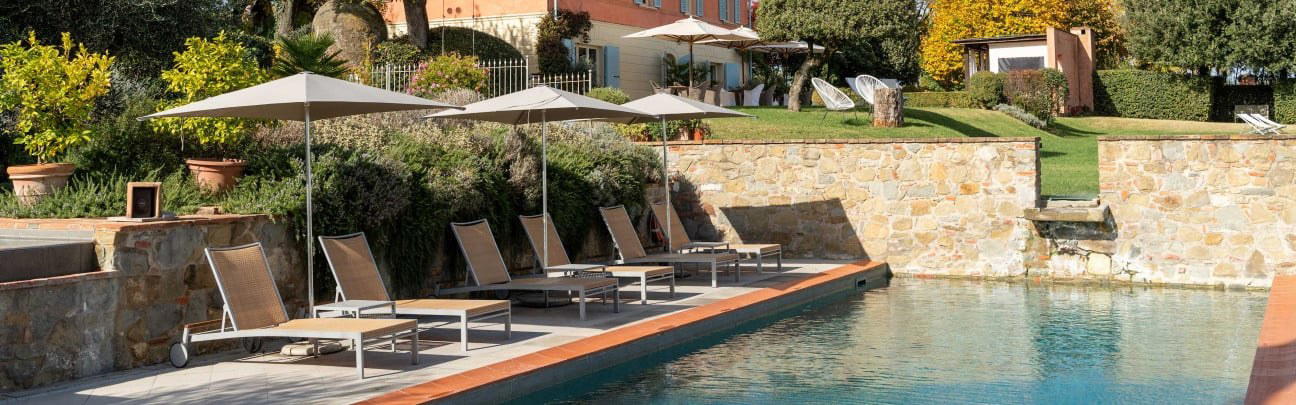
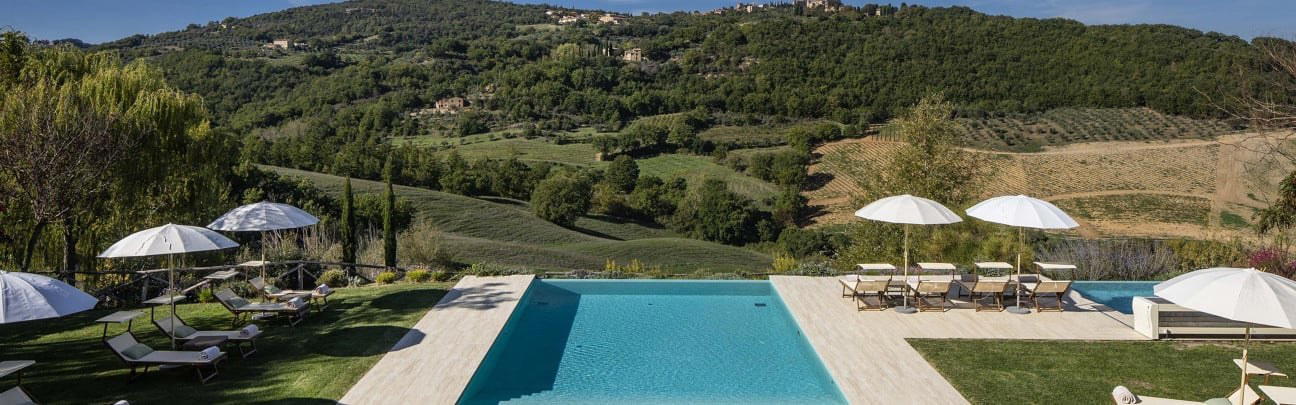
Historic Tuscan farmhouse setting surrounded by vineyards and olive groves, with a rustic, tranquil atmosphere focused on relaxed, educational tastings of estate wines and local cuisine.