Huntington Estate sits along Ulan Road outside Mudgee, where the region's refined Central Tablelands terrain and continental climate shape wines that carry the district's particular stamp of cool-ish nights and ancient soils.
Pearl is the En Primeur Club membership app — saves, bookings, and concierge access live there. Same editors, same standards.
- Address
- 641 Ulan Rd, Buckaroo NSW 2850
- Phone
- +61 2 6373 3825
- Website
- huntingtonestate.com.au
- Directions
- Get directions
 Saves & bookings on Pearl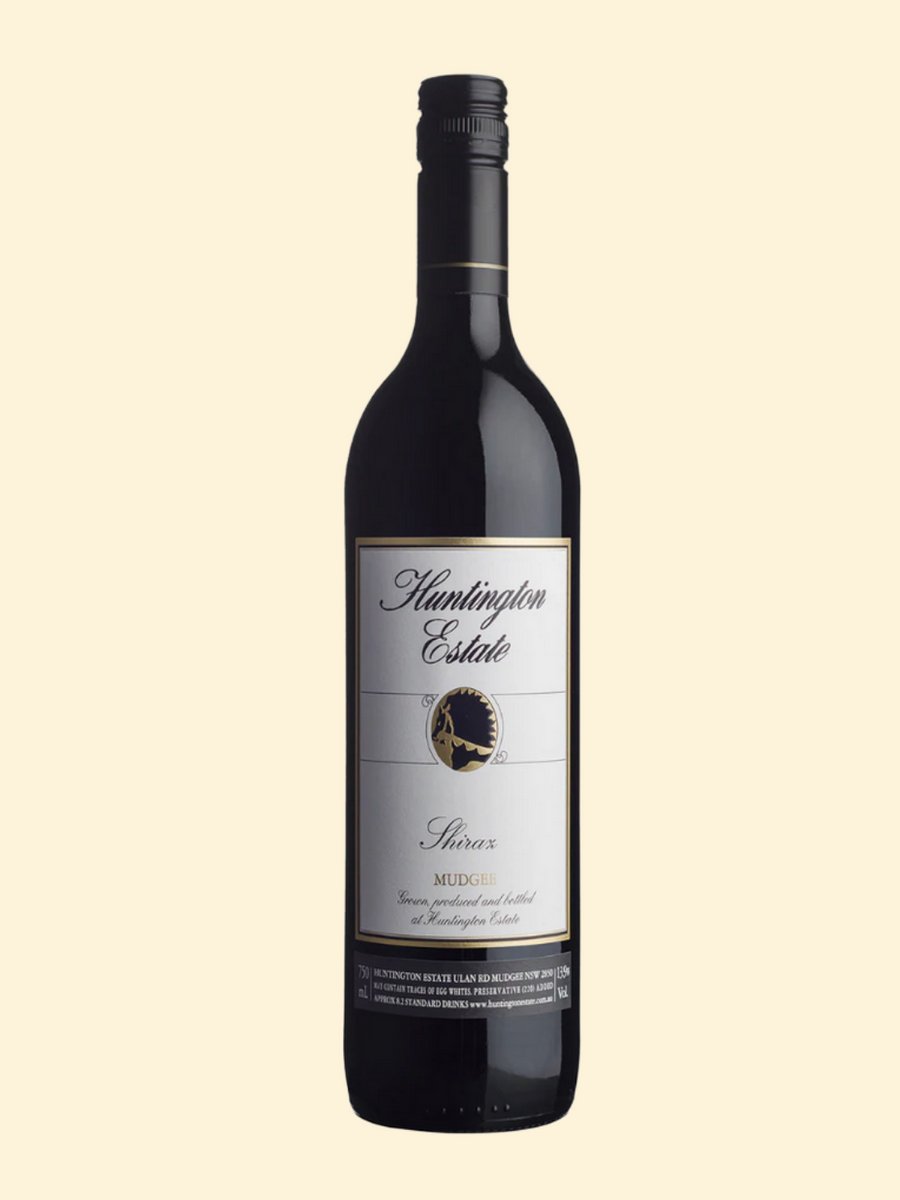
Mudgee's Continental Character and Why It Matters
Australian wine geography has a habit of being discussed in coastal terms: Hunter Valley's maritime humidity, Margaret River's Indian Ocean moderation, Adelaide Hills' altitude-corrected cool. Mudgee sits differently. The region occupies the western slopes of the Great Dividing Range in New South Wales, at elevations that bring genuine diurnal temperature variation to a state where lowland summers can be punishing. Nights cool sharply. Grapes accumulate sugar slowly. Acids hold. What emerges from well-managed sites in this district is not the ornate, forward fruit character often associated with inland Australian viticulture, but something more structured, more patient, more interesting in the medium term. Huntington Estate, at 641 Ulan Road in Buckaroo, sits within this terrain and its wines must be read against it.
The Central Tablelands context shapes what any serious producer here can offer. The elevation across much of the Mudgee appellation sits between 450 and 600 metres, and soils trend toward red-brown earths and clays with good water retention, a meaningful buffer in dry vintages. That combination of altitude and soil type places Mudgee in a genuinely different tier from, say, the Riverina or even portions of the Hunter, where flat alluvial floor and warmth produce different imperatives. For wine drinkers approaching Huntington Estate, understanding that terrain argument is the entry point. This is not generalist Australian wine country; it is a place with a defined climate signature and producers who have had decades to learn its rhythms.
A Regional Estate with a Long Track Record
Mudgee has not always attracted the critical attention its geography deserves. The region was largely overshadowed through the 1990s and 2000s by the Hunter Valley's media dominance and the rapid ascent of Margaret River and the Yarra Valley. Huntington Estate operated through that period with a quiet focus on the estate model: fruit grown on the property, wines made from that fruit, sold largely through cellar door and mailing list rather than through aggressive national distribution. This pattern of quiet, estate-focused production is well-established in Australian wine but often correlates with a level of institutional knowledge about a single site that export-oriented, multi-region blending operations cannot match.
The award places Huntington Estate in a tier that includes producers whose work reflects both quality and a commitment to place. For context on what that tier means within Australian wine more broadly, producers such as Bass Phillip in Gippsland and Henschke in Eden Valley have built reputations on precisely this combination of site fidelity and sustained critical recognition. The winery's positioning within that conversation is a signal worth noting for any collector approaching the Mudgee appellation.
Terroir Expression: What the Land Puts in the Glass
Mudgee's red varieties have historically been the region's clearest terroir statement. Cabernet Sauvignon and Shiraz grown at elevation, with the temperature moderation this district provides, tend toward firmer tannin structures and more pronounced acid lines than the same varieties grown in warmer, flatter zones. The effect is wines that need time. This is not a minor stylistic point: the decision to plant and vinify for long-term cellaring rather than early drinkability is a site-driven choice, not a marketing one. The gravel and clay profiles found across the Ulan Road corridor in particular contribute to that structural density.
Comparing the terroir argument across Australian wine regions clarifies what makes Mudgee's position interesting. Brokenwood in the Hunter Valley works with different soils and humidity, producing Shiraz with a characteristic regional silkiness that stands apart from Mudgee's firmer character. Leading's Wines in Great Western occupies cool-climate Victoria, where volcanic soils and latitude, rather than elevation, provide the moderating influence. Blue Pyrenees Estate in the Pyrenees shares some altitude characteristics with Mudgee but operates in a different geological setting. None of these are interchangeable, and that is exactly the point: regional terroir in Australian wine is a real variable, not a marketing construct, and Mudgee has a legitimate claim on a distinct flavour profile.
The winery's location on Ulan Road places it among the properties that experience some of the district's most pronounced elevation effects. Whether the wines express this primarily through Cabernet, Shiraz, or the estate's Semillon program is a question the cellar door visit answers directly: the property maintains a tasting room where visitors can track that terroir argument across multiple varieties and vintages. Arriving with that comparative framework in mind produces a more productive tasting experience than approaching it without prior regional context.
Where Huntington Estate Sits in the Australian Regional Picture
The Australian wine category has spent the last fifteen years correcting a long period of reductionism, during which regional identity was often flattened in favour of variety-led branding and volume commercial play. The corrective has been slow and uneven, but a generation of more attentive smaller estates, along with sharper critical attention from domestic and export markets, has pushed the regional conversation forward. Within that context, a producer.
Producers like All Saints Estate in Rutherglen and Angove Family Winemakers in Renmark occupy different geographic and stylistic positions within this regional diversification, with Rutherglen's fortified program and Renmark's Riverland-based production representing quite different terroir and commercial logics. Bird in Hand in the Adelaide Hills and Cape Mentelle in Margaret River sit at the premium-cool-climate end of the country's wine geography. The winery's Mudgee positioning carves out a different niche: inland, refined, red-wine-strong, and historically understated in its profile relative to its quality level.
For collectors building a serious Australian regional portfolio, this relative obscurity carries practical value. Allocation access is generally more direct for Mudgee producers than for heavily subscribed Hunter or Margaret River estates, and secondary market pricing has not yet reflected the same appreciation curves as more publicised regions. This is not a permanent state, and critical recognition has a tendency to close that gap, but the current window remains relatively accessible.
Planning a Visit to Huntington Estate
Mudgee sits approximately three and a half hours northwest of Sydney by road, making it viable as a weekend destination from the city. The drive through the Blue Mountains and down into the central western plains provides its own landscape argument for why the climate here differs from coastal NSW. Ulan Road runs north from Mudgee town, and the estate is positioned in the Buckaroo area of the appellation. Visitors intending to taste across multiple properties should build the winery into a broader Mudgee itinerary given its location relative to other serious producers in the district.
Visitors with a wider interest in Australian wine tourism might also note the contrast available through excursions to other recognised estates in the broader national picture: Brown Brothers in King Valley, Casella Family in Griffith, and Archie Rose Distilling Co in Sydney each represent different points on the Australian producer map, and comparing them against a Mudgee-focused visit clarifies what distinguishes the Central Tablelands approach. For international reference points, Aberlour in Scotland and Accendo Cellars in St. Helena offer useful comparisons for place-specific, quality-committed production.
A Quick Peer Check
Comparable venues nearby, for context on price, style, and recognition.
| Venue | Cuisine | Price | Notes |
|---|---|---|---|
| Huntington EstateThis venue — the venue you are viewing | Cabernet Sauvignon, Shiraz | $$$ | Not listed |
| Robert Oatley Vineyards | Winery | Not listed | Mudgee |
| Audrey Wilkinson | Semillon, Shiraz | $$$ | Pokolbin |
| Tyrrell's Wines | Semillon, Shiraz | $$ | Pokolbin |
| Brix Distillers | Winery | $$$ | Surry Hills |
| Tamburlaine Organic Wines | Shiraz, Chardonnay | $$ | Pokolbin |
Continue exploring
More in Mudgee
Restaurants in Mudgee
Browse all →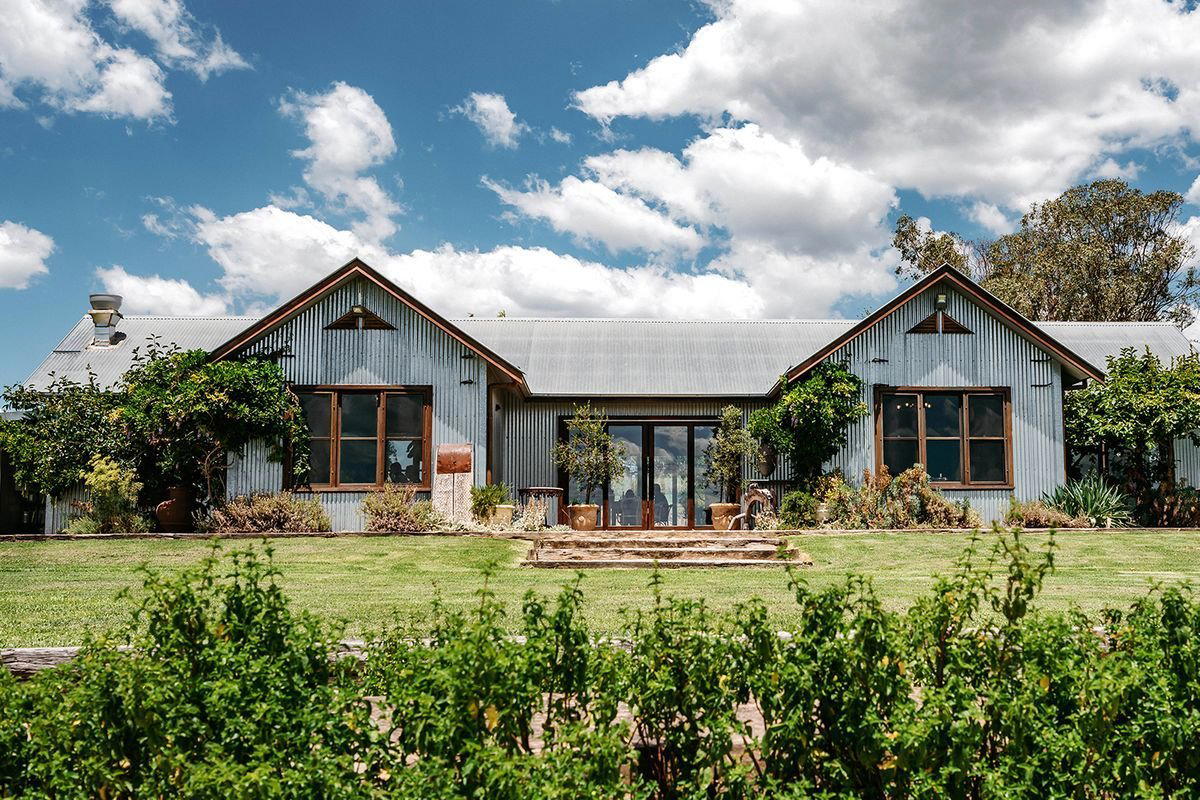
At a Glance
- Rustic
- Classic
- Scenic
- Intimate
- Wine Education
- Solo Exploration
- Group Outing
- Barrel Room
- Estate Grounds
- Vineyard
- Garden
- Mudgee
- Cabernet Sauvignon
- Shiraz
- Merlot
- Chardonnay
- Semillon
- Grenache
- Still Red
- Still White
- Still Rosé
- Cellar Door Tasting
- Guided Tasting
Relaxed and charming tasting room set amongst the barrel room with stained glass windows and homely interior reflecting winery history.