Audrey Wilkinson
Audrey Wilkinson sits on De Beyers Road in Pokolbin at the heart of the Hunter Valley's oldest wine country, where the region's characteristic red volcanic soils and low-yielding semillon and shiraz traditions converge. Visitors come for the combination of estate wines and a setting that reads as a direct argument for terroir over intervention.

Pearl is the En Primeur Club membership app — saves, bookings, and concierge access live there. Same editors, same standards.
- Address
- 750 De Beyers Rd, Pokolbin NSW 2320
- Phone
- +61 2 4998 1866
- Website
- audreywilkinson.com.au
- Directions
- Get directions
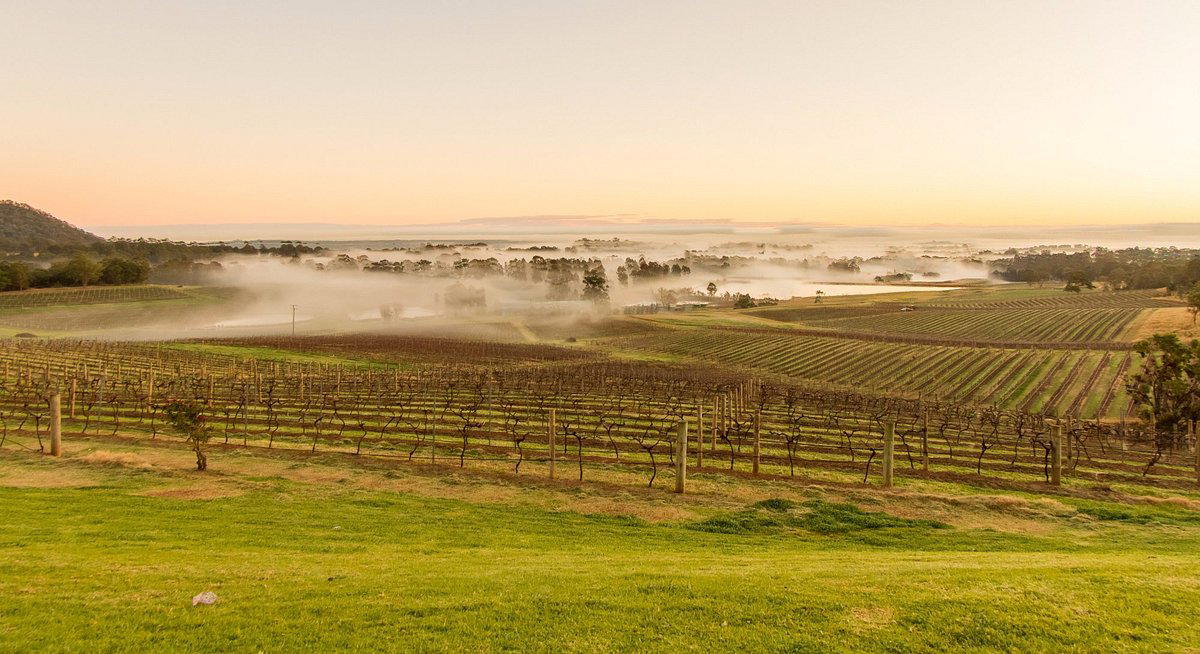
Where the Hunter's Geology Speaks First
Drive north from Sydney toward Pokolbin and the landscape shifts in a way that matters to what ends up in the glass. The Hunter Valley sits at a latitude that should, by conventional viticulture logic, be too warm for the restrained, age-worthy styles it has produced for over a century and a half. What compensates is a specific convergence of red volcanic loam over clay subsoils, afternoon cloud cover that tempers ripening, and a regional humidity that forces vine stress in ways that concentrate flavour without burning off acid. Audrey Wilkinson, at 750 De Beyers Road in Pokolbin, occupies ground that sits inside this argument rather than outside it. The address alone is a credential in Hunter terms.
In a valley where reputation is built on semillon and shiraz above almost everything else, that recognition carries weight as a signal about the quality of the raw material being worked with, not just the winemaking decisions applied to it.
The Hunter's Terroir Case, Made Concrete
The Hunter Valley's claim to a distinct terroir identity rests on a handful of verifiable facts. The region's semillon, harvested early at low alcohol, produces wines that are almost aggressively lean in youth and then, given a decade in bottle, develop into something that bears no resemblance to the sauvignon blanc-inflected semillons found elsewhere in Australia. This transformation is not a marketing position — it is a documented regional phenomenon tracked by producers and collectors alike. Tyrrell's Wines built much of its reputation on exactly this arc, and the broader valley, including producers across Pokolbin, has leaned into that story as a regional differentiator against newer Australian wine regions.
Shiraz tells a parallel story. Where Barossa shiraz tends toward density and extracted fruit weight, Hunter shiraz at its most characteristic runs leaner, with savoury, earthy registers that reflect the soil composition rather than the sun. The old-vine shiraz blocks that define the valley's premium tier produce wines that age in a Burgundian direction, softening into leather and earth rather than jammy reduction. This is the context in which estates like Audrey Wilkinson operate, alongside peers including Brokenwood, Mount Pleasant, and Tyrrell's Wines. Each of those producers anchors their identity in the same geological and climatic arguments, which is partly what makes visiting the valley a coherent proposition rather than a loose collection of destinations.
The Estate as a Physical Argument for Place
Approaching Audrey Wilkinson, the physical setting reinforces the terroir premise before you have tasted anything. The Pokolbin sub-region sits inside a bowl of low hills that creates its own microclimate, and the vineyard rows visible from De Beyers Road demonstrate the kind of old-growth vine density that takes decades to establish. Estates with this kind of land history — Audrey Wilkinson is one of the Hunter's heritage properties, carry a soil record that newer plantings simply cannot replicate. The vines have, over multiple generations, driven roots deep enough to access subsoil moisture and mineral complexity that surface irrigation cannot substitute for.
Ratings at this level, particularly within a framework that evaluates across Australian regions from Bass Phillip in Gippsland to Bird in Hand in the Adelaide Hills, reflect comparative assessment rather than regional sentiment.
Context matters when placing Audrey Wilkinson against the broader Hunter landscape. The valley has a defined prestige tier that includes estates with long institutional histories and others that have built recognition through focused winemaking programs. De Iuliis represents the tighter, single-vineyard end of the spectrum. Lindeman's carries the weight of the region's longest documented history. Each stakes its claim through a different combination of terroir access and production philosophy.
What the prestige tier shares, regardless of individual approach, is a commitment to the varieties that the Hunter climate and soil actually suit. The region has not chased Cabernet as its primary identity in the way that Coonawarra or Margaret River did; it has stayed anchored to semillon and shiraz because the land makes a compelling case for those varieties above others. The estates that have held their position over decades have generally been the ones that worked with that argument rather than against it. For visitors to the Hunter, this creates a relatively clear hierarchy of how to plan a day across the valley's wine roads.
Planning a Visit to Audrey Wilkinson
The Hunter Valley sits approximately two hours north of Sydney by road, making it a practical day trip from the city and a comfortable weekend destination from the Hunter's own accommodation options. Pokolbin, where Audrey Wilkinson's De Beyers Road address is located, is the sub-region with the highest concentration of premium cellar doors and is the logical base for anyone approaching the valley with wine as the primary focus.
For visitors structuring a Hunter itinerary around the prestige producers, pairing Audrey Wilkinson with a selection from the valley's other recognised estates creates the comparative framework that makes a day in the region genuinely instructive. The differences between a semillon from one Pokolbin estate and another taken from a different block, even in the same vintage, demonstrate in sensory terms what the terroir discussion is actually about. The valley's wine roads are compact enough that three to four cellar doors in a day is achievable without rushing.
Booking is advisable for estate visits, particularly on weekends and during the Hunter's peak season from September through November, when spring conditions bring visitors from Sydney in volume. The valley's hospitality infrastructure has grown to match this demand, with restaurants and accommodation across the Pokolbin area capable of handling overnight stays from visitors who prefer not to compress the experience into a single day. For a broader orientation to what the region offers, the full Hunter Valley restaurants and experiences guide maps the valley's key options across wine, food, and accommodation.
For those comparing regional wine destinations across Australia, the Hunter's prestige tier sits in a different register from the full-bodied red focus of Leading's Wines in Great Western or the fortified tradition anchored at All Saints Estate in Rutherglen. Each region makes its case through its own terroir logic, and the Hunter's argument is among the most historically documented in Australian wine.
A Quick Peer Check
Comparable venues nearby, for context on price, style, and recognition.
| Venue | Cuisine | Price | Awards | Notes |
|---|---|---|---|---|
| Audrey WilkinsonThis venue — the venue you are viewing | Semillon, Shiraz | Not listed | Not listed | Not listed |
| De Iuliis | Semillon, Chardonnay | Not listed | Not listed | Pokolbin |
| Tyrrell's Wines | Semillon, Shiraz | $10–20 | Falstaff Winery - Listed | Pokolbin |
| Mount Pleasant | Shiraz, Semillon | Not listed | Falstaff Winery - Listed | Pokolbin |
| Pooles Rock | semillon, chardonnay | Not listed | Not listed | Pokolbin |
| Silkman Wines | Semillon, Chardonnay | Not listed | Not listed | Pokolbin |
Continue exploring
More in Hunter Valley
Wineries in Hunter Valley
Browse all →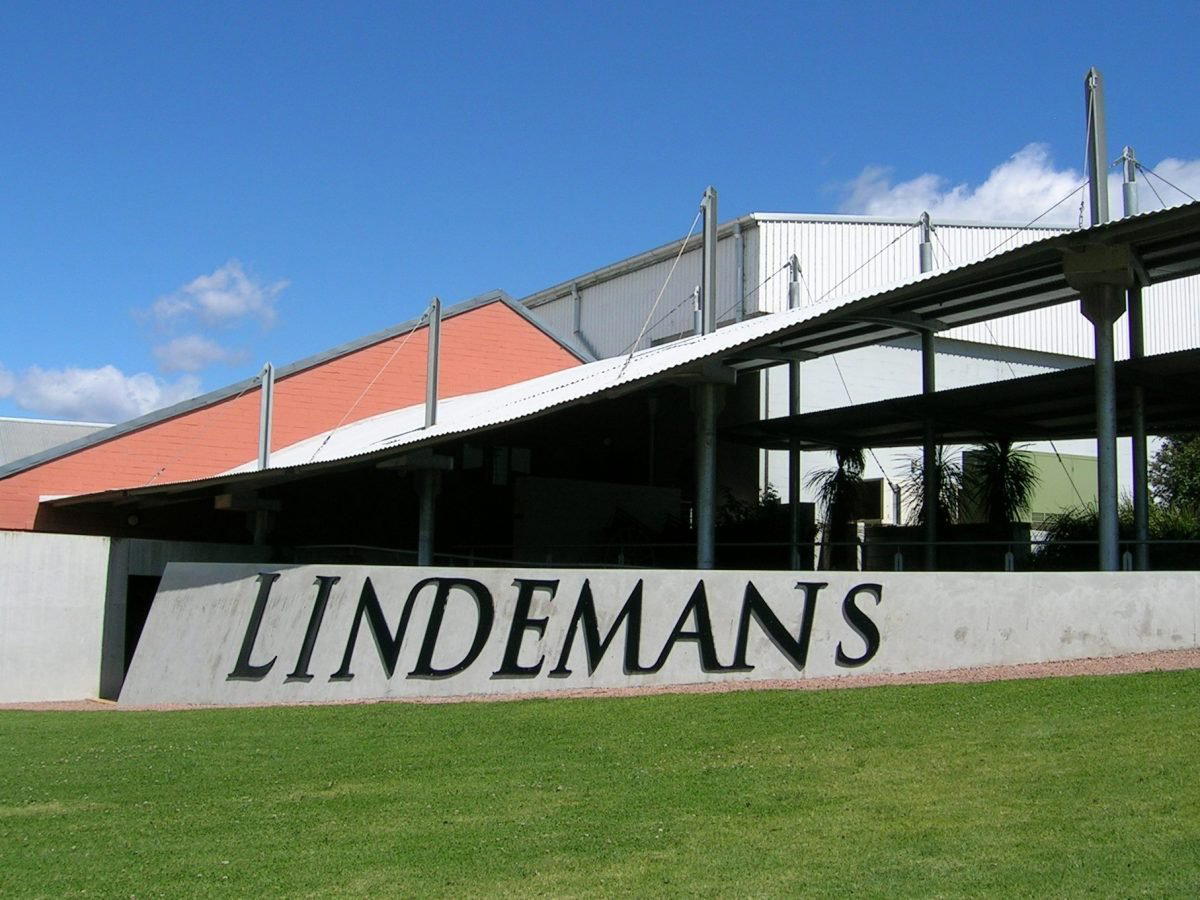

Bars in Hunter Valley
Browse all →
Restaurants in Hunter Valley
Browse all →
Hotels in Hunter Valley
Browse all →
Details
- Scenic
- Classic
- Rustic
- Elegant
- Historic
- Romantic Getaway
- Group Outing
- Celebration
- Wine Education
- Vineyard Tour
- Estate Grounds
- Panoramic View
- Historic Building
- Barrel Room
- Picnic Area
- Terrace
- Vineyard
- Mountain
- Garden
- Semillon
- Shiraz
- Chardonnay
- Verdelho
- Gewurztraminer
- Merlot
- Malbec
- Tempranillo
- Cabernet
- Muscat
- Still White
- Still Red
- Fortified
- Cellar Door Tasting
- Premium Tasting
- Barrel Tasting
- Masterclass
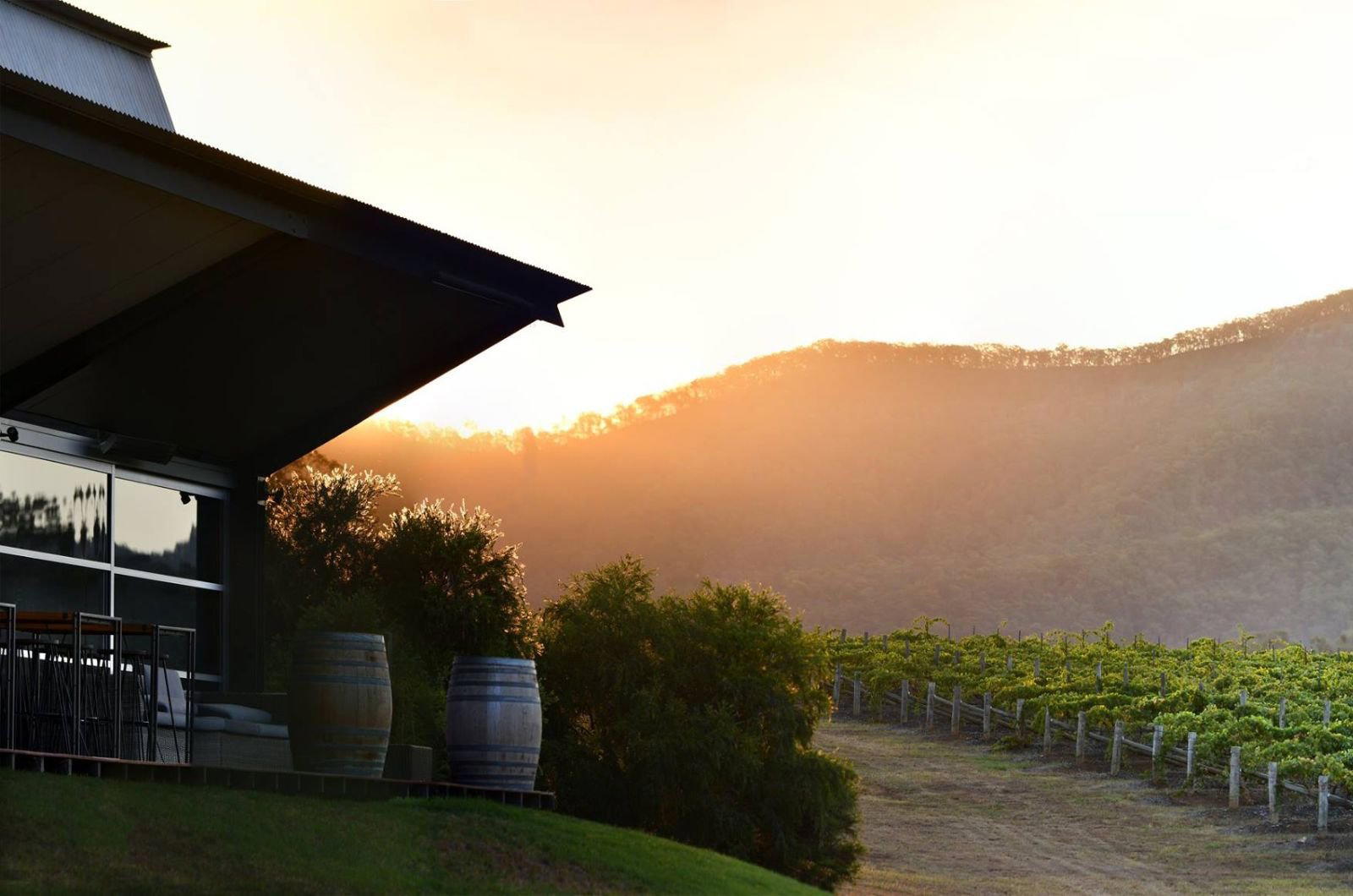
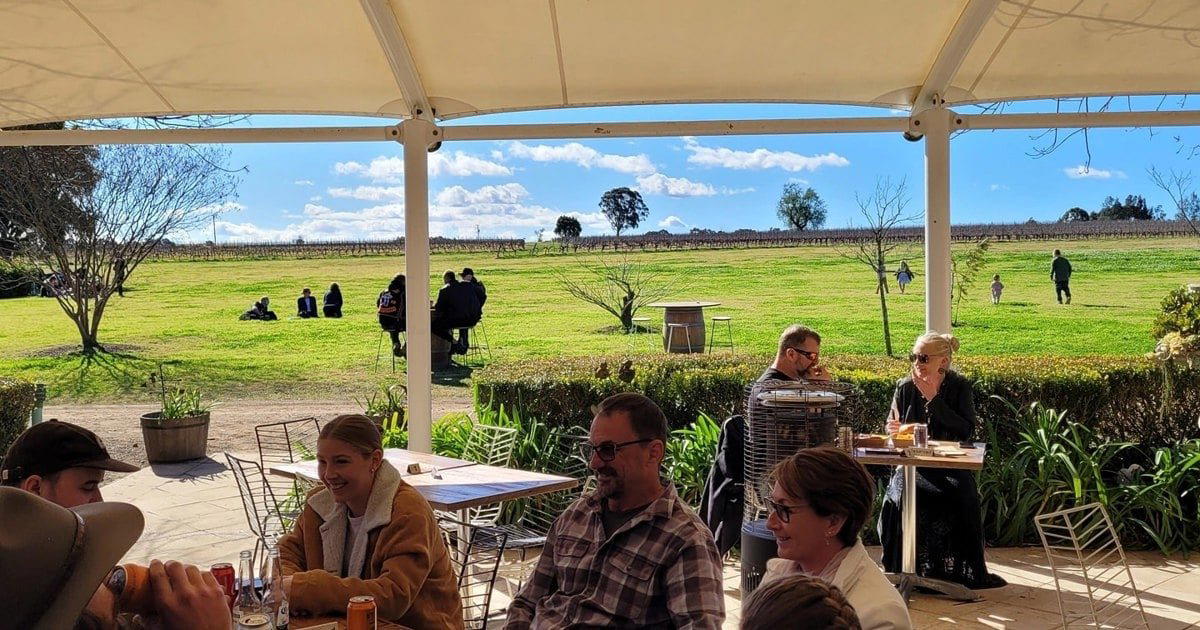
Serene and picturesque with expansive veranda views, cozy modern decor blending heritage elements, and a welcoming relaxed atmosphere.