Our verdict
Positioned on a quiet lane in Tihany's abbey village above Lake Balaton, Apáti Étterem, Kávézó draws on the produce rhythms and ingredient traditions of the Balaton Uplands. The surrounding region — volcanic soils, freshwater fish, heritage breed livestock — defines what ends up on the plate here. For visitors to the peninsula, it represents a grounded, local alternative to the more contemporary formats nearby.

Pearl is the En Primeur Club membership app — saves, bookings, and concierge access live there. Same editors, same standards.
- Address
- Tihany, Romkápolna u. 2, 8237 Hungary
- Phone
- +36305667356
- Hours
- Mon–Thu ClosedFri–Sun 12–9 PM
- Website
- sajkod.com
- Directions
- Get directions
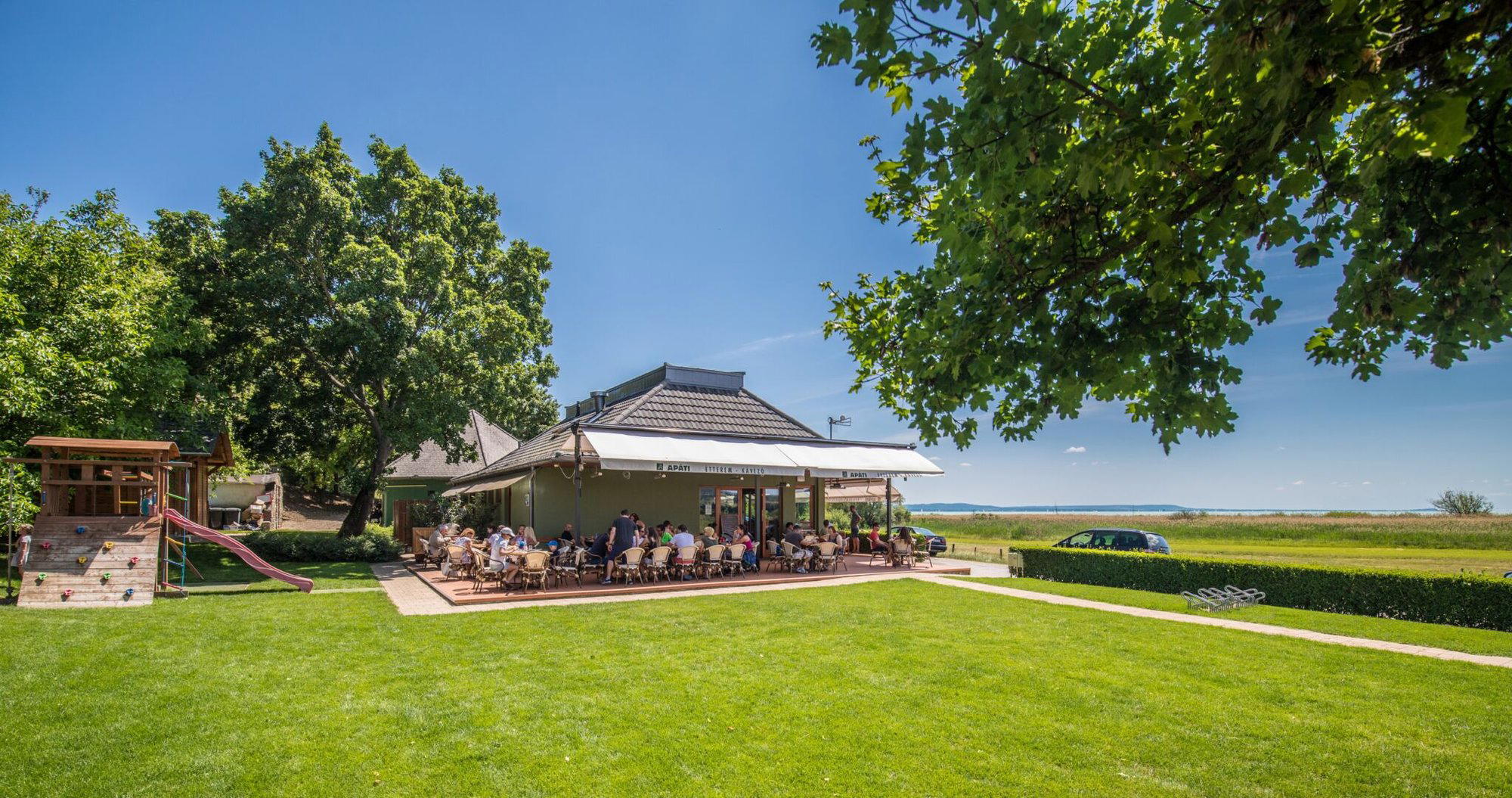
A Village Setting With Serious Provenance
Tihany occupies a peninsula that juts into Lake Balaton like a thumb, and the village that sits at its crown has resisted the resort sprawl that defines much of the lake's southern shore. The abbey dominates the skyline, the streets are narrow, and the restaurants that survive here do so because they serve something the tourist calendar reliably demands: a sense that the food has come from somewhere specific. Apáti Étterem, Kávézó sits on Romkápolna utca, a lane that runs through the older part of the settlement, close enough to the abbey quarter that the approach involves stone walls and uneven cobbles rather than hotel signage.
The Balaton Uplands, which fan out from Tihany toward Csopak and Köveskál, produce ingredients with a traceable identity: freshwater fish pulled from the lake itself, pork and poultry from the small farms that cluster around the volcanic hills between Balatonfüred and Veszprém, and seasonal vegetables shaped by the microclimate that makes this stretch of Hungary distinct from the Great Plain. In this context, the sourcing story is not a marketing add-on; it is what gives a restaurant in this location its reason to exist.
What the Balaton Uplands Bring to the Table
Hungarian lake cuisine has a specific grammar. Fogas — pike-perch pulled from Balaton — is the prestige catch, and its presence on a menu here carries a regional signal in the same way that sea bass does on the Adriatic coast or turbot does in Brittany. The volcanic basalt soils around the peninsula support a wine culture that has accelerated in quality terms over the past decade, with producers in Csopak and around the northern shore now appearing in international wine media with growing frequency. A restaurant in Tihany that pays attention to what surrounds it has access to a supply chain that is both hyper-local and increasingly well-regarded. For comparison, venues like Petrányi Csopak in Csopak and Kővirág in Köveskál have built their identities directly around this same Balaton Uplands ingredient base, demonstrating how much culinary depth the region can sustain across different formats and price points.
The café dimension of the operation matters here too. Hungary has a deep coffee-house tradition, and in a village where summer foot traffic is heavy and winter visitors are fewer but more deliberate, the ability to serve as both a full restaurant and a casual stopping point for pastry and coffee gives an establishment a year-round relevance that a purely dinner-focused format cannot achieve.
Tihany's Dining Context in 2024
The peninsula currently holds a small cluster of restaurants that represent different positions in the local market. füge operates at the contemporary end, with a modern cuisine format that signals ambition beyond traditional Hungarian cooking. SHO TIHANY works within a traditional cuisine framework, while Tihanyi Vinarius brings a wine-focused contemporary angle. Apáti Étterem, Kávézó occupies a different register from all three: the kávézó designation places it in the café-restaurant hybrid category that Hungarian towns have sustained for generations, where the formality is lower and the premise is hospitality across the whole day rather than a single sitting.
For a broader map of where to eat on and around the peninsula, the full Tihany restaurants guide positions each venue within the local competitive set.
The Wider Hungarian Restaurant Scene
Tihany's dining offer sits within a Hungarian food culture that has been undergoing genuine change. Venues like Stand in Budapest have demonstrated that Hungarian ingredients can anchor a Michelin-level kitchen without apology, while rurally rooted restaurants such as Pajta in Őriszentpéter and Hosszú Tányér in Hosszúhetény have built strong reputations by committing to specific regional ingredient traditions. The pattern repeats across the country's wine and food regions: Sauska 48 in Villány in the southern wine belt, Padi in Rátka in the Tokaj foothills, and Botanica in Dánszentmiklós each represent the same impulse: cooking grounded in where you actually are.
At the other end of the country's lake and river tradition, Old Kőrössy Fish Restaurant in Szegedin and Platán Gourmet in Tata show that freshwater fish cookery carries serious cultural weight in Hungary, not just on the Balaton shore. For international reference points on what sourcing-led cooking looks like at its most disciplined, venues like Le Bernardin in New York City and Lazy Bear in San Francisco illustrate how a clear ingredient philosophy can anchor a kitchen's entire identity, regardless of format. Closer to home, Teyföl in Szentendre, Öreg Prés in Mór, and Öreg Prés in Mór reflect how Hungarian dining outside the capital is building a more coherent regional identity.
Planning a Visit
Tihany is accessible by ferry from Szántód on the southern shore, a crossing that takes roughly eight minutes, or by road from Balatonfüred, approximately six kilometres to the east. The village is small enough that Romkápolna utca is walkable from any parking area near the abbey. Summer weekends bring significant tourist pressure to the peninsula, which means midweek visits in June and September offer a quieter version of the same setting. The café format suggests the kitchen is open across a wider portion of the day than a conventional restaurant, making it a practical option for late lunches or afternoon stops between the abbey and the lake viewpoints.
Frequently Asked Questions
- Can I bring kids to Apáti Étterem, Kávézó?
- The café-restaurant format is generally relaxed about families, and Tihany's visitor base skews toward leisure travellers including children, so the setting is unlikely to pose a problem for younger diners.
- What kind of setting is Apáti Étterem, Kávézó?
- It sits in the abbey village of Tihany on the Balaton peninsula, operating as a café-restaurant hybrid in the Hungarian kávézó tradition. The address on Romkápolna utca places it within the older, quieter part of the village rather than the main tourist approach. Tihany itself draws a mix of day-trippers and overnight guests, and the café format positions this venue across a broader slice of the day than the more contemporary formats nearby.
- What's the must-try dish at Apáti Étterem, Kávézó?
- Balaton pike-perch carries genuine culinary prestige in Hungarian cooking, and any version prepared with locally sourced fish reflects the core ingredient logic of this region.
- How does Apáti Étterem, Kávézó fit into the Tihany food scene compared to its neighbours?
- While füge and Tihanyi Vinarius represent the more contemporary, wine-forward end of Tihany's dining offer, Apáti operates in the traditional café-restaurant register that forms the backbone of Hungarian provincial hospitality. Its location in the village's older quarter, away from the main tourist corridor, places it in a different rhythm from the peninsula's more destination-focused formats, making it a practical choice for visitors who want a grounded, day-spanning option rather than a single-sitting dinner experience.
Frequently asked questions
Can I bring kids to Apáti Étterem, Kávézó?
Apáti Étterem, Kávézó operates as a combined restaurant and café on Romkápolna utca in Tihany village, a format that typically accommodates families visiting the peninsula. The café side in particular tends to suit shorter visits with younger children.
What kind of setting is Apáti Étterem, Kávézó?
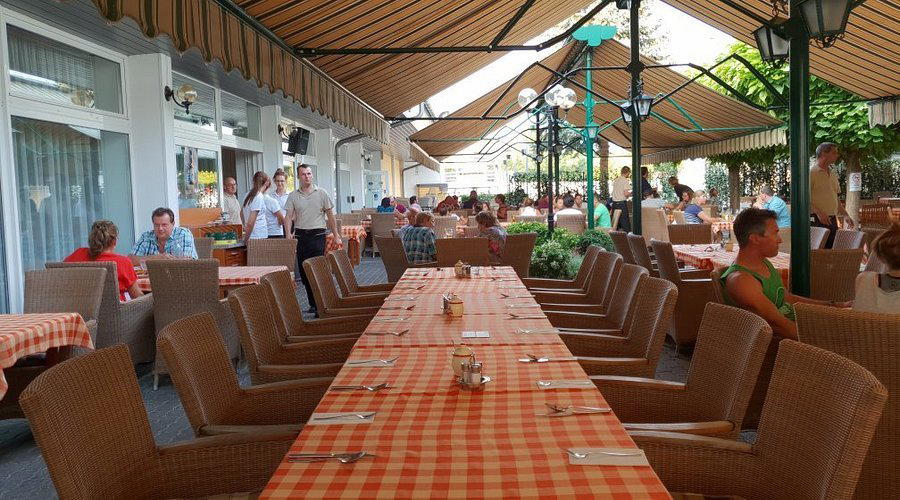
The address on Romkápolna utca places Apáti Étterem, Kávézó within the historic core of Tihany village, a settlement that has held its character against the resort development that affects much of the Balaton shoreline. The combined étterem and kávézó format suggests a dual role: sit-down meals and a café service that suits the foot traffic of a working village rather than a purely tourist-facing strip.
Is Apáti Étterem, Kávézó a good stop when visiting the Tihany Abbey ruins?
The venue sits on Romkápolna utca in Tihany, within walking distance of the abbey area that draws most visitors to the peninsula. As a combined restaurant and café, it offers options for both a light stop and a longer meal, which suits the variable pace of a day exploring the village. Tihany is reachable by the eight-minute ferry from Szántód or by road from Balatonfüred, making it a practical base for the area.
What part of town is Apáti Étterem, Kávézó in?
Apáti Étterem, Kávézó is located at Tihany, Romkápolna u. 2, 8237 Hungary, Tihany.
Comparable Spots, Quickly
Comparable venues nearby, for context on price, style, and recognition.
| Venue | Cuisine | Price | Awards | Notes |
|---|---|---|---|---|
| Apáti Étterem, KávézóThis venue — the venue you are viewing | Hungarian with Pizza and International | Not listed | Not listed | Not listed |
| SHO TIHANY | Modern Hungarian Fine Csárda | Not listed | Michelin Plate | Tihany |
| füge | Modern Cuisine | Not listed | Michelin Plate | Sajkod |
| Tihanyi Vinarius | Contemporary European with Hungarian Influences | $100–150 | Michelin Plate | Tihany |
| Oliva Étterem | Modern Hungarian & International | Not listed | Not listed | historic centre |
| bEAT | Modern Hungarian Fusion | $20–30 | Not listed | city center |
Details
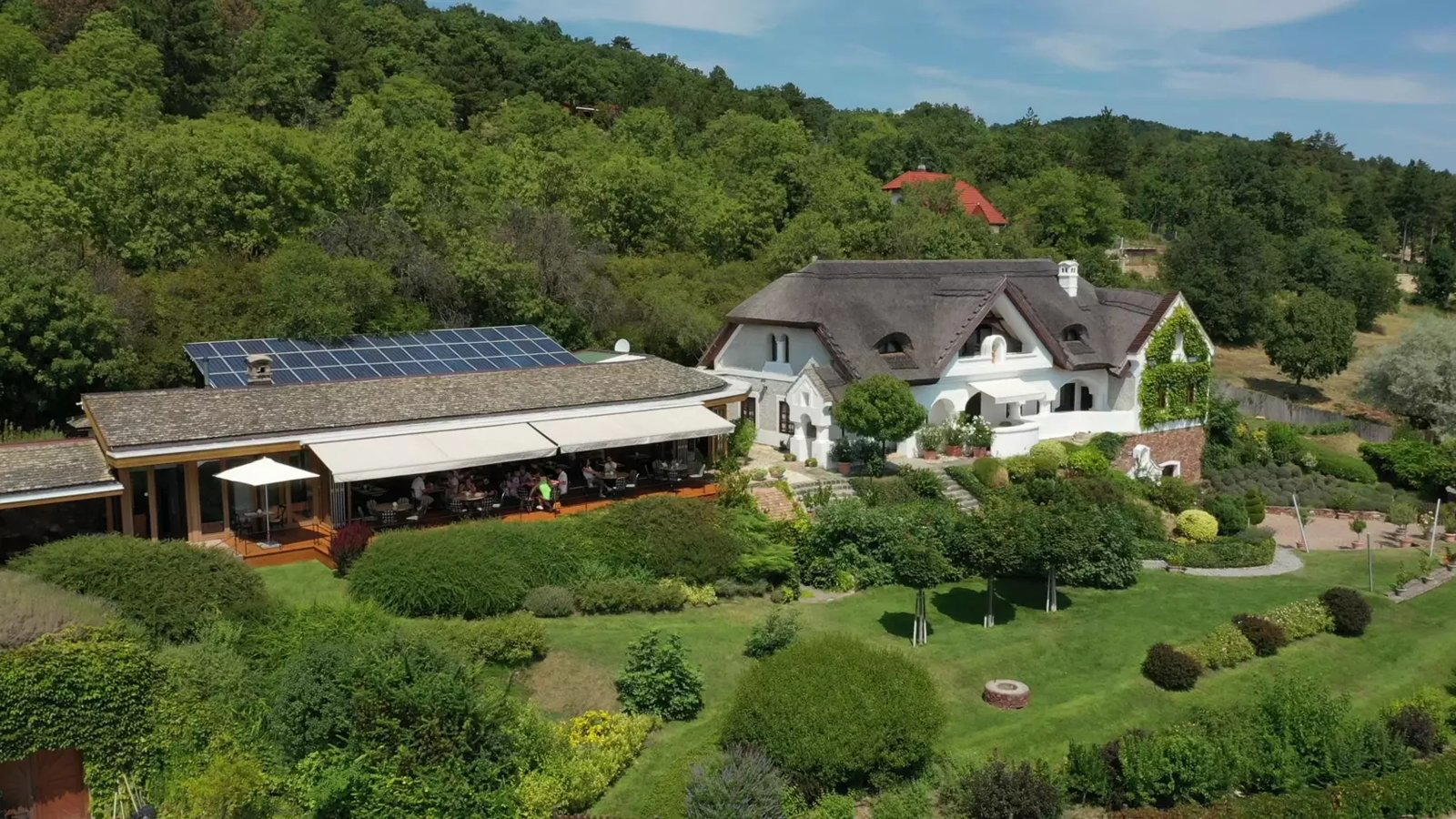
- Cozy
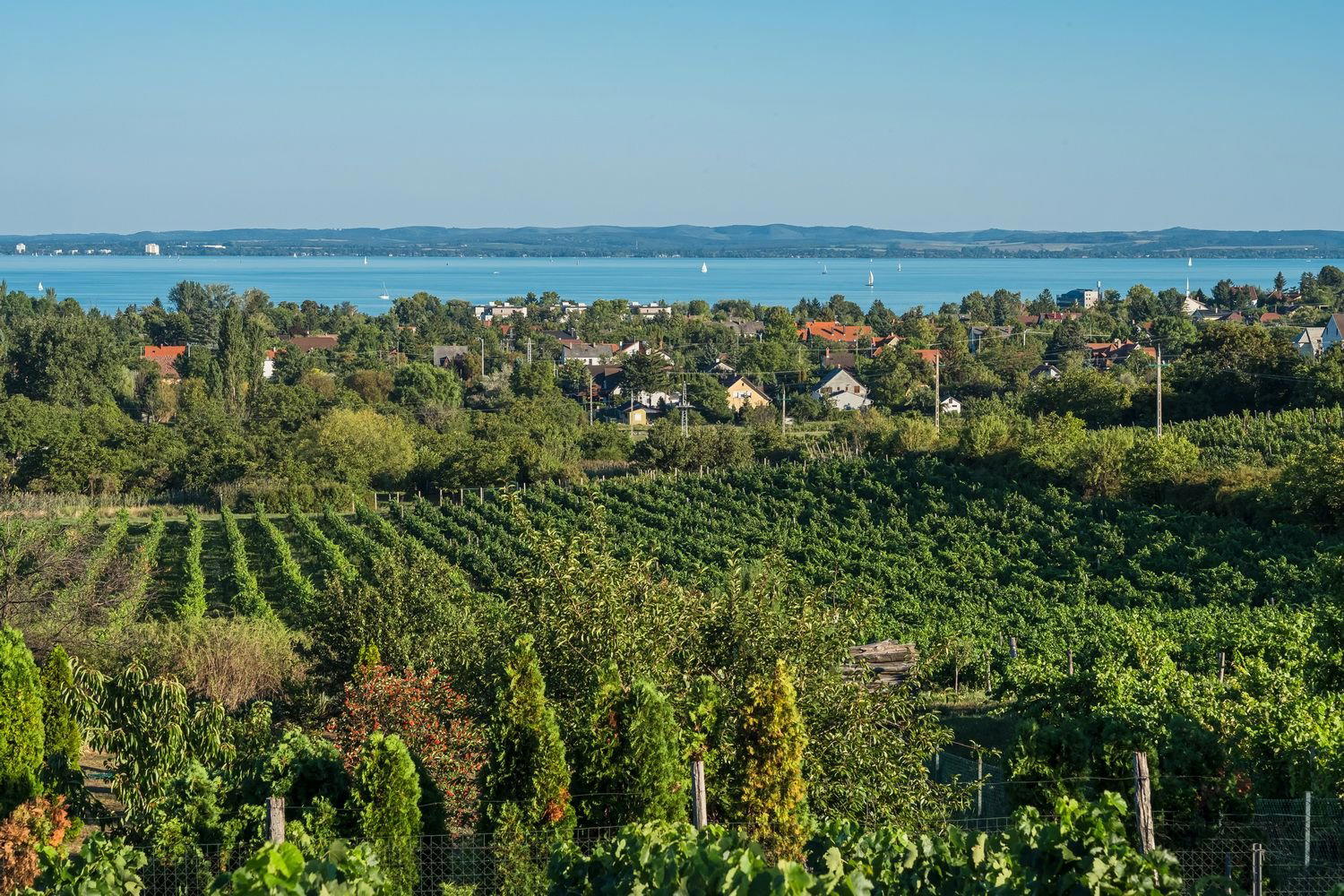
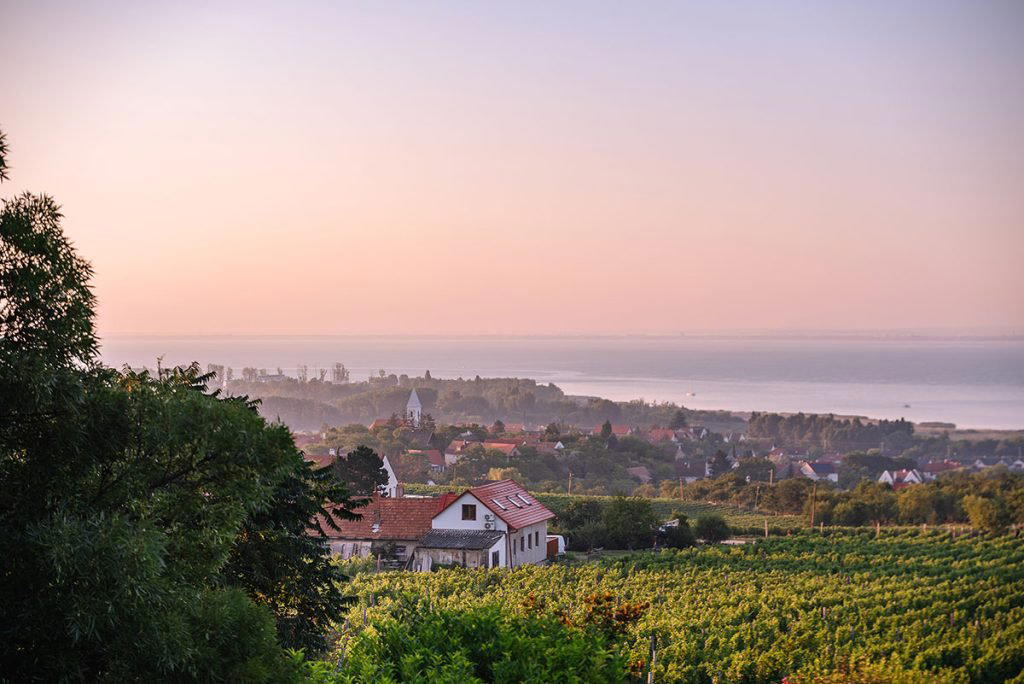
- Scenic
- Rustic
- Family
- Casual Hangout
- Waterfront
- Waterfront
- A La Carte
- Vegetarian Friendly
Current opening hours
- Monday
- Closed
- Tuesday
- Closed
- Wednesday
- Closed
- Thursday
- Closed
- Friday
- 12–9 PM
- Saturday
- 12–9 PM
- Sunday
- 12–9 PM
Hours can change for holidays and private events. Last verified .
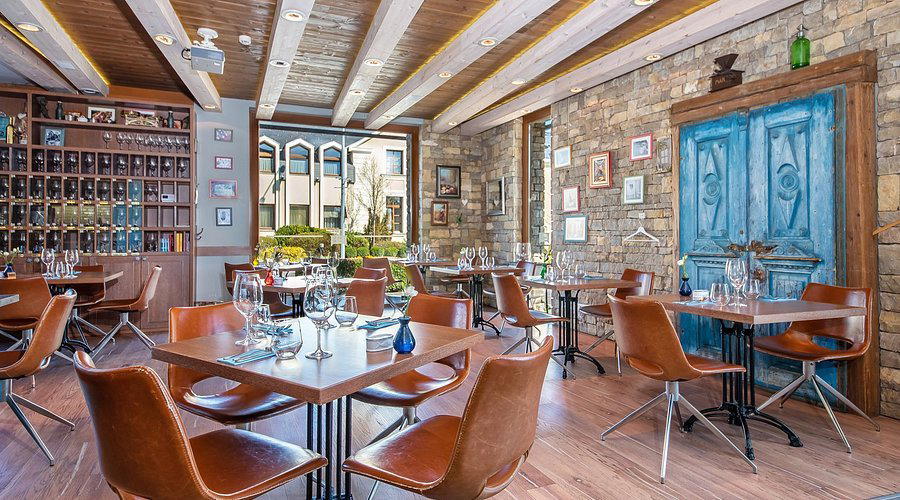
Nyugodt, szép környezet with friendly service in a scenic setting.