Gramercy Cellars

Winemaker Greg Harrington works within Washington's tier of allocation-driven producers, making this one of the region's more closely followed cellars. Plan your visit around tasting room hours and factor in the competitive allocation calendar.
Pearl is the En Primeur Club membership app — saves, bookings, and concierge access live there. Same editors, same standards.
- Address
- 635 N 13th Ave, Walla Walla, WA 99362
- Phone
- +1 509-876-2427
- Website
- gramercycellars.com
- Directions
- Get directions
 Saves & bookings on Pearl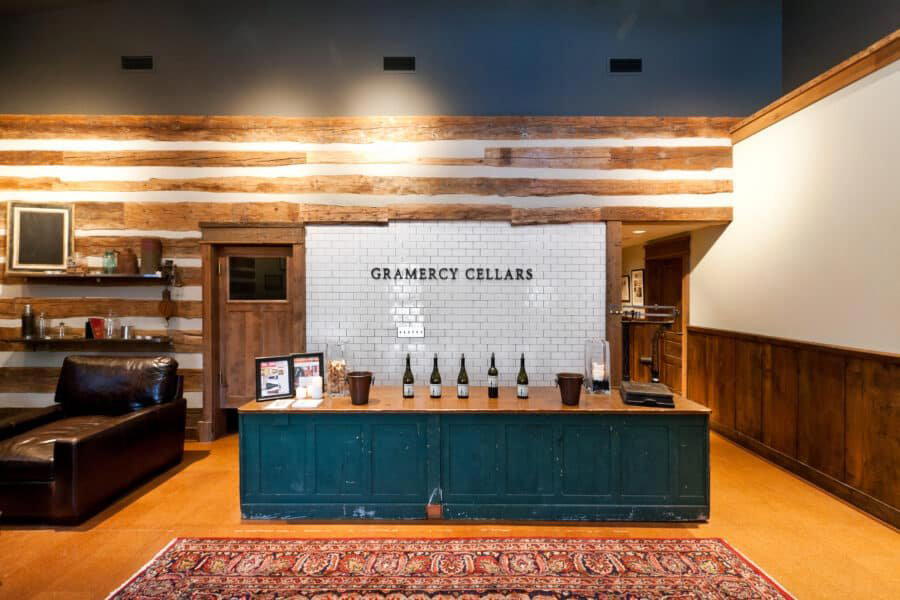
Walla Walla's Allocation Circuit and Where Gramercy Cellars Sits
Washington's premium wine corridor has reorganized itself over the past decade into two distinct tiers: the broadly distributed labels that anchor retail shelves across the Pacific Northwest, and a smaller cohort of allocation-driven producers whose bottles circulate primarily through mailing lists and on-site tasting room visits. Gramercy Cellars, operating from its address on North 13th Avenue in Walla Walla since its first vintage in 2005, belongs firmly to the second group.
Within Walla Walla itself, the competitive set is defined by producers who have spent two decades or more building identities around specific vineyard sources and winemaking philosophies rather than volume. Doubleback Winery, Dunham Cellars, and K Vintners (Charles Smith) each arrived at recognizable critical standing through different routes, but all operate in the same general register: Washington fruit, tightly controlled output, and reputations built on accumulated vintage performance rather than marketing spend. Gramercy fits that pattern, with nearly two decades of production since 2005 providing the kind of track record that awards bodies and serious buyers tend to weight heavily.
Greg Harrington and the Somm-to-Winemaker Trajectory
The path from advanced sommelier certification to winery ownership is a specific trajectory in American wine, and one that shaped a generation of producers whose palates were formed in dining rooms rather than cellars. Winemaker Greg Harrington represents that lineage at Gramercy. The practical consequence for visitors is that tasting room conversations at this kind of operation tend to be more technically specific than at most wineries: the framework for discussing what's in the glass tends toward food context, pairing logic, and structural analysis rather than brand storytelling. That orientation matters for how to approach a visit, particularly if your interest runs toward understanding how Washington Syrah or Grenache behaves at table rather than simply evaluating it as a standalone object.
For reference on how this producer type differs from its neighbours: Sleight of Hand Cellars operates from a rock-and-roll cultural identity that shapes its public-facing communication; K Vintners deploys aesthetic boldness as its primary signal. Gramercy's axis is different: the credentialing is culinary and technical, which produces a different kind of tasting experience and a different buyer profile.
The Food-and-Wine Case for Walla Walla
Eastern Washington's wine country has never fully replicated the Napa model of destination dining woven tightly into winery visits. The regional food scene in Walla Walla sits closer to the Oregon model: a handful of serious independent restaurants in the downtown corridor, occasional winery events that bring in outside chefs or feature local producers, and a general assumption that visitors are building their own itineraries rather than following a prescribed resort circuit. Our full Walla Walla restaurants guide maps the dining options in useful detail.
For a producer oriented around culinary-register wine, that context matters. The food pairing argument for Gramercy's output depends on understanding what Washington's better Rhône-variety producers are doing with acidity and structure: the same logic that makes wines from Alban Vineyards in Arroyo Grande or Andrew Murray Vineyards in Los Olivos perform well at table applies in the Pacific Northwest, where growing-season temperature swings tend to preserve more natural acidity than California's warmer appellations. Washington Syrah at the serious end of the market is a food wine in a way that its Australian counterpart rarely is, and Gramercy has spent twenty years making that case through its releases.
Award recognition in Washington wine functions somewhat differently than in California, where Michelin's restaurant-adjacent prestige framework and the density of media coverage create a more legible hierarchy. In practical terms, it places Gramercy alongside producers for whom critical recognition has translated into allocation pressure: once a winery in this tier is on the radar of serious collectors, the available inventory tends to tighten.
Other Washington producers at comparable critical standing include Duckhorn's Canvasback label, which brings California brand capital to Walla Walla fruit, and independent operators like Sleight of Hand Cellars, who have built followings through distinct brand identities. Gramercy's position in that company is earned through vintage consistency rather than marketing differentiation, which tends to produce a more loyal but less broadly visible buyer base. Nationally, the comparison set extends to producers like Adelsheim Vineyard in Newberg and Alexander Valley Vineyards in Geyserville, where longstanding regional credibility is the primary asset.
Planning a Visit: What to Know Before You Go
Gramercy Cellars sits at 635 N 13th Ave in Walla Walla, in the city's north side, separated from the downtown tasting room cluster that defines the more tourist-facing face of Washington wine country. That geography is part of the point: producers at this end of the market tend to self-select away from the walk-in traffic model, and arriving here requires deliberate planning. Contacting the winery directly to confirm current tasting availability is the appropriate first step; phone and website details are best confirmed through current channels, as they were unavailable at time of publication. Walla Walla's harvest season, roughly September through November, is the period of highest activity and also the hardest time to secure access at serious producers across the region. Spring, particularly April and May, tends to offer easier scheduling while barrel samples and library releases are often available for mailing list members. For broader orientation on the region's seasonal rhythm, producers like Dunham Cellars offer useful comparison on how north-side Walla Walla operations run their visitor programs relative to the downtown strip.
Visitors building a full Walla Walla itinerary should treat Gramercy as part of a deliberately curated day rather than a spontaneous stop. The combination of tasting room appointments here with time at Doubleback or Sleight of Hand gives a useful cross-section of how the region's better producers differ in style and hospitality approach. For a wider view of how Walla Walla compares to other serious American wine destinations, properties like Aberlour and Achaia Clauss in Patras represent the international reference points against which serious collectors measure regional ambition.
Recognition history
Dated appearances from independent guides and award organizations, with the underlying list record or original source where available.
Falstaff Winery - Listed
Falstaff
Continue exploring
More in Walla Walla
Wineries in Walla Walla
Browse all →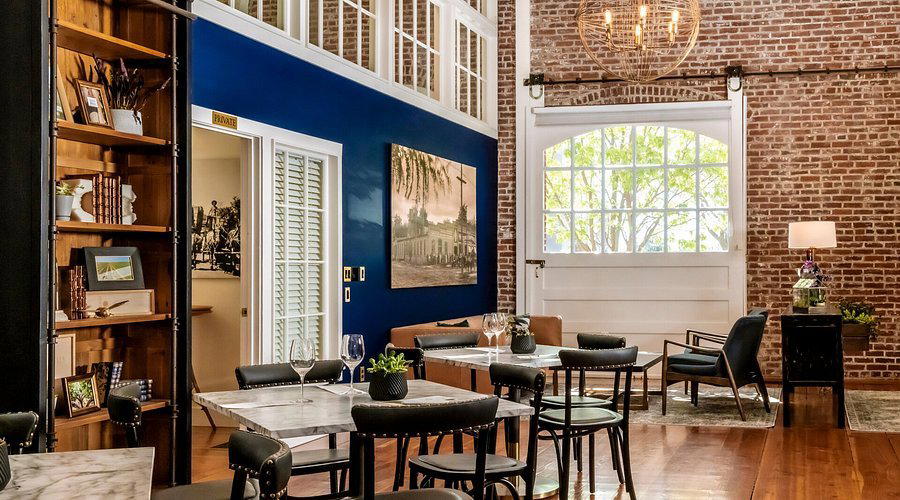
Restaurants in Walla Walla
Browse all →
Hotels in Walla Walla
Browse all →
At a Glance
- Elegant
- Rustic
- Intimate
- Sophisticated
- Wine Education
- Solo Exploration
- Special Occasion
- Sustainable
- Organic
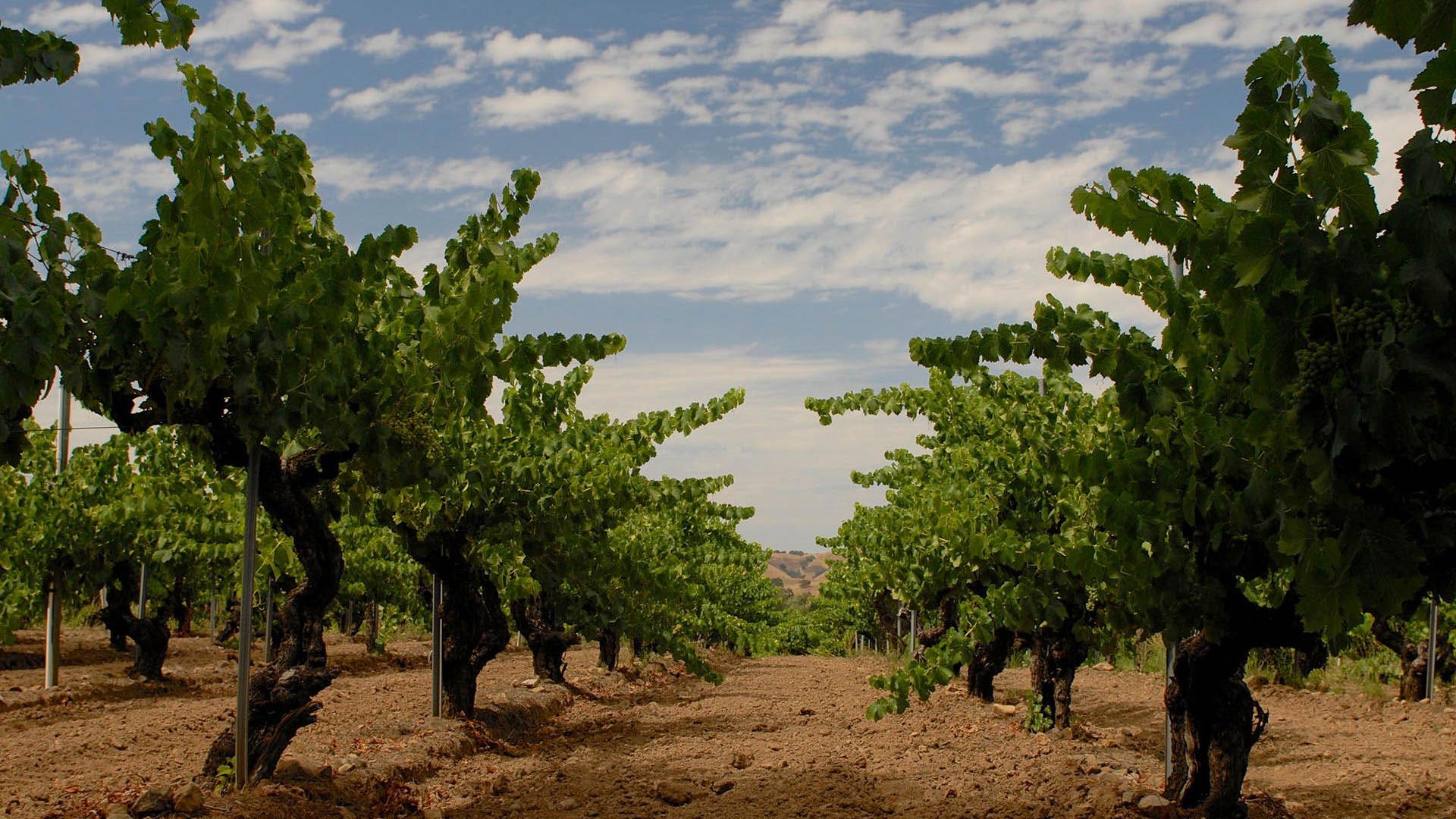
- Vineyard
- Walla Walla Valley AVA
- Syrah
- Grenache
- Mourvedre
- Carignan
- Cabernet Sauvignon
- Viognier
- Still Red
- Still White
- Still Rosé
- Tasting Room
Comfortable and welcoming tasting room with a nice vibe, knowledgeable staff, and focus on notable wines.
Know Before You Go
- Getting there
- 635 N 13th Ave, Walla Walla, WA 99362