Force Majeure Vineyards
Force Majeure Wines operates from Milton-Freewater on the Oregon side of the Walla Walla appellation, where winemaker Todd Alexander has been building a small-production program since 2004..

Pearl is the En Primeur Club membership app — saves, bookings, and concierge access live there. Same editors, same standards.
- Address
- 52274 Pleasant View Rd, Milton-Freewater, OR 97862
- Phone
- (541) 833-3051
- Website
- forcemajeurevineyards.com
- Directions
- Get directions
Where the Walla Walla Appellation Crosses State Lines
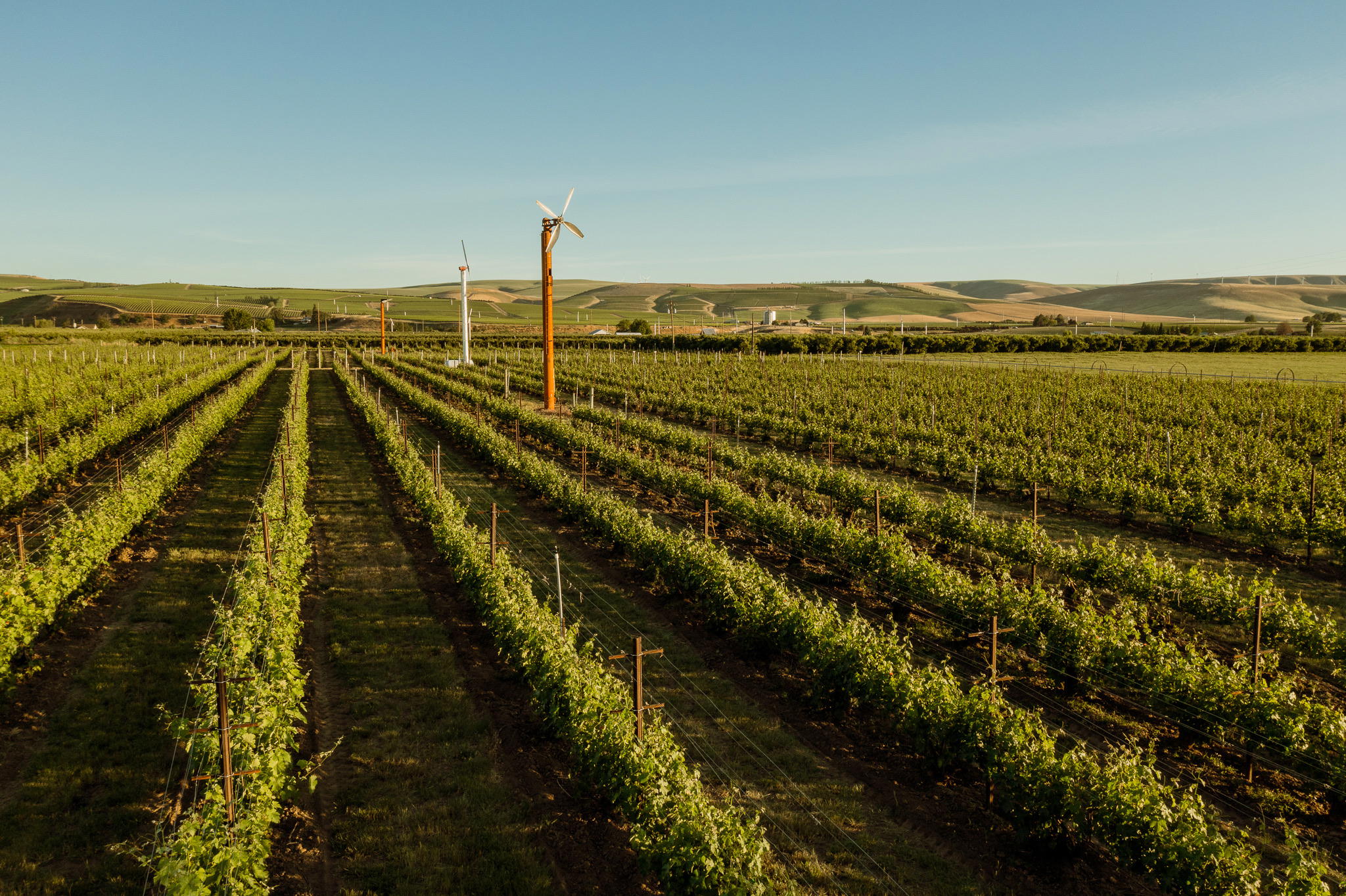
The Walla Walla Valley AVA straddles the Oregon-Washington border in a way that most visitors don't immediately register. Force Majeure Wines sits on the Oregon side of that line at 52274 Pleasant View Rd in Milton-Freewater, a location that places it in the appellation's southern reaches where the Blue Mountains' influence on soil composition and temperature variation is most pronounced. The drive from downtown Walla Walla into this corridor passes through flat agricultural stretches before the terrain shifts, and the address itself signals something about the producer's orientation: this is a winery concerned with specific ground rather than regional branding.
The appellation boundary matters here because Oregon-side producers in Walla Walla occupy a distinct sub-conversation within the broader Washington wine scene. Names like Gramercy Cellars and K Vintners anchor the Washington-side premium tier, while properties positioned in the Oregon portion of the AVA tend to operate with a slightly different set of assumptions about site expression and farming. Force Majeure fits the latter profile.
Two Decades of Barrel Work
Force Majeure produced its first vintage in 2004, which means the program now has more than two decades of institutional knowledge about how Walla Walla fruit behaves through fermentation, barrel selection, and aging. That longitudinal depth is not trivial in a region where many well-regarded producers launched post-2000. Early vintages establish baselines; the decisions made in years five through fifteen of a program, when a winemaker understands how a given vineyard source reacts to oak origin, toast level, and time, are where a producer's genuine character emerges.
Winemaker Todd Alexander has been the constant in that equation. In Walla Walla's premium tier, the winemaker's role in the cellar, specifically the choices made between harvest and bottling, defines the house style more than any single vineyard source. The editorial question for any serious producer in this appellation is not simply what grapes they're working with, but what discipline they apply after the fruit arrives. The aging decisions, the barrel procurement strategy, and the blending philosophy represent the accumulated argument a producer makes about what Walla Walla red wine should taste like. With first vintage 2004 as a reference point, Force Majeure's program has had enough time to develop a position on those questions.
Producers at this level in Walla Walla, including Sleight of Hand Cellars and Doubleback Winery, have each developed recognizable barrel programs that regulars can track across vintages. The small-production segment of the appellation tends to run French oak programs with varying proportions of new wood depending on the vintage weight, and the Walla Walla terroir, with its basalt-influenced soils and continental temperature swings, produces red fruit that can carry significant oak influence without losing structural integrity. Where a producer lands on that spectrum is a cellar decision, not a field decision.
For Walla Walla specifically, the rating positions Force Majeure inside the appellation's upper bracket without placing it in the maximalist, high-extraction tier that defined Washington's earlier international reputation. Comparison with other Walla Walla producers tracked at similar levels, alongside Duckhorn's Canvasback program, illustrates how the appellation's recognized tier has broadened in the past decade to include producers with distinct approaches rather than a single dominant style.
Small Production in a Region That Has Grown
The Walla Walla Valley's growth from a handful of producers in the 1990s to a commercially significant appellation with dozens of wineries has created a stratified market. At the volume end, cooperative sourcing and larger production runs target distribution and accessibility. At the opposite end, small-production programs with limited allocations and mailing-list distribution operate more like Willamette Valley and Napa micro-producers than like the Washington industry's larger commercial players.
That structural position, if accurate, has practical implications for access. Producers in this tier across the West Coast, whether Adelaida Vineyards in Paso Robles or Adelsheim Vineyard in Newberg, tend to reward early contact and mailing-list enrollment over walk-in availability. The clearest path to Force Majeure's current releases runs through direct producer contact rather than retail discovery. Visitors planning a Walla Walla itinerary should treat this as an appointment-first property and inquire well ahead of travel, particularly during harvest season in September and October, when tasting room capacity across the appellation contracts significantly.
Planning a Visit
For those building a broader Walla Walla tasting itinerary, Force Majeure's position in Milton-Freewater places it in natural proximity to other Oregon-side producers and within a short drive of the appellation's main cluster. Our full Walla Walla guide maps the region's producer landscape across price tiers and styles, which is useful context for sequencing a day that includes both cellar visits and the town's restaurant options. Among producers worth pairing in a single trip, Alexander Valley Vineyards in Geyserville and Andrew Murray Vineyards in Los Olivos offer useful comparative reference points for American red wine programs working at similar quality levels in different AVAs, though they require separate travel.
Current hours, booking policy, and contact details for Force Majeure are not listed publicly. This is common enough in the premium small-production segment, from Alban Vineyards in Arroyo Grande to specialist producers tracked internationally by platforms like Aberlour and Achaia Clauss, that it functions as a quality signal as much as a practical obstacle.
Same-City Peers
Comparable venues nearby, for context on price, style, and recognition.
| Venue | Cuisine | Price | Awards | Notes |
|---|---|---|---|---|
| Force Majeure WinesThis venue — the venue you are viewing | Cabernet Sauvignon, Syrah | Not listed | Not listed | Not listed |
| Zerba Cellars | Cabernet Sauvignon, Merlot | $30–50 | Not listed | The Rocks District of Milton-Freewater |
| Cayuse Vineyards | Syrah, Viognier | Not listed | Not listed | Milton-Freewater |
| Hiyu Wine Farm | Pinot Noir, Grenache | Not listed | Not listed | Hood River Valley |
| Beaux Frères | Pinot Noir, Chardonnay | Not listed | Falstaff Winery - Listed | Ribbon Ridge |
| King Estate Winery | Pinot Gris, Pinot Noir | $30–50 | Not listed | Eugene |
Continue exploring
More in Milton-Freewater
Wineries in Milton-Freewater
Browse all →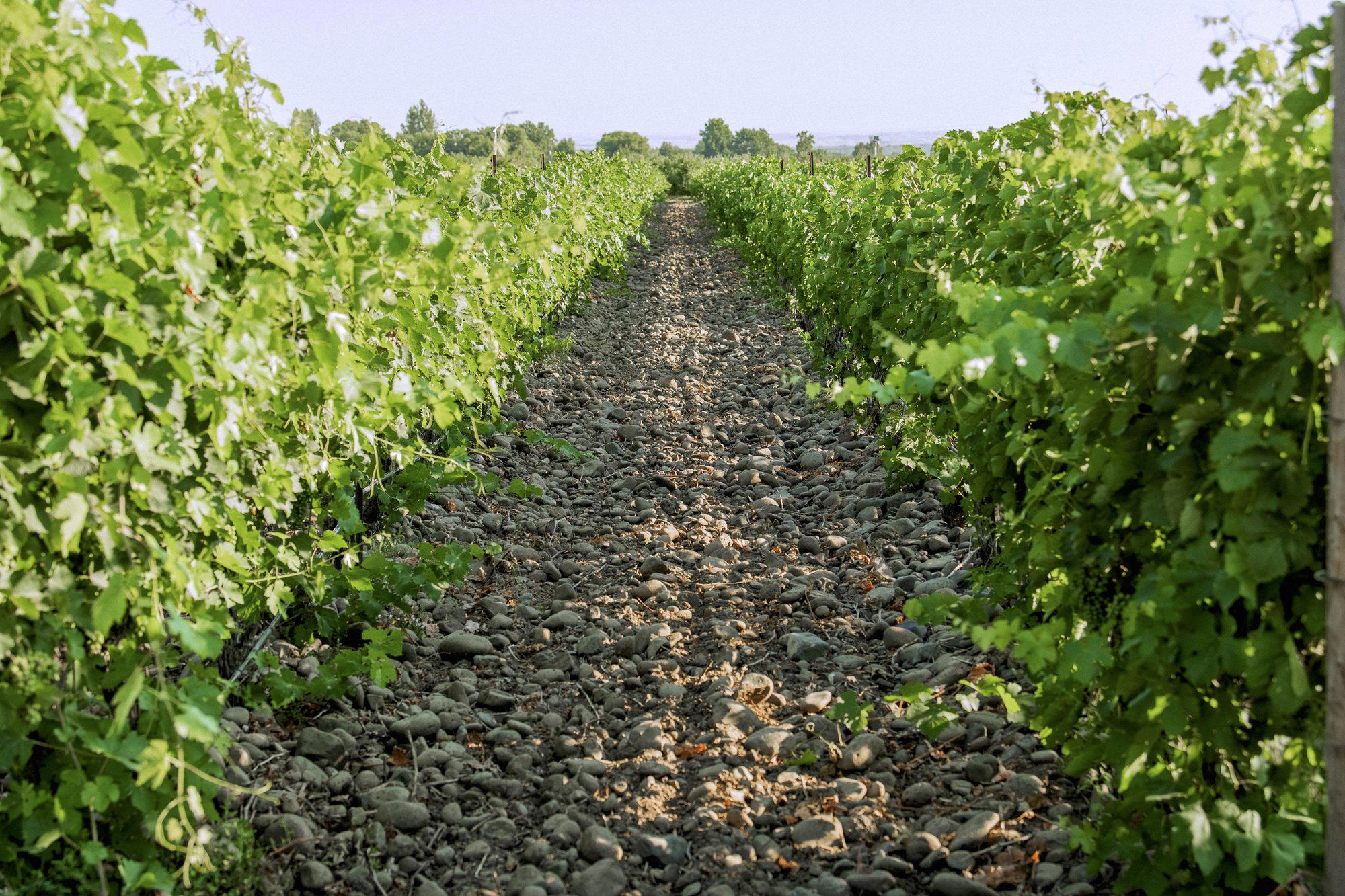
Restaurants in Milton-Freewater
Browse all →
Hotels in Milton-Freewater
Browse all →
Details
- Elegant
- Rustic
- Scenic
- Sophisticated
- Wine Education
- Special Occasion
- Vineyard Tour
- Estate Grounds
- Panoramic View
- Sustainable
- Vineyard
- Mountain
- Cabernet Sauvignon
- Syrah
- Merlot
- Grenache
- Mourvèdre
- Cabernet Franc
- Viognier
- Petit Verdot
- Still Red
- Private Tasting
Elegant and sophisticated with a rustic vineyard setting offering scenic views.