Flying Goat Cellars
Flying Goat Cellars operates out of Lompoc's wine ghetto corridor. The winery sits within one of California's most concentrated cool-climate production zones, where marine influence from the Santa Rita Hills shapes the character of every barrel. For visitors focused on Pinot Noir and Chardonnay from one of the Central Coast's more serious addresses, it belongs on any thoughtful itinerary.

Pearl is the En Primeur Club membership app — saves, bookings, and concierge access live there. Same editors, same standards.
- Address
- 1520 E Chestnut Ct unit a, Lompoc, CA 93436
- Phone
- (805) 736-9032
- Website
- flyinggoatcellars.com
- Directions
- Get directions
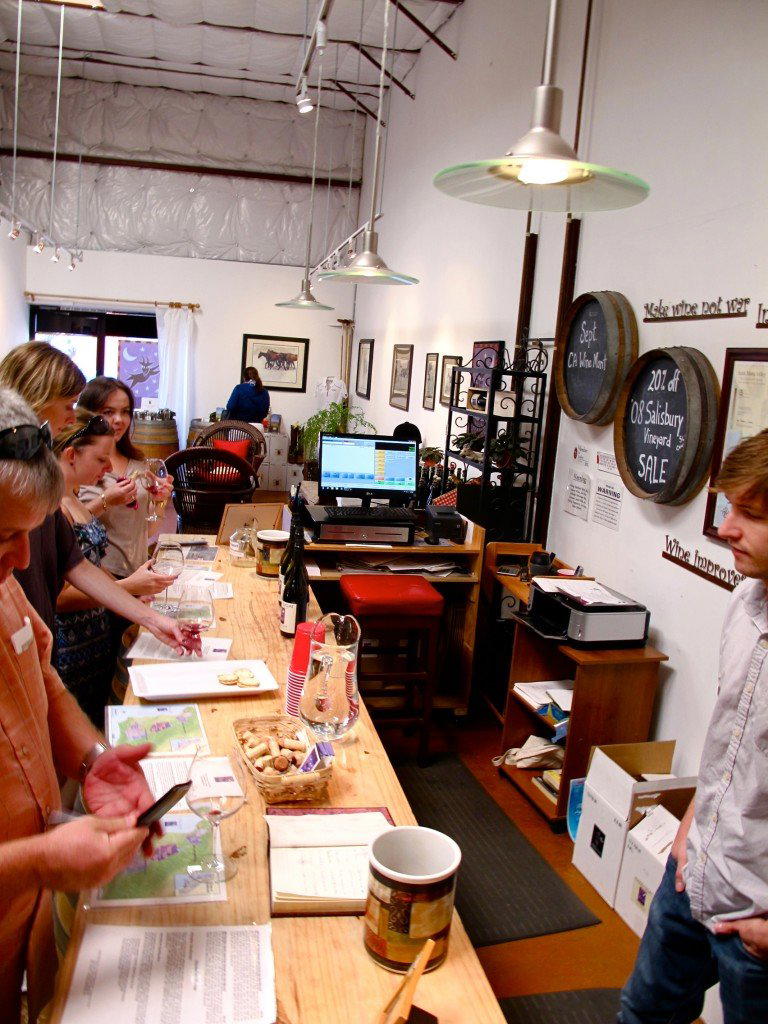
What the Lompoc Wine Ghetto Tells You About Flying Goat Cellars
Lompoc's industrial corridor, known informally as the Wine Ghetto, operates on a logic that visitors from Napa or Sonoma can find disorienting at first. There are no estate grounds, no manicured tasting lawns, no long oak-lined drives. What you find instead is a cluster of working production facilities housed in warehouse units, where the gap between winery and tasting room is sometimes a single door. The environment is deliberately functional, and that functionalism is itself an argument: the wine is the point. The address places it within one of California's most productive concentrations of cool-climate Burgundian-variety winemaking, where names like Brewer-Clifton Winery, Fiddlehead Cellars, and Babcock Winery and Vineyards operate within blocks of one another.
That proximity matters because it creates an implicit comparison set. It was the specific, demanding peer group that Lompoc's warehouse district has quietly assembled over the past two decades: small-production houses committed to cool-climate varieties, sourcing from Santa Rita Hills and the broader Santa Barbara County appellation, and pricing against a national market for serious Pinot Noir and Chardonnay.
The Barrel Room Logic of the Santa Rita Hills
To understand what happens at Flying Goat Cellars after harvest, it helps to understand what the Santa Rita Hills appellation does to raw fruit before it arrives. The Hills sit at the western end of the Santa Ynez Valley, where the valley runs east-west rather than north-south, allowing cold Pacific air to push inland each afternoon. Diurnal temperature swings in this corridor regularly exceed 50 degrees Fahrenheit during the growing season. Grapes ripen slowly, retaining acidity that warmer California appellations routinely sacrifice to achieve physiological ripeness. What reaches the crush pad in Lompoc has structural tension built in, and the choices made in the cellar either preserve or dissolve that tension.
In cool-climate Pinot Noir production of this type, the barrel decisions are not cosmetic. The degree of new oak, the size of the vessel, the duration of elevage, the timing of blending across vineyard designates: each variable either amplifies the fruit's natural acidity and aromatic precision or buries it under extraction and wood. The producers in Lompoc who have sustained reputations over time, including Tyler Winery and Sanford Winery, have generally moved toward restraint in oak use and longer, gentler aging timelines.
For visitors, this translates into wines that reward patience both in the cellar and in the glass. Bottles that have had time in bottle after release, not just barrel age before it, tend to show the kind of integration that distinguishes producer-serious Pinot Noir from early-drinking approachable style. Planning a visit around a current release window, typically in the spring or autumn months when wineries in this corridor hold their primary tasting events, gives the leading chance of encountering library wines alongside current releases.
Visiting Flying Goat Cellars: What the Corridor Requires
Lompoc is not a walk-in wine town in the way that Los Olivos or Solvang functions for tourists. The Wine Ghetto corridor rewards planning. Most production-focused cellars in the area operate with limited tasting hours and prefer, or require, advance contact before visits. The most reliable approach is to check directly with the winery before making the drive from Santa Barbara, which runs roughly 60 miles south via Highway 1 or Highway 101.
For context on how the broader Lompoc wine area fits into a Central Coast itinerary, see our full Lompoc restaurants guide, which covers dining, production wineries, and neighbourhood character across the corridor. A day structured around the Wine Ghetto can reasonably include three or four producers if tasting appointments are booked in advance and staggered by an hour or more. The concentration of talent along this short stretch of industrial Lompoc remains one of the more efficient ways to survey serious Santa Rita Hills production without driving between scattered estate properties.
Where Flying Goat Cellars Sits in the California Cool-Climate Picture
California's premium Pinot Noir conversation has historically centered on the Russian River Valley and Sonoma Coast, with Santa Rita Hills occupying a slightly quieter position in critical discourse despite producing structurally comparable wines. That positioning is partly practical: the Santa Barbara region lacks the infrastructure of established Sonoma or Napa destinations, and producers like Flying Goat Cellars operate without the hospitality budgets of larger estate operations. Napa Cabernet-forward houses such as Accendo Cellars in St. Helena or Alpha Omega Winery in Rutherford compete for a different buyer profile entirely.
The closer peer comparison runs through Oregon's Willamette Valley, where Adelsheim Vineyard in Newberg represents the kind of Burgundian-influenced, cool-climate seriousness that Flying Goat Cellars shares in California. The distinction is climatic rather than philosophical: Santa Rita Hills fruit tends toward more forward red-fruit intensity than the darker, earthier profile typical of Willamette Pinot. Within California, the contrast with warmer-climate Rhone-focused producers like Alban Vineyards in Arroyo Grande or Andrew Murray Vineyards in Los Olivos or Adelaida Vineyards in Paso Robles clarifies the stylistic position: Flying Goat Cellars is operating in the restraint-and-precision register, not the power-and-warmth register. Even broader global context, whether from Bordeaux-heritage houses like Alexander Valley Vineyards in Geyserville or European producers like Achaia Clauss in Patras and Aberlour, underlines how narrow and specific the Santa Rita Hills cool-climate niche genuinely is. Given the production-focused nature of the address and the general operating norms of the Lompoc Wine Ghetto, advance contact is advisable before any visit. Tasting availability, hours, and any reservation requirements should be confirmed directly with the winery.
Peers in This Market
Comparable venues nearby, for context on price, style, and recognition.
| Venue | Cuisine | Price | Awards | Notes |
|---|---|---|---|---|
| Flying Goat CellarsThis venue — the venue you are viewing | Pinot Noir, Chardonnay | $20–30 | Not listed | Not listed |
| Fiddlehead Cellars | Sauvignon Blanc, Pinot Noir | $10–20 | Not listed | Lompoc Wine Ghetto |
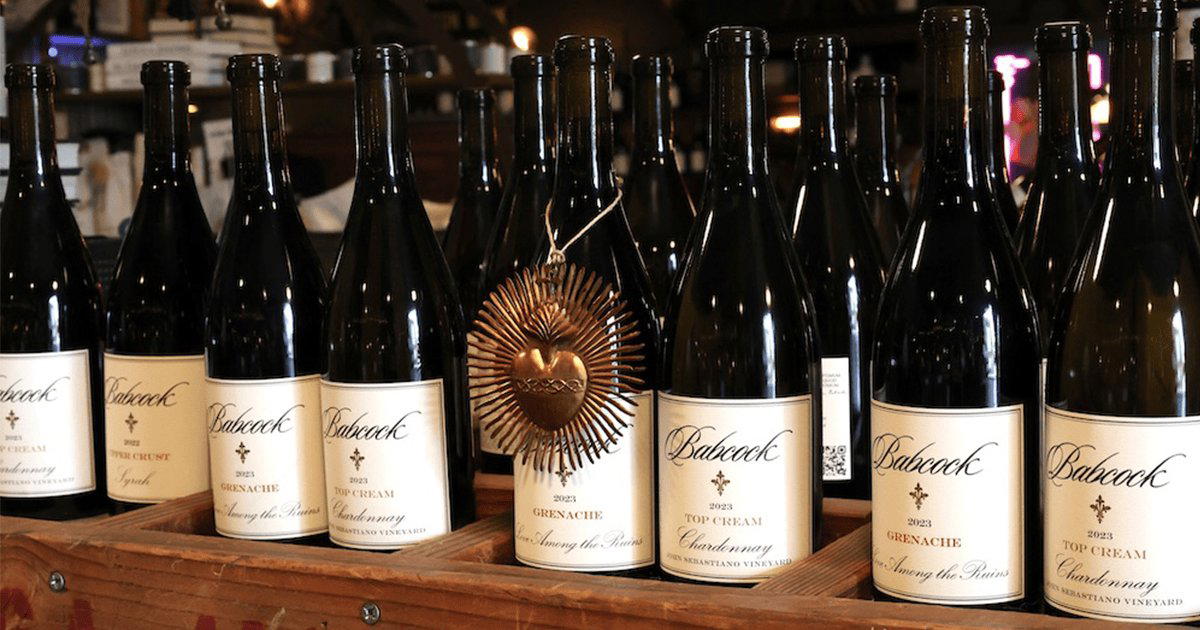
| Babcock Winery & Vineyards | Pinot Noir, Chardonnay | $30–50 | Not listed | Sta. Rita Hills |
| Brewer-Clifton Winery | Pinot Noir, Chardonnay | Not listed | Not listed | Midtown Lompoc |
| Domaine de la Cote | Pinot Noir, Chardonnay | Not listed | Falstaff Winery - Listed | Lompoc Wine Ghetto |
Continue exploring
More in Lompoc
Wineries in Lompoc
Browse all →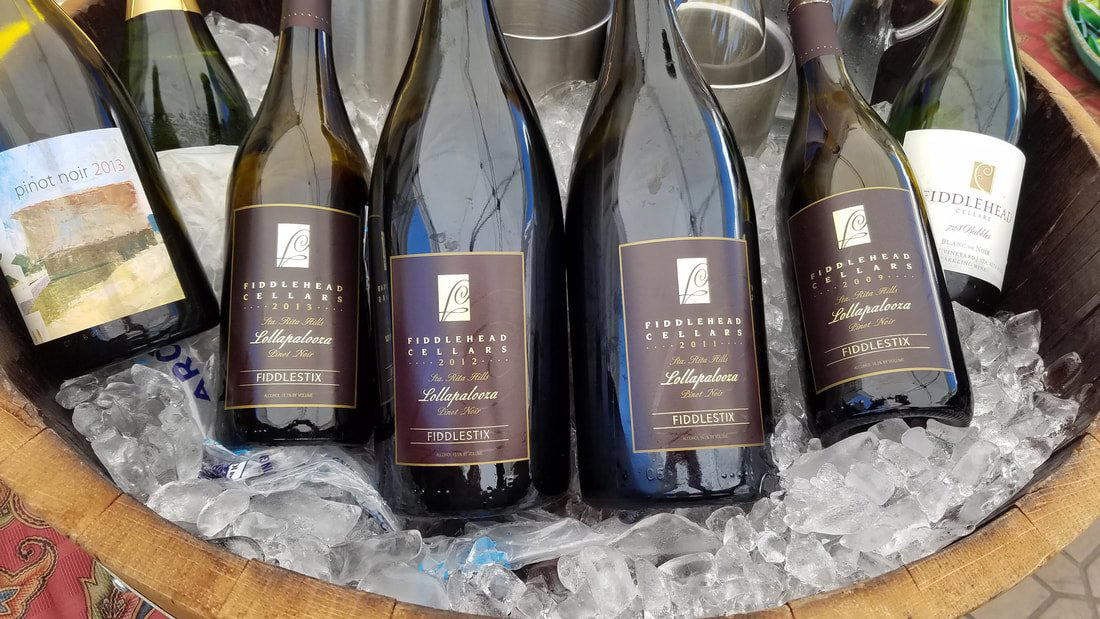
Bars in Lompoc
Browse all →

Restaurants in Lompoc
Browse all →


Details
- Rustic
- Intimate
- Cozy
- Solo Exploration
- Wine Education
- Estate Grounds
- Sustainable
- Pinot Noir
- Chardonnay
- Pinot Gris
- Pinot Blanc
- Still Red
- Sparkling
- Tasting Flight
Eccentric and welcoming tasting room with art exhibits, focused on wine merriment and education in an urban winery setting.