
Falstaff Winery - Listed
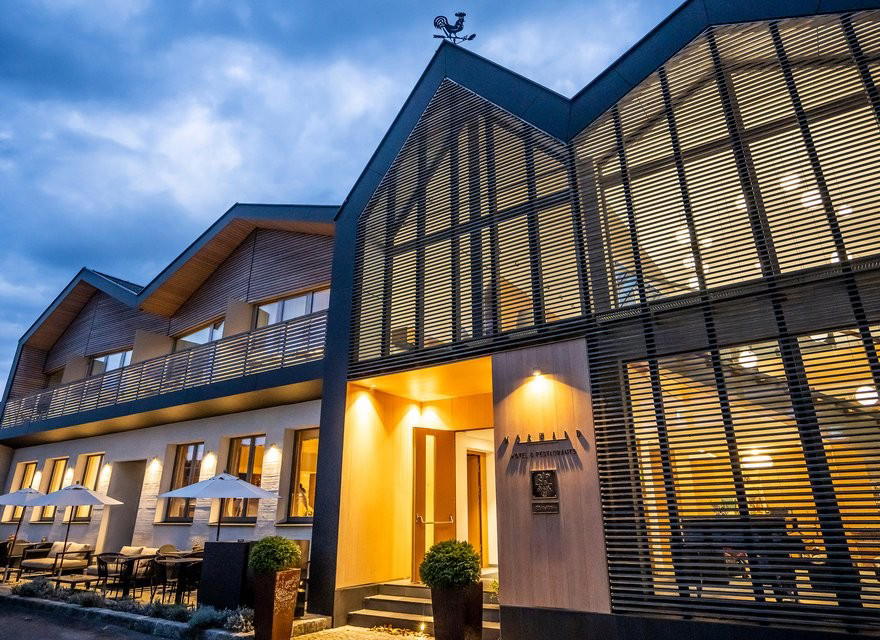
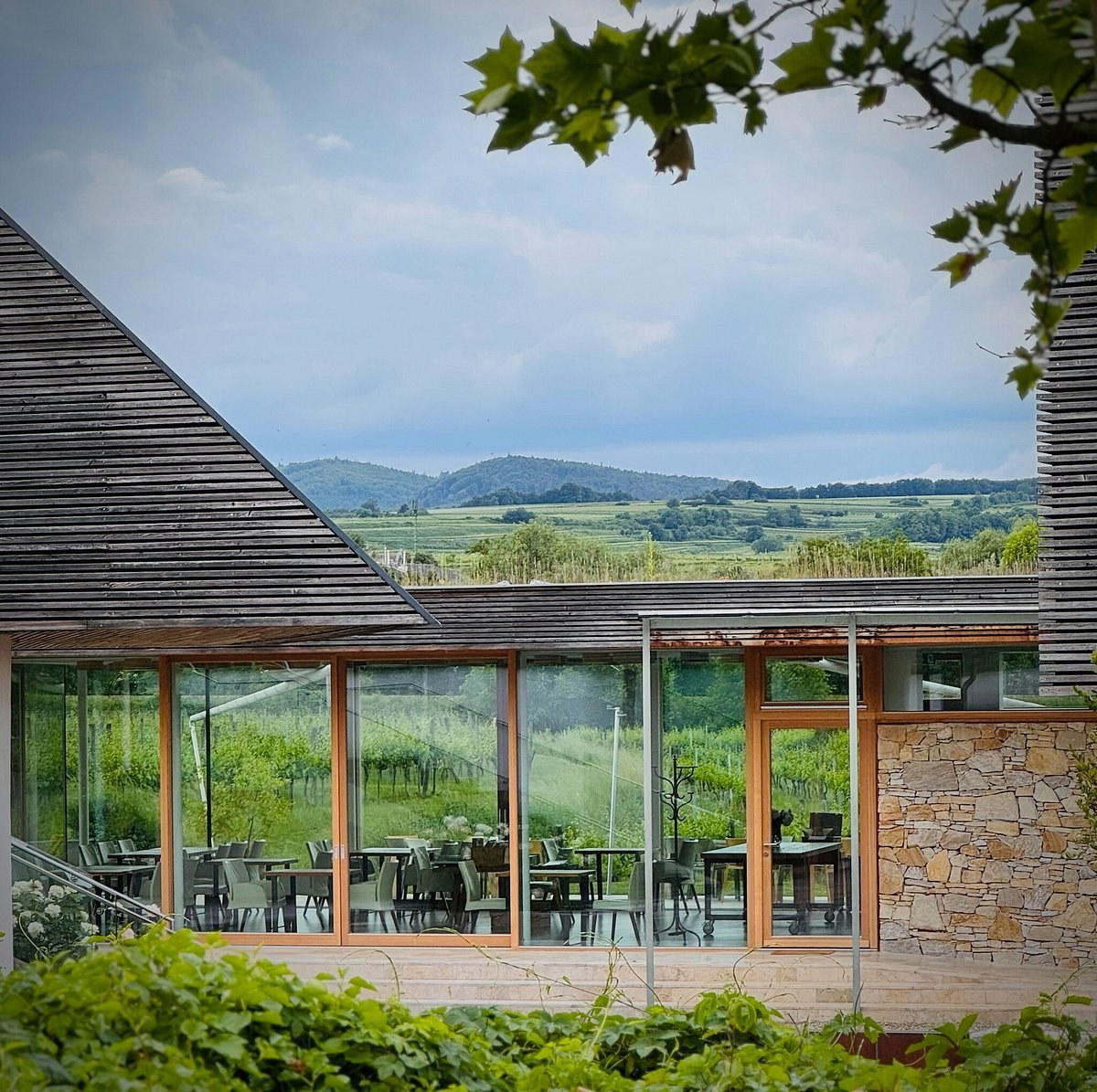
Erwin Gruber is a small family-run Kamptal winery in Schiltern, shaped by hand-harvested fruit, 9 hectares of vineyard holdings, and a lineage that dates to 1894. The appeal is not polished wine tourism infrastructure but a rural, cellar-led view of regional varieties and the patient work behind them.

Pearl is the En Primeur Club membership app — saves, bookings, and concierge access live there. Same editors, same standards.
- Address
- Schiltern, Kamptal, Lower Austria, Österreich
- Directions
- Get directions

Erwin Gruber in Schiltern is best understood as a quiet Kamptal estate rather than a destination built around elaborate visitor facilities. The profile is modest but clear: it is a small, traditional, family-run place with a rural feel, focused on handcrafted wines and a direct estate identity. In a region where the appeal of wine travel can be as much about landscape, locality, and personal scale as about formal presentation, that modesty gives the venue its shape.
That limited public framing is part of the point. This is not a page to read as a full production dossier, a menu guide, or a confirmed awards summary. The reliable description is narrower: Erwin Gruber is a $$ venue in Schiltern, with the character of a rustic, quiet, hidden-gem wine stop. Anything beyond that should be checked directly with the estate before planning a visit, particularly if the visit depends on specific timing, arrangements, or expectations around service.
Handcrafted Kamptal wines from a small Schiltern estate
The strongest reason to note Erwin Gruber is its position as a small family-run Kamptal estate. The emphasis is on handcrafted wines rather than a hospitality concept, restaurant-style service, or a large visitor program. For travelers building a Schiltern wine day, that makes it a more understated option: the appeal is the estate’s rural character and its connection to local wine culture, rather than a sense of being packaged for a broad tourism audience.
For that reason, the estate should not be presented as a trophy-led or data-heavy producer profile. A more accurate reading is simpler: Erwin Gruber offers a traditional Kamptal frame, with a focus on handcrafted wine and a quiet sense of place. That kind of profile is useful precisely because it does not need to be overstated; it belongs to the quieter side of wine travel, where the main attraction is the estate’s own identity and the grounded setting around it.
That restraint matters for expectations. Visitors looking for extensive facilities, a highly designed tasting room, or a broad hospitality itinerary may want to confirm details in advance. Those drawn to small rural estates, low-key cellar culture, and family-run wine production will better understand why Erwin Gruber stands out in Schiltern. It is a venue to approach with patience and practical curiosity, not with assumptions borrowed from larger or more heavily promoted destinations.
Why the rural estate character matters more than a scripted visit
Schiltern’s wine appeal is often quiet and local in tone, and Erwin Gruber fits that mood. The description points to a traditional estate with a direct feel, not a venue defined by spectacle. That makes the experience easier to frame honestly: come for a grounded Kamptal wine stop, not for a polished set of amenities that has not been established here. The value is in the straightforwardness of the setting and in the sense that the wine identity remains close to the estate itself.
The price level is listed as $$, which places it in a moderate bracket for the guide. That is a helpful orientation point, but it should not be treated as a substitute for direct confirmation. Those practical points should be confirmed directly before arrival, especially because small estates can operate differently from larger public-facing venues. A modest estate may have a rhythm that is more personal and less standardized, so planning with flexibility is the safest reading of the available information.
The most useful editorial description is therefore also the most conservative: Erwin Gruber is a rustic, quiet, hidden-gem estate in Schiltern, with a family-run Kamptal identity and a focus on handcrafted wines. That is enough to distinguish it without adding unsupported claims about scale, history, specific grapes, awards, or visitor format. In this case, holding back from embellishment is not a weakness in the description; it is the ideal way to preserve the venue’s actual character and avoid turning a simple estate profile into something it has not claimed to be.
How to place it within a Schiltern wine day
For a Schiltern itinerary, Erwin Gruber makes sense as a low-key wine stop for travelers who prefer traditional estates over more elaborate visitor experiences. It should be considered alongside other unnamed dining, wine, and hospitality options in Schiltern, depending on what is open and what kind of day you want to build. In that context, it works well as part of a slower plan, where the goal is not to tick off a list of major venues but to give space to a quieter Kamptal stop.
Because the information is intentionally lean, planning should be practical. Confirm current hours, availability, tasting arrangements, payment options, and any visit requirements directly with the venue. That step is especially important here because the estate’s public-facing description is limited, and the most accurate approach is to let current confirmation guide the details rather than assuming a fixed visitor model.
The editorial case for Erwin Gruber is still clear: choose it when the appeal is a small, traditional, family-run Kamptal estate with a quiet rural feel. The draw is not an elaborate hospitality package; it is the chance to orient a Schiltern wine stop around handcrafted wines and a restrained, local sense of place. Read in that way, the venue has a clean role in the guide: modest, rustic, and well suited to visitors who value direct estate character over spectacle.
Recognition history
Dated appearances from independent guides and award organizations, with the underlying list record or original source where available.
Falstaff Winery - Listed
Falstaff
Continue exploring
More in Schiltern
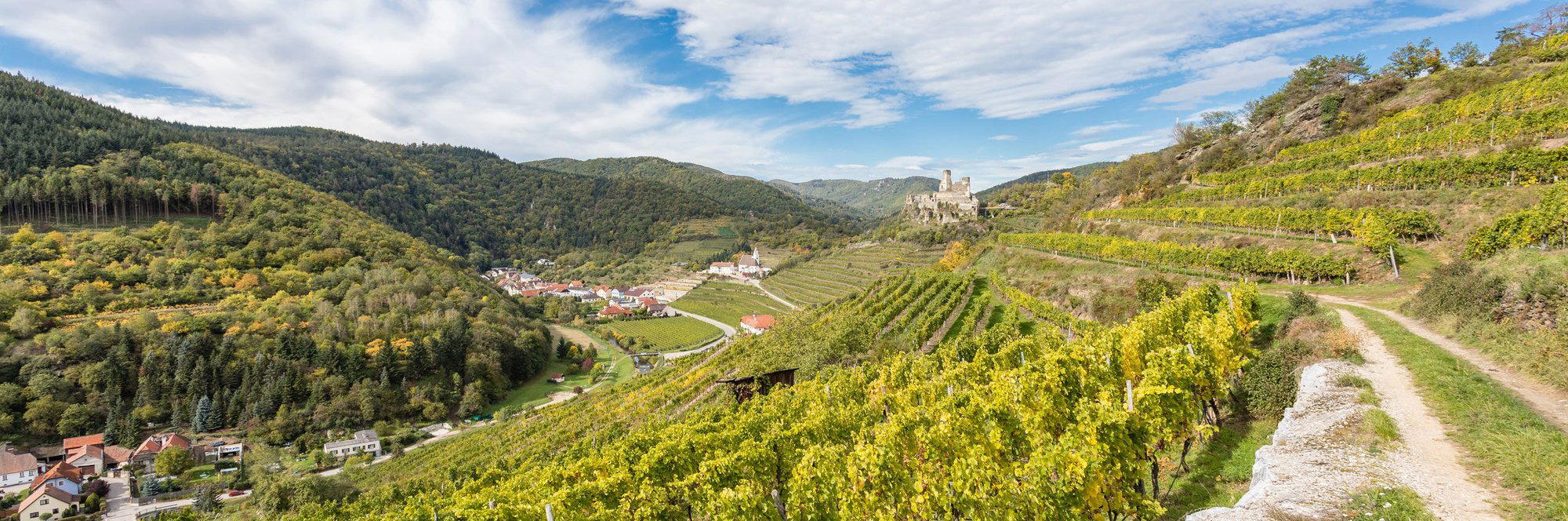
Wineries in Schiltern
Browse all →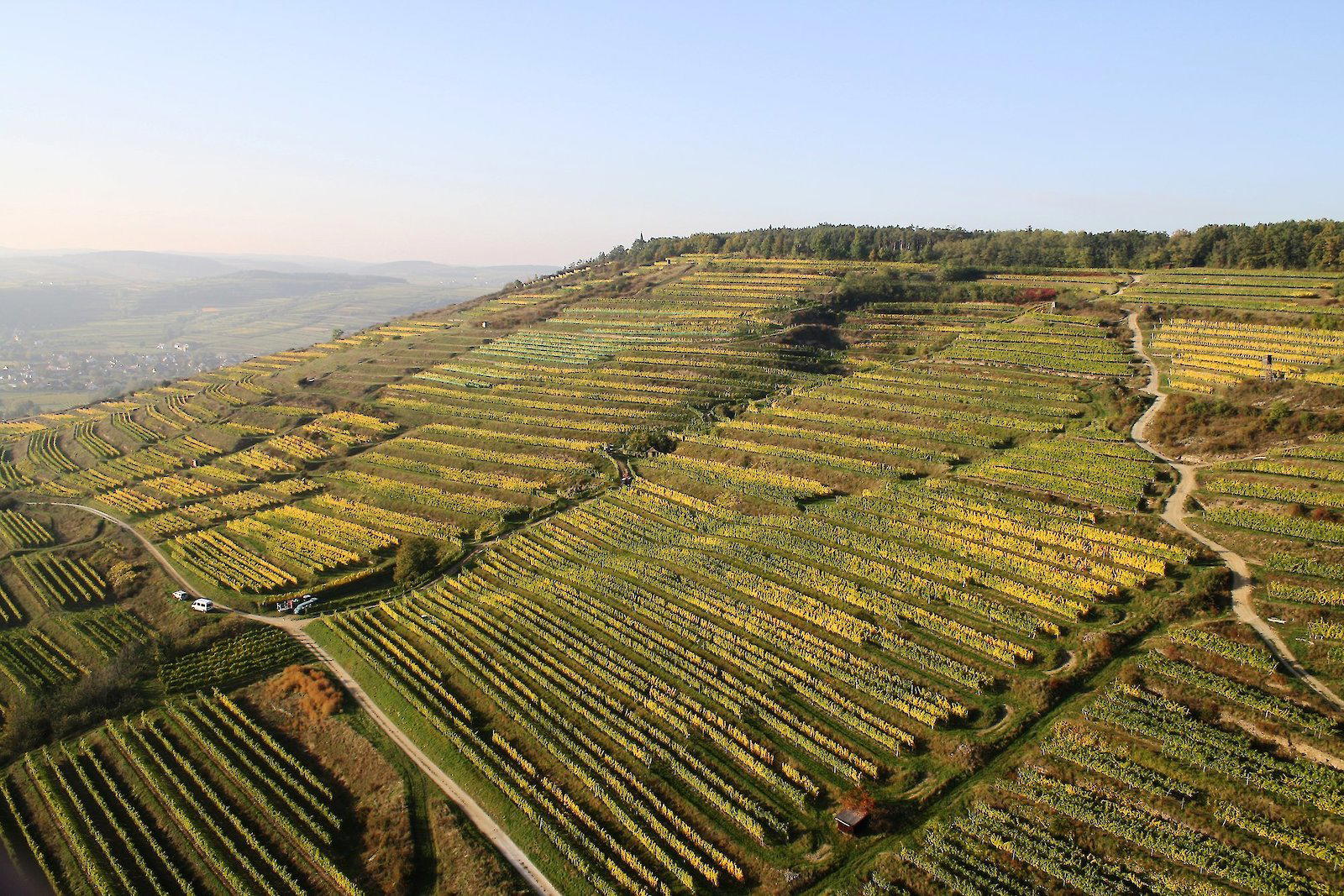
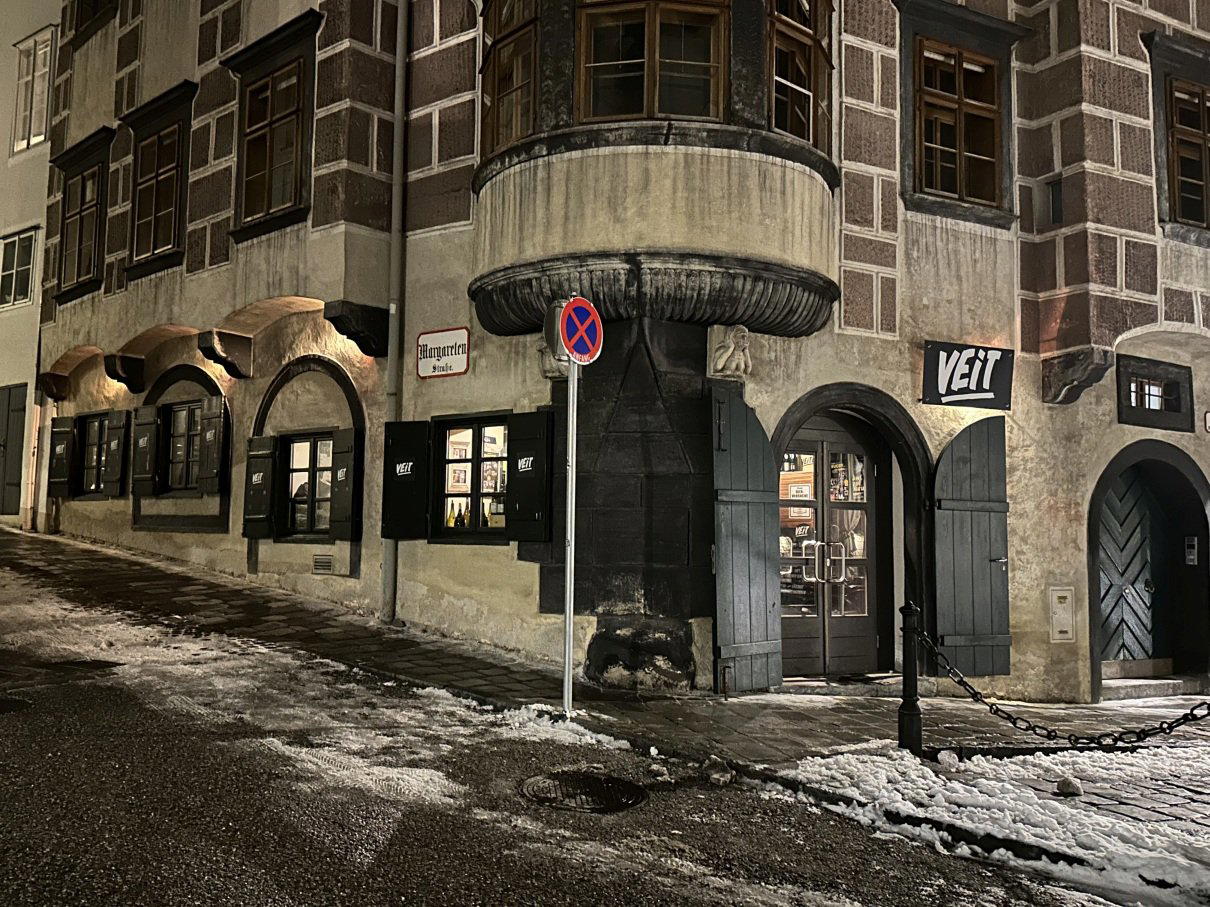
Bars in Schiltern
Browse all →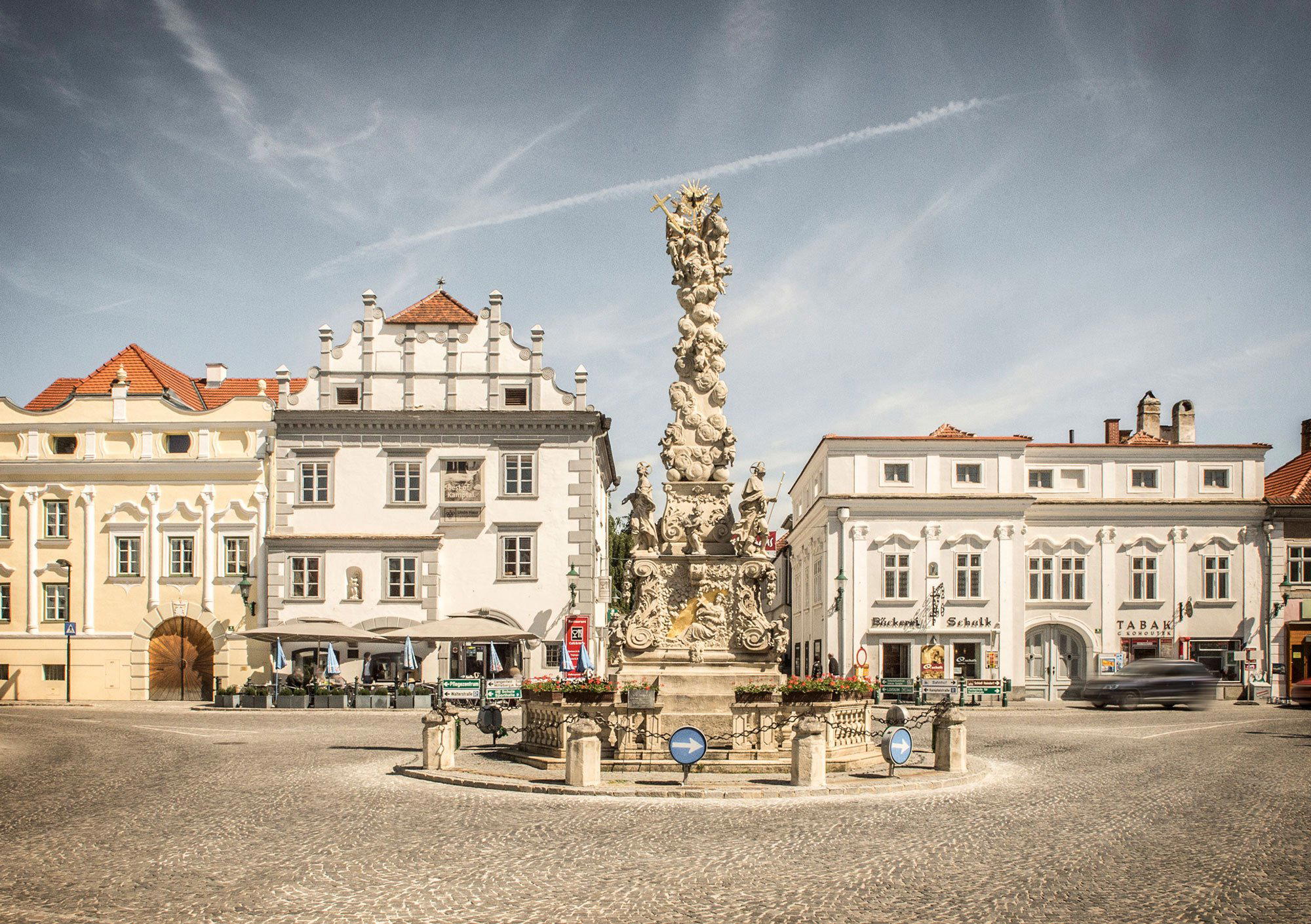
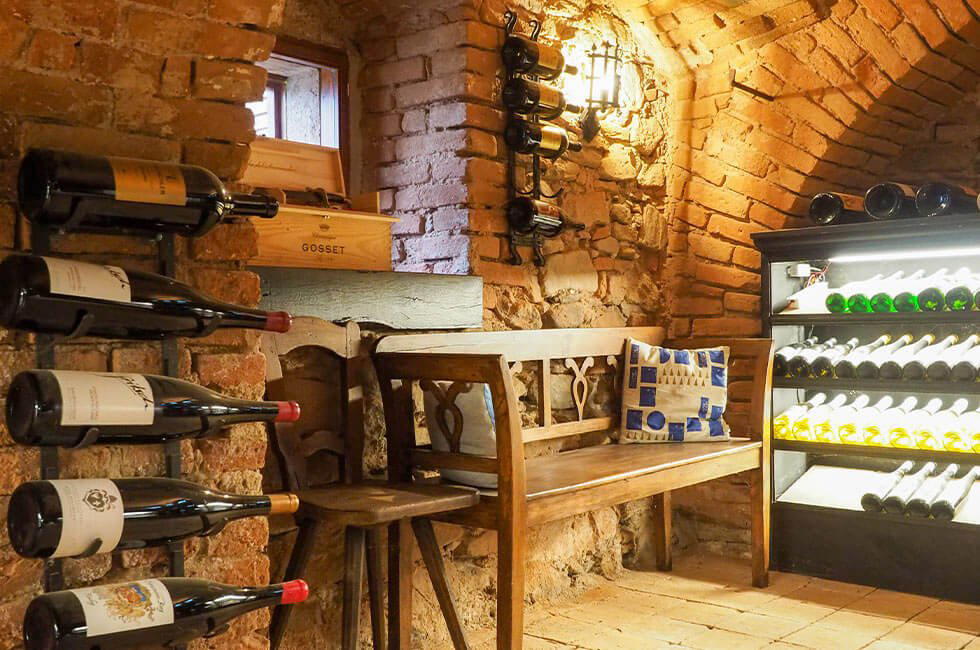
Restaurants in Schiltern
Browse all →
Details
- Rustic
- Quiet
- Solo Exploration
- Wine Education
- Sustainable
- Vineyard
- Still White
- Still Red
Small, traditional family-run Kamptal estate with a direct, rural feel focused on handcrafted wines rather than elaborate visitor facilities.