
Domaine la Réméjeanne gives Sabran a different register of Southern Rhône wine: higher-altitude Côtes-du-Rhône from sandy-limestone hills, shaped by organic farming and a low-intervention cellar rather than cellar-door theatre. The appeal is terroir clarity, with Grenache, Syrah, Bourboulenc, Roussanne and other Rhône varieties drawn from a small family estate surrounded by oak forest.
Pearl is the En Primeur Club membership app — saves, bookings, and concierge access live there. Same editors, same standards.
- Address
- Sabran, Occitanie, Frankreich
- Directions
- Get directions
 Saves & bookings on Pearl
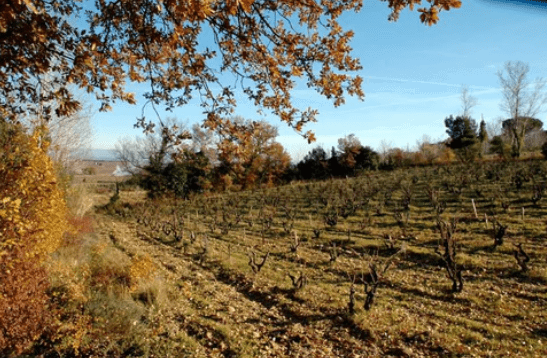
Domaine la Réméjeanne is a family-run organic Rhône estate in Sabran, set in oak-forested hills with a relaxed rural feel. The appeal is direct rather than theatrical: a simple cellar door, picnic tables and a self-guided vineyard path frame the visit around the land and the wines instead of polished design. It reads as the kind of place where the setting does much of the explaining, with the surrounding countryside, the working-estate simplicity and the quiet pace all reinforcing the same message.
For readers planning time in Sabran, this is best understood as a terroir-focused wine stop rather than a formal hospitality production. It is not presented here through a long list of technical specifications or a highly staged tasting-room concept, but through a more grounded sense of estate character. Nearby planning can also draw on other Sabran dining, hotels, bars and experiences guides, particularly for travellers who want to place a visit within a wider day in the area.
High-country Rhône character, read through a rural estate setting
The picture of Domaine la Réméjeanne is intentionally modest: an organic Rhône estate in Sabran, surrounded by oak-forested hills, with an atmosphere that feels relaxed, rural and authentic. The focus is on terroir-driven wines and a direct sense of place. In practical terms, that means the visit is framed less by spectacle and more by the estate’s relationship with its surroundings: hills, vines, trees and the understated rhythm of a family-run property.
That high-country feeling matters because it shapes expectations before any glass is poured. This is not described as a glossy destination built around dramatic architecture or formal ceremony. Instead, the estate’s identity comes through in quieter signals: the rural approach, the simple cellar-door setup and the way the landscape remains visible in the experience. For visitors who respond to context, that restraint is part of the charm.
Specific details about grape varieties, cellar methods, vintages, scores or production figures are not included in the public record here, so the safest way to frame the visit is through its setting and format: family-run, organic and grounded in the landscape around Sabran. That also keeps the emphasis where the available information places it: on an organic Rhône estate whose appeal is tied to terroir and authenticity rather than to a catalogue of claims.
What to read in the glass: terroir first, not spectacle
The draw is not a confirmed list of cuvées, awards or technical tasting notes. It is the chance to experience an organic Rhône estate where the rural context is part of the encounter. Expect the conversation to centre on place, farming and wines that are presented as terroir-driven. The important point is not to over-define the wines beyond what is stated, but to recognise the style of visit suggested by the estate: calm, place-led and close to the land.
For that reason, the wines should be approached as part of a larger setting rather than as isolated tasting data. The oak-forested hills, the organic identity and the family-run character all contribute to the way the estate is understood. Even without a detailed list of bottles or cellar practices, the available description points clearly toward a visit where landscape and wine are meant to be read together.
The confirmed appeal is the estate’s authentic Sabran setting and its focus on wine rather than elaborate staging. That focus gives the visit a useful clarity. There is no need to expect a highly choreographed experience when the main value lies in the simple encounter between a rural Rhône property, its wines and the surrounding countryside.
That makes Domaine la Réméjeanne a good fit for travellers who prefer quiet countryside, direct estate character and a simple visit format over a design-led tasting room. It will especially suit those who like their wine stops to feel rooted rather than performative, and who are comfortable with a more understated version of hospitality in which the estate itself, not the décor, carries the weight.
A rural cellar-door format with the wine in front
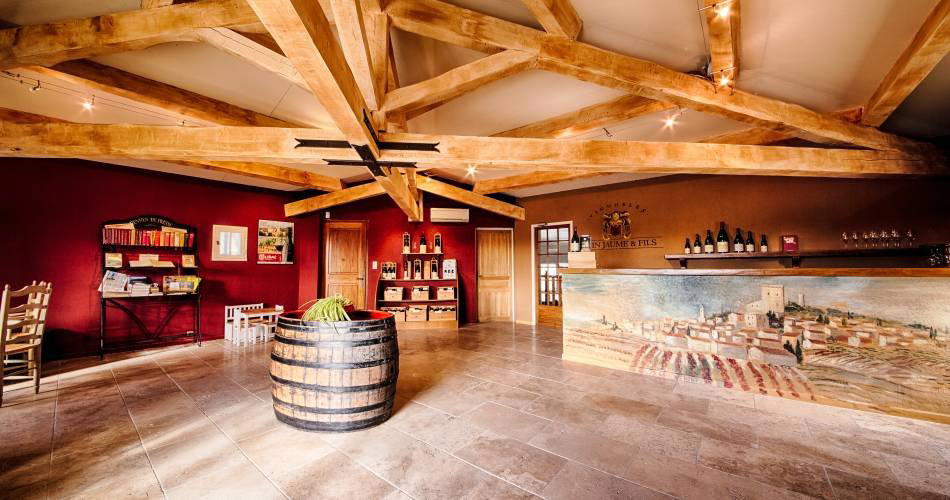
The hospitality format is plain and grounded: a simple cellar door, picnic tables and a self-guided vineyard path. The setting is relaxed and rural, with the oak-forested hills around Sabran helping define the experience. Those elements create a visit that can feel open-air, unforced and closely tied to the working landscape, rather than separated from it by a more formal visitor infrastructure.
The picnic tables and vineyard path are important because they signal the tone of the place. They suggest time spent lingering in the estate environment, looking outward to the land and moving at a measured pace. The cellar door, meanwhile, keeps the wine at the centre without turning the visit into a polished production. The result is a format that feels consistent with the estate’s family-run, organic and terroir-focused identity.
The winery stands on its own as the comparison point here. Travellers considering a broader Sabran itinerary can compare it generically with other local dining or countryside stops, but the confirmed reason to visit this estate is clear: a family-run organic Rhône property with an authentic, terroir-focused atmosphere. It is best approached with that simplicity in mind: come for the rural Sabran setting, the direct cellar-door feel and the chance to connect the wines with the landscape that surrounds them.
Recognition history
Dated appearances from independent guides and award organizations, with the underlying list record or original source where available.
Falstaff Winery - Listed
Falstaff
Continue exploring
More in Sabran
Wineries in Sabran
Browse all →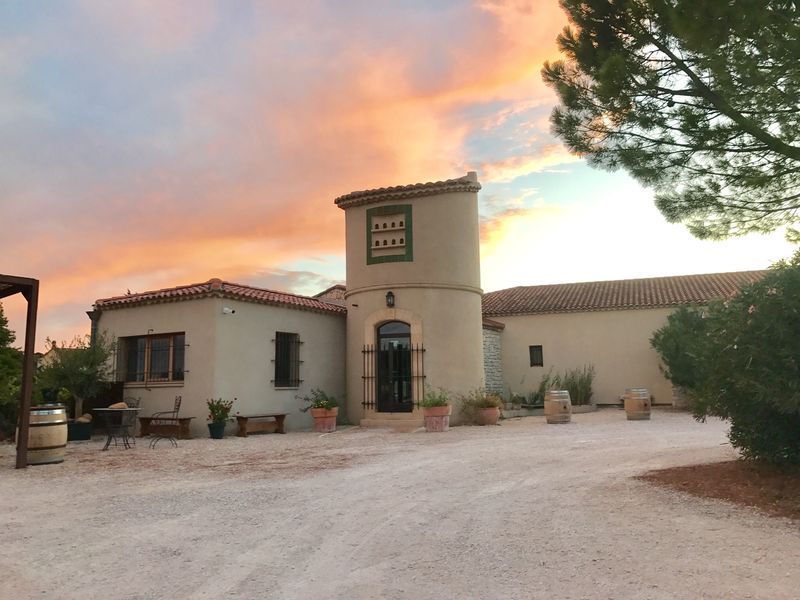
Bars in Sabran
Browse all →
Restaurants in Sabran
Browse all →
At a Glance
- Rustic
- Scenic
- Classic
- Intimate
- Group Outing
- Family
- Solo Exploration
- Wine Education
- Romantic Getaway
- Estate Grounds
- Vineyard Tour
- Picnic Area
- Organic
- Vineyard
- Garden
- Côtes Du Rhône AOC
- Grenache
- Syrah
- Mourvèdre
- Carignan
- Marselan
- Clairette
- Roussanne
- Bourboulenc
- Viognier
- Marsanne
- Still Red
- Still White
- Still Rosé
- Amphora
- Standard Tasting
- Self Guided Vineyard Walk Plus Tasting
Family-run organic Rhône estate in oak-forested hills, with a simple cellar door, picnic tables, and self-guided vineyard path that create a relaxed, rural and authentic atmosphere focused on terroir-driven wines rather than design theatrics.