
Domaine La Grange Tiphaine reads as a Loire estate for drinkers who care about soil before spectacle. In Amboise, Coralie and Damien Delecheneau work across Montlouis-sur-Loire, Touraine and Touraine-Amboise, with organic and biodynamic farming, manual harvests and a cellar approach built around native yeasts, concrete and older oak rather than cosmetic polish.
Pearl is the En Primeur Club membership app — saves, bookings, and concierge access live there. Same editors, same standards.
- Address
- Amboise, Center, Frankreich
- Directions
- Get directions
 Saves & bookings on Pearl
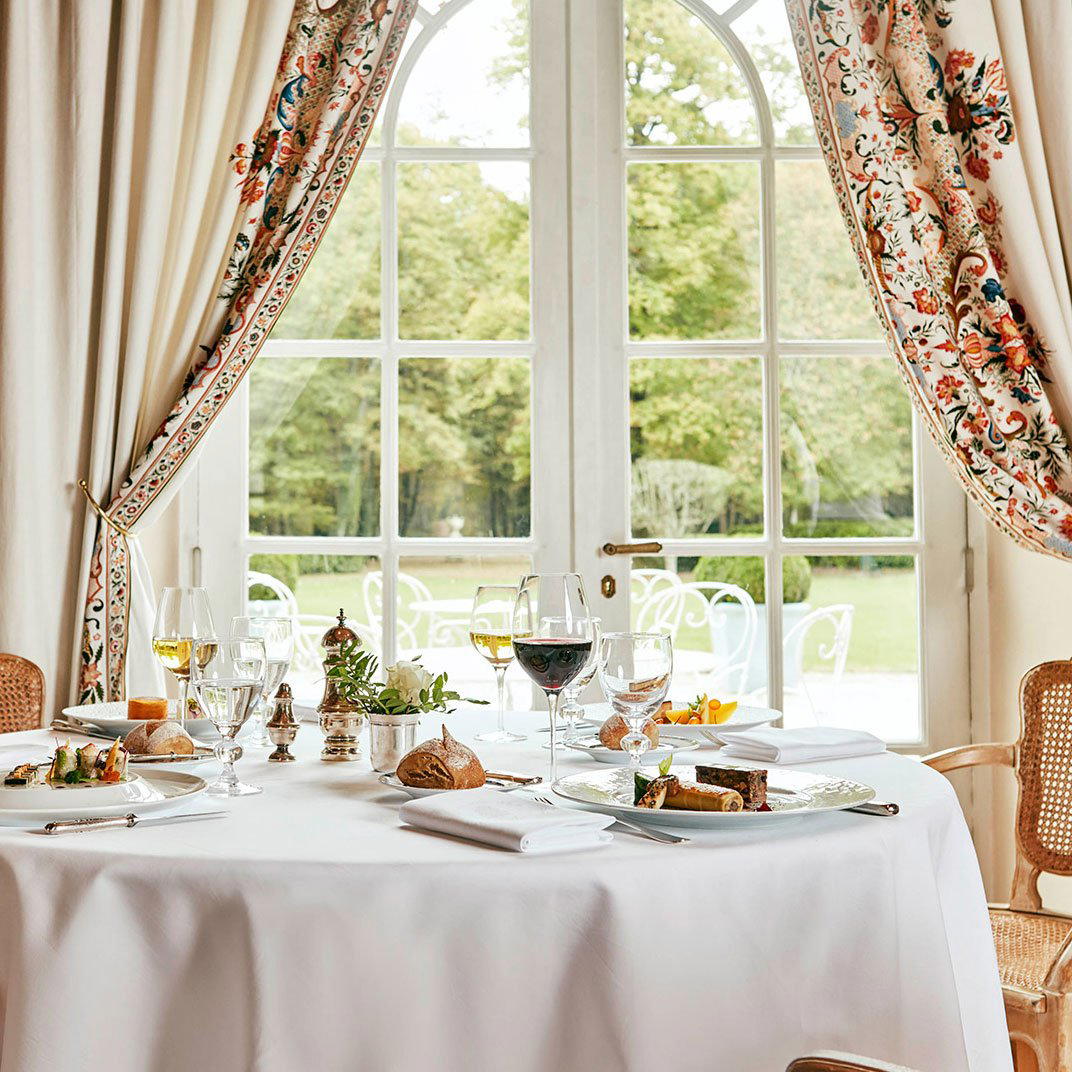
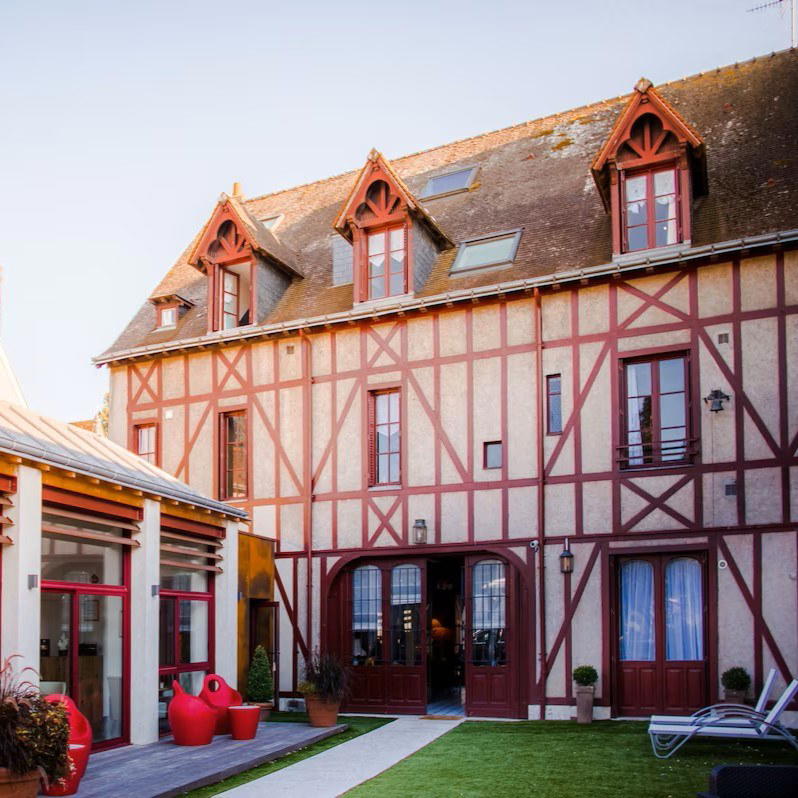
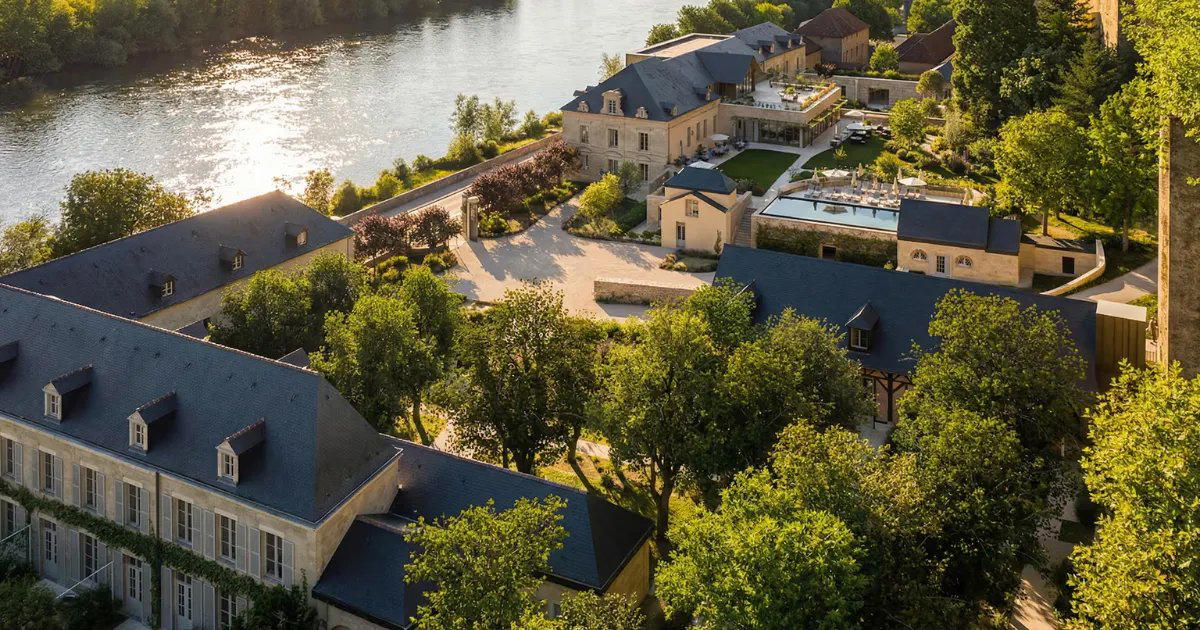
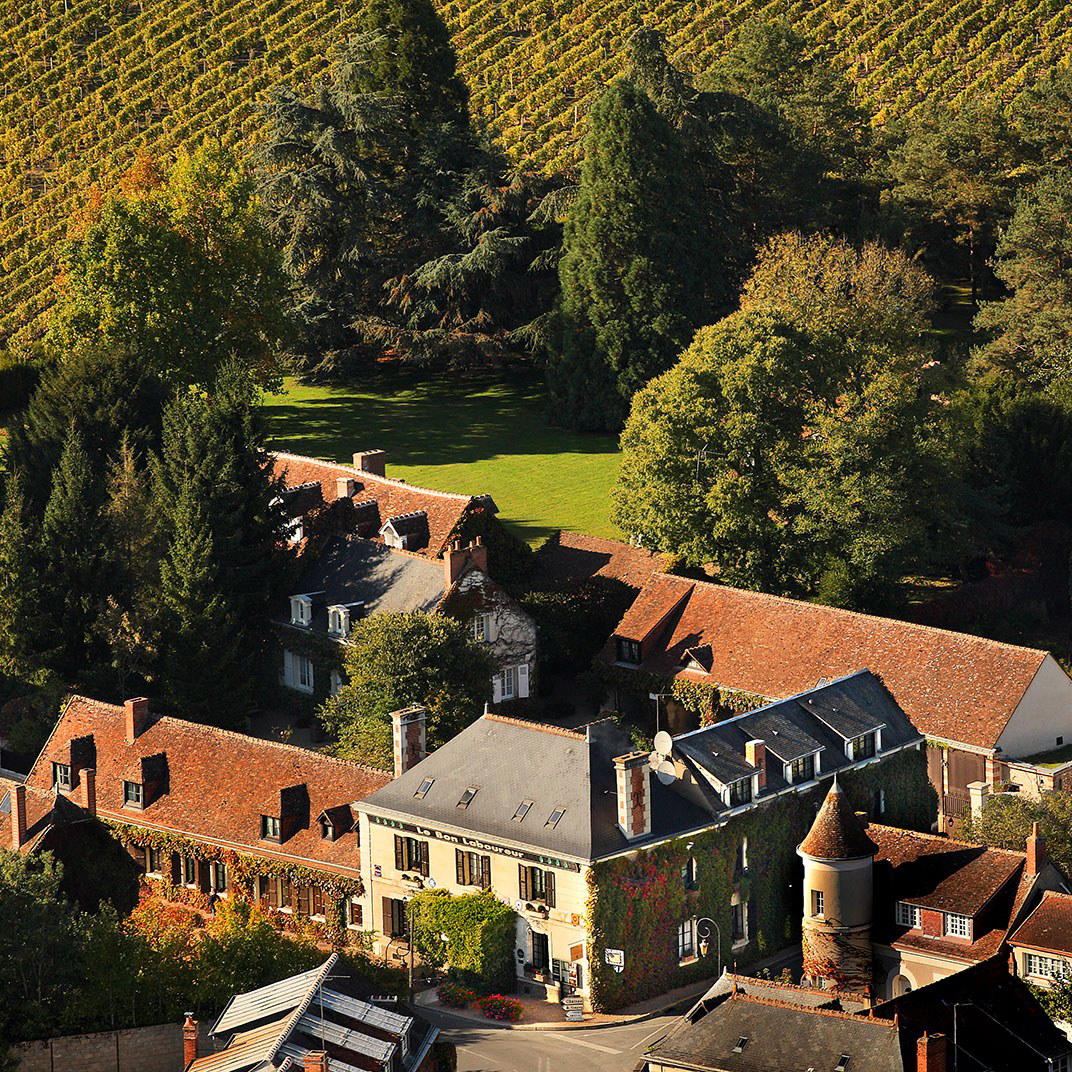
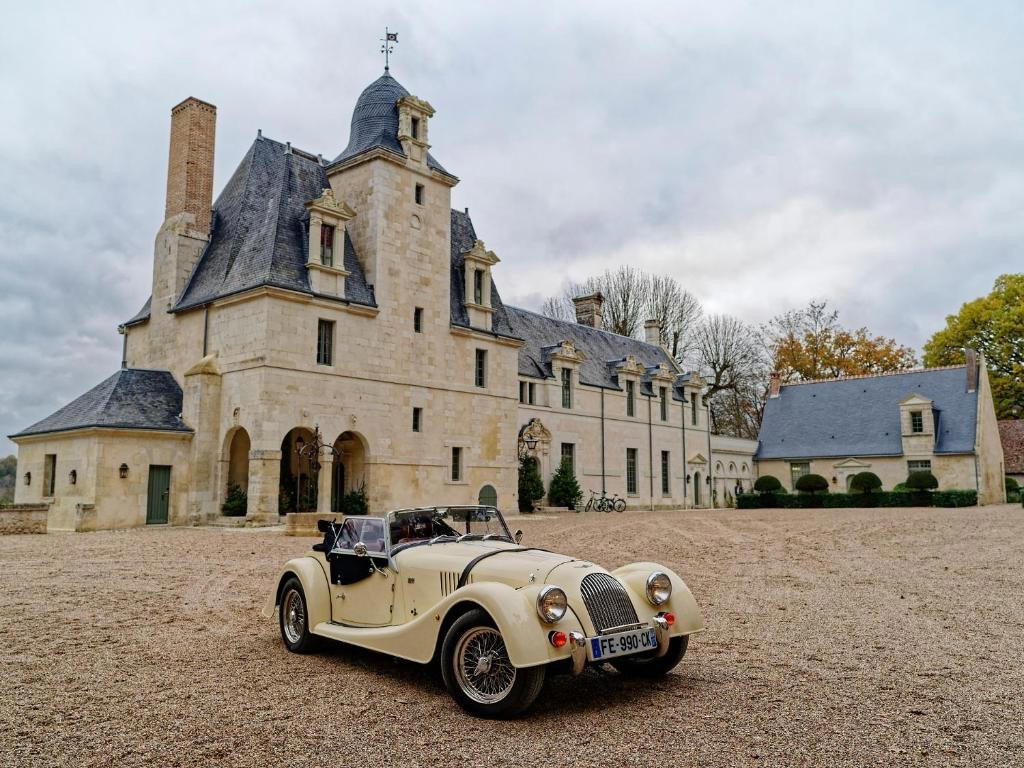
Domaine La Grange Tiphaine is a family-run Loire Valley estate in Amboise, best framed through quiet craft rather than spectacle. The picture is deliberately restrained: precise, refined and elegant wines, an atmosphere shaped by respect for nature and terroir, and a thoughtful, low-intervention approach rather than flashy design. Nothing in the available description points toward theatrical hospitality or a heavily styled tasting-room narrative; its appeal is quieter, rooted in the way the estate is presented as a place of care, landscape and measured winemaking.
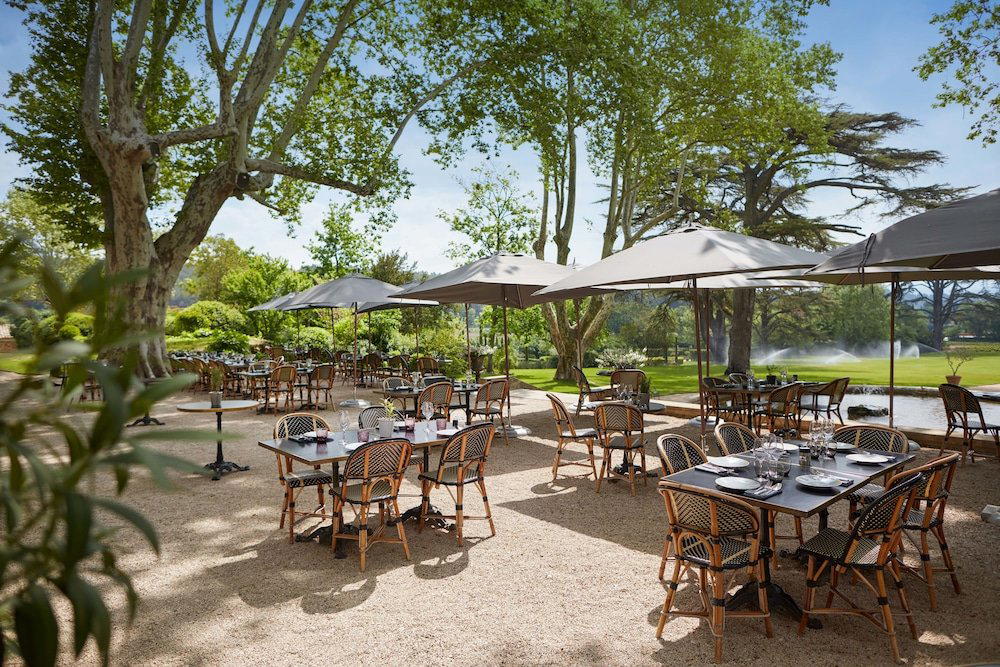
For visitors planning time in Amboise, the estate fits a slower Loire itinerary: rustic, scenic and calm, with the emphasis on place and craftsmanship. It is the kind of stop that makes most sense when the day is not being rushed from landmark to landmark, because the value lies less in a checklist of features and more in the atmosphere suggested by the estate’s identity. The experience, as described, belongs to the gentler side of wine travel: looking for refinement, listening for the logic of terroir, and allowing the Loire setting to do much of the speaking.
A Loire estate defined by restraint and terroir
The broader Loire context is useful, but the information for Domaine La Grange Tiphaine does not support a detailed breakdown of grapes, appellations, cuvées, production size or scores. That limitation matters, especially for readers trying to distinguish between broad regional impression and estate-specific detail. What can be stated with confidence is that the estate’s identity is tied to refined Loire wines and a careful, nature-minded reading of terroir.
That reading of terroir is the central thread. The description does not ask to be translated into grand claims or technical certainties; it suggests wines understood through precision, refinement and elegance, with nature treated as a guiding condition rather than a marketing accessory. In editorial terms, restraint is not a lack of character here. It is the character: a preference for clarity over noise, for landscape over ornament, and for a calm sense of proportion.
Rather than presenting bottle names or technical cellar details, the safer way to understand the domaine is through its tone: elegant, rustic, quiet and scenic. It is a place for travellers who value understated craft and a sense of landscape over a highly staged hospitality experience. That distinction is important in Amboise, where a visitor may be balancing historic sights, meals, walks and wine stops. Domaine La Grange Tiphaine sits most naturally in an itinerary that leaves room for subtlety rather than seeking a headline attraction at every turn.
A family estate centered on low-intervention craft
The winery is a family-run Loire Valley estate with a focus on precise, refined and elegant wines. Its stated atmosphere centers on respect for nature, terroir and thoughtful, low-intervention craftsmanship. Those phrases give the estate a clear editorial shape without needing to overstate what is known: family-run suggests continuity and personal scale, while low-intervention craftsmanship points to a careful approach that does not try to overwhelm the raw material.
The word craftsmanship is doing useful work here. It implies attention, patience and judgment, but it does not require an invented list of cellar practices or vineyard specifics. Likewise, respect for nature and terroir should be read as part of the estate’s stated sensibility rather than as a substitute for detailed technical documentation. One accurate portrait is therefore one of disciplined modesty: a domaine presented through precision and refinement, with elegance expressed as balance rather than display.
Those details should not be treated as confirmed without checking directly with the estate or a current, authoritative wine reference. This is especially true for anyone planning around a particular bottle, tasting format, availability or technical expectation. The reliable takeaway is the overall impression already present in the description: a Loire estate with a calm, nature-minded identity and a low-intervention orientation, rather than a destination defined here by rankings, novelty or elaborate hospitality claims.
How to place it within an Amboise wine itinerary
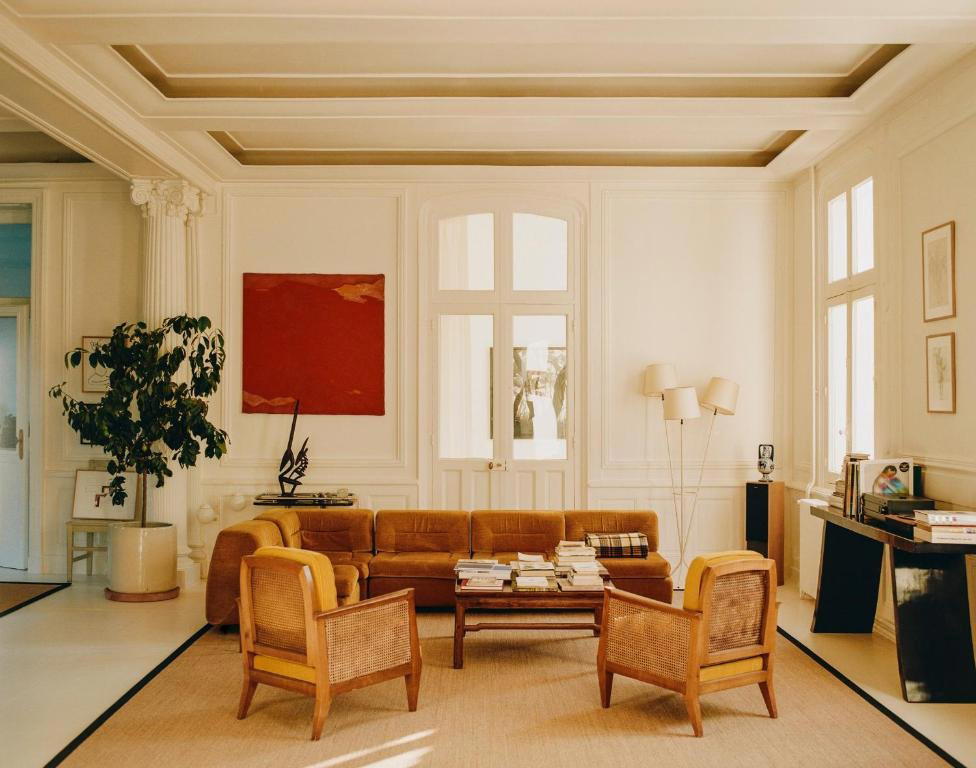
Within Amboise, the winery is well suited to visitors looking for a quiet Loire estate experience rather than a design-led stop. The price level is listed as $$, and the mood is elegant, rustic and scenic. Taken together, those cues suggest a visit to place alongside other gentle Loire pleasures: time in the landscape, unhurried movement through the area, and an interest in wines that are described through finesse rather than force.
If comparing it with other dining or drinking plans in Amboise, keep the contrast broad: this is a wine-estate visit centered on terroir, nature and low-intervention craftsmanship, while other Amboise options may serve different parts of the itinerary. It should not be positioned as a restaurant replacement, a nightlife stop or a highly produced attraction based on the information available. Its role is more focused and quieter: a way to connect the Amboise portion of a trip with the agricultural and winemaking character of the Loire.
Confirm practical details such as access, hours and visit format before going. That caution is not just logistical; it protects the experience from assumptions the available information cannot support. A family-run estate may be best approached with flexibility and respect for how visits are actually organized at the time.
The editorial case is simple: the winery is an Amboise estate for travellers who want a calm, family-run Loire setting and wines described by precision, refinement and elegance. Its appeal is not built on excess description, but on a coherent mood: rustic without being rough, refined without being showy, and scenic in a way that keeps the Loire landscape close to the center of the visit.
Recognition history
Dated appearances from independent guides and award organizations, with the underlying list record or original source where available.
Falstaff Winery - Listed
Falstaff
Continue exploring
More in Amboise
Wineries in Amboise
Browse all →
Bars in Amboise
Browse all →
Restaurants in Amboise
Browse all →
At a Glance
- Elegant
- Rustic
- Quiet
- Scenic
- Romantic Getaway
- Wine Education
- Solo Exploration
- Group Outing
- Estate Grounds
- Vineyard Tour
- Private Tasting
- Cave Tasting
- Organic
- Biodynamic
- Vineyard
- Montlouis Sur Loire Aoc; Touraine Aoc; Touraine Amboise AOC
- Chenin Blanc
- Sauvignon Blanc
- Cabernet Franc
- Gamay
- Malbec (côt)
- Still Red
- Still White
- Sparkling
- Dessert
- Pet Nat
- Bar Tasting
- Seated Tasting
- Private Tasting
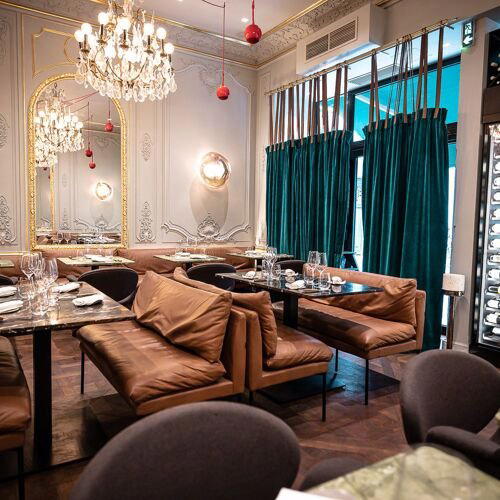
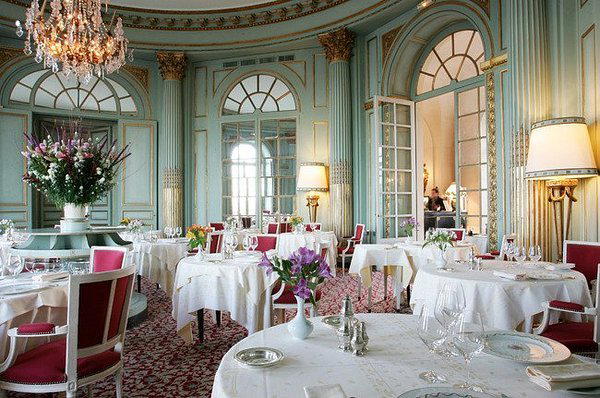
Family-run Loire Valley estate focused on precise, refined and elegant wines, with an atmosphere centered on respect for nature, terroir and thoughtful, low-intervention craftsmanship rather than flashy design.