
A former post office in the Luberon village of Ansouis, La Closerie channels Provence's agricultural wealth through the cooking of Marseille-born chef Olivier Alemany, whose training under Jacques Chibois grounds the menu in regional tradition. Guests choose between an elegant dining room and a small panoramic terrace, with attentive front-of-house service from his wife Delphine. The price range sits at €€€, placing it firmly in the serious-dining tier for the Luberon.
Pearl is the En Primeur Club membership app — saves, bookings, and concierge access live there. Same editors, same standards.
- Address
- lieu dit les Landes, 1 Les Landes, 41120 Le Controis-en-Sologne, France
- Phone
- +33 2 54 44 40 40
- Website
- relaisdeslandes.com
- Directions
- Get directions
 Saves & bookings on Pearl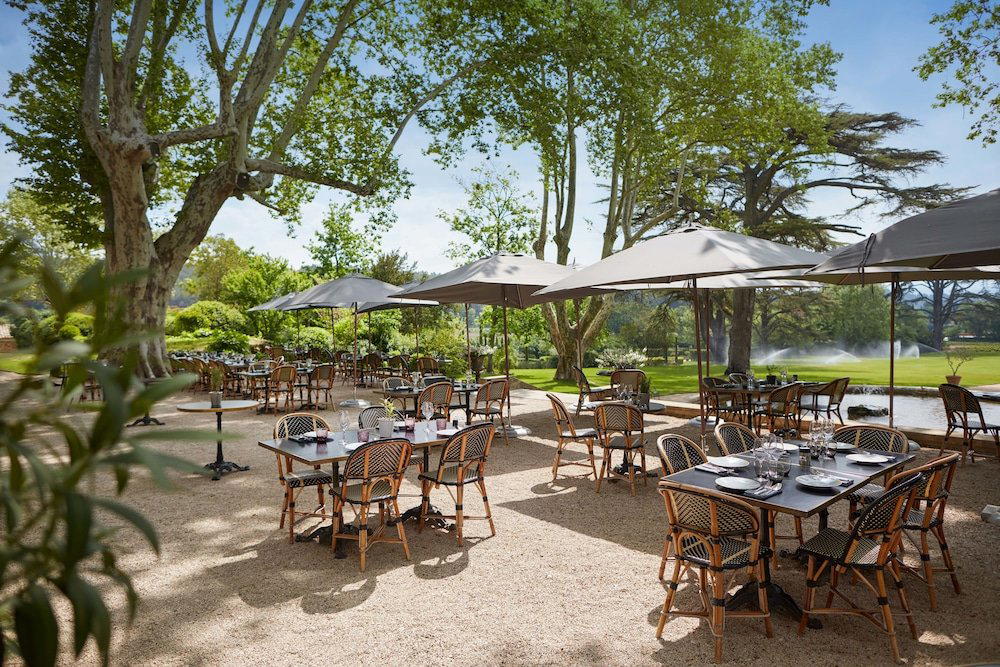
Stone walls, sunlit produce, and the Luberon at table
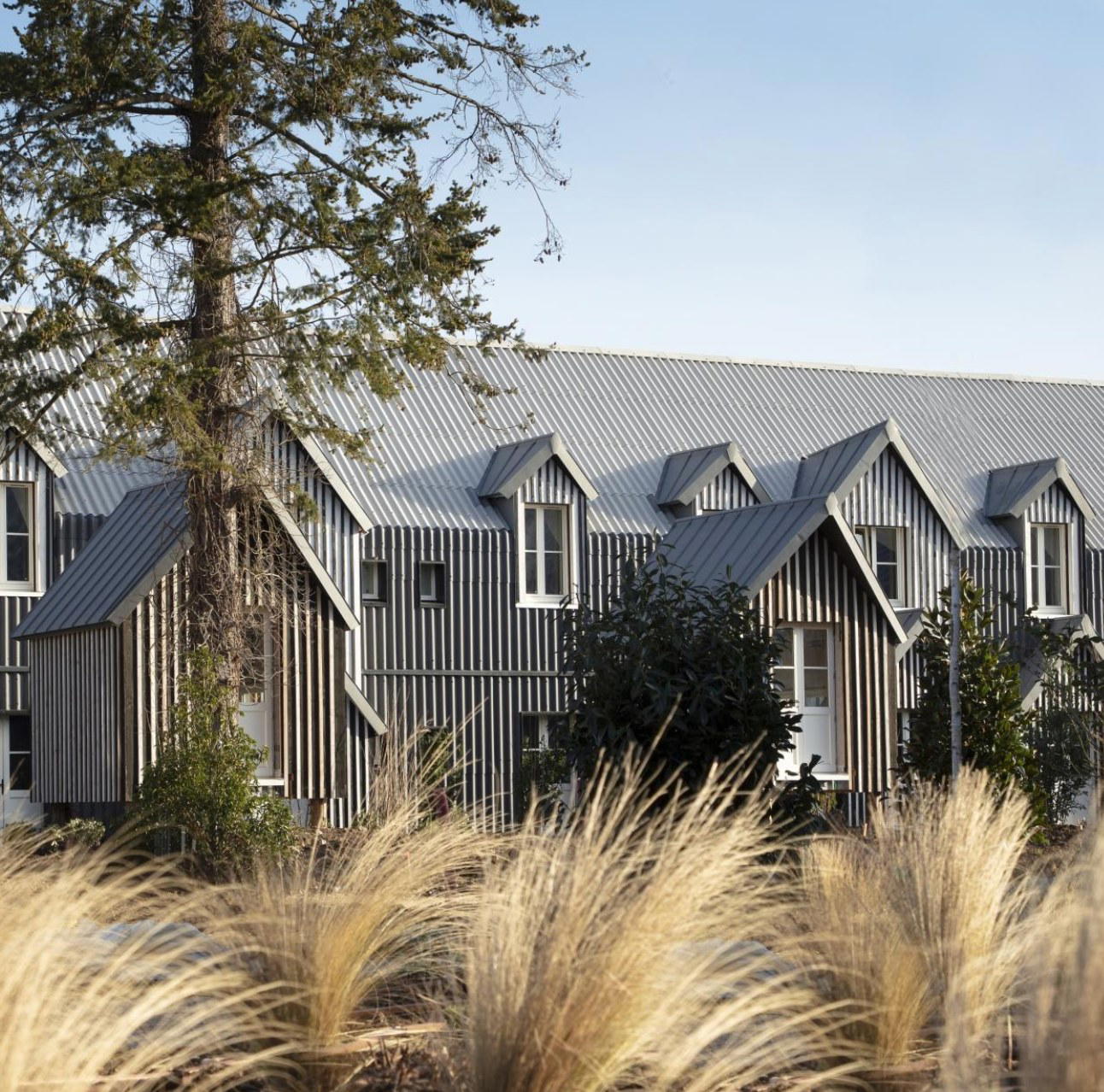
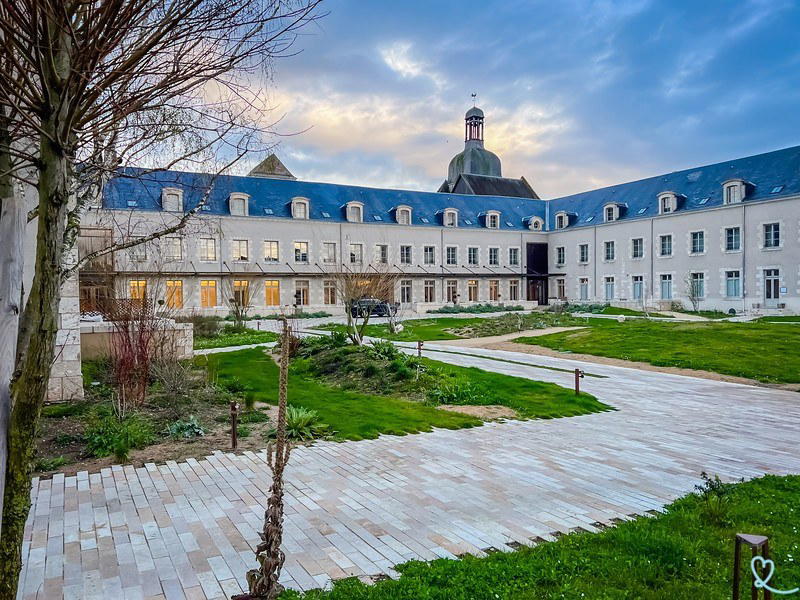
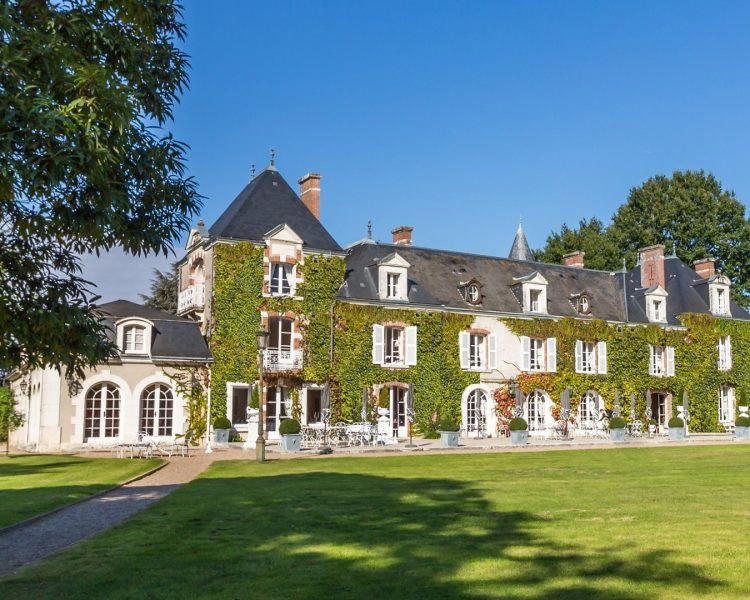
La Closerie is a one-star Provençal French fine dining restaurant in Le Controis-en-Sologne, with meals around $60 per person. The building itself, a former post office, its stone facade absorbed into the village grain, sets a tone that many Provençal restaurants attempt in décor but rarely achieve through architecture alone. There is nothing staged about the setting. The village is simply there, and the restaurant is part of it.
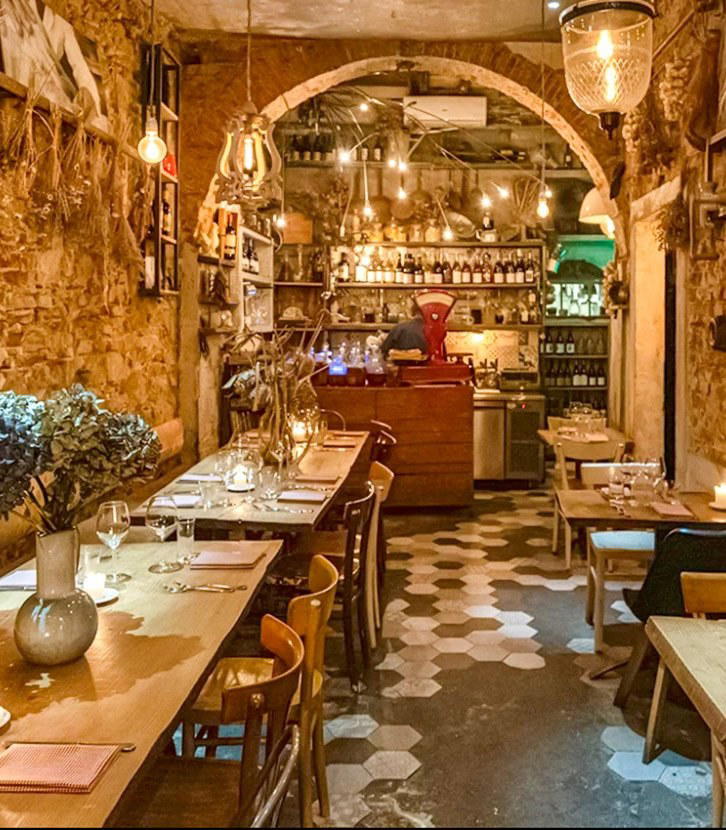
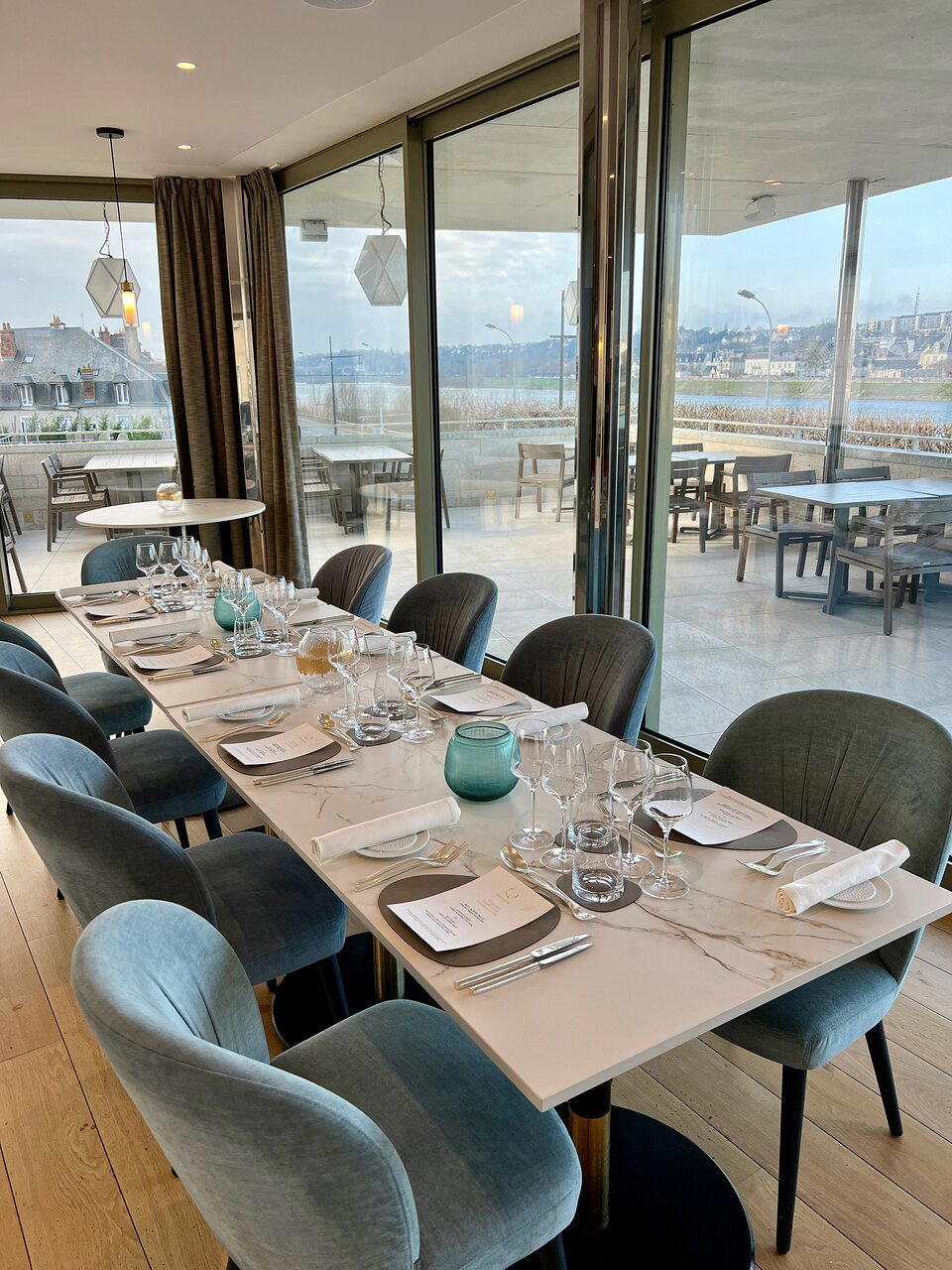
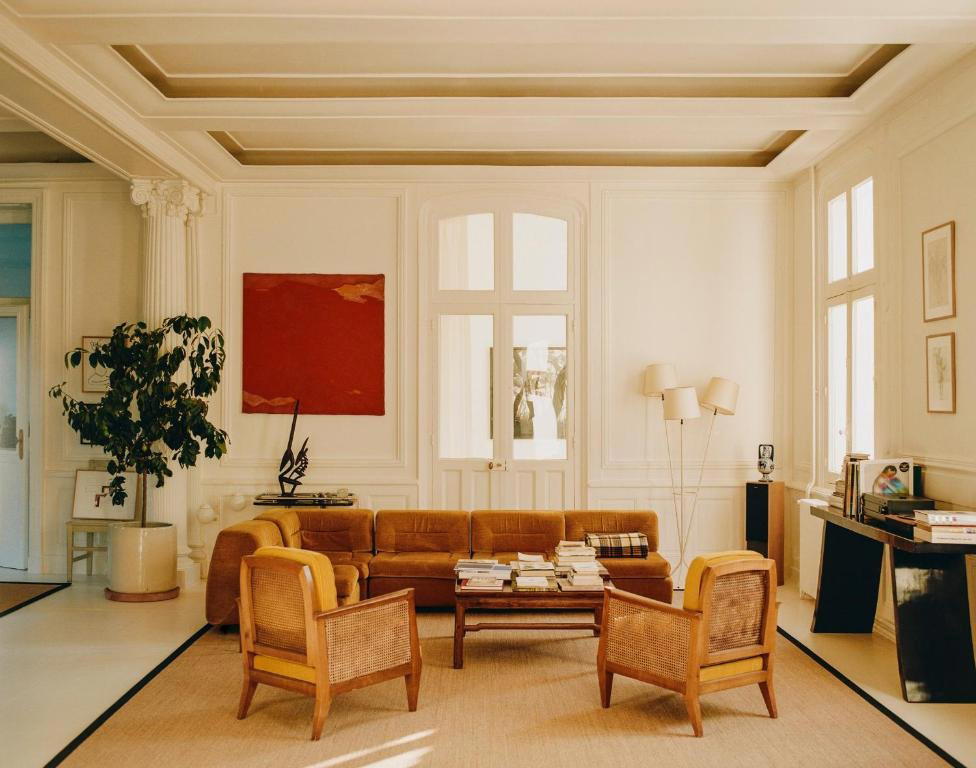
Inside, the choice between a modern dining room and a small panoramic terrace is less a decision about preference and more a decision about mood: the terrace places the surrounding landscape in frame; the dining room filters it through light and restraint. Either way, the meal that follows is deeply rooted in the agricultural specificity of this corner of southern France.
What Provence actually grows, and why it matters at the table
The central argument of cooking in the Luberon, at its most serious, is that the region's soil, sun exposure, and market culture make ingredient sourcing a discipline in itself. Olivier Alemany, Marseille-born and trained in large part under Jacques Chibois, one of the chefs who defined modern Provençal cuisine at La Bastide Saint-Antoine in Grasse, brings that discipline to a village kitchen. His sourcing is local in the specific sense: relationships with producers in and around the Luberon, not a broad claim to regional ingredients.
This approach places La Closerie in a wider pattern of French regional cooking across the south. The same logic operates at Bras in Laguiole and at Auberge du Vieux Puits in Fontjoncouse, where the distance between field and plate is treated as a culinary variable rather than a marketing detail. In Provence specifically, the seasonal abundance, herbs, stone fruits, courgette flowers, tomatoes of genuine concentration, olive oil with provenance, means that a kitchen committed to local sourcing operates with ingredients that simply read differently on the palate than produce that has travelled. Freshness here is not a descriptor; it is a structural feature of what ends up in the bowl or on the plate.
Alemany frames this through traditional cuisine rather than through modernist technique. The cooking enhances rather than transforms, which is a harder discipline than it sounds. The instinct in contemporary fine dining, as practiced at Alléno Paris au Pavillon Ledoyen or Mirazur in Menton, is often to layer, to extract, to recompose. Alemany's kitchen works against that grain, treating Provence's produce as already sufficient and the chef's role as one of clarity rather than invention. At €€€, it sits in the middle of the range for serious regional dining.
The room and the service
Front-of-house at La Closerie is managed by Delphine Alemany, whose service style is described as attentive and meticulous, qualities that matter more in a small village restaurant than in an urban setting, where a dining room's energy can compensate for uneven service. Here, the room size and the village quietude mean that service carries the room's atmosphere. In smaller French restaurants operating at this price point, the host or maître d' often functions as the editorial voice of the meal, guiding guests through what is worth attention. That role appears to be filled here with care.
The tradition of husband-and-wife restaurant teams in French provincial cooking runs deep, from Auberge de l'Ill in Illhaeusern to smaller destinations across the Midi. At the restaurant, that structure allows the kitchen and dining room to operate as a single enterprise rather than two departments, which tends to produce more coherent meals.
Before and after the meal: the village as context
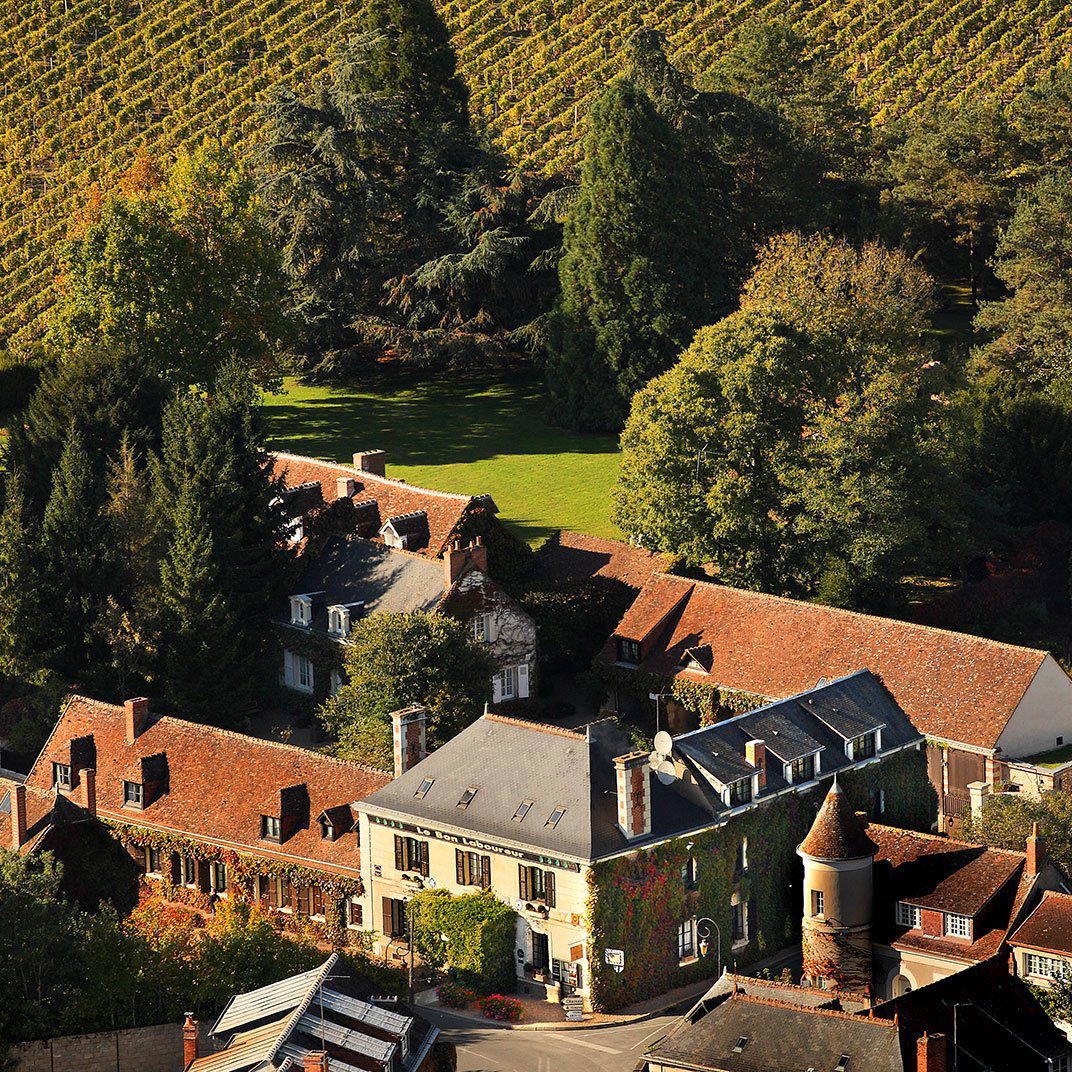
One detail in the restaurant's own description is worth taking seriously: that guests, after eating, are encouraged to walk the narrow streets toward the church and château of Ansouis. This is not incidental. The village is classified among the Plus Beaux Villages de France, a designation that carries curatorial weight, and the château above the village has its own long history. A meal at the restaurant is, practically speaking, also a reason to be in Ansouis at all, which is an argument that rural French restaurants have always made more convincingly than their urban counterparts. The destination is the meal, and the meal is part of the destination.
The Luberon also sits within reasonable range of Marseille, where AM par Alexandre Mazzia represents the opposite pole of southern French cooking: inventive, technically dense, three-starred.
Planning your visit
The restaurant is located at lieu dit les Landes, on the edge of Ansouis, a village that requires its own routing, this is not a restaurant you find by accident, and the address reflects that the building sits at the periphery of the village rather than on its central square. The price range at €€€ places it in the tier where a full table-service lunch or dinner, with wine, will run to a meaningful but not prohibitive sum by comparison with France's most-decorated rooms. The restaurant is open daily for dinner, with Sunday lunch also available, and reservations are essential. The terrace is available seasonally.
Comparison Snapshot
Comparable venues nearby, for context on price, style, and recognition.
| Venue | Cuisine | Price | Awards | Notes |
|---|---|---|---|---|
| La CloserieThis venue — the venue you are viewing | Provençal French Fine Dining | $$$ | Michelin 1 Star | Not listed |
| Garrigue | Modern French Fine Dining | $$$ | Michelin Plate | Ansouis |
| L'Évidence | Modern French Fine Dining | $$$$ | Michelin 1 Star | Montbazon |
| Auguste | Modern French Fine Dining | $$$ | Michelin 1 Star | Invalides |
| Le Moulin de la Gorce | Classic French Fine Dining | $$$$ | Michelin 1 Star | La Roche-l'Abeille |
| Auberge de la Brie | Refined Classic French | $$$ | Michelin 1 Star | Couilly-Pont-aux-Dames |
Recognition history
Dated appearances from independent guides and award organizations, with the underlying list record or original source where available.
Michelin 1 Star
Michelin
Continue exploring
More in Ansouis
Restaurants in Ansouis
Browse all →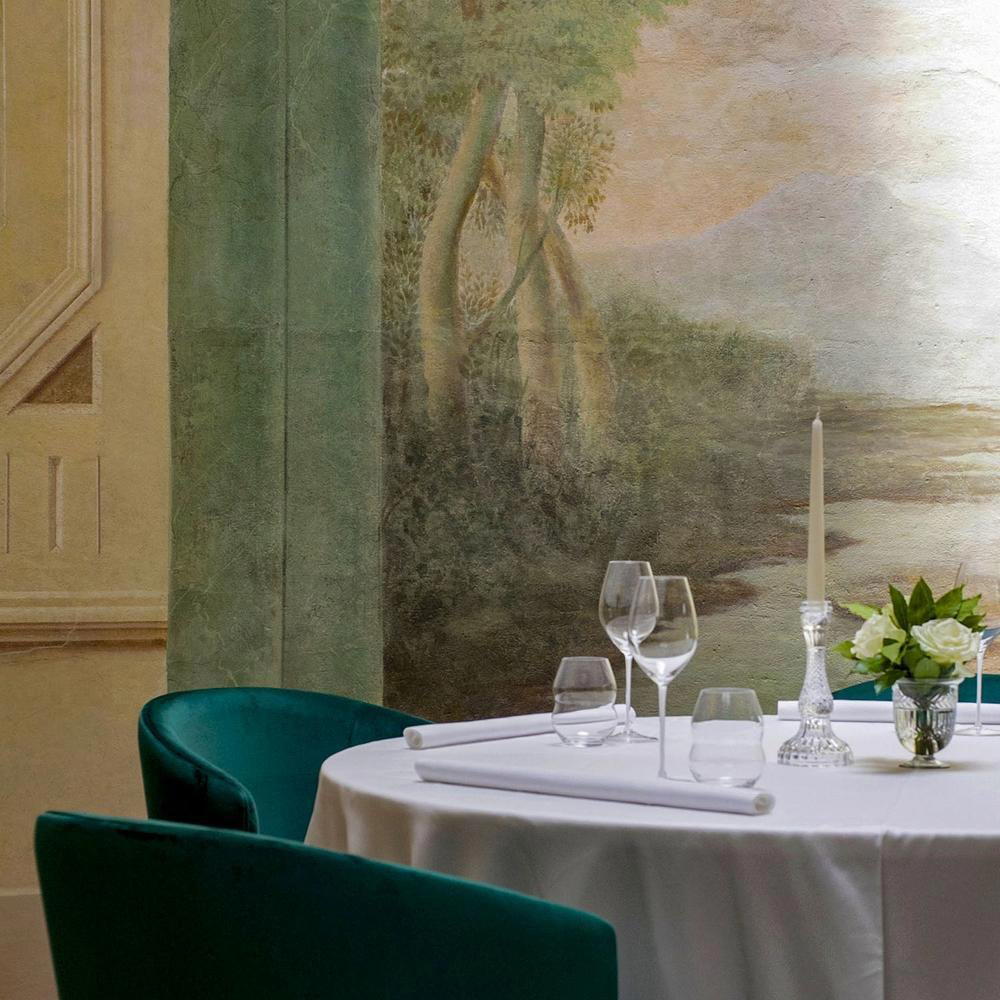
Bars in Ansouis
Browse all →
Hotels in Ansouis
Browse all →

At a Glance
- Elegant
- Cozy
- Intimate
- Rustic
- Sophisticated
- Date Night
- Special Occasion
- Celebration
- Terrace
- Extensive Wine List
- Local Sourcing
Current opening hours
- Monday
- 7–9:30 PM
- Tuesday
- 7–9:30 PM
- Wednesday
- 7–9:30 PM
- Thursday
- 7–9:30 PM
- Friday
- 7–9:30 PM
- Saturday
- 7–9:30 PM
- Sunday
- 12–1:30 PM, 7–9:30 PM
Hours can change for holidays and private events. Last verified .
Cozy and elegant dining room with warm welcoming atmosphere, or small panoramic terrace overlooking the valley.