Bar du Château sits within Château d'Artigny in Montbazon, placing it in the Loire château-hotel drinking tradition rather than the urban cocktail circuit. With no published awards, price range, phone, website, or drinks list in the available record, it is better judged as a setting-led château bar: useful for a composed aperitif before or after time in the Touraine countryside.
Pearl is the En Primeur Club membership app — saves, bookings, and concierge access live there. Same editors, same standards.
- Address
- Château d'Artigny, 92 Rue de Monts, 37250 Montbazon, France
- Phone
- +33 2 47 34 30 30
- Website
- chateauartigny.com
- Directions
- Get directions
 Saves & bookings on Pearl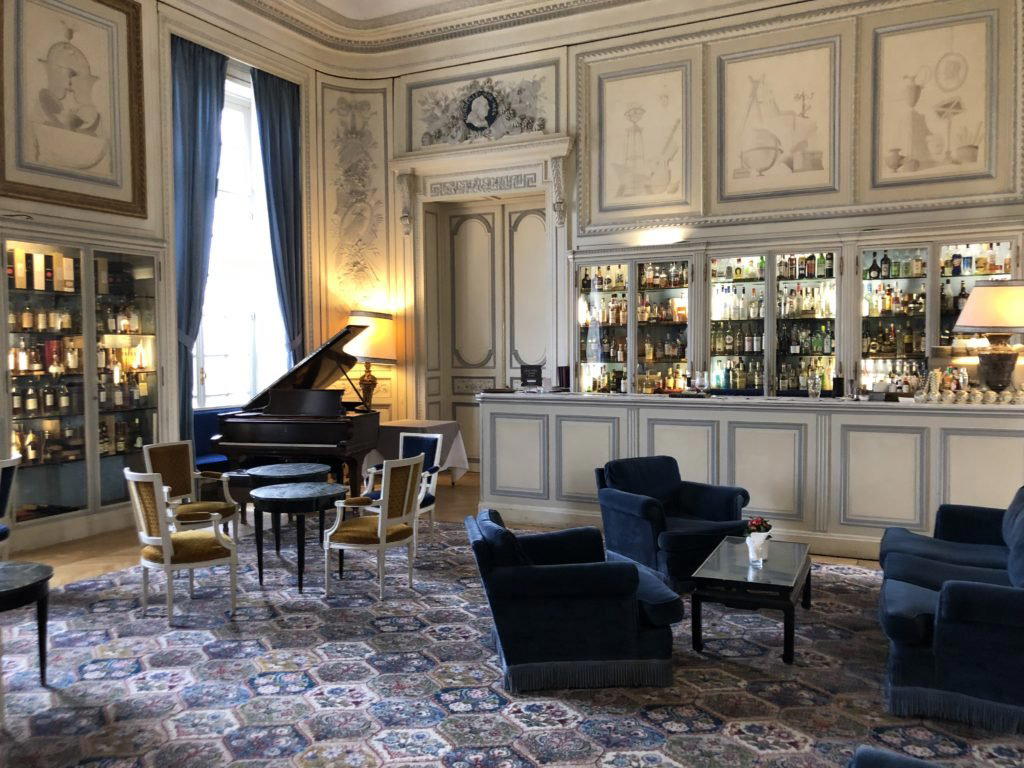
Château drinking in the Loire, not city-bar theatre
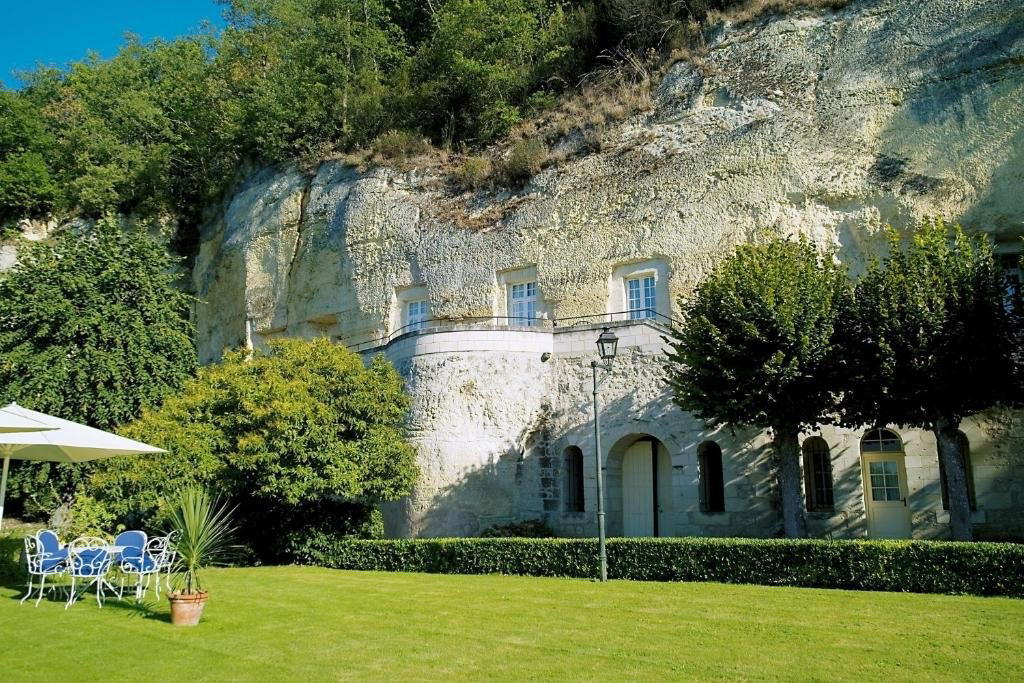
The approach to Bar du Château begins with the address: Château d'Artigny, 92 Rue de Monts, 37250 Montbazon. That matters because a château bar in the Loire works by a different code from a Paris hotel counter or a late-night urban cocktail room. The first cue is architectural rather than musical: stone, formal grounds, the slowed rhythm of a property built around arrival, pause, and procession. In Montbazon, the bar belongs to the château-hotel tradition, where a drink is often an interlude between road travel, dinner, and the surrounding Touraine landscape.
That context shapes expectations. France’s serious bar culture has become increasingly technical in larger cities, with clarified serves, fermentation, low-waste prep, and bottle programmes competing for attention. A château bar outside a major metropolitan circuit has a different function. It is a room where the setting carries much of the charge, and where the value of the drink is tied to pacing, formality, and the sense of being inside a Loire address rather than passing through a street-facing bar.
For a broader read on where Montbazon fits into the local dining map, see Our full Montbazon restaurants guide. The town sits close enough to the well-travelled Loire château route to attract visitors whose drinking decisions are often bound up with hotels, dinner reservations, and day itineraries rather than a dedicated bar crawl. That makes Bar du Château a useful case study in a quieter category of French drinking: the bar as part of a house style.
The cocktail programme, judged through absence as much as evidence
The assigned lens here is the cocktail programme, but the available record does not list signature drinks, bartender names, hours, price range, awards, phone number, website, or booking method. That absence should not be treated as a blank cheque for invention. Any claim about a house martini, a Loire-inspired highball, a Cognac list, or a seasonal infusion would be guesswork.
In editorial terms, that places the bar in contrast with venues whose public identity is built around technique and named leadership. Paris hotel drinking, for instance, often operates with a visible creative apparatus; La Bar du Plaza Athénée in Paris belongs to a capital-city hotel bar culture where fashion, luxury hospitality, and international cocktail expectations overlap. Montbazon is a different proposition. The evidence points less toward competitive mixology and more toward a château setting where the drink supports the wider evening.
That does not make the bar less useful; it changes the way to assess it. In a small Loire town, a bar attached to Château d'Artigny can serve an audience that has come for a stay, a meal, a meeting, or a pause in the château corridor. The cocktail programme, if undocumented, should be approached with restraint: ask what is available on the day, expect the house to frame the choice, and avoid arriving with the demands one might place on a specialist counter in Paris, Montpellier, or Miami.
Why Montbazon changes the drinking brief
Montbazon is not a city built around bar-hopping density. Its appeal is tied to the Loire Valley’s architectural and rural grammar: river towns, châteaux, gardens, wine routes, and hotel dining rooms. In that environment, the evening drink often has a social and logistical role. It gives structure to the hour before dinner, creates a softer landing after travel, or extends the night without shifting to a separate venue across town.
This is where Bar du Château becomes interesting. The bar’s identity is inseparable from its address inside Château d'Artigny, and that makes it part of a wider French hospitality pattern: grand-house drinking as a controlled environment. The room is less likely to be judged by the turnover tempo of a city cocktail bar and more by how well it handles quiet service, pacing, and the expectation of a composed drink in a formal property.
Compare that with the specialist bars in other French cities. Papa Doble in Montpellier sits in a different urban rhythm, where a bar can be the main event of the evening. La Vertu in Reims inevitably speaks to a city framed by Champagne. Bar Casa Bordeaux in Bordeaux enters a wine-city conversation with its own drinking references. Montbazon’s château bar is quieter, less publicly codified, and more dependent on setting than manifesto.
How to read the room before ordering
With no published drinks list in the available record, the sensible move is to read the room before ordering. In a château context, the strongest choices often come from matching the setting rather than testing the bartender with a trend-driven request. A classic aperitif, a dry pre-dinner drink, a glass suited to the house list, or a digestif-style order after dinner may make more sense than chasing novelty. That is an editorial recommendation based on category logic, not a claim about specific inventory.
The French bar scene now spans several distinct models. There are design-heavy hotel bars, ingredient-led cocktail rooms, wine-first neighbourhood counters, and casual craft addresses. Broc'Bar in Lyon, Le Cercle Rouge in Angers, and Le Cercle des Arômes in Colmar each suggest how local context can shape a drinking address: Lyon through food culture, Angers through western Loire proximity, Colmar through Alsace’s wine identity. Bar du Château belongs to the château-hotel side of that map, where form, timing, and address carry unusual weight.
That distinction helps avoid disappointment. A guest seeking a bar with public awards, a named head bartender, a known signature serve, or a confirmed booking channel will not find those details in the current record. A guest seeking a drink in the physical and social frame of Château d'Artigny has a clearer reason to go. The decision is less about cocktail archaeology and more about whether the setting is the point.
Planning the visit
The hard data is limited but useful. The bar is recorded at Château d'Artigny, 92 Rue de Monts, 37250 Montbazon, France. That means any visit should be planned with flexibility, especially if the drink is tied to dinner, a hotel stay, or a special occasion.
This is especially relevant in smaller towns, where hotel bars may vary access around private events, seasonal occupancy, dining service, or property operations. The safer editorial read is to fold the bar into a château visit rather than build a whole evening around uncertain public bar logistics.
Price is also not documented. In practice, château-hotel bars in France often sit above casual neighbourhood pricing because the room, staffing, glassware, and hospitality setting are part of the cost structure, but no specific figure should be inferred here. Awards are likewise not listed, so the trust signal is not external recognition; it is the verified location inside Château d'Artigny in Montbazon, a concrete address that defines the experience more than any publicly available drinks credential.
Where it sits among destination bars
Destination drinking is no longer a single category. A guest can travel for a competition-level cocktail list, a natural-wine counter, a hotel lobby with architectural force, a Cuban-American music bar, or a regional room that makes sense only in its place. Le Goupil in Ribeauvillé, Chez Rosa in Toulouse, Crapule in Vannes, and Café La Trova in Miami all sit in different drinking cultures, from Alsace and southwest France to Brittany and Little Havana. Bar du Château should be assessed on a narrower but legitimate axis: château atmosphere, Loire travel logic, and the usefulness of a composed drink within a formal property.
That makes the bar better suited to travellers already oriented toward Montbazon, Château d'Artigny, or the Loire route than to cocktail completists collecting award-listed rooms. The lack of published awards and signature-drink data narrows the claim. The address broadens the appeal for a different audience: guests who understand that, in the Loire, setting is not decoration but part of the hospitality language.
Continue exploring
More in Montbazon
Bars in Montbazon
Browse all →
Restaurants in Montbazon
Browse all →
Hotels in Montbazon
Browse all →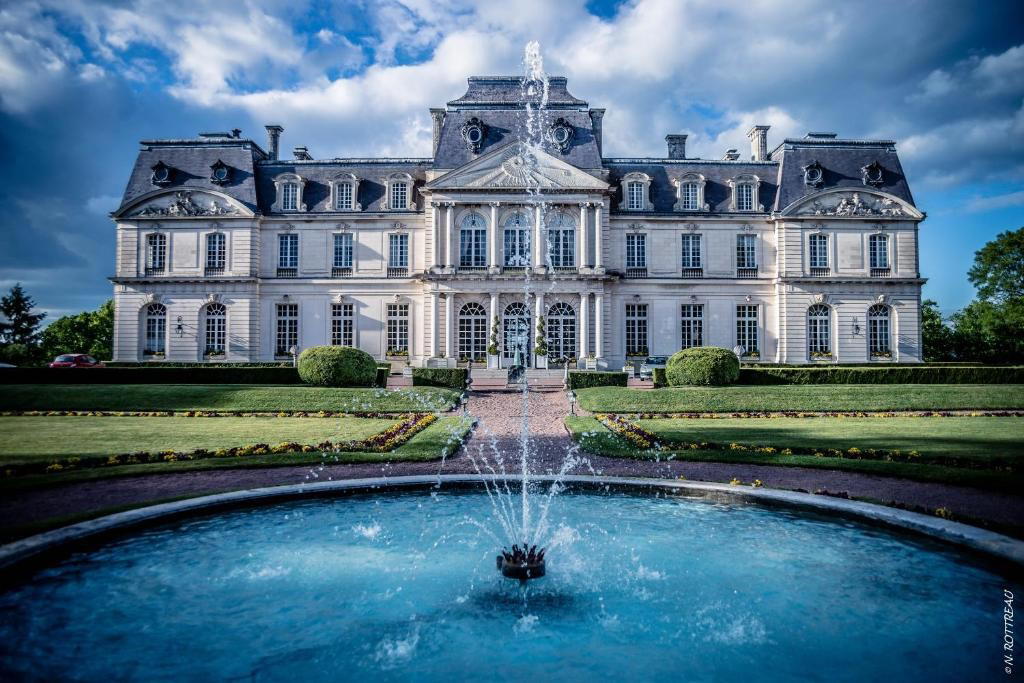

At a Glance
- Elegant
- Classic
- Sophisticated
- Quiet
- Date Night
- Special Occasion
- After Work
- Hotel Bar
- Historic Building
- Seated Bar
- Lounge Seating
- Classic Cocktails
- Conventional Wine
- Zero Proof
- Garden
Elegant, refined, and historic, with a château setting, marble, wood paneling, trompe-l'œil frescoes, and a time-suspended feel.