
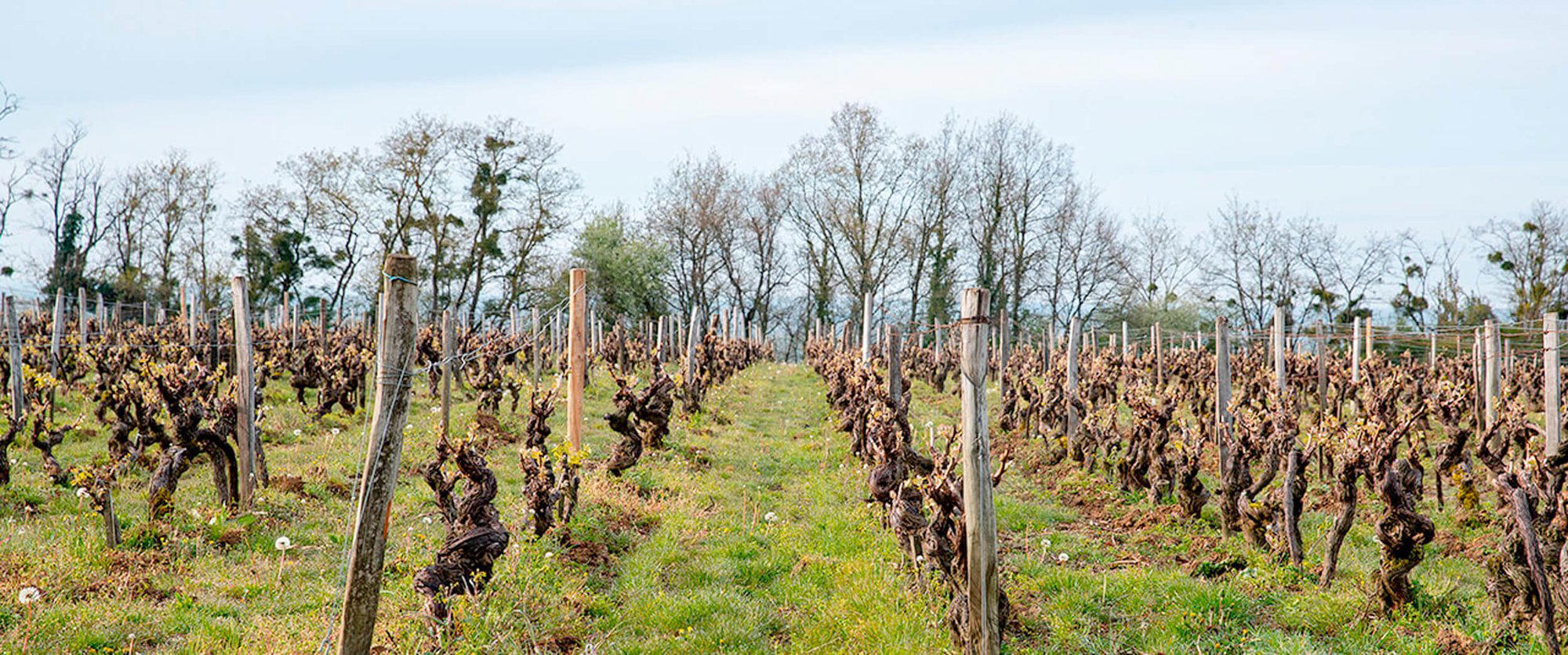
Domaine d’Orfeuilles is a low-key Vouvray estate in Reugny, rooted in Chenin Blanc from flinty clay and clay-limestone slopes. Founded in 1947 and run by the Hérivault family, it suits travelers who care more about terroir, organic and biodynamic farming, and mineral Loire whites than polished hospitality theater.
Pearl is the En Primeur Club membership app — saves, bookings, and concierge access live there. Same editors, same standards.
- Address
- Reugny, Center, Frankreich
- Directions
- Get directions
 Saves & bookings on Pearl
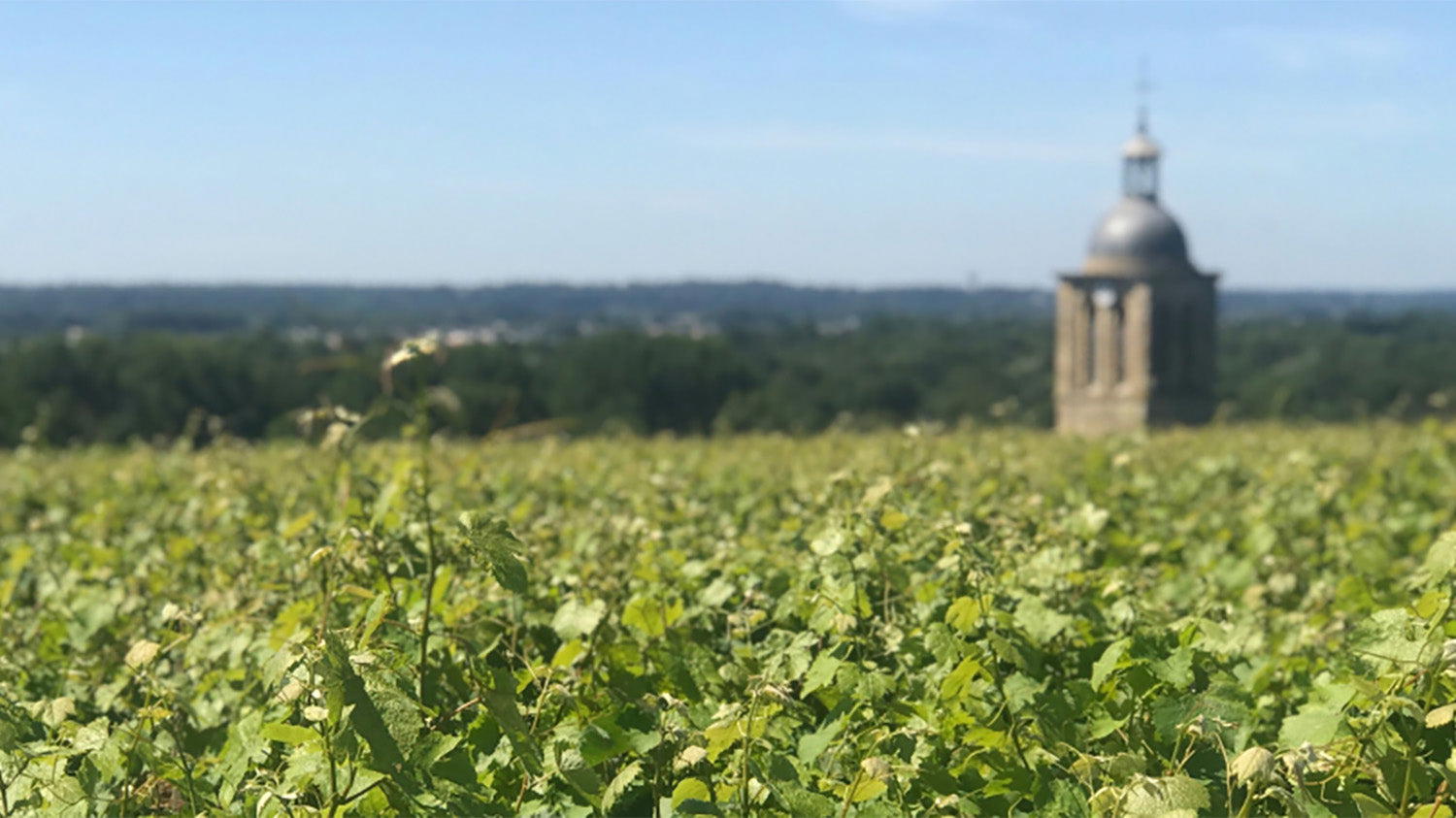
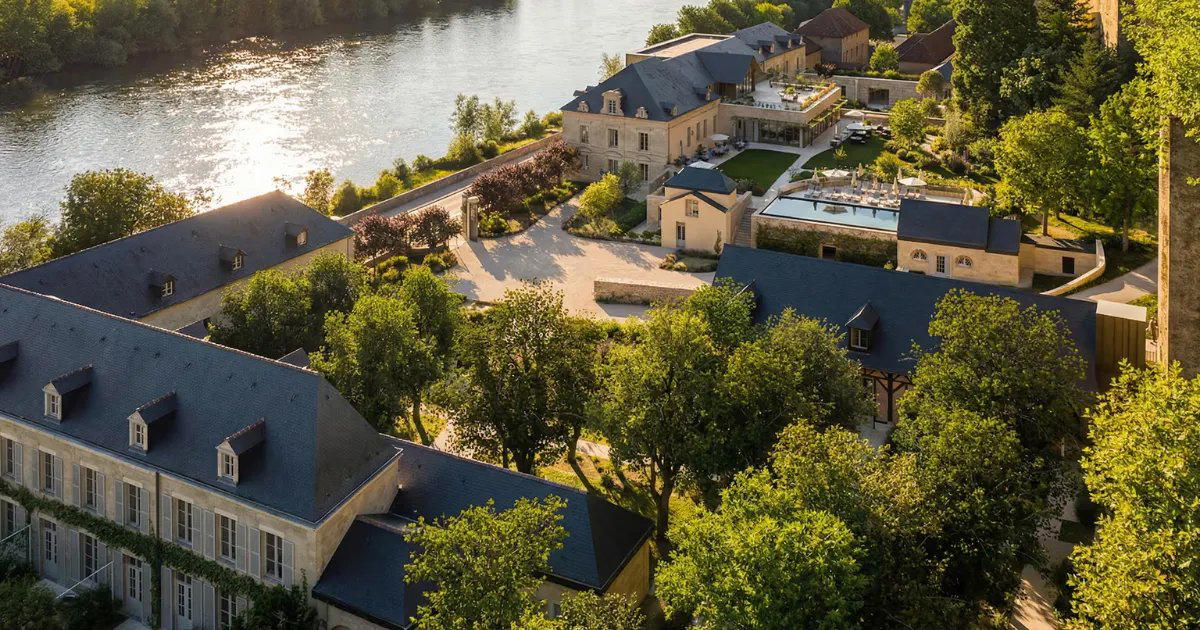
Domaine d’Orfeuilles in Reugny is best understood as a traditional Loire family estate rather than a polished destination built around design or spectacle. The appeal is direct: historic château land, a rural winery atmosphere, and a focus on mineral, ageworthy Chenin. Nothing about the place needs to be inflated with extras. Its strongest identity comes from the setting and from the kind of wine language associated with Chenin grown in a Loire context: freshness, structure, mineral tension and the patience to reward time.
That makes Domaine d’Orfeuilles a useful stop for travelers who prefer estates with a classic, agricultural character. The mood is described as rustic, classic, scenic, intimate and somewhat hidden-gem in feel. Those words matter because they set expectations accurately. This is not being presented here as a restaurant, hotel, bar, tasting-menu address or entertainment complex. It is a Reugny wine estate whose value lies in the land, the atmosphere and the Chenin-centered point of view.
Mineral Chenin and a classic Loire estate identity
The clearest through-line at Domaine d’Orfeuilles is Chenin. The estate is associated with mineral, ageworthy expressions of the grape, which gives the guide a more precise anchor than a broad claim about general Loire hospitality. Chenin is a grape that can communicate texture, acidity and time in bottle, and the estate’s positioning is strongest when described around those qualities rather than around unsupported details about formats, parcel names, production figures or cellar practices.
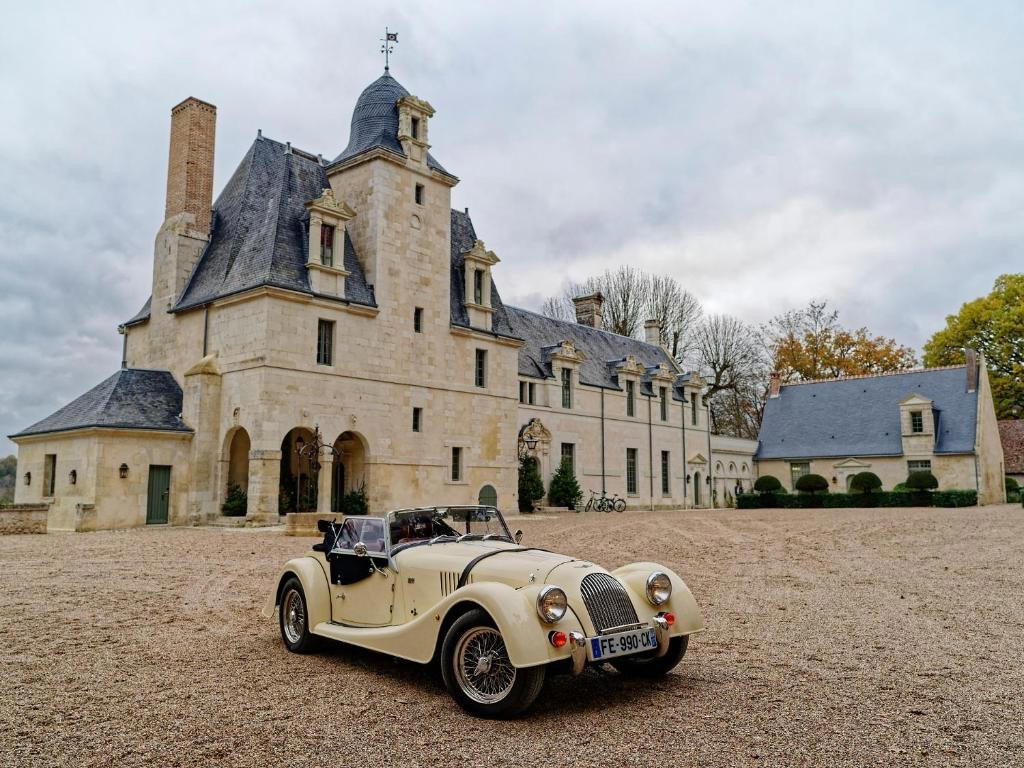
The historic château-land setting is also part of the identity. It gives the domaine a sense of continuity without requiring invented dates, founders, awards or rankings. For EP Club readers, that distinction is important: the estate can be compelling because it feels rooted, scenic and traditional, not because it needs a list of unconfirmed accolades. The tone is rural and direct, with the landscape and the wine doing the work.
Price is listed as $$, which places the winery in an approachable middle range for planning purposes. That should be read only as a broad signal, not as a promise of a specific tasting fee, bottle price, package or menu.
The visit is for terroir readers, not spectacle seekers
The reason to prioritize the winery is the fit between place and wine. A rural Loire estate with a focus on mineral, ageworthy Chenin naturally appeals to travelers who like to understand wine through setting: climate, soil, cellar tradition and family continuity in a broad sense, rather than luxury staging. The atmosphere is described as rustic and classic, so the expectation should be calm, grounded and more intimate than theatrical.
That does not mean the estate should be treated as casual or secondary. A direct winery can be more rewarding than a heavily produced experience when the visitor is interested in how a grape expresses place. The winery is especially relevant for people who want a Reugny stop centered on Chenin rather than a general countryside outing. The story is narrow, but it is coherent: Loire estate, historic land, mineral Chenin, rural character and a scenic hidden-gem feel.
Those omissions are intentional. They keep the recommendation honest and prevent a classic wine estate from being oversold as something more elaborate than the information supports.
How to place it inside a Reugny wine itinerary
Within Reugny, the winery works well as a focused wine stop for travelers who want a Loire estate with a traditional feel. It can sit alongside other unnamed local dining or travel plans, but the main reason to build time around it is the Chenin identity rather than a broader hospitality program. If your itinerary is organized around quiet countryside settings, mineral white wines and family-estate atmosphere, this is the kind of address that fits naturally.
Because the profile is concise, planning should stay flexible. Confirm any practical details directly before visiting, especially timing, access and whether any tasting or visit arrangements are available on the day you have in mind. The guide can verify the general character and price signal, but it should not substitute for current operational information from the estate itself.
As an editorial recommendation, the winery is strongest for travelers who appreciate restraint. Its appeal is not built on nightlife energy, design drama, celebrity credentials or a long list of services. It is built on Reugny, a traditional Loire estate atmosphere, historic château land, and a focus on mineral, ageworthy Chenin. For the right visitor, that is enough: a grounded rural setting where the wine identity remains the main event.
Recognition history
Dated appearances from independent guides and award organizations, with the underlying list record or original source where available.
Falstaff Winery - Listed
Falstaff
At a Glance
- Rustic
- Classic
- Scenic
- Intimate
- Wine Education
- Solo Exploration
- Group Outing
- Special Occasion
- Estate Grounds
- Vineyard Tour
- Historic Building
- Private Tasting
- Organic
- Biodynamic
- Vineyard
- Vouvray AOC
- Chenin Blanc
- Cabernet Franc
- Malbec
- Gamay
- Still White
- Sparkling
- Dessert
- Classic Flight
- Private Tasting
Traditional Loire family estate on historic château land, with a focus on mineral, ageworthy Chenin and a direct, rural winery atmosphere rather than design theatrics.