Die Weinstadt

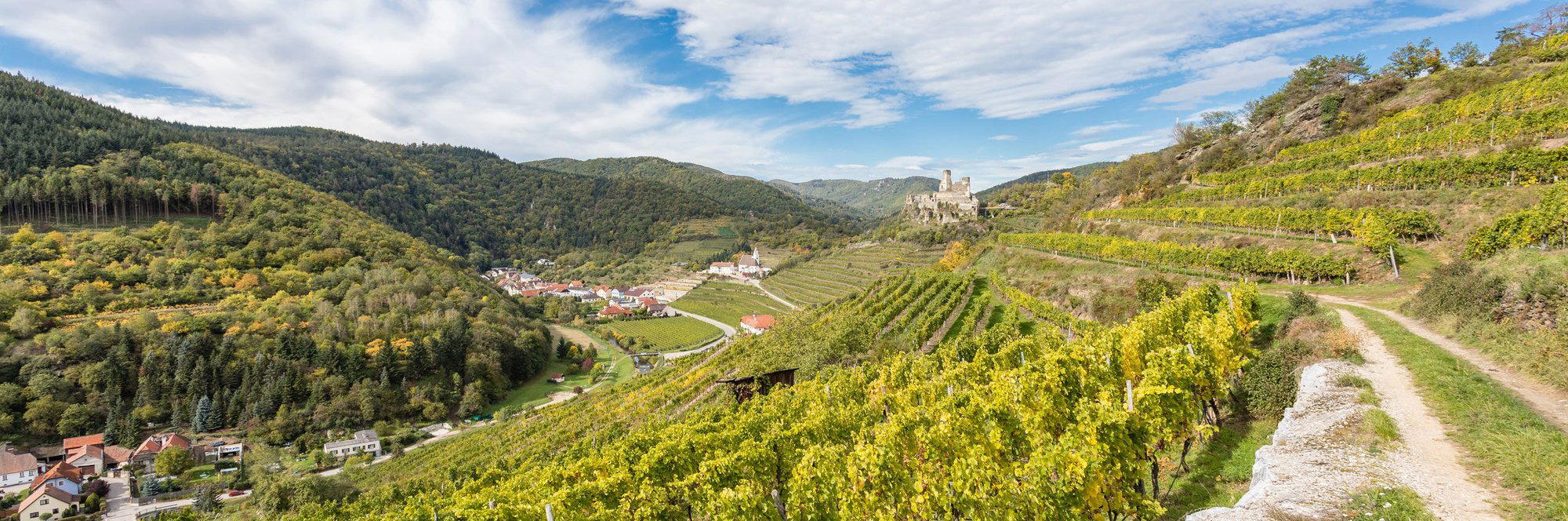
Die Weinstadt reframes Kamptal white wine through a small, imaginative portfolio built as a miniature wine town: 14 themed “gassen” that turn Grüner Veltliner, Riesling, Traminer, Gemischter Satz and sparkling wine into a map of place and mood. The setting is rural Mittelberg near Langenlois, where high-elevation vineyards, ancient crystalline rock and loam soils give the concept more substance than theatre.
Pearl is the En Primeur Club membership app — saves, bookings, and concierge access live there. Same editors, same standards.
- Address
- Langenlois, Kamptal, Lower Austria, Österreich
- Directions
- Get directions
 Saves & bookings on Pearl
Die Weinstadt in Langenlois is best understood through its central idea: wine presented as an imagined small wine town. Instead of relying on a conventional list of technical claims, the concept gives different wines their own streets, houses and moods, turning the range into a walk through a stylized village. That framing is one useful way to approach the venue, because the available information points less toward measurable production detail and more toward a designed act of interpretation.
The appeal is the presentation itself. A Grüner Veltliner may be framed through the mood of a rustic farmhouse, while Riesling can be placed in a more elegant town-hall setting. These are not just decorative comparisons; they are a way of translating wine character into images that are easy to hold in the mind. The result is a conceptual and imaginative way to think about wine character without overstating details that are not confirmed here.
A wine range mapped as a small town
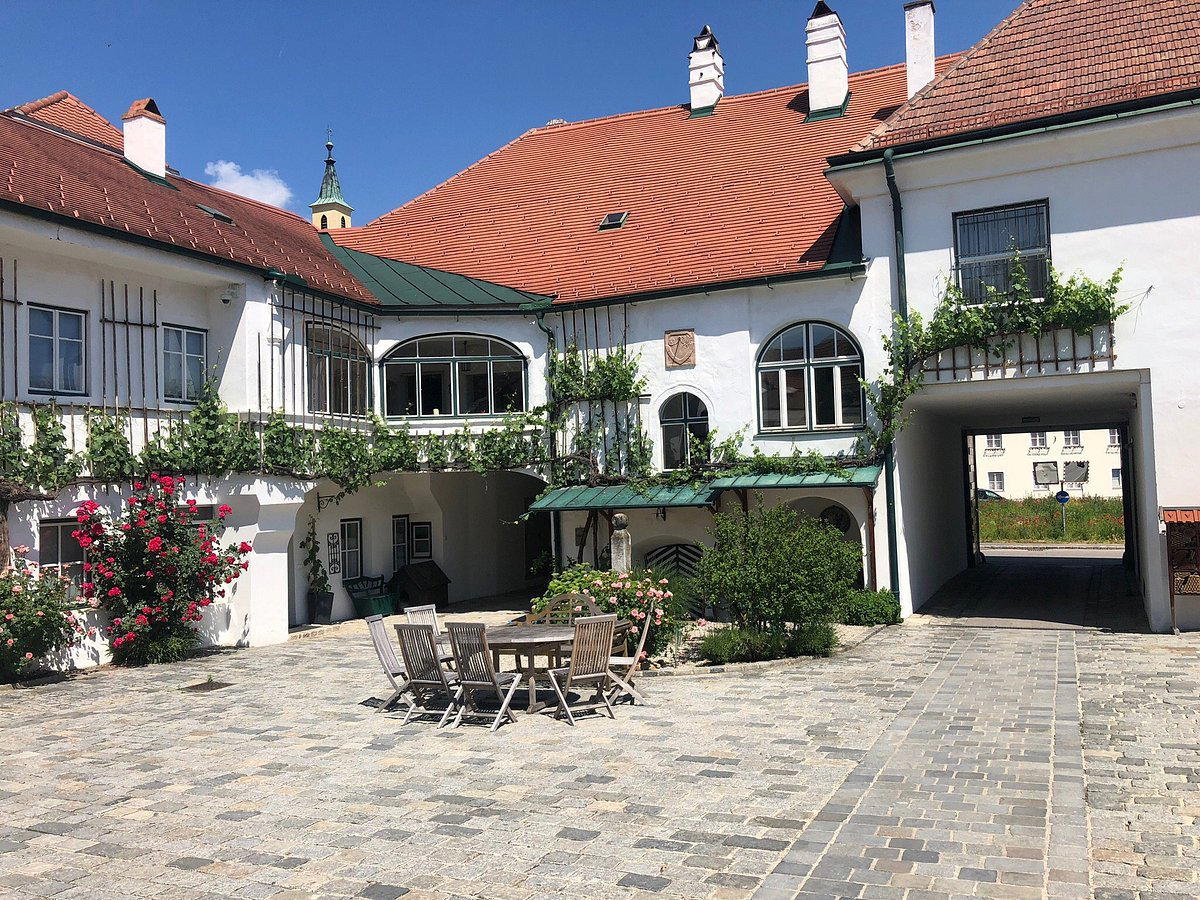
Die Weinstadt’s defining feature is its miniature-town metaphor. Wines are not simply listed; they are given an architectural and emotional setting, with streets and houses used to suggest atmosphere, texture and occasion. The idea turns selection into something closer to orientation: instead of moving down a plain catalogue, the guest is invited to move through a notional place, noticing how each wine is positioned within that small-town map.
That makes the venue useful for visitors who respond to storytelling as much as formal wine language. The idea is playful, but it is also structured: the town image gives guests a way to remember the difference between wines through place, mood and association. For someone who does not want to begin with specialist vocabulary, a farmhouse or town-hall mood can be more immediate than a technical description. For someone already comfortable with wine, the same device adds another interpretive layer without needing to replace their own tasting impressions.
The concept also gives the range a clear internal logic. Streets, houses and civic moods imply relationships: some wines feel more grounded, others more polished, and others can be understood by the atmosphere assigned to them. The confirmed examples of Grüner Veltliner and Riesling show how the metaphor works at a broad level, pairing familiar wine types with contrasting imagined settings while leaving room for the visitor’s own response.
No confirmed award, score, ranking, founder history, vineyard specification or production detail is available in the information so the emphasis should remain on the concept and the Langenlois setting. That restraint matters here. The strongest description is not a claim about prestige or technical pedigree, but a clear account of how the wines are presented and remembered.
Langenlois as the setting
Die Weinstadt is in Langenlois. That location is part of the basic frame for understanding the venue, but the available details do not support a more granular account of vineyards, cellar practices, surrounding landmarks or regional claims beyond the fact of being in Langenlois.
For planning purposes, the safest description is therefore simple: this is a Langenlois wine venue with a distinctive conceptual presentation. Any more specific geographic or production claims should be checked directly with the venue before relying on them.
The listed price level is $$, which gives a broad expectation of cost without confirming individual bottle prices, tasting fees or package formats. It should be read as a general signal only, not as a substitute for checking current offers or exact costs. Within the information available, the price level supports a basic planning impression while the venue’s identity remains anchored in its wine-town concept.
How to read the experience
Approach the winery as a concept-led wine stop rather than a page built around service details. The confirmed hook is the imaginative town structure: wines are treated as if they live in different streets and houses, each with its own mood. Read that as the central promise of the experience. It is less about a checklist of amenities and more about how presentation can shape attention, memory and conversation around wine.
For travellers comparing options in Langenlois, the winery is distinctive for that narrative device. Those details may matter in practice, but they are not confirmed here, so they should not be assumed from the concept alone.
In short, the reliable facts are concise: the winery is in Langenlois, its price level is listed as $$, and its presentation imagines wine as a small town of streets and houses, from a rustic farmhouse mood for Grüner Veltliner to a more elegant town-hall mood for Riesling. The ideal way to value it, based on the available information, is as a venue where the language of place and architecture helps make wine feel more vivid, memorable and approachable.
Recognition history
Dated appearances from independent guides and award organizations, with the underlying list record or original source where available.
Falstaff Winery - Listed
Falstaff
Continue exploring
More in Langenlois
Wineries in Langenlois
Browse all →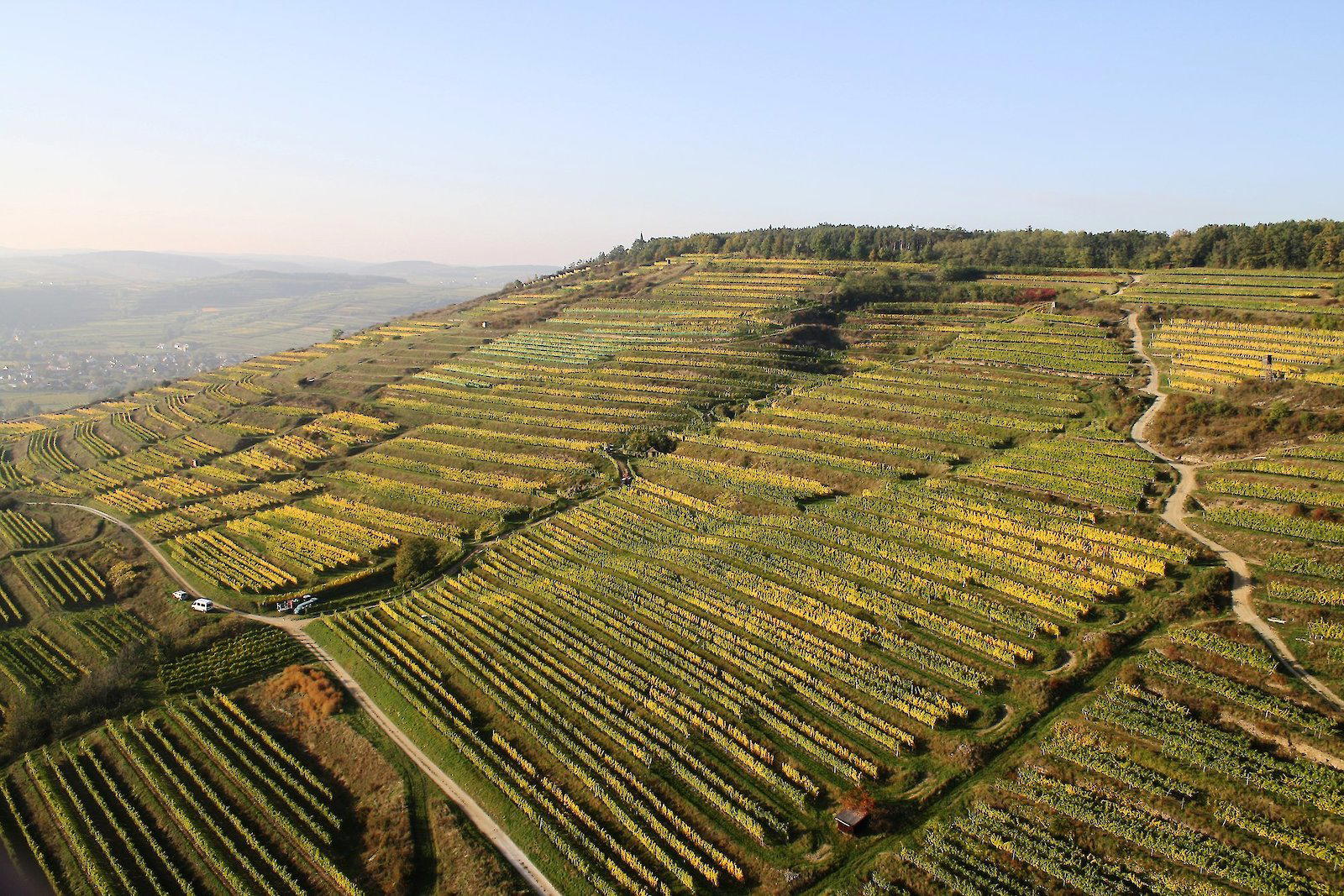
Bars in Langenlois
Browse all →
Restaurants in Langenlois
Browse all →
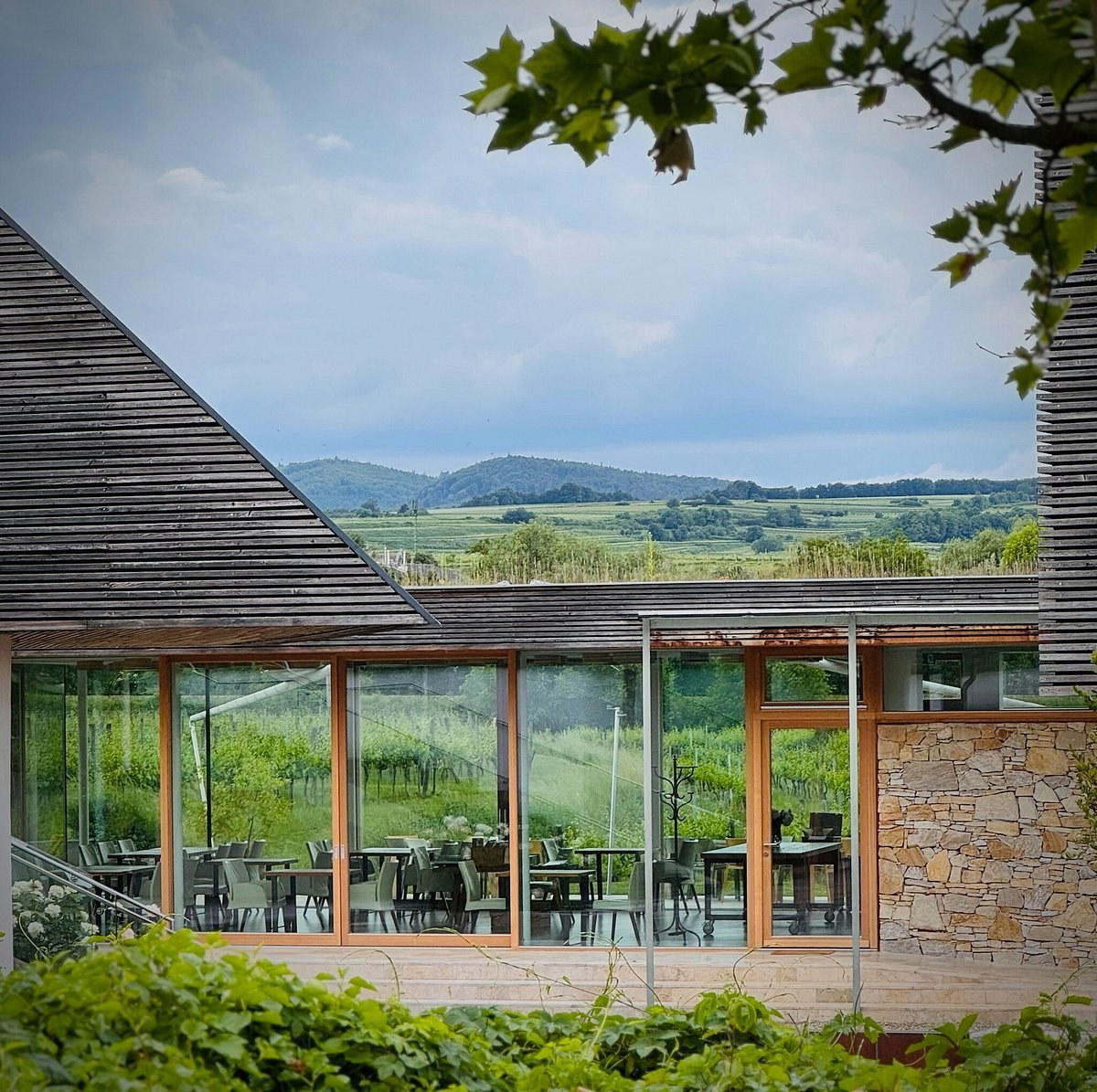
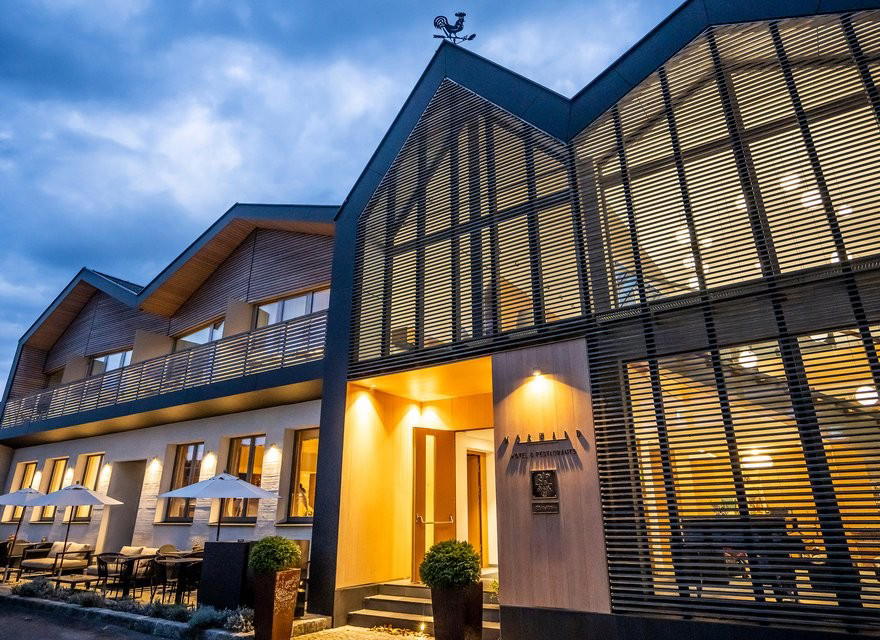
At a Glance
- Rustic
- Cozy
- Scenic
- Solo Exploration
- Wine Education
- Estate Grounds
- Design Destination
- Vineyard
- Mountain
- Kamptal DAC
- Grüner Veltliner
- Traminer
- Riesling
- Gemischter Satz
- Schaumwein
- Still White
- Sparkling
- Standard Tasting
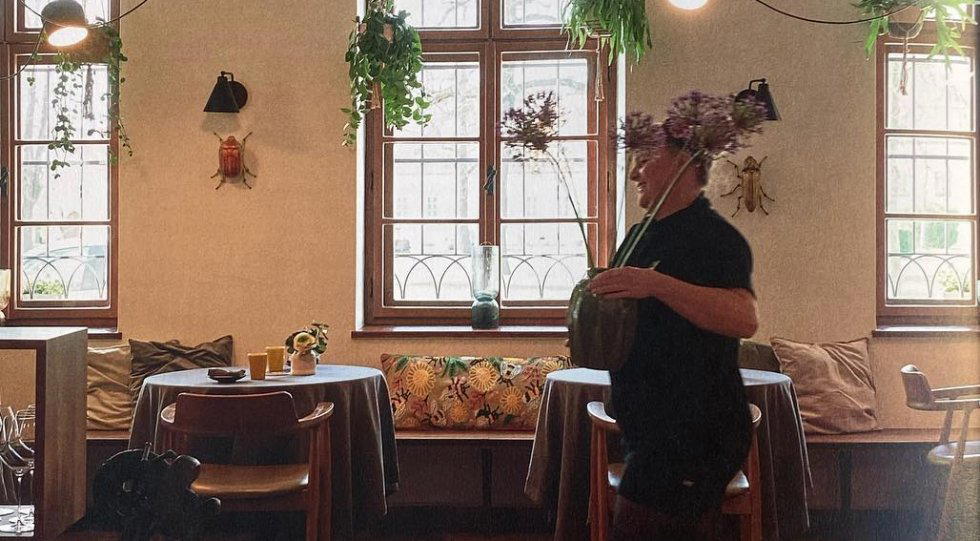
Conceptual and imaginative: wines are presented as if they inhabit different streets and houses of an idealized small wine town, each with its own mood, from a rustic farmhouse for Grüner Veltliner to a more elegant town hall for Riesling, inviting guests to explore the range playfully and with a focus on sensory storytelling rather than a traditional cellar-door setting.