Diemersdal Wine Estate

Falstaff Winery - Listed
Diemersdal Wine Estate sits in the Durbanville Hills north of Cape Town, a region whose cool Atlantic-influenced climate produces some of the Western Cape's most precise Sauvignon Blancs. It is a reference point for understanding what Durbanville does differently from Stellenbosch or Constantia.

Pearl is the En Primeur Club membership app — saves, bookings, and concierge access live there. Same editors, same standards.
- Address
- Koeberg Road, Durbanville, Cape Town, 7550
- Phone
- +27 21 976 3361
- Website
- diemersdal.co.za
- Directions
- Get directions
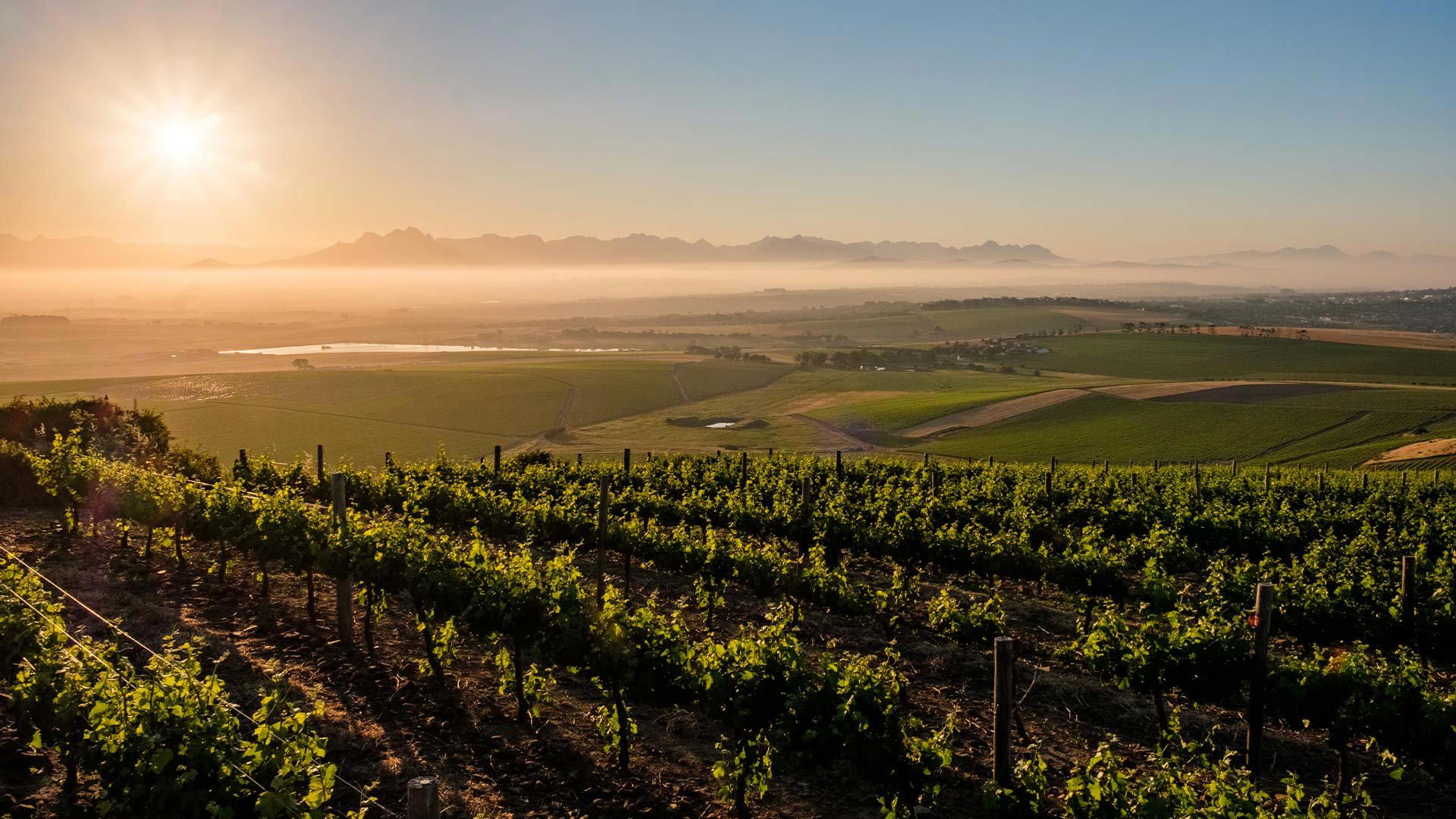
Durbanville's Quiet Argument Against Cape Town's Bigger Wine Regions
The Durbanville Hills sit roughly 25 kilometres north of the Cape Town city centre, refined enough to catch the afternoon southerly that rolls in from the Atlantic. That wind is the defining fact of this appellation. It extends the growing season, preserves acidity, and keeps alcohol levels in check in ways that the warmer, more sheltered valleys further inland cannot replicate as consistently. Durbanville has never attracted the international press that Stellenbosch commands or the colonial mystique that surrounds Groot Constantia and Buitenverwachting, but it has quietly built a case for itself on the strength of its Sauvignon Blanc and, increasingly, its red blends. Diemersdal Wine Estate, addressed on Koeberg Road in Durbanville, is one of the estates making that argument most clearly.
A Region Defined by Atlantic Air and Agricultural Scale
Durbanville is not a boutique appellation. Unlike the steep, small-parcel slopes that define the upper reaches of the Beau Constantia ridge or the heritage-protected vineyards of Constantia Glen, Durbanville operates at a scale that reflects its agricultural history. The farms here are large, the terrain is rolling rather than dramatic, and the aesthetic is working estate rather than manicured wine destination. That matters because it shapes the character of the wines. The region's producers have prioritised vineyard management and varietal expression over tourism infrastructure, which means the wines consistently reflect site and climate more than brand investment. Diemersdal sits squarely within that tradition.
It reflects assessed quality across the range, placing Diemersdal in a tier that requires sustained performance rather than a single standout vintage. For context, Cape wine producers at this level tend to compete not just locally but in the export markets where South African wine has been steadily building credibility since the mid-2000s. The rating for 2025 means the estate enters the year with a clear quality signal that visitors and buyers can calibrate against peers. Among Durbanville producers, that kind of consistent recognition matters more than marketing spend.
Durbanville Against the Wider Cape Wine Map
Understanding where Diemersdal sits requires placing Durbanville in the context of the Cape's broader wine geography. The Winelands are conventionally anchored on Stellenbosch, Franschhoek, and Paarl to the east of the city. Estates such as Neethlingshof Estate in Stellenbosch or Val de Vie Estate in Paarl operate in warmer conditions that favour richer, more structured reds. To the south, Creation Wines in Hermanus and the Walker Bay appellation lean into cool-climate Pinot Noir and Chardonnay. Durbanville occupies a distinct position: close enough to central Cape Town to be genuinely accessible, but cooled by maritime air that places it closer climatically to the coastal south than to the warm Boland valleys. The result is a regional identity built around freshness and precision, particularly in white varieties. When Babylonstoren in Franschhoek or Graham Beck Wines in Robertson attract visitors on the strength of their broader estate experience, Durbanville estates like Diemersdal tend to attract visitors primarily on the strength of the wine itself.
The Estate Setting: Functional Landscape, Real Agriculture
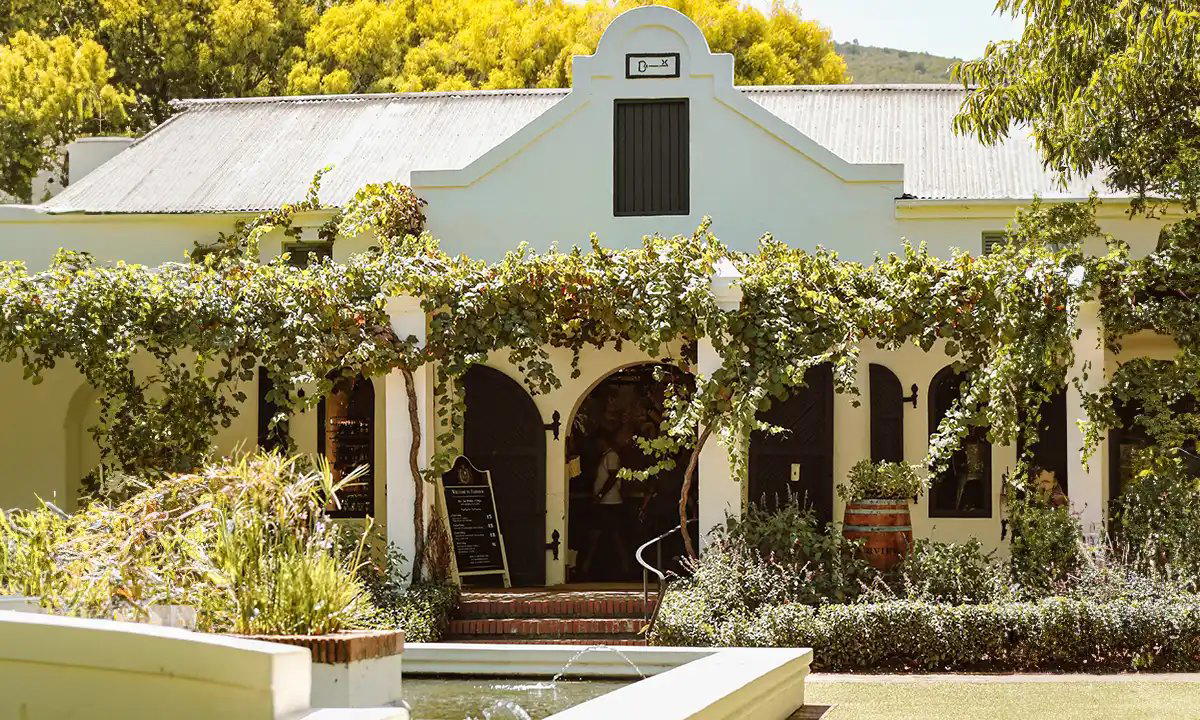
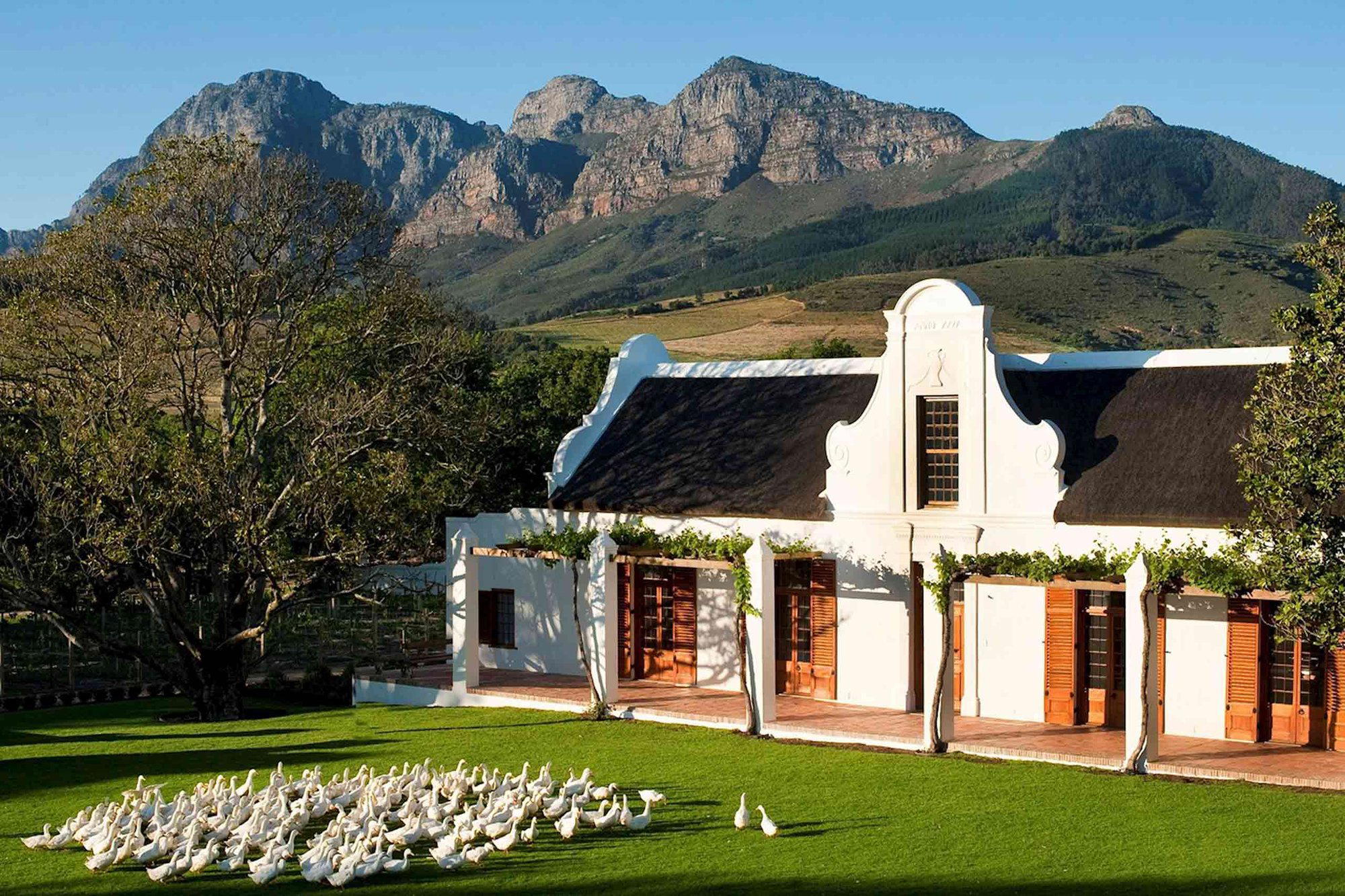
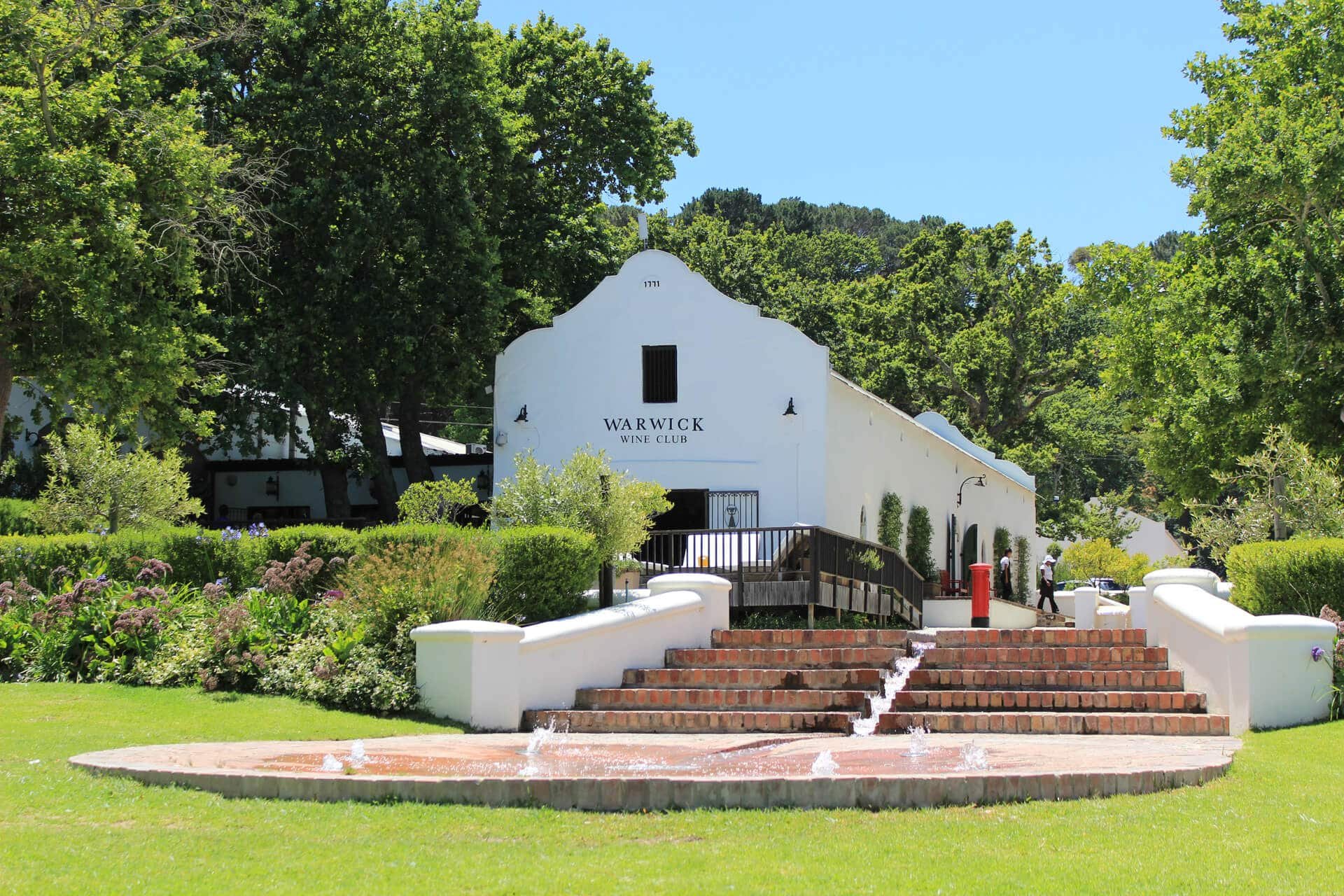
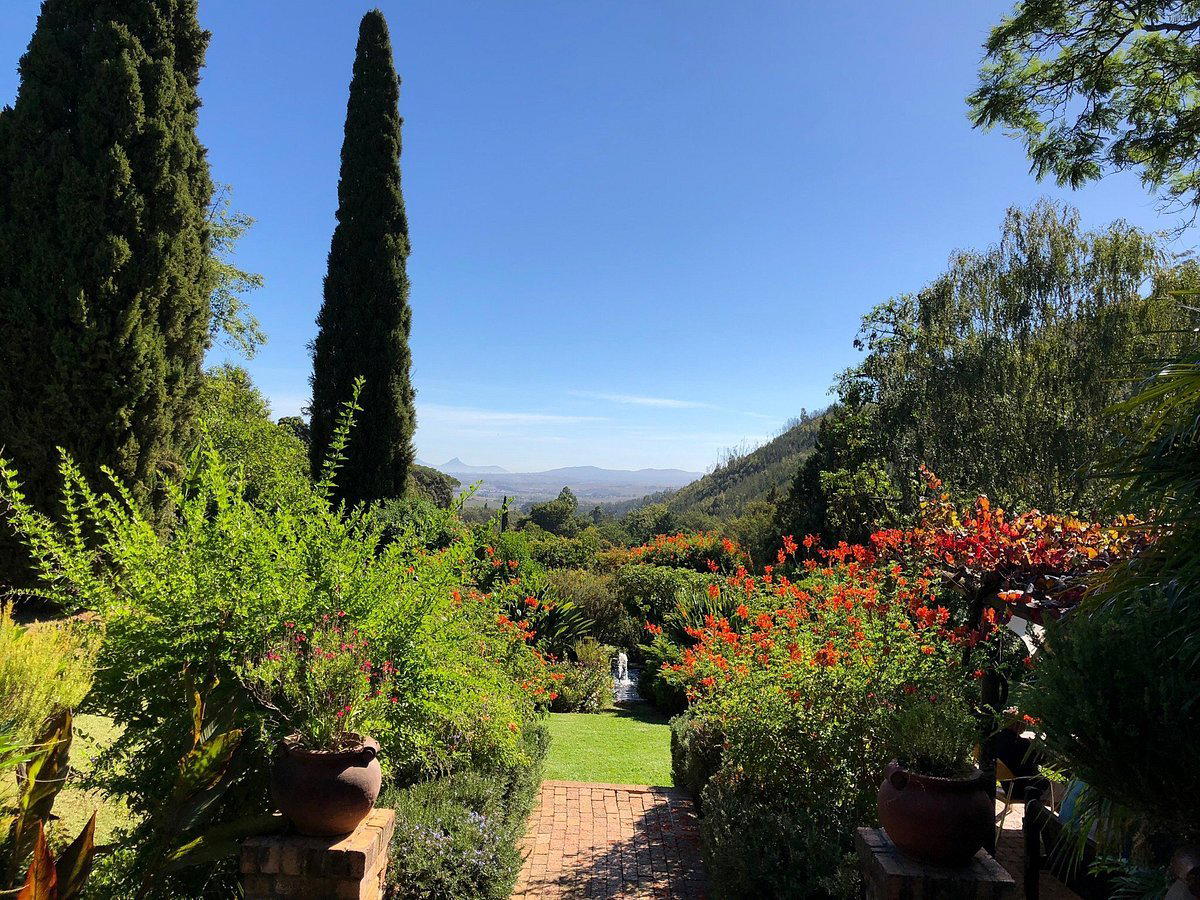
Approaching Diemersdal along Koeberg Road, the landscape is emphatically agricultural. There is no theatrical gate or manicured vineyard boulevard in the style of the more visitor-curated estates. The Durbanville Hills present as open farmland with vine rows running across gradual slopes, and the light in the late afternoon, particularly in the summer months between November and February, gives the landscape a flattering warmth that contrasts with the cool air coming off the Atlantic. The estate sits within one of the few genuine farming communities still operating within close range of a major South African city, which lends it a character that is noticeably different from wine estates further east that have been progressively repositioned as hospitality destinations. For visitors making the drive from Cape Town, the proximity is one of Durbanville's practical advantages over the Stellenbosch and Franschhoek corridors: the distance is short enough that a half-day visit is realistic without requiring overnight accommodation.
Where Diemersdal Sits in the Cape Town Wine Visitor Circuit
Cape Town wine tourism has developed two distinct patterns. One follows the scenic R44 and R45 through Stellenbosch and Franschhoek, with multiple stops across a full day. The other, less frequently mapped but increasingly travelled, keeps closer to the city and uses Durbanville and Constantia as accessible alternatives with meaningful quality to offer. The Constantia Valley estates, anchored by the historic farms along Ladies Mile Road and including Groot Constantia, represent the southern option. Durbanville, with Diemersdal as one of its anchor producers, is the northern equivalent. The two sub-regions attract slightly different visitor profiles: Constantia carries more history and landscape prestige, while Durbanville carries stronger currency with buyers who prioritise wine quality per rand over heritage storytelling. For visitors building an itinerary around the city, Diemersdal makes sense as a morning stop that avoids the highway traffic toward Stellenbosch, particularly during the peak summer season when the N2 corridor becomes congested by mid-morning.
Spirits and Diversification in the Cape Region
Durbanville's identity remains grape-focused, but the broader Cape wine and spirits scene has diversified. Producers such as Cape of Storms Distilling Co. and Oude Molen Distillery in Grabouw represent the brandy and spirits tradition that runs parallel to Cape wine culture, and visitors with a broader interest in the region's fermentation heritage increasingly combine winery visits with distillery stops. Diemersdal, as a wine estate with a Prestige-tier rating, sits at the more traditional end of that spectrum, but it benefits from being part of a regional scene that has been broadening its appeal to international visitors. The estate's location north of the city also places it in a part of the Cape that sees fewer tour buses than the main Winelands routes, which affects the visit experience meaningfully in summer. On the international comparison front, the precision-focused, Atlantic-cooled profile of Durbanville Sauvignon Blanc draws genuine comparisons to cool-climate Loire and New Zealand expressions, a positioning that has helped Cape wine build credibility in export markets where those reference points carry weight. For a property like Vergelegen Wine Estate in Somerset West or Accendo Cellars in St. Helena, the competitive conversation is different in character.
Planning a Visit
Diemersdal Wine Estate is located on Koeberg Road in Durbanville, a direct drive north from Cape Town's city centre and accessible without a dedicated tour vehicle, which distinguishes it from some of the more remote Winelands properties. Visitor infrastructure details, including tasting room hours and booking requirements, are best confirmed directly with the estate before travel, as hours vary by season. The peak visiting period runs from November through March, when the Durbanville Hills are at their most accessible and the harvest atmosphere is active on the surrounding farms. Visitors combining Durbanville with a broader Cape Town wine itinerary will find the region pairs naturally with a Constantia afternoon or a separate day on the Stellenbosch circuit rather than trying to compress all three into a single visit. For a complete picture of what Cape Town's wine and dining scene offers across all price points and styles, the EP Club Cape Town guide maps the full range.
Price and Positioning
Comparable venues nearby, for context on price, style, and recognition.
| Venue | Cuisine | Price | Awards |
|---|---|---|---|
| Diemersdal Wine EstateThis venue — the venue you are viewing | Durbanville, Sauvignon Blanc, Pinotage | $1–10 | Falstaff Winery - Listed |
| Nitida Wine Farm | Durbanville, Sauvignon Blanc, Semillon | Not listed | Not listed |
| Republic of Hout Bay Distillery | Hout Bay, Winery | Not listed | Not listed |
Recognition history
Dated appearances from independent guides and award organizations, with the underlying list record or original source where available.
Falstaff Winery - Listed
Falstaff
Continue exploring
More in Cape Town
Wineries in Cape Town
Browse all →
Bars in Cape Town
Browse all →
Restaurants in Cape Town
Browse all →
Details
- Scenic
- Rustic
- Classic
- Elegant
- Group Outing
- Wine Education
- Celebration
- Terrace
- Panoramic View
- Estate Grounds
- Sustainable
- Dry Farmed
- Mountain
- Vineyard
- Sauvignon Blanc
- Pinotage
- Chardonnay
- Syrah
- Cabernet Sauvignon
- Grüner Veltliner
- Still White
- Still Red
- Flagship Tasting
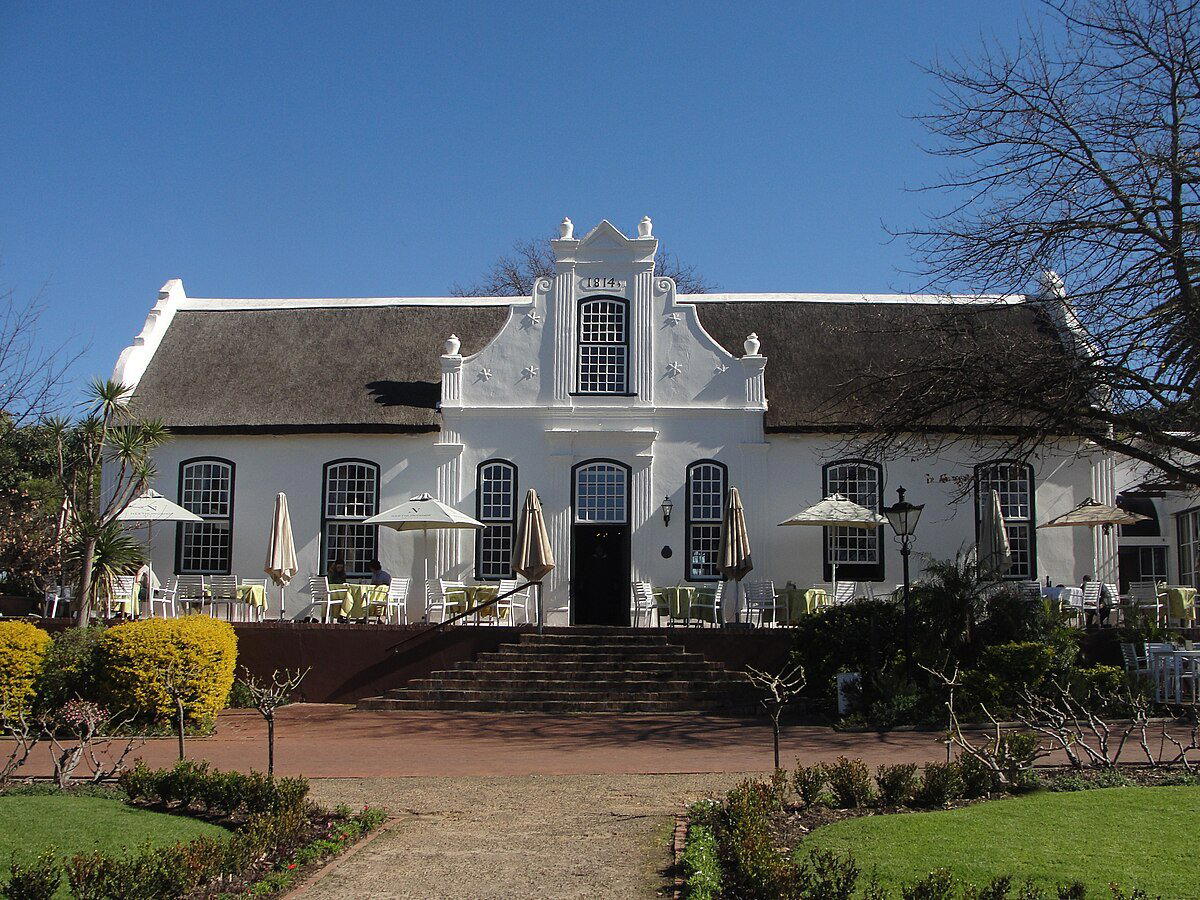
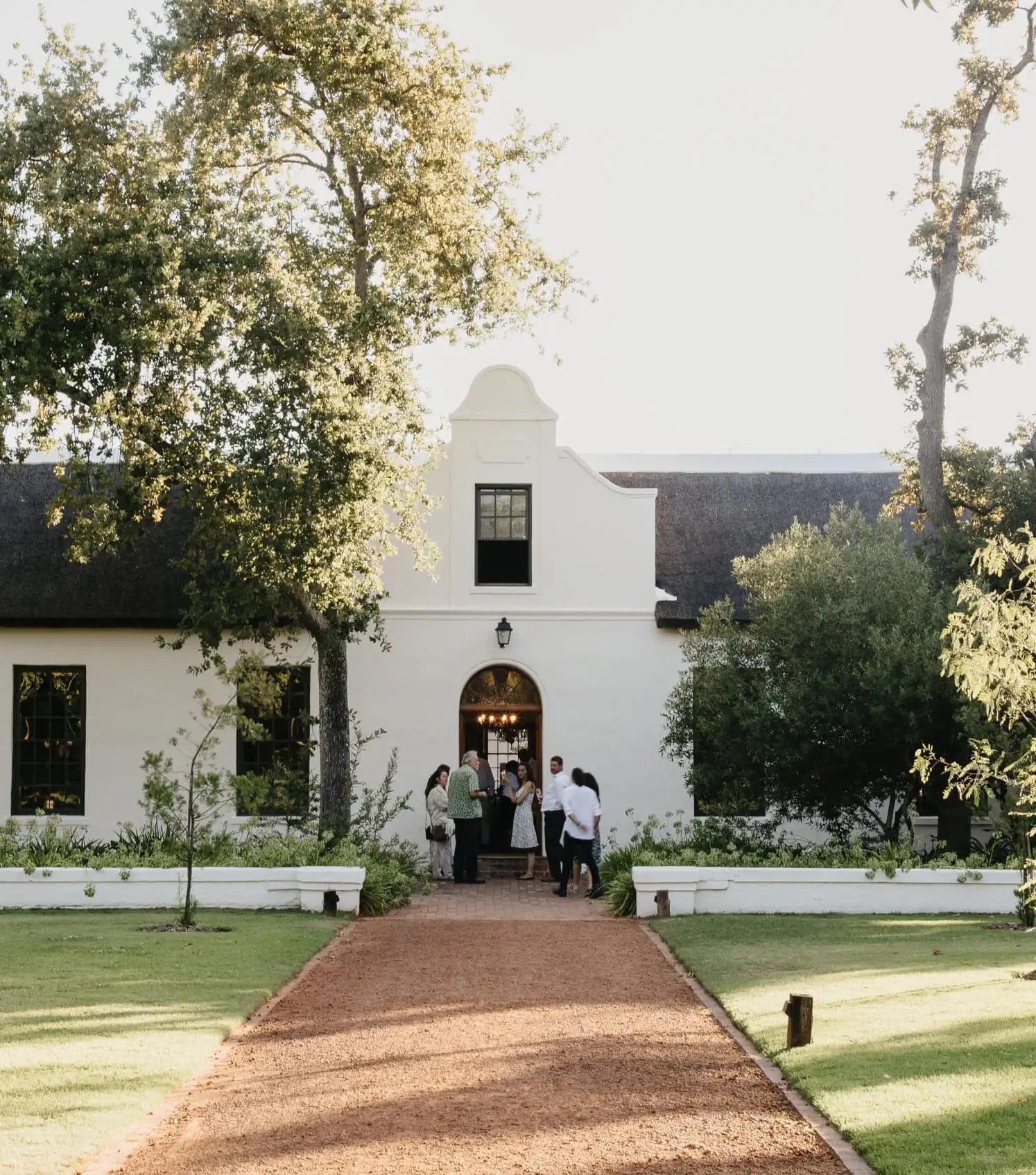
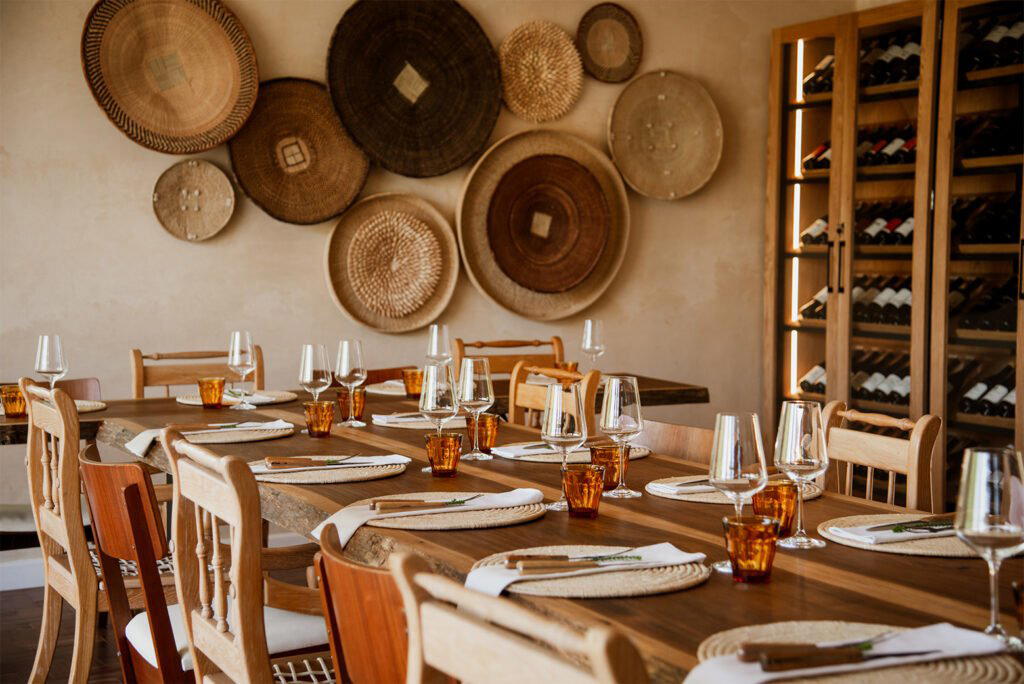
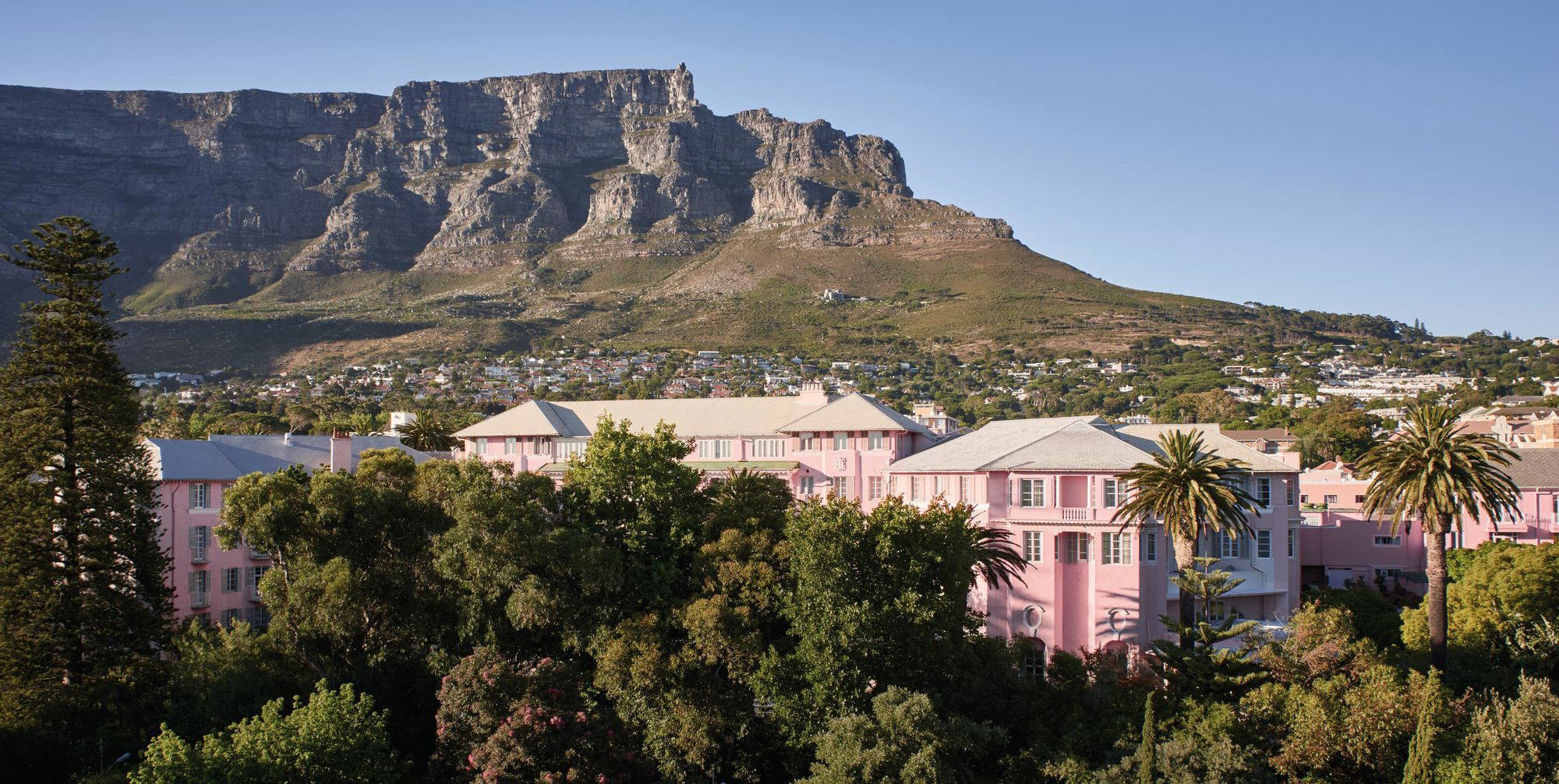
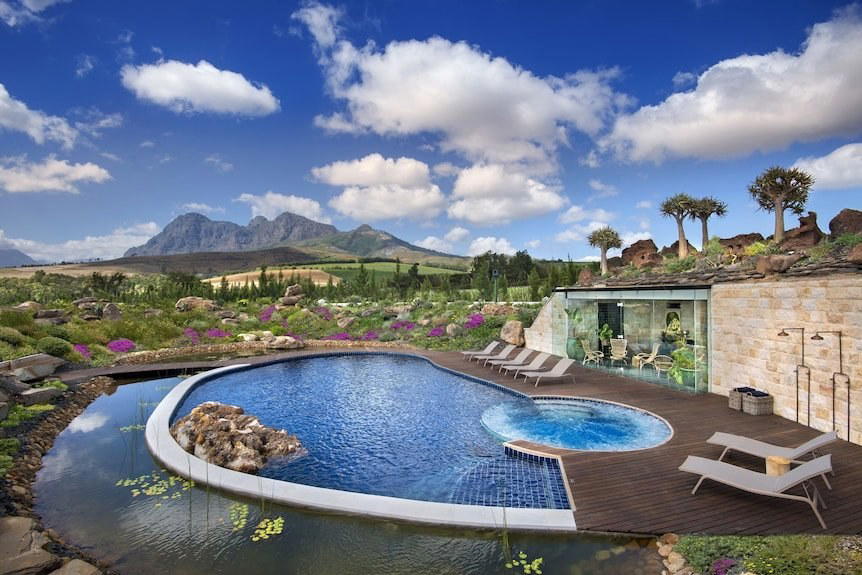
Relaxed and calm with scenic views of Table Mountain, shaded outdoor patios, and a welcoming historic homestead atmosphere.