BAR ROC
BAR ROC sits in Bantry Bay, a part of Cape Town where Atlantic Seaboard drinking culture is shaped by hotel lounges, sunset terraces, and polished neighbourhood rooms rather than late-night club mythology. With limited public detail on awards, pricing, bookings, or a published cocktail list, it is best read through location and format: a Kloof Road bar for a coastal evening anchored by setting, pacing, and discretion.

Pearl is the En Primeur Club membership app — saves, bookings, and concierge access live there. Same editors, same standards.
- Address
- 180 Kloof Rd, Bantry Bay, Cape Town, 8005
- Directions
- Get directions
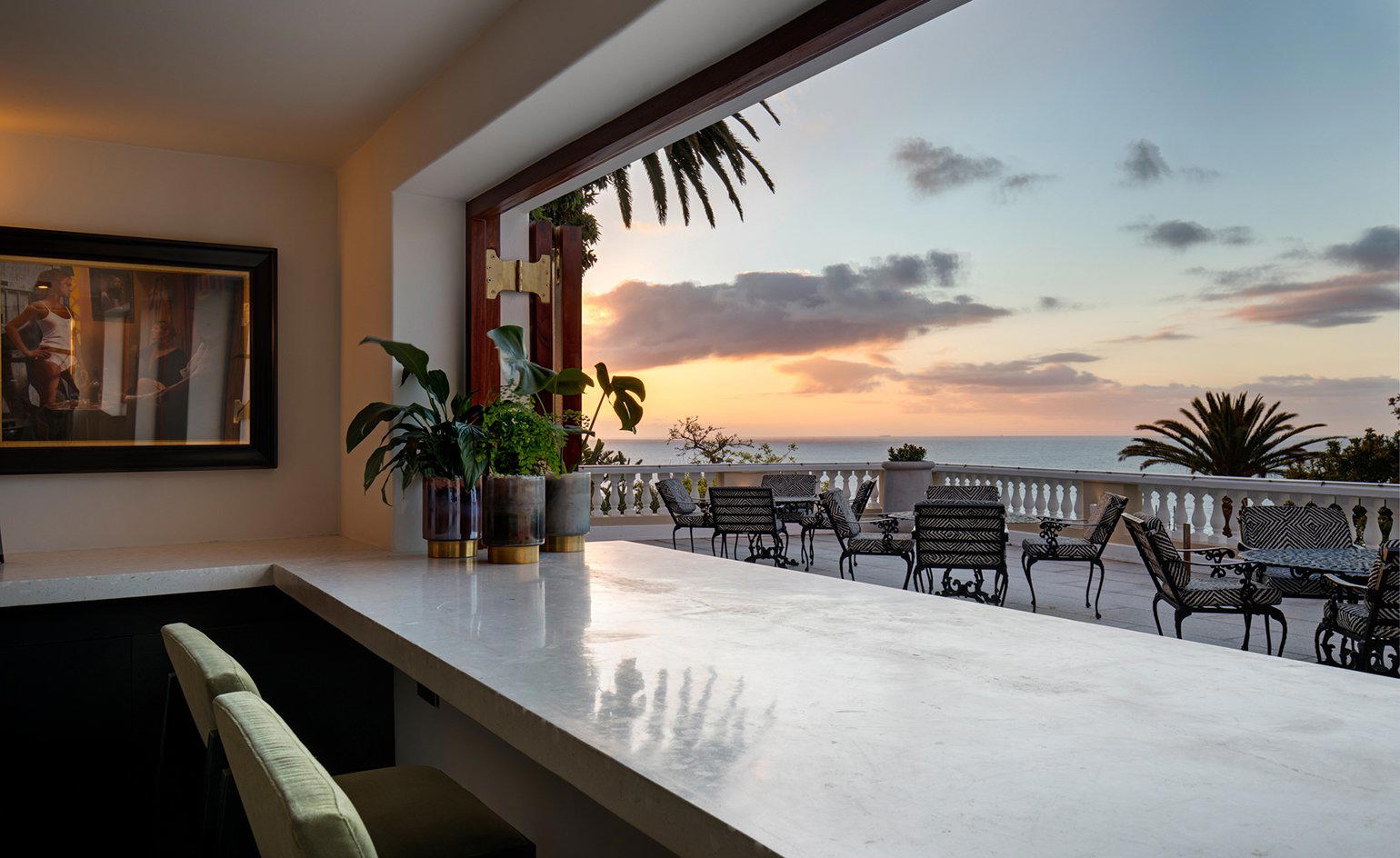
Atlantic Seaboard drinking, seen from Kloof Road
The approach to 180 Kloof Road puts a bar in a particular Cape Town register before a drink is even ordered. Bantry Bay is not Long Street, and it is not the restaurant-dense grid around Bree Street. The rhythm is coastal, residential, and Atlantic-facing: apartment blocks, sea air, the engineered calm of roads running between mountain and ocean. In this part of the city, a drinking room is judged less by spectacle than by how well it handles the hour between daylight and dinner, when the city’s attention turns west and the evening starts to separate into hotel lounges, Camps Bay terraces, and quieter rooms set back from the promenade.
That context matters because Cape Town’s bar culture has several competing versions of polish. There is the late-night, DJ-led Camps Bay circuit represented by places such as Cafe Caprice, the design-hotel school around Sea Point and the city bowl, and the restaurant-adjacent cocktail rooms that treat drinks as part of a longer night out. BAR ROC belongs to the Atlantic Seaboard side of the equation by address alone, and that places it in a category where the setting carries real weight. Kloof Road is a different proposition from the city centre: less bar crawl, more planned stop; less public theatre, more controlled evening.
For an editorial reader, that absence is useful rather than decorative. It means the reliable way to assess the place is not through inflated claims about famous cocktails or invented house rituals, but through the known facts: name, city, country, and address. In Cape Town, those coordinates already say plenty about the expected tempo.
The cocktail programme question
The assigned lens here is the cocktail programme, but the public data does not provide a named head bartender, listed techniques, house classics, menu structure, or signature serves. That prevents the usual critical reading of a modern cocktail bar: no confirmed clarified milk punch, no stated local botanical programme, no documented low-ABV section, no published martini variation, no listed agave focus. Any page that pretends otherwise is writing fiction.
What can be said, with more confidence, is how a Cape Town bar in this position is likely to be judged by serious drinkers. The city’s cocktail conversation has moved beyond the old division between hotel bars and party bars. Drinkers now compare a room against several models: the polished lounge, the high-energy social bar, the restaurant bar with a concise aperitif list, and the technical cocktail counter where preparation, ice, glassware, and dilution are part of the point. BAR ROC’s value, for a visitor deciding where to spend an evening, depends on which of those expectations it satisfies on the night.
For comparison within the city, Asoka reads as a Kloof Street social institution with dinner, drinks, and music working together; Planet Bar sits in the hotel-lounge tradition, where service rhythm and room control matter as much as the glass; Akra Bar points toward a newer, more concept-conscious mode of drinking. Against that set, the Bantry Bay address makes BAR ROC less of a downtown cocktail pilgrimage and more of an Atlantic Seaboard evening choice. That distinction is useful: not every good bar needs to compete for the same mood.
Bantry Bay changes the brief
Bantry Bay has a narrow hospitality identity compared with Camps Bay or the central city. It is affluent, coastal, and relatively compact, with less of the open-fronted promenade culture that defines the Camps Bay strip. The area’s bars and restaurants tend to absorb the habits of nearby residents, hotel guests, and visitors who want Atlantic Seaboard proximity without the louder mechanics of beachfront nightlife. A bar here needs to feel intentional because casual foot traffic is not the main engine.
That geography also affects drinking time. In the central city, a cocktail bar can serve as the third stop of the night. In Bantry Bay, the early evening carries more weight. The pre-dinner drink, the after-beach reset, the quieter nightcap, and the small-group meet-up are stronger use cases than the crawl. This is where Cape Town’s geography becomes practical intelligence. The mountain compresses the city; the coast stretches it. Moving between Bantry Bay, Camps Bay, Sea Point, and the City Bowl is simple in principle, but the mood changes sharply across short distances.
Readers planning a broader Cape Town evening should treat the city as a set of drinking districts rather than a single bar map. The Atlantic Seaboard offers coastal views and hotel-adjacent polish; Kloof Street and the City Bowl offer density and late movement; the Winelands bring a different drinking grammar altogether, with wine bars and estates shaping the pace. For a wider city scan, Our full Cape Town bars guide is the better starting point, while dinner-led planning belongs in Our full Cape Town restaurants guide.
Premium travel writing often overcompensates when a venue publishes little. It fills gaps with mood words, assumes a house drink, or turns a sparse record into a personality sketch. That is the wrong method. There is no database-backed Michelin-style signal for bars here, no listed placement on a formal ranking, no review count, and no named editorial accolade attached to the record.
Instead, the more accurate comparison is local and functional. In Cape Town, a bar can justify attention through several verifiable signals: a location that solves a specific evening, a room that matches its neighbourhood, a drinks list with technical or regional clarity, or recognition from trusted awards and publications. The address at 180 Kloof Rd gives it a clear Atlantic Seaboard use case; the rest requires current confirmation from the venue or a recent source before being treated as fact.
This matters because the Cape Town bar scene is mature enough to punish vague praise. A reader choosing between Sea Point, Bantry Bay, Camps Bay, and the central city does not need adjectives; the decision turns on logistics, tempo, and drink expectations. If the night is built around a technical cocktail counter, the reader should verify the current menu before travelling across town. If the night is built around the Atlantic Seaboard and a polished coastal stop, the known location makes BAR ROC relevant to that plan.
Where it sits among Cape Town and regional drinking rooms
Cape Town’s stronger bar identities tend to be tied to neighbourhood character. Bree Street and surrounds reward movement between restaurants and bars. Kloof Street has long supported hybrid rooms where dinner, cocktails, and music overlap. Camps Bay turns the sunset hour into a social format. Bantry Bay is narrower, calmer, and less publicly performative. BAR ROC’s address places it in that last category, which gives it a different editorial role from a destination bar with awards, a global ranking, or a famous bartender attached.
Regional comparison sharpens the point. Johannesburg’s cocktail culture, seen in venues such as Sin + Tax in Johannesburg, often leans into inner-city energy, bartender authorship, and compact technical rooms. Stellenbosch’s drinking culture, including addresses such as Stellenbosch Wine Bar in Stellenbosch, is filtered through wine country and the habits of tasting, pairing, and estate-led hospitality. Cape Town sits between those worlds: urban enough for cocktail ambition, coastal enough for atmosphere to shape demand, and close enough to the Winelands that wine remains part of the drinking conversation even in bars.
The international comparison is useful only if it stays disciplined. A bar such as Café La Trova in Miami operates in a city where cocktail culture, music, and Cuban-American hospitality have a documented public profile. Cape Town’s Atlantic Seaboard bars often work through a different register: location, weather, and evening flow. That does not make the category lesser. It makes the reader’s question more specific. Is the priority a destination cocktail list, a coastal room, or a convenient stop before dinner or a hotel return?
Planning the evening
The confirmed address is 180 Kloof Rd, Bantry Bay, Cape Town, 8005, South Africa. Treat opening times and availability as details to verify close to the day, especially in Cape Town’s high season from December through February, when Atlantic Seaboard venues absorb both local holiday traffic and international visitors. The same caution applies around major summer weekends, public holidays, and evenings when sunset-facing parts of the city fill early.
Walk-in planning is possible only as a risk-managed assumption, not a promise. If the evening includes dinner, check Our full Cape Town restaurants guide before locking the sequence, because Cape Town dining reservations can determine where drinks make sense.
Accommodation also affects the decision. Guests staying along the Atlantic Seaboard may find Bantry Bay a natural stop, while visitors based in the central city should weigh whether the bar is the purpose of the journey or part of a wider coastal plan. For that wider routing, Our full Cape Town hotels guide helps map where a night is likely to begin and end. Wine-led travellers can extend the frame through Our full Cape Town wineries guide, and culture-led itineraries belong with Our full Cape Town experiences guide.
Editorial verdict
BAR ROC is leading understood as a Bantry Bay bar first, not as a documented awards-led cocktail destination. That is not a downgrade; it is a more useful classification. Cape Town rewards precision. A visitor who wants a ranked cocktail counter should look for published drinks credentials before committing the night. A visitor already moving along the Atlantic Seaboard may read the Kloof Road address as the point: a coastal evening stop in a part of the city where the room, timing, and neighbourhood often matter as much as a named signature serve.
The critical caveat is transparency. There are no database-backed awards, prices, hours, chef details, bartender credentials, or signature drinks to cite. That keeps the recommendation conditional. The bar belongs on a Cape Town shortlist when the itinerary is built around Bantry Bay or the Atlantic Seaboard; it needs current verification if the evening depends on a specific cocktail programme, booking certainty, or published menu detail.
Continue exploring
More in Cape Town
Bars in Cape Town
Browse all →
Restaurants in Cape Town
Browse all →
Hotels in Cape Town
Browse all →
Details
- Elegant
- Sophisticated
- Modern
- Scenic
- Intimate
- Well Known
- Date Night
- Special Occasion
- Celebration
- After Work
- Casual Hangout
- Private Event
- Waterfront
- Terrace
- Panoramic View
- Design Destination
- Hotel Bar
- Historic Building
- Seated Bar
- Lounge Seating
- Outdoor Terrace
- Conventional Wine
- Classic Cocktails
- Waterfront
- Mountain
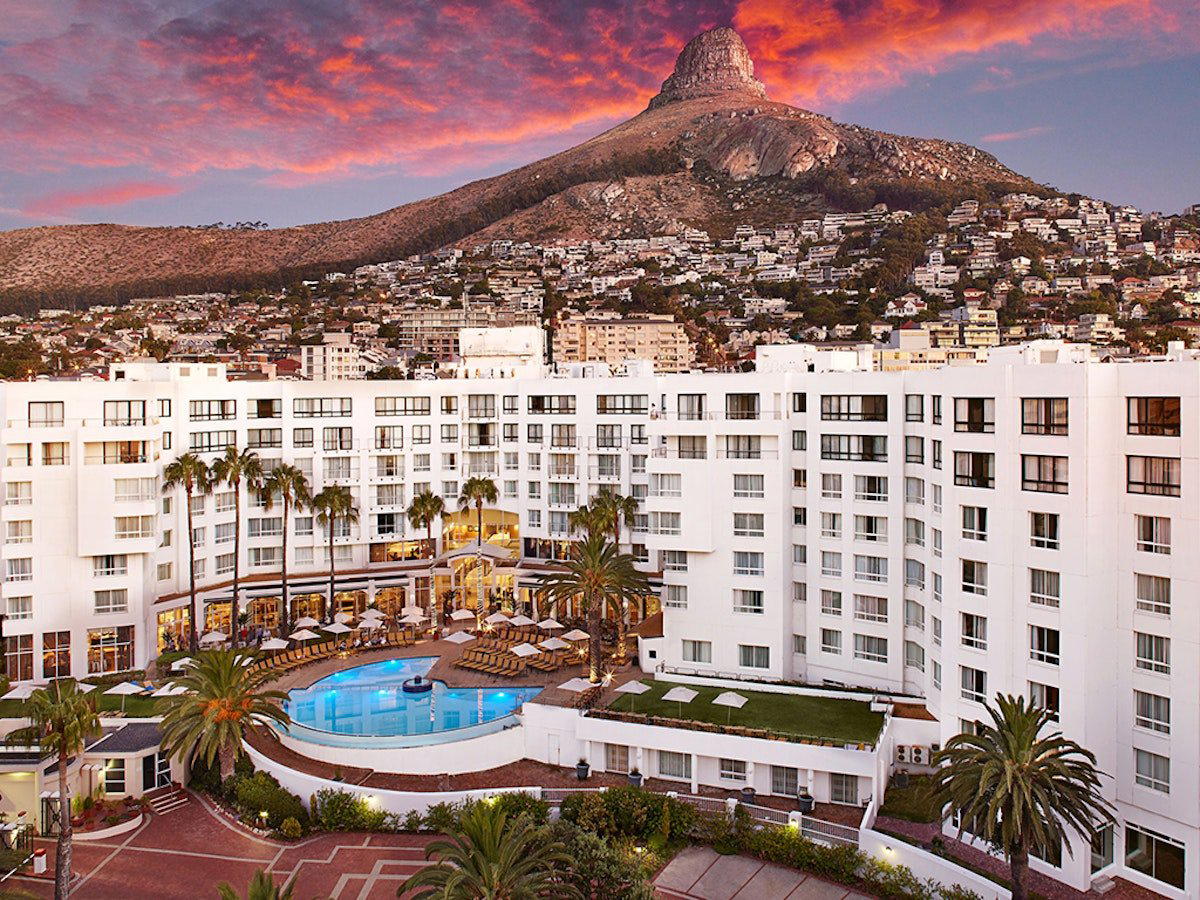
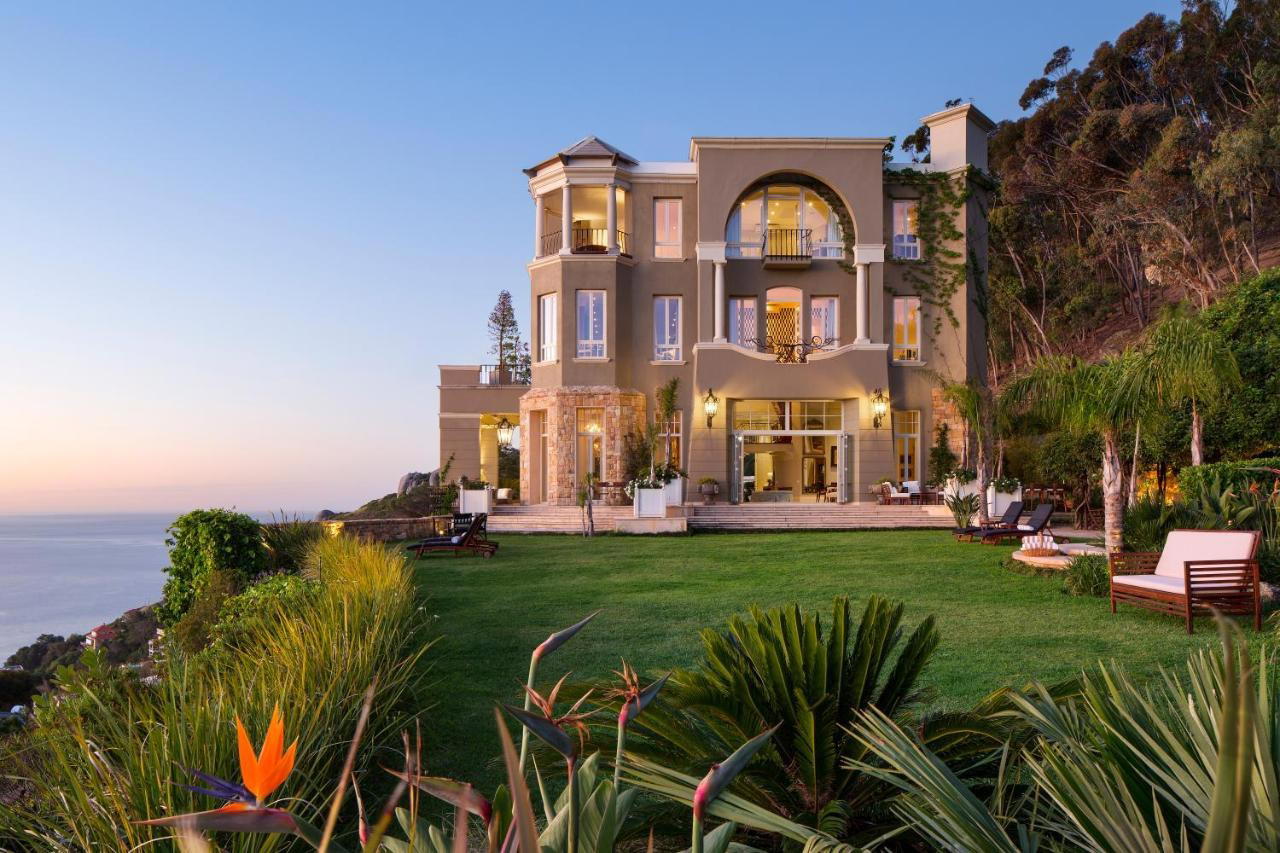
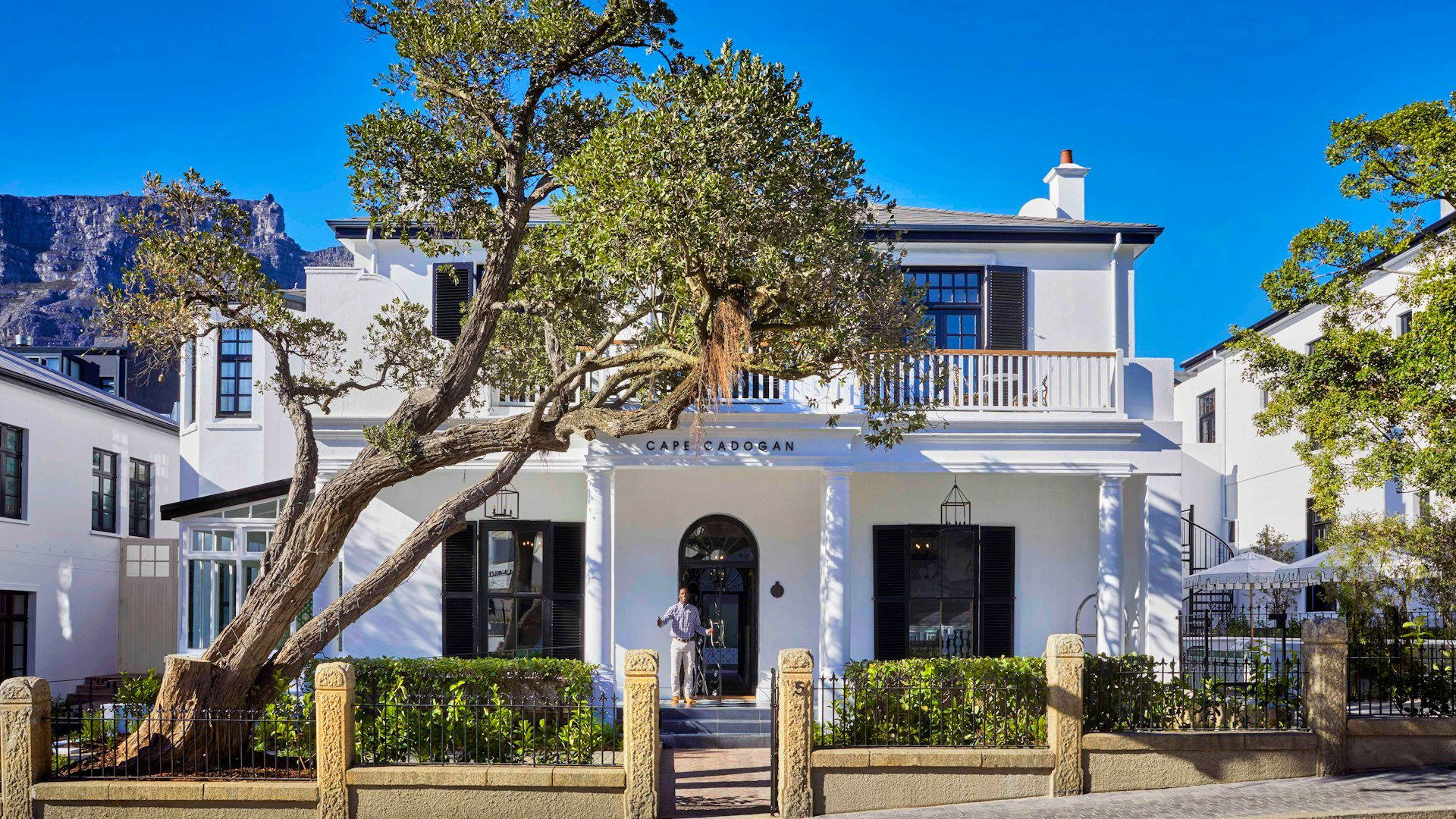
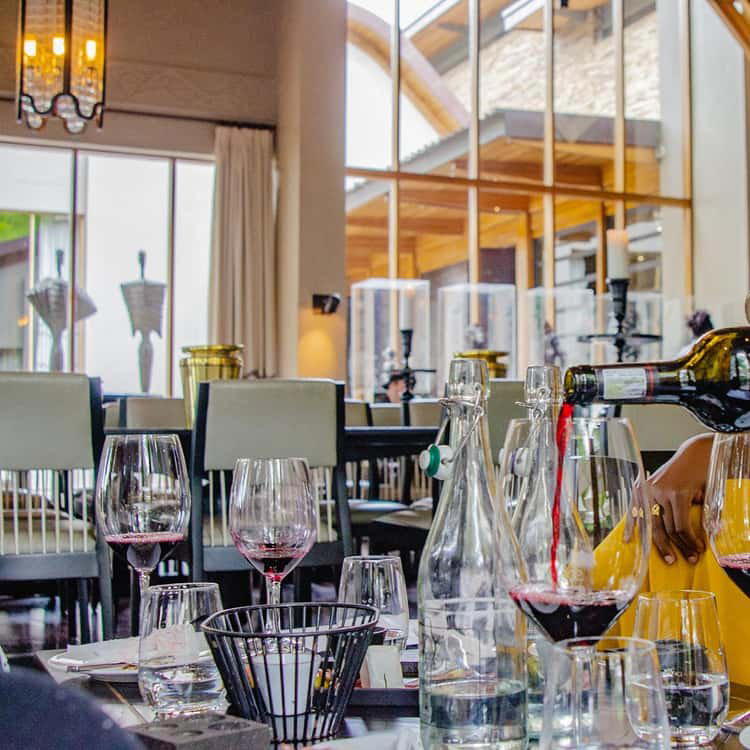
A relaxed yet luxurious hotel bar with terrazzo and brass Milanese-inspired detailing, velvet seating, curated art and concealed lighting, creating a calm, languid atmosphere that feels like an intimate private house while framing spectacular sea views for sunset drinks.