
One of Haro's founding names in Rioja wine, CVNE (also known as Cune) operates from the Barrio de la Estación alongside houses that defined the region's export reputation. Awarded a Pearl 3 Star Prestige rating in 2025, the bodega offers tastings that place its wines in the context of more than a century of Tempranillo production. A visit here anchors any serious tour of Haro's wine district.
Arriving at the Barrio de la Estación
The walk to CVNE begins the way most serious wine visits in Haro do: along the avenue that leads to the Barrio de la Estación, the cluster of historic bodegas that grew up around the old railway station in the nineteenth century. The station district exists because of logistics — Bordeaux merchants needed a reliable route to ship Rioja north when phylloxera was devastating French vineyards — and the architecture still reflects that mercantile ambition. Thick stone walls, high barrel halls, and cellars designed for volume rather than show. CVNE sits at Av. Costa del Vino, 21, within that corridor, and the approach communicates something before you reach the door: this is a working winery, not a curated visitor experience dressed up to suggest one.
That distinction matters in Haro more than it does elsewhere in Spain. The Barrio de la Estación hosts a concentration of historic bodegas , among them Bodegas Muga, La Rioja Alta, López de Heredia (Viña Tondonia), Bodegas Roda, and Ramón Bilbao , that together give the district a density of serious wine production found almost nowhere else in Spain. Visiting CVNE in isolation misses the point; the bodega makes most sense as one node in a concentrated day of tasting that uses the neighbourhood's walkability as its organising principle.
What the Tasting Format Tells You
Rioja's established houses have taken different positions on the visitor experience question. Some have invested heavily in contemporary tasting rooms and architectural statements. Others have kept the focus on the cellar, the barrel, and the glass, trusting that the wine makes the argument on its own. CVNE's format sits closer to the latter tradition. The tasting infrastructure is shaped by the bodega's working calendar rather than by hospitality design, which means the experience carries a functional quality that, for the right kind of visitor, is more illuminating than a polished theatre of wine tourism.
What you encounter inside is a winery still organised around production: large barrel halls where American and French oak casks are stacked in the old Rioja style, and cellars that reflect the scale at which CVNE has operated since the nineteenth century. The wines move through crianza, reserva, and gran reserva classifications in the traditional Rioja model, where the classification system itself is the tasting curriculum. Understanding the difference between a wine aged two years with one in oak versus four years with two in barrel is not abstract here; the cellar makes the progression visible and the tasting reinforces it.
For visitors unfamiliar with how the Rioja classification tiers work in practice, this format is particularly instructive. Gran reserva production is something only the established houses do at meaningful volume and quality , it requires both the vineyard age and the cellar infrastructure to hold significant stock back from market. CVNE has both, which is part of why its 2025 Pearl 3 Star Prestige award carries context beyond a single vintage or bottling.
Reading the 2025 Award in Context
The Pearl 3 Star Prestige rating CVNE received in 2025 places it in a tier that aligns with the historic houses of the Barrio de la Estación rather than with newer boutique operations. Rioja has seen significant investment from outside producers and négociants over the past two decades, and the field has diversified considerably. Modern-style Rioja, often aged in French oak with shorter barrel contact, now competes credibly with the traditional model that Haro's founding houses represent.
CVNE belongs to the traditional camp, and its award reflects assessment of a bodega whose position in the Rioja hierarchy has been consistent rather than recently constructed. The distinction matters for visitors deciding where to allocate their time in Haro. Newer estates in Rioja , or comparably awarded houses elsewhere in Spain, such as Abadía Retuerta in Sardón de Duero or Arzuaga Navarro in Quintanilla de Onésimo , offer a different kind of authority, one rooted in more recent investment and contemporary wine philosophy. CVNE offers something else: the ability to taste wines shaped by a production culture that predates most of what currently defines Rioja's international reputation.
The Wines Themselves
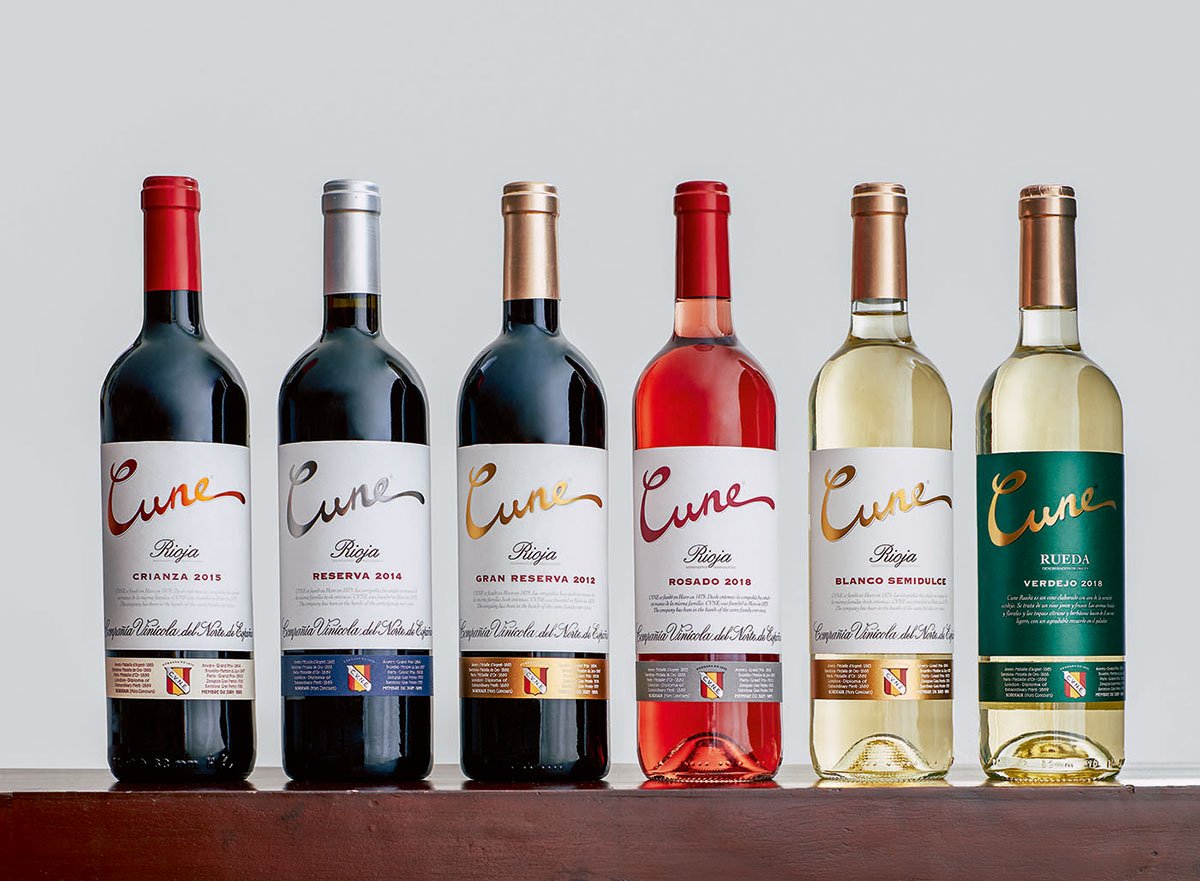
CVNE's range is built primarily around Tempranillo, as is standard for serious Rioja production. The Cune label , a phonetic simplification of CVNE that stuck , appears across its entry-level and mid-tier offerings, while the Imperial and Viña Real labels have historically occupied the upper tier. The Imperial range in particular is associated with reserva and gran reserva production that reflects the traditional Rioja approach: structured, age-worthy wines where time in oak and bottle is considered part of the winemaking rather than a commercial decision.
For visitors coming from other Spanish appellations or from international wine regions, the comparison with similar award-level properties is useful for calibration. Bodegas Protos in Peñafiel offers a Ribera del Duero perspective on Spanish Tempranillo; the contrast with Haro's Rioja style is instructive about how the same grape variety expresses itself differently across soil types, altitude, and production philosophy. Further afield, the model of estate-level prestige production carries across wine regions entirely, from Accendo Cellars in St. Helena to Aberlour in Aberlour, though the benchmarks remain region-specific.
Planning a Visit to CVNE
Haro's Barrio de la Estación is the practical centre of a wine visit to the town, and most of the historic bodegas in the district are within easy walking distance of each other. CVNE's address on Av. Costa del Vino places it at the heart of that cluster. Visitors are advised to confirm tasting availability and format directly with the bodega before arrival, as production schedules and group limits vary by season; the summer months, particularly July around the Batalla del Vino festival, bring higher visitor volumes to the district. Spring and autumn offer more space in both the cellar and the tasting room, and the grape harvest period in September adds a different dimension to any winery visit in the region.
For context on where CVNE fits within Haro's broader offer, the full Haro wineries guide maps the district's major houses against each other. If you are building a longer stay around the visit, the Haro hotels guide and Haro restaurants guide cover accommodation and dining options, while the Haro bars guide and Haro experiences guide address the town's pintxos culture and broader itinerary options. A single day structured around the Barrio de la Estación, with tastings at two or three houses, lunch in the old town, and a return to the bar circuit in the evening, covers the core of what Haro offers at a pace that allows the wines to register properly.
Frequently Asked Questions
What wines is CVNE (Cune) known for?
CVNE is associated primarily with traditional-style Rioja built around Tempranillo. The house produces wines across crianza, reserva, and gran reserva classifications under its Cune, Imperial, and Viña Real labels. The Imperial range, particularly at reserva and gran reserva level, is the tier most closely associated with the bodega's position among Haro's historic producers. The 2025 Pearl 3 Star Prestige award reflects the quality assessment at that tier. For comparison with other Haro houses operating in a similar traditional register, see our full Haro wineries guide.
What is the main draw of CVNE (Cune)?
CVNE's draw is its position within Haro's Barrio de la Estación: one of the historic houses that established Rioja's export reputation in the nineteenth century, now carrying a Pearl 3 Star Prestige rating (2025). The tasting format gives access to a working cellar rather than a purpose-built visitor facility, and the wine range spans classifications that make the traditional Rioja production model legible in a single visit. The town of Haro itself, with houses like López de Heredia and Bodegas Muga within walking distance, amplifies the value of any individual visit.
Do they take walk-ins at CVNE (Cune)?
Contact details and booking policies are leading confirmed directly with the bodega before visiting. As with most of the historic houses in the Barrio de la Estación, tasting visits typically require advance arrangement, particularly for groups and during peak season. Walk-in availability at Haro's established bodegas varies by day and time of year; arriving without a booking in July or August carries real risk of being turned away. Confirm directly via the bodega's official channels before travelling to Haro specifically for a CVNE visit.
Cuisine Context
A fast peer set for context, pulled from similar venues in our database.
| Venue | Cuisine | Awards | Notes |
|---|---|---|---|
| CVNE (Cune) | Pearl 3 Star Prestige (2025) | This venue | |
| Bodegas Roda | |||
| Ramón Bilbao | |||
| Bodegas Muga | |||
| La Rioja Alta | |||
| López de Heredia (Viña Tondonia) |
Access the Cellar?
Our members enjoy exclusive access to private tastings and priority allocations from the world's most sought-after producers.
Access the Concierge