

López de Heredia (Viña Tondonia) is one of Rioja's most historically rooted bodegas, ranked No. 3 in the World's Best Vineyards 2019 list and awarded a Pearl 4 Star Prestige rating in 2025. Located on Avenida Vizcaya in Haro, it operates at the traditional end of the Rioja spectrum, with long barrel and bottle ageing cycles that place it in a different category from modernist producers in the same appellation.
Where Time Moves at a Different Speed
Approaching López de Heredia along Avenida Vizcaya in Haro, the visual language is immediately distinct from the architect-commissioned bodegas that have defined Rioja's recent promotional image. The building complex accumulates rather than announces: stone cellars, a century-old tower, barrels stacked in corridors worn smooth by decades of use. The air carries that particular combination of damp oak and reduced sulphur that only comes from cellars where wine has aged in volume, continuously, for generations. Before a single bottle is opened, the physical environment communicates something about the production philosophy — that here, the clock runs differently than at most wineries in Spain or, for that matter, in the world.
This is not a pose. Rioja's traditional wing has always existed in tension with the appellation's modernising current, and López de Heredia occupies the furthest traditional point on that axis. Long maceration, extended time in American oak barrels, then additional years in bottle before release: these are the mechanics of a style that produces wines arriving on the market years, sometimes decades, after the harvest. In a category where many producers regard five years of age as a long statement, that position is genuinely rare.
The Viticulture Behind the Cellar
The editorial focus on López de Heredia's cellar practices can obscure the fact that the foundation is agrarian. The estate's Viña Tondonia vineyard, planted on a meander of the Ebro river southeast of Haro, represents one of the more carefully maintained old-vine holdings in the appellation. Rioja as an appellation covers a large and climatically varied area, and within it, the specific soils and orientations of individual plots contribute meaningfully to wine character. The Tondonia site — clay-limestone soils, a riverside position , has been under continuous cultivation for well over a century, which places it in the small cohort of Rioja vineyards with documented pre-phylloxera replanting histories.
The approach in the vineyard reflects the same commitment to non-intervention that governs the cellar. Traditional viticulture in Rioja prioritised the variety-terroir relationship over chemical correction, and López de Heredia maintains that orientation. This is not a marketing claim about sustainability certifications; it is an observation about method. The vineyard is treated as a system to be maintained rather than a resource to be optimised across short production cycles, which has implications for vine age, soil health, and the flavour profile of the resulting wines. For visitors approaching the estate with an interest in where regenerative viticulture and tradition intersect, that consistency of method across both vineyard and cellar is the key through-line.
Where López de Heredia Sits Among Haro's Bodegas
Haro's Barrio de la Estación cluster gives this context a physical frame. The train station neighbourhood, where several of Rioja's oldest bodegas were established in the late 19th century to exploit railway access, now functions as something of an outdoor museum of Rioja winemaking approaches. [CVNE (Cune)](https://www.enprimeurclub.com/wineries/cvne-cune-haro-winery) and [La Rioja Alta](https://www.enprimeurclub.com/wineries/la-rioja-alta-haro-winery) operate in the same historic district and share some of the same founding-era infrastructure logic, though each has moved through the decades with different degrees of stylistic evolution. [Bodegas Muga](https://www.enprimeurclub.com/wineries/bodegas-muga-haro-winery) maintains a strong traditional commitment while presenting with a somewhat more commercial accessibility. [Bodegas Roda](https://www.enprimeurclub.com/wineries/bodegas-roda-haro-winery) represents the district's modern wave, and [Ramón Bilbao](https://www.enprimeurclub.com/wineries/ramn-bilbao-haro-winery) has built a large, internationally distributed portfolio that operates at a different volume and price register entirely.
Against that peer set, López de Heredia's competitive position is characterised primarily by its release timeline. Gran Reserva wines from this bodega may spend years longer in barrel and bottle than the appellation minimum requires , sometimes arriving on the market a decade or more after harvest. That practice compresses the number of vintages available at any given time and keeps allocation relatively tight. It also means that visitors tasting in the cellar are often drinking wines from a vintage window that, at producers with faster cycles, would already be considered old stock. The tasting experience at López de Heredia is therefore structurally unlike what you encounter at most Rioja bodegas, regardless of their quality level.
Recognition and Where It Places the Bodega
The World's Leading Vineyards ranking, which placed López de Heredia at No. 3 globally in 2019, reflects a specific form of recognition: the combined experience of visiting the estate, its cellars, and tasting its wines, rather than wine scores alone. That distinction matters when interpreting the award. Wineries that rank highly in that list tend to offer a coherent visitor experience in which the physical environment, the production philosophy, and the wines in the glass reinforce a single consistent argument. López de Heredia's argument is legibility through time , an estate where the aesthetic, the viticulture, and the winemaking all point in the same direction. The 2025 Pearl 4 Star Prestige rating from EP Club places it in the highest tier of the platform's recognition framework, consistent with its position in international winery rankings.
For comparison, other producers in the broader Iberian wine region earning serious international attention include [Abadía Retuerta in Sardón de Duero](https://www.enprimeurclub.com/wineries/abada-retuerta-sardn-de-duero-winery) and [Arzuaga Navarro in Quintanilla de Onésimo](https://www.enprimeurclub.com/wineries/arzuaga-navarro-quintanilla-de-onsimo-winery), both operating within the Ribera del Duero framework and offering a different stylistic register. [Bodegas Protos in Peñafiel](https://www.enprimeurclub.com/wineries/bodegas-protos-peafiel-winery) adds another reference point for traditional Spanish winemaking with long ageing ambitions. The comparison across regions clarifies what makes López de Heredia's position specific: it is not simply old-fashioned in the sense of being unconsidered, but traditional in the sense of being deliberate, continuous, and resistant to external cycle pressure.
Planning a Visit to Haro
López de Heredia is located at Av. Vizcaya, 3 in Haro, within accessible distance of the station quarter where several of the town's other major bodegas are based. Haro itself is a small town, and its dining, lodging, and bar options are documented across EP Club's Haro guides: [Our full Haro restaurants guide](https://www.enprimeurclub.com/restaurants/haro), [Our full Haro hotels guide](https://www.enprimeurclub.com/hotels/haro), and [Our full Haro bars guide](https://www.enprimeurclub.com/bars/haro) cover the practical layer of building a visit around a bodega itinerary. For those constructing a broader winery circuit, [Our full Haro wineries guide](https://www.enprimeurclub.com/wineries/haro) maps the full range of producers across the district, and [Our full Haro experiences guide](https://www.enprimeurclub.com/experiences/haro) covers the cultural and activity dimension. Visits to López de Heredia are arranged in advance; given the bodega's profile and the limited visitor throughput appropriate to a working cellar of this type, early booking is standard practice rather than optional. There is no phone or booking link in our current data, so contact should be confirmed through the bodega's official channels directly.
Visitors arriving from beyond Spain's wine regions with an interest in comparing different production traditions can position the López de Heredia experience alongside estates like [Aberlour in Aberlour](https://www.enprimeurclub.com/wineries/aberlour-aberlour-winery) or [Accendo Cellars in St. Helena](https://www.enprimeurclub.com/wineries/accendo-cellars), both of which operate with distinct philosophical commitments to their respective production methods. The common thread, across spirit, Napa Cabernet, and traditional Rioja, is that the most compelling estate visits tend to be those where the production environment itself teaches the visitor something that the bottle alone cannot communicate. In Haro, at Av. Vizcaya, 3, that is precisely what López de Heredia offers.
Frequently Asked Questions
- What's the general vibe of López de Heredia (Viña Tondonia)? The atmosphere is working-cellar rather than visitor-centre. Stone buildings, deep barrel corridors, and a physical environment that reflects more than a century of uninterrupted production. It sits at the traditional end of the Rioja spectrum and is ranked among the world's leading estates (No. 3 in the World's Leading Vineyards 2019), which draws visitors with serious interest in wine history and method rather than those seeking a polished tasting-room format. Given its Pearl 4 Star Prestige recognition in 2025 and international profile, bookings should be arranged well in advance.
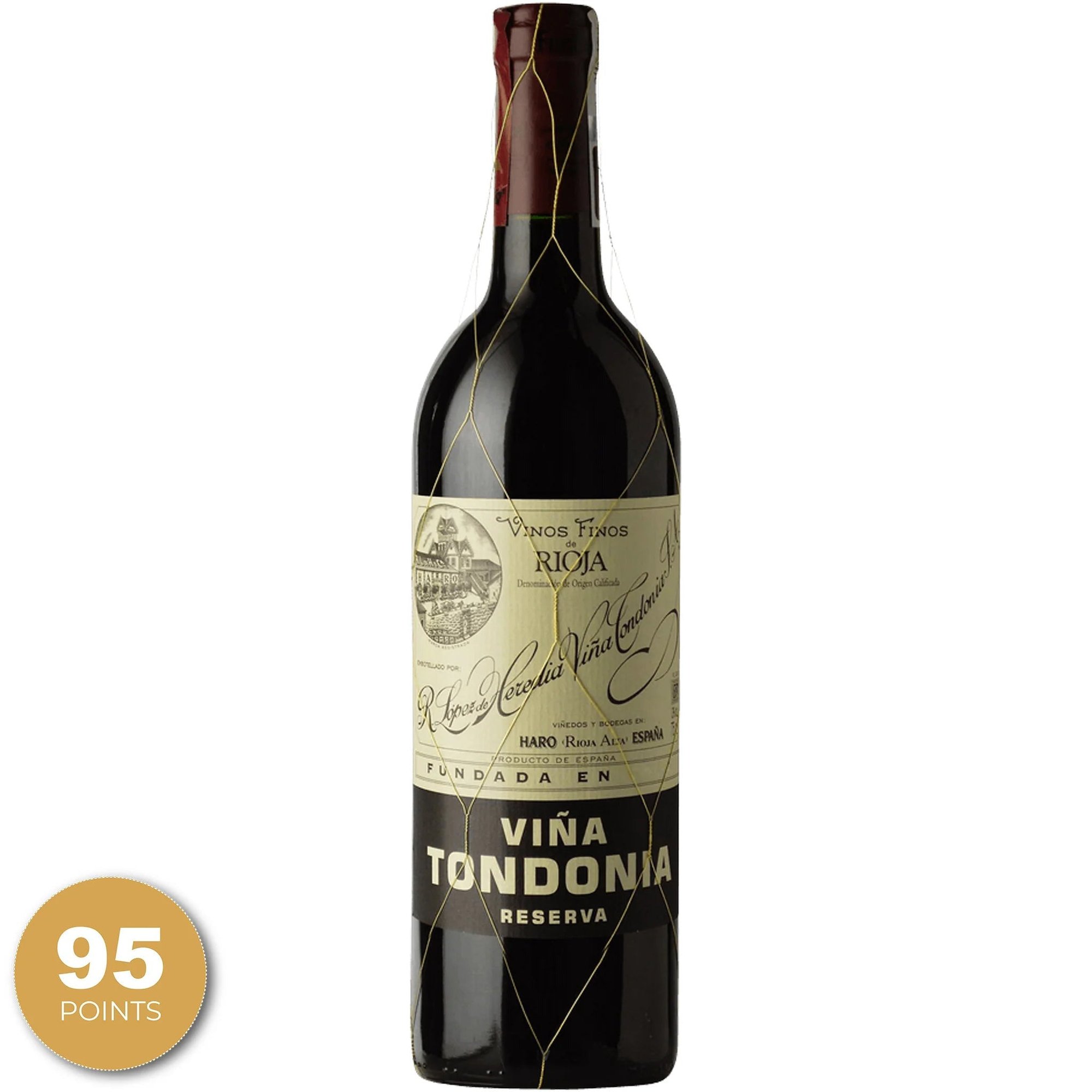
- What's the leading wine to try at López de Heredia (Viña Tondonia)? The estate is most closely associated with its Viña Tondonia range, particularly the Reserva and Gran Reserva expressions in both red and white. Rioja's appellation framework allows for extended ageing designations, and López de Heredia's releases , drawn from old-vine estate vineyards including the eponymous Tondonia site , represent that category at its most extended. The white Gran Reserva, made primarily from Viura with traditional barrel ageing, occupies a particularly unusual position within Spanish winemaking and tends to draw considerable attention from visitors encountering it for the first time.
- What's López de Heredia (Viña Tondonia) leading at? Consistency of method across time. The bodega's recognition , including the No. 3 World's Leading Vineyards 2019 ranking and the 2025 Pearl 4 Star Prestige from EP Club , reflects not a single standout moment but an accumulated commitment to a production approach that has remained coherent across generations. In Haro, a town with several serious producers including [CVNE (Cune)](https://www.enprimeurclub.com/wineries/cvne-cune-haro-winery), [Bodegas Muga](https://www.enprimeurclub.com/wineries/bodegas-muga-haro-winery), and [La Rioja Alta](https://www.enprimeurclub.com/wineries/la-rioja-alta-haro-winery), López de Heredia holds a specific position as the furthest point on the traditional axis , the bodega that has absorbed the least external pressure to change.
Awards and Standing
These are the closest comparables we have in our database for quick context.
| Venue | Awards | Cuisine | Notes |
|---|---|---|---|
| López de Heredia (Viña Tondonia) | Pearl 4 Star Prestige (2025); Ranked No. 3 in the World's Best Vineyards 2019 list. Listed location: Rioja, Spain. | This venue | |
| CVNE (Cune) | |||
| Bodegas Roda | |||
| Ramón Bilbao | |||
| Bodegas Muga | |||
| La Rioja Alta |
Access the Cellar?
Our members enjoy exclusive access to private tastings and priority allocations from the world's most sought-after producers.
Access the Concierge