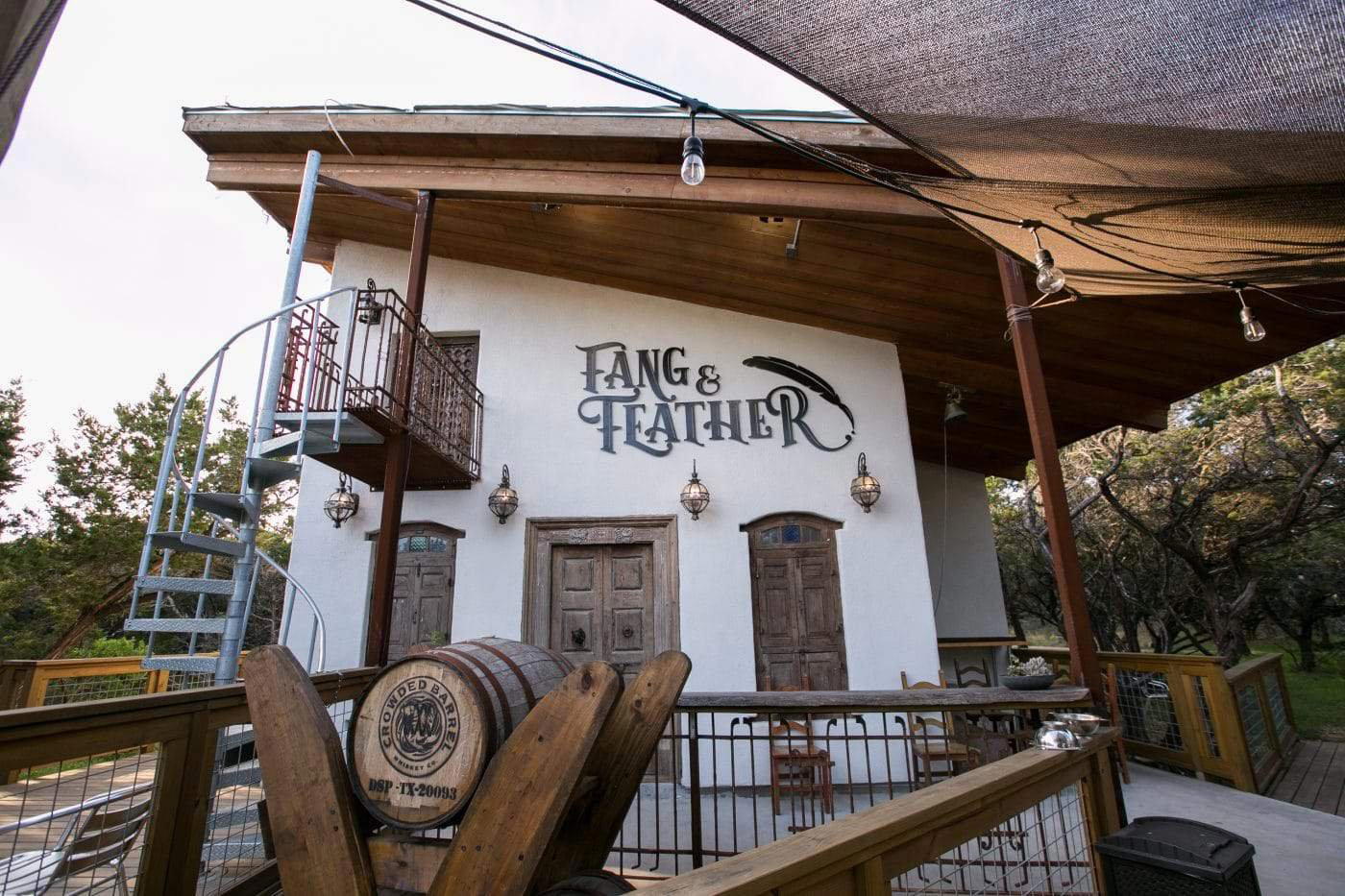
Crowded Barrel Whiskey Co. holds a Pearl 1 Star Prestige rating (2025), placing it among a select tier of craft distilleries recognized for production quality and consistency. Operating within Austin's expanding spirits scene, it represents the kind of small-format, craft-focused operation that has reshaped how the city thinks about American whiskey. Serious drinkers will find a program oriented around process and expression rather than volume.
 Request Booking on Pearl
Pearl is the En Primeur Club membership app — saves, bookings, and concierge access live there. Same editors, same standards.
Austin's Craft Whiskey Tier, and Where Crowded Barrel Sits in It
Austin's spirits scene has matured considerably over the past decade. What began as a loose collection of craft distilleries riding the broader Texas whiskey boom has stratified into recognizable tiers, with a smaller group of producers earning sustained critical recognition and a larger mass of operations competing on novelty and local loyalty alone. Crowded Barrel Whiskey Co. belongs to the former category, having earned a Pearl 1 Star Prestige rating in 2025.
That distinction matters more than it might initially appear. In a city where the word "craft" gets attached to almost any small-batch operation, formal recognition from a structured rating system provides a concrete reference point. For a drinker approaching Austin's whiskey options for the first time, the Pearl 1 Star Prestige designation is a useful filter.
The Craft Distillery Format and What It Demands of the Drinker
Small-format craft distilleries operate on fundamentally different rhythms than large commercial producers. Output is constrained by still capacity and barrel inventory rather than market demand, which means allocations are limited, expressions rotate, and the relationship between visitor and producer tends to be more direct. This is a category where the drinker benefits from doing some homework before arriving, knowing which expressions are current, understanding the base grain bill, and having a sense of whether the house style skews toward younger, fruit-forward whiskeys or longer-aged, wood-dominant profiles.
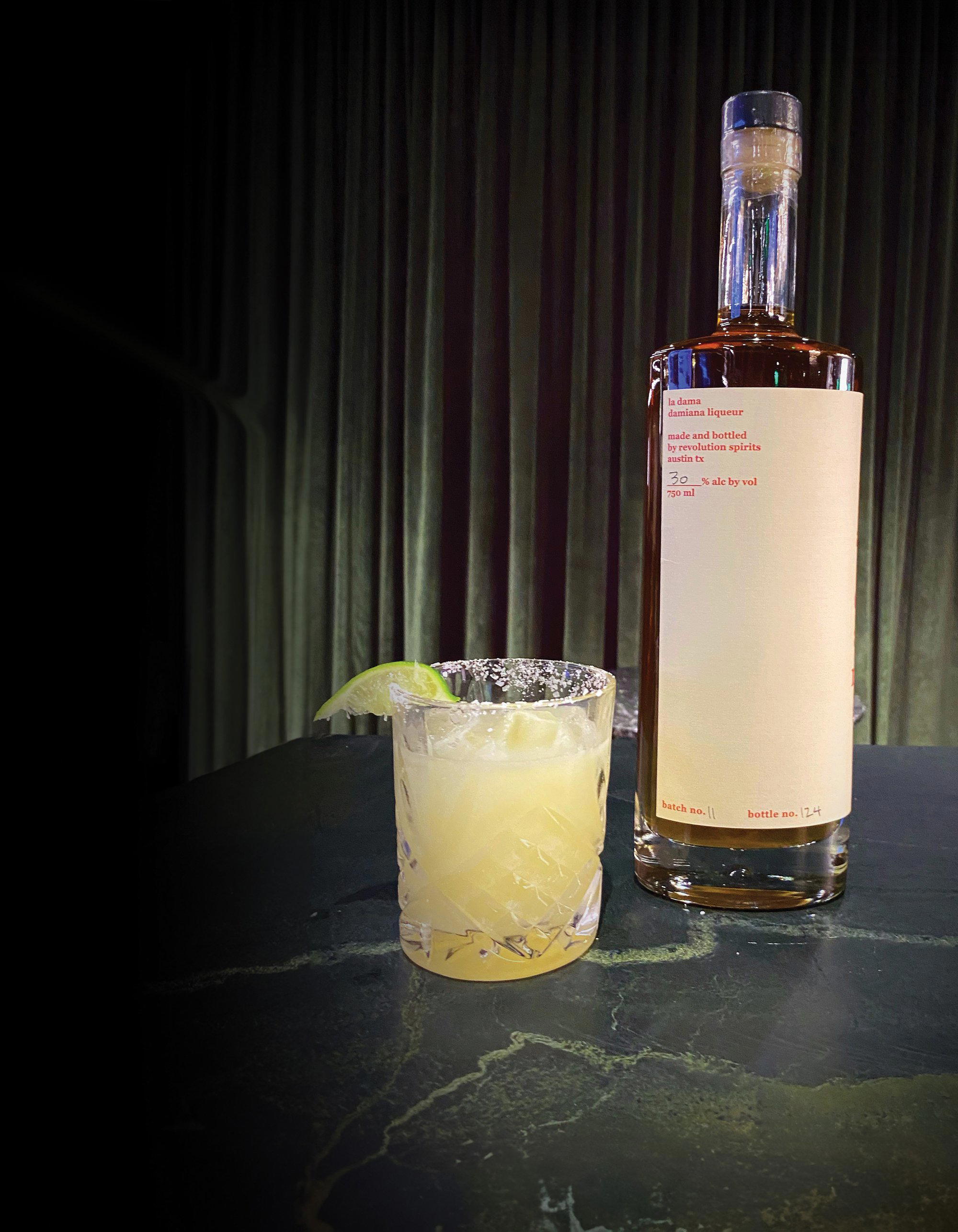
Crowded Barrel's position in Austin places it within a competitive local set that includes Still Austin Whiskey Co. and Revolution Spirits. The comparison is instructive: Austin's stronger craft distilleries have generally moved away from the early-era emphasis on local sourcing as a marketing hook and toward more granular claims about fermentation, distillation proof, and barrel entry point. That shift in emphasis reflects a broader maturation of the American craft whiskey category, where technically literate drinkers have raised the bar for what constitutes a meaningful producer claim.
Terroir and the Texas Question
The terroir argument for whiskey is more contested than its equivalent in wine, but it is not without substance. Grain provenance, water source, fermentation temperature, and the dramatic temperature swings of Texas summers all leave measurable marks on a finished spirit. Barrels in Central Texas cycle through heat and cold far more aggressively than those in Kentucky or Scotland, accelerating extraction and producing whiskeys that can reach apparent maturity in fewer years than their counterparts in cooler climates. This is not inherently better or worse, but it is different, and it creates a recognizable regional character that serious producers have learned to work with rather than against.
For context, the environmental pressures shaping Texas whiskey production stand in notable contrast to the conditions governing output at operations like Gimli Distillery in Gimli, where Manitoba's cold continental climate produces a very different barrel interaction, or Canadian Mist Distillery in Collingwood, where the moderating influence of Georgian Bay produces its own set of maturation conditions. The regional variation across North American whiskey is genuinely significant, and understanding it helps calibrate expectations when moving between producers.
The lesson translates to the Texas context: the most interesting craft producers are those who treat their local conditions as material rather than obstacle.
Reading the Pearl 1 Star Prestige in Context
Award structures in the spirits world carry varying degrees of authority, and it helps to understand what a Pearl 1 Star Prestige rating actually represents. It signals a threshold of quality that places the recipient above the broad middle of the craft tier, into a smaller bracket of producers whose work has been assessed and recognized through a formal evaluation process. It does not guarantee that every expression will suit every palate, but it does establish a baseline of production seriousness.
For comparison, large-volume Canadian producers like Black Velvet Distillery in Lethbridge and Alberta Distillers in Calgary operate at scales that make direct craft comparison difficult, but they do provide a reference point for how institutional recognition functions differently across production tiers. At the small-craft level, a Pearl 1 Star Prestige carries proportionally more weight, because the producer has fewer resources and less institutional infrastructure to support quality claims.
Planning a Visit
The practical advice that holds for this category generally: craft distillery tasting rooms in Austin typically operate on reduced weekday hours and fuller weekend schedules, with on-site purchases subject to Texas distillery licensing rules governing bottle quantities.
Visitors oriented toward international craft spirits comparison may also find it useful to look at how producers like Sullivan's Cove in Cambridge and Shadowfax Wines in Victoria approach the relationship between craft production identity and visitor experience, as both offer instructive models for how smaller operations build direct consumer relationships.
Comparison Snapshot
Comparable venues nearby, for context on price, style, and recognition.
| Venue | Cuisine | Price | Notes |
|---|---|---|---|
| Crowded Barrel Whiskey Co.This venue — the venue you are viewing | Winery | , | |
| Still Austin Whiskey Co. | Winery | , | Austin |
| Tito’s Handmade Vodka (Distillery) | Winery | , | Austin |
| Revolution Spirits | Winery | , | Austin |
| Shadowfax Wines | Winery | , | Victoria |
| Canadian Mist Distillery | rye, corn | $ | Collingwood |
Continue exploring