Shadowfax Wines belongs in Victoria’s quieter drinks conversation: less spectacle, more attention to how coastal British Columbia’s climate shapes what ends up in the glass.
Pearl is the En Primeur Club membership app — saves, bookings, and concierge access live there. Same editors, same standards.
- Address
- Victoria, Canada
- Directions
- Get directions
 Saves & bookings on Pearl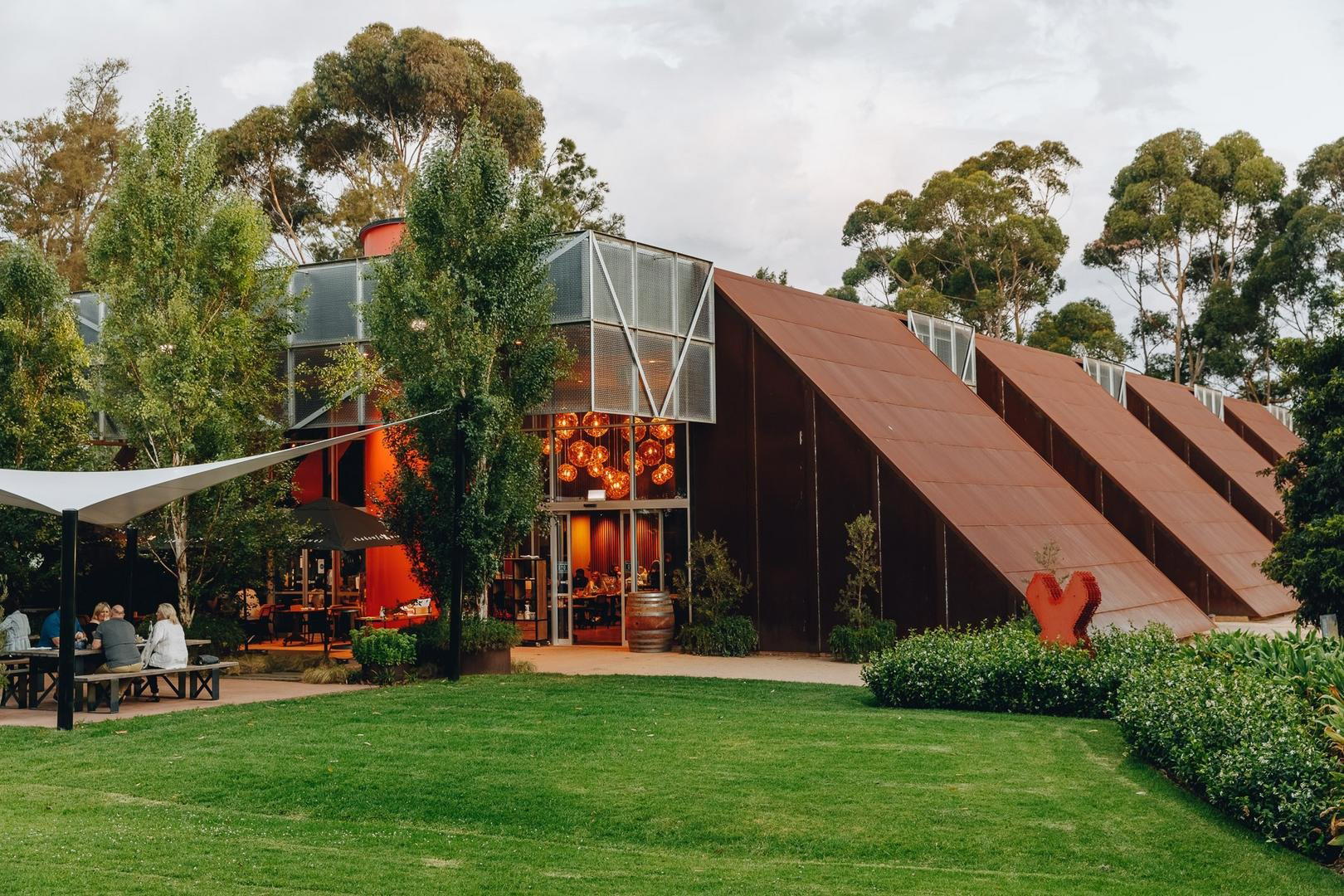
Victoria changes the tempo of wine travel before the first pour. The city sits with sea air on several sides, a dining culture tied to farms and fisheries, and a drinks scene that rewards patience over volume. In that setting, Shadowfax Wines reads less as a high-drama destination than as part of a coastal conversation: cool air, shorter growing windows, careful ripeness, and the increasingly serious place of British Columbia wine in a country often reduced to icewine clichés.
The more interesting way to understand Victoria wine is through restraint. Coastal influence tends to make acidity, aromatics, and texture matter as much as ripeness. That does not mean every bottle from the area tastes lean, nor that every producer works from the same template. It means the city gives wine drinkers a useful lens: look for tension, not excess; clarity, not weight. Shadowfax Wines fits that frame as a Victoria name with 1 Star Prestige recognition in 2025, a signal that the address has moved beyond casual local listing into a more selective tier of editorial attention.
Victoria's wine appeal is shaped by climate, not volume
Canada’s premium wine identity is often pulled toward larger, better-known regions, but Victoria occupies a different lane. The city’s strength is not scale. It is proximity to a mixed coastal food culture and a climate that makes wine feel connected to season rather than extracted from it. For travellers, that changes the decision. A wine stop here is not just a cellar-door errand between restaurant bookings; it can sharpen how the city’s kitchens, bars, and produce markets make sense.
Terroir is an overused word when it is treated as decoration. Around Victoria, it has practical implications: maritime moderation, wind exposure, rain patterns, and cooler evenings all affect how grapes can hold acidity and how winemakers think about balance. When a wine program in this city is working, the glass should feel aligned with that geography. Shadowfax Wines is worth reading through that standard. The point is not whether it performs luxury in the expected way; the point is whether it helps a visitor understand why this corner of Canada has a different register from warmer, more extractive wine regions.
That distinction matters for EP Club readers because Victoria often rewards itinerary design across categories. A wine-led afternoon can sit beside a seafood dinner, a restrained cocktail bar, or a small hotel with a strong neighbourhood position. For broader planning, use our full Victoria wineries guide alongside our full Victoria restaurants guide, our full Victoria bars guide, our full Victoria hotels guide, and our full Victoria experiences guide. The city works better when wine, dinner, and sleep are planned as one rhythm rather than separate checkboxes.
The value is in place-specific drinking, not cellar-door theatre
High-energy wine tourism often leans on architecture, broad views, and scripted tastings. Victoria’s more compelling wine stops usually ask for a quieter kind of attention. The relevant questions are direct: does the wine feel suited to the coast? Does the experience deepen the meal that follows? Does the producer’s recognition point to substance rather than noise? The winery, with its 2025 1 Star Prestige placement, belongs in that lower-key category of consideration.
This is also where expectations should be set carefully. With no public-facing detail here on format, pricing, hours, or reservation mechanics, the editorial case rests on category fit rather than operational promises. Treat the stop as a wine-focused addition to a Victoria itinerary, not as a guaranteed long-form tasting appointment unless current booking details confirm that format. That distinction is not a drawback; it is simply how serious travel planning works when the goal is to avoid overbuilding a day around assumptions.
For readers mapping Canada’s broader drinks culture, Victoria also sits in useful contrast to the country’s stronger whisky and estate-wine references. The EP Club drinks archive ranges from Alberta Distillers in Calgary, Black Velvet Distillery in Lethbridge, Canadian Mist Distillery in Collingwood, Forty Creek Distillery in Grimsby, and Gimli Distillery in Gimli to wine-country benchmarks such as Inniskillin in Niagara Falls and Mission Hill Family Estate in West Kelowna. Outside Canada, the same drinks lens extends to Crowded Barrel Whiskey Co. in Austin, 00 Wines in Carlton, and 1310 Spirit of the Country Distillery in Sierning. Those references are not substitutes for Victoria; they show how differently place, climate, and category can shape a serious drinks stop.
Who should put it on a Victoria itinerary
The winery makes the strongest case for travellers who prefer wine as context: people who want the day’s drinking to explain something about Victoria rather than simply fill an hour. It suits a slower schedule, especially when paired with dining that values coastal produce and lighter, acid-aware pairings. It is less suited to travellers chasing spectacle, large-format hospitality, or a heavily choreographed tasting experience.
The editorial verdict is practical: place this in a Victoria plan when the itinerary has room for a measured wine stop and when the surrounding meals will benefit from a sharper understanding of local climate and style. In a city where the sea affects the mood as much as the menu, that is the better reason to go.
Reputation & Price
Comparable venues nearby, for context on price, style, and recognition.
| Venue | Cuisine | Price | Notes |
|---|---|---|---|
| Shadowfax WinesThis venue — the venue you are viewing | Winery | Not listed | Not listed |
| Revolution Spirits | Winery | Not listed | Not listed |
| Gimli Distillery | Gimli, rye, corn | $$$ | Not listed |
| Forty Creek Distillery | Grimsby, Ontario | $ | Not listed |
| Inniskillin | Not listed | $$$ | Niagara-on-the-Lake, Vidal Blanc, Riesling |
| Naked Mountain Winery & Vineyard | Winery | Not listed | Not listed |
Continue exploring
More in Victoria
Wineries in Victoria
Browse all →
Bars in Victoria
Browse all →
Restaurants in Victoria
Browse all →
At a Glance
- Modern
- Scenic
- Sophisticated
- Quiet
- Group Outing
- Family
- Wine Education
- Special Occasion
- Solo Exploration
- Design Destination
- Barrel Room
- Private Tasting
- Historic Building
- Sustainable
- Garden
- Vineyard
- Macedon Ranges
- Pinot Noir
- Chardonnay
- Shiraz
- Pinot Gris
- Riesling
- Gewurztraminer
- Still Red
- Still White
- Still Rosé
- Sparkling
- Fortified
- Cellar Door Tasting
- Barrel Room Tasting
- Guided Tasting
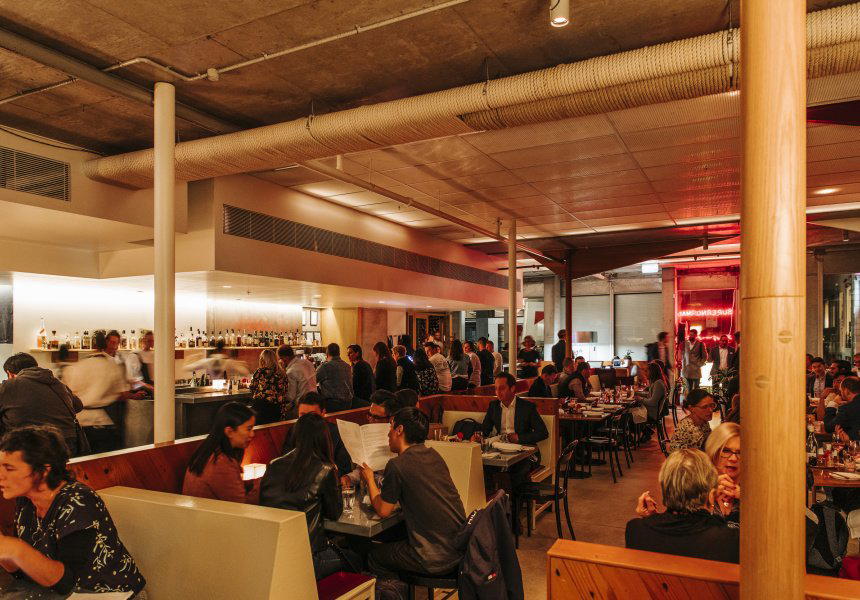
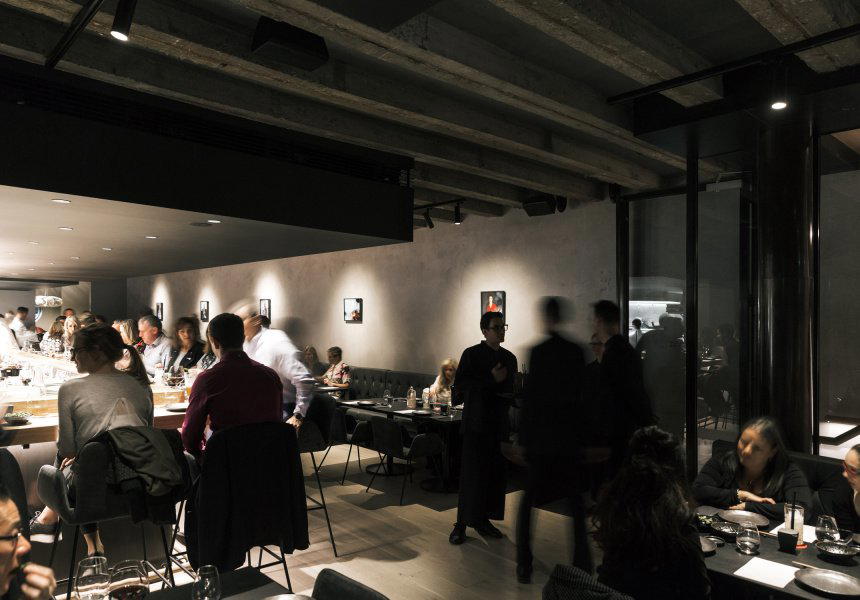
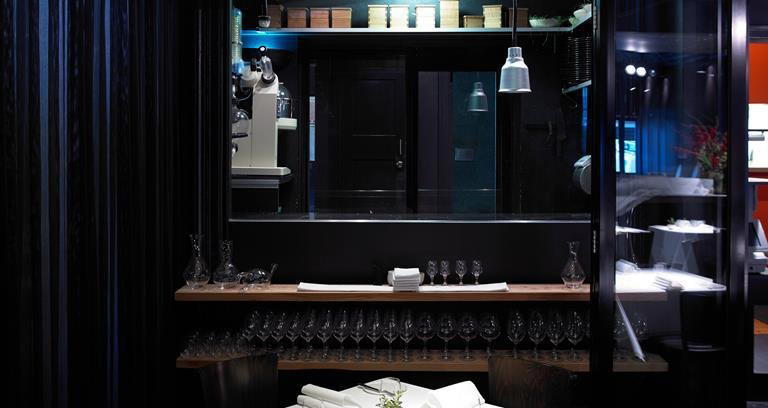
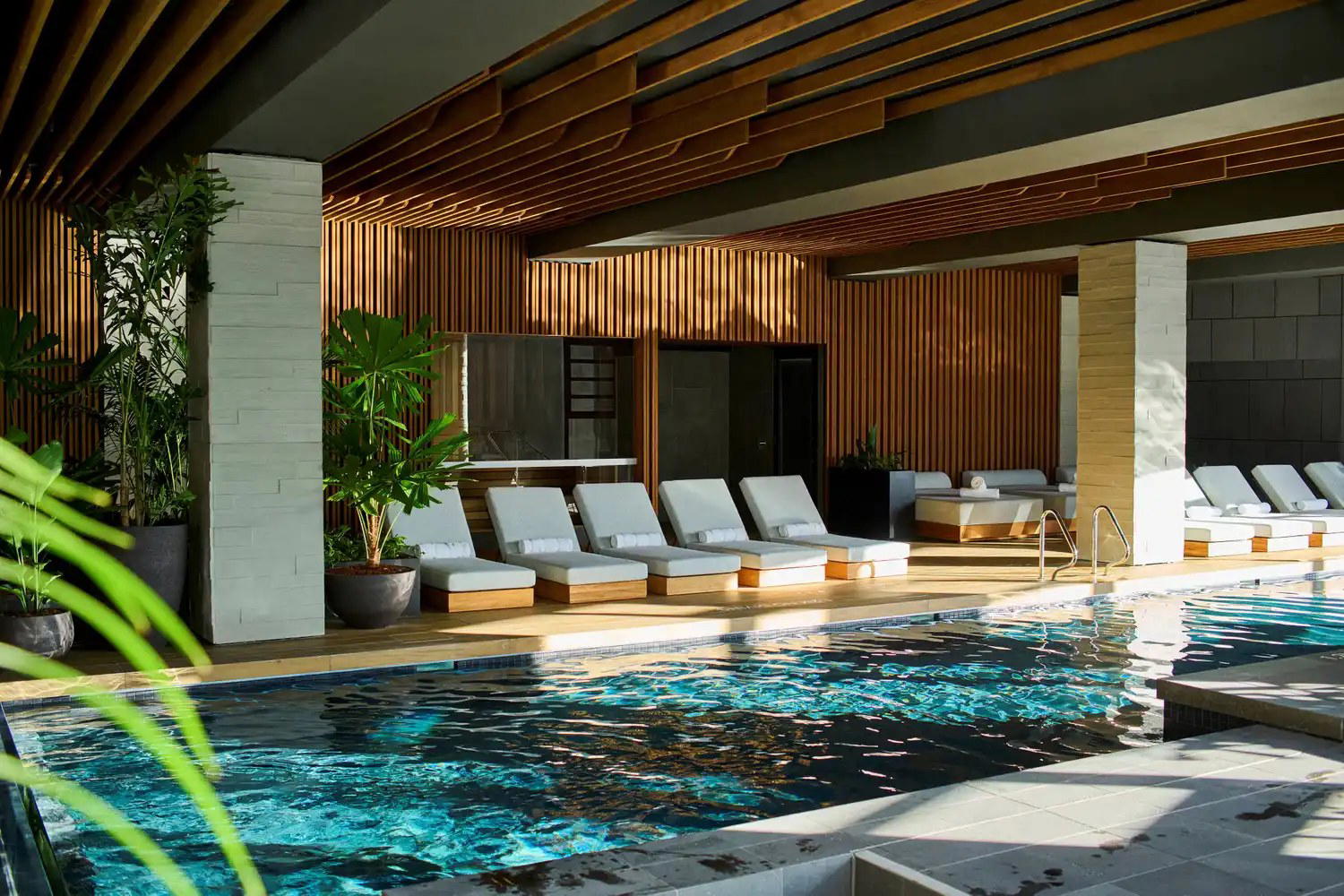
Modern, design-forward, and quietly scenic, with a terracotta-lit tasting room, rusted-sheet-metal exterior, and a restrained, sophisticated feel; guests also describe it as relaxed and a low-profile address for wine lovers.